Author: Dr. DMV – California Vehicle Specialist

  • Live Scan for Transportation Professionals: A Step-by-Step Guide

    Live Scan for Transportation Professionals: A Step-by-Step Guide

    Live Scan for Transportation Professionals: A Step-by-Step Guide

    Live Scan for Transportation Professionals: A Step-by-Step Guide

    Introduction

    What is Live Scan?

    These days, safety and security are super important. That’s why Live Scan technology is a big deal in lots of jobs, especially transportation. Live Scan uses cool fingerprinting technology to take fingerprints and other neat biometric info. It’s digital, so it’s faster, more accurate, and not as messy as the old ink method. It’s also really important to keep up with strict rules in the transportation world.

    Why This Guide?

    This guide will help you understand the Live Scan process for transportation workers. By following the steps, you’ll be able to go through the Live Scan easily. This way, you’ll meet all the safety, security, and rules your job needs.

    What is Live Scan?

    Definition

    Live Scan is a way to capture fingerprints digitally for background checks. It sends the info straight to agencies like the Department of Justice and the FBI. This way is quicker and more precise than the old ink and card method, making fewer mistakes and speeding up background checks.

    Why It’s Important for Transportation

    For transportation folks, Live Scan is not just for show. It’s a vital step to keep passengers and goods safe. By checking backgrounds, companies make sure they hire good and trustworthy people. For jobs like carrying dangerous stuff or passengers, following these rules keeps everyone safe and builds public trust.

    Why Transportation Workers Need Live Scan

    Following Rules

    Some transportation jobs, like being a commercial driver, school bus driver, or handling hazardous materials, must use Live Scan. These rules make sure everyone stays safe and keeps anyone with a bad background from getting sensitive jobs in the industry.

    Keeping Safe and Secure

    Live Scan also boosts safety by ensuring all employees have been checked out thoroughly. This reduces accidents at work and assures customers that the transportation they depend on is handled by reliable professionals.

    Step-by-Step Guide to the Live Scan Process

    1. Know What’s Needed

      • Job Check: Not all transportation jobs need a Live Scan. Jobs like bus drivers, truck drivers, and delivery folks usually do. Ask your boss or check rules to see if you need one.
      • Get Documents: Before your appointment, gather everything you need, like a valid ID, employer forms, and any reference numbers related to your job.
    2. Find a Live Scan Provider

      • Find Local Help: Look for local Live Scan providers. Choose one that is trusted and close by. Websites like the Department of Justice can help you find certified providers.
      • Book Online: Many places let you book online, saving you time. Check their website or call them to book a spot for your Live Scan.
    3. Get Ready for Your Appointment

      • Bring What You Need: Take a government-issued ID, any forms from your employer, and money for any fees.
      • Dress and Behavior: There’s no strict dress code, but dress neatly and be on time. It shows you respect the process.
    4. The Live Scan Process

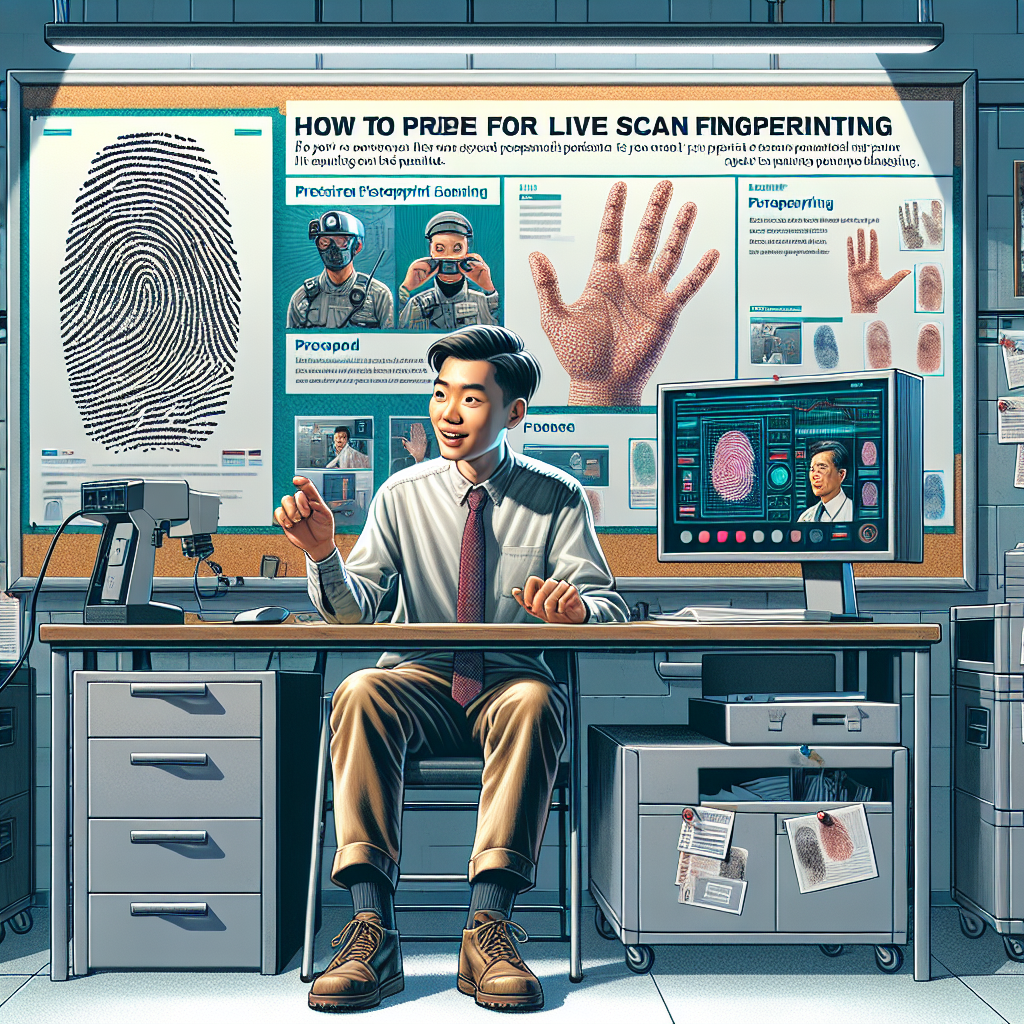
      • What Happens: The technician will guide you and place your fingers on the Live Scan device. It’s quick and easy.
      • How Long: Usually takes 10-15 minutes, but might be longer if there are fingerprint issues.
    5. After the Scan

      • Waiting Time: Results can take 48 hours to several weeks, based on agency workload.
      • Check Your Status: Your service provider or employer can tell you how to check your result status.
      • What’s Next: Once results are ready, your employer will guide the next steps, possibly including hiring or more checks.

    Common Challenges and Tips

    • Worried About the Process? Don’t worry, it’s safe. If errors occur, the technician will redo the fingerprints.
    • Smooth Tips: Avoid crowded times, keep your hands hydrated, and stay relaxed.

    Frequently Asked Questions

    What if Mine is Rejected?
    If unclear, you might redo it. Rejections are usually due to bad prints, not your past.
    How Often Needed?
    Usually once unless you change jobs or roles needing new checks.
    Fees Included?
    Yes, fees can change by provider and location. Ask your provider first.

    Conclusion

    Benefits Recap

    Doing a Live Scan is good for safety and following rules in transportation. It helps companies ensure high safety and trust levels by checking employee backgrounds.

    Encouragement

    By following these steps, transportation workers can improve their job chances and security. Don’t be afraid of the process; use this guide to handle Live Scan confidently.

    Additional Resources

    • Official Websites: Department of Justice, FBI
    • Get in Touch: For questions or to book an appointment, contact your local Live Scan provider or regulatory agency.

    Call to Action

    Are you excited to take the next step in your transportation career? Visit Tags Clinic at 3845 University Ave, San Diego, CA for optimum Live Scan services or call us on 619-777-9046. Our team of professional technicians is here to help you. To learn more, click here to visit our website.

    Our Location

  • Out‑of‑State Transfer to California: Navigating the DMV Like a Pro

    Out‑of‑State Transfer to California: Navigating the DMV Like a Pro

    Move Your Car to California: A Simple Guide to the DMV

    Move Your Car to California: A Simple Guide to the DMV

    Introduction

    Moving a car to California from another state might feel as tricky as driving through busy Hollywood streets! California has tough car rules, so following them is important to avoid any problems. You don’t want to miss any important papers or have issues with the smog check, which could turn your trip to the DMV into a big hassle. This guide will help make the process smooth and easy, so you can enjoy driving in California without any worries.

    What You Need to Know About the California DMV

    California cares a lot about car emissions and registration rules—almost as much as it loves its sunny beaches! Before you head to the DMV, make sure you have all the important papers ready:

    • Old Title and Registration: This shows you own the car and it was registered in another state.
    • Proof You Live in California: A state driver’s license, utility bill, or rental agreement will work.
    • Smog Check Paperwork: Most cars need to pass a smog test unless they are specially exempt.
    • Weight Certificate for Big Vehicles: Needed to confirm the weight of a commercial vehicle.

    How to Move Your Car to California

    Step 1: Get a Smog Certificate

    California wants clean air, so cars need to meet certain standards. Here’s how to do it:

    • Find a Smog Station: These are everywhere in California. Look online to find one near you.
    • Get Your Car Ready: Make sure your car is in good shape and fix any mechanical issues that could cause problems.

    Step 2: Go to the DMV

    This is the big step, where your preparation will pay off.

    • Appointments vs. Walk-Ins: It’s usually faster with an appointment. If you don’t make one, be ready for a wait.
    • Bring All Your Papers:
      • Application for Title or Registration (Form REG 343)
      • Vehicle/Vessel Transfer and Reassignment (Form REG 262)

    Step 3: Check Your VIN

    California checks the Vehicle Identification Number (VIN) to ensure your car is legal and safe.

    • Where to Get This Done: You can do this at the DMV or with a licensed group like the California Highway Patrol (CHP).

    Step 4: Show Your Insurance

    Make sure your insurance meets California’s rules. Bring proof to the DMV.

    Step 5: Pay the Fees

    Paying is not always fun, but it’s part of the deal.

    • What You Might Pay: Registration, taxes, and fees for smog, among others.
    • Save Some Money: Keep your receipts for rebates, and see if you qualify for any fee reductions.

    Common Problems and How to Fix Them

    • Mismatched Documents or VIN Errors: Double-check your papers before you go. Mistakes can slow things down.
    • Paperwork or Inspection Delays: Stay calm and be kind to the DMV staff. Fill out everything correctly to avoid extra trips.

    Tips for a Smooth Experience at the DMV

    • Checklist: Check all your papers before leaving home.
    • Best Times to Visit: Mid-week mornings are usually less busy.
    • Use Third-Party Services: If it’s too much, you can pay a service like Tags Clinic to help with the task.

    Conclusion

    Getting your car registered in California on time means you can drive around this beautiful state without worries. This guide is your best friend to help you avoid any bumps along the way.

    Extra Help

    FAQs

    1. What papers do I need for car registration in California? You need the old title and registration, proof of identity and California residency, a smog certificate, among others.
    2. How do I find a certified smog station? Use the online smog station locator to find one nearby.
    3. Can I just walk into the DMV? Yes, but it’s better to make an appointment if you can, to avoid long waits.
    4. What insurance do I need in California? You need to have basic coverage that can pay for injuries and damages.
    5. Are all cars required to do a smog check? Not all. Some cars, like certain models, hybrids, and electric cars, are exempt. Check with the DMV to be sure.

    Call to Action

    If you’re overwhelmed with the processes, why not let us help at Tags Clinic? We are located at 3845 University Ave, San Diego, CA and can handle all of your DMV-related work, making your life easier. Visit us or give us a call at 619-777-9046. Ready to get started? Click here to visit our website today and let us make your DMV experience a breeze!

  • How to Ensure Accuracy in Your Live Scan Fingerprinting Results

    How to Ensure Accuracy in Your Live Scan Fingerprinting Results

    How to Make Sure Your Live Scan Fingerprinting is Accurate

    How to Make Sure Your Live Scan Fingerprinting is Accurate

    Nowadays, Live Scan fingerprinting is super important for things like background checks and security clearances. Getting accurate results is really important for both people and organizations. Here’s how you can make sure everything goes smoothly.

    Introduction

    Live Scan fingerprinting is a digital way to take fingerprints for things like checking backgrounds. It’s fast and accurate, so it’s really useful for jobs, licenses, and even moving to a new country. But if the results are wrong, it can cause delays and extra costs.

    What is Live Scan Fingerprinting?

    Instead of using ink, Live Scan uses a machine to scan your fingerprints. It’s much better than the old way because it’s quicker and more precise. Accurate scans make sure that results are fast and trustworthy, which helps both people applying and the companies checking them.

    Getting Ready for Your Live Scan Appointment

    1. Check What You Need

    Before going, check what documents and IDs you need to bring. Different places have different rules depending on what you need the fingerprints for, like a job or a license.

    2. Pick a Good Live Scan Provider

    Picking the right place is important. Go to a reliable and certified Live Scan provider. Look for places with good reviews and who are known for doing a professional job.

    Things That Might Mess Up Your Fingerprints

    1. Bad Fingerprint Quality

    Your fingerprints might not be clear if your skin is dry, cut, or worn. Keeping your hands moisturized is a good idea, but don’t use lotion on the day of your appointment.

    2. Tech Problems

    Sometimes machines can mess up because they aren’t working right. Providers need to make sure their machines are well-maintained and ready to use before doing scans.

    3. Mistakes by People

    People make mistakes, which can mess up the process. It’s important to have trained and experienced workers to get things right.

    How to Get Accurate Results

    1. Before You Go

    Make sure you have all your paperwork filled out and that you know where to go. Double-check all your appointment details and be sure you have the right documents.

    2. At the Appointment

    Go with clean, dry hands so your fingerprints are easy to scan. Tell the technician if you have any hand injuries, and make sure all the information is correct before leaving.

    3. After the Appointment

    Ask for a copy of your fingerprints to keep. Find out how long it will take to get the results and follow up if they are late or wrong.

    What to Do if There’s a problem

    If your fingerprints don’t pass or there are errors, fix this right away. Contact the place you went to for your scan and see if you need to come back. If needed, talk to the right people to fix errors on your records.

    Conclusion

    Getting accurate Live Scan results means being ready, choosing the right provider, and checking everything after your appointment. Paying attention from start to end is key to getting good results.

    Extra Help

    • Official Guidelines: Check out your state or federal sites for detailed Live Scan info and procedures.
    • Common Questions: Get answers to common Live Scan questions to understand better and ease any worries.

    By following these tips, you can make sure your Live Scan fingerprinting goes well. Whether for a job, getting a license, or moving somewhere, accurate fingerprinting is a must-do step.

    Call to Action

    If you’re ready to take the necessary step towards accurate fingerprinting, we invite you to visit Tags Clinic at 3845 University Ave, San Diego, CA or give us a call at 619-777-9046.

    Visit our website to learn more about our services. Happy fingerprinting!

  • How to Research State‑Specific Requirements for California Vehicle Transfers

    How to Research State‑Specific Requirements for California Vehicle Transfers

    How to Find Out the Rules for Transferring a Car in California

    How to Find Out the Rules for Transferring a Car in California

    Introduction

    If you’re going to transfer a car in California, it’s important to know the rules specific to the state. Trying to do it without knowing the rules
    can lead to problems or delays, and nobody wants that. At Tags Clinic in San Diego, we are here to make the DMV process easy and simple. California
    has special rules for transferring vehicles, especially about emissions and the environment. Here’s how to be fully prepared!

    What is a Vehicle Transfer?

    A vehicle transfer is all about legally changing who owns a vehicle. This usually happens after a sale, as a gift, or through inheritance. You need
    to follow state rules carefully to make sure the transfer is smooth and legal. Every car owner has to follow these rules to avoid problems.

    Finding California’s Special Rules

    California has some special rules, such as strict emissions standards because of the state’s focus on the environment. The state’s Vehicle Code and
    DMV rules have some unique things for the transfer process. Here’s how you can learn about these requirements.

    Step-by-Step Guide to Finding the Rules

    Step 1: Go to the California DMV Website

    • Go to the “Vehicle Registration” section.
    • Look for the “Title Transfers” page for important information.
    • Check for any temporary steps due to health guidelines.

    Step 2: Read the California Vehicle Code

    • You can find it online and it has detailed laws about vehicle transactions.
    • Look for rules that talk about title transfers to make sure you follow them.
    • If the legal words are confusing, ask a DMV expert or Tags Clinic for help.

    Step 3: Know Smog Check Rules

    • Check if your car needs smog certification.
    • Find smog check stations through the DMV site or ask for suggestions.
    • Make sure your car passes the smog check to avoid delays.

    Step 4: Look for Additional Local Rules

    • Check local DMV branch websites or call them for county specific rules.
    • Use local online groups to get advice from others.

    Documents You Need for Vehicle Transfers

    To make the transfer easy in California, gather these documents:

    • Title Transfer: The title certificate signed by both parties.
    • Bill of Sale: A document that shows the sale details.
    • Odometer Reading Disclosure: Needed for cars that are less than 10 years old.
    • Smog Certification: If needed, show a valid smog test certificate.
    • Extra Forms: Depending on the case, you might need a Statement of Facts or other DMV forms.

    Costs for Vehicle Transfers

    Transferring a car in California comes with some costs:

    • Title Transfer Fees: Usually around $15, but it can change if you miss appointments or submit late.
    • Use Tax: This is based on the sale price and local tax rates.
    • Be ready for other fees if you don’t qualify for exemptions.

    Tips for an Easy Vehicle Transfer

    Avoid problems by doing the following:

    • Check all paperwork for mistakes.
    • Plan your DMV visits for the morning or midweek to avoid crowds.
    • If you need it fast, consider a rush title service through Tags Clinic.

    Where to Get Help

    If you need assistance:

    • Contact Tags Clinic for expert advice.
    • Reach out to California DMV by phone or online for questions.
    • Join online groups that talk about California vehicle rules for more help.

    Conclusion

    Doing good research is your friend when transferring a vehicle in California. Stay informed and get help when needed to complete everything with ease and confidence.

    Call to Action

    Share this guide with friends who are also transferring a vehicle, so they know what to do too. Make a checklist to track your progress.
    For personalized assistance, visit Tags Clinic in San Diego where we make DMV experiences easy.
    Book an appointment with us today!

    Visit us at 3845 University Ave, San Diego, CA or call us on 619-777-9046.

  • Live Scan Fingerprinting for Security Personnel: A Comprehensive Guide

    Live Scan Fingerprinting for Security Personnel: A Comprehensive Guide

    Live Scan Fingerprinting for Security Personnel: A Complete Guide

    Live Scan Fingerprinting for Security Personnel: A Complete Guide

    Introduction

    Making sure security workers are properly checked is super important for keeping everyone safe and building trust. Fingerprinting is a key part of this, helping confirm who people are. But old ways of doing it can take a long time and might have mistakes. Now we have Live Scan technology, which is a new way that is more accurate and faster. This guide will help you understand Live Scan fingerprinting for security jobs, why it’s important, how it works, what it costs, and more.

    What is Live Scan Fingerprinting?

    Live Scan fingerprinting is a digital way to take fingerprints. Instead of using ink and paper, it uses a computer. Here are some good things about it:

    • Accuracy: Digital fingerprints are clearer and don’t get smudged.
    • Speed: It’s quicker and the fingerprints can be sent to places right away.
    • Convenience: No more losing or ruining paper cards since everything is digital.

    Live Scan works by taking super-clear pictures of your fingerprints with a digital scanner and then sending them to important places for background checks.

    Why is Live Scan Fingerprinting Important for Security Workers?

    In many security jobs, fingerprinting is needed by law to make sure the person doesn’t have a bad criminal past. Live Scan fingerprinting helps build trust and credibility because:

    • Compliance: It meets the legal rules needed for hiring security workers.
    • Crime Prevention: It helps keep people with bad criminal records from these jobs.
    • Building Trust: It makes sure that property owners, bosses, and the public can trust the security staff.

    How Does the Live Scan Fingerprinting Process Work?

    Step-by-Step Guide

    1. Get Ready: Before you go, gather the ID papers you need and check with your future boss or agency if you need any special forms.
    2. At the Appointment: When you get to your Live Scan appointment, the worker will check your ID and use a digital scanner to take your fingerprints. It’s quick and easy.
    3. Sending and Checking: The fingerprints are sent electronically to places like the Department of Justice (DOJ) or the FBI for background checks. The results go to your boss or licensing agency.

    How Long Does It Take?

    The fingerprinting part takes about 10-15 minutes. Getting the results can take from 48 hours to a few weeks, depending on how fast the agency works.

    Picking a Live Scan Service

    When choosing a Live Scan service, think about these things:

    • Reputation and Reviews: Look for good reviews and referrals.
    • Accreditation and Licensing: Make sure the service is allowed to do Live Scan fingerprinting.
    • Technology and Equipment: They should have updated tools and safe ways to send data.

    Questions to Ask

    • How experienced are you with security personnel?
    • How do you keep data safe?
    • How fast do you usually get results?

    What Does Live Scan Fingerprinting Cost?

    Costs might include:

    • Service Fee: This is what the Live Scan provider charges you.
    • Government Fees: These are fees from the DOJ or FBI for processing.

    Some companies give discounts to security groups, so ask if you can save some money.

    Since fingerprinting involves private data, privacy laws are important:

    • Data Protection: Live Scan keeps data safe with encryption and follows rules.
    • Rights and Protections: Know your rights about how your fingerprint data is used and shared as a security job applicant.

    Tips for a Good Live Scan Experience

    • Bring Your Papers: Have all your IDs and forms ready.
    • Clean Hands: Make sure your hands are clean to avoid errors.
    • Be on Time: Get there on time so you don’t have to reschedule.

    Common Questions (FAQs)

    1. How is Live Scan different from other background checks?
      Live Scan is faster and more reliable than ink-based methods because it’s digital and cuts out human errors.
    2. What if my fingerprints are rejected?
      If they’re rejected for quality reasons, you might need to do them again for free.
    3. How long are fingerprints kept and who can see them?
      Fingerprints are stored securely and only seen by allowed agencies for background checks.

    Conclusion

    Live Scan fingerprinting is super important for making the security field better. It’s efficient, reliable, and follows the rules. As we move to more advanced ways, using Live Scan makes sure security workers are checked well, fitting today’s safety standards.

    More Resources

    By using this guide, security workers can understand Live Scan fingerprinting better and its big role in their jobs. Visit us to see how our services can help with your security checks easily.

    Call to Action

    Ready to take the next step towards a safer and more secure future? Visit us at
    Tags Clinic located at 3845 University Ave, San Diego, CA or feel free to give us a call at 619-777-9046. We’re eager to provide you with quality service, ensuring your background checks are seamless, fast and reliable. Drop by today, our friendly team is waiting to serve you!

  • The Ultimate FAQ on Transferring a Vehicle from Out‑of‑State to California

    The Ultimate FAQ on Transferring a Vehicle from Out‑of‑State to California

    The Ultimate FAQ on Moving Your Car to California from Another State

    The Ultimate FAQ on Moving Your Car to California from Another State

    Introduction

    Moving your car to California from another state can feel a bit tricky. The rules are strict, and you’ll need to follow California’s car registration laws carefully to avoid any problems. This FAQ will help make the process simpler and provide clear answers to your questions.

    Section 1: Getting Ready

    Knowing What You Need to Register Your Car in California

    California’s car registration rules might seem a bit confusing, but if you know what you need, it will be a lot easier. You’ll need important papers like your out-of-state car title, proof of insurance, and a valid ID. Plus, California requires smog checks and inspections to keep the air clean.

    Collecting All Your Papers

    Before you start, make sure you have:

    • Your Out-of-State Title
    • Proof of Insurance
    • A Valid ID
    • A California Smog Certificate (if you need one)
    • A Bill of Sale (if you have one)

    Tip: Make sure all your papers have the right information so you don’t have any delays.

    Section 2: Checks and Inspections

    Getting a California Smog Check

    A smog check makes sure your car isn’t polluting too much and it’s required unless your car is on the exemption list. Cars made before 1975 or certain diesel and electric cars might not need one.

    Checking Your Vehicle’s Identification Number (VIN)

    Checking your VIN makes sure your car matches the documents. You can do this at many California DMV locations or use services like Tags Clinic to make it easier.

    Section 3: Paying Fees

    Understanding Registration Fees

    You’ll need to be ready to pay different fees, like:

    1. Registration Fee
    2. Title Transfer Fee
    3. Smog Fee (if you need it)

    If you’re late, you’ll have to pay a penalty, so don’t wait too long.

    Tips for Managing Costs

    Plan ahead for all the costs. Look into ways to save on fees or see if you qualify for any discounts.

    Section 4: The Registration Steps

    How to Transfer Your Car Title, Step-by-Step

    1. Gather all your papers.
    2. Fill out a California DMV application.
    3. Do your smog check and VIN verification.
    4. Turn in papers and fees at the DMV or use Tags Clinic.
    5. Get your new California title and registration.

    Mistakes to Watch Out For

    Be sure your paperwork doesn’t have errors—missing signatures or wrong information can cause problems. Fill out everything completely and correctly.

    Section 5: Common Questions People Ask

    How Much Time Do I Have to Register My Car?

    You have 20 days after you move to California to register your car.

    What if My Car Doesn’t Pass the Smog Test?

    If your car doesn’t pass, you need to fix it. Ask local mechanics or smog centers for help with the repairs.

    What About Leased or Financed Cars?

    If your car is leased or financed, talk to your lender. You might need their permission to transfer the title.

    Section 6: More Resources

    Where to Get Help and Learn More

    Visit the California DMV website or call them for more help. They have lots of online guides to help you through the process.

    Use Professional Help for a Smooth Transfer

    Consider using a service like Tags Clinic in San Diego for a smoother experience. They offer help with moving your car, saving you time and stress.

    Conclusion

    Moving your car to California from another state has steps to follow, but with good preparation, it can be easy. Make sure you get all the right information, follow California’s rules, and avoid common mistakes.

    For a smoother transfer, think about getting help from professionals like Tags Clinic who know all about DMV services in San Diego.

    Call to Action

    Don’t deal with long DMV lines and possible problems. Contact Tags Clinic for expert help in moving your car today. Visit our website, call us at 619-777-9046, or stop by our San Diego location at 3845 University Ave, San Diego, CA to see how we can make your DMV experience better.

    See you soon!

  • How to Handle Live Scan Delays: What You Can Do

    How to Handle Live Scan Delays: What You Can Do

    How to Handle Live Scan Delays: What You Can Do

    Introduction

    Today, safety is super important, so background checks are used a lot for jobs, licenses, and volunteering. One way this is done is with Live Scan. It’s a digital fingerprinting service that lets you send fingerprints electronically, without any messy ink. Live Scan checks help keep us safe and ensure everything is done right. But sometimes, there can be delays, which can be frustrating, especially if your application or certification needs to be done quickly.

    Understanding why these delays happen and knowing what to do can help a lot. This blog post will show you how to keep Live Scan delays from causing too much trouble.

    Understanding Live Scan Delays

    How the Live Scan Process Works

    Live Scan takes your fingerprints digitally and sends them to an agency for processing. Your prints are compared to a database to check your background, which is important for jobs, licenses, or volunteer work.

    Common Causes of Delays in Processing

    Delays in Live Scan can happen because of:

    • Lots of Applications: If many people are using Live Scan or the agency is slow, it can cause delays.
    • Technical Problems: Sometimes, the machines might break or not capture enough data, causing you to need a rescan.
    • Wrong Personal Info: If your name, birth date, or social security number is wrong, it can delay the process until it gets fixed.

    Steps to Minimize Delays Before Submission

    You can make things go smoother by doing a few things before sending your Live Scan:

    Check Your Personal Info

    • Make sure all your details are correct before you send in your Live Scan. Correct information means your application won’t get delayed for extra checks.

    Use Trusted Live Scan Service Providers

    • Choose well-known and experienced providers for the service. They’re likely to do everything right and get it done quickly.

    Schedule Your Appointment at Less Busy Times

    • Book appointments when it’s not as busy. This helps you avoid long waits and errors because staff are rushed.

    What to Do if Delays Occur

    Sometimes, even when you try hard, delays can still happen. Here’s what you can do:

    Reach Out to the Agency Requesting the Scan

    • Keep in touch with the agency requesting your Live Scan. They might know more about what’s happening or give a timeline on the results.

    Follow Up with the Provider

    • Ask the Live Scan provider about the status. They might find out if something went wrong during processing.

    Double-Check for Mistakes

    • Look for any mistakes or missing info. Fixing any problems quickly can stop longer delays.

    Alternative Solutions and Next Steps

    Try to Speed Up Processing

    • Some places offer fast processing for a fee, but this could get you results faster.

    Be Ready for Impacts on Jobs or Certifications

    • Understand that delays might affect job applications or certifications. It might help to plan for different starting dates or certification times.

    Plan to Avoid Future Delays

    • Update your info regularly and set reminders for future Live Scans so you don’t run into problems at the last minute.

    Conclusion

    To sum it up, being ready and knowing how Live Scan works can ease the stress of delays. By checking your information, picking good providers, and keeping in touch with agencies, you can manage delays better.

    Additional Resources

    For more help and information on Live Scan processes, check out these resources:

    By staying aware, prepared, and proactive, you can handle Live Scan delays with little to no trouble.

    Call to Action

    Don’t let Live Scan delays stand in your way. Visit Tags Clinic at 3845 University Ave, San Diego, CA for a hassle-free experience. Our experienced staff assures prompt service. You can also call us at 619-777-9046 for any queries. For more details, check out our website https://tagsclinic.com.

    We’re here to help make your Live Scan process as smooth as possible.

  • How to Make Sure Your Out‑of‑State Vehicle is Ready for California Roads

    How to Make Sure Your Out‑of‑State Vehicle is Ready for California Roads

    How to Get Your Out-of-State Car Ready for California Roads

    How to Get Your Out-of-State Car Ready for California Roads

    Moving to California with your car comes with its own challenges, especially when it comes to following the state’s strict car laws and rules about the environment. It’s really important to make sure your out-of-state car is good to go on California roads. This way, you can avoid fines, problems with the law, and any extra hassle. Here’s a helpful guide to make your car ready to drive in California.

    1. Know What California Requires for Cars

    California is famous for having strict car laws, especially about emissions. Understanding these rules is the first big step to getting your car ready:

    • Car Registration: Make sure to register your car with the California Department of Motor Vehicles (DMV) within 20 days of moving to the state, so you won’t get in trouble.
    • Smog Check: Most cars in California have to pass a Smog Check every two years. Make sure your car meets these emission standards to get approved for registration.
    • Why It Matters: Following these rules isn’t just about avoiding fines; it helps the environment and supports California’s clean air efforts.

    2. Get Your Papers Ready

    Before you start registering, gather all the needed documents. This makes your registration easier:

    • Title and Registration: Bring your out-of-state title and current registration papers.
    • Insurance: Have proof of insurance that meets California’s rules.
    • VIN Check: You need paperwork showing your Vehicle Identification Number (VIN).
    • Smog Check Certificate: If your car needs a Smog Check, make sure to have a valid certificate from California.

    3. Get Your Car Checked and Maintained

    To make sure your car meets California’s emissions standards, inspection and regular maintenance are key:

    • Check for Compliance:
      • Look over emissions equipment visually.
      • Fix any dashboard warning lights.
      • Make sure all parts related to emissions are working.
    • Finding Help: Find a licensed mechanic or inspection station that knows about California emissions standards.
    • Common Problems: Misfires, leaks, or bad catalytic converters can make your car fail the test. Fix these issues before the inspection.

    4. How to Register Your Car

    Registering your out-of-state car involves a few steps. Here’s a simple guide:

    • Go to the DMV: You can visit a DMV office or use services like Tags Clinic for a quicker process.
    • Fill Out Forms: You need to fill out the Application for Title or Registration (Form REG 343) and pay any fees.
    • Timing: Register within 20 days to avoid penalties. If you delay, you might face fines and extra fees.

    5. Know California’s Insurance Rules

    To drive in California, you need car insurance that meets state standards:

    • Minimum Coverage: California requires at least $15,000 for injury or death to one person, $30,000 for more than one person, and $5,000 for property damage.
    • Policy Differences: Learn how California’s insurance rules differ from your old state.
    • Update Your Policy: Talk to your insurance provider to adjust or find a policy that complies with California law.

    6. Extra Tips and Things to Think About

    Be ready for special situations and find useful resources:

    • New Residents: If you’re new, get to know local traffic laws and driving conditions.
    • Commercial Vehicles: Know that extra rules may apply if you have a commercial vehicle.
    • Resources: Use the California DMV website and services like Tags Clinic for help and more information.

    Conclusion

    Getting your out-of-state car ready for California involves knowing the rules, getting your documents together, checking your car, registering it, and getting the right insurance. Doing this quickly will save you from problems with the law and money troubles.

    For an easier move to California driving, you might consider using services like Tags Clinic to handle car registration and other DMV tasks. Share this guide with friends or family who are moving to California with their cars, and feel free to ask if you have any questions or need more help!

    Call to Action

    Are you looking for help getting your vehicle ready for California’s roads? Visit Tags Clinic at 3845 University Ave, San Diego, CA, or call 619-777-9046. We’re here to help make your transition to California as smooth as possible. For more information about our services, visit our website at https://tagsclinic.com.

  • The Connection Between Live Scan and Public Safety in California

    The Connection Between Live Scan and Public Safety in California

    The Connection Between Live Scan and Public Safety in California

    The Connection Between Live Scan and Public Safety in California

    Introduction

    In today’s world, keeping people safe is really important. One tool that helps keep California safe is called Live Scan. But what exactly is Live Scan, and how does it help protect our communities? This blog will explain what Live Scan is, why it’s important, how it keeps us safe, and how it makes a difference in California.

    What is Live Scan Technology?

    Live Scan is a cool fingerprinting technology that captures and sends fingerprints electronically to law enforcement. This is used for background checks. Unlike the old ink-and-paper way, Live Scan is fast, clean, and gives quick access to criminal history records. To do this, you simply place your fingertips on a glass screen, and digital pictures of your prints are taken. These pictures are then sent to the Department of Justice (DOJ) and the Federal Bureau of Investigation (FBI) to be checked.

    Why Live Scan is Important in California

    In California, Live Scan is super important for lots of jobs that the law regulates. These jobs need strict background checks, and here’s why:

    • Healthcare: Workers in hospitals and clinics, who look after people, need to show they don’t have a criminal background so patients stay safe.
    • Education: Teachers and school staff must have their fingerprints scanned to make sure people with a criminal past can’t work with students.
    • Law Enforcement: It’s crucial to vet those responsible for public safety to ensure they don’t have a criminal history.
    • Other Jobs: Fields like childcare and financial services also need these background checks to protect people and build trust.

    How Live Scan Makes Us Safer

    Background checks with Live Scan help stop crime. By keeping a record of people’s histories, Live Scan helps stop fraud and bad practices. By quickly finding out who people are, this system lets the authorities act fast against potential dangers. Thanks to Live Scan, things like stopping unauthorized people from working in sensitive areas and responding quicker to crime have improved.

    Benefits of Live Scan for Everyone

    Live Scan gives lots of benefits over older fingerprinting. For individuals, it’s easy and fast, with quick results. Organizations get peace of mind knowing they’ve hired trustworthy folks. This builds trust with customers and the community.

    Challenges and Limits of Live Scan

    Even though it’s great, Live Scan has some challenges. In remote places, it can be hard to find Live Scan facilities. Privacy is another concern, but California uses strong data protection measures. To make Live Scan work even better, efforts are ongoing to make it more accessible and protect people’s information.

    The Future of Live Scan and Safety in California

    In the future, better technology could make fingerprinting even safer. Adding new types of data could make Live Scan more reliable. New rules might make it easier for everyone in the state to access Live Scan. As we need more safety, Live Scan will need to improve to help California become a safer place.

    Conclusion

    In conclusion, Live Scan is a huge part of keeping California safe. It ensures that people in important jobs are properly checked, acting as a frontline defense against crime and wrongdoing. It’s essential for everyone, from police to local businesses, to support and use Live Scan to keep everyone in California safe. If you care about public safety, learn more about Live Scan and support systems that help create a secure and trustworthy community.

    Additional Resources

    For more details on how public safety and fingerprinting work in California, check out these resources and find ways to support safety in your community.

    Call to Action

    A trusted partner in providing Live Scan services, we invite you to visit Tags Clinic at 3845 University Ave, San Diego, CA. Don’t hesitate to reach out for any queries and needs. If the location isn’t convenient, give us a call at 619-777-9046. We’re here to serve you 24/7. Learn more about us here.

  • Out‑of‑State Vehicle Transfers: A Practical Guide for California Newcomers

    Out‑of‑State Vehicle Transfers: A Practical Guide for California Newcomers

    Out-of-State Vehicle Transfers: A Helpful Guide for California Newcomers

    Out-of-State Vehicle Transfers: A Helpful Guide for California Newcomers

    Introduction

    Welcome to California—the land of amazing landscapes, long coastlines, and lots of different cultures. If you’ve just moved here, you’re probably already enjoying the sunny weather and exciting lifestyle. But there’s one important task you need to do: transferring your out-of-state vehicle. The process of moving your vehicle to California can be confusing because of the special rules and deadlines here. Understanding this process is important to make sure everything goes smoothly and to avoid any expensive fines. Let’s look at the important steps you need to follow to transfer your vehicle to California without any trouble.

    Understanding California Vehicle Registration Rules

    Who needs to register their vehicle in California? If you’re a new resident, you should register your out-of-state vehicle right away. California law says you must do this within 20 days of becoming a resident, or you might face penalties. Being a resident can mean different things, like getting a job in California, enrolling your kids in a local school, or renting or buying a home. It’s very important to follow these rules because not registering in time can lead to high fines and stress.

    Necessary Documents for Vehicle Transfer

    When moving your vehicle, being prepared is key. Make sure these important documents are ready:

    • Original Vehicle Title: You need the original title from your old state to show you own the vehicle.
    • Proof of California Insurance: California has specific insurance requirements, so you need to update your policy.
    • Application for Title or Registration (Form REG 343): This is your main form for title or registration.
    • Smog Certification: Some vehicles need a smog check—make sure if yours does.
    • VIN Verification: This checks your vehicle’s identity and authenticity.

    Steps for Completing the Vehicle Transfer Process

    1. Get Your Documents Ready: Make sure all your documents are complete and easy to find.
    2. Schedule a Smog Check: Find out if your car needs a smog check—older vehicles often do. These checks make sure your car meets California’s eco-friendly emissions standards. You can find licensed smog stations nearby.
    3. Visit the DMV: Try to make an appointment to reduce waiting time. At the DMV, you’ll need to submit your paperwork, pay any fees, and sometimes complete the VIN verification.
    4. Complete VIN Verification: This is often done at the DMV, but you can also have it done by a licensed verifier before you go.
    5. Pay Fees and Taxes: Be ready for the costs involved in the transfer, which can vary. Keep all your payment receipts and papers safe.

    Timeline: How Long Does the Process Take?

    The whole process can take from a few days to a few weeks. Things like scheduling a smog check or waiting for a DMV appointment can cause delays. Being proactive by gathering documents and avoiding busy days at the DMV can help speed things up.

    Tips for a Smooth Transfer Process

    • Check your paperwork carefully before heading out. Missing documents can mean wasted trips.
    • Get your payment options ready; not all DMVs accept credit cards.
    • Stay updated on DMV policy changes by checking their website so you won’t be surprised later on.

    Common Mistakes to Avoid

    Newcomers often underestimate the details of transferring a vehicle. Common mistakes include forgetting about the smog check or losing important documents. Avoid these by using a checklist and double-checking what you need for your specific case.

    Resources and Support

    The California DMV website is a great resource with forms, directions, and contact info. There are also private services, but they cost extra. Choosing a local third-party DMV service, like Tags Clinic, can save you time and reduce stress.

    Conclusion

    Transferring your vehicle to California might seem hard, but with good preparation and knowledge, it can be quite easy. Start early, stay organized, and use the resources available to ensure a smooth registration process.

    Call to Action

    Are you ready to navigate California’s registration waters with ease? Start today, and share your experiences or questions in the comments. Whether you’re transferring a vehicle or just want to understand more about living in California, subscribe to our blog for helpful tips and newer updates!

    For more help, visit Tags Clinic on 3845 University Ave, San Diego, CA or call us at 619-777-9046 to make your registration and title transfer easy! We are here to help you make the process stress-free!