Category: Out-of-State Vehicle Transfers

Transfer your vehicle from another state to California without the DMV hassle.

  • The Legal Requirements for Out‑of‑State Vehicle Transfers in California

    The Legal Requirements for Out‑of‑State Vehicle Transfers in California


    Moving Your Car to California: What You Need to Know

    Moving Your Car to California: What You Need to Know

    Introduction

    Moving a car to California from another state can feel a bit like solving a tricky puzzle. There are lots of rules to follow, and it can be a bit confusing. But it’s important to go through these steps to avoid trouble, like fines, and to be sure you’re following the California DMV rules. In this post, we’ll help you understand what you need to do to move your car to California without any problems.

    Getting the Basics

    First things first! When you move your car, it means changing your car’s registration from your old state to California. This is important so you can drive legally in California and take advantage of the state’s services that help protect your car.

    What You’ll Need to Do

    Checking Your Car

    1. Physical Check: California wants all cars from other states to have a physical check. They do this to make sure your car’s identification number matches the records.
    2. Verification Process: You’ll have to get this check done using a special form called REG 31. This form needs to be filled out by someone from the DMV or a licensed car checker.

    Smog Check

    1. Standards: Cars that are more than four years old often need this test to make sure they meet air quality standards.
    2. Inspection Needs: Your car needs a smog test unless it falls under exceptions like being an electric or hybrid car.
    3. Exemptions: Some cars might not need this test depending on their age and type.

    Owning the Car

    1. Showing Proof: Usually, you’ll need the title from your old state.
    2. Lost Title: If you can’t find the title, you need to get a duplicate from where it was first made.

    Paying Fees and Taxes

    1. Fees and Tax: How much you pay depends on how much the car cost and where you live in California.
    2. Use Tax: This is a percentage of the car’s purchase price and can change depending on your city or county.

    How to Register Your Car in California

    Get All Your Papers Ready

    It’s important to be prepared. Here’s what you’ll need:

    • The car’s title from your old state and maybe a bill of sale.
    • Completed Form REG 343 to apply for the title in California.
    • Smog certification if needed.
    • Completed Form REG 31 for car verification.
    • Proof of car insurance.

    Submit Your Application

    • Visit the DMV: You might need to go to the California DMV office in person to hand in your papers.
    • Follow the Steps: Be sure everything is filled out correctly to avoid any delays.

    Temporary Permits

    While you wait for your registration, you can apply for a temporary permit to drive legally.

    Common Problems and Fixes

    Sometimes things don’t go as planned:

    1. Paper Problems: Double-check your paperwork to fix any problems before going to the DMV.
    2. Inspection Issues: If your car doesn’t pass its check, fix the problems and try again quickly.

    Tips for Easy Car Transfer

    • Check Everything Twice: Make sure all your papers are complete and filled out correctly before going to the DMV.
    • Plan Your Trip: Try to visit the DMV when it’s less busy or make an appointment to save time.

    Conclusion

    Moving your car to California might seem tough, but with the right steps, you can do it. By following these tips and meeting all the requirements, the process can go smoothly.

    Extra Help

    Visit the California DMV website for official forms and more info.

    You can also ask for help from places like Tags Clinic for guidance.

    Call to Action

    Understanding all the details for moving your car from another state is less tricky with expert help. Make sure you know everything you need to and feel free to reach out to Tags Clinic for professional advice and help. Visit our office at 3845 University Ave, San Diego, CA or call us on 619-777-9046. You can also make an appointment online at our website.

  • How to Avoid Common Pitfalls When Transferring a Car to California

    How to Avoid Common Pitfalls When Transferring a Car to California

    “`html

    How to Avoid Common Problems When Transferring a Car to California

    Moving your car to California can be tricky, especially when you need to register it and follow the state’s rules. Let’s look at what you need to know to make this easier.

    1. Starting Out

    If you want to transfer a car to California, you need to follow their car registration rules carefully. If you miss a step, you might have to pay extra money or wait longer than you want. This guide will help you transfer your car without any problems.

    2. Knowing California’s Car Registration Rules

    Before you start, gather these important papers:

    • Proof that you own the car (like a title from another state).
    • Proof of car insurance that fits California’s rules.
    • A smog test certificate.
    • A completed Application for Title or Registration (Form REG 343).
    • The car’s odometer reading (if it’s under 10 years old).

    Also, make sure your car passes California’s emissions standards, which means you’ll likely need a Smog Check. Know about the fees you’ll pay, like the registration fee, use tax, and a license fee based on the car’s value.

    3. Problem 1: Ignoring Emissions Standards

    The Smog Check Program is very important. Check if your car passes by visiting the California Department of Motor Vehicles (DMV) website. If your car doesn’t pass the smog test, fix it quickly to avoid problems.

    4. Problem 2: Waiting Too Long to Register

    New Californian residents have only 20 days to register their cars. If you miss this deadline, you could pay extra fees. Get your papers and inspections done early, so you’re ready in time.

    5. Problem 3: Not Knowing Fees and Taxes

    Understanding registration fees can be confusing. They usually include a license fee, weight fee (if needed), and a county/district fee. Don’t just guess the fees based on your car’s value. Use online tools to find out the actual cost.

    6. Problem 4: Wrong or Missing Documents

    Having mistakes in your documents can stop the registration process. Make sure:

    • The out-of-state title is correct.
    • The VIN verification is done if your car was registered outside California.
    • You have valid proof of residency.

    If you miss anything, it might delay the process.

    7. Problem 5: Forgetting About Insurance

    California wants all cars to have liability insurance. Make sure your current insurance meets California’s rules. If not, you might need to switch to a local provider who knows California insurance rules.

    8. Conclusion

    Avoiding these problems will help you transfer your car to California smoothly. Stay organized, double-check your papers, and know what California requires. This way, you can move and enjoy life in California without worrying. If you need help, contact Tags Clinic. Their experts can make registration easy and solve any DMV problems that come up.

    9. Extra Resources

    10. FAQs

    • Q: What if my car doesn’t pass California’s Smog Check?
      A: Fix the issues and get it tested again. Try getting a pre-inspection from a local mechanic to find out what’s wrong.
    • Q: Can I get in trouble if I miss the 20-day registration rule?
      A: Yes, you might have to pay fines. So, register as soon as you can to avoid problems.
    • Q: Will my out-of-state insurance be okay for California?
      A: Only if it meets California’s rules. Check with your insurance company or find a local provider.
    • Q: Are there any cars that don’t need a smog check?
      A: Yes, some cars like those under four years old, electric cars, and diesel cars made before 1998, don’t need a smog check.
    • Q: How can I know if my registration fee estimate is right?
      A: Use online tools from the California DMV to check your fees based on your car’s details.

    For an easy registration process and help with each step, contact Tags Clinic. They can help you with California’s car rules in no time!

    Call to Action

    If you’re in need of expert assistance for car registration, don’t hesitate to visit Tags Clinic at 3845 University Ave, San Diego, CA. For inquiries, call us at 619-777-9046. We’re eager to help you out! For more information about our services, visit tagsclinic.com.


    “`

  • Step‑by‑Step Guide to Completing Your California Out‑of‑State Registration

    Step‑by‑Step Guide to Completing Your California Out‑of‑State Registration


    Your Guide to Registering Your Out-of-State Car in California

    Your Guide to Registering Your Out-of-State Car in California

    Introduction

    Moving to a new state means getting used to different rules, especially when it comes to your car. California has some specific requirements for registering cars from out of state. Knowing how to register your car properly will help you follow the law and avoid any problems. This guide is perfect for new residents, students, military personnel, or anyone bringing a vehicle to California.

    Step 1: Knowing What California Requires

    If you move to California, you need to register your vehicle within 20 days to avoid getting in trouble. If you’re in the military or a student, there might be special rules for you, so check if those apply. Being on time with your registration is the first step to getting settled without issues.

    Step 2: Getting Your Documents Ready

    Before you go to the DMV or an authorized place, gather these documents:

    • Proof of Ownership: This is usually your car’s title. If you’re still paying for the car, a copy of the title or an Electronic Lien and Title (ELT) record works too.
    • Previous Registration Certificate: This shows your car was registered in another state.
    • Smog Certification: Needed unless your car doesn’t require it.
    • Proof of Insurance: Make sure it meets California’s minimum coverage.
    • Identification: A valid driver’s license or ID card.

    If you don’t have all these papers, contact your old state’s DMV or your insurance company to get them.

    Step 3: Getting the Vehicle Inspected

    In California, out-of-state cars need certain inspections:

    • VIN Verification: This ensures the car matches the paperwork.
    • Smog Check: Most cars need an emissions test. You can set this up at a certified place to make sure your car meets California’s environmental rules.

    Plan these inspections before you head to register your car.

    Step 4: Knowing the Cost

    Registering in California may involve these fees:

    • Registration Fee
    • Title Fee
    • Use Tax: Based on what you paid for the car and your county’s rate.

    Use the DMV’s fee calculator online to find out what you’ll likely pay.

    Step 5: Visiting the DMV or Authorized Places

    When it’s time to turn in your papers and pay the fees, you have choices:

    • DMV Visit: Make an appointment online to avoid long waits.
    • DMV Now Kiosks: Quick processing if you qualify.
    • Authorized Partners: Places like Tags Clinic offer DMV services, possibly with shorter waits and more help.

    Plan to spend a little time there, but these options can speed things up.

    Step 6: Filling Out Forms

    For this process, you’ll need the Application for Title or Registration (Form REG 343).

    • Double Check: Make sure everything is filled out correctly to avoid delays.
    • Form Access: These forms can be found on the California DMV website.

    Take your time with this so you don’t run into problems later.

    Step 7: Getting Your California Registration

    After you submit everything, the DMV will work on your request. You’ll get a temporary permit so you can drive legally while you wait for your official plates and registration in the mail. Processing might take some time, so be patient.

    Tips for a Smooth Registration Process

    • Get Your Papers Ready: Check that you have everything before your DMV trip.
    • Avoid Busy Times: Mornings and mid-week are usually less crowded.
    • Use a Checklist: This helps make sure you don’t forget anything.

    Conclusion

    Registering your out-of-state vehicle soon after moving is important to avoid fines and to make sure you’re driving legally in California. If the process seems too hard, Tags Clinic can help make it easy for you.

    Additional Resources

    For more help, check these out:

    • California DMV Website
    • Online forums for new California residents
    • Tags Clinic’s services that offer easy DMV alternatives

    We want to make your move to California as smooth as possible. If you need more help, feel free to reach out to Tags Clinic for any DMV services.

    Call to Action

    Having trouble with car registration? Need expert help? Don’t worry, we’ve got you covered! You’re more than welcomed to visit us at Tags Clinic, 3845 University Ave, San Diego, CA or contact us at 619-777-9046. Check us out at tagsclinic.com for more information. We’re here to make your car registration process smoother than ever!


  • Out‑of‑State Vehicle Transfer: How to Meet California’s Smog Check Requirements

    Out‑of‑State Vehicle Transfer: How to Meet California’s Smog Check Requirements

    “`html


    Out-of-State Vehicle Transfer: California Smog Check Requirements – Tags Clinic

    Out-of-State Vehicle Transfer: How to Meet California’s Smog Check Requirements

    Introduction

    Welcome to the sunny state of California, where the beaches are beautiful and smog checks are really important! California is famous for having strict rules to protect the environment, and smog checks help keep our air clean. If you’re planning to bring your car from another state to California, you might face some challenges, and one of them is passing these smog checks. In this blog, we’ll help you understand what you need to do so your move is smooth and easy.

    Understanding California’s Smog Check Program

    What is a Smog Check?

    A smog check is a test that helps make sure cars don’t pollute the air too much. This is important because it keeps California’s air clean and helps people stay healthy.

    Emissions Standards Overview

    California has some of the toughest rules in the country for car emissions. Cars are checked for pollutants like hydrocarbons and carbon monoxide to make sure they follow the rules.

    Vehicles That Need Smog Checks

    Most regular cars, trucks, and SUVs need smog checks. Some cars, like certain hybrids, diesels, and older models, might not need these checks, but we’ll talk more about that later.

    Steps for Bringing Your Out-of-State Vehicle to California

    Gather Important Papers

    The first thing you need to do is get all your paperwork together. You’ll need your car’s title, registration, and proof of insurance.

    Vehicle Inspection

    Your car might need a safety inspection to make sure it meets California’s rules, besides the smog check.

    Timing is important. Once you move to California, you usually have 20 days to get your smog check and register your car with the California DMV.

    How to Get a Smog Check for Your Out-of-State Vehicle

    Choosing A Certified Smog Check Station

    Picking the right place for the smog check is important. Look for certified stations on the Bureau of Automotive Repair (BAR) website or ask friends for recommendations.

    The Step-by-Step Process

    1. Arrive at the Station: Make sure your car is warmed up because a cold engine might not pass the test.
    2. Technician Assessment: A technician will test your car’s emissions.
    3. Results: You’ll get a report that shows if your car passed or failed.

    Types of Stations

    • Test-Only Stations: They only do smog tests and can’t fix your car.
    • Test-and-Repair Stations: They can test your car and fix any problems.

    Exceptions and Special Cases

    Vehicles That Don’t Need Smog Checks

    Some cars, like electric cars, very heavy diesel vehicles, and some older models, don’t need smog checks.

    Classic and Special Cars

    Classic cars (from 1975 and older) usually don’t need smog checks. Some special cars might have different rules.

    Military and Diplomatic Personnel

    Special rules might apply to military and diplomatic personnel, which could mean they don’t need a smog check.

    Common Problems and How to Solve Them

    Failing a Smog Check

    Common reasons for failing include bad oxygen sensors, old spark plugs, or a broken catalytic converter.

    Solutions for Repeat Failures

    If fixing your car doesn’t work, you might be able to get a waiver if you show you’ve tried to fix the problem.

    Help with Costs

    California offers financial help programs like the Consumer Assistance Program (CAP) to help pay for repairs.

    Tips for a Successful Out-of-State Vehicle Transfer

    Preparation Tips

    Proper maintenance like changing your oil and air filters can help your car pass the test.

    Why Regular Maintenance is Important

    Regular check-ups keep your car running well and help it meet the emissions standards.

    Aftermarket Parts Impact

    Some changes to your car can affect emissions. Make sure all parts meet California’s legal standards.

    Conclusion

    Bringing a car to California might seem hard, but understanding the smog check rules is important for an easy process. Following the rules helps you stay legal and helps keep California’s air clean. Stay proactive and take care of your car. And remember, Tags Clinic is here to help make vehicle registration and smog checks easier for you!

    Additional Resources

    FAQ Section

    Do I need a smog check every time I renew my registration?

    Not always. Smog checks are needed every two years or when you transfer ownership.

    What if my vehicle fails a smog check?

    Find out what’s wrong, fix it, and test again. You might be able to get financial help.

    How long is a smog check certificate valid?

    A smog check certificate is good for 90 days.

    Are new cars subject to smog checks?

    New cars don’t need smog checks for the first six registration years.

    Can I get a smog check for an out-of-state vehicle before moving?

    Yes, as long as it’s done at a California-certified station.

    Call to Action

    For a simple out-of-state vehicle transfer, let Tags Clinic handle the DMV stresses. Visit us at 3845 University Ave, San Diego, CA or call 619-777-9046 for a worry-free experience! Don’t forget to check out our website for more information and to see our complete range of services. Click here to visit Tags Clinic website.


    “`

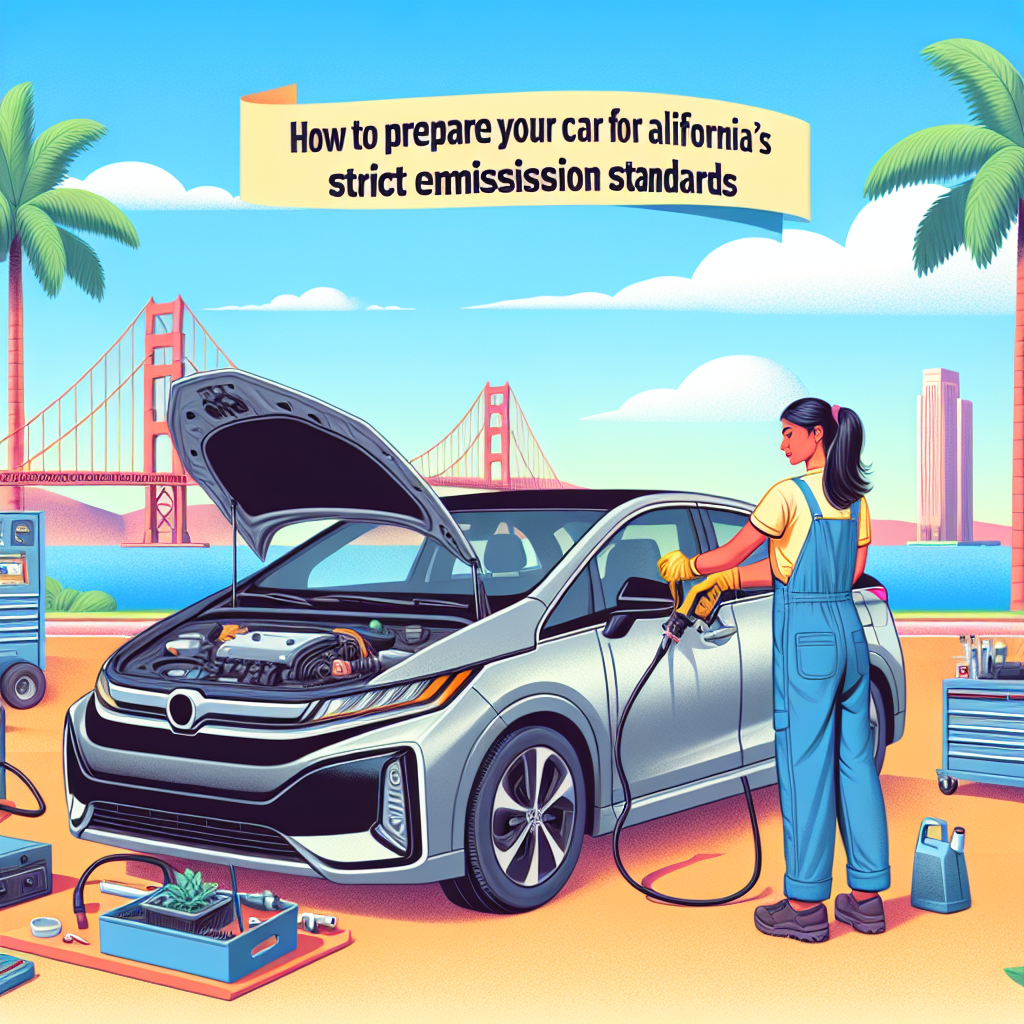
  • How to Prepare Your Car for California’s Strict Emissions Standards

    How to Prepare Your Car for California’s Strict Emissions Standards


    How to Get Your Car Ready for California’s Tough Emissions Rules

    How to Get Your Car Ready for California’s Tough Emissions Rules

    Introduction

    California has some of the toughest rules about car pollution in the United States. This can be tricky for car owners, but learning these rules and following them is super important. By doing this,
    you’re helping to fight air pollution and making sure your car can be driven legally on the roads. If you don’t follow these rules, you might have to pay fines, you might not be able to register your car, and you might not be allowed to drive it. So, let’s find out how you can get your car ready to meet these strict rules.

    What Are Emissions Standards?

    California’s emissions rules are set by the California Air Resources Board (CARB), and they’re stricter than the national rules. These rules help to lower harmful car emissions and make the air cleaner. While many states follow federal rules made by the Environmental Protection Agency (EPA), California has its own, tougher rules.

    The reason for these tough rules is because California has unique weather issues, like a lot of smog, and lots of people, which makes car emissions worse. Knowing these rules is super
    important for anyone driving in California.

    Self-Check for Your Car

    Before you start getting your car ready, it’s important to do a self-check:

    1. Know Your Car’s Age and Emission Tier: Older cars usually have more emissions. Knowing how old your car is and its emission level can help you figure out what repairs or maintenance might be needed.
    2. Learn About Your Car’s Emission Control System: Get to know the parts of your car that control emissions, like catalytic converters, EGR valves, and oxygen sensors.
    3. Look at Old Smog Check Reports: These reports can show you any old problems or ongoing issues that need fixing.

    Important Maintenance and Repairs

    Regular maintenance helps your car have fewer emissions:

    1. Engine Tune-Ups: Keeping your engine in great condition helps it work well and release fewer emissions.
    2. Oil and Filter Changes: Clean oil and filters help the engine run smoothly and cut down on emissions.
    3. Check Emission Control Parts: Regularly check and take care of parts like the catalytic converter, spark plugs, and oxygen sensors.

    Before the Smog Test

    To help your chances of passing the smog test:

    1. Warm Up the Engine: A warm engine runs better and can help you pass the test.
    2. Drive at Highway Speeds: Doing this before the test can help clean out the catalytic converter.
    3. Pick a Good Time for Your Smog Test: Avoid taking the test in bad weather that might change how your car performs.
    4. Bring All the Papers You Need: Have your vehicle registration, past smog check reports, and any repair receipts with you.

    During the Smog Test

    Knowing what happens in the smog test can help you stay calm:

    • What Happens: The test checks emissions, looks at the car’s onboard computer system, and makes sure all parts are working right.
    • Understanding Results: Learn about the emissions limits to know if your car passes or fails.
    • What to Do If Your Car Fails: Check easy fixes like making sure the gas cap seals right or looking at the car’s computer for problem codes.

    After a Failed Smog Test

    If your car doesn’t pass:

    1. Find and Fix Problems: Use the failure report to figure out and fix the problems.
    2. Know the Retest Steps and Deadlines: You usually have 60 days to fix the issues for a free retest.
    3. Find Financial Help: There are programs to help with repair costs, especially for those who have less money.

    Staying legal shouldn’t stop after passing a test:

    • Regular Maintenance: Keep checking and replacing fluids, checking tire pressure, and looking over engine parts.
    • Updates for Older Cars: Think about adding new technology to old cars to reduce emissions.
    • Other Options: If problems keep happening, using public transportation or carpooling are good alternatives.

    Conclusion

    Working to keep your car in line with California’s emission rules is important for all car owners in the state. Keeping up with maintenance not only helps you avoid legal trouble but also makes your car last longer and helps the environment. If you need help with the regulations or vehicle checks, there are lots of resources available.

    Additional Resources

    To get more help and make sure your car meets all the standards, consider checking out:

    Call to Action

    At Tags Clinic, we’re more than ready to help you stay in tune with California’s tough emissions rules. Distance is not an issue, come visit us at 3845 University Ave, San Diego, CA or call us at 619-777-9046. For more information, visit our website at Tags Clinic.

    Let’s keep California’s skies clear together!


  • Navigating California DMV: Out‑of‑State Vehicle Registration Explained

    Navigating California DMV: Out‑of‑State Vehicle Registration Explained

    Navigating California DMV: Out-of-State Vehicle Registration Explained

    Introduction

    Moving to a new state can be tough, and one challenge is figuring out how to register your vehicle. In California, the Department of Motor Vehicles (DMV) makes sure that all vehicles are correctly registered. This blog will help newcomers understand how to register an out-of-state vehicle in California, making it easier and less confusing.

    Understanding Vehicle Registration in California

    Vehicle registration is proof that your car is allowed to be on the road. It helps track vehicle ownership and ensures that cars meet safety and emissions standards. California has strict rules that may be different from other states, like mandatory smog checks and meeting specific emissions standards.

    Who Needs to Register an Out-of-State Vehicle?

    If you’re new to California and plan to live here, you need to register your out-of-state vehicle. You have to do this within 20 days of moving here to avoid penalties and comply with California laws.

    Required Documentation

    Having the right documents is really important when registering your out-of-state vehicle in California. You’ll need:

    • Out-of-state title and registration: This shows you own the car.
    • Proof of insurance: Your insurance must meet California’s minimum requirements.
    • California smog certification: Most cars need a smog check to meet emissions standards.

    Tip: Keep all these documents together in a folder so you don’t lose anything when you go to the DMV.

    The Registration Process

    Step 1: Visit a Local DMV Office

    Find a DMV office near you using their online locator tool. It’s a good idea to book an appointment to save time.

    Step 2: Complete Required Forms

    You’ll have to fill out some forms, like Form REG 343 (Application for Title or Registration). You can get these from the DMV website or at the DMV office. Fill them out carefully.

    Step 3: Pay Applicable Fees

    Be ready to pay fees for registration and other charges. The DMV accepts credit cards, checks, and cash.

    Step 4: Vehicle Inspection and Smog Check

    Most cars need a smog check in California. If your car doesn’t pass, you must fix it before registering. Check the DMV’s website for where to get a smog check.

    Common Challenges and How to Overcome Them

    If you don’t have the right documents or run into long wait times, it can be stressful. Here are some tips:

    • Double-check that you’ve completed all forms and have the right documents.
    • Try to visit the DMV during less busy times.
    • Use the DMV’s website for help or talk to DMV experts.

    Tips for a Successful Registration

    • Preparation: Make sure you have all your documents and forms ready before your DMV appointment.
    • Patience: Going to the DMV can take time, so set aside a day when you don’t have other important plans.
    • Utilize Resources: The California DMV website has lots of guides and FAQs to help you.

    Conclusion

    Registering an out-of-state car in California means understanding what’s needed and how to prepare. Having the right documents and following the steps will help you succeed. Following the rules not only avoids penalties but also keeps your car safe on the roads.

    Additional Resources

    Taking these steps will make moving to California smoother. You can then enjoy everything the Golden State offers. For an easier experience, think about visiting Tags Clinic, San Diego’s DMV alternative, for expert help.

    Call to Action

    If you’re relocating to California and need assistance with your vehicle registration, visit us at Tags Clinic for a more convenient experience. We’re located at 3845 University Ave, San Diego, CA and await your visit. You can call us on 619-777-9046 for any queries or visit our website for more information. We’re here to make your vehicle registration a breeze!

    Location

  • Top 10 Tips for a Smooth Out‑of‑State Vehicle Transfer to California

    Top 10 Tips for a Smooth Out‑of‑State Vehicle Transfer to California


    Top 10 Tips for an Easy Out-of-State Vehicle Transfer to California

    Top 10 Tips for an Easy Out-of-State Vehicle Transfer to California

    Introduction

    Moving a car from one state to another can feel like a big task, and moving to California can be extra tricky. California is known for its strict rules about car emissions and other things you need to do at the DMV. Whether you’re moving to California or buying a car from another state, it’s important to know what to do. Here’s a guide to help you transfer your car smoothly and easily.

    1. Learn California Vehicle Transfer Rules

    Before you start, learn about California’s rules. They have strict emissions and safety rules that might be different from your old state. To avoid surprises:

    • Check online or ask experts about emissions standards.
    • Gather important papers like the car title, registration, and proof of insurance.
    • Find out about any fees or taxes. California might charge more than other states.

    2. Do a VIN Check

    A VIN (Vehicle Identification Number) check is required in California for cars from other states. This makes sure your VIN is correct and the car isn’t stolen or changed.

    • You can do this at the DMV, California Highway Patrol (CHP), or with a licensed verifier.
    • Make an appointment early and make sure your car is clean and easy to inspect.

    3. Pass a Smog Check

    California’s Smog Check Program helps reduce air pollution. Meeting these rules is important for transferring your car.

    • Make sure your car follows the rules by researching requirements.
    • Pick a good smog check station, one that can do pre-tests to catch problems early.

    4. Collect Important Papers

    Having the right papers is key to a successful vehicle transfer:

    • You need your out-of-state title, registration, and your smog certificate.
    • Originals are better than copies.
    • Make a checklist to ensure you have everything you need to avoid delays.

    5. Learn the DMV Process

    Knowing how the DMV works will help with timing and what to do:

    • Make DMV appointments early to save time.
    • Use online resources or services for scheduling and questions.
    • Be patient and come prepared to speed up your visit.

    6. Plan Your Budget

    It’s important to know how much everything might cost:

    • Think about costs like registration fees, sales tax, smog checks, and VIN verification.
    • Save some extra money for unexpected costs.
    • Use online tools to estimate fees and budget accordingly.

    7. Check Car Modifications

    Not all car changes are okay for California roads:

    • Look up what modifications are allowed by contacting the DMV or checking regulations.
    • Change or remove anything that doesn’t meet the rules.
    • Seek more help if needed to get everything right.

    8. Get Ready for Registration and Title

    When you’re ready to finish the transfer:

    • Be prepared to give up your out-of-state license plates.
    • Learn how to get new California plates and a title.
    • Make sure all the information on your papers is correct to avoid delays.

    9. Plan When to Transfer

    Choosing the best time can save you time and money:

    • Try not to go to the DMV during busy hours.
    • Keep track of deadlines to avoid penalties.
    • Plan the transfer at a good time for you and according to the rules.

    10. Think About Getting Professional Help

    If you find the paperwork or waiting in line annoying, you can get help:

    • Professional services can make the process faster and easier.
    • Consider this if the transfer is complicated.
    • Find a reliable service to help and have a smooth experience.

    Conclusion

    By following these tips, your car transfer to California can be easy and quick. Knowing the rules will help you avoid problems and make sure you follow all the laws. If it seems too hard, professional help is always an option. Ready to move your car? Let Tags Clinic make your California car transfer easy. Visit our website or contact us for stress-free DMV services!

    Call to Action

    We encourage you to visit the Tags Clinic at 3845 University Ave, San Diego, CA or call 619-777-9046. Our team of professionals is ready to help with all your vehicle transfer needs for a stress-free experience. To find out more, visit our website.


  • Checklist for Transferring an Out-of-State Vehicle to CA

    Checklist for Transferring an Out-of-State Vehicle to CA

    Checklist for Transferring an Out-of-State Vehicle to CA

    Welcome to sunny California! If you’ve just moved to the Golden State or bought a car from another state, you will need to register it with the California Department of Motor Vehicles (DMV). This checklist will guide you through the steps you need to follow to easily transfer your car’s registration.

    Understanding California’s Vehicle Registration Requirements

    Before you start the registration process, it’s important to know about California’s special rules. California has strict emission standards to help reduce pollution, so make sure your car meets these requirements. Also, gather all the necessary paperwork to avoid any problems.

    Step 1: Smog Certification

    1. Find an Approved Service Center: Go to a certified smog check station.
    2. Pass the Smog Test: Make sure your car passes the emissions test.
    3. Obtain Certification: Keep the certificate for your DMV appointment.

    Step 2: Vehicle Identification Number (VIN) Verification

    1. Verification Locations: Contact the California Highway Patrol (CHP) or visit an authorized DMV office.
    2. What to Bring: Bring your car, proof of ownership, and ID.
    3. Address Discrepancies: Fix any errors in the VIN details right away.

    Step 3: Completing the Application for Title or Registration (Form REG 343)

    1. Filling Out Form REG 343: Fill it out carefully with accurate details.
    2. Check for Completeness: Double-check what you wrote to avoid delays.
    3. Submission: Turn it in at a DMV office during your appointment.

    Step 4: Obtain California Vehicle Insurance

    1. Review Requirements: Insurance must meet California’s minimum coverage.
    2. Select a Provider: Compare different companies.
    3. Proof of Insurance: Have this ready for your DMV appointment.

    Step 5: Paying Fees

    1. Calculate Fees: Know about registration, use tax, and other possible fees.
    2. Know Payment Methods: Most DMVs accept cash, check, or card.
    3. Keep Receipts: Always save your payment documentation.

    Step 6: Submitting the Required Documentation

    1. Document Checklist: Include the title, smog certificate, insurance proof, and Form REG 343.
    2. Organize Efficiently: Use folders to keep everything tidy.
    3. Where to Submit: Go to a local DMV office or another service provider like Tags Clinic in San Diego.

    Step 7: Handling Special Cases and Exceptions

    1. Military Personnel: See if you qualify for any exemptions.
    2. New Vehicles: Cars less than a year old might have different rules.
    3. Non-Resident Exemptions: Find out if you qualify for this exception.

    Additional Tips and Resources

    1. Resources: Use the California DMV’s website for more details.
    2. Contacts: Keep DMV support phone numbers handy.
    3. Useful Links: More forms and guidance are available online.

    Conclusion

    Transferring an out-of-state car to California might seem hard, but following these steps makes it easier. Plan ahead and use this checklist to avoid common mistakes that others make.

    FAQs

    • Do I need a smog check if my car is hybrid or electric? Smog checks are usually not needed for hybrid and electric cars.
    • What’s the timeline for registering my car in California after moving? You have 20 days to register your car after becoming a resident.
    • Can I register my car online? Some steps can be done online, but certain inspections and verifications must be done in person.
    • What happens if I don’t complete registration in time? You might have to pay late fees if you miss the deadline.
    • Is there a grace period for new residents with out-of-state registration? No, there are penalties if you don’t register in time.

    Call to Action

    Skip the long lines at the DMV by visiting Tags Clinic in San Diego. We can help with title transfers, smog checks, and more to make your registration experience easier. Visit our website at tagsclinic.com or call us today at 619-777-9046 to book your appointment. Don’t forget to subscribe to our blog for more helpful vehicle-related tips and updates!


  • Guide to California Out-of-State Vehicle Transfers

    Guide to California Out-of-State Vehicle Transfers

    “`html

    Guide to California Out-of-State Vehicle Transfers

    Introduction

    Are you moving to California? Transferring your car registration from another state can seem like a big job. It might feel like trying to solve a tricky puzzle. But you don’t need to worry! This process is very important to make sure your car can legally drive on California roads. Our guide will help you understand each step part and make it easy for you.

    Understanding the Legal Requirements

    When you move to California, registering your car is not just filling out papers; it’s the law. New residents have to register their cars within 20 days of moving to California. Make sure you don’t wait too long, because this rule is important. Learn words like “Smog Certification” and “California Proof of Residency” to know what they mean for you.

    Step-by-Step Guide to Moving Your Car Registration

    1. Gather Important Papers

    To transfer your car registration, start by getting these documents:

    • Original Car Title and Current Out-of-State Registration: These prove you own the car and have registered it before.
    • Proof of California Insurance: You need car insurance from a company in California, not from out of state.
    • California Proof of Residency: This can be a utility bill, rental agreement, or mortgage statement.
    • Smog Certification: Check if your car needs this by looking at its make, model, and age.

    2. Fill Out Required Forms

    • Application for Title or Registration (Form REG 343): Fill this form with your car details and personal information.
    • Statement of Facts (Form REG 256): Use this form if there are special circumstances, like importing a car.

    3. Schedule a Car Inspection

    Your car might need an inspection to check its identity and working condition. Learn where to go for this and what will happen, like checking the vehicle identification number (VIN).

    4. Visit the DMV Office

    • Appointments: Booking ahead of time can save a lot of waiting. Find the nearest office online and make an appointment.
    • Fees: Be ready to pay registration fees, license plate fees, and any penalties if you’re late.

    Handling Special Situations

    Sometimes, there are special cases:

    • Moving a Leased Car: You’ll need extra papers from the leasing company.
    • Military Members: If you’re stationed in California but not living here, there are special rules.
    • Cars with Loans: The lienholder’s information needs to be correct, or it could slow down your process.

    Common Mistakes to Avoid

    Even small mistakes can cause big delays:

    • Waiting Too Long: Remember the 20-day rule and start early.
    • Missing Papers: Double-check each form and document.
    • Insurance Problems: Make sure you have California insurance before you transfer your registration.

    Tips for a Smooth Process

    • Use Online Resources: Go to the California DMV website to download forms and make appointments.
    • Stay Organized: Keep a checklist to track what you’ve done and what you need to do.
    • Copy Everything: Always make copies of each form and receipt to avoid trouble later.

    Frequently Asked Questions

    • What if Out-of-State Documents are Delayed? Contact the DMV from your old state to speed things up.
    • What if My Car Fails the Smog Test? You might need to get repairs or fix emissions before trying again.
    • How Long Does the DMV Process Take? It depends on the case, but it can be quick if all is ready or take weeks if more work is needed.

    Conclusion

    Taking the right steps to transfer your car registration when moving to California will help make sure you don’t run into any legal problems. If you feel stuck, reach out to a professional or talk to a DMV worker for help with specific questions.

    Additional Resources

    Here are some helpful online resources:

    By following this guide, you’re ready to drive on California roads with no worries. Don’t let the paperwork slow you down—stay organized, be prepared, and enjoy your journey!

    Call to Action

    We encourage you to visit Tags Clinic at 3845 University Ave, San Diego, CA or give us a call at 619-777-9046. For more information about our services, please visit the Tags Clinic website. Stay safe, and we hope to see you soon!


    “`

  • How to Transfer Your Vehicle Registration from Out‑of‑State to California

    How to Transfer Your Vehicle Registration from Out‑of‑State to California


    How to Transfer Your Vehicle Registration from Out-of-State to California

    How to Transfer Your Vehicle Registration from Out-of-State to California

    Introduction

    You’ve decided to call California your new home. Hooray! As you get settled, one of the things you’ll need to do is transfer your car’s registration. Doing this quickly is important to avoid any fines. Let’s break it down step by step to make it as easy as possible.

    Understanding California’s Vehicle Registration Requirements

    First, it’s important to know that California wants new residents to register their out-of-state cars within 20 days. Don’t worry, the paperwork isn’t as tough as it sounds.

    Key Documents Required for Registration

    1. Out-of-State Title: This shows you own the car.
    2. Proof of Insurance: Make sure it meets California’s insurance guidelines.
    3. Smog Certificate: Most cars need this to show they meet California’s pollution rules.
    4. Vehicle Identification Number (VIN): You might need an inspection to verify your VIN.

    Preparing to Transfer Your Vehicle Registration

    Step 1: Gather Necessary Documentation

    Before going to the DMV, make sure you have all these papers ready:

    • Out-of-state vehicle title
    • Proof of California insurance
    • A smog test certificate from a California station
    • Proof of where you live, like a utility bill or lease
    • A valid ID, like a California driver’s license

    Step 2: Understand the Costs Involved

    Registration costs can be different for everyone, but here’s what you might pay:

    • Base Registration Fee: Usually about $60
    • License Fee: A small part of your car’s value
    • Smog Abatement Fee: If it applies
    • Use Tax: Based on your car’s price or value

    Registration Application Process

    Step 3: Prepare Your Vehicle for California Compliance

    In California, you’ll usually need a smog check. You might also need a VIN check if your car is from another state. You can check with the DMV or a place like Tags Clinic for help.

    Step 4: Visit the DMV or Authorized Provider

    You have choices! You can go to the DMV or use licensed services like Tags Clinic, which may have shorter waiting times.

    Detailed Steps for DMV Registration

    Step 5: Complete Required Forms

    Forms are important. You’ll need to fill out:

    • Application for Title or Registration (REG 343): This helps put all your documents together for the process.

    Step 6: Submit Your Application

    It’s a good idea to schedule an appointment for your DMV visit. If you walk in without one, you might have to wait longer.

    Step 7: Payment and Fees

    Most DMV offices take cash, checks, debit, and some credit cards. Be ready to pay the fees.

    Overcoming Common Challenges

    Did you lose a document? Don’t worry. Contact the organizations to get a new one. If your car doesn’t meet California rules, you might need to fix it. Don’t forget to update your insurance and do everything within 20 days.

    Frequently Asked Questions

    1. How long do I have to register my vehicle after moving to California?
      You have 20 days after you become a resident.
    2. What should I do if I haven’t received my California plates yet?
      Reach out to the DMV to see what’s happening. Sometimes there are delays, but checking can help.

    Conclusion

    Transferring your car’s registration to California doesn’t have to be stressful. By following the steps above and acting quickly, you can get it done with no fuss. Remember, Tags Clinic can help make everything easier and faster than a regular DMV visit.

    Call to Action

    Ready to make your move official? Simplify the registration process by contacting Tags Clinic. Visit our website or call us at 619-777-9046 for quick and easy service. We’re here to help you skip long DMV lines and avoid headaches.