Blog

  • How to Prepare for California’s DMV Emissions Test on an Out‑of‑State Car

    How to Prepare for California’s DMV Emissions Test on an Out‑of‑State Car

    Blog Post

    How To Get Ready For California’s DMV Emissions Test With An Out-Of-State Car

    Getting ready for the California DMV emissions test can seem scary, especially if your car has a license from another state. This guide will help you through each step to make sure your car can pass California’s strict rules. Whether you’re moving to California or just visiting, knowing the emission rules can save you from delays and extra costs. Let’s get started!

    Learning About California’s Emissions Rules

    California has some of the toughest rules in the United States for car emissions. These rules, set by the California Air Resources Board (CARB), are made to keep the air clean and protect people’s health. California’s smog check is more thorough than in many other states. It checks that cars release fewer harmful gases. Knowing these differences is the first step to getting ready for your emissions test.

    First Steps Before the Test

    1. Check If Your Car Is Eligible: The first thing to do is to make sure your car’s model meets CARB’s emission rules. Look for the information under the hood of your car.
    2. Get Your Paperwork Ready: Gather all the papers you need, like car registration, proof of ownership, and other important documents. These will be needed when you schedule your test.
    3. Find a Certified Emissions Testing Station: Make sure the place you choose is licensed by California to do smog checks. Certified stations show a sign from the State of California Dept. of Consumer Affairs.

    Getting Your Car Ready

    Making sure your car is in good shape is important for passing the emissions test. Here are some steps to help you get ready:

    1. Check Your Car Before the Test:
      • Look for Check Engine Lights or Error Codes: Use a tool to find any error codes that need fixing.
      • Make Sure Emission Control Parts Are Working: Check that the parts like the catalytic converter are working right.
    2. Regular Maintenance Tips:
      • Change Oil: New engine oil can help reduce pollution.
      • Replace Air Filter: A clean air filter helps the engine run better.
      • Check Tire Pressure: Proper tire air pressure helps keep your car running efficiently.
    3. Pick the Right Fuel: Use the fuel recommended for your car to help it run better.

    Tips for Test Day

    Being ready can make the test go smoother.

    1. What To Bring: Bring the papers you need and any records of maintenance or repairs.
    2. Arrive Early: Getting to the test center early can help you avoid waiting and get your car tested quickly.
    3. Talk To The Technicians: Be polite to the technicians as they can give you helpful tips about your car.

    Understanding Test Results and What To Do Next

    After the test, you’ll get one of these results:

    1. Pass: If your car passes, you’ll get a certificate to show it meets California’s rules.
    2. Fail or Conditional Pass: If it doesn’t pass, you’ll need to fix the problems. This may include:
      • Finding out what the problem is.
      • Fixing the parts that need fixing.
      • Testing the car again after repairs, before any deadlines.

    Extra Help and Resources

    1. FAQs and More Information: You can visit the California DMV and CARB websites for more guides and answers to questions.
    2. Find Auto Repair Shops: Look for trusted mechanics who know emissions repairs.
    3. Websites and Contacts: Have the contacts for local DMV offices handy for questions.

    Conclusion

    Getting ready is key to passing California’s DMV emissions test, especially if your car is from another state. By following these steps, you can make sure your car meets California’s tough rules and pass the test. Feel free to share your experiences or ask questions.

    Call-To-Action

    Don’t wait! Schedule your emissions test ahead of time. For more help or to handle car registration, check out our services at Tags Clinic—your trusted partner for an easy DMV experience.

    FAQs

    1. Can a non-CARB compliant vehicle be registered in California? Usually not. California typically requires cars to meet CARB standards, but there might be exceptions.
    2. How often are emissions tests required in California? Every two years, but new cars are exempt for the first eight years.
    3. What happens if I fail the emission test twice? You might get help with repair costs from California’s Consumer Assistance Program.
    4. Are there any vehicles exempt from emissions testing in California? Yes, electric vehicles and some hybrids might not need testing.
    5. Where can I find a list of certified emissions test locations? The California DMV website has a list of authorized test and repair stations.

    If you need more help with smog checks or DMV services, reach out to Tags Clinic—your helpful source for easy vehicle solutions in California.

    Visit Us or Give Us a Call

    Tags Clinic is here to help. Visit us at 3845 University Ave, San Diego, CA or give us a call at 619-777-9046. We look forward to helping you with all your DMV needs. You can also visit our website at https://tagsclinic.com.

  • How to Prepare Your Vehicle Documents for a Live Scan Background Check

    How to Prepare Your Vehicle Documents for a Live Scan Background Check

    How to Get Your Vehicle Documents Ready for a Live Scan Background Check

    How to Get Your Vehicle Documents Ready for a Live Scan Background Check

    Introduction

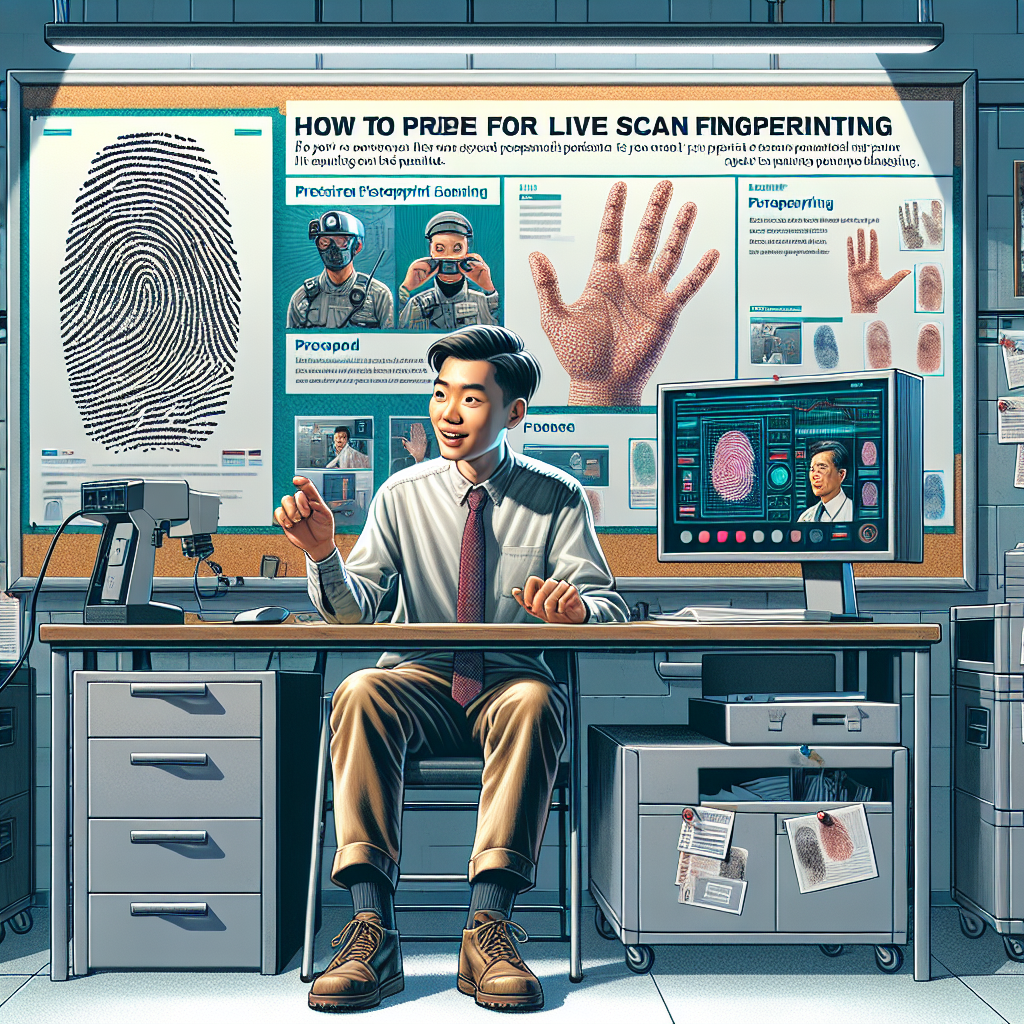
    In today’s busy world, it’s super important to have your records organized. If you’re starting a new job as a driver or need a special license, you might need a Live Scan background check. Getting your vehicle documents ready for this process is important. This blog will help you organize your vehicle paperwork to make your Live Scan experience smooth.

    What is a Live Scan Background Check?

    A Live Scan background check is a way to take your fingerprints electronically. This helps check your criminal history quickly. Your fingerprints go to the State Department of Justice (DOJ) or the Federal Bureau of Investigation (FBI). If you drive for work, like being a truck driver or rideshare driver, you might need a Live Scan. That’s why having your vehicle documents ready is important to show you are a safe and legal driver.

    Important Vehicle Documents You Need

    Having the right papers makes the Live Scan process easy. Here’s what you need:

    Vehicle Registration

    Your vehicle registration must be current. This shows you follow the vehicle rules in your area.

    • Why it’s important: It proves your vehicle is legally registered.
    • How to get it: Go to your local DMV or use a service to get or renew your registration.

    Driver’s License

    A valid driver’s license is very important. It’s your proof that you can drive legally.

    • Check your status: Make sure it’s not expired.
    • Replacement process: If lost or expired, contact the DMV to replace or renew it.

    Proof of Insurance

    This shows you have the legal insurance for your vehicle.

    • Necessity: The law requires this to ensure you are a responsible driver.
    • How to get it: Ask your insurance company for a copy.

    Title of Ownership

    You might need this to prove you own the vehicle.

    • When needed: Some checks may require it to make sure the vehicle isn’t stolen or borrowed.
    • Acquisition: You can get it from your DMV if you don’t have the original.

    Getting and Organizing Documents

    Organizing your documents means you won’t have surprises during the Live Scan.

    • Collection Tips: Collect all papers well ahead of time.
    • Organization Tips: Use folders or keep digital versions on your computer. Label everything clearly.
    • Formats: Have both digital and paper copies ready for the scan.

    Double-Checking for Accuracy

    Make sure all your documents are correct to avoid problems.

    • Verify Details: Check that your name, address, and vehicle info match on all documents.
    • Fix Errors: Contact the agency if something is wrong to fix it.

    Tips for a Smooth Live Scan Experience

    Being well-prepared makes the Live Scan easy.

    • Appointment Scheduling: Set your Live Scan appointment early.
    • What to Expect: A person will take your fingerprints, and there’s no ink used.
    • Checklist: Have your vehicle registration, driver’s license, proof of insurance, and ownership title (if needed).

    What to Do if You Have Problems

    Sometimes things don’t go as they should. Here’s how to solve that:

    • Common Problems: Things like expired documents or missing papers.
    • Resolution: Contact the DMV or the right office to sort out document issues.
    • Expedited processing: Ask if there are fast-track services if you need quick help.

    Conclusion

    Getting ready for a Live Scan background check takes some work, but it’s worth it. Organize, check your papers, and you’ll have no trouble getting through the process. Being ready helps show you’re serious and professional.

    Additional Resources

    • Government Resources: Check government websites for more info on vehicle documents.
    • Local DMVs: Know how to contact your local DMV or license office.
    • FAQs: Look for answers to common questions about vehicle documents and Live Scans.

    With these tips, you’re all set to prepare for a Live Scan background check easily, showing you’re careful and ready for your next steps!

    Call to Action

    If you need further assistance or more information, don’t hesitate to visit us at Tags Clinic in 3845 University Ave, San Diego, CA or call us at 619-777-9046. For more details, you can also check us on our website by clicking here. We look forward to serving you!

  • Out‑of‑State to California: A Step‑by‑Step Guide for Vehicle Title Conversions

    Out‑of‑State to California: A Step‑by‑Step Guide for Vehicle Title Conversions

    Out-of-State to California: A Simple Guide for Changing Your Vehicle Title

    Out-of-State to California: A Simple Guide for Changing Your Vehicle Title

    Introduction

    Are you moving to the sunny state of California with your car? You’re not alone! One of the most important things on your to-do list should be switching your vehicle title so it follows California’s state laws. It may seem like a lot, but it’s very important for legal reasons. Don’t worry! We’re here to help guide you through the process so you can drive around California without any problems.

    Understanding the Basics

    What is a Vehicle Title?

    A vehicle title is a special legal paper that says who owns a vehicle. It has important information like the car’s make, model, year, and VIN (Vehicle Identification Number).

    Why Change Your Vehicle Title?

    Changing your vehicle title when moving to California is important for several reasons:

    • Follow the Law: California wants you to register your car within 20 days of becoming a resident.
    • Document Fees and Taxes: Makes sure all fees are correct.
    • Avoid Penalties: Stops you from getting fines for not following the rules.

    Step One: Check If You Can Register Your Vehicle

    Determine Eligibility

    To change your vehicle title to California, your car needs to meet California’s emission standards, among other things. Make sure your car meets all legal requirements by:

    • Looking at California’s smog and emission rules.
    • Checking any changes made to your car or past emissions tests.

    Gather Required Documents

    Collect these papers before you start:

    • Proof of insurance that follows California laws.
    • Your out-of-state title.
    • Smog certification, if you need it.
    • A filled-out Application for Title or Registration (Form REG 343).

    Step Two: Emissions and Smog Testing

    Understand California’s Smog Rules

    California has strict vehicle emission standards to help reduce pollution. Be ready to take a smog test unless your car is exempt.

    Where to Test Your Vehicle

    Find a California Bureau of Automotive Repair (BAR) certified smog test center by checking their website or asking your local DMV for suggestions.

    Step Three: Verify the VIN

    What is VIN Verification?

    VIN verification is a check where someone looks at the vehicle identification number, engine number, and emissions label to make sure they match the car’s papers.

    How to Get a VIN Check

    You can do this at:

    • A California DMV office.
    • A licensed mobile VIN verifier.
    • Some auto clubs provide VIN verification services.

    Step Four: Fill Out the Paperwork

    Forms Needed for Title Change

    Fill these out:

    • Application for Title or Registration (Form REG 343).
    • Statement of Facts (Form REG 256) if you’re claiming exemptions.
    • Any other forms the DMV suggests.

    Tips for Filling Out Forms

    • Double-check your details.
    • Ensure the VIN matches your car.
    • Sign and date all forms.

    Step Five: Visit the DMV

    Make an Appointment

    Set up your DMV appointment online or by phone to save time.

    What to Bring

    Have a checklist that includes:

    • All filled-out forms.
    • Required documents from before.
    • A valid ID.
    • Money for the fees.

    Step Six: Pay the Fees

    Know the Costs

    Expect to pay:

    • Registration fees.
    • Smog check fees.
    • Use tax and other charges.

    How to Pay

    The DMV usually takes cash, checks, cards, and money orders. Check before you go to be sure.

    Step Seven: Get Your New Title

    Processing Time

    It usually takes 2 to 6 weeks to get your new title.

    What to Do When It Arrives

    Check that all details on the title are correct. If there’s a mistake, contact the DMV right away.

    Troubleshoot Common Problems

    Fixing Delays or Rejections

    If your application is delayed or rejected:

    • Call the DMV for details.
    • Recheck your documents.
    • Ask for help from a licensed title service.

    Where to Get Help

    Visit the California DMV website or contact their customer service. Local auto clubs and services like Tags Clinic can help too.

    Conclusion

    Changing your vehicle title when moving to California doesn’t have to be hard. With this guide, preparing ahead, and taking timely steps, you can move smoothly to California’s roads. Planning ahead with all the needed resources can make this process easy and stress-free.

    Additional Resources

    Useful Links

    Visit the California DMV official website for more details and downloadable forms.

    Contact Information

    For more help, visit Tags Clinic for expert assistance with all DMV-related services. Our friendly team is here to make your move easy. Call us, or book your visit today!

    Call to Action

    If you need further assistance or simply have some queries regarding the information above, don’t hesitate to visit us at Tags Clinic, located at 3845 University Ave, San Diego, CA. You can also call us at 619-777-9046. We would be glad to assist you with all your vehicle title concerns and other DMV-related services. To get to know us better, visit our website at https://tagsclinic.com. Make your California journey smooth and worry-free with our professional help!

  • What Every California Driver Should Know About Live Scan

    What Every California Driver Should Know About Live Scan

    What Every California Driver Should Know About Live Scan

    Introduction

    As a driver in California, you might know about the strict rules for getting certain jobs or licenses. One important part of this process is the Live Scan. This is a special way of taking fingerprints that is being used more and more for safety checks. This blog post will teach you what Live Scan is, why it’s important, and when you might need to deal with it as a Californian driver.

    1. Understanding Live Scan Technology

    Live Scan is a modern way to take fingerprints mostly used for ID and background checks. Unlike old-fashioned ink methods, Live Scan uses electronics to capture your fingerprints. This means it’s faster and cleaner. The government can quickly receive and process these fingerprints.

    People applying for jobs, volunteering, or getting licenses in jobs that need a lot of trust and safety, like teaching or working in security, usually need a Live Scan. As a California driver, knowing how this works is important if you’re going for jobs that need state approval.

    In California, Live Scan fingerprinting is required by law for many jobs and situations. If you want to be a teacher, health worker, or join law enforcement, you will likely need a Live Scan. Also, some volunteer jobs, like those working with kids or older people, need a Live Scan.

    The California Department of Justice and other state agencies make sure the Live Scan process is done safely and correctly.

    3. The Live Scan Process Explained

    1. Finding an Authorized Live Scan Provider: You need to go to an approved Live Scan place. You can find a list of these places on the California Department of Justice’s website or in local listings.
    2. Required Documents and Information: Bring a valid photo ID (like a driver’s license) and any forms from the place that needs your Live Scan.
    3. Submitting Your Fingerprints: Make sure your fingerprints are taken correctly to avoid any problems like delays or having to retake them.

    4. Costs and Fees Associated with Live Scan

    When thinking about Live Scan, remember the costs:

    • Service Fees: These depend on the provider and location.
    • Government Fees: Set by the agency asking for the Live Scan and the California Department of Justice.

    The total cost can change based on the type of job or volunteer position. You might save money by comparing prices from different Live Scan providers nearby.

    5. Understanding the Outcome: Results and Implications

    After your Live Scan, your fingerprints will be checked against state and federal databases. The results go to the agency that asked for them to help with background checks.

    Don’t worry about privacy; your fingerprint data is kept safe under strict laws and won’t be used without permission.

    6. Common Issues and How to Resolve Them

    The Live Scan process is usually easy, but problems can happen, like fingerprints being rejected. If that happens:

    • Make sure your fingers are clean and dry before scanning.
    • Ask the technician to scan again if it doesn’t look right.
    • If there are errors in your report, contact the agency that asked for your Live Scan to fix them.

    7. FAQs About Live Scan

    • Q: How long does it take to get the results from a Live Scan?
      A: Usually, results come back in 3-7 days, but it can take longer if the Department of Justice is very busy.
    • Q: Can I use Live Scan results from one employer for another job application?
      A: No, each employer or agency needs their own Live Scan request and result.
    • Q: What do I do if my Live Scan is rejected?
      A: Go back to the Live Scan site for another try without extra cost and fix any issues that caused the rejection.
    • Q: Is Live Scan only for employment purposes?
      A: No, it’s also used for volunteer work, licenses, and other background checks.
    • Q: Are there any exemptions from Live Scan requirements?
      A: Some jobs or situations might not need it—check with the agency that’s asking.

    Conclusion

    If you are a California driver looking to work or volunteer in roles that need background checks, understanding Live Scan is important. Knowing what to expect will help you be ready and follow the rules. If you have any questions or need help with Live Scan, Tags Clinic can assist you.

    Call to Action

    We’d love to hear about your experiences with Live Scan or any questions you have! Leave a comment below, or get in touch with Tags Clinic for help. Our experts are ready to support you with all your DMV and Live Scan needs.

    Visit us at 3845 University Ave, San Diego, CA or call us at 619-777-9046. We’re here to provide expert guidance for all your driving needs.

    Tags Clinic Location

    Additional Resources

  • How to Handle Title Discrepancies When Bringing Your Car to California

    How to Handle Title Discrepancies When Bringing Your Car to California

    How to Handle Problems with Your Car Title When Moving to California

    How to Handle Problems with Your Car Title When Moving to California

    Moving to sunny California is exciting! But when you bring your car, you’ll need to make sure all your documents are correct. This is very important because California has strict car rules. Problems with your car’s title might seem boring, but fixing them is important to avoid trouble. This guide will help you fix any title mistakes so you can register your car easily.

    What Are Title Problems?

    Before you can fix title problems, you need to know what they are. A title problem is any mistake or error in the paperwork that shows you own the car. Common problems include:

    • Wrong Owner Name: The name on the title doesn’t match your real name.
    • VIN Mismatches: The Vehicle Identification Number (VIN) on the title doesn’t match the VIN on your car.
    • Lienholder Errors: There’s incorrect information about the bank or lender that owns part of your car.

    What to Do if You Find a Problem

    1. Check Your Papers: Look at your title and other papers to see what’s wrong.
    2. Call Your Old State’s DMV: Contact the Department of Motor Vehicles (DMV) where your car was last registered for help.
    3. Collect Your Papers: Gather your title, proof you own the car, and other papers that will help you fix the problem.

    What You Need to Transfer a Title in California

    California has specific steps to transfer a car title. Here’s what you’ll need:

    • Form REG 343: Application for Title or Registration.
    • Smog Certificate: Proof that your car passes emission tests.
    • Proof of Insurance: Papers showing your car is insured in California.

    Solving Common Title Problems

    • Wrong Name or Address: Give the DMV proof of your identity and where you live to fix these issues.
    • Lienholder Information Errors: Contact the lienholder to fix the details and get a lien release if needed.
    • VIN Problems: These might need a check to confirm the right VIN, usually at the DMV or by a licensed inspector.

    Working with the California DMV

    The DMV can be a bit tricky, but you need to work with them. Start by making an appointment to talk about your title problems. Bring all your papers and explain what’s wrong. You can also use services that help with these problems, like Tag and Title agencies.

    What Happens If You Don’t Fix the Problems?

    Ignoring title problems can cause big issues:

    • Legal Problems: Wrong information can lead to legal trouble, especially if someone else claims they own your car.
    • Registration Problems: Mistakes can stop you from registering your car in California and make selling it hard.
    • Insurance Problems: Insurance companies might not cover your car if the papers don’t match, or it could make filing claims tricky.

    Tips for an Easy Move

    • Fix Title Problems Before Moving: Take care of any issues before you move to California.
    • Keep Records: Save all letters, emails, and changes related to the title.
    • Get Expert Help: Consider hiring a professional to make sure all the paperwork is done right.

    Conclusion

    Bringing your car to California doesn’t have to be difficult. By fixing any title problems early, moving will be easier. It’s best to face any issues and ask experts for help when needed.

    Extra Help

    If you’re having title problems or need help with California’s car rules, contact us at Tags Clinic in San Diego. We’ll make your DMV visit easy! Whether it’s title transfers or smog checks, let us handle it for you. Book an appointment today and leave the stress behind!

    Call to Action

    We’re here to help! Visit Tags Clinic at 3845 University Ave, San Diego, CA or give us a call at 619-777-9046. Don’t hesitate to reach out for help with any title problems you’re having. We’re here to make your California car registration process smooth and trouble-free. To learn more about us and the services we offer, visit our website at https://tagsclinic.com.

  • Live Scan for Transportation Professionals: A Step-by-Step Guide

    Live Scan for Transportation Professionals: A Step-by-Step Guide

    Live Scan for Transportation Professionals: A Step-by-Step Guide

    Live Scan for Transportation Professionals: A Step-by-Step Guide

    Introduction

    What is Live Scan?

    These days, safety and security are super important. That’s why Live Scan technology is a big deal in lots of jobs, especially transportation. Live Scan uses cool fingerprinting technology to take fingerprints and other neat biometric info. It’s digital, so it’s faster, more accurate, and not as messy as the old ink method. It’s also really important to keep up with strict rules in the transportation world.

    Why This Guide?

    This guide will help you understand the Live Scan process for transportation workers. By following the steps, you’ll be able to go through the Live Scan easily. This way, you’ll meet all the safety, security, and rules your job needs.

    What is Live Scan?

    Definition

    Live Scan is a way to capture fingerprints digitally for background checks. It sends the info straight to agencies like the Department of Justice and the FBI. This way is quicker and more precise than the old ink and card method, making fewer mistakes and speeding up background checks.

    Why It’s Important for Transportation

    For transportation folks, Live Scan is not just for show. It’s a vital step to keep passengers and goods safe. By checking backgrounds, companies make sure they hire good and trustworthy people. For jobs like carrying dangerous stuff or passengers, following these rules keeps everyone safe and builds public trust.

    Why Transportation Workers Need Live Scan

    Following Rules

    Some transportation jobs, like being a commercial driver, school bus driver, or handling hazardous materials, must use Live Scan. These rules make sure everyone stays safe and keeps anyone with a bad background from getting sensitive jobs in the industry.

    Keeping Safe and Secure

    Live Scan also boosts safety by ensuring all employees have been checked out thoroughly. This reduces accidents at work and assures customers that the transportation they depend on is handled by reliable professionals.

    Step-by-Step Guide to the Live Scan Process

    1. Know What’s Needed

      • Job Check: Not all transportation jobs need a Live Scan. Jobs like bus drivers, truck drivers, and delivery folks usually do. Ask your boss or check rules to see if you need one.
      • Get Documents: Before your appointment, gather everything you need, like a valid ID, employer forms, and any reference numbers related to your job.
    2. Find a Live Scan Provider

      • Find Local Help: Look for local Live Scan providers. Choose one that is trusted and close by. Websites like the Department of Justice can help you find certified providers.
      • Book Online: Many places let you book online, saving you time. Check their website or call them to book a spot for your Live Scan.
    3. Get Ready for Your Appointment

      • Bring What You Need: Take a government-issued ID, any forms from your employer, and money for any fees.
      • Dress and Behavior: There’s no strict dress code, but dress neatly and be on time. It shows you respect the process.
    4. The Live Scan Process

      • What Happens: The technician will guide you and place your fingers on the Live Scan device. It’s quick and easy.
      • How Long: Usually takes 10-15 minutes, but might be longer if there are fingerprint issues.
    5. After the Scan

      • Waiting Time: Results can take 48 hours to several weeks, based on agency workload.
      • Check Your Status: Your service provider or employer can tell you how to check your result status.
      • What’s Next: Once results are ready, your employer will guide the next steps, possibly including hiring or more checks.

    Common Challenges and Tips

    • Worried About the Process? Don’t worry, it’s safe. If errors occur, the technician will redo the fingerprints.
    • Smooth Tips: Avoid crowded times, keep your hands hydrated, and stay relaxed.

    Frequently Asked Questions

    What if Mine is Rejected?
    If unclear, you might redo it. Rejections are usually due to bad prints, not your past.
    How Often Needed?
    Usually once unless you change jobs or roles needing new checks.
    Fees Included?
    Yes, fees can change by provider and location. Ask your provider first.

    Conclusion

    Benefits Recap

    Doing a Live Scan is good for safety and following rules in transportation. It helps companies ensure high safety and trust levels by checking employee backgrounds.

    Encouragement

    By following these steps, transportation workers can improve their job chances and security. Don’t be afraid of the process; use this guide to handle Live Scan confidently.

    Additional Resources

    • Official Websites: Department of Justice, FBI
    • Get in Touch: For questions or to book an appointment, contact your local Live Scan provider or regulatory agency.

    Call to Action

    Are you excited to take the next step in your transportation career? Visit Tags Clinic at 3845 University Ave, San Diego, CA for optimum Live Scan services or call us on 619-777-9046. Our team of professional technicians is here to help you. To learn more, click here to visit our website.

    Our Location

  • Out‑of‑State Transfer to California: Navigating the DMV Like a Pro

    Out‑of‑State Transfer to California: Navigating the DMV Like a Pro

    Move Your Car to California: A Simple Guide to the DMV

    Move Your Car to California: A Simple Guide to the DMV

    Introduction

    Moving a car to California from another state might feel as tricky as driving through busy Hollywood streets! California has tough car rules, so following them is important to avoid any problems. You don’t want to miss any important papers or have issues with the smog check, which could turn your trip to the DMV into a big hassle. This guide will help make the process smooth and easy, so you can enjoy driving in California without any worries.

    What You Need to Know About the California DMV

    California cares a lot about car emissions and registration rules—almost as much as it loves its sunny beaches! Before you head to the DMV, make sure you have all the important papers ready:

    • Old Title and Registration: This shows you own the car and it was registered in another state.
    • Proof You Live in California: A state driver’s license, utility bill, or rental agreement will work.
    • Smog Check Paperwork: Most cars need to pass a smog test unless they are specially exempt.
    • Weight Certificate for Big Vehicles: Needed to confirm the weight of a commercial vehicle.

    How to Move Your Car to California

    Step 1: Get a Smog Certificate

    California wants clean air, so cars need to meet certain standards. Here’s how to do it:

    • Find a Smog Station: These are everywhere in California. Look online to find one near you.
    • Get Your Car Ready: Make sure your car is in good shape and fix any mechanical issues that could cause problems.

    Step 2: Go to the DMV

    This is the big step, where your preparation will pay off.

    • Appointments vs. Walk-Ins: It’s usually faster with an appointment. If you don’t make one, be ready for a wait.
    • Bring All Your Papers:
      • Application for Title or Registration (Form REG 343)
      • Vehicle/Vessel Transfer and Reassignment (Form REG 262)

    Step 3: Check Your VIN

    California checks the Vehicle Identification Number (VIN) to ensure your car is legal and safe.

    • Where to Get This Done: You can do this at the DMV or with a licensed group like the California Highway Patrol (CHP).

    Step 4: Show Your Insurance

    Make sure your insurance meets California’s rules. Bring proof to the DMV.

    Step 5: Pay the Fees

    Paying is not always fun, but it’s part of the deal.

    • What You Might Pay: Registration, taxes, and fees for smog, among others.
    • Save Some Money: Keep your receipts for rebates, and see if you qualify for any fee reductions.

    Common Problems and How to Fix Them

    • Mismatched Documents or VIN Errors: Double-check your papers before you go. Mistakes can slow things down.
    • Paperwork or Inspection Delays: Stay calm and be kind to the DMV staff. Fill out everything correctly to avoid extra trips.

    Tips for a Smooth Experience at the DMV

    • Checklist: Check all your papers before leaving home.
    • Best Times to Visit: Mid-week mornings are usually less busy.
    • Use Third-Party Services: If it’s too much, you can pay a service like Tags Clinic to help with the task.

    Conclusion

    Getting your car registered in California on time means you can drive around this beautiful state without worries. This guide is your best friend to help you avoid any bumps along the way.

    Extra Help

    FAQs

    1. What papers do I need for car registration in California? You need the old title and registration, proof of identity and California residency, a smog certificate, among others.
    2. How do I find a certified smog station? Use the online smog station locator to find one nearby.
    3. Can I just walk into the DMV? Yes, but it’s better to make an appointment if you can, to avoid long waits.
    4. What insurance do I need in California? You need to have basic coverage that can pay for injuries and damages.
    5. Are all cars required to do a smog check? Not all. Some cars, like certain models, hybrids, and electric cars, are exempt. Check with the DMV to be sure.

    Call to Action

    If you’re overwhelmed with the processes, why not let us help at Tags Clinic? We are located at 3845 University Ave, San Diego, CA and can handle all of your DMV-related work, making your life easier. Visit us or give us a call at 619-777-9046. Ready to get started? Click here to visit our website today and let us make your DMV experience a breeze!

  • How to Ensure Accuracy in Your Live Scan Fingerprinting Results

    How to Ensure Accuracy in Your Live Scan Fingerprinting Results

    How to Make Sure Your Live Scan Fingerprinting is Accurate

    How to Make Sure Your Live Scan Fingerprinting is Accurate

    Nowadays, Live Scan fingerprinting is super important for things like background checks and security clearances. Getting accurate results is really important for both people and organizations. Here’s how you can make sure everything goes smoothly.

    Introduction

    Live Scan fingerprinting is a digital way to take fingerprints for things like checking backgrounds. It’s fast and accurate, so it’s really useful for jobs, licenses, and even moving to a new country. But if the results are wrong, it can cause delays and extra costs.

    What is Live Scan Fingerprinting?

    Instead of using ink, Live Scan uses a machine to scan your fingerprints. It’s much better than the old way because it’s quicker and more precise. Accurate scans make sure that results are fast and trustworthy, which helps both people applying and the companies checking them.

    Getting Ready for Your Live Scan Appointment

    1. Check What You Need

    Before going, check what documents and IDs you need to bring. Different places have different rules depending on what you need the fingerprints for, like a job or a license.

    2. Pick a Good Live Scan Provider

    Picking the right place is important. Go to a reliable and certified Live Scan provider. Look for places with good reviews and who are known for doing a professional job.

    Things That Might Mess Up Your Fingerprints

    1. Bad Fingerprint Quality

    Your fingerprints might not be clear if your skin is dry, cut, or worn. Keeping your hands moisturized is a good idea, but don’t use lotion on the day of your appointment.

    2. Tech Problems

    Sometimes machines can mess up because they aren’t working right. Providers need to make sure their machines are well-maintained and ready to use before doing scans.

    3. Mistakes by People

    People make mistakes, which can mess up the process. It’s important to have trained and experienced workers to get things right.

    How to Get Accurate Results

    1. Before You Go

    Make sure you have all your paperwork filled out and that you know where to go. Double-check all your appointment details and be sure you have the right documents.

    2. At the Appointment

    Go with clean, dry hands so your fingerprints are easy to scan. Tell the technician if you have any hand injuries, and make sure all the information is correct before leaving.

    3. After the Appointment

    Ask for a copy of your fingerprints to keep. Find out how long it will take to get the results and follow up if they are late or wrong.

    What to Do if There’s a problem

    If your fingerprints don’t pass or there are errors, fix this right away. Contact the place you went to for your scan and see if you need to come back. If needed, talk to the right people to fix errors on your records.

    Conclusion

    Getting accurate Live Scan results means being ready, choosing the right provider, and checking everything after your appointment. Paying attention from start to end is key to getting good results.

    Extra Help

    • Official Guidelines: Check out your state or federal sites for detailed Live Scan info and procedures.
    • Common Questions: Get answers to common Live Scan questions to understand better and ease any worries.

    By following these tips, you can make sure your Live Scan fingerprinting goes well. Whether for a job, getting a license, or moving somewhere, accurate fingerprinting is a must-do step.

    Call to Action

    If you’re ready to take the necessary step towards accurate fingerprinting, we invite you to visit Tags Clinic at 3845 University Ave, San Diego, CA or give us a call at 619-777-9046.

    Visit our website to learn more about our services. Happy fingerprinting!

  • How to Research State‑Specific Requirements for California Vehicle Transfers

    How to Research State‑Specific Requirements for California Vehicle Transfers

    How to Find Out the Rules for Transferring a Car in California

    How to Find Out the Rules for Transferring a Car in California

    Introduction

    If you’re going to transfer a car in California, it’s important to know the rules specific to the state. Trying to do it without knowing the rules
    can lead to problems or delays, and nobody wants that. At Tags Clinic in San Diego, we are here to make the DMV process easy and simple. California
    has special rules for transferring vehicles, especially about emissions and the environment. Here’s how to be fully prepared!

    What is a Vehicle Transfer?

    A vehicle transfer is all about legally changing who owns a vehicle. This usually happens after a sale, as a gift, or through inheritance. You need
    to follow state rules carefully to make sure the transfer is smooth and legal. Every car owner has to follow these rules to avoid problems.

    Finding California’s Special Rules

    California has some special rules, such as strict emissions standards because of the state’s focus on the environment. The state’s Vehicle Code and
    DMV rules have some unique things for the transfer process. Here’s how you can learn about these requirements.

    Step-by-Step Guide to Finding the Rules

    Step 1: Go to the California DMV Website

    • Go to the “Vehicle Registration” section.
    • Look for the “Title Transfers” page for important information.
    • Check for any temporary steps due to health guidelines.

    Step 2: Read the California Vehicle Code

    • You can find it online and it has detailed laws about vehicle transactions.
    • Look for rules that talk about title transfers to make sure you follow them.
    • If the legal words are confusing, ask a DMV expert or Tags Clinic for help.

    Step 3: Know Smog Check Rules

    • Check if your car needs smog certification.
    • Find smog check stations through the DMV site or ask for suggestions.
    • Make sure your car passes the smog check to avoid delays.

    Step 4: Look for Additional Local Rules

    • Check local DMV branch websites or call them for county specific rules.
    • Use local online groups to get advice from others.

    Documents You Need for Vehicle Transfers

    To make the transfer easy in California, gather these documents:

    • Title Transfer: The title certificate signed by both parties.
    • Bill of Sale: A document that shows the sale details.
    • Odometer Reading Disclosure: Needed for cars that are less than 10 years old.
    • Smog Certification: If needed, show a valid smog test certificate.
    • Extra Forms: Depending on the case, you might need a Statement of Facts or other DMV forms.

    Costs for Vehicle Transfers

    Transferring a car in California comes with some costs:

    • Title Transfer Fees: Usually around $15, but it can change if you miss appointments or submit late.
    • Use Tax: This is based on the sale price and local tax rates.
    • Be ready for other fees if you don’t qualify for exemptions.

    Tips for an Easy Vehicle Transfer

    Avoid problems by doing the following:

    • Check all paperwork for mistakes.
    • Plan your DMV visits for the morning or midweek to avoid crowds.
    • If you need it fast, consider a rush title service through Tags Clinic.

    Where to Get Help

    If you need assistance:

    • Contact Tags Clinic for expert advice.
    • Reach out to California DMV by phone or online for questions.
    • Join online groups that talk about California vehicle rules for more help.

    Conclusion

    Doing good research is your friend when transferring a vehicle in California. Stay informed and get help when needed to complete everything with ease and confidence.

    Call to Action

    Share this guide with friends who are also transferring a vehicle, so they know what to do too. Make a checklist to track your progress.
    For personalized assistance, visit Tags Clinic in San Diego where we make DMV experiences easy.
    Book an appointment with us today!

    Visit us at 3845 University Ave, San Diego, CA or call us on 619-777-9046.

  • Live Scan Fingerprinting for Security Personnel: A Comprehensive Guide

    Live Scan Fingerprinting for Security Personnel: A Comprehensive Guide

    Live Scan Fingerprinting for Security Personnel: A Complete Guide

    Live Scan Fingerprinting for Security Personnel: A Complete Guide

    Introduction

    Making sure security workers are properly checked is super important for keeping everyone safe and building trust. Fingerprinting is a key part of this, helping confirm who people are. But old ways of doing it can take a long time and might have mistakes. Now we have Live Scan technology, which is a new way that is more accurate and faster. This guide will help you understand Live Scan fingerprinting for security jobs, why it’s important, how it works, what it costs, and more.

    What is Live Scan Fingerprinting?

    Live Scan fingerprinting is a digital way to take fingerprints. Instead of using ink and paper, it uses a computer. Here are some good things about it:

    • Accuracy: Digital fingerprints are clearer and don’t get smudged.
    • Speed: It’s quicker and the fingerprints can be sent to places right away.
    • Convenience: No more losing or ruining paper cards since everything is digital.

    Live Scan works by taking super-clear pictures of your fingerprints with a digital scanner and then sending them to important places for background checks.

    Why is Live Scan Fingerprinting Important for Security Workers?

    In many security jobs, fingerprinting is needed by law to make sure the person doesn’t have a bad criminal past. Live Scan fingerprinting helps build trust and credibility because:

    • Compliance: It meets the legal rules needed for hiring security workers.
    • Crime Prevention: It helps keep people with bad criminal records from these jobs.
    • Building Trust: It makes sure that property owners, bosses, and the public can trust the security staff.

    How Does the Live Scan Fingerprinting Process Work?

    Step-by-Step Guide

    1. Get Ready: Before you go, gather the ID papers you need and check with your future boss or agency if you need any special forms.
    2. At the Appointment: When you get to your Live Scan appointment, the worker will check your ID and use a digital scanner to take your fingerprints. It’s quick and easy.
    3. Sending and Checking: The fingerprints are sent electronically to places like the Department of Justice (DOJ) or the FBI for background checks. The results go to your boss or licensing agency.

    How Long Does It Take?

    The fingerprinting part takes about 10-15 minutes. Getting the results can take from 48 hours to a few weeks, depending on how fast the agency works.

    Picking a Live Scan Service

    When choosing a Live Scan service, think about these things:

    • Reputation and Reviews: Look for good reviews and referrals.
    • Accreditation and Licensing: Make sure the service is allowed to do Live Scan fingerprinting.
    • Technology and Equipment: They should have updated tools and safe ways to send data.

    Questions to Ask

    • How experienced are you with security personnel?
    • How do you keep data safe?
    • How fast do you usually get results?

    What Does Live Scan Fingerprinting Cost?

    Costs might include:

    • Service Fee: This is what the Live Scan provider charges you.
    • Government Fees: These are fees from the DOJ or FBI for processing.

    Some companies give discounts to security groups, so ask if you can save some money.

    Since fingerprinting involves private data, privacy laws are important:

    • Data Protection: Live Scan keeps data safe with encryption and follows rules.
    • Rights and Protections: Know your rights about how your fingerprint data is used and shared as a security job applicant.

    Tips for a Good Live Scan Experience

    • Bring Your Papers: Have all your IDs and forms ready.
    • Clean Hands: Make sure your hands are clean to avoid errors.
    • Be on Time: Get there on time so you don’t have to reschedule.

    Common Questions (FAQs)

    1. How is Live Scan different from other background checks?
      Live Scan is faster and more reliable than ink-based methods because it’s digital and cuts out human errors.
    2. What if my fingerprints are rejected?
      If they’re rejected for quality reasons, you might need to do them again for free.
    3. How long are fingerprints kept and who can see them?
      Fingerprints are stored securely and only seen by allowed agencies for background checks.

    Conclusion

    Live Scan fingerprinting is super important for making the security field better. It’s efficient, reliable, and follows the rules. As we move to more advanced ways, using Live Scan makes sure security workers are checked well, fitting today’s safety standards.

    More Resources

    By using this guide, security workers can understand Live Scan fingerprinting better and its big role in their jobs. Visit us to see how our services can help with your security checks easily.

    Call to Action

    Ready to take the next step towards a safer and more secure future? Visit us at
    Tags Clinic located at 3845 University Ave, San Diego, CA or feel free to give us a call at 619-777-9046. We’re eager to provide you with quality service, ensuring your background checks are seamless, fast and reliable. Drop by today, our friendly team is waiting to serve you!