Author: Dr. DMV – California Vehicle Specialist

  • Understanding the Legal Process Behind Live Scan Background Checks

    Understanding the Legal Process Behind Live Scan Background Checks


    Learning About Live Scan Background Checks

    Learning About Live Scan Background Checks

    What Are Live Scan Background Checks?

    Live Scan background checks are important for keeping people safe and following rules in different areas, like at work or for volunteering. These checks help find out about someone’s background. But how do they work legally? In this blog post, we’ll learn about Live Scan background checks and why they matter.

    What Is a Live Scan?

    Live Scan uses technology to take fingerprints digitally. It’s better than the old way of using ink for fingerprints. Live Scan is faster, more accurate, and connects easily with electronic databases. It’s used a lot for criminal background checks, job screenings, and getting licenses.

    Live Scan is cleaner, safer, and has fewer mistakes compared to ink fingerprinting. Many places, like government offices, hospitals, and schools, use this modern method.

    Understanding the legal rules helps us know how Live Scan checks are done within the law. Background checks are controlled by federal and state rules. Important laws, like the Fair Credit Reporting Act (FCRA), make sure these checks are fair, accurate, and private.

    Every state in the U.S. might have its own rules about Live Scan. For example, California has strict requirements for using Live Scan for certain job licenses. Organizations must know both federal and state laws when using these checks.

    How Live Scan Works

    Here’s how a Live Scan check is done:

    1. Make an Appointment: People needing a Live Scan must set up a time with a certified service provider.
    2. Show ID: They need to show a valid ID to prove who they are at the appointment.
    3. Get Fingerprints Taken: The provider uses Live Scan to take digital fingerprints.
    4. Get Results: The fingerprints are sent to the right databases. Results go directly to the agency or employer who asked for them.

    The service providers are important because they make sure the data is right and secure.

    Privacy and Security

    Privacy and safety of people’s data are very important in Live Scan checks. Providers use special ways to keep data safe. People have the right to see their background check information and can fix mistakes if there are any, thanks to the FCRA.

    Information Found in Checks

    Live Scan checks can find different types of records based on what the check is for. Common records include:

    • Criminal history
    • Financial records (for some checks)
    • Job history (if needed)

    The results show a summary to help organizations make smart choices.

    Challenges and Limits

    Live Scan checks are helpful, but they have challenges. Making sure the information is correct is important because wrong or old data can be a problem. These checks don’t always have a complete history of a person. It’s important for organizations to follow legal rules when using these checks.

    How Live Scan Helps Employers and Agencies

    For employers and agencies, Live Scan offers many benefits like better compliance, managing risks, and improving safety and security. Places like government services, healthcare, and education depend a lot on Live Scan for accurate background information.

    Conclusion

    Knowing how Live Scan background checks work and their legal details helps people and organizations use these checks better. As technology gets better, background checks will likely become more effective and safe.

    Extra Resources

    • To learn more about Live Scan rules, visit USAGov or check your state’s government website.
    • Contact local providers for Live Scan fingerprinting services.
    • Read about the Fair Credit Reporting Act for more legal info.

    By understanding Live Scan processes and the related legal rules, individuals and organizations can use these services to ensure safety and compliance.

    Call to Action

    Want to get the top-quality Live Scan service? Schedule a visit at Tags Clinic at 3845 University Ave, San Diego, CA or call us at 619-777-9046 today! We ensure the most accurate and secure Live Scan background checks for you or your organization. Come experience the best service for yourselves!

    For more information, visit us at tagsclinic.com.


  • DMV Law Brief: New Requirements for Vehicle Registration Inspections in 2025

    DMV Law Brief: New Requirements for Vehicle Registration Inspections in 2025


    DMV Law Brief: New Rules for Car Checks in 2025

    DMV Law Brief: New Rules for Car Checks in 2025

    Introduction

    Getting your car checked might seem boring, but it’s super important for you and everyone around you. These checks help make sure cars are safe and don’t pollute too much. The Department of Motor Vehicles (DMV) is making some new rules for car checks that will start in 2025. In this post, you’ll learn what these changes are and why they matter.

    Why Car Checks Are Important

    Car checks make sure cars are safe to drive and good for the environment. When cars are checked, things like brakes, lights, and pollution levels are looked at. Over time, rules for these checks have changed because of new worries about the environment and cool new car technologies. Checking cars often helps keep roads safe and the air cleaner.

    What’s New in 2025

    In 2025, car checks will change a lot to make roads safer and help the environment.

    Pollution Tests

    The new rules will make pollution tests tougher, with more strict limits to cut down on pollution. Cars will have to pass these tighter tests using the latest technology.

    Safety Checks

    Safety checks will look more closely at important things like airbags, brakes, and lights. This makes sure cars on the road are as safe as possible.

    New Tech

    With new technology, there will be cool new tools for checking cars. Reports will also be done digitally, making the process quicker and more accurate.

    How This Affects Car Owners

    These changes will be something car owners will notice. Here’s what you need to know:

    • Checking Process: It might take a bit longer to get your car checked because of the new rules, but digital reports should help save time.
    • Costs: These detailed checks might cost a little more because of the new tools and procedures. It’s a good idea to budget for these changes now.

    Tips for Getting Ready

    • Book your car check early to avoid the last-minute rush.
    • Keep up with your car’s maintenance, paying attention to emissions and safety features.
    • Stay updated by following DMV news and other helpful sources.

    Changes for Inspection Centers and Technicians

    The people and places doing the checks will also see changes:

    • New Protocols: Centers will need to get new equipment and adopt tech changes to meet new rules.
    • Training: Workers will need training on new tools and digital systems—a challenge but also a chance to learn new stuff.
    • Industry Challenges: There might be some hiccups at first, but centers that adapt fast will do well.

    When Do These Changes Start?

    Here’s the timeline for when the new rules kick in:

    • Start Date: The big start is in early 2025, with some places making changes a bit sooner.
    • Adjustment Time: There will be an adjustment period where old rules still apply, but everyone will need to follow the new rules eventually.
    • Support: The DMV will offer help to both car owners and car check centers during this time.

    Important Rules and Penalties

    Following the new rules is super important. Here’s what you need to know:

    • What Happens if You Don’t Follow the Rules: If your car doesn’t meet the new standards, you might face fines, penalties, or not be able to register your car.
    • Appeals and Exemptions: You might be able to appeal or get exemptions for certain cases. Knowing your options will help you manage these changes.

    Where to Get More Information

    If you’re looking for more info:

    • DMV Website: The DMV’s site will have the most up-to-date info on new rules and how to follow them.
    • Approved Centers: You can find a list of certified inspection centers through the DMV.
    • Help and Workshops: Information sessions and workshops will be available to help car owners prepare.

    Conclusion

    The new DMV rules are stepping up safety and environmental care. Changes can be scary, but being ready will make things easier. If you plan ahead, follow the new standards, and use the resources available, you can help create safer roads and a cleaner environment.

    Call to Action

    Help others by sharing this info with other drivers and car owners who need to know. Subscribe to DMV updates for the latest news and reach out to your local DMV office for help in adjusting to these changes.

    Visit TAGS Clinic Today!

    We’re located at 3845 University Ave, San Diego, CA or you can call us at 619-777-9046. Feel free to visit our website for more information. We’re always here to help and look forward to seeing you!


  • How to Get Ahead of the DMV When Transferring Your Car to California

    How to Get Ahead of the DMV When Transferring Your Car to California


    How to Get Ahead with the DMV When Transferring Your Car to California

    How to Get Ahead with the DMV When Transferring Your Car to California

    Moving to California is exciting, but bringing your car there means dealing with the DMV, which can sometimes be tricky. It’s important to manage this process well to avoid headaches or problems later. Many people feel confused by all the requirements, deadlines, and fees when transferring their vehicle registration. In this blog post, we will guide you through the important steps to make sure everything goes smoothly, helping you stay ahead of the DMV.

    1. Understanding California’s Vehicle Registration Rules

    Before you start driving in California, you need to know their vehicle registration rules. The DMV is in charge of making sure your car follows these rules.

    Important Papers for Vehicle Registration:

    • Proof of Insurance: You must have valid California insurance for your car.
    • Title Transfer Papers: These show you legally own your car.
    • Smog Certification: Most cars need this to prove they meet California’s air quality standards.

    Gather these papers early to make the registration process easier and avoid delays.

    2. Doing a Smog Check

    California is strict about the environment, so most cars need a smog check.

    Steps to Do a Smog Check:

    • Find a Certified Smog Check Place: Look online or use the DMV’s website to find a nearby certified station.
    • Know Your Car’s Needs: Not every car needs a smog check. Learn if your car, like hybrids, electric cars, or older models, is exempt.

    By knowing these rules, you can skip unnecessary checks and fees.

    3. Making a DMV Appointment

    Walking into the DMV without an appointment can take a long time. It’s smarter to schedule a visit online.

    Benefits of Making an Appointment:

    • Less Waiting: You can avoid long lines and have a smoother process.
    • Fits Your Schedule: Pick a date and time that works for you.

    Use the DMV’s online system to plan your visit and pick times that are less busy for a better experience.

    4. Understanding and Paying Fees

    Bringing a car into California can mean paying a few different fees.

    Types of Fees:

    • Registration Fees: These depend on things like your car type and where you live.
    • Title Fees: Needed to transfer your car’s title.
    • Smog Fees: If your car needs a smog check, there’s a fee for that too.

    Calculate your specific fees using online tools and explore payment options, including convenient online methods.

    5. Completing the Title Transfer

    To transfer your car successfully, make sure your papers are correct and the process is complete.

    Steps to Follow:

    1. Check Your Papers: Make sure all required documents are correct.
    2. Submit Your Application: Fill out and turn in any DMV forms you need for the title transfer.
    3. Look for Mistakes: Common errors include misspelled names or wrong VIN numbers, so double-check everything.

    By following these steps, you reduce the chances of mistakes that could slow things down.

    6. Get a Temporary Permit: Drive Legally While Waiting

    If you’re waiting for paperwork, getting a temporary permit lets you drive legally.

    How to Get a Temporary Permit:

    • Go to the DMV: Apply for a permit in person. It can last up to 90 days.
    • Stay within the Law: This helps you avoid fines for driving without registration.

    Following California’s driving rules can save you stress and avoid legal trouble.

    7. Use DMV Services and Resources

    Take advantage of DMV help designed for new residents to make registration less stressful.

    Helpful Tools:

    • Online Resources: Use these to prepare documents and schedule appointments.
    • Stay Informed: Keep up with any DMV changes to avoid surprises.

    By using these resources, handling your car transfer can be easy and confident.

    8. Tips for a Smooth DMV Visit

    Being ready is key to a smooth DMV trip.

    Best Practices:

    • Bring All Your Papers: Make sure you have everything to avoid rescheduling.
    • Get There Early: This can help you manage any unexpected delays.
    • Be Patient: Even with an appointment, delays can happen; stay calm and flexible.

    Conclusion

    In closing, transferring your car to California doesn’t have to be hard. With the right preparation and organization, you can avoid fines and delays, making your move to the state smoother. If you need more help, don’t hesitate to reach out for extra resources or advice.

    Call to Action

    Need help transferring your vehicle to California? Visit our resource page or contact us for personalized help. Share your experiences or questions in the comments below. Our team is here to help you!

    Come and see us at our clinic next time you are in San Diego! Our location is 3845 University Ave, San Diego, CA. If you prefer, you can also call us at 619-777-9046. We would love to hear from you! For more information, visit us at Tags Clinic.


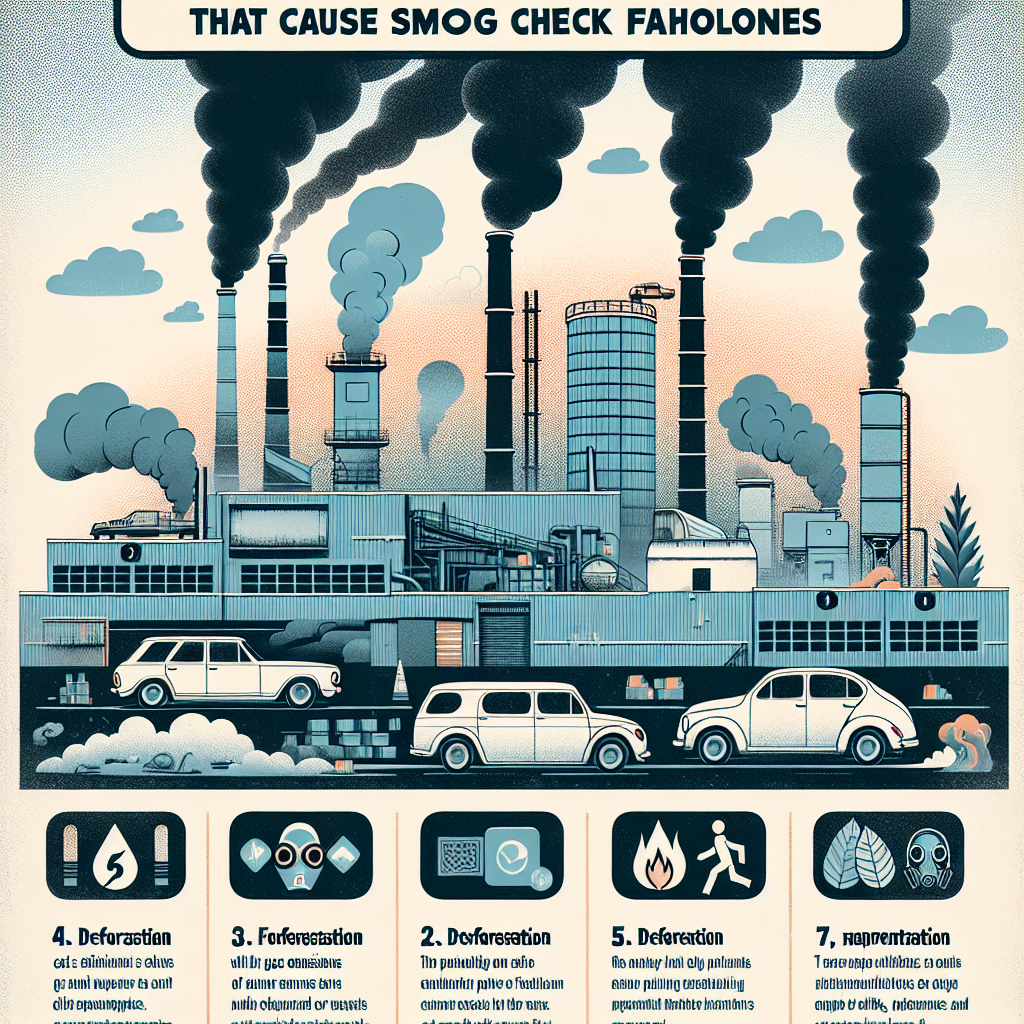
  • The Top 5 Emissions Issues That Cause Smog Check Failures

    The Top 5 Emissions Issues That Cause Smog Check Failures


    Top 5 Emissions Problems for Smog Checks

    The Top 5 Biggest Emissions Problems That Can Make Your Smog Check Fail

    Introduction

    Smog checks are super important because they help our cars not pollute the air too much. These checks keep the environment clean and keep us healthy. Plus, they’re required by law in a lot of places, like California. But sometimes, cars have emissions problems that can make them fail the smog check, which can be annoying and expensive.

    In this blog post, I’m going to tell you about the top five emissions problems that often cause smog check failures. Knowing about these issues can help you get your car ready for the next smog check and make sure it passes easily.

    1. Bad Oxygen Sensor

    The oxygen sensor helps keep the right mix of fuel and air in your car. It makes sure the engine runs well by keeping the air-fuel ratio just right. But if the oxygen sensor isn’t working, it can cause bad fuel burning, more pollution, and your car might not run well.

    What Happens If It’s Broken:

    • Lower gas mileage
    • More pollution from your car
    • Possible damage to the catalytic converter

    Signs It’s Broken:

    • The check engine light might come on
    • Bad gas mileage
    • Rough engine idle

    It’s important to replace a broken oxygen sensor quickly to avoid these problems and help your car pass the smog check.

    2. Bad Catalytic Converter

    The catalytic converter changes harmful gases, like carbon monoxide and nitrogen oxides, into less harmful gases before they go into the air. If it doesn’t work, your car will pollute more and might fail the smog check.

    Why Catalytic Converters Fail:

    • Contamination from engine misfires
    • Physical damage or clogs
    • Too much heat over a long time

    Signs of a Bad Catalytic Converter:

    • Check engine light is on
    • Less engine power
    • Weird rattling noise from the exhaust

    If you think your catalytic converter is bad, get it checked out and replaced if needed to help pass emissions tests.

    3. Bad Exhaust Gas Recirculation (EGR) System

    The EGR system helps cut down nitrogen oxide emissions by sending some exhaust gases back into the engine. If this system has problems, it can make more pollution and cause a smog check failure.

    Common EGR Problems:

    • Clogged EGR valve or pathways
    • Broken EGR vacuum solenoid
    • Leaks in the EGR system

    Fixing problems with the EGR system can stop smog check failures and keep emissions low.

    4. Leaks in the Evaporative Emission Control System (EVAP)

    The EVAP system catches fuel vapors from the fuel tank and stops them from getting into the air. EVAP leaks are a common reason cars fail smog checks and can affect how much your car pollutes.

    Common EVAP Leak Sources:

    • Broken or loose gas cap
    • Cracks or holes in the charcoal canister
    • Leaks in EVAP lines or hoses

    Checking these parts often and repairing any leaks can help your car pass the emissions test.

    5. Air-Fuel Ratio Imbalance

    Keeping the right air-fuel ratio is key for good burning and controlling emissions. If there’s an imbalance, it can cause more emissions and make it hard to pass smog checks.

    What Causes Imbalance:

    • Broken fuel injectors
    • Clogged air filters
    • Vacuum leaks

    How to Fix Air-Fuel Ratio Issues:

    • Regularly replace air filters
    • Clean or replace broken fuel injectors
    • Check for vacuum leaks

    Conclusion

    To sum it up, the biggest emissions problems that cause smog check failures are bad oxygen sensors, faulty catalytic converters, broken EGR systems, EVAP leaks, and air-fuel ratio imbalances. Checking and fixing these problems can help make sure your car passes the smog check and helps keep the environment clean.

    Don’t forget that regular car maintenance is the best way to avoid these problems and keep the emission system healthy.

    Call to Action

    To avoid surprises during your smog check, make sure to schedule regular car maintenance. If you need help or advice, visit your local expert mechanic or smog check specialist. For more info on emissions control and car maintenance, look for other helpful resources.

    Is it time for your smog check, or are you having any of these emissions problems? Visit Tags Clinic at 3845 University Ave, San Diego, CA for an easy experience. Schedule your appointment today and let our experts help you breeze through any smog check challenges! Don’t hesitate to call us at 619-777-9046 or visit us online at Tags Clinic Website.


  • Common DMV Errors: What to Do When Your Application Is Rejected

    Common DMV Errors: What to Do When Your Application Is Rejected


    Common DMV Errors

    Common DMV Errors: What to Do When Your Application Is Rejected

    Introduction

    The Department of Motor Vehicles (DMV) helps with things like getting a new license or registering a car. But sometimes, your application might be rejected, which can be really annoying and mess up your plans. This blog post will explain common mistakes that lead to application rejection and show you how to fix them. Knowing how to spot these problems and fix them will help you handle anything the DMV throws your way.

    Section 1: Understanding the Rejection

    Having your application rejected at the DMV can be really frustrating. Here’s why this usually happens:

    • Missing or Wrong Documents: Not having all the right documents or having mistakes in them can cause rejection.
    • Incomplete Application Forms: If you don’t fill out the form completely, it can delay things or get you a big “no.”
    • Fee Mistakes: Paying the wrong amount or having a payment mistake can cause your application to be sent back.

    These problems can mess with your plans and might make it harder for you to stay on the right side of the law with your car or license.

    Section 2: Common DMV Errors and How to Avoid Them

    Avoiding mistakes can save you a lot of time. Here are some common mistakes and how to stop them:

    1. Wrong or Outdated Information: Make sure your information like address, name, and birthdate is correct and current.
    2. Not Understanding DMV Rules and Forms: Read everything carefully and make sure you fill out every part of the form correctly.
    3. Wrong Fees: Use online calculators or the DMV website to get the right amount you need to pay.

    To avoid these mistakes, always double-check everything before sending it in. Use resources like the DMV website or customer service to clear up anything you’re unsure about.

    Section 3: Steps to Take After an Application Rejection

    If your application gets rejected, here’s what you should do:

    • Act Fast: As soon as you know your application was rejected, read the rejection letter carefully to understand why.
    • Ask Questions: If you’re not sure about something, contact the DMV to get answers. This can help you avoid mistakes next time.
    • Fix the Problem: Get any needed documents, correct the errors, and get ready to submit your application again the right way.

    Keep talking to the DMV workers. They can give you key tips to make sure your application is correct when you send it again.

    Section 4: Learning from Mistakes and Preparing for the Future

    Learning from mistakes can make dealing with the DMV easier next time:

    • Learn from Past Problems: Remember any trouble you had and how you fixed it to make the next time easier.
    • Stay Updated: Check DMV updates now and then so you know the latest rules. This can help prevent mistakes when things change.
    • Keep Your Records Organized: Have a neat file with all your personal and car papers so you can find them easily when you need them.

    Section 5: Resources and Support

    Here are some places you can get help:

    • Online Help: Use government websites and online DMV tools to guide you through the application process.
    • Professional Help: If it all gets too much, think about getting help from DMV advisors or services that focus on DMV stuff.
    • Local DMV Offices: Go to your local DMV office for help and advice from workers. They can give you useful tips to solve your problems.

    Conclusion

    Dealing with the DMV process can be scary, but by knowing and avoiding common mistakes, it gets easier. To sum up, make sure all your info is correct, double-check everything, and know what to do if things go wrong. Remember, even if this is annoying, you can fix these problems with some care and hard work.

    Call to Action

    Are you having trouble with DMV stuff? Subscribe to our updates for new posts that can help make things easier. Share your stories or tips in the comments below. If you need help right away, visit us at Tags Clinic, where we promise easy DMV services. Contact us and make your DMV process go smoothly today!

    Visit us at 3845 University Ave, San Diego, CA or call 619-777-9046.


  • A Driver’s Guide to the Latest DMV News on Registration Fee Changes

    A Driver’s Guide to the Latest DMV News on Registration Fee Changes


    A Driver’s Guide to the Latest DMV News on Registration Fee Changes

    Introduction

    It’s important for car owners to know about the rules from the DMV so they don’t get caught off guard by changes. Lately, there have been some changes in how much it costs to register your car. Knowing about these changes can save you time, money, and stress. This blog will help you understand the latest news about DMV registration fee changes, so you can handle these updates easily.

    Understanding DMV Registration Fees

    DMV registration fees are the payments you make when you register your car with your state’s Department of Motor Vehicles. These fees help maintain state roads, handle vehicle registration, and more. How much you pay can depend on:

    • What type of vehicle you have, like a car, motorcycle, or truck.
    • How old and heavy your vehicle is.
    • Environmental things, like what type of fuel the car uses.
    • Local taxes and extra fees your state might have.

    Paying registration fees is important because it means you’re following the law, keeping your car registration valid, and helping take care of the roads.

    Recent Changes in DMV Registration Fees

    The DMV has made several changes to registration fees to meet changes in costs and needs. These changes might adjust the amount you pay or how fees are organized. Knowing about these new rules is important, especially if they affect the type of car you have, because this can change how much you spend and what you need to do.

    State-Specific Fee Changes

    California

    In California, registration fees have changed to help lower emissions and encourage choosing greener vehicles. New fees now look at things like what type of fuel your car uses or how much it pollutes, showing California’s focus on helping the environment.

    Texas

    Texas has updated fees based on the type and weight of your vehicle. Heavier vehicles might see different costs for things like road maintenance, to make sure those using the roads contribute fairly.

    Florida

    Florida has made changes to make fees simpler for different kinds of vehicles. New rules consider emissions and safety, which might change costs for meeting those standards.

    How These Changes Impact Drivers

    These fee changes can affect you in a couple of ways, mostly with money and what you’ll need to do to stay up to date. Things to think about include:

    • If you have a heavier or less eco-friendly car, you may need to plan for higher costs.
    • Check if there are new papers you need to provide or new deadlines to follow.
    • Use online tools to figure out your new registration costs.

    Navigating the Registration Process with New Fees

    To handle these fee changes without issues, here are some steps to follow:

    1. Calculate New Fees: Use online DMV calculators to estimate what your new registration fees will be.
    2. Update Your Registration: Make sure your registration details are correct, especially if things about your car have changed.
    3. Mind Deadlines: Keep track of registration expiry dates and renewal deadlines to avoid penalties.

    Tips for Managing Vehicle Registration

    • Cost-Reduction Strategies: Consider changing to a car with better emissions or using fuel more efficiently to save on fees.
    • Stay Informed: Subscribe to DMV updates or alerts to keep up with any future changes.
    • Online Services: Use DMV website portals for renewals and updates to save time and avoid unnecessary trips.

    Conclusion

    Knowing about the latest DMV registration fee changes is important for car owners to stay legal and plan their budget. Understanding these updates can help you be ready and even take advantage of bonuses. Remember, staying informed not only saves you money but also makes registration easier. If you have any experiences or tips regarding registration fee changes, please share in the comments!

    Resources

    FAQs

    1. What are vehicle registration fees used for?

    Vehicle registration fees help pay for state road maintenance, administrative costs, and related services to ensure safe and well-kept roads.

    2. How can I calculate the new fees for my registration?

    Most state DMVs offer online calculators to help you estimate your registration fees based on the latest changes.

    3. Are there any discounts for environmentally-friendly vehicles?

    Some states, like California, offer lower fees or benefits for vehicles that are better for the environment.

    4. What happens if I miss the registration renewal deadline?

    If you miss the deadline, you might have to pay penalties and late fees. It helps to set reminders and use online services for timely renewals.

    5. Can I handle all registration updates online?

    Many DMV services, like renewals and updates, can be done online, which means you don’t have to go in person and can save time.

    Call to Action

    Do you have questions or need professional assistance with your DMV services? Feel free to visit us at Tags Clinic on 3845 University Ave, San Diego, CA. For appointments, you can ring us at 619-777-9046. We’re always happy to help! Check out our services and more over at https://tagsclinic.com


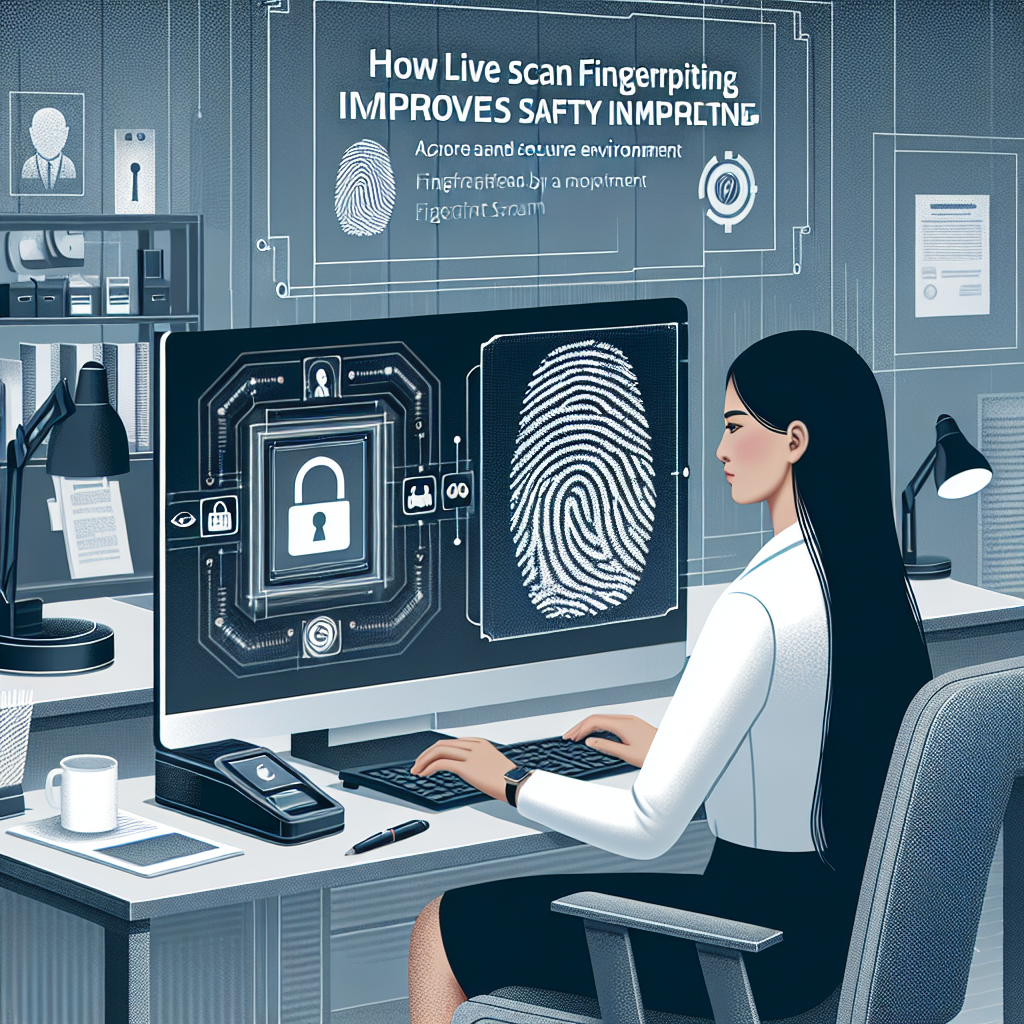
  • How Live Scan Fingerprinting Improves Safety in the Workplace

    How Live Scan Fingerprinting Improves Safety in the Workplace


    How Live Scan Fingerprinting Makes Workplaces Safer

    How Live Scan Fingerprinting Makes Workplaces Safer

    Introduction

    Today, keeping everyone safe at work is super important for all kinds of jobs. One cool tool to help with this is called Live Scan fingerprinting. Unlike the old way of taking fingerprints with ink, Live Scan uses computers to get and send fingerprints. This new way helps check people’s backgrounds better and makes workplaces safer.

    What is Live Scan Fingerprinting?

    Live Scan fingerprinting is a digital way to take fingerprints. Instead of using messy ink, it uses cool machines to capture clear fingerprints. Once taken, these prints are sent quickly to the people who check backgrounds. Live Scan is fast and gets things right more often compared to the old way.

    How Live Scan Helps Keep Workplaces Safe

    1. Checking Employee Backgrounds

    One big job of Live Scan fingerprinting is to help check the backgrounds of people who want to work at a company. By using Live Scan, companies can find out quickly if someone has done something bad in the past. This check helps make sure only good people work there. Plus, it helps companies follow the law about doing background checks right.

    2. Better Security

    Live Scan fingerprinting makes security stronger by finding people who might be a danger. Knowing this ahead of time helps keep the workplace safe. When everyone feels safe, it builds a sense of trust and makes employees work together better.

    3. Following Laws and Rules

    Following all the rules about checking employees can be tough. Live Scan makes it easier because it works with rules for different jobs, like in hospitals or banks. By following these rules, companies avoid trouble and big fines.

    Why Use Live Scan Fingerprinting?

    There are lots of good reasons to use Live Scan fingerprinting:

    • More Accurate: Live Scan cuts down on mistakes you might get from doing things by hand.
    • Faster Results: You get results quicker with Live Scan compared to the old way.
    • More Efficient: It makes the whole checking process smoother, which helps hire new people faster.

    Things to Think About

    1. Privacy Concerns

    Since Live Scan uses computers, keeping private info safe is important. Companies must follow data protection laws so everyone trusts the system.

    2. Costs and Setup

    Getting Live Scan might cost some money at first. But, you can connect Live Scan with what your company already uses to make it worth it over time.

    Real-Life Examples

    Many companies already use Live Scan fingerprinting and see big improvements in safety and trust. These examples teach other businesses how to use Live Scan well.

    Conclusion

    Live Scan fingerprinting is a big step forward in making workplaces safer. It helps check backgrounds better and faster, making it a great tool for creating safe and rule-following work environments. Companies should think about using Live Scan to improve safety and stay ahead in keeping their workplace secure.

    Call to Action

    If you’re interested in creating a safer workplace using Live Scan fingerprinting, Tags Clinic is prepared to help guide you through the process. Pay us a visit at 3845 University Ave, San Diego, CA or call us at 619-777-9046. To learn more about our services, feel free to visit ourwebsite. Let’s work together to ensure a safer, more secure workplace.


  • How to Scale Your Out-of-State Registration Business in a Competitive CA Market

    How to Scale Your Out-of-State Registration Business in a Competitive CA Market


    How to Grow Your Out-of-State Registration Business in Busy California

    How to Grow Your Out-of-State Registration Business in Busy California

    Introduction

    Growing your out-of-state vehicle registration business in California is a big chance and a big challenge. With lots of people and many vehicle transactions, California offers a huge chance to grow. But, it’s also very competitive, so you need smart plans to make your business successful. This post will talk about key ways to grow your registration business in California and thrive in this exciting place.

    Understanding the CA Market

    Overview

    California’s vehicle registration is unique because of its tricky rules, different kinds of people, and high need for DMV services. Knowing about these things is important for any business that wants to enter this market.

    Key Competitors

    The market has many established businesses. Finding these competitors and understanding their strategies can help you learn successful ways and find places your business can fill.

    Customer Demographics

    Knowing who your customers are is really important. California has many different and tech-savvy people, like individuals, businesses, and immigrants who need vehicle registration services. Creating services for these different needs can be very valuable.

    Building a Strong Foundation

    You need to understand and follow California’s business and registration rules. Make sure to follow the laws and get all the licenses and permits you need to work well in this legal environment.

    Technology Infrastructure

    You should invest in good software and tools to make your operations smooth and efficient. This means having systems to manage registrations, keep track of customer data, and automate routine tasks.

    Workforce Development

    You need to hire and train a skilled team to manage more work. Customer service training is important to make sure customers are very happy, which can make your business stand out.

    Marketing Strategies

    Brand Positioning

    Make your business different with a strong brand identity and clear messages showing your unique benefits. Focus on being reliable, fast, and easy to use to attract customers from traditional DMV services.

    Digital Marketing

    Use digital marketing strategies like SEO, social media, and online ads to reach more people. Use keywords related to California vehicle registration to be more visible online.

    Partnerships

    Work with local businesses and influencers to spread your brand. These partnerships can help you reach new customers and increase trust in the community.

    Operational Efficiency

    Process Optimization

    Make registration processes better to handle more work efficiently. Use automated workflows to make them faster and reduce mistakes.

    Customer Service

    Give great customer service with reliable delivery and good communication. For example, have dedicated support lines and keep customers updated on their registration status.

    Managing Logistics

    Good logistics are important for moving documents and vehicles well. Set up a reliable courier network and digital document systems to make operations smooth.

    Leveraging Technology

    Automation Tools

    Use software to automate tasks and make processes more accurate. This helps your staff focus on more complex customer interactions.

    Data Analytics

    Use data to learn about customer behavior and market trends. This info can help make smart decisions and plan for future demand.

    Online Platforms

    Create easy-to-use websites and mobile apps to make your services more accessible. A simple website can attract tech-savvy people looking for easy registration solutions.

    Building a Local Presence

    Physical vs. Virtual Offices

    Decide if having physical offices is needed. Virtual offices might meet needs without the cost of physical spaces.

    Community Engagement

    Join local events and initiatives to build trust and credibility. Sponsor community activities or join local fairs to increase brand visibility and customer loyalty.

    Feedback Loops

    Create systems to get customer feedback. This helps improve services and respond to customer needs and market changes.

    Financial Planning

    Budgeting for Expansion

    Plan a budget that includes all costs for expansion. This includes marketing, staffing, technology, and office space if needed.

    Funding Options

    Look for funding options like loans, grants, and investors. Financial backing is important for supporting growth plans.

    Financial Monitoring

    Track key financial metrics to stay profitable and sustainable. This includes keeping an eye on cash flow, revenue, and profits.

    Conclusion

    To grow your out-of-state registration business in competitive California, you need a mix of planning, smart operations, and focused marketing. By understanding the special parts of the CA market and spending on technology, workforce, and community engagement, your business can gain a strong position and quickly adapt to changes. Start using these strategies today to find new growth opportunities and achieve lasting success in California.

    Call to Action

    We encourage those who are interested in expanding their out-of-state registration business to contact the Tags Clinic. Located at 3845 University Ave, San Diego, CA, the Tags Clinic is readily available to assist with your expansion needs. You may also call us directly at 619-777-9046. For more information, please visit our website here.


  • Step‑by‑Step Auto Registration Tips from Dr. DMV at Tags Clinic

    Step‑by‑Step Auto Registration Tips from Dr. DMV at Tags Clinic


    Simple Steps for Car Registration with Dr. DMV at Tags Clinic

    Introduction

    Hello and welcome to Tags Clinic! We’re here to help you figure out the sometimes tricky job of car registration. Meet Dr. DMV, your helper, who will make everything easy and worry-free. Getting your car registered is not just something you have to do by law, but it also helps avoid fines and makes sure your car is following state rules. In this post, I’ll show you a step-by-step guide to make your registration smooth at Tags Clinic.

    Step 1: Getting Your Documents Ready

    Documents You Need:

    • Vehicle Title: Shows you own the car.
    • Proof of Insurance: Makes sure your car is protected.
    • Driver’s License or ID: To prove who you are.
    • Proof of Residence: Shows where you live.

    Step 2: Knowing the Fees and Costs

    What You Might Have to Pay:

    • Fee to register for the first time
    • Fee for the car title
    • Extra fees based on how much your car is worth or emissions

    Step 3: Filling Out the Registration Form

    What You Need to Write Down:

    • Your basic info
    • Details about your car, like VIN and make

    Step 4: Emissions Testing (if needed)

    Why You Might Need Emission Tests:

    • It depends on your state and car.

    Step 5: Making an Appointment

    Booking a Time at Tags Clinic:

    • Call us or visit our website to pick a time.

    Step 6: Handing in Your Application

    What to Bring When You Visit:

    • All the papers you organized in Step 1.

    Step 7: Getting Your Registration

    When You’ll Get Your Registration:

    • Usually, 2-4 weeks, but we can hurry it up if needed.

    Extra Tips and Common Questions

    Quick Renewal Tips:

    • Use online options if you can.

    Conclusion

    We hope this guide makes car registration easier for you. At Tags Clinic, we want to help you avoid any stress with DMV stuff by giving you good advice and friendly service. If you have any more questions or need help, we’re here for you.

    Call to Action

    To make car registration easy, look at the resources on the Tags Clinic website, follow us on social media for tips, and set up your registration appointment today. Say goodbye to car registration stress with help from our expert team at Tags Clinic!

    You are welcome to visit us at Tags Clinic located at 3845 University Ave, San Diego, CA or call us at 619-777-9046. We look forward to meeting you!

    Here is our Location in Google Maps:


  • DMV News: How New Legislation Is Empowering the Use of Mobile Driver’s Licenses

    DMV News: How New Legislation Is Empowering the Use of Mobile Driver’s Licenses


    DMV News: How New Rules are Helping with Mobile Driver’s Licenses

    Introduction

    We live in a world where digital tools make our lives easier every day. One of the latest tools is the mobile driver’s license (mDL). These digital IDs could make things more convenient and safer for drivers. New laws are helping people start using mDLs, changing the way we show who we are and keep our personal info.

    Why We Need Mobile Driver’s Licenses

    Digital IDs are needed now more than ever. People want things to be easier, with less contact and more ways to do things from far away. mDLs are a great choice instead of regular IDs. Unlike the physical licenses we carry in our wallets, mDLs let people carry their ID on their smartphone, which most of us never leave at home. They help people who might have trouble getting or carrying a regular license. mDLs are also safer because they have things like scrambled data and fingerprint checks to help stop fraud and ID theft.

    Key Features of Mobile Driver’s Licenses

    A mobile driver’s license is like a digital copy of the driver’s license in your wallet but stored on your smartphone. It includes:

    • No-touch verification: Shows who you are without touching anything. This is super useful during pandemics.
    • Renewal alerts: Your phone can let you know when you need to renew your license.
    • Control over what you share: You can choose to share only the info you need to for any situation, keeping some details private.
    • Links with state and national records: Makes sure your ID is real and the latest version, helping to check information thoroughly.

    New Law Changes

    Lately, new laws are making it easier for mDLs to be used everywhere. States and the national government are starting programs to help this switch, focusing on making sure mDLs are safe and work everywhere. These laws are setting rules for how mDLs should be made and used, making sure they are secure and protect privacy. These changes make mDLs a trusted form of ID that can be used in different parts of our lives and work across state lines.

    Changes at the DMV

    Switching to mobile driver’s licenses is making DMVs all over the country change how they work. With new laws, DMVs are updating their systems so they’re ready for mDLs. This means fixing current tools, training workers again, and figuring out how to deal with digital licenses. Teaching materials and training are being given to make sure DMV workers are ready to help with this new digital way of doing things.

    Good Things for Drivers and People

    Mobile driver’s licenses make things better for people by giving them a faster and easier ID process. From quick checks at airports to proving your age when shopping, mDLs can make many parts of life simpler. They might also help us use fewer physical IDs, one day letting us have all our IDs in one spot on our phone.

    Challenges and Worries

    Like all new tech, mDLs have some problems. Some people might not have the right technology or know-how to use digital IDs. There are also worries about keeping data safe. But laws and strong safety measures are being made to help fix these worries, so switching to mDLs is as easy and safe as possible.

    What Could Happen Next

    With more states trying out mDLs, they might become common all around the USA. Since phone tech keeps getting better and new laws are being made, mDLs have a bright future. This might include letting mDLs work between different kinds of technology, making them even safer, and having them be accepted more widely. Laws will keep helping shape the future for digital IDs.

    Conclusion

    The new laws around mobile driver’s licenses are a big move forward for personal ID. By fixing important things like safety and privacy, lawmakers are helping with more mDL use, paving the way for smoother and more digital-friendly ways to show who we are. This tech revolution holds great promise for making life easier and better for keeping track of our identity.

    What You Can Do

    As this new tech starts showing up, it’s important to learn about what mobile driver’s licenses mean for you. We suggest keeping up with DMV news and understanding what changes are coming. For the latest on mDL laws and news, look for updates from your state DMV.

    Extra Things to Check Out

    Call to Action

    We always strive for your care and convenience. Kindly pay a visit to our Tags Clinic situated at 3845 University Ave, San Diego, CA, or you can reach out to us on 619-777-9046. We would be delighted to offer the best solutions that suit your requirements. For more information, please visit our website tagsclinic.com. Looking forward to serving you soon!