Author: Dr. DMV – California Vehicle Specialist

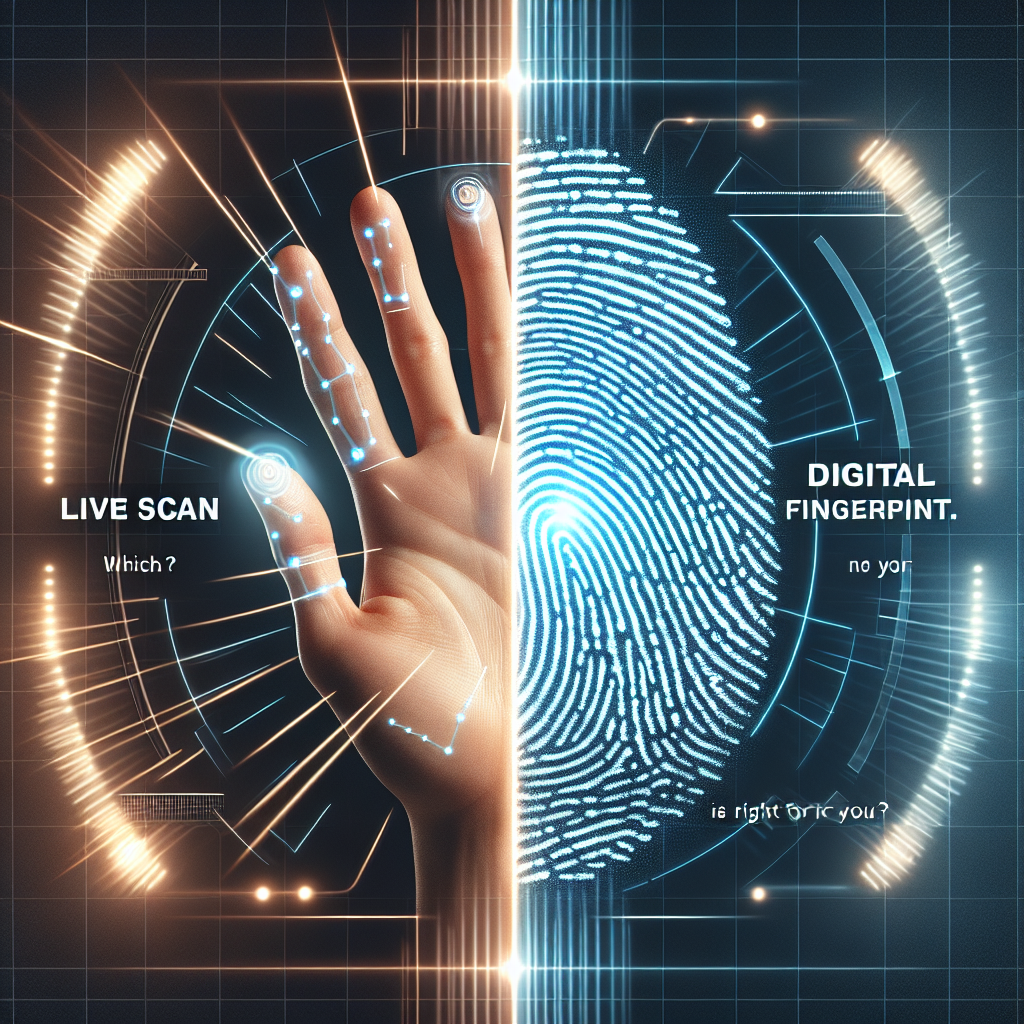
  • Live Scan vs. Digital Fingerprinting: Which Is Right for You?

    Live Scan vs. Digital Fingerprinting: Which Is Right for You?


    Live Scan vs. Digital Fingerprinting: Which One Should You Choose?

    Live Scan vs. Digital Fingerprinting: Which One Should You Choose?

    These days, making sure who people are is really important. Fingerprinting helps a lot with this, especially if you’re looking for a job, getting a license, or dealing with legal stuff. There are two popular ways to do this: Live Scan and Digital Fingerprinting. But how do you know which one is best for you?

    Understanding the Basics

    What is Live Scan?

    Live Scan is a new way to take fingerprints. It uses a computer and a special scanner to get clear pictures of your fingerprints. This method is used a lot because it is very accurate and fast. Police, the government, and many companies use Live Scan to check people’s backgrounds.

    What is Digital Fingerprinting?

    Digital Fingerprinting also captures your fingerprints using technology, but without ink or paper. This method is often preferred when you need something quick and easy. Unlike Live Scan, Digital Fingerprinting can sometimes be done from home, which is perfect if you can’t make it to a location easily.

    Pros and Cons

    Advantages of Live Scan

    • Very Accurate: Live Scan gives really clear fingerprint pictures, so there are fewer mistakes.
    • Fast Results: The fingerprints are sent quickly using the internet, which is great if you’re in a hurry.
    • Accepted Everywhere: Many places trust Live Scan because it’s so reliable.

    Disadvantages of Live Scan

    • Hard to Find: Not every place has Live Scan, which can be a problem if you live far away.
    • Expensive Equipment: The tools needed are costly, so not everyone can afford to provide these services.

    Advantages of Digital Fingerprinting

    • Easy to Use: This type is more flexible and can often be done remotely.
    • Simple to Set Up: It’s usually easy to use, even if you don’t know much about fingerprinting.
    • Quick: You often get results fast with digital fingerprinting, which is useful if you’re in a rush.

    Disadvantages of Digital Fingerprinting

    • Might Be Less Accurate: Some systems may not be as exact as Live Scan, leading to mistakes.
    • Not Always Accepted: Some places might not accept digital fingerprints, so you need to check first.

    Comparing Cost and Accessibility

    Cost Comparison

    Live Scan Cost: Usually, it’s more expensive because of the equipment and the people needed to do it.
    Digital Fingerprinting Cost: This is often cheaper, which is nice if you don’t want to spend too much.

    Accessibility and Availability

    Live Scan is mostly found in cities, so you might have to travel if you live far away.
    Digital fingerprinting can be more available in different spots, but you should check what providers offer it near you.

    FAQs and Common Concerns

    1. How do I pick between Live Scan and Digital Fingerprinting?

      Think about why you need the fingerprinting, where you live, and what the people asking for it require.

    2. What steps are involved in each process?

      Both ways start with taking the fingerprints digitally. Live Scan sends them quickly for checking, while digital fingerprinting can be more flexible in where and when you do it.

    3. Do some industries prefer one method over the other?

      Police and government agencies often choose Live Scan for its accuracy, while places that like convenience may go for digital fingerprinting.

    Conclusion

    Choosing between Live Scan and Digital Fingerprinting depends on your needs. Consider things like how accurate it should be, how much it will cost, and how easy it is to get done. Both have their good points, so make sure your choice fits what you need.

    Call to Action

    Ready to get your fingerprints done? Plan your Live Scan or Digital Fingerprinting appointment today for peace of mind. Find local services or reach out to professionals to get started. You might want to visit Tags Clinic at 3845 University Ave, San Diego, CA; or give them a call on 619-777-9046. They provide excellent service and guidance in this regard.

    Additional Resources


  • How to Beat DMV Processing Delays with Dr. DMV at Tags Clinic

    How to Beat DMV Processing Delays with Dr. DMV at Tags Clinic

    “`html

    How to Beat DMV Waiting Times with Dr. DMV at Tags Clinic

    Introduction

    These days, slowdowns at the DMV can mess up your day and make things really annoying. Whether it’s dealing with vehicle registration or getting a driver’s license, these hold-ups can make our daily lives difficult. That’s why it’s important to find quick ways to fix these problems. Meet Dr. DMV at Tags Clinic. He’s like a hero for people who want to get past DMV problems quickly and easily.

    Why DMV Takes So Long

    DMV waiting times are common. But if we understand why they happen, we can see why we need other solutions.

    Why We Wait

    1. Too Many Applications: The DMV gets so many requests that it can’t keep up.
    2. Not Enough Staff and Money: Without enough people and budget, it’s hard to get things done fast.
    3. Tech Problems and Updates: Fixing computer issues and updating systems can make the waiting times longer.

    How It Affects People

    • Late Car Registration and Renewals: You might not be able to legally drive or sell your car.
    • Long Driver’s License Waiting: This makes it hard for you if you need your license for ID or legal driving.
    • More Frustration and Wasting Time: Standing in line becomes a normal thing, and it can ruin your day.

    Meet Tags Clinic and Dr. DMV

    Even when the DMV is slow, Tags Clinic can help make things easier by offering special services to keep you moving.

    About Tags Clinic

    Tags Clinic is all about making DMV wait times less stressful. We care about giving you quick and correct help for stuff like vehicle services, so your DMV visits are smoother.

    Who is Dr. DMV?

    Dr. DMV is the DMV expert at Tags Clinic. He knows a lot about how DMVs work and is really good at solving problems. Dr. DMV makes sure that everything goes smoothly, just for you.

    Tips to Get Past DMV Waits

    Even if DMVs seem scary with long waits, planning ahead can help make things easier.

    Get Ready Before You Go to the DMV

    • Have Your Papers Ready: Make sure all your important papers are organized before you visit.
    • Know What the DMV Needs: Learn about what the DMV asks for, so you’re ready for it.

    Use Tags Clinic Services

    • Fast DMV Services: This is a quick option if you don’t want to wait at the DMV.
    • Set Up Your Appointment and Personalized Help: Pick a time that works for you and get help from our friendly staff.

    Tech Can Help

    • Online Tools from Tags Clinic: Check out useful websites and info on our site.
    • DMV Apps and Trackers: These can help you know where your application is without waiting.

    Why Choose Tags Clinic

    Save Time

    Enjoy shorter lines with fast services and maybe even finish everything the same day if it’s urgent.

    Get Expert Help

    Get help from our smart staff and Dr. DMV. They make sure all your paperwork is right and answer your questions.

    Feel Relaxed

    Feel calm knowing all your papers are done correctly, avoiding mistakes and following all the rules.

    Stories of Success

    • Client Testimonials: Hear from people happy about how Dr. DMV turned their DMV problems into smiles.
    • Real-Life Examples: Learn how our services helped make buying or selling cars easy.

    Conclusion

    DMV delays don’t have to mess up your plans. With professional help from Tags Clinic, important things related to your vehicle are handled well and fast. Don’t spend more days waiting in line—contact Tags Clinic and make an appointment with Dr. DMV today.

    Extra Helpful Stuff

    • Links and References: Find direct links to Tags Clinic offerings and DMV tools.
    • FAQs Section: Get answers to common questions about DMV wait times and Tags Clinic services, with tips from Dr. DMV.

    Call to Action

    By figuring out DMV delays and using the expert help from Tags Clinic, you can turn a stressful task into an easy one. Visit our website here or call us at 619-777-9046 to book your faster DMV service with Dr. DMV. Skip the wait—choose the smart way with Tags Clinic today! We’re located at 3845 University Ave, San Diego, CA.

    “`

  • Out-of-State Dealers: How to Track and Report CA Registration Metrics

    Out-of-State Dealers: How to Track and Report CA Registration Metrics


    Out-of-State Dealers: Tracking and Reporting CA Registration

    Out-of-State Dealers: Tracking and Reporting CA Registration

    Introduction

    Understanding California’s vehicle registration can be tricky for car dealers from other states. Following the rules accurately is super important for making sure your business runs smoothly. In this blog post, you’ll learn about California’s registration requirements, how to track them, and how to use technology to make things easier.

    California Registration Rules

    California has special rules when it comes to registering a vehicle. This includes things like emissions checks, proof of ownership, and following state rules. If you’re a dealer from another state, you need to know these rules well to avoid fines and keep things running smoothly. Learning about these rules from the California Department of Motor Vehicles (DMV) is important.

    Problems for Out-of-State Dealers

    Dealers from other states often face problems with California registration. These problems include dealing with the complex processes, handling lots of paperwork, and figuring out what’s different between the rules in their state and in California. Mistakes can cause delays, cost you extra money, and make things harder.

    Setting Up Tracking Systems

    To handle California registration, you need a good system in place. You can use tools like Dealertrack, aDMSolutions, or RONALD to help. These tools fit into what you are already doing, making it easier to keep track of things. Watching the data in real time helps you spot issues quickly and fix them right away.

    What to Track

    When you are keeping track of the registrations, it’s important to look at these points:

    • Number of Registrations: Know how many vehicles are being registered and spot any trends.
    • Time Taken: See how long the registrations take and find any delays.
    • Mistakes: Count the number of errors to improve accuracy.

    Tracking these helps you follow the rules, work better, and plan for the future.

    Best Ways to Report

    Good reporting is key to managing your data well. Set a regular schedule for reports and use standard formats to keep them consistent. Share the reports with teams like those who check compliance or people in dealership management for feedback and improvements.

    Use Technology for Reporting

    Using modern technology can make tracking and reporting easier. Tools that automatically collect data can reduce mistakes and save time. These advanced systems keep your records current, help you make informed decisions, and improve how you work. Many dealers have successfully used these technologies to make their California registration processes better.

    Keeping up with California DMV’s policy changes is crucial to avoid legal trouble. Regularly consulting legal experts offers important insights into compliance and helps prevent penalties. Understanding and applying these regulations proactively is key to a smooth and fine-free operation.

    Conclusion

    In summary, tracking and reporting California registration metrics is necessary for any dealer from out-of-state who wants to operate well in California. By following the best practices and using tech solutions from this post, you can improve your compliance and streamline how you work. For updates on California DMV registration regulations, don’t hesitate to ask for help.

    Extra Help and Resources

    Stay informed and follow the rules. Use this blog post’s advice and resources to handle California’s registration process successfully. For more help or to see how Tags Clinic can make your registration processes easier, check out our website or contact us directly.

    Call to Action

    Are you interested in making your vehicle registration process simpler? Tags Clinic is here to help. Come visit us at 3845 University Ave, San Diego, CA, or give us a call at 619-777-9046. We’re always ready to assist and answer your questions. You can also learn more by visiting our website at Tags Clinic. We look forward to seeing you!


  • DMV Digital Revolution: How New Online Tools Are Making DMV Visits Obsolete

    DMV Digital Revolution: How New Online Tools Are Making DMV Visits Obsolete


    DMV Digital Change: How New Online Tools Are Making DMV Visits Less Needed

    DMV Digital Change: How New Online Tools Are Making DMV Visits Less Needed

    Introduction

    Do you remember going to the DMV with tons of patience and a fully charged phone to survive the long wait? Going to the DMV was known for long lines and frustration. But now, things are changing! Thanks to new technology, you might not need to visit the DMV as often. In this blog, we’ll talk about how the DMV is using new digital tools to make things easier and faster.

    1. Background: Why the DMV Had Problems Before

    For many years, DMVs were known for being slow and having long wait times. Whether you needed to renew your driver’s license or register a car, going in person was often a frustrating experience. People complained about slow service, tons of paperwork, and the boring wait in line. It was clear the system needed a change, and now digital tools are helping take care of these problems.

    2. Why the DMV Is Going Digital

    There are a few reasons why the DMV is becoming more digital. Technology has made it possible, and the government is working to make public services faster and better. The COVID-19 pandemic also played a big part in speeding up the need for online services. During lockdowns, DMVs had to quickly switch to online options, and this change is here to stay, making things more modern and efficient.

    3. Cool Online Tools That Are Changing the DMV

    Online License Renewals and Applications

    Now you can say goodbye to long waits for renewing licenses. Online platforms and mobile apps help you renew or apply for licenses in just a few clicks, saving you time at the DMV.

    Digital ID Cards and Verification

    Digital IDs are a big deal! They’re safe and easy to use, and you can keep your ID right on your smartphone.

    Virtual Practice Tests and Resources

    New drivers can take practice tests and find study materials online at DMV websites. This makes it easier for new drivers to study whenever they want.

    Scheduling and Appointment Tools

    Stressing about waiting times is a thing of the past. Online scheduling lets you make appointments for in-person visits, so you can plan your time better.

    Automated Vehicle Registration Tools

    Renewing your vehicle registration is simpler now. You can renew registrations, update records, and transfer ownership online easily.

    4. Benefits of the DMV’s Digital Change

    Going digital has a lot of perks. It saves people time and is more convenient. Online processes are more accurate, with fewer mistakes. It also helps the environment by using less paper and reducing travel rates. Plus, digital services help people who have a hard time moving around do DMV stuff from home.

    5. Challenges and Things to Think About

    Even with these new tools, there are still some issues. Not everyone knows how to use technology well, so they will need help. Keeping information safe online is important, so strong security is a must. Plus, the systems need regular updates to keep working well.

    6. Real-Life Success Stories

    Some states have done a great job with digital DMV services. For example, California’s DMV has improved with its online service portal. People are happier, waiting times are shorter, and it’s more convenient. This shows how positive these changes can be.

    7. The Future of DMV: What to Look Forward To

    As technology advances, more cool things like AI customer service might make the DMV even better. Digital services will grow, and things like virtual help might be possible. Federal and state rules will guide this growth, creating more digital options.

    Conclusion

    The DMV’s digital transformation is changing public service, offering many benefits like saving time and helping the environment. With these advantages, visiting the DMV less often might soon be a reality. Keeping with updates and feedback from people using these services will help make them even better.

    Call to Action

    Would you like to make those DMV tasks easier? Try out your local DMV’s new online tools and resources and keep up-to-date with the latest improvements. Visit us at Tags Clinic at 3845 University Ave, San Diego, CA or call us at 619-777-9046. The future of DMV services is here—accept the change and enjoy the comfort it brings to you!


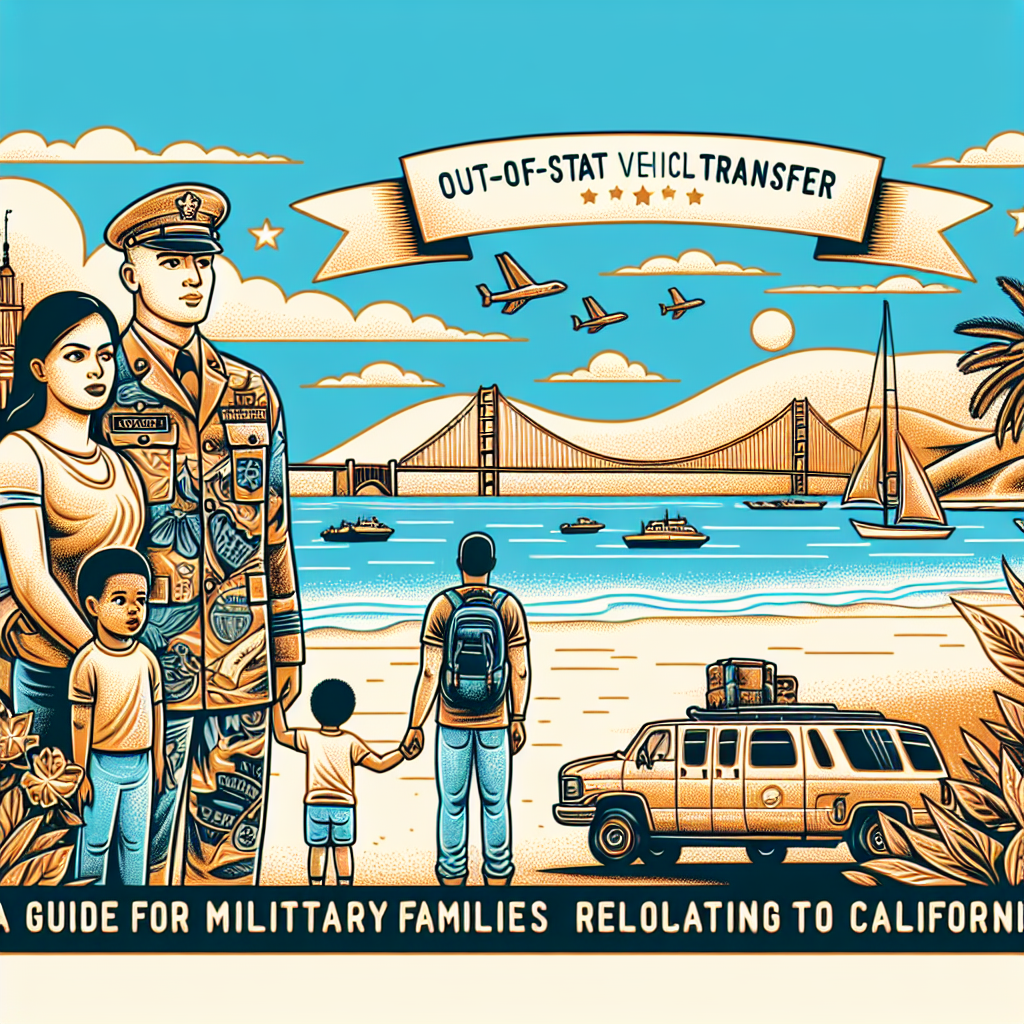
  • Out‑of‑State Vehicle Transfer: A Guide for Military Families Relocating to California

    Out‑of‑State Vehicle Transfer: A Guide for Military Families Relocating to California

    “`html


    Moving Your Car: A Guide for Military Families Moving to California

    Moving Your Car: A Guide for Military Families Moving to California

    Introduction

    Moving to a new state can be a big challenge for military families. Besides finding a new home and settling into a new area, you also have to think about things like transferring your car’s registration from another state to California. Figuring out how to transfer your car can be tricky because of all the rules, but this guide is here to help make it easier for military families moving to California.

    Getting to Know California’s Car Registration Rules

    California’s DMV Rules

    When you move to California, you need to register your car to follow the law. The Department of Motor Vehicles (DMV) in California takes care of car registrations. It’s important to follow their rules so you don’t get into trouble and make sure all your papers and fees are in order.

    Important Documents You Need

    Before going to the DMV, make sure you have all the important papers to register your car in California:

    • Current Vehicle Title: This shows you own the car.
    • Proof of Insurance: You need insurance to make sure your car meets California’s rules.
    • Smog Certificate (if needed): Some cars need to pass a smog test to get certified.
    • Proof of Residency: Show something like a utility bill or lease to prove you live in California.
    • Military Service Papers: This shows your active-duty status and can help you get special exemptions.

    Helpful Information for Military Families

    What Military Families Should Know

    Military families can get certain breaks when registering their cars:

    • California’s Nonresident Vehicle Exemption: Active-duty military from out of state can keep their car’s original registration if they live in another state. But they must still meet California’s emission standards if they register the car there.

    The Service Members Civil Relief Act (SCRA)

    The SCRA offers protections like lowering taxes or fees, which can help with car registration. Knowing these benefits can save military families time and money when they move.

    How to Register Your Car Step-by-Step

    Step 1: Gather Important Documents

    Start by getting all the documents you need. Since missing papers can slow things down, double-check everything before going to the DMV.

    Step 2: Emissions and Smog Test

    California is very strict about preventing pollution. If needed, show a smog certificate when you register your car. You can get the smog test at nearby certified testing places.

    Step 3: Visit the DMV or Use Tags Clinic Services

    Finish up the paperwork in person at the DMV or get help from Tags Clinic. They can guide you through the process, making registration easier for military families.

    Planning for Costs

    Fees and Taxes for Registration

    California has many different fees for registration, including a base fee, a vehicle license fee, and other fees based on where you live and your car.

    Budgeting Tips for Military Families

    Dealing with all the registration costs can be tough. Save up for these costs and see if there are discounts or payment plans. Check the DMV or military resources for help.

    Overcoming Problems

    Paperwork and Delay Problems

    Common problems include mistakes on papers or missing documents. To fix these, make copies of all forms, renew on time, and keep track of your communications with the DMV.

    Talking to the DMV

    Good communication with the DMV speeds things up. Use their phone lines and make appointments if needed, helping things go more smoothly.

    Help and Support for Military Families

    Support Organizations and Programs

    Groups like Military OneSource and base legal offices can help with car registration questions and offer advice or legal help if needed.

    Online Resources and Guides

    The California DMV website has lots of online guides that simplify information, making it easier to understand for military families.

    Conclusion

    Registering your car when you move to California is very important. Military families can use resources and exemptions to help with challenges during this process. You might also use services like Tags Clinic to make registering less stressful, letting you focus on settling in your new home. For more help, visit, call, or book an appointment with Tags Clinic today and make your move to California easier and worry-free.

    Call to Action

    We at Tags Clinic are always here to help you. Don’t hesitate to visit the clinic at 3845 University Ave, San Diego, CA or give us a call on 619-777-9046. Let us help you make your move smooth and seamless. Get started today, visit our website at https://tagsclinic.com.


    “`

  • The Impact of High Mileage on California Smog Check Results

    The Impact of High Mileage on California Smog Check Results

    “`html


    How High Mileage Affects California Smog Checks

    Introduction

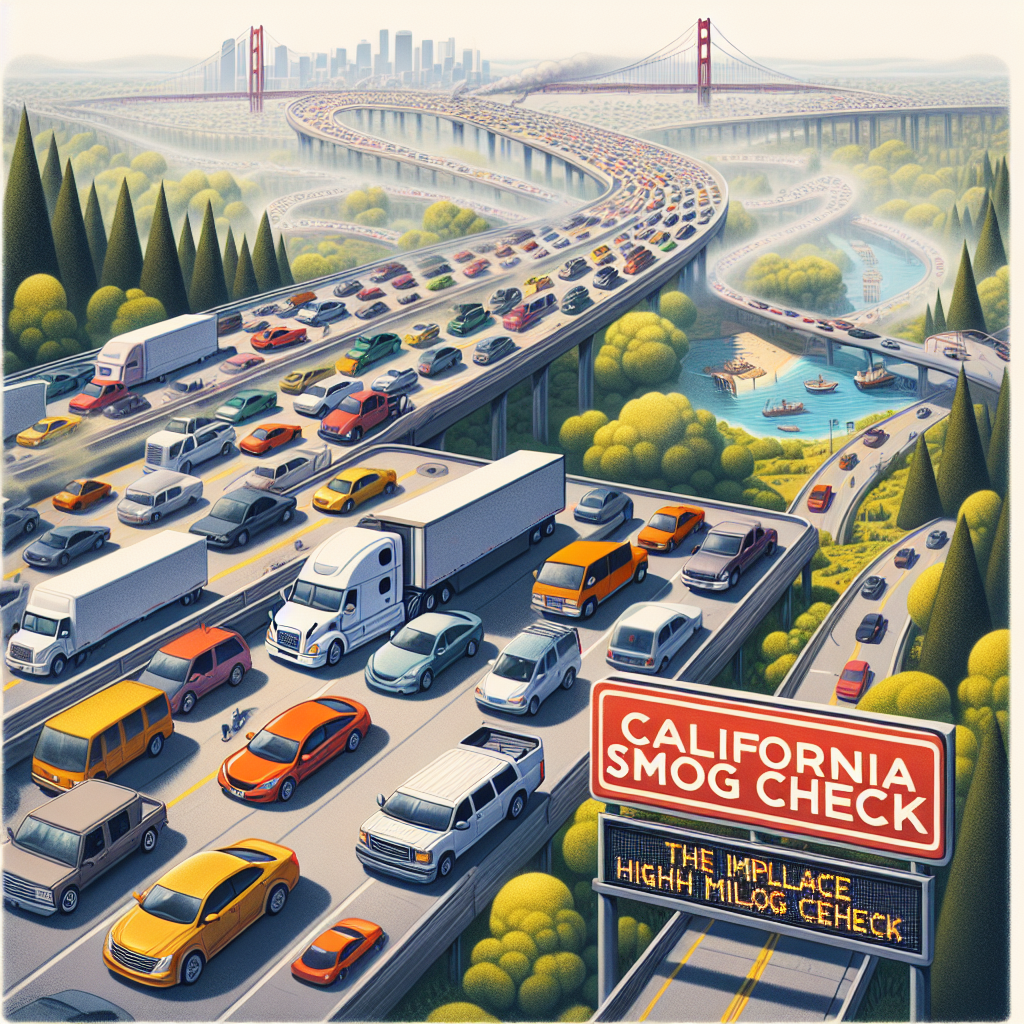
    California is famous for its strict smog check rules to fight air pollution and make the air cleaner. These tests help make sure that cars on the road don’t pollute too much. If you own a car, passing a smog check is important to keep your vehicle legal and running well. Oftentimes, people wonder how high mileage affects smog check results. In this post, we’ll learn how having a lot of miles on your car can affect smog checks and share some simple tips to help your car pass with flying colors.

    What Are Smog Checks?

    Smog checks are tests to measure how much pollution a car puts out. These tests make sure cars meet the pollution standards that the state sets. The California Bureau of Automotive Repair (BAR) makes sure these tests are done right.

    In California, most cars need a smog check every two years. Some places have different rules depending on where you are and how clean the air is. During a smog check, they look at things like the emission control systems and use a test to find any broken sensors or systems.

    What is a High Mileage Vehicle?

    A high mileage vehicle is usually a car that has gone more than 100,000 miles, but it can change based on the car’s make and model. When cars have a lot of miles, they often start to wear out. Common signs of high mileage cars are using more fuel, needing more oil, and having older parts like the exhaust system and catalytic converter.

    How High Mileage Affects Smog Checks

    Having a lot of miles can make a big difference in your car’s smog check results. As a car’s engine and other parts get older, they might not work as well as they did when they were new. Here’s how high mileage might affect emissions:

    1. Engine Wear: Engines can lose performance when parts wear down. This can lead to incomplete combustion, causing more pollution.
    2. Catalytic Converters: These important parts help cut down harmful emissions. But they can wear out, especially in cars with a lot of miles, leading to more emissions.
    3. Oxygen Sensors and Exhaust Systems: Wear and tear can affect these parts, leading to improper fuel burning and more pollution.

    Why High Mileage Cars Might Fail Smog Checks

    Cars with lots of miles are more likely to fail smog checks because of issues like:

    1. Engine Problems: Older engines might not run well, leading to incomplete fuel combustion and more emissions.
    2. Emission Leaks: High mileage can make problems with emission systems worse, causing leaks and more pollution.
    3. Broken Emission Parts: Worn-out parts that control emissions can make it hard to pass smog tests.

    Experts say that as a car’s mileage goes up, the chances of failing a smog check due to these problems increase.

    Tips for High Mileage Car Owners

    Taking care of a high mileage car takes work, especially for passing a smog check. Here are some tips:

    • Regular Maintenance: Servicing your car regularly can help catch problems early, making emissions better.
    • Tune-ups: Doing regular tune-ups can fix misfires or issues that could hurt smog check results.
    • Inspections: Before a smog check, inspect the car, especially emission parts, to find and fix issues.

    Stories of Success

    Even with the challenges, many high mileage cars pass smog checks. Success usually comes from good maintenance and following expert advice. Many mechanics and car owners have shared stories of old cars that meet emissions standards and still run well because of careful care.

    Conclusion

    High mileage cars may have a harder time passing smog checks in California, but with the right care, it is possible. Car owners should be proactive with maintenance to meet environmental standards and help the planet.

    Call to Action

    For help with high mileage cars, visit Tags Clinic for expert advice and smog check services. Share your tips and stories about keeping high mileage cars running in the comments. Your input helps others keep their cars on the road.

    Additional Resources


    “`

  • DMV Mistakes to Avoid When Transferring a Title from a Private Sale

    DMV Mistakes to Avoid When Transferring a Title from a Private Sale


    DMV Mistakes to Avoid When Transferring a Title from a Private Sale

    DMV Mistakes to Avoid When Transferring a Title from a Private Sale

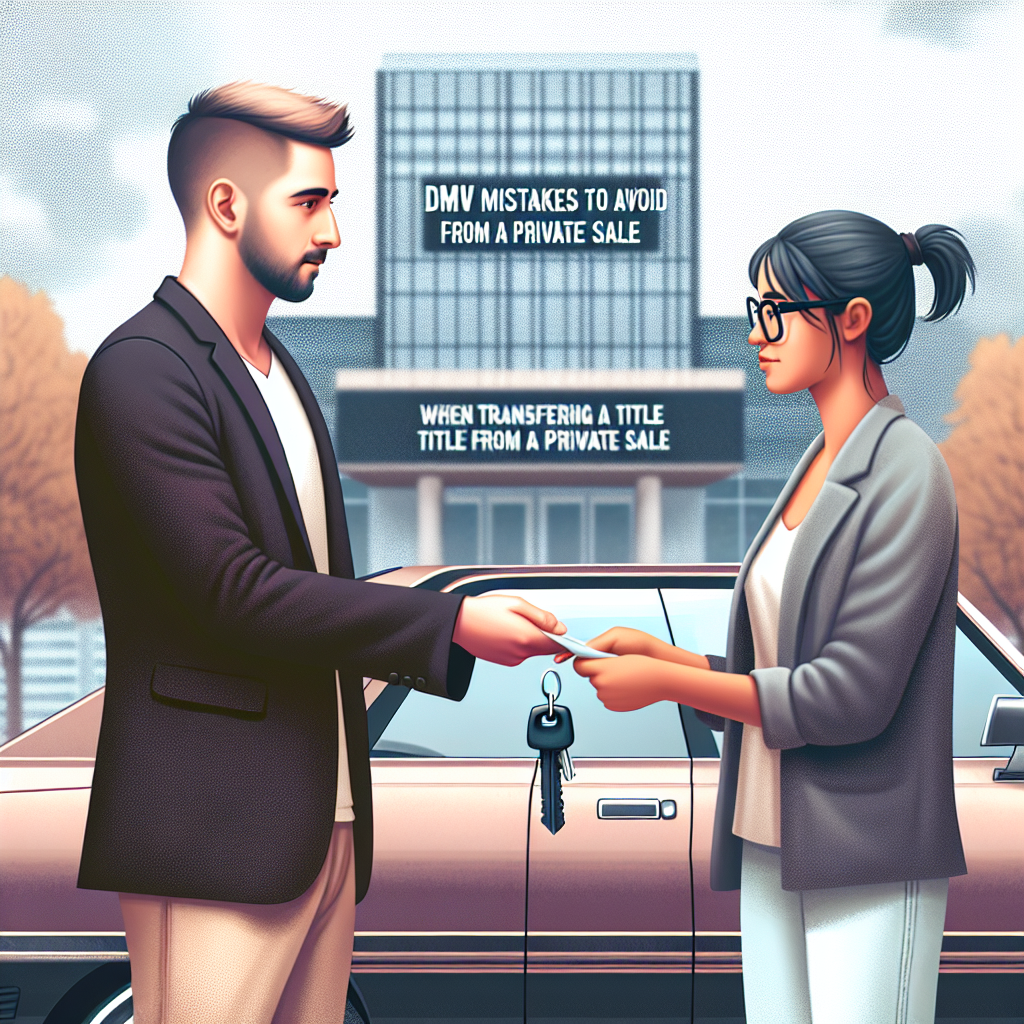
    When you buy a car from someone else, transferring the car title to your name is really important. If you don’t do it right, you might face big problems like fines, legal trouble, or delays in registering the car as yours. Let’s talk about what you need to know about transferring a title and mistakes you should avoid.

    Understanding Title Transfer Basics

    What’s a Car Title?

    A car title is a paper that shows who owns the car. It’s super important for proving you own the car, especially when buying or selling a car from another person.

    What Do You Need to Transfer a Title?

    When you transfer a car title, you have to do a few things:

    • Fill out the title transfer form correctly.
    • Get the seller’s signature notarized if your state asks for it.
    • Have the car’s Vehicle Identification Number (VIN) checked if your state requires it.

    Mistakes to Watch Out For

    1. Forgetting the Bill of Sale:
    2. The bill of sale is important because it shows all the details of the sale, like the date, price, and the car’s info like VIN, make, model, and year. Make sure to have it!

    3. Not Checking for Liens:
    4. A lien means someone else, like a bank, has a claim on the car. Make sure there are no liens by checking with the DMV or getting a lien release from the seller.

    5. Messing Up the Documents:
    6. Little mistakes like spelling errors or missing info can mess up the transfer. Make sure everything is filled in right and you can read it.

    7. Ignoring Your State’s Rules:
    8. Each state has its own rules for title transfers. Check your state’s DMV website to know exactly what to do.

    9. Waiting Too Long to Transfer:
    10. Most states want you to transfer the title soon after you buy the car. If you wait too long, you might have to pay extra fees.

    Steps for a Proper Title Transfer

    1. Get Your Documents Ready:
    2. Have all the papers you need, like the signed title, bill of sale, and your ID.

    3. Complete Any Required Inspections:
    4. If your state needs a VIN check or an emissions test, get that done before going to the DMV.

    5. Turn In Your Paperwork Quickly:
    6. Go to the DMV and give them your paperwork. You can make an appointment to save time.

    7. Pay the Fees:
    8. The fees can be different in each state, so check how much you have to pay and get a receipt.

    9. Make Sure Everything is Finished:
    10. Check with the DMV to be sure the transfer is done correctly and nothing is left out.

    Helpful Tips

    • Book DMV Appointments: Avoid waiting by making an appointment.
    • Check Your Forms Twice: Look at all your forms again to catch mistakes.
    • Use a Checklist: A checklist can help you remember everything you need to do.

    Conclusion

    By being careful and paying attention, you can avoid problems with transferring the car title. Double-check your work, take your time, and reach out for help if you need it.

    Call to Action

    Have questions or want to share your own title transfer story? Leave a comment below! If you’re having trouble, Tags Clinic can help make the process easier.

    Additional Resources

    Transferring a car title doesn’t have to be hard. By avoiding common mistakes and following the right steps, you’ll be driving your new car without any worries!

    Visit Us

    Looking to make your title transferring process easier? You should pay us a visit at Tags Clinic, located at 3845 University Ave, San Diego, CA. You can also give us a call at 619-777-9046. We would be happy to make the process smoother for you.

    Check out our website for more information!


  • Breaking Down New DMV Requirements for Driver Safety Programs in 2025

    Breaking Down New DMV Requirements for Driver Safety Programs in 2025


    Understanding New DMV Rules for Driver Safety Programs in 2025

    Understanding New DMV Rules for Driver Safety Programs in 2025

    Intro

    Today, making sure roads are safe is super important. Driver safety programs teach both new and experienced drivers how to drive safely, which helps reduce accidents and deaths on the road. As we get closer to 2025, the Department of Motor Vehicles (DMV) has new rules to make these programs even better. This blog post is here to explain what’s changing so both drivers and schools can get ready.

    Breaking Down the Changes

    Before we talk about what’s new, let’s see what we have right now. The DMV rules mostly cover basic driving skills, road signs, and road rules. But because technology in cars is getting better all the time, these rules have to change. Here’s what’s new for 2025:

    • More focus on using technology in cars safely.
    • Learning about self-driving and semi-self-driving cars.
    • Better tips for defensive driving and noticing road dangers.

    The reason for these changes is simple: as cars get smarter, drivers need to learn how to drive them safely.

    New Requirements Explained

    Changes in the Program

    The new DMV rules say that the program needs to teach about today’s tech in driving. Here’s what that means:

    1. Digital Literacy: The program will teach about tech in cars like GPS, dashboard displays, and connected features. Knowing these is key for safe driving.
    2. Autonomous Vehicles: As self-driving cars become more common, lessons will include how to use them, understand their systems, and deal safely with them on the road.
    3. Defensive Driving Techniques: There will be more teaching of advanced driving techniques, like spotting dangers and making quick, safe decisions.

    New Instructor Standards

    Instructors are very important for driver safety programs. Here’s what will be new for 2025:

    1. Qualifications: Instructors will need better certifications to make sure they know a lot about today’s driving challenges.
    2. Ongoing Learning: Instructors will have to keep learning about new safety practices, tech, and teaching methods.

    New Testing and Evaluation

    To make sure drivers really know their stuff, the DMV has new testing rules:

    1. Driver Skills: Tests will now include more practical skills, not just book knowledge.
    2. Simulators and Tech: Testing will use more simulators so learners can safely practice different traffic scenarios.

    When Will This Happen?

    The DMV has a plan for when these rules start:

    • Starting Steps: Pilot programs will start in early 2024 to test the changes.
    • Step-by-Step Rollout: Old rules will fade out slowly, with new rules everywhere by mid-2025.
    • Help from the DMV: The DMV will guide and support schools and instructors with resources and training.

    What This Means for Driver Safety and Training

    These changes are expected to boost driver education a lot. By improving how drivers are trained, the DMV hopes to have better drivers and fewer accidents. Experts think these changes will help usher in a new era of road safety, making roads safer for everyone.

    Challenges Ahead

    Adopting these new rules might be hard in a few areas:

    • School Challenges: Changing curriculums and training instructors will take time and money.
    • Costs: Updating materials and training instructors means spending more money.

    Getting feedback from those trying the changes first will help deal with these challenges.

    Wrap Up

    The new DMV rules for 2025 are a big step forward in driver education. By focusing on today’s challenges and new technology, these changes aim to make roads safer and drivers better. As 2025 nears, staying informed will be important for driving schools, instructors, and future drivers. Embrace these changes and be part of the exciting evolution in driver safety programs.

    More Info

    By learning and adapting to these new rules, we can all help make our roads safer. Keep informed, be prepared, and drive safely!

    Call to Action

    Ready to start being a safer driver? Visit Tags Clinic at 3845 University Ave, San Diego, CA or give us a call at 619-777-9046. You can also visit our website here. We look forward to helping you become a safer, more aware driver. Drive safely!


  • The Impact of Live Scan Fingerprinting on California Licensing

    The Impact of Live Scan Fingerprinting on California Licensing


    The Impact of Live Scan Fingerprinting on Getting a License in California

    The Impact of Live Scan Fingerprinting on Getting a License in California

    Introduction

    Getting a professional license in California is a tough process. This is important to keep high standards and make sure people are safe. One big part of this process is Live Scan fingerprinting. This blog is all about how Live Scan fingerprinting affects getting a license in California and why it’s so important for different industries.

    What is Live Scan Fingerprinting?

    Live Scan fingerprinting is a fancy way of taking fingerprints using computers, not messy ink. During Live Scan, your fingerprints are taken digitally, which means they’re clearer and more accurate. These fingerprints are then sent to state and federal places to check backgrounds. This adds an important safety step in getting a license.

    A Bit of History

    Taking fingerprints has been used in California for a long time to get licenses. As technology got better, the state switched from using ink to Live Scan. This change happened because Live Scan is more accurate, quicker, and reliable. Laws were made to make sure some industries started using Live Scan, showing how important it is today.

    Benefits of Live Scan Fingerprinting

    Moving to Live Scan has brought lots of good things:

    • More accurate and reliable: Digital fingerprints are clearer and lessen mistakes.
    • Quicker processing: Sending fingerprints electronically speeds things up, so people don’t wait as long.
    • Better identity checking: Keeping data simple makes everything safer, which is good for everyone.

    How It Helps Different Jobs

    Live Scan fingerprinting is key for many jobs in California:

    Healthcare Jobs

    In healthcare, like doctors and nurses, Live Scan is super important. This ensures that people working in hospitals and clinics are qualified, which keeps patients safe and trust high.

    Schools

    Teachers and other school workers need Live Scan to get their jobs. This step keeps students safe and helps schools be safe places to learn.

    Security Jobs

    People working in security and law enforcement have to go through Live Scan. This helps make sure they’re right for jobs that need them to be honest and watchful, keeping everyone safe.

    How Live Scan Helps Public Safety

    Live Scan fingerprinting stops people with criminal records from getting licenses they shouldn’t. It helps with background checks, keeping bad practices and fraud away. Some stories show how Live Scan stops people who shouldn’t get a license from slipping through, keeping everyone safe.

    Challenges and Solutions

    Even though Live Scan is good, it can be tricky to use, like with tech costs and system issues. But, by working with trusted partners and training operators, these problems can be solved. As fingerprinting tech gets better, these issues might get smaller, making everything work even better.

    The Future of Live Scan Fingerprinting

    New tech, like AI and improved biometrics, could change Live Scan a lot in the future. These changes could make getting a license in California even smoother and make fingerprinting help with more security tasks. As this tech grows, everyone can expect safer and easier processes.

    Conclusion

    Live Scan fingerprinting has changed how licenses are given in California by improving accuracy, speed, and safety. By using this technology, California keeps professional standards high and everyone safe. In the future, as fingerprinting tech gets better, things should improve even more.

    Call to Action

    Share your experiences with Live Scan fingerprinting in the comments, and let’s talk about how we can make it better. If you need Live Scan services or more info on California licensing requirements, we encourage you to visit us at Tags Clinic, located at 3845 University Ave, San Diego, CA. You can also call us at 619-777-9046. Stand on the safer side of the licensing process with us today!

    For easy navigation, here’s a map to our location:


    Visit our website now

  • Avoiding DMV Mistakes: How Dr. DMV at Tags Clinic Can Save You Time and Money

    Avoiding DMV Mistakes: How Dr. DMV at Tags Clinic Can Save You Time and Money


    Avoiding DMV Mistakes: How Dr. DMV at Tags Clinic Can Save You Time and Money

    Avoiding DMV Mistakes: How Dr. DMV at Tags Clinic Can Save You Time and Money

    Introduction

    Going to the DMV can feel really hard with long lines, tons of paperwork, and lots of waiting. Mistakes like not filling forms right or not knowing new rules can make it even worse, wasting your time and money. But you can make it easier! Meet Dr. DMV at Tags Clinic—a way to skip the stress and handle your DMV tasks in a smart way.

    Common DMV Mistakes

    Administrative Errors

    Many people get upset at the DMV because of small mistakes. Sometimes, we don’t fill out forms completely or make mistakes, and then our applications get denied. Also, trying to get an appointment at the right time can get confusing, causing long waits and extra trips to the DMV.

    Documentation Errors

    Another common mistake is going to the DMV without all the right papers. Forgetting an ID card, car registration forms, or proof of insurance can stop the process. Plus, if there are errors in the details on your documents, it could take more time and cost you more money.

    Regulatory Oversights

    Keeping up with new DMV rules is hard. Not knowing about changes can mean you pay fines or get penalties. Problems also come up if you don’t realize some of your paperwork has expired.

    The Importance of Avoiding These Mistakes

    Avoiding these mistakes is super important because they can save you time, cash, and a lot of stress. Going back to the DMV multiple times wastes your time and might also add extra costs. Plus, the waiting and confusion can be really annoying.

    How Dr. DMV at Tags Clinic Helps

    Expert Guidance

    At Tags Clinic, Dr. DMV gives expert advice to simplify your DMV visit. We make sure all your forms are right and complete before they go in. Plus, our up-to-date knowledge of DMV rules helps prevent any surprise problems.

    Efficient Process Management

    Our team helps you with scheduling appointments and gives you handy checklists, so your DMV visit is quick and smooth.

    Hassle-Free Services

    At Tags Clinic, tasks like renewing your car registration, transferring a title, or doing a smog check are made easy. For tricky situations, we ensure a stress-free process for all your DMV needs.

    Real-Life Success Stories

    Lots of people have found help with Dr. DMV’s services. One person avoided a big fine because we helped them learn about new smog check rules, saving them time and money. Another was thankful we sped up a rushed vehicle title transfer, which usually takes weeks.

    Tips and Tricks to Streamline Your DMV Experience

    • Book Appointments Wisely: Choose DMV times when it’s not busy. Check online or ask at the DMV to find out the best times.
    • Document Checklist: Make sure you have all your documents ready and checked before you leave home.
    • Go Digital: Keep digital copies of all important papers, just in case.

    Conclusion

    Dr. DMV at Tags Clinic makes the DMV much easier. We help you avoid common mistakes, saving you time, money, and the headache of handling the DMV all by yourself.

    Call to Action

    Avoid the hassle and make your next DMV visit super easy. Reach out to Tags Clinic for expert help and set up a meeting today. Visit our website at tagsclinic.com or give us a call—let us help take the DMV stress out of your life!

    You can find us at 3845 University Ave, San Diego, CA or call us at 619-777-9046.

    Please refer to the map below for our location: