Author: Dr. DMV – California Vehicle Specialist

  • DIY Emissions Tune-Up Tips for Better Smog Check Results

    DIY Emissions Tune-Up Tips for Better Smog Check Results


    DIY Tips for Better Smog Check Results

    DIY Tips for Better Smog Check Results

    Introduction

    Getting your car to pass a smog check is really important, especially if you want to register or renew your vehicle in California. Visiting the DMV can take a lot of time and be really frustrating, but making sure your car passes the smog test doesn’t have to be! This blog will show you some easy DIY tips to help your car get better smog check results. By following these simple steps, you can save money, time, and not have to keep going back to the DMV. Or you can try Tags Clinic in San Diego for an easier experience.

    Understanding Smog Check Basics

    A smog check helps make the air cleaner by reducing harmful emissions. During a smog check, your car is tested for things like hydrocarbons, carbon monoxide, and nitrogen oxides. There are rules about whether your car passes or fails, and these can be different depending on your car’s make, model, and year. Knowing these basics can help you before you start your DIY tune-up.

    Preparation for a DIY Emissions Tune-Up

    Before you start, make sure you have all the tools and materials you need. A basic toolkit, new air filters, fuel system cleaner, spark plugs, an oil filter and oil, a tire pressure gauge, and an OBD-II scanner are all useful. Make sure you work in a space with good airflow and follow safety rules to avoid any accidents. Clear an area in your garage or driveway where you can easily work on your car.

    Step 1: Inspect and Replace Air Filters

    Air filters are important for how your engine works and they affect emissions a lot. Take out your air filter and hold it up to the light. If you can’t see light through it, it needs to be replaced. Changing an air filter is easy: just take out the old filter and put in the new one, making sure it fits properly.

    Step 2: Clean the Fuel System

    A dirty fuel system can cause higher emissions. Use a recommended fuel additive to clean your fuel system. Fuel cleaners help remove carbon build-up and improve how well the engine works. Add the cleaner to your fuel tank as instructed, preferably before filling up the tank so it mixes well.

    Step 3: Check and Replace Spark Plugs

    Bad spark plugs can make the engine misfire, which affects emissions. If you notice problems like rough idling, engine misfires, or trouble starting, it might mean the spark plugs need changing. Carefully take out the old plugs using a spark plug socket, put in the new ones, and tighten them according to the manufacturer’s instructions.

    Step 4: Ensure Proper Tire Pressure and Alignment

    Your tires affect your car’s emissions because of fuel efficiency. Use a tire pressure gauge to check the tire pressure and inflate them to the recommended level. Also, make sure your wheels are aligned correctly, as misaligned wheels can hurt fuel economy.

    Step 5: Conduct an Oil Change

    Old engine oil can have stuff in it that messes with emissions. To change the oil, drain the old oil, change the oil filter, and refill with new oil as your car needs. Make sure to dispose of the old oil correctly at a recycling center.

    Step 6: Review Your Vehicle’s Diagnostic System

    Use an OBD-II scanner to check your car’s diagnostic system for any error codes. Look for common issues related to emissions and fix them if needed. If the Check Engine Light is on just for routine maintenance, you can reset it with the scanner, but if there are ongoing problems, talk to a professional.

    Extra Tips for Better Emissions

    Doing regular maintenance beyond these steps is important. Also, try to avoid sudden acceleration and make sure the engine is warm before a test, as these can help with emissions results. You might also want to schedule your smog check in cooler months, as engines often work better then.

    Conclusion

    A DIY emissions tune-up can really help your chances of passing a smog check, saving you time and stress. Regular maintenance is key to avoiding problems during smog tests. These DIY tips are great, but if you need more help, go to Tags Clinic for professional services. They’ll make sure your smog check experience is as smooth as possible.

    Resources and Further Reading

    If you run into trouble, feel free to contact Tags Clinic for expert advice and service.

    Call to Action

    Are you ready to ensure an easy, stress-free smog check experience? Visit us at Tags Clinic at 3845 University Ave, San Diego, CA or give us a call at 619-777-9046. You can also visit our website at https://tagsclinic.com. We’d be more than happy to assist you! Let’s keep California’s air clean together!



  • How to Prevent DMV Errors With Your Vehicle Title

    How to Prevent DMV Errors With Your Vehicle Title


    How to Avoid DMV Mistakes with Your Vehicle Title

    How to Avoid DMV Mistakes with Your Vehicle Title

    Introduction

    Owning a car comes with an important piece of paper called a vehicle title. This document shows that you legally own your car. However, the DMV can sometimes make mistakes on vehicle titles. These mistakes can cause delays, legal issues, and cost you money. In this blog post, we will learn about common mistakes and how to avoid them.

    Why Correct Vehicle Titles Are Important

    Having the right information on your vehicle title is very important. Mistakes can cause legal problems about who owns the car, make it hard to sell or transfer the car, and even lead to fines. Having a correct vehicle title helps you avoid these problems and makes owning and selling your car easier.

    Learning About Common DMV Errors

    Common Mistakes on Vehicle Titles

    1. Wrong Personal Information: Your name or address might be spelled wrong.
    2. Vehicle Details Mistakes: The Vehicle Identification Number (VIN), make, or model might be wrong.
    3. Signing Errors: Forgetting to sign or signing in the wrong spot can cause delays.

    Problems Caused by Title Errors

    Errors on your vehicle title can lead to:

    • Delays in Processing: Wrong details can slow things down at the DMV.
    • Legal Issues: Incorrect information can cause misunderstandings about who owns the car.
    • Problems Selling or Transferring the Car: Mistakes can make it hard to sell or transfer your car to someone else.

    Getting Ready for Title Processing: Key Steps

    Gather the Information You Need

    1. Important Papers: Have your Bill of Sale, the old title, and your ID ready.
    2. Check for Mistakes: Make sure all your documents are accurate before sending them in.

    Double-Check Your Paperwork

    • Check all the details on the title application form carefully.
    • Try reading the documents out loud or have someone else look at them to find mistakes.

    Tips to Avoid Mistakes at the DMV

    Best Tips for Visiting the DMV

    • Make Appointments: Set up an appointment to avoid long waits.
    • Go at Less Busy Times: Visit when there are fewer people to reduce stress.
    • Check Details: Double-check everything with a DMV worker before you submit.

    Tips for Online DMV Submissions

    • Get to Know Online Systems: Learn how the online submission system works.
    • Keep Copies: Save digital copies of everything you send.

    Why You Might Use a Professional Title Service

    How Title Services Can Help

    Professional title services can help avoid mistakes and speed up the process by:

    • Taking Care of Title Registration: They make sure everything is correct.
    • Handling Liens: They can resolve any debts on your vehicle.
    • Providing Support: They offer expert advice and help with vehicle transactions.

    How to Choose a Good Title Service

    When selecting a title service, consider:

    • Their Reputation: Read reviews from other customers.
    • What They Offer: Make sure they have what you need.
    • How They Help Customers: Ask questions to see how good their support is.

    Solving Title Issues

    Steps to Fix Title Mistakes

    • Contact the Right People: Reach out to the DMV if there are errors.
    • Prepare the Right Documents: Get the necessary paperwork ready to make corrections.

    When to Get Help From a Lawyer

    Sometimes, you might need a lawyer, such as when:

    • You Have Ownership Disputes: A legal expert can help resolve these issues.
    • There Are Complex Mistakes: Hard or confusing title problems may need a lawyer’s help.

    Conclusion

    Recap of Important Points

    Getting your vehicle title right is crucial to avoid legal and financial problems. By being careful and taking the right steps, you can avoid mistakes that complicate owning a car. Expert title services can also make sure everything is done correctly.

    Final Thoughts

    Don’t let title errors bother you. Use the available resources, like professional title services or DMV assistance, to make sure your vehicle title is correct and without mistakes. If you want to skip the usual DMV hassle, consider letting Tags Clinic handle your title transfers and other car paperwork needs.

    Additional Resources

    • Links to Important Forms and Guides: Check official DMV websites for forms and procedures specific to your state.
    • FAQs
      1. What should I do if I find an error on my vehicle title?
        • Contact the DMV right away to fix any mistakes.
      2. Can I fix title errors myself, or do I need professional help?
        • Simple errors can be fixed with the DMV, but tough issues might need legal advice.
      3. How can I be sure my vehicle title information is right?
        • Double-check the VIN, your personal information, and signatures before you send them in.
      4. Is submitting a title online safe?
        • Yes, if you follow instructions carefully and keep records of what you submit.
      5. Why is using a professional title service helpful?
        • They offer expertise and quick processing to prevent and fix errors easily.

    Ready to avoid DMV mistakes with your vehicle title? Contact Tags Clinic for expert help and enjoy peace of mind with easy, error-free vehicle transactions.

    Call to Action

    Take the hassle out of vehicle paperwork management. Visit us at Tags Clinic, located at 3845 University Ave, San Diego, CA, or give us a call at 619-777-9046. For more information and insightful content on dealing with vehicle titles and other DMV processes, visit our website. Get in touch and let us simplify your car ownership experience!


  • Breaking Down the New DMV Law That Eliminates the “Locked Door Loophole”

    Breaking Down the New DMV Law That Eliminates the “Locked Door Loophole”


    Understanding the New DMV Law That Changes the “Locked Door Loophole”

    Understanding the New DMV Law That Changes the “Locked Door Loophole”

    DMV laws can be tricky and feel like another language. But it’s important to know about changes in these laws because they affect how we drive. Recently, there was a big change: the “Locked Door Loophole” is gone. Let’s see what this means for us drivers and how we can stay on the right side of the law.

    What Was the “Locked Door Loophole”?

    To know why this new law is important, we first have to know what the “Locked Door Loophole” was. Before, drivers could stop police from looking inside their car without a warrant by just keeping their doors locked during a stop.

    This rule was supposed to protect our privacy and rights, but over the years, it became something everyone debated about. It was meant to stop illegal searches but made things confusing and sometimes unsafe for officers and others on the road.

    Why Was It a Problem?

    People used the loophole to stop police searches, but this also showed some problems. Some thought it made traffic stops more difficult and sometimes dangerous for both drivers and police.

    What’s in the New Law?

    The new DMV law gets rid of the loophole and makes the rules clear for both us, the drivers, and the police. Here’s what changed:

    • Loophole Gone: Now, locking the car doors doesn’t mean police can’t check the car if they need to.
    • Clear Guidelines for Police: Police now have better instructions on how to inspect vehicles during stops. They know when they need a warrant and when they don’t.

    What Should Drivers Do?

    As drivers, we have to know how this affects us:

    Follow the Rules

    • Know Your Rights: Learn when police can check your car. Knowing this helps us be prepared.
    • Keep Your Vehicle Legal: Make sure your car is always following state laws to avoid any issues during stops.

    What Happens if You Don’t Follow?

    If we ignore the new law, we could face fines or other legal problems. We can’t say we didn’t know because that’s not a good excuse.

    Useful Tips

    1. Carry Important Papers: Always have your vehicle registration, proof of insurance, and driver’s license with you.
    2. Stay Cool and Help Out: If stopped by police, stay calm and do what they ask to make things go smoothly.

    How Will This Help?

    Getting rid of the loophole might make driving safer by allowing police to do more careful checks if needed. It gives police clearer rules and might make stops quicker and less confusing.

    Police Training

    Police are getting special training to learn the new rules and how to follow them. This way, they can do their job right and keep roads safe for everyone.

    What Do People Think?

    Some experts like the new law because they think it will make things easier and safer. But some still worry that police might have too much power. People have mixed feelings; some drivers care about their privacy, while others hope this will make roads safer.

    Community Opinions

    The people who made the law think it will be good, as they talked to a lot of experts before making it.

    Conclusion

    The new DMV law changes how police can check cars and aims to balance our rights and safety on the road. As drivers, staying informed and following the rules is part of keeping everyone safe. Keep an eye out for any new information from the DMV about the law.

    What Do You Think?

    We want to hear from you in the comments! Have you had any experiences with the “Locked Door Loophole”? How do you think this change will affect your driving? Join the discussion to help everyone learn more.

    For more info on DMV services and updates, go to the DMV official website and watch for local news.

    Frequently Asked Questions

    1. What was the “Locked Door Loophole”? It let drivers stop police searches by keeping car doors locked, which made traffic stops tricky.
    2. How does the new law change things for me as a driver? You can’t use locked doors to stop car inspections, so it’s important to follow police requests during stops.
    3. Can police search my car without a warrant now? They can search under certain conditions the new law describes. Learn these to understand your rights.
    4. What happens if I don’t follow the new law? You could get fines and face other legal issues, so it’s important to know and follow the rules.
    5. How can I keep up with more changes? Check the DMV’s official website regularly for updates or follow local news.

    Stay on top of these changes to make sure you’re driving safely and legally!

    Call to Action

    If you need any further help understanding these changes, Tags Clinic is here for you. Located at 3845 University Ave, San Diego, CA, we are ready to provide the guidance you need. You can also contact us at 619-777-9046. For more information, you can check out our official website at Tags Clinic. Let us help you navigate through these new legislative changes.


  • A Step-by-Step Guide for Out-of-State Dealers to Register Cars in California

    A Step-by-Step Guide for Out-of-State Dealers to Register Cars in California


    A Simple Guide for Dealers Outside of California to Register Cars in the State

    A Simple Guide for Dealers Outside of California to Register Cars in the State

    Introduction

    Registering a car can be really tricky, especially if you’re a dealer from another state trying to do it in California. California isn’t like other states; it has special rules that can make things complicated. But if you understand these rules, you can make sure everything goes smoothly. This guide will break down each step of the registration process so you’re ready to handle anything that comes your way while trying to register a car in California.

    Understanding How Car Registration Works in California

    California’s rules for registering cars are different from other states. The state cares a lot about the environment, so it has strict rules about car emissions. Knowing these rules can help you avoid problems and make the registration process easier.

    Steps Before You Start Registering

    Before you start, make sure your car can be registered in California. Here’s a quick list of things you need:

    • Title and Ownership Papers: You must have the right papers to show you own the car.
    • Bill of Sale or Purchase Agreement: This shows that you bought the car.
    • VIN Verification: Make sure the Vehicle Identification Number (VIN) on your car matches the one on the paper.

    Step 1: Complete the Application for Title or Registration

    The first step is to fill out the California DMV Form REG 343. It’s important to fill it out carefully. Make sure all parts are complete and check it twice to avoid mistakes.

    Step 2: Pay the Required Fees

    You will need to pay different fees to register your car in California, including:

    • Registration Fees: This is the basic fee for registering the car.
    • Use Tax: This is based on where the car is registered.
    • Environmental Fees: Related to emissions rules.

    Make sure to pay these fees before they are due to avoid problems.

    Step 3: Meet Vehicle Emission Standards

    California has strict emissions standards. Make sure your car passes these standards, either by getting a Smog Check or meeting California Air Resources Board (CARB) rules.

    Step 4: Get VIN Verification

    VIN verification is very important. This makes sure the VIN on your car matches your paperwork. This can be done by a DMV worker, a CHP officer, or a verified vehicle person. Do this early to avoid issues later.

    Step 5: Submit All Your Paperwork to the DMV

    Gather all your needed papers, such as:

    • Completed Form REG 343
    • Title and ownership papers
    • Proof that you’ve paid all the fees

    You can submit these papers in person, by mail, or through a service like Tags Clinic.

    Step 6: Get Your California License Plates and Registration

    You’re almost done! After you submit everything, wait a few weeks to get your California license plates and registration papers. Keep an eye on this process, and contact the DMV if there are any delays.

    Troubleshooting Common Issues

    Sometimes, problems can come up, like missing documents or unexpected fees. If this happens, contact the DMV for help, or consider using services like Tags Clinic to guide you through the process.

    Conclusion

    By following these steps, dealers from other states can make the California car registration process easier. Always keep an eye on California’s changing rules to make registering cars in the future simpler.

    Additional Resources

    For more help, check out these resources:

    If you need more help, Tags Clinic is ready to assist you with every step to ensure a smooth registration experience. Visit us, connect with us online, or just give us a call!

    Call to Action

    Your convenience and satisfaction are our priority. Need help with car registration? Struggling with the lengthy process? Visit Tags Clinic today at 3845 University Ave, San Diego, CA or give us a call at 619-777-9046. We simplify the process for you and save you the stress.

    Don’t wait any longer! Click here and let’s get started.


  • Mastering LiveScan with Dr. DMV at Tags Clinic’s Expert Advice

    Mastering LiveScan with Dr. DMV at Tags Clinic’s Expert Advice

    Learning LiveScan with Dr. DMV at Tags Clinic’s Expert Advice

    Introduction

    In today’s fast-moving digital world, having a quick and trustworthy way to take fingerprints is really important. LiveScan is the new technology that’s changed how we do fingerprinting, making it quicker and more correct than older methods. If you need LiveScan services for something like a job or volunteer work, it’s helpful to know how it works. That’s where Dr. DMV from Tags Clinic comes in. With his expert help, learning LiveScan can be easy.

    What is LiveScan?

    LiveScan is a way to take fingerprints using a computer, instead of using ink and paper like we did before. This new way lets fingerprints get sent right away to different government agencies, which speeds up checks and verifications. People often need LiveScan for jobs, licenses, or volunteer work that need background checks. It’s better than the old way because it gives clearer images, which means fewer mistakes and less chance of having to redo it.

    Who is Dr. DMV?

    At Tags Clinic, Dr. DMV is our expert in everything related to the DMV. With many years of experience, Dr. DMV knows LiveScan services very well and makes sure each fingerprint capture is quick and easy. People who have used his services say he’s really good at what he does and he’s friendly too, so even tricky DMV services seem simple.

    How to Master LiveScan: A Step-by-Step Guide

    Getting Ready:

    1. What You Need to Bring: Bring a valid ID like a driver’s license or passport, and any forms given by the agency asking for the LiveScan.
    2. Understanding the Cost: Fees usually cover both the fingerprinting and sending it to the agency that needs it. Knowing this helps avoid any surprises.

    The LiveScan Process:

    1. At the Appointment: Your fingerprints will be taken with a computer. It doesn’t take long, usually less than 15 minutes.
    2. Sending the Fingerprints: Your fingerprints are sent immediately to agencies like the DOJ or FBI for them to check.

    After LiveScan:

    1. Checking the Results: They usually process the results within a few days to a week. Keep in touch with the agency to know if there are any updates.
    2. What to Do Next: Once you have your results, you can move forward with your job, license, or other activities.

    Common Problems and How to Fix Them

    Even though LiveScan is generally easy, sometimes there are problems:

    • Bad Fingerprint Quality: Dr. DMV suggests moisturizing your hands before visiting and avoiding caffeine, which can affect your fingerprints.
    • Mistakes in Sending: Check the forms carefully. The team at Tags Clinic helps make sure everything is correct.

    Tags Clinic also provides help if anything goes wrong after your session, making sure your needs are met.

    Why Choose Tags Clinic for LiveScan?

    Tags Clinic is special because of its top-notch technology and equipment, which ensure you get accurate and quick LiveScan services. They care a lot about their clients, making the whole fingerprinting process easy and comfortable. By choosing Tags Clinic, you get great advantages like short wait times and personal support, making it a great choice for LiveScan.

    Frequently Asked Questions (FAQs)

    1. What’s the difference between LiveScan and traditional fingerprinting?

    LiveScan takes fingerprints electronically, giving faster and more accurate results compared to using ink.

    2. How can I book a LiveScan appointment at Tags Clinic?

    You can make an appointment online or by phone, making it easy to find a time that works for you.

    3. Is my fingerprint data safe with LiveScan?

    Yes, LiveScan follows strict rules to keep your information safe.

    4. How long will it take to get my LiveScan results?

    Usually, results are ready within a few days to a week, but it depends on the agency’s processing time.

    5. Can LiveScan be used for international purposes?

    While it’s mainly used for U.S. needs, some international applications might accept LiveScan results. Check with the respective authority for details.

    Conclusion

    With Dr. DMV at Tags Clinic, learning how to do LiveScan isn’t too hard, and you will get your fingerprinting done easily and professionally. We encourage you to schedule a LiveScan appointment at Tags Clinic and see why we stand out.

    Contact Information and Extra Help

    For more details or to schedule an appointment, contact Tags Clinic at [phone number] or [email]. Visit our website for more resources on LiveScan and other DMV services. Subscribe to our newsletter for tips and expert advice just for you.

    Remember, at Tags Clinic, we make learning LiveScan easy with the help of Dr. DMV and our good team. Don’t wait—contact us today!

    Call to Action

    If you’ve enjoyed this read and would like to experience our exceptional service firsthand, pay us a visit. Tags Clinic is located at 3845 University Ave, San Diego, CA. Feel free to call us at 619-777-9046, we’d love to hear from you. Don’t hesitate, start your journey with us today! For more information, please visit our website tagsclinic.com.


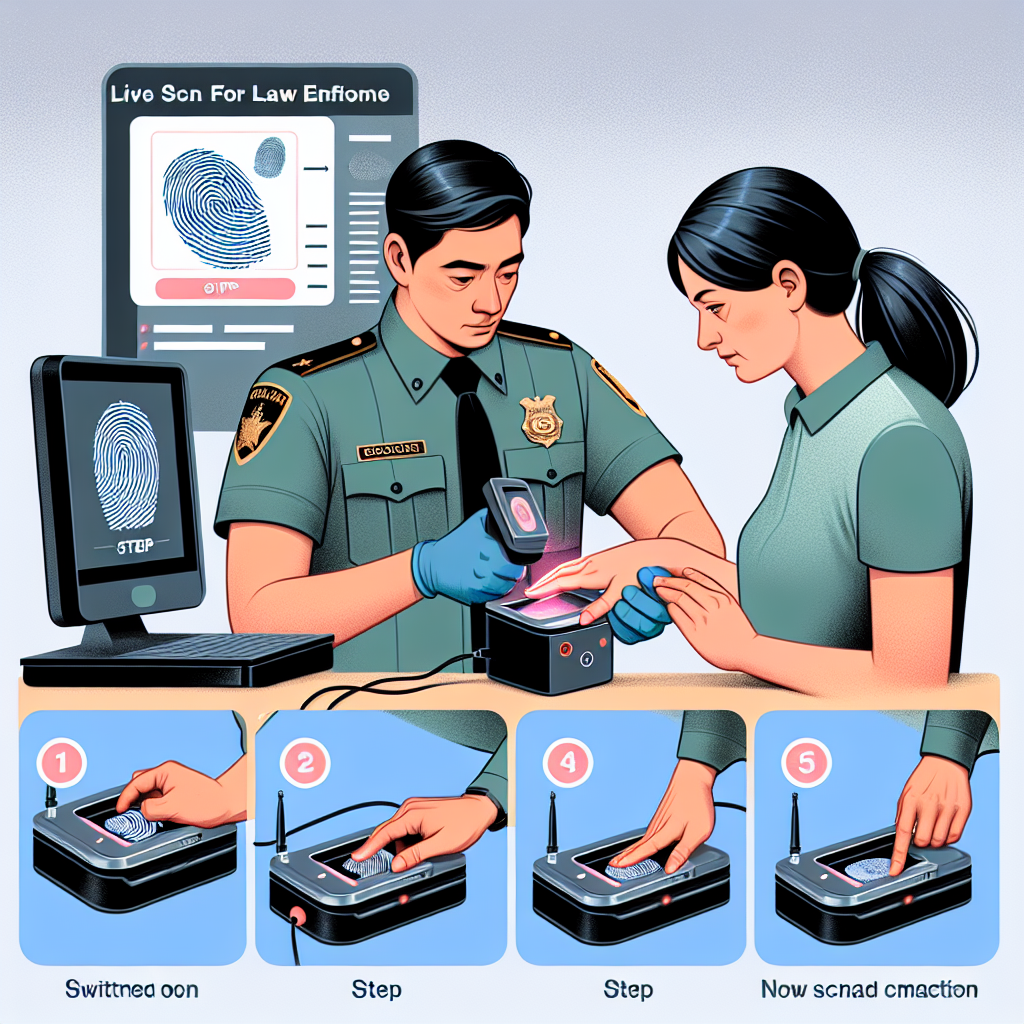
  • Live Scan for Law Enforcement: A Step-by-Step Guide

    Live Scan for Law Enforcement: A Step-by-Step Guide


    Live Scan for Law Enforcement: A Step-by-Step Guide

    Live Scan for Law Enforcement: A Step-by-Step Guide

    Introduction

    In law enforcement, it’s super important to know who people are quickly and correctly. That’s where Live Scan technology comes in! This cool tool has changed how police departments gather fingerprint data. It helps make everything safer and faster, making police work quicker and more dependable. If you’re working in law enforcement, you need to know how Live Scan works so you can use it properly and follow all the rules.

    Understanding Live Scan Technology

    Live Scan is all about taking fingerprints electronically and capturing physical details for ID checks. Unlike the old way of using ink for fingerprints, Live Scan does this digitally, sending them right away to important databases. This way is more accurate, faster, and has fewer mistakes, which is why it’s popular in law enforcement today.

    Preparing for Live Scan

    Before you start using it, here’s what you need to do:

    • Equipment and Software: Departments need to get the right Live Scan machines and software.
    • Training: Staff using the Live Scan tools need to be trained to understand the technology and how it’s used.
    • Compliance: It’s super important to follow privacy and legal rules to keep people’s biometric data safe during the Live Scan process.

    Step-by-Step Guide to Live Scan for Law Enforcement

    Step 1: Setting Up the System

    Begin by setting up the Live Scan machines and software, making sure they work with other systems you have. Have a secure network to protect data and send it quickly to the right places.

    Step 2: Capturing Biometrics

    Professionals use special ways to get clear fingerprints and other biometric details. Sometimes it’s tricky with worn-down fingerprints or people who don’t cooperate. With practice and good training, these problems can be solved.

    Step 3: Verifying Data Accuracy

    Getting the data right is really important for the Live Scan to work well. Officers should regularly check the biometric data to make sure it’s accurate. This stops mistakes and makes sure things are correct before they’re sent.

    Step 4: Submitting the Data

    Next, send the data safely to the correct law enforcement databases. Knowing each agency’s response steps and timelines is key to keeping things running smoothly.

    Handling Live Scan Results

    When you get results back from Live Scan, understanding what they mean is important for what happens next in law enforcement. If there’s any wrong or missing data, a detailed check and review need to be done. Then, update all the related records and databases with the right info.

    Best Practices for Live Scan in Law Enforcement

    • Equipment Maintenance: Keep equipment updated and in good shape to stop any technical hitches.
    • Training: Continue training and improving skills so staff keep up with new tech.
    • Data Management: Manage sensitive data carefully to protect privacy and keep the public trusting law enforcement.

    Challenges and Solutions in Using Live Scan

    Even though Live Scan has lots of benefits, it can have issues too. Common problems include broken equipment, network security worries, and handling lots of data. Solving these requires regular system checks, strong cybersecurity, and good data management plans.

    Future of Live Scan in Law Enforcement

    As biometric tech gets better, Live Scan systems will also get more advanced. This will further help stop crimes and solve cases. Soon, there might be better ways of sharing data across different places, making it easier for agencies to work together.

    Conclusion

    Live Scan is a big step forward for law enforcement, offering quick, accurate, and safe ways to identify people. By putting it into action carefully and adjusting to new tech, law enforcement groups can make the most of Live Scan and become even more effective.

    Additional Resources

    If law enforcement agencies want to learn more about Live Scan, they should check out these resources:

    • Online training and webinars about the newest Live Scan techniques.
    • Getting in touch with Live Scan device makers for help and support.
    • Reading important rules and guidelines from those in charge of Live Scan tech.

    Using Live Scan technology helps keep up with law enforcement needs and keep everyone safe!

    Call to Action

    If you’re interested in getting a hands-on experience with Live Scan, visit us at Tags Clinic at 3845 University Ave, San Diego, CA or give us a call at 619-777-9046. We’re here to provide you with the expertise and guidance you need. Don’t hesitate any longer, give us a call or visit our website to learn more!


  • DMV Innovation: New Virtual Services That Are Revolutionizing License Renewals

    DMV Innovation: New Virtual Services That Are Revolutionizing License Renewals


    DMV Innovation: New Virtual Services That Are Changing How We Renew Licenses

    DMV Innovation: New Virtual Services That Are Changing How We Renew Licenses

    Introduction

    When people think of the DMV, they often imagine long lines, lots of forms, and not-so-happy visits. The DMV has a
    big job taking care of things like licenses and car registrations, but it hasn’t always been quick or easy. Things
    are different now! DMVs across the country are using new online services that make things faster and easier for
    everyone. These changes help us see the DMV in a new light, making things more convenient for customers.

    Why the DMV Needed to Change

    Going to the DMV used to mean waiting forever, getting there only when they were open, and dealing with tons of
    paper. But now, like other government services, the DMV is going digital. This helps them work better and meet the
    needs of people who are used to doing things online.

    What’s New at the DMV?

    To fix old problems, DMVs are starting to offer new online services as part of a bigger digital plan. These modern
    services make it easier to do things like renew your license without going in person. It’s part of a trend to make
    government services better, faster, and more helpful for everyone.

    Cool New DMV Services for License Renewals

    Renew Licenses Online

    One of the coolest new things is being able to renew your license online. These websites are easy to use and always
    open, so you can do this from home without needing to visit the DMV.

    Wait in Line Virtually and Make Appointments

    You can now wait in line right from your phone! This means less waiting around at the DMV. You can even make
    appointments ahead of time for quicker service when you get there.

    Automated Help from Chatbots

    Chatbots are here to help answer questions and help you schedule appointments or complete forms. They give you
    quick answers and support, so you don’t always need to talk to a person.

    Check IDs from Home

    New tech lets the DMV check your ID online securely. This cuts down on fraud and keeps your info safe while you’re
    taking care of business online.

    Apps for Your License Needs

    DMV apps help you manage your license anywhere. They can remind you about renewals, hold digital copies of your
    license, and help with other DMV needs.

    Why These Virtual DMV Services Are Awesome

    These new services are great for customers because they make things easier and less stressful. DMV workers also
    find it more efficient. Plus, less paper and fewer in-person visits are better for the environment.

    Things to Think About

    These changes are mostly good, but there are some bumps to look out for. Some people may need help getting online,
    and keeping data safe and private is super important. The DMV needs to keep improving these services to make sure
    they stay helpful.

    What’s Next for DMVs?

    In the future, new technology like augmented reality might let you check vehicles virtually, or use blockchain for
    super-secure documents. As technology gets better, DMVs can keep making things easier and more customer-friendly.

    Conclusion

    These new online services are changing the DMV for the better, turning old ways into easy, quick processes. As
    more people try these digital options, visits to the DMV will get better every time. Your thoughts and ideas will
    help make these services even better!

    Call to Action

    Dive into these digital DMV services today! Check out their social media or website for the latest updates. Share
    your thoughts about your experience using these online services in the comments. Your feedback can help make them
    even better for everyone!

    Visit Tags Clinic

    Have you enjoyed reading about the digital revolution sweeping DMV services? Did you know you can receive equally convenient and excellent healthcare services right here in San Diego? We invite you to pay a visit to Tags Clinic at 3845 University Ave, San Diego, CA. For any questions, feel free to contact us at 619-777-9046. We look forward to serving you! Click here to visit our website.


  • The Ins and Outs of Out‑of‑State Vehicle Transfers to California

    The Ins and Outs of Out‑of‑State Vehicle Transfers to California


    The Ins and Outs of Moving an Out-of-State Vehicle to California

    The Ins and Outs of Moving an Out-of-State Vehicle to California

    Introduction

    California, the Golden State, is famous for its beautiful beaches and sunny weather. But did you know it also has lots of rules, especially about cars? People who move here or buy a car from another state need to understand these rules to avoid problems or fines.

    Knowing the Rules for Bringing Your Car to California

    A. Smog Checks

    California cares a lot about clean air and has strict emissions rules. If you’re bringing a car from another state, it must pass a smog test. Some cars need changes to meet these rules. If your car fails the test, it can delay you getting your car registered.

    B. Important Papers

    You’ll need some papers to register your car here. Here’s what you need:

    • Car Title: Shows you own the car.
    • Registration Papers: Prove the car is registered in another state.
    • Insurance Proof: California wants all cars to have insurance.
    • VIN Check: A DMV staff or trusted professional can help with this.

    C. Costs and Taxes

    Moving your car here costs money. You have to pay for:

    • Registration fees,
    • Use tax (like a sales tax) based on the car’s price or worth,
    • Other fees depending on where you live in the state.

    How to Move Your Car to California

    A. Get Your Car Ready

    Before moving, check if your car meets emission rules. You might need to visit a smog test station if your car isn’t approved yet. Also, make sure any changes to the car meet state rules.

    B. Collect Your Papers

    Make sure you have all your papers ready. If you’re missing something or your title is held somewhere else, reach out early. This will help you move faster.

    C. Go to the DMV or Use a Third-Party Service

    You can choose how you want to register your car:

    • DIY at the DMV: Take all your papers to the DMV. Be ready to wait in line.
    • Third-Party Help: Some services can do it faster for you, like Tags Clinic. They help with papers and steps.

    Common Problems and Fixes

    A. Failing Smog Tests

    Some cars don’t pass because of old parts or changes made elsewhere. You might need to fix or change parts to make them more eco-friendly.

    B. Missing Papers

    Lost or wrong documents can slow you down. Reach out to the DMV in the state you came from to get what you need.

    C. Surprise Costs

    Be ready for more than just the main fees. There could be extra fees for things like car weight or location. Find out what your county charges so you won’t be surprised.

    Why You Should Do It Right

    A. Feel Good and Safe

    Once your car is registered correctly, you can relax knowing you’ve followed all the rules. This keeps you safe from trouble or fines.

    B. Save Money

    A properly registered car can lower your insurance cost. Plus, you avoid pricey fines and late fees.

    Resources and Tips

    A. Helpful Websites and Contacts

    B. Checklist for Moving Your Car

    • Insurance Proof
    • Current Car Title
    • Registration Papers from Previous State
    • California Smog Test Proof if needed
    • VIN Check

    Conclusion

    Moving a car to California from another state can be tough, but if you’re ready and know what to do, it won’t be too hard. Don’t be afraid to get help from places like Tags Clinic. They can make sure you follow the rules without stress.

    Call to Action

    Ready to get started with your car move to California? Visit Tags Clinic at 3845 University Ave, San Diego, CA or call us at 619-777-9046. We’re here to make your move easy and worry-free!


  • How to Finance Repairs After a Failed Smog Check

    How to Finance Repairs After a Failed Smog Check


    How to Pay for Repairs After a Failed Smog Check

    How to Pay for Repairs After a Failed Smog Check

    Introduction

    In California, passing a smog check is really important for registering your car and keeping the environment clean. But if your car doesn’t pass, it could mean some unexpected repair costs. This blog will help you find ways to pay for these repairs so you can pass the smog check without spending too much money.

    Why Cars Fail Smog Checks

    A smog check tests your car’s emissions system to make sure it follows the state’s environmental rules. Common reasons for failing include problems with the exhaust system, faulty sensors, or engine issues. Fixing these things helps your car pass the test and keeps the air cleaner and your car running better.

    What to Do After a Failed Smog Check

    1. Look at Your Diagnostic Report: Find out why your car failed. This report will help you know what needs to be fixed.
    2. Talk to a Mechanic You Trust: Get a detailed estimate of how much the repairs will cost, so you’re not surprised later.
    3. Ask About Retests and More Tests: Find out if you can get a second smog check or if you need more tests done.

    How to Pay for Repairs

    Emergency Funds

    • Use Your Emergency Savings: If you have savings for emergencies, you might want to use them now.
    • Create an Emergency Fund: Try to save a little money each month for car expenses, so you have a safety net for the future.

    Using Credit

    • Credit Cards: They’re convenient, but watch out for high interest rates that can add up fast.
    • Personal Loans: These can be good for bigger repairs, often with lower interest rates than credit cards.
    • Vehicle Repair Loans: Some places offer loans just for car repairs—these might have better terms for you.

    Payment Plans & Repair Shop Financing

    • Payment Plans: Many mechanics and repair shops offer payment plans—just ask!
    • In-House Financing: Bigger repair shops might have their own financing options, letting you pay over time.

    Other Ideas

    State Assistance Programs

    Some states help low-income car owners with repair costs. This can be helpful for passing smog checks. Check your local DMV or state environmental agency’s website to see if you qualify and how to apply.

    Crowdfunding

    Websites like GoFundMe let you ask family and friends for help with car repair costs. Explain your situation and share your page on social media to reach more people.

    Tips to Avoid Future Failures

    1. Regular Maintenance: Keeping up with regular maintenance can stop many problems before they lead to smog check failures. Visit your mechanic regularly.
    2. Save for Repairs: Put aside a little money each month for future repairs, so they’re not a big surprise.

    Conclusion

    Fixing a failed smog check is important for following the rules and keeping your car running well. By looking at different ways to pay for repairs, you can find something that works for you and get your car back on the road quickly. Being ready for car expenses can help you handle problems when they come up.

    Extra Resources

    • For details on financial help in your state, visit your local DMV website.
    • Ask local mechanics or repair shops about their financing options.
    • Check out online platforms to fundraise for repair costs.

    Call to Action

    If you’re dealing with a failed smog check or need help with car registration in San Diego, visit us at the Tags Clinic located at 3845 University Ave, San Diego, CA. We offer easy services and expert advice on all DMV tasks. Call us at 619-777-9046 or book an appointment today to find out how to keep your car following California’s rules.


  • Avoiding DMV Mistakes When Replacing a Lost License

    Avoiding DMV Mistakes When Replacing a Lost License


    Avoiding DMV Mistakes When Replacing a Lost License

    Avoiding DMV Mistakes When Replacing a Lost License

    Introduction

    Losing your driver’s license can be really stressful, but it’s important to handle it right away. This guide will help you replace your lost license quickly and avoid any mistakes.

    First Steps

    Before getting too worried, check all the possible places your license could be hiding. Once you’re sure it’s lost, gather all the papers you might need. Also, see if you have to tell the authorities about your lost license since rules can differ by state.

    Learning Your State’s DMV Rules

    Different states have different rules, so it’s important to learn what your state does. Some states let you replace a license online, but others might make you visit the DMV in person. The best place to find this info is your state’s DMV website.

    Common Mistakes and How to Avoid Them

    Mistake 1: Not Bringing All the Documents

    A big mistake is not having all the papers you need when you go to the DMV. You usually need to show ID, proof of where you live, and maybe more. Gather everything before you go to save time and effort.

    Mistake 2: Missing Deadlines and Timelines

    Waiting too long can mean extra fees or trouble. Deal with your lost license quickly so you don’t drive illegally. Understand the deadlines and set reminders to stay on track.

    Mistake 3: Forgetting About Online Options

    Many states let you replace your license online, which means no DMV visit. This option could save you time, so check to see if it’s possible where you live.

    Mistake 4: Not Paying the Right Amount

    Not knowing what to pay can stop the process. Learn the cost and how you can pay to keep things moving smoothly.

    Getting Ready for a DMV Visit

    If you have to go to the DMV, be prepared. Make an appointment to avoid long waits. Know what forms you need, and fill them out ahead of time if you can.

    Tips for a Smooth Experience

    • Check Your Forms: Make sure your forms are correct.
    • Use a Checklist: Keep a list to make sure you don’t forget anything.
    • Be Patient and Polite: Being nice can make the experience better.

    What to Do After You Get Your New License

    Once you have your new license, check to see if all the details are correct. Update anything that needs your license info. To avoid losing it again, find a safe place to keep your new license.

    Conclusion

    Replacing a lost driver’s license doesn’t have to be hard. Avoid mistakes and get ready, and the process will be easier. Stay informed and organized, and you’ll handle the DMV like a pro!

    Additional Resources

    • Check your state’s DMV website for specific details.
    • Look at the DMV’s online services for other options.
    • Contact your local DMV if you need more help.

    Call to Action

    Have any tips or stories to share? Leave a comment below! For more DMV help, sign up for updates, and let us be your guide through the DMV journey.

    By following these steps, replacing a lost driver’s license becomes easy, and you can get back on the road without a hitch!

    Visit us at Tags Clinic

    For more assistance, visit us at Tags Clinic, located at 3845 University Ave, San Diego, CA or give us a call at 619-777-9046. We are here to help you through the process! Visit our website for more details.