Author: Dr. DMV – California Vehicle Specialist

  • Avoid DMV Pitfalls with Pro Tips from Dr. DMV at Tags Clinic

    Avoid DMV Pitfalls with Pro Tips from Dr. DMV at Tags Clinic


    Blog Post – Avoid Getting Stuck at the DMV: Tips from Dr. DMV at Tags Clinic

    Avoid Getting Stuck at the DMV: Tips from Dr. DMV at Tags Clinic

    Going to the DMV can feel like playing in a huge maze with lots of papers, long lines, and dates you can’t forget. Many people don’t like going because they forgot something, wait too long, or miss a deadline. But it doesn’t have to be this annoying! Let Dr. DMV at Tags Clinic show you how to make your DMV trip simple and quick. Read on to learn how you can avoid the common mistakes and make your next visit easy.

    Know What Mistakes to Avoid

    A. Not Knowing What Papers You Need

    A lot of people forget or don’t understand what papers they need to bring. Whether it’s your ID, proof of insurance, or vehicle papers, missing even one can stop you from getting things done. To avoid this, look up what papers you need before you go. Check your local DMV website or come by Tags Clinic so you’re prepared and won’t waste any time or get upset.

    B. Forgetting Expiration Dates

    Keeping track of when your license, ID, or vehicle registration expires is really important. If you let these things expire, you might have to pay extra fees or even have your driving privileges taken away! Mark the expiration dates on your phone calendar or use an app to keep reminders so you never miss them.

    C. Not Knowing How Long You’ll Wait

    DMV wait times can be hard to predict, and they can mess up your plans. To avoid long waits, try visiting when it’s less busy or schedule your visit for a less crowded day. Setting an appointment can also help you get in and out quickly.

    Dr. DMV’s Tips for a Smooth DMV Visit

    A. Get Ready in Advance

    Being ready is super important! Make a list of all the papers you need for your DMV trip. Check that everything is up-to-date and easy to grab. This can help you avoid coming back a second time.

    B. Use Online Tools

    Using the internet can make things much easier. Many DMV tasks, like renewing your license or setting up appointments, can be done online. This means you don’t even have to leave your house to get things done!

    C. Get Help at Tags Clinic

    Even if you try your best, the DMV can still be tricky. Tags Clinic can help with tough tasks, like title transfers and out-of-state registrations. Let us take care of the hard stuff for you!

    Don’t Let Fines and Problems Pile Up

    A. Avoid Late Fees

    Missing renewal dates can lead to expensive fees that you don’t need. Keep track of important dates by marking them on your calendar and setting reminders.

    B. Don’t Risk Losing Your License

    Having your license suspended is more than a headache. It can really affect your life. Pay your traffic tickets, keep your record clean, and handle any issues quickly to avoid suspension.

    Success Stories from Tags Clinic

    We’ve helped many people avoid common DMV problems. From handling special title transfers to helping with out-of-state registrations, our happy customers show just how useful the right help can be.

    Conclusion

    With Dr. DMV atTags Clinic by your side, you can face DMV tasks with confidence. Don’t let the DMV stress you out. Call us for help next time you need it!

    Call to Action

    For help with your DMV needs, contact Dr. DMV at Tags Clinic. Let us make the DMV easy for you, save you time, and possibly money, too! Reach out today to see our offers, and share this blog with someone who might need it.

    By using these tips, you can breeze through DMV tasks and avoid frustrations. Let Tags Clinic help make your DMV visits a breeze.

    Visit Us

    Tags Clinic is ready to help you at 3845 University Ave, San Diego, CA. You can also call us at 619-777-9046. Don’t wait, the help you need is just a click away!

  • The Benefits of Live Scan for Security Clearance Applications

    The Benefits of Live Scan for Security Clearance Applications


    Blog Post

    The Benefits of Live Scan for Security Clearance Applications

    Introduction

    Today, keeping places safe is really important, whether it’s in government, the military, or businesses like banks and hospitals. People who want to work in these areas need special permission called a security clearance. Over time, a cool tool called Live Scan has become popular for background checks needed for these clearances. Here’s why it’s so helpful.

    1. What is Live Scan Technology?

    Live Scan is a super cool way to take fingerprints using a computer. It’s much cleaner and faster than the old way with ink and paper. Live Scan uses special sensors to take clear pictures of fingerprints and sends them straight to important databases.

    How Live Scan is Different

    • No Messy Ink: Live Scan uses computers instead of messy ink.
    • Quick Submission: Fingerprints go straight to databases quickly—no waiting for the mail!

    2. Streamlined Process

    Live Scan makes taking and sending fingerprints faster. Once your fingerprints are scanned, they go to the right places right away, speeding up the whole security clearance process.

    Why It’s Better

    • Fast and Easy: It’s all done electronically, so it’s really quick.
    • Less Waiting: You don’t have to wait as long as with the old ink method.

    3. Better Accuracy and Reliability

    Mistakes in fingerprinting can delay getting cleared. Live Scan reduces errors by taking high-quality fingerprint pictures, making sure everything is correct and trustworthy.

    Why Accuracy Matters

    • Fewer Mistakes: No smudges like ink. It’s clear and neat.
    • More Trustworthy: Better quality means fewer chances of getting rejected because of bad prints.

    4. Faster Background Checks

    Because it sends data instantly, Live Scan speeds up how fast background checks get done. What used to take weeks can now be done in days!

    Quick Examples

    • Speedy Approvals: With electronic processing, clearances can happen faster than before!

    5. Increased Security and Privacy

    Keeping personal details safe is super important. Live Scan uses top-notch security to protect info all the time.

    Staying Private

    • Secret Codes: Data is locked up tight when being sent.
    • Safe Spots: Data is stored safely following privacy rules, unlike paper that’s easy to lose.

    6. Convenience and Accessibility

    Live Scan is so convenient with lots of places to go to, making it easy for people all across the country. Plus, you can even book your sessions online!

    Easy Access

    • Many Places: Available in lots of locations, so it’s easy to find one near you.
    • Quick Scheduling: You can book easily and get things done fast.

    7. Cost-Effectiveness

    It might seem costly at first, but Live Scan saves money later on because it’s efficient and doesn’t make many mistakes.

    Where You Save

    • Pay Once, Save Later: Buying new tech costs at first, but you save by avoiding errors and doing things twice.

    8. Wide Acceptance and Compliance

    Live Scan follows strict rules that federal and state authorities require, making it a trusted option for most security clearances. It’s accepted broadly and keeps up with what agencies need.

    Why Compliance Helps

    • Approved Everywhere: Many agencies approve and require it.
    • Used a Lot: It’s becoming common in places that need secure clearances.

    Conclusion

    Live Scan technology offers tons of great benefits like being accurate, fast, secure, and saving money. It’s made getting security clearances so much easier and less tricky than it used to be.

    Call to Action

    If you require a security clearance, use Live Scan for your background check to make the process smoother and quicker. Book your Live Scan appointment today and speed up your clearance process with this helpful technology. Visit our website or contact us directly for more info or to schedule an appointment.

    Don’t hesitate! Visit us at Tags Clinic, located at 3845 University Ave, San Diego, CA or call us at 619-777-9046. We look forward to serving you!


  • DMV Law Update: How New Speed Camera Pilot Programs Will Impact Local Communities

    DMV Law Update: How New Speed Camera Pilot Programs Will Impact Local Communities


    DMV Law Update: How New Speed Camera Test Programs Will Impact Local Communities

    DMV Law Update: How New Speed Camera Test Programs Will Impact Local Communities

    Introduction

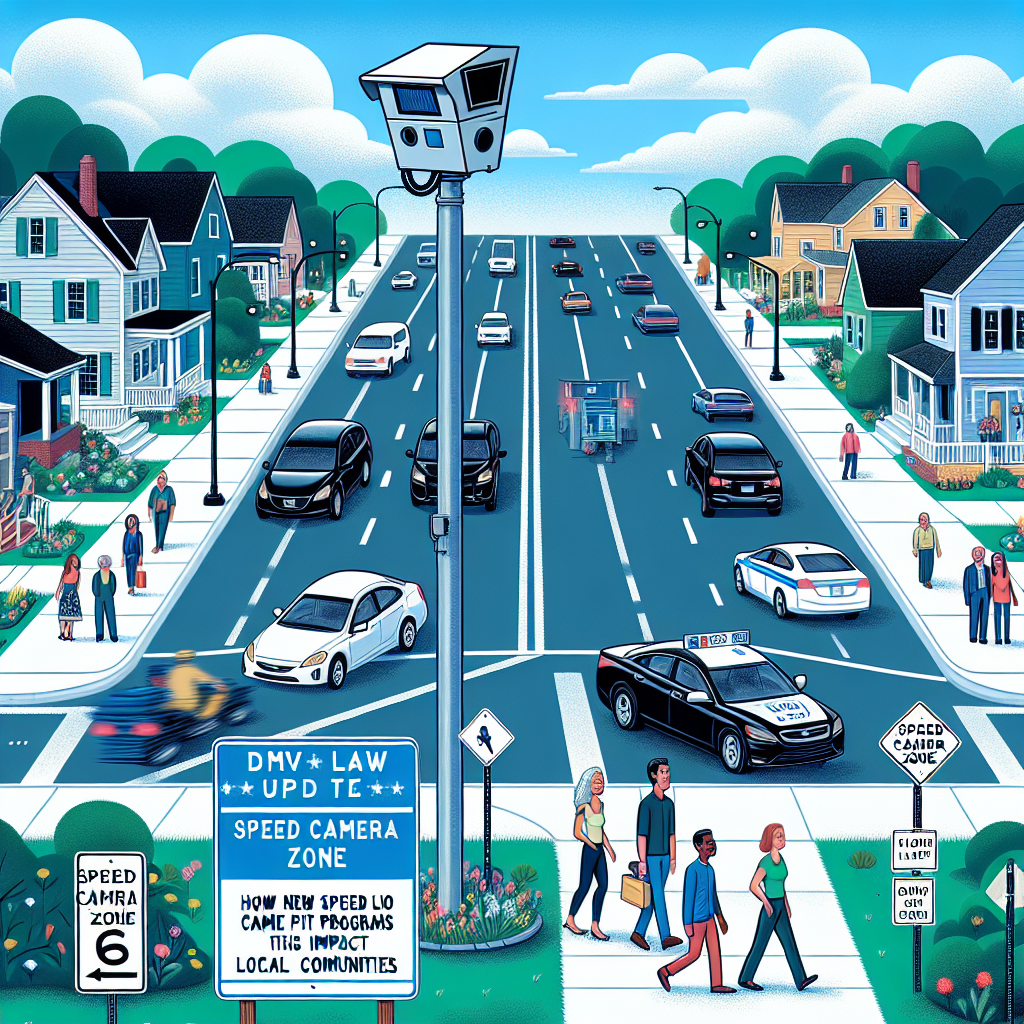
    In recent years, technology has been used more and more in traffic law to make roads safer and more efficient. Speed cameras are a big part of this change, with new test programs starting in different communities. This post will talk about how these new speed camera programs might change local communities in terms of safety, the money involved, and how people feel about them.

    What Are Speed Camera Programs?

    Speed cameras are machines that find cars going too fast and take pictures of them breaking the rule. These pictures are used to send fines to the drivers. These new programs aim to stop speeding and make roads safer. They’re starting in busy areas and school zones to lower accidents and encourage safe driving.

    Officials have several goals for these programs, such as reducing deaths on roads, making traffic better, and helping police without needing more officers on the road.

    How Speed Camera Laws Work

    Recent changes in DMV laws have allowed more use of speed cameras. These new rules tell local leaders how to start speed camera programs. These laws are changing local traffic rules to include these new technologies.

    The new programs will start in phases, with some communities already using them. As more places start using the technology, it’s important to see how these changes will work with the existing traffic systems.

    How These Programs Might Affect Local Communities

    Making Roads Safer

    One big aim of speed camera programs is to make roads safer. By stopping speeding, these cameras should cut down the number and seriousness of accidents. Data from other areas with these programs show a big drop in speeding and crashes. Stories and studies show how this technology can help make communities safer.

    Money Matters

    Speed cameras might have both good and bad effects on money matters. On one hand, local governments might make more money from fines given to speeders. This money can be used for community projects or improving traffic systems. On the other hand, putting in and taking care of the speed cameras costs money, which might mean using up more resources or spending more public funds.

    How People Feel

    People have mixed feelings about speed camera programs. Some folks think it’s a good step to make streets safer, while others worry about privacy and more surveillance. Looking at examples from other places with similar programs can show how people react. It’s important for local leaders to understand what people think and address their concerns.

    Problems and Challenges

    Speed camera programs do face some criticism. Privacy activists worry about more surveillance and data collection. There’s also concern these systems might unfairly affect certain groups, especially those who struggle to pay multiple fines. Additionally, questions about how accurate and reliable camera data is are potential challenges.

    Best Ways to Talk with the Community

    Having good communication with the community is key to making speed camera programs work well. Strategies include educational campaigns to explain the benefits and how the systems work. Community meetings can help answer questions and build transparency. By maintaining open communication, local authorities can build trust and ensure community support.

    Conclusion

    The start of speed camera test programs marks a shift to using technology for traffic safety. While these programs are expected to make roads safer and bring economic benefits, they also need careful thought about how people respond and potential problems. As technology changes, it’s important for local communities to stay aware and take part in discussions about safety initiatives.

    Let’s Work Together

    We invite you to share your thoughts and experiences with the new speed camera systems. Staying involved and informed is important as these changes happen. To take part in local meetings or give feedback, contact your local DMV or city leaders. For more on traffic safety and technology in law enforcement, check our other resources and join the conversation. Let’s work together to make safer and more efficient communities.

    Call to Action

    We hope you found this blog informative and engaging. And we encourage you to put this knowledge into practice. Visit us at Tags Clinic, located at 3845 University Ave, San Diego, CA or call us at 619-777-9046. Let’s continue the conversation there and make our roads safer together.

    Follow the link to know more about us.

    Find us easily using Google Maps!


  • Out‑of‑State Transfer Success: Tips from California DMV Experts

    Out‑of‑State Transfer Success: Tips from California DMV Experts


    Out‑of‑State Transfer Tips: Advice from California DMV Experts

    Out‑of‑State Transfer Tips: Advice from California DMV Experts

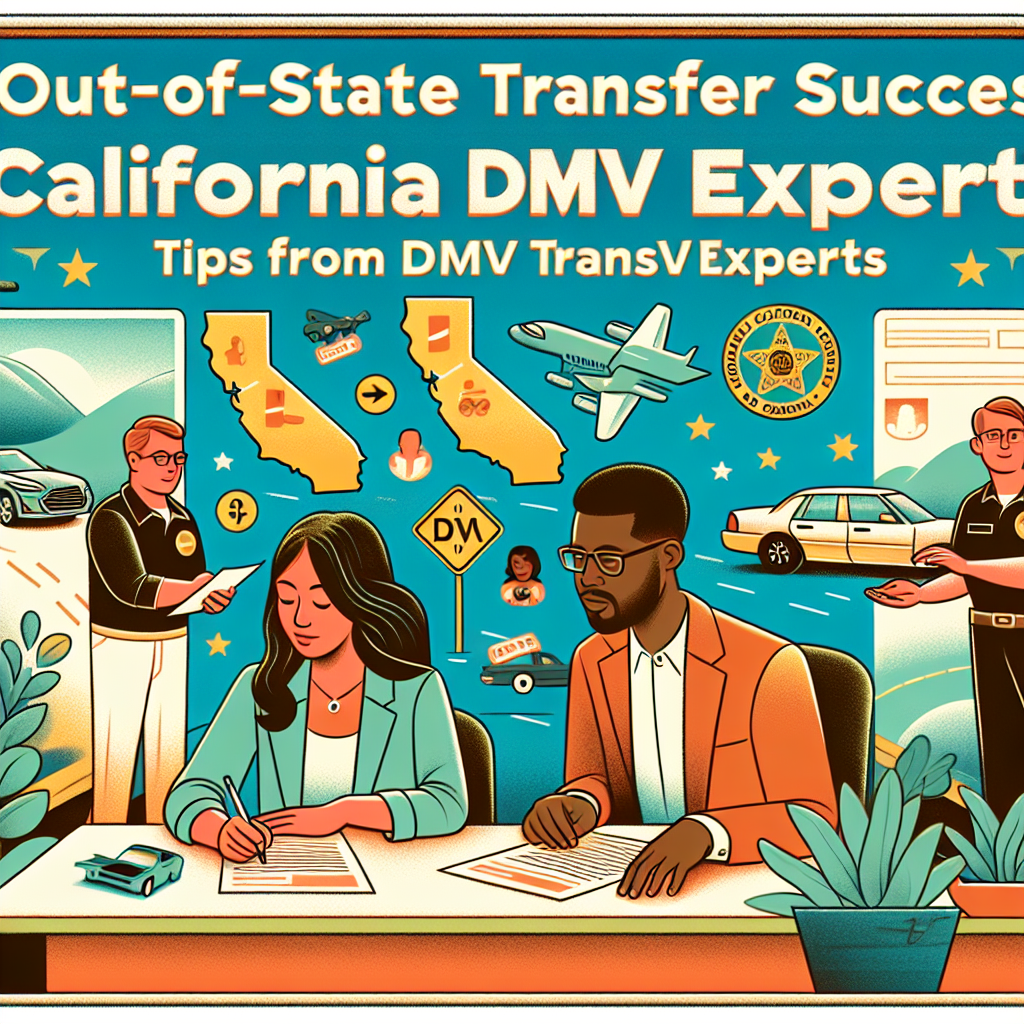
    Moving your car registration from another state to California might feel tough. The Golden State has some strict rules for vehicles, but knowing these rules can help make the process easier. In this post, experts from the California DMV share their best advice to help you succeed.

    Knowing California DMV Rules

    First, learn what the California DMV needs when you transfer your car registration. Here’s what’s important:

    Important Documents

    1. Vehicle Title and Registration: You need to prove that you own the car. This usually means you’ll need the original or a certified copy of the current out-of-state title and registration.
    2. Proof of Insurance: California requires all cars to have insurance. Make sure your insurance matches the state’s rules before you start the transfer.
    3. Smog Certificate: Most cars need a smog test in California to make sure they meet the emissions standards.

    Be sure to check the most current state rules, as they can change and vary depending on things like the type of vehicle you own or the county you live in.

    Getting Ready for the Transfer

    Being ready is important for a smooth registration transfer. Follow these steps to get prepared:

    Step-by-Step Guide

    1. Collect Important Documents: Start by gathering all the documents we listed above. Make sure all the information is up-to-date and correct.
    2. Check Your Registration Status: Ensure your car’s current registration is active. Fix any issues before moving ahead.
    3. Book an Appointment Online: You can schedule appointments online with the California DMV. This saves you time by avoiding long waits.

    Tips for Keeping Documents Organized

    Keep your papers organized in a folder or binder. Use tabs or labels to find everything easily when you need it. This helps you avoid delays at the DMV.

    Common Problems and Solutions

    Here are some common problems and how to handle them:

    Regular Challenges

    1. Missing Papers: Ensure you have all the necessary documents before you go to the DMV. If you forget something, you might have to come back later.
    2. Smog Test Confusion: Check if your vehicle needs a smog test and find out where to get one done locally if needed.
    3. Understanding Fees: Know the different fees involved in the transfer. They could include registration, title, and taxes.

    Expert Advice for Fixing Issues

    • If you have problems with your papers, contact the DMV or a service like Tags Clinic for help.
    • Learn about California’s smog and emissions rules beforehand.
    • Use online calculators or talk to DMV experts to figure out fees correctly.

    Saving Time Strategies

    Spend less time at the DMV with smart planning:

    Time-Saving Tips

    • Visit at Less Busy Times: Mid-week, mid-morning or late afternoon is usually less crowded.
    • Use Online Processing: Fill out forms and pay fees online if possible.
    • Make an Appointment: It can cut down your waiting time a lot.

    Expert Tips from DMV Pros

    • Expect Delays: Plan for extra time beyond your appointment.
    • Try DMV Alternatives: Services like Tags Clinic can help with many registration needs.

    Best Use of DMV Resources

    • Online Services: Check your status, pay fees, and complete forms online.
    • Customer Help: Contact them for any unclear requirements.
    • Community Forums: They give tips and experiences from others who recently transferred.

    Conclusion

    Transferring your vehicle registration to California doesn’t have to be hard. With the right preparation and information, you can follow the rules and feel confident. Remember, good research and organization are your best friends.

    Call-to-Action

    Have you recently gone through the transfer?
    Share your story in the comments below. Don’t forget to subscribe to our blog for more DMV tips and the latest news.

    Additional Resources

    Call to Action

    Feeling overwhelmed with the information? Need dedicated and professional assistance with your car registration transfer? Visit us at Tags Clinic located at 3845 University Ave, San Diego, CA. You can also call us at 619-777-9046 for any queries or assistance. Remember, we are here to help you in each step, making the process stress-free and straightforward.

    Visit our website for more details and to book a consultation online.


  • How to Diagnose Common Emissions Problems Before a Smog Check

    How to Diagnose Common Emissions Problems Before a Smog Check


    How to Spot Emissions Problems Before a Smog Test

    How to Spot Emissions Problems Before a Smog Test

    Introduction

    Smog tests are important for keeping the air clean and making sure cars follow the rules about pollution. In California, making sure your car passes the smog test can help you avoid fines and frustration. Figuring out and fixing emissions issues before the smog test can save you time and money. This post will help you with that.

    Understanding How Car Emissions Work

    Your car has an emissions system that helps reduce bad chemicals from going out of your car’s tailpipe. Parts of this system include the catalytic converter, exhaust manifold, oxygen sensors, and EGR valves. Regular check-ups and knowing a few basic things about this system can help stop problems during the smog test.

    Common Emissions Problems

    Strange Exhaust Smoke

    Exhaust smoke is a big hint that something might be wrong with your emissions system. Different colors of smoke mean different things:

    • Blue Smoke: This might mean oil is burning in the engine, possibly because of leaking piston rings or valve seals.
    • White Smoke: This could mean your engine has a coolant leak, such as from a blown head gasket.
    • Black Smoke: This often happens when there is too much fuel mixed with air, or because of clogged air filters, causing your car to burn too much fuel.

    Check Engine Light (CEL)

    If your check engine light is on, that’s a warning about your emissions system. It might mean there are problems with the oxygen sensors, the catalytic converter, or the mass airflow sensor. Using an OBD-II scanner can help you find out what’s wrong by showing you the trouble codes.

    Bad Fuel Efficiency

    If your car suddenly starts using more fuel, it might have emissions problems like bad oxygen sensors or leaks in the exhaust. These problems can lead to more pollution and might cause your car to fail the smog test.

    Finding Emissions Issues

    Look for Problems

    Looking closely at your car can tell you a lot about how healthy its emissions system is. Check for:

    • Leaks: Look for wet spots under your car or on the ground. This could mean leaks in oil or coolant.
    • Rust or Damage: Check the exhaust system for rust or breaks as this could impact the system.

    Use Diagnostic Tools

    An OBD-II scanner is needed for finding emissions problems. When you plug it into your car, it can show trouble codes and help you understand what’s causing the issues. Codes like P0420 and P0171 are common ones to look for.

    Listen and Feel

    Strange noises like knocking or hissing, along with weird shakes, especially when your car is idling or speeding up, could mean problems. Pay attention to how the car feels when driving; this might show signs like exhaust leaks or bad parts in the emissions system.

    How to Prevent Problems

    Keep Up with Maintenance

    Following your car’s maintenance schedule is super important. This includes oil changes, checking spark plugs, and making sure air filters are clean.

    Good Fuel and Additives

    Using better-quality fuel helps stop buildup in the fuel system, and sometimes using fuel additives can help clean it out, improving how your emissions system works.

    Stay Informed

    Knowing about recalls or service fixes for your car can help you spot emissions problems before they become big.

    Getting Ready for a Smog Test

    Before you head for a smog test, make sure your car is ready:

    • Warm it up before the test; a warm engine does a better job.
    • Fill your fuel tank adequately to ensure good readings during the test.
    • Have paperwork for any repairs, especially those related to the emissions system.

    Conclusion

    Spotting and fixing problems early can help you pass a smog test. If you have ongoing issues or are unsure about your car’s condition, don’t be afraid to ask a professional for help. Fixing emissions problems can save you time, money, and also help the environment.

    Additional Resources

    Please share your experiences or tips in the comments below. And remember, for registration and smog check help in San Diego, Tags Clinic is here to help. Visit or contact us today for more info!

    Call to Action

    We encourage you to visit Tags Clinic at 3845 University Ave, San Diego, CA or call us at 619-777-9046. For more details, visit our website tagsclinic.com.


  • DMV Mistakes: How Incorrect Documentation Causes Registration Delays

    DMV Mistakes: How Incorrect Documentation Causes Registration Delays


    Why Getting Your DMV Papers Right is Important

    Why Getting Your DMV Papers Right is Important

    Introduction

    Going to the Department of Motor Vehicles (DMV) can seem overwhelming, especially when making sure your papers are correct. It’s not just about filling out forms; getting the right documents is super important. Why? Because even a small mistake could cause delays in registering your car, add extra fees, or even cause legal trouble. Knowing what to watch out for can help you avoid these headaches and make your trip to the DMV easier and less stressful.

    What You Need to Know about DMV Papers

    Before you go to the DMV, it’s important to know what documents you need for things like registering your car. Usually, you’ll need your driver’s license, proof that you have insurance, the title of the car, and a completed DMV form. You might also need to know things like your car’s vehicle identification number (VIN), how many miles are on the car, and information about any loans on the car. Checking these things before your appointment can save you from stress and needing to come back again.

    Common Mistakes with DMV Papers

    1. Missing Papers

    One of the biggest problems people have at the DMV is not having all the papers they need. This could be something like not having your insurance proof or car title. Forgetting even one paper can stop you from registering your car, causing delays and making you frustrated. Make a checklist of everything you need before you go to the DMV.

    2. Wrong Information

    Even if you have all your papers, putting the wrong information on forms can be a big problem, too. Mistakes like spelling your name wrong, incorrect addresses, or the wrong car details can cause huge delays or even get your application rejected, which could cost you extra money.

    3. Out-of-Date Papers

    All documents need to be current. Handing in old papers, like expired insurance proof or an outdated address, can mess things up. It’s super important to make sure all info is current and matches your details now. This not only makes things smoother, but it also meets all DMV rules.

    What Happens if Your Papers Are Wrong

    Wrong papers at the DMV can cause more than just delays. First, you’ll have to come back again, stand in line again, and risk more mistakes. But things can get more serious—like getting fined, paying extra fees, or facing legal trouble if your car isn’t properly registered.

    How to Avoid Mistakes with DMV Papers

    1. Prepare Ahead

    The best way to make your DMV visit successful is to be ready. Look up what you need online or call to find out. Making a checklist of everything you need can help keep surprises away.

    2. Check Your Work

    After gathering your papers, look over everything to make sure it’s right. It’s helpful to have a friend or family member check too because they might catch mistakes you didn’t see.

    3. Use Online Help

    Many DMVs offer online help to make sure you have what you need. Use these tools to double-check that your papers are ready before you go. There are also apps and guides that can help you fill out forms correctly.

    What to Do If Things Go Wrong

    If you face a delay because of document issues, stay proactive. Ask the DMV worker what went wrong and what you need to fix. Being clear on who to talk to and asking for help can make things go faster.

    Conclusion

    Getting your DMV papers right is super important and shouldn’t be overlooked. By being careful and getting everything ready, you’ll avoid lots of issues, saving yourself time, money, and stress. Understanding what the DMV needs means you’ll have a much smoother experience.

    We Want Your Story!

    Have you ever had trouble with your papers at the DMV? Share your stories or tips in the comments! If you need help, check out our resources and guides on DMV documents. Don’t let little mistakes slow you down—prepare well and tackle your next DMV visit with confidence!

    Call to Action

    We encourage you to visit Tags Clinic at 3845 University Ave, San Diego, CA or give us a call at 619-777-9046. You can also get more information by clicking here. Looking forward to serving you!


  • Examining the New DMV Regulations on Electronic Driver’s License Applications

    Examining the New DMV Regulations on Electronic Driver’s License Applications


    Checking Out the New DMV Rules on Electronic Driver’s License Applications

    Checking Out the New DMV Rules on Electronic Driver’s License Applications

    Welcome

    Today, everything goes digital, even the DMV! Getting a driver’s license used to mean long lines and lots of paperwork. But now, things are changing to make it easier. These new rules let you apply for a driver’s license electronically. So, what does this mean for drivers like you? Let’s check out these new DMV rules so you can get your digital driver’s license smoothly.

    Why the Change?

    Before, getting a driver’s license meant going to the DMV, filling out paper forms, and waiting a long time. But now, the DMV uses technology to make things faster and easier. This isn’t just about licenses; it’s part of a bigger plan to use technology in government services. This helps everyone by making things happen faster and easier.

    What Are These New DMV Rules?

    There are some big changes to make getting a driver’s license simpler. The main reason for these changes is to use technology, making everything quicker and using less paper. The benefits are huge! You can expect quicker service, fewer lines at the DMV, and an easier process for everyone.

    Main Parts of the New Rules

    The electronic application is the big change. Here’s what this means for you:

    1. Online Applications: Now, you can apply online using a secure website.
    2. Better Security: The DMV uses top security to keep your information safe.
    3. Need to Have: You need a computer and internet access to apply and upload documents.
    4. Important Dates: Keep track of deadlines! If you miss them, your application might be delayed.

    How Does This Affect You?

    The switch to electronic applications will change things for new drivers and those renewing their licenses. While it’s quicker and easier, those not familiar with computers might find it hard. It’s important to learn about the process and ask for help if needed to avoid any problems.

    What About Other States?

    Many other states are also doing this digital change. They each have their own way of using the DMV’s new process. Some states have reduced their DMV waiting times with online appointments and applications. By looking at what other states are doing, we can make our systems better and more efficient.

    Tips for Applying

    To get through the electronic application without any problems, here are some tips:

    • Follow the Guide: Use the DMV’s online guide to follow each step properly.
    • Check Everything: Look over your information and documents to avoid mistakes.
    • Ask for Help: Use resources like online FAQs, call helplines, or visit the DMV for assistance.

    What the Experts Say

    We talked to DMV officials and experts, who said the new system is easier to use and keeps data safe. People who recently used the new system shared their experiences, saying it was easier and had fewer mistakes.

    Conclusion

    As the DMV goes digital, it’s important to stay informed about these changes. Knowing the new rules prepares you for the future and helps you enjoy the faster, better service. With government services going digital, the future of DMV experiences is bright and promising.

    Extra Resources

    For more details on the new DMV rules, visit the official DMV website or call their customer service. Also, workshops and seminars might be available to help you with the new system.

    To wrap it up, the move to electronic driver’s license applications is a big step towards modernization. By staying informed and ready, you can handle this new change with confidence and ease.

    Call to Action

    We hope you found this post helpful! If you need further assistance or have some health concerns related to sitting for long periods of time, consider visiting Tags Clinic at 3845 University Ave, San Diego, CA or call them at 619-777-9046. Use the following link to visit their website. Your health matters to us! Take the digital leap with confidence.

    Find us here:


  • How to Train Your Team on California Registration Procedures for Out-of-State Clients

    How to Train Your Team on California Registration Procedures for Out-of-State Clients


    How to Teach Your Team About California Registration for Out-of-State Clients

    How to Teach Your Team About California Registration for Out-of-State Clients

    Understanding California vehicle registration can be tricky, especially for people from other states. As a business owner, it’s important that your team knows these procedures well to give your clients a smooth and easy experience. In this blog, we’ll learn how to train your team to handle California registration for vehicles from other states.

    Learning California Registration Laws

    Before you start training your team, you need to learn the basics of California’s vehicle registration laws. This helps your team understand the main rules. Here’s a quick look:

    • California DMV and Registration Needs: Help your team learn about the California Department of Motor Vehicles (DMV) and what it requires for registering different kinds of vehicles.
    • In-State vs. Out-of-State: Explain the differences in registration for in-state and out-of-state vehicles so your team knows what to expect in different client situations.
    • Common Challenges: Talk about common problems out-of-state clients face, like emissions tests or extra fees, to help your team support clients better.

    Planning Your Training Program

    A good training program needs careful planning. Here’s how you can set it up:

    • State Objectives: Clearly say why you’re doing the training and what you hope to achieve. This could include knowing registration procedures well and improving how your team talks to clients.
    • Pick Important Parts: Decide which parts of California registration are most important to focus on, like documents, fees, and deadlines.
    • Gather Resources: Give your team important things they can use, like DMV handbooks and official guides, that can help them during and after training.

    Making the Training Curriculum

    Creating a fun and complete curriculum is key to good training. Think about these parts:

    • Step-by-Step Guide: Make a detailed guide to California registration processes with easy-to-learn steps.
    • Interactive Modules: Add fun learning methods, like workshops and online courses, to keep your team interested and help them remember what they learn.
    • Real-World Scenarios: Use examples and practical situations to show how registration works in real life, helping your team understand better.

    Conducting the Training Sessions

    Now that you’re ready, it’s time to teach your team:

    • Regular Sessions: Have training sessions that all team members can join without stopping work.
    • Experienced Teachers: If you can, hire DMV experts or other trainers to lead the training, giving expert tips and making it more trustworthy.
    • Active Participation: Encourage questions and active participation so team members can clear up any confusion and feel confident in their knowledge.

    Checking and Encouraging Knowledge

    To make sure training works well, see how much your team has learned and keep helping them:

    • Use Tests: Try quizzes or practical tests to see what your team has learned.
    • Feedback and Resources: Give helpful feedback and more learning materials for those who need extra help.
    • Continuous Learning: Keep encouraging learning by setting up a system to stay updated on any law changes.

    Putting Knowledge Into Practice and Supporting Your Team

    Once training is done, using what was learned is essential:

    • Access and Complete Forms: Make sure your team knows how to fill out DMV forms correctly.
    • Designate Point Persons: Choose certain team members to handle client questions, making sure things stay organized.
    • Role-Playing Activities: Try role-playing activities to mimic client interactions, so your team can practice and get better at helping clients.

    Conclusion

    Proper training on California registration not only makes your team better at their jobs but also makes clients happier because it makes registration simpler. By giving your staff the skills and knowledge they need, you make your business a trusted partner for out-of-state clients dealing with California’s DMV.

    Call to Action

    If you want to boost your team’s skills and make clients happier, try these training tips today. Subscribe to our blog for the latest DMV updates and advice or contact us for a free consultation and resource kit for your training plan. Don’t hesitate to visit us at Tags Clinic, located at 3845 University Ave, San Diego, CA, or call us at 619-777-9046. For more information, visit our official website at tagsclinic.com

    Additional Resources

    Feedback Section

    We’d love to hear from you! Have you done any training programs for DMV procedures? Share your experiences or tips in the comments below. If you have any questions or need more help, feel free to reach out directly.


  • How Dr. DMV at Tags Clinic Simplifies the Auto Registration Process

    How Dr. DMV at Tags Clinic Simplifies the Auto Registration Process


    How Dr. DMV at Tags Clinic Makes Auto Registration Easy

    How Dr. DMV at Tags Clinic Makes Auto Registration Easy

    Introduction

    Dealing with the auto registration process can feel like trying to finish a marathon with loads of hurdles in your way. You might spend hours waiting at DMV offices, struggle with paperwork, or try to keep up with new rules. It’s tough! But don’t worry because Dr. DMV at Tags Clinic is here to help. They’re making auto registration in San Diego super easy and friendly. In this blog post, you’ll see how Dr. DMV and his team are making auto registration simple and pain-free.

    Challenges in Auto Registration

    Whether you’re an experienced driver or registering for the first time, you might have faced these problems:

    • Long Waiting Times: DMV offices can get super crowded, and the lines can go on forever.
    • Complicated Paperwork: The forms and documents can be really confusing.
    • Changing Rules: It’s hard to keep track of new rules, even for experienced drivers.

    Meet Dr. DMV at Tags Clinic

    Dr. DMV isn’t your usual auto registration service. At Tags Clinic, everything is quick and centered around helping you, the customer. Dr. DMV and his smart team use cool technology to make every part of the registration process smooth. As pros in the auto registration world, they make things simple, so you can spend more time driving and less time waiting.

    Step-by-Step Auto Registration Simplification

    Step 1: Easy Consultation

    Your journey with Dr. DMV starts with a simple meeting to know exactly what you need. Whether it’s new registration, renewal, or title transfer, they guide you, making sure you have all the right papers and info from the start.

    Step 2: Easy Paperwork

    No more struggling with stacks of paper. Dr. DMV makes getting and organizing your documents simple. They give clear, easy steps, so you don’t guess or stress over it.

    Step 3: Fast Online Submission

    At Tags Clinic, they use technology to speed things up. Instead of doing everything by hand, you can submit your forms online safely, making the process faster and less prone to mistakes.

    Step 4: Personal Follow-Up

    Dr. DMV keeps you informed all the way through. You’ll receive updates and can talk to real people if you have questions or need more help.

    Step 5: Easy Pick-Up or Delivery

    When your papers are ready, you can choose to pick them up or have them delivered. Dr. DMV ensures this is easy for you so that you can hit the road without any worries.

    Extra Services by Dr. DMV

    • Title Transfers: Making changes to vehicle ownership easy.
    • New Vehicle Registration: Get your new car ready for the road quickly.
    • Registration Renewals: Keep your registration current without effort.
    • Emissions Checks and More: Handle all your needs in one place.

    Customer Reviews

    Great reviews aren’t just by luck. Here’s what happy customers say:

    • “Dr. DMV made my registration so fast. I’ll never go back to the regular DMV!”
    • “Everything was smooth and the team was so caring. I highly recommend Tags Clinic!”

    Staying Updated with Rules

    Dr. DMV’s team always learns and trains to know the latest rules and requirements. They have partnerships and networks to keep them updated, and they share this fresh information with their clients.

    Why Choose Dr. DMV at Tags Clinic

    • Saving Time: Go through the process without long DMV waits.
    • Less Stress: They’re all about you, ensuring you have everything you need easily.
    • Fair Prices: Clear fees, so there are no surprises.

    Conclusion

    With Dr. DMV at Tags Clinic, auto registration becomes easy and stress-free. Whether you need new registration, a renewal, or a title transfer, their professional service is a friendly alternative to the DMV. Why wait in line when you can quickly hit the road with Dr. DMV’s help?

    Call-to-Action

    Ready to make auto registration easy? Contact Tags Clinic today! Visit us at 3845 University Ave, San Diego, CA or call us at 619-777-9046. For more information, visit our website at https://tagsclinic.com. Don’t let the DMV bring you down—join Tags Clinic and enjoy your drive!


  • Top Mistakes to Avoid During Your Live Scan Appointment

    Top Mistakes to Avoid During Your Live Scan Appointment

    “`html


    Top Mistakes to Avoid During Your Live Scan Appointment

    Top Mistakes to Avoid During Your Live Scan Appointment

    Introduction

    Today, keeping your identity safe and correct is really important. Live Scan fingerprinting helps do this by using technology to take and send fingerprints digitally. It’s often needed for getting jobs, licenses, and certificates. But getting ready for a Live Scan appointment can sometimes be a bit tricky. This blog will help you by explaining common mistakes and how to avoid them for a smooth experience.

    Understanding the Live Scan Process

    Live Scan is a way to take fingerprints using a computer instead of using ink and paper. These digital fingerprints are sent straight to the right places for background checks. Being ready for your Live Scan appointment is important because any problems can cause delays.

    Mistake #1: Not Checking Appointment Requirements

    One big mistake is not knowing what you need for your Live Scan. Different places might have different rules. Make sure you understand what’s needed, including any special instructions from who needs the Live Scan.

    Mistake #2: Failing to Bring Proper Identification

    Another common mistake is not bringing the right ID. Usually, you’ll need a government ID like a state ID, driver’s license, or passport. Make sure they are not expired and in good shape. Double-checking this can save you from having to do it all over again.

    Mistake #3: Missing Important Documents

    Besides your ID, you may need to bring a Live Scan form or a request form. If you forget these, your Live Scan might not happen, and you could face delays. To avoid this, make a checklist and gather everything you need before your appointment.

    Mistake #4: Arriving Late or Unprepared

    Being on time is super important. If you’re late, you might miss your appointment, especially if the place is busy. Check where the location is ahead of time, know the traffic, and allow extra time for parking. Also, bring anything the service provider suggests.

    Mistake #5: Ignoring Hygiene and Dress Code

    Your fingerprints can be messed up by dirt or oil on your skin, leading to unclear results. Wash your hands well before your appointment. Wear simple, comfy clothes to make things easy, and avoid lots of jewelry that might get in the way of taking your fingerprints.

    Mistake #6: Not Verifying Information

    Before you hand in your papers, check all forms for mistakes. Make sure your name and address are spelled right and are up-to-date. Mistakes here can delay your Live Scan and mess up the results.

    Mistake #7: Misunderstanding Processing Times

    Knowing how long Live Scan results take is important. It can depend on how busy the agency is or if there are complicating factors. Avoid worry by asking about processing times during your appointment and have a plan for checking back if needed.

    Conclusion

    In conclusion, staying away from these common mistakes will make your Live Scan appointment easy and not stressful. Things like knowing what’s needed, collecting important papers, being on time, and keeping clean are key to success. Be prepared for a stress-free and easy experience.

    Call to Action

    Have you had any interesting Live Scan stories, or do you need more help? We’d love to hear from you! Comment below or reach out with your questions. If you need more help, check out our resources or contact us directly. Here’s to having a smooth and successful Live Scan!

    Experience exceptional services at Tags Clinic. Visit us at 3845 University Ave, San Diego, CA or call us at 619-777-9046. Feel free to check our website at Tags Clinic.


    “`