Author: Dr. DMV – California Vehicle Specialist

  • Out-of-State Dealers’ Guide to Understanding California Registration Fees and Penalties

    Out-of-State Dealers’ Guide to Understanding California Registration Fees and Penalties

    Out-of-State Dealers’ Guide to Understanding California Registration Fees and Penalties

    Introduction

    California’s vehicle registration system can be really confusing, especially for out-of-state dealers who want to sell vehicles there. With its unique rules and fees, figuring out this system can be tough. But, knowing these details is important for out-of-state dealers to grow their market and avoid penalties. This guide is here to help out-of-state dealers understand California’s registration fees and penalties better.

    Understanding California Vehicle Registration

    Basic Registration Requirements

    You need to meet several things to register a vehicle in California:

    1. Proof of Ownership: Usually a title document or a bill of sale.
    2. Insurance Documentation: This shows the vehicle has the required insurance in California.
    3. Smog Certificate: Needed for certain models and years, showing the vehicle meets state emissions standards.

    Types of Registration Fees

    In California, registration fees come in different types:

    • Standard Registration Fees: These include a base fee, vehicle license fee, and county fees.
    • Weight Fees: These apply to commercial vehicles and depend on the vehicle’s weight.
    • Luxury Surcharges: These are for luxury vehicles with high values.
    • Special Plates Fees: For vehicles with special or custom plates.

    Temporary Registration Permits

    Temporary registration permits can be useful for out-of-state dealers:

    • Issuance Conditions: These permits are usually given for vehicles in transit or being shown.
    • Validity: They allow short-term use of the vehicle in California.

    Special Considerations for Out-of-State Dealers

    Dealer-Specific Requirements

    To operate in California, dealers must follow certain rules:

    • Dealer Licensing: Out-of-state dealers need a California dealer license to sell there.
    • Paperwork: Dealers need to fill out forms like Dealer Sales Report forms and prove their dealer status.

    Interstate Registration Agreement (IRA)

    The Interstate Registration Agreement (IRA) makes registration easier for out-of-state dealers:

    • IRA Impact: Dealers with IRA can enjoy easier processes.
    • Maximizing Benefits: Knowing IRA rules can help with cross-state registrations.

    Common Penalties and Avoidance Strategies

    Late Fees

    Being late on registration can lead to big penalties:

    • Penalty Structure: Fees go up the longer you wait to register.
    • Avoidance Strategies: Use online reminders and mark dates on calendars to avoid being late.

    Non-Compliance Penalties

    Not meeting registration rules can cause big fines:

    • Common Pitfalls: These include missing documents and not following smog rules.
    • Prevention Tips: Regular checks and making sure all is ready before registering can help.

    Inspections and Emissions Testing

    Following California’s tough emissions laws is a must:

    • Requirements: Vehicles need to pass emissions tests at specific times.
    • Penalties for Non-Compliance: These include fines and needed repairs.
    • Strategy to Avoid Issues: Do a pre-sale inspection and have the right paperwork.

    Practical Steps for Compliance

    Registration Process for Out-of-State Dealers

    To register vehicles right, follow these steps:

    1. Gather Required Documents: You need things like proof of ownership and insurance.
    2. Complete Necessary Forms: Fill forms needed by the California DMV.
    3. Submit Fees and Documents: Make sure all fees are paid.

    Dealing with Disputes

    Problems can happen, so fix them quickly:

    • Addressing Disputes: Contact the California DMV right away for any errors.
    • Resources: Use DMV helplines and ask experts if needed.

    Conclusion

    Knowing and managing California’s registration system is key for out-of-state dealers to avoid problems and do well in this market. By staying informed, dealers can be sure to follow the rules and avoid mistakes.

    Additional Resources

    FAQ Section

    Q: What documents are needed for vehicle registration in California?
    A: You need proof of ownership, insurance documentation, and maybe a smog certificate.
    Q: Are there any exemptions to smog checks in California?
    A: Some older vehicles and some diesel vehicles might not need smog checks.
    Q: How can I prevent registering my vehicles late?
    A: Set reminders on your calendar and use the DMV’s online notifications.
    Q: What is the penalty for late vehicle registration in California?
    A: Penalties get bigger the longer you wait to renew.
    Q: How does the Interstate Registration Agreement benefit out-of-state dealers?
    A: The IRA helps by allowing registration recognition between states.

    Remember, having the right information and resources can make dealing with California’s registration system much easier. If it feels like too much, think about working with a service provider like Tags Clinic to help with registration in San Diego.

    Call to Action

    In need of smoother registration processes? Visit us at Tags Clinic located at 3845 University Ave, San Diego, CA or give us a call at 619-777-9046. We’d love to help you navigate the ins and outs of California’s registration system.

  • How Dr. DMV at Tags Clinic Can Rescue You From DMV Mistakes

    How Dr. DMV at Tags Clinic Can Rescue You From DMV Mistakes

    “`html


    How Dr. DMV at Tags Clinic Can Help You with DMV Problems

    How Dr. DMV at Tags Clinic Can Help You with DMV Problems

    Introduction

    The Department of Motor Vehicles (DMV) is notorious for long waits, overwhelmed workers, and confusing forms.
    Standing in line, making many phone calls, or trying to understand paperwork that feels like a different language – it’s no fun at all.
    But what if there was a way to make it easier? Meet Dr. DMV at Tags Clinic, the hero who makes dealing with the DMV smooth and simple.

    Common DMV Mistakes

    Before we talk about solutions, let’s look at the mistakes people often make at the DMV:

    • Wrong paperwork: Have you ever filled out a form only to learn it’s the wrong one? It happens a lot!
    • Not understanding DMV rules: DMV rules can often be really confusing.
    • Missing deadlines: Time goes by fast, and if you miss a renewal date, it can cost you money.

    Consequences of these mistakes can be fines, delays, and even legal issues. So, it’s crucial to get it right.

    Who is Dr. DMV?

    Dr. DMV isn’t a real doctor, but with the way he handles DMV issues, you’d think they have a Ph.D. in fixing DMV problems.
    At Tags Clinic, Dr. DMV is the expert who knows all about the DMV. With years of experience and a knack for detail,
    Dr. DMV has helped many people get through the tricky world of DMV tasks, effortlessly and swiftly.

    Stories from Happy Clients

    Don’t just take our word for it—hear from those we’ve helped. One client said, “I was so stressed, but Dr. DMV made it all easy.
    My problems were fixed quickly!” Stories like these are normal at Tags Clinic.

    How Dr. DMV Can Help

    • Help with paperwork: Make sure all your forms are correct.
    • Advice on DMV rules: Not everyone needs the same thing, and Dr. DMV knows that.
    • Reminders for critical dates: So, you never miss a deadline.
    • Help with fixing DMV mistakes: Even if the DMV makes a mistake, Dr. DMV will help correct it.

    Real-Life Example

    One person had a big problem with a title transfer that went on for months. But with Dr. DMV’s help, it was resolved in just a week!

    Why Choose Tags Clinic?

    1. Easy and Quick: Avoid the stress and lines.
    2. Great Customer Service: Our team ensures every client leaves happy.

    Happy Clients

    Our clients love to share their stories, from avoiding fines to skipping long DMV waits. One person said, “Dr. DMV didn’t just solve my problem—they brought peace back to my life.”

    How to Start with Dr. DMV

    1. First Meeting: Meet Dr. DMV, who will see what you need and make a plan.
    2. Gathering Papers: Get your documents; Dr. DMV will tell you what’s required.
    3. Stay in Touch: They’ll keep you updated every step of the way.

    How to Reach Us

    To start, call Your Contact Number or visit our website Your Website URL to book the first meeting.

    Conclusion

    Dr. DMV at Tags Clinic is here to solve your DMV problems and stress. Whether it’s making the DMV process clear
    or helping you avoid fines, Dr. DMV is ready to make your life easier.

    Extra Resources

    Check out our other articles, questions and answers, and DMV guides at Your Website URL for more help.

    Call to Action

    Don’t let DMV mistakes ruin your day! Share this post with relatives and friends who might need Dr. DMV’s help.
    Keep up with DMV tips by following us on [Social Media Links]. Call, visit, or arrange a meeting with Tags Clinic today!

    We encourage you to visit our Tags Clinic situated at 3845 University Ave, San Diego, CA or phone 619-777-9046. Don’t wait, let us help you today!


    “`

  • DMV Digital News: How New Apps and Online Tools Are Transforming Service Delivery

    DMV Digital News: How New Apps and Online Tools Are Transforming Service Delivery


    DMV Digital News: How New Apps and Online Tools Are Changing Service

    DMV Digital News: How New Apps and Online Tools Are Changing Service

    Introduction

    When you think of the DMV (Department of Motor Vehicles), you probably picture long lines and lots of waiting. The old way of doing things at the DMV can be tough, with hard-to-get appointments, too much paperwork, and not enough help for customers. But things are getting better, thanks to new apps and online tools. These new digital tools are making DMV visits easier and faster for everyone.

    Why DMVs Are Changing

    People want services to be quick and easy, so places like the DMV have to be more high-tech. New technology is helping them change. Now they can offer smooth online services that are way better than the old ways. It helps everyone, especially people who are good with gadgets.

    New DMV Tools That Are Making a Difference

    1. Online Service Portals

    Online service portals at DMVs are a big improvement. These websites let you do many things like renew your license or car registration and book appointments—all without leaving your home. It’s great because it cuts down on paper and lets you take care of DMV stuff anytime you want.

    2. Mobile Apps

    With smartphones everywhere, DMV apps are a huge help. They make things easier by giving you reminders about upcoming renewals and appointments. Imagine getting a note on your phone about your license renewal or getting your appointment confirmed right away. That’s the kind of help these apps offer.

    3. Virtual Line Systems

    You don’t have to spend all day in line anymore. Virtual line systems let you book DMV visits or get in a virtual line, so you can do other things until it’s your turn. This technology helps cut down wait times and makes DMVs less crowded.

    4. E-Forms and Digital Documents

    Paper forms are on their way out because of e-forms and digital documents. You can fill out forms before you head to the DMV and even upload necessary documents online. This cuts down mistakes and saves time, making things way easier for both you and DMV staff.

    Why a Digital DMV is Better

    Going digital has a lot of perks:

    • Faster Service: Things that once took weeks can now take days or just minutes.
    • Easier Access: It helps people who have trouble getting to the DMV, like those with disabilities or who live far away.
    • Less Paperwork: Using fewer paper forms means saving money and helping the planet.

    Challenges with Going Digital

    Even though there are many good sides, there are some challenges too. Keeping personal info safe online is super important. It’s also essential to make sure everyone, even those who may not use technology often, can access these services. Teaching older folks how to use these new tools might need some extra help and programs.

    What’s Next?

    The future is exciting with technology getting better all the time. We can expect even smarter tech to help with things like personalizing user needs and keeping data extra safe. These cool changes could make DMV services even faster and safer.

    Conclusion

    Digital changes are making the DMV much better. They replace old ways with fast and easy options. By using technology, DMVs are improving and giving people what they need in today’s tech world. Keeping up with these changes is important to make the DMV better for everyone.

    Call to Action

    Are you ready for a faster DMV visit? Check out the digital services your local DMV offers. Try out their online sites and mobile apps to see how they can make your life easier. Your thoughts on these new tools matter, so let them know how you’re doing.

    Additional Resources

    For more details, look into DMV apps and online sites for different areas. Read about how governments are changing to stay digital-friendly.

    1. California DMV Online Services
    2. DMV Mobile Apps
    3. Digital Government Trends – A Study

    Visit Tags Clinic

    If you found this article helpful and feel ready for a refreshment, come visit us at Tags Clinic located at 3845 University Ave, San Diego, CA or call us at 619-777-9046. We can’t wait to welcome you!


  • How to Schedule Your California DMV Appointment for Out‑of‑State Registration

    How to Schedule Your California DMV Appointment for Out‑of‑State Registration


    How to Schedule Your California DMV Appointment for Out-of-State Registration

    How to Schedule Your California DMV Appointment for Out-of-State Registration

    California is a place where people from all over the world come to live. With its sunshine and opportunities, living here means you need to follow the rules, especially when it comes to registering cars from out of state. If you’ve just moved to California, registering your vehicle is something important you need to do quickly. Luckily, you can make this normally long and boring process easier by setting up a DMV appointment. Let’s learn how to schedule your appointment to register your out-of-state vehicle smoothly.

    Understanding California DMV Requirements for Out‑of‑State Vehicles

    Before you schedule an appointment, it’s important to have all the needed documents ready. Here’s a checklist to follow:

    • Proof of Ownership: You’ll need the title for your vehicle or a completed bill of sale if you just bought it.
    • Valid Identification: Bring a government-issued photo ID, like a driver’s license or passport.
    • Proof of California Insurance: Make sure your insurance meets California’s minimum coverage rules.
    • Smog Certification: Most vehicles need a smog check unless they are specifically exempt.
    • Completed Application Forms: Fill out forms like the Application for Title or Registration (Form REG 343) ahead of time.
    • Registration Fees: Know how much you need to pay. You can usually pay with cash, checks, or credit/debit cards.

    How to Schedule a DMV Appointment Online

    Scheduling online is super easy and saves you lots of time. Here’s how to do it:

    1. Go to the California DMV Website: Find the official DMV site and click on the “Appointments” section.
    2. Choose the Out-of-State Registration Service: In the appointments section, find the service for out-of-state vehicle registration.
    3. Pick a Location and Time: Choose the nearest DMV branch and available time slots that work for you.

    Using the online option helps you skip long lines and lets you pick a DMV office that fits your location and schedule best.

    Alternative Ways to Schedule a DMV Appointment

    By Phone

    If you don’t want to schedule online, you can call instead. Here’s how:

    • Call the DMV appointment hotline at 1-800-777-0133.
    • Be ready to give your name, the service you want, and your preferred DMV location.

    In-Person Visit

    Though it’s not the quickest way, you can schedule an appointment during a walk-in visit:

    • Go to a DMV office and ask if they let you schedule an appointment in person.
    • Have your documents ready just in case they can help you right away.

    Tips for a Successful DMV Appointment

    Being prepared is important for everything to go well. Here’s what you can do:

    • Go Prepared: Check that you have all the needed documents.
    • Arrive Early: Give yourself extra time for parking and any checks.
    • Complete Documentation: Make sure all forms are filled out correctly to avoid needing to come back.

    Rescheduling or Canceling Your Appointment

    Sometimes things change. Here’s how to reschedule or cancel:

    • Reschedule Online: Go back to the appointment page on the DMV website to change your time.
    • By Phone: Call the DMV hotline to change or cancel your appointment if you need to.

    Canceling or rescheduling as soon as possible gives your spot to someone else who might need it.

    Frequently Asked Questions

    1. What if I miss my appointment?

      You’ll need to reschedule when you can. It’s a good idea to call them and explain if something unexpected happens, and maybe they can help you sooner.

    2. Can someone go to my appointment for me?

      Usually, the person who owns the vehicle should be there, especially for registration.

    3. How long does the appointment usually take?

      It can vary, but giving it 1-2 hours is a good guess.

    4. Are there special accommodations for people with disabilities?

      California DMV offices follow ADA rules and can help if needed. It’s a good idea to call ahead to arrange anything specific.

    Conclusion

    Scheduling a DMV appointment to register an out-of-state vehicle can save you time and stress. Make sure to gather all the documents you need before your visit for a smooth process. Ready to get started? Begin scheduling your DMV appointment today for a hassle-free registration experience.

    Additional Resources

    For more info, visit the official California DMV website for detailed guidelines and help. You can also contact and support centers if you have more questions. Follow these steps, and you’ll be finishing your California registration process in no time!

    Call to Action

    If you’re in need of additional assistance, Tags Clinic is ready to help. Located at 3845 University Ave, San Diego, CA, we’re always open to help with your DMV procedures. Call us at 619-777-9046 or visit our website for more information. We’re committed to making this process as smooth and efficient as possible for you!


  • A Beginner’s Guide to Understanding Vehicle Emissions

    A Beginner’s Guide to Understanding Vehicle Emissions


    A Beginner’s Guide to Understanding Vehicle Emissions

    A Beginner’s Guide to Understanding Vehicle Emissions

    Introduction

    Today, knowing about vehicle emissions has become really important. With worries about climate change, city air quality, and our health, it’s key to know how our cars and trucks affect the environment. If you’re a new driver or just curious, this guide is here to help you learn more about vehicle emissions.

    Section 1: What are Vehicle Emissions?

    What Are Vehicle Emissions?

    Vehicle emissions are gases and small particles that come out of cars and trucks when they burn fuel. This happens because of different processes inside the car’s engine and exhaust system.

    Main Types of Emissions from Vehicles

    1. Carbon Dioxide (CO2):

      CO2 is a greenhouse gas that’s created when carbon-based fuels burn.

    2. Nitrogen Oxides (NOx):

      These gases cause smog and acid rain, and can hurt our lungs and the environment.

    3. Particulate Matter (PM):

      These are tiny particles that can get into our lungs and blood, causing health problems.

    4. Hydrocarbons (HC):

      These come from unburnt fuel and lead to ground-level ozone and smog.

    How Do Vehicles Create Emissions?

    It all starts when fuel burns inside the engine. This process powers the car but also sends emissions out through the exhaust into the air.

    Section 2: The Impact of Vehicle Emissions on the Environment

    Vehicle emissions are one of the main reasons air pollution is a problem, especially in cities. This causes breathing problems and makes people go to the doctor more often.

    Greenhouse gases like CO2 keep heat in the earth’s atmosphere, making the planet hotter and causing more extreme weather and higher sea levels.

    Breathing in vehicle emissions can lead to serious lung and heart diseases and can even cause people to die too soon. Animals and plants also suffer, which can upset whole ecosystems.

    Emissions hurt the soil and water, affecting farms and natural places and reducing the number of different types of plants and animals living there.

    Section 3: Understanding Emission Standards and Regulations

    Different places set rules to control how much cars and trucks can pollute. For example, the EPA in the U.S. and Euro Standards in Europe set limits to help keep the air clean.

    Testing makes sure that vehicles meet these standards and cut down on the pollution that goes into the air.

    Following these emission rules is important for staying legal and protecting our health and the planet.

    Section 4: How to Reduce Vehicle Emissions

    Ways to Lower Your Vehicle’s Emissions

    • Take Care of Your Car:

      Keeping your car in good shape helps it run better and pollute less.

    • Use Cleaner Fuels or Drive Electric Vehicles:

      Choose cars that use cleaner fuel or electric cars to cut down on pollution.

    • Carpool and Use Public Transport:

      Share rides or take buses and trains to lower the number of cars on the road.

    Section 5: Global Efforts and Future Trends

    Countries all over the world are coming together to fight pollution by setting big goals and creating strong policies to reduce vehicle emissions.

    Technology keeps getting better, making cleaner cars that don’t hurt the planet while still driving well. The trend is towards zero-emission vehicles.

    Rules pushing for zero-emission cars help boost new ideas and funding for vehicles that don’t pollute, gradually moving away from traditional engines.

    Conclusion

    Understanding vehicle emissions helps you make smart choices and take steps toward a healthier planet. Whether you support stricter rules, learn more, or change your habits, every little bit helps.

    Call to Action

    We want to hear from you! Share what you’re doing to cut down on vehicle emissions. For more information or professional help, visit Tags Clinic at 3845 University Ave, San Diego, CA or call 619-777-9046. You can also visit our website by clicking here.

    Don’t forget to keep learning about how you can make a difference today.

    Additional Resources


  • The Biggest DMV Mistakes in License Plate Renewal

    The Biggest DMV Mistakes in License Plate Renewal


    Avoiding Common Mistakes When Renewing Your License Plate

    Avoiding Common Mistakes When Renewing Your License Plate

    Introduction

    Renewing your license plate is important because it shows you’re a responsible car owner. If you forget to renew it on time, you might pay fines or have bigger problems, like your car getting taken away. But sometimes, the DMV can be tricky, leading to some common mistakes. Let’s learn what these mistakes are and how to avoid them.

    1. Missing the Renewal Date

    If you miss the date to renew your license plate, you could end up paying extra fees. In some places, it’s even illegal to drive with expired plates, which can lead to more trouble, like fines or points on your license.

    Tips to Remember:

    • Set reminders on your calendar 30 and 15 days before it’s due.
    • Sign up for email or text alerts from the DMV if they offer it.
    • Use online tools or apps that help track your renewals.

    2. Incorrect Information on the Application

    If you fill out your renewal form with mistakes, it can slow things down or even mess up your renewal. Simple errors like spelling your name wrong or having an incorrect VIN number can cause big problems.

    Common Mistakes:

    • Wrong address or personal details
    • Incorrect vehicle identification number (VIN)
    • Mistakes in insurance or mileage readings

    How to Fix It:

    • Always double-check what you write on your form.
    • Compare your details with your registration and insurance papers.
    • Ask for help from DMV support if you’re unsure about something.

    3. Not Updating Your Address

    If you move and don’t update your address, you might miss important renewal notices. Not only should you update it for the DMV, but it’s also required by law in many places.

    How to Update:

    • Go to your DMV’s website to learn how to change your address.
    • Many DMVs let you update online, by mail, or in person.
    • Make sure your updated address is on all your car documents to get all messages on time.

    4. Forgetting About Emission Tests

    Some states require emission tests to ensure cars are environmentally safe. Skipping this can stop your renewal process.

    How to Stay Compliant:

    • Find out if your state needs emission tests and when they’re required.
    • Schedule your test early to avoid renewal delays.
    • Keep the proof of your passed test with your renewal papers.

    5. Ignoring Unpaid Tickets or Fees

    Unpaid tickets or other dues can block your renewal process. DMVs can track violations, surprising you with unexpected issues.

    How to Resolve:

    • Regularly check for any outstanding fines or tickets.
    • Pay everything off before you renew.
    • Talk to the authorities to fix any errors on your record.

    6. Using the Wrong Payment Method

    If you use an incorrect payment method, it might lead to your renewal being rejected. Some DMVs don’t accept certain credit cards or other payment types.

    How to Pay Correctly:

    • Check what payment methods your DMV accepts.
    • Direct payments through the DMV are usually safe.
    • Keep your payment receipts or confirmation numbers.

    7. Losing Renewal Notices and Papers

    Losing your renewal documents can slow things down and stress you out. Keeping everything organized is key.

    Tips to Stay Organized:

    • Use a special folder for all your car-related documents, both paper and digital.
    • Use apps to safely store copies and remember due dates.
    • Back up important documents so you don’t lose them.

    Conclusion

    By avoiding these common DMV mistakes, you can renew your license plate smoothly and without stress. Stay organized and informed, and you’ll find the process much easier.

    Call to Action

    Don’t let DMV problems get to you! Visit Tags Clinic at 3845 University Ave, San Diego, CA for an easy and stress-free renewal experience. Check your renewal status with us and let us make the process simple for you.

    Additional Resources

    By following these tips, renewing your license plate will be easy and worry-free. Trust Tags Clinic to manage your DMV needs efficiently.


  • What the New DMV Regulations Mean for Driver Safety and Traffic Violations

    What the New DMV Regulations Mean for Driver Safety and Traffic Violations


    What the New DMV Regulations Mean for Driver Safety and Traffic Violations

    What the New DMV Regulations Mean for Driver Safety and Traffic Violations

    Introduction

    The new DMV regulations have everyone talking. Drivers and safety experts want to know what these changes mean. It’s important for us all to understand these updates. These changes aim to make driving safer and handle traffic violations better. It’s a big change in how we look at driving laws and rules.

    Overview of the New DMV Regulations

    The new DMV regulations bring fresh ideas and change some old rules about how we drive and keep our vehicles safe. Here are some key updates:

    • Passing driving tests is tougher now, with more focus on safe and defensive driving.
    • Cars need to meet new safety features during inspections.
    • There are stricter rules and harsher punishments for distracted driving, like using mobile phones while driving.

    These changes will start rolling out in the coming months, with everything in place by the beginning of next year.

    Impact on Driver Safety

    These new rules are all about making driving safer. Here’s what is changing:

    • Mandatory Advanced Driver Assistance Systems (ADAS): Encouraging technology like lane-keeping assist and automatic emergency braking to help prevent crashes.
    • More Safety Training: New drivers will take more detailed safety courses to learn how to spot and avoid dangers.
    • Regular Driver Assessments: Older drivers might need to take tests to make sure they can still drive safely.

    These actions aim to lower the number of accidents and deaths on the road. It’s about making everyone more aware and careful.

    Changes in Traffic Violations

    Traffic violations are getting a makeover to better handle today’s road issues. Some updates are:

    • Fines for Speeding: Fines will be more related to how much you were speeding, to make people think twice about driving too fast.
    • Penalties for Repeat Offenders: If you keep getting tickets, you’ll face bigger fines and might have to go to traffic school.
    • Specific Rules for Distracted Driving: There will be new fines and points for using your phone or other devices while driving.

    These changes stress the importance of being careful and reducing reckless driving.

    Implications for Different Types of Drivers

    The new DMV rules have different things to consider for different drivers:

    • New Drivers: There are tougher tests and more learning needed to get a driver’s license.
    • Commercial Drivers: They’ll get more training and have stricter vehicle checks to make sure they meet public safety standards.
    • Elderly or Disabled Drivers: There will be individual assessments and possible help to ensure safety on the roads while maintaining personal mobility.

    This shows that they’re thinking about all types of drivers and their specific needs.

    Steps for Drivers to Stay Compliant

    It’s important for all drivers to stay updated and follow the new rules:

    1. Get Regular Updates: Sign up for DMV alerts or newsletters to stay informed about any changes.
    2. Use Educational Resources: Look for online tutorials and courses about the new rules and safety tips.
    3. Check Your Vehicle: Make sure your car meets safety features and follows emission standards to avoid fines.

    Following these rules keeps you driving legally and helps keep the roads safe.

    Resources and Support

    Understanding and adjusting to the new DMV rules is easier with the right help:

    • Online DMV Portals: Visit online sites for detailed guides and FAQs.
    • Driver Safety Workshops: Join local workshops about defensive driving and new rules.
    • DMV Contact Centers: Contact local offices if you have questions about the new rules.

    These resources are great for getting the help you need to understand these changes.

    Conclusion

    Knowing about the new DMV rules helps make our roads safer and cuts down on traffic violations. The changes focus on using technology, better driver education, and stricter penalties to make driving safer. Following these rules not only sticks to the law but helps us all drive responsibly. Let’s aim for safer, smarter roads for everyone.

    Call to Action

    For more help with DMV services, check out Tags Clinic in San Diego for an easy experience. Whether you’re registering a car or need help with the new rules, our friendly experts are here to help. Visit us at 3845 University Ave, San Diego, CA or call us at 619-777-9046. Book an appointment or visit our office today!


  • Auto Registration 101: Tips from Dr. DMV at Tags Clinic

    Auto Registration 101: Tips from Dr. DMV at Tags Clinic


    Auto Registration 101 Tips from Dr. DMV at Tags Clinic

    Auto Registration 101: Tips from Dr. DMV at Tags Clinic

    Introduction

    Figuring out car registration can feel just as scary as facing a big, roaring lion at the DMV. It’s tough but something you can’t avoid. Registering your car is important because it makes sure your car is safe and legal to drive. To make this easier, we’ve teamed up with Dr. DMV at Tags Clinic. He’s an expert in car paperwork. In this post, we’ll show you the basics of car registration, talk about common problems, and give you easy-to-follow tips.

    Understanding Auto Registration

    Before you get going on the road, it’s important to know what auto registration is. It basically means that you’re letting the state know you own a car and that the car is safe and meets all the pollution rules. This isn’t just something you have to do—it’s the law! If you don’t register your car, you might have to pay fines or even lose your car. Knowing how it works is the first step to making sure you don’t have any surprises.

    Step-by-Step Guide to Auto Registration

    1. Gather Necessary Documents

    To start registering your car, you need to gather the right papers. Here’s what you need:

    • Proof of Insurance: This should be up-to-date when you register your car.
    • Vehicle Title: This paper shows you own the car.
    • Government ID: Like a driver’s license or a state ID card.

    2. Understanding Fees and Costs

    When you register your car, there are different fees you have to pay. These fees can depend on what kind of car you have, how much it weighs, and how old it is. Common fees include:

    • Registration Fee: The basic cost to register your car.
    • Safety & Emissions Inspection Fees: If your state checks how your car affects the environment, you’ll need to pay this.
    • License Plate Fee: If you need new plates.

    3. Visiting the DMV or Tags Clinic

    You have choices on where to register your car. You can go to the DMV, which can take a long time, or choose a faster service like Tags Clinic.

    Common Challenges & Solutions

    Even when you’re very prepared, things can still go wrong. Here are some common problems and how to solve them:

    • Lost Titles: If you can’t find your vehicle title, you can get a new one with proof of ownership.
    • Name Differences: Make sure the same name is on all your documents to avoid problems.
    • Expired Registrations: Register your car on time to avoid extra fees, or go to Tags Clinic for fast renewals.

    Renewing Your Registration

    Renewing your registration is easier than starting from scratch, but timing is very important. Mark your renewal date on a calendar to keep your registration current. It’s smart to renew early so you don’t forget.

    Special Cases

    Sometimes, special rules apply, like when you move to a new state or when you have a special type of vehicle.

    Expert Tips from Dr. DMV

    You can make registration simple with these helpful tips:

    • Documentation: Keep your car papers in one place and organized.
    • Mistake Prevention: Double-check all your details are right to avoid having to go again.
    • Stay Informed: Rules and fees can change, so stay updated with places like Tags Clinic.

    Conclusion

    Getting your car registered doesn’t have to be hard work. With help from Dr. DMV and his team at Tags Clinic, you’re ready to handle registration with ease. For help, whether it’s your first time or you’re renewing, contact Tags Clinic where nice and fast service is just a call or click away.

    Contact Information

    To make an appointment or get more info, contact Tags Clinic at:

    Let Tags Clinic make your DMV visit easy and smooth. You’ll be glad you did!

    Call to Action

    If you need help with your auto registration, don’t wait! Visit us at Tags Clinic at 3845 University Ave, San Diego, CA, or call us at 619-777-9046. We are here to provide fast and friendly service that suits your needs. Visit our website to learn more about how we can make your registration experience hassle-free. We’re looking forward to seeing you soon!


  • How to Track the Status of Your Live Scan Results

    How to Track the Status of Your Live Scan Results


    Blog Post

    How to Track Your Live Scan Results: A Simple Guide

    Introduction

    Today, Live Scan fingerprinting is really important for many things. You need it for jobs, licenses, and other checks to see who you are. More people are doing these checks, so knowing how to track your Live Scan results is helpful. It helps make sure everything’s done on time. This guide will show you how to keep track of your Live Scan results so you don’t run into any problems.

    Understanding Live Scan

    What is Live Scan?

    Live Scan is a new way to take fingerprints and personal info using electronic methods. This info is sent to places like the Department of Justice (DOJ) and the Federal Bureau of Investigation (FBI). It checks who you are and if you have any criminal history. Unlike the old ink way, Live Scan is faster and more direct.

    Why Are Live Scan Results Important?

    Live Scan results are important for finding out if you can do certain jobs or roles. You might need them for:

    • High-security jobs
    • Getting licenses or certificates
    • Volunteering where background checks are needed
    • Adopting or fostering a child

    If your Live Scan results are late or incomplete, it may delay these activities. That’s why tracking them is important.

    The Live Scan Process

    How Live Scan Works, Step-by-Step

    1. Set Up Your Live Scan Appointment: First, you need to make an appointment at a Live Scan location. Make sure this place can send results to where you need, like the DOJ and FBI.
    2. Taking Fingerprints and Collecting Information: At the appointment, a person will take your fingerprints and gather info like your name, birthday, and social security number.
    3. Sending Fingerprints: After your prints are taken, they’re sent to the needed agencies to check your background.

    How to Track Your Live Scan Results

    What to Do After Your Live Scan Appointment

    • Get a Tracking Number or Receipt: Always ask for a tracking number or receipt after your appointment. It’s what you’ll use to check on your results later.
    • Know How Long It Takes: Results can take anywhere from a few days to two weeks. Knowing this helps you keep track of time.

    Ways to Track Your Live Scan Status

    Checking Online with the DOJ Website

    1. Go to the DOJ Online Tracking: Visit the DOJ website and look for where you can check your Live Scan.
    2. Enter Your Information: Type in your Applicant Transaction Identifier (ATI) number from your receipt and your date of birth to check the status.
    3. Look at Your Status: See what your status is. It will show if your results are still being processed, if they’re done, or if there’s an issue.

    Calling on the Phone

    1. Call the Live Scan Place or DOJ: Use the contact details given by the Live Scan center or DOJ to ask about your status.
    2. Have Your Info Ready: When you call, have your ATI number and date of birth ready to make things quicker.

    Fixing Common Problems

    If Your Results Are Delayed

    • Why Results Might Be Late: High volumes or technical issues could cause delays. Sometimes more info is needed.
    • What to Do About Delays: If it’s delayed, contact the DOJ or the agency to ask for an update and fix any problems early.

    Mistakes or Missing Info

    • Finding Errors: Check your receipt and make sure all info given at the appointment is correct.
    • Fixing Mistakes: If there’s a mistake, go back to the Live Scan place to fix it and maybe redo your fingerprints if needed.

    Tips for Easy Tracking

    Be Ready Before Your Appointment

    • Fill Out Forms Correctly: Double-check your forms to make sure they’re complete.
    • Know What IDs You Need: Verify that your IDs meet the requirements to avoid issues.

    Keep Copies of Your Documents

    • Save Your Request Form and Receipt: Keep them safe as you will need them to track your results.
    • Make a Checklist: Have a list to ensure you have everything you need.

    Conclusion

    Tracking your Live Scan results well ensures everything goes smoothly. Understanding the process and being proactive before and after your appointment reduces delays and mistakes. Stay organized, check the status, and use the tips in this guide to track your Live Scan results easily.

    Additional Resources

    For more help and info, visit:

    By knowing how to track Live Scan results, you’ll get answers faster and have a better experience!

    Call to Action

    We hope you found this guide useful! If you need Live Scan services, don’t hesitate to visit Tags Clinic at 3845 University Ave, San Diego, CA. Or you can call us at 619-777-9046. We’re here to help you through the Live Scan process. For more information about our services, please visit our website.


  • How to Convert Leads: From Out-of-State Inquiries to California Registration Sales

    How to Convert Leads: From Out-of-State Inquiries to California Registration Sales


    Turn Leads: From Out-of-State Questions to California Registration Sales

    How to Turn Leads: From Out-of-State Questions to California Registration Sales

    Introduction

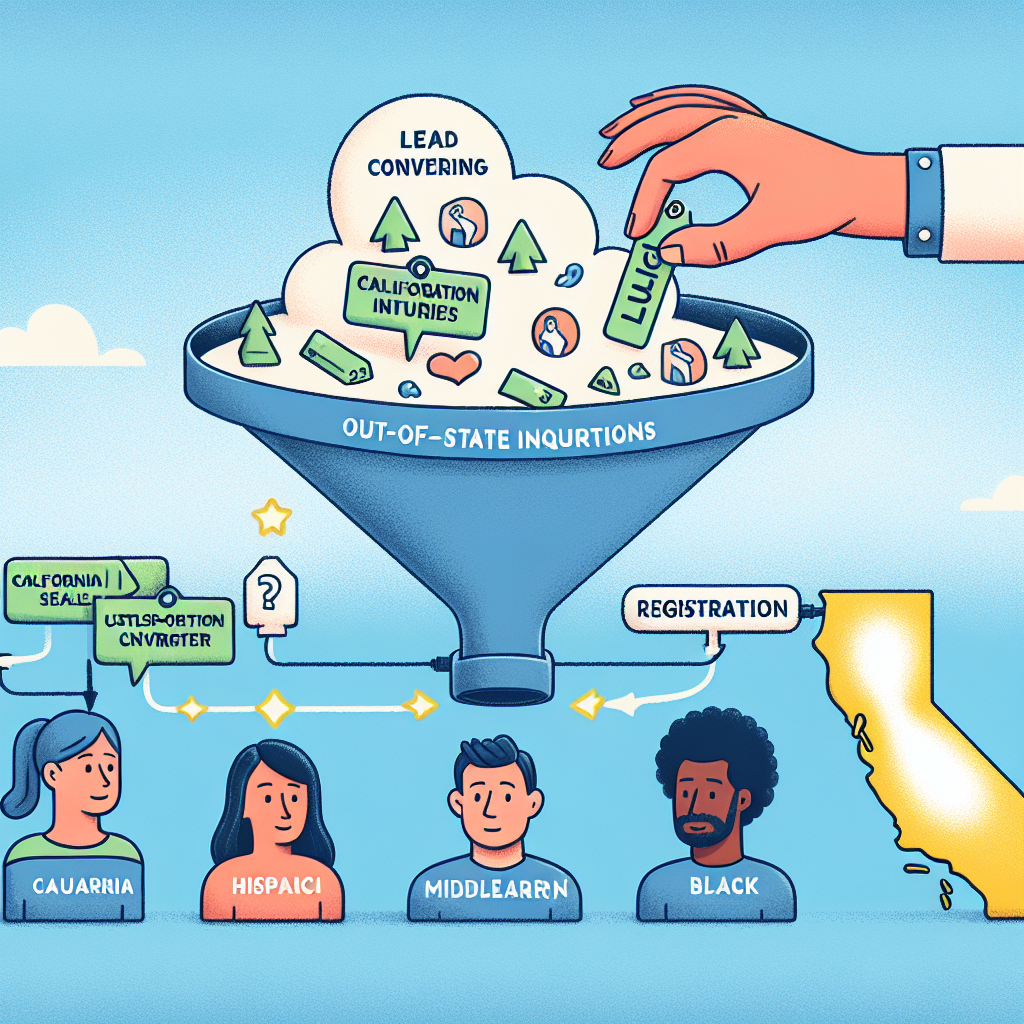
    Turning leads into sales is super important for any business, especially in the competitive world of California registration services. It gets even trickier when these leads come from people outside of California. They often have wrong ideas or worries about the state’s registration process. In this blog post, we’ll look at ways to change these questions into sales. We’ll help you guide potential clients through the process easily.

    1. Understanding Out-of-State Inquiries

    Before talking to potential clients, it’s important to know who they are. People from other states who ask questions are usually moving to California, expanding their businesses, or trying to sell vehicles to Californians. They often ask about lower registration fees or moving vehicles from one state to another. These leads might have wrong ideas about California’s rules, like emission standards and high registration costs. These misconceptions can scare them away if they’re not quickly fixed.

    2. Planning First Contact

    Getting back to out-of-state questions quickly and clearly is key. Reach out with a personal touch, recognizing each person’s unique situation. Show them how your services fit their needs. Use CRM tools to track important details like where they’re from and the type of vehicle they have. This information helps you customize your messages. Being personal builds trust and sets a good tone for more communication.

    3. Getting Through California’s Registration Process

    California’s vehicle registration rules can be confusing for newbies. It’s crucial to explain the process clearly. Talk about requirements like getting a California smog certificate, paying taxes, and making sure the vehicle meets local safety standards. By breaking everything down into easy steps and offering simple guides, you make the process seem less scary and more doable for clients.

    4. Answering Common Questions

    People from out of state often ask about extra costs and things like smog checks, taxes, and making sure cars meet emission standards. Address these worries directly by providing clear info on how they affect the registration process. Offer solutions like help finding nearby smog check centers or explain tax implications. This reassures clients that your services can handle any bumps along the way.

    5. Using Technology and CRM Tools

    CRM tools are essential for keeping track of interactions and automating follow-ups. They help you monitor success, improve strategies, and ensure timely communication. Use technology to send automatic responses and share helpful info, keeping things efficient and making sure leads get the right info without overwhelming your team.

    6. Building Trust and Showing Expertise

    Trust is key to turning leads into sales. Use client testimonials and success stories to prove you’re an expert in California registration. Hearing from happy clients makes new ones trust you more. Create informative content to show you know your stuff, making clients feel confident in your services.

    7. Offering Extra Services

    Offer more than just basic services to out-of-state customers. Talk about partnerships for inspections or transport services, and give bundle options or discounts to attract clients. These extra services not only make the registration process smoother but also show your commitment to helping them every step of the way.

    8. Sealing the Deal

    To turn a lead into a sale, communication is key. Stay in touch by providing helpful info without being pushy. Give clients all the details they need to make a decision confidently. Make sure your final talks are clear, answer any last questions, and wrap up the registration process smoothly.

    Conclusion

    Successfully turning out-of-state questions into California registration sales helps your business by growing your client base and increasing customer happiness. By understanding client needs, addressing worries, using technology wisely, and offering extra services, you create a winning situation for conversions.

    Call to Action

    Ready to make your move to California registration easy? Contact us today for personal guidance tailored to your specific needs. Visit our website for helpful resources and reach out to book a free talk with our experts. You’re welcome to visit us at Tags Clinic located at 3845 University Ave, San Diego, CA or call us at 619-777-9046. For more information, check out our website.

    Additional Resources

    By following these tips, your business can turn out-of-state questions into happy California registration clients, boosting your reputation and expanding your reach.