Blog

  • DMV Law Review: The Impact of Increased Liability Insurance Requirements

    DMV Law Review: The Impact of Increased Liability Insurance Requirements


    DMV Law Review: How New Insurance Rules Affect Drivers

    DMV Law Review: How New Insurance Rules Affect Drivers

    I. Introduction

    The DMV has made some important new rules about car insurance to help keep roads safe and make sure drivers are financially protected. It’s important to know these changes so you can follow the rules and keep safe on the road.

    II. What is Liability Insurance?

    Liability insurance helps pay for damage or injuries you cause to others in an accident. For a long time, the insurance requirements didn’t change much, even though things like medical and car repair costs were getting more expensive. The new changes are made to offer better protection for everyone.

    III. What’s New with the Insurance Rules?

    The new rules say you need to have more insurance now:

    • Bodily Injury Coverage: You need at least $50,000 for each person and $100,000 for each accident.
    • Property Damage Coverage: You need at least $30,000 for damage in each accident.

    You must have these amounts by January 1, 2024. Some cars or drivers might not have to follow these rules.

    IV. How This Impacts Drivers

    Money Matters

    With better protection, insurance might cost more. Families and people who find it hard to pay for insurance might face challenges with these changes.

    If You’ve Had Driving Problems Before

    If you’ve had driving issues before, the new rules might seem difficult because your insurance could go up. It’s a good idea to check prices from different companies to find the best deal.

    V. How This Affects Insurance Companies

    Insurance companies need to look at their plans again:

    • New Plans: They might have new options to meet the new rules.
    • Competition: Companies might offer deals or have different ways to attract customers.

    Why More Coverage?

    The reason for these changes is to better protect everyone by making sure there is enough money to cover accidents.

    What Experts Think

    Most legal experts agree with the changes because they improve safety and compensation for accident victims. However, some worry these changes might be hard on drivers financially.

    VII. Pros and Cons

    Good Things

    • Better Safety: More coverage means accident victims can get the help they need.
    • Protection for Drivers: Limits help drivers avoid huge expenses after accidents.

    Bad Things

    Some people say that increasing the requirements makes it hard for drivers who don’t earn much, showing that finding a fair rule is important.

    VIII. Other Places

    Places like Massachusetts and New York have done similar things. They saw a small drop in uninsured drivers and slightly better road safety.

    IX. Tips for Drivers

    What to Do Next

    • Check Your Insurance: Make sure your plan meets the new rules.
    • Look Around: Compare prices from different companies to find the best deal.
    • Get Help: Use DMV and insurance resources to understand your policy and stay in line with the rules.

    X. Conclusion

    These new DMV insurance rules mean more protection, but also more costs. Understanding and planning for these changes help drivers make the safest decisions.

    XI. More Information

    XII. What to Do Now

    Check your insurance today to make sure it meets the new requirements. Contact your insurance company for a policy check, and ask experts for help if needed.

    Being ready for these changes keeps you safe and helps make roads safer for everyone.

    Call to Action

    We’re here to help! Visit us at Tags Clinic on 3845 University Ave, San Diego, CA or give us a call at 619-777-9046. You can also visit our website for more information: www.tagsclinic.com.

    Come join us, we’re ready and eager to assist you!


  • Key Documents Needed for an Out‑of‑State Transfer to California

    Key Documents Needed for an Out‑of‑State Transfer to California


    Important Papers for Moving a Car to California

    Important Papers for Moving a Car to California

    Introduction

    Are you moving to the sunny state of California? If you’re bringing your car with you, you’ll need to gather some important papers for the California Department of Motor Vehicles (DMV). Don’t worry; we are here to help you every step of the way. Moving your car from another state might seem tricky at first, but with the right documents and some planning, you’ll be cruising on California roads in no time.

    Why Register Your Car in California?

    Registering your car in California isn’t just a suggestion—it’s the law. You’re required to register your car within 20 days of moving to the state. Doing this promptly makes sure you’re driving legally and helps you avoid big fines. California has special rules like strict emissions standards, so registering your car is necessary when you move here.

    Essential Documents for Moving a Car from Out of State

    To make the process easy, gather these documents:

    Current Title or Registration

    You must have your car’s title or registration. This paper proves you own the car and is necessary for the transfer. Make sure it’s up-to-date and has the right owner information to avoid any problems.

    Proof of Insurance

    Before you can drive in California, you need car insurance that is approved by the state. Your insurance must meet California’s minimum requirements. You’ll have to show a copy of your insurance when you register your car, so make sure its details are clear.

    Bill of Sale or Purchase Agreement

    If you just bought the car, you might need a bill of sale. This paper shows the details of the car purchase, including the price, which can affect the taxes you pay.

    Odometer Disclosure Statement

    If your car is less than 10 years old, you need an odometer statement. This paper proves the mileage is correct and helps keep track of the car’s history.

    SMOG Certification

    California is serious about air quality. Most cars need a smog check before they can be registered. Some cars, like fuel-efficient ones, might not need this test. Check California’s DMV website to see if your car is exempt.

    Vehicle Identification Number (VIN) Verification

    Your car’s VIN has to be checked as part of the move. This can usually be done at a DMV office. Sometimes, mobile services can come to you. This makes sure your car’s details match its papers.

    Application for Title or Registration (Form REG 343)

    Filling out this form is a key step. Be careful to complete every section, because mistakes can cause delays.

    Fees and Payment

    You will have to pay fees for registering your car in California. These can be paid with a credit card, cash, or check. It’s smart to check in advance so you can be ready. Paying quickly helps you avoid late fees.

    Extra Things to Know

    • Leased Cars: If your car is leased, check with the leasing company for extra steps.
    • Commercial Vehicles: These may need more papers and sometimes inspections.
    • Older Vehicles: Cars older than 25 years might have different rules, especially for emissions.

    Tips for Easy Transfer

    • Organize Everything: Have all your papers ready and double-check them.
    • Common Mistakes: Missing details on forms causes delays. Be careful!
    • Go to the DMV Early: It can get busy, so being early helps. Third-party services like Tags Clinic can save you time too.

    Conclusion

    Moving a car to California might seem hard, but with the right papers and preparation, you’ll do great. Preparing is key, so get your documents ready and start the process. If it gets confusing, ask for help—there’s no need to go alone! Services like Tags Clinic are here to make things easier and stress-free.

    Call to Action

    Ready to make your California car registration a breeze? Visit the Tags Clinic today, give us a call, or drop by our office at 3845 University Ave, San Diego, CA to make your car registration as easy as it can be. Say goodbye to the stress of handling DMV paperwork and let us take the wheel. Check us out today at our website.

    Our Location


  • How to Avoid Common Pitfalls During Your Smog Check

    How to Avoid Common Pitfalls During Your Smog Check


    How to Avoid Common Problems During Your Smog Check

    How to Avoid Common Problems During Your Smog Check

    Introduction

    Smog checks are not just another thing you have to do for your car; they’re super important for keeping our air clean and making sure you follow the law. Regular smog tests help lower pollution and save our planet from bad car fumes. Even though they’re important, lots of people run into issues during smog checks, which can be annoying and waste time.

    Knowing What a Smog Check Is

    Before talking about the problems, it’s good to know what a smog check is. This test looks at the pollution coming from your car to make sure it’s okay by your state’s rules. The test checks your car’s exhaust and control parts to see how much pollution it’s putting out. There are different kinds of smog checks, like first-time checks when you move to a new state, and checks every two years to stay up to date.

    Common Problems and How to Fix Them

    Skipping Regular Maintenance

    `

    Taking care of your car is key to passing a smog check. Changing your oil and air filters often keeps the engine running well and cuts down on bad emissions. Checking your tire pressure is important not only for safety but also for correct emissions results. If you skip these things, you might not pass the test.

    Ignoring the Check Engine Light

    A big mistake is ignoring the check engine light before a smog test. If this light is on, it often means an automatic fail. It’s important to find out what’s wrong and fix it, like problems with the oxygen sensor or catalytic converter, so you don’t fail the test.

    Not Completing the Drive Cycle

    A drive cycle is needed to make sure all the on-board diagnostic (OBD) systems in your car have the right data. If the data isn’t complete, you could fail the test. A drive cycle includes driving in different ways, like idling, speeding up, and slowing down.

    Testing with a Cold Engine

    Your car needs to be warmed up for a proper smog test. If your engine is cold, the test might not show the right pollution levels. Drive for about 15-20 minutes before the test to make sure your engine is ready.

    Using Non-Approved Additives or Modifications

    Using special fuel additives or making changes to your car that aren’t approved can make you fail the test. Some think these additives help lower emissions, but they can mess up the test readings. Also, changes to the exhaust or engine that aren’t CARB-approved could lead to failure.

    Getting Ready for Your Smog Check

    Getting ready is half the battle. Make a checklist for your car maintenance: check the oil and air filters, make sure the check engine light is off, and do a drive cycle. Have all your paperwork ready too—like your car registration—so you’re not stressed on test day. Try booking your check when it’s less busy to make things easier.

    What to Do If Your Vehicle Fails

    Don’t worry if your car doesn’t pass. First, look at the report to see what’s wrong and fix the issues. Some places offer cheap or free re-tests after repairs. When picking a mechanic, choose someone with good reviews who knows about diagnostics and emissions.

    Why Regular Smog Checks Matter

    Passing smog tests isn’t just about obeying the law; it helps the environment. Regular smog checks cut down air pollution and help save the planet. Regular maintenance also saves money by making your car use fuel better, and it keeps you from getting fines for not following the rules.

    Conclusion

    Avoiding common problems during your smog check is about being prepared and knowing what to expect. By understanding the process and taking steps to avoid issues, you can make sure your smog check goes smoothly. Keep up with car maintenance, and you’ll see it pays off legally, environmentally, and financially.

    Call to Action

    If your smog check is coming up, don’t wait. Schedule your smog check with us at Tags Clinic for a smooth process. Contact us today at 619-777-9046 or visit us at Tags Clinic, located at 3845 University Ave, San Diego, CA.

    Extra Tips and Resources

  • How to Prevent Mistakes When Applying for a Duplicate DMV Document

    How to Prevent Mistakes When Applying for a Duplicate DMV Document


    How to Stop Mistakes When Getting a Duplicate DMV Document

    How to Stop Mistakes When Getting a Duplicate DMV Document

    Introduction

    Ever feel that scary moment when you notice your driver’s license or car registration is missing, stolen, or messed up? Lots of people need a duplicate DMV document, and even though it may seem hard, it doesn’t have to be. Mistakes while applying can cause delays, extra charges, or even legal trouble. In this guide, we’ll talk about the important steps to help you avoid common slip-ups when getting duplicate DMV documents, making sure your application is smooth and easy.

    Why You Need Duplicate DMV Documents

    Common Reasons for Needing Duplicates

    You might need a duplicate DMV document for lots of reasons. Maybe you lost your driver’s license on a busy day, or your car registration was stolen from your glove box. An accident or spill could also ruin your documents. Keeping up-to-date and correct DMV documents is important because they act as legal proof of who you are and that you own your vehicle.

    Why Having Current Documents Is Important

    Having correct documents isn’t just about following state laws; they’re also key for things like proving who you are in everyday life. Making sure your documents are up-to-date can save you from legal problems and give you peace of mind.

    Getting the Right Information and Documents

    Things You Need

    Before you start your application, gather these details:

    • Your full name as it is on the original document
    • Current and previous addresses
    • Your driver’s license or vehicle registration number

    Things to Prove Your Identity

    Get ready to show who you are with things like:

    • A valid passport or state-issued ID
    • Proof of where you live, like a utility bill or lease

    Checking to Make Sure It’s Right

    Take the time to double-check all your information and documents. Mistakes in the basics can mean big delays.

    Knowing What Your State Needs

    Each State’s Requirements

    Every state is a bit different for getting duplicate DMV documents. This might mean different forms, fees, and steps. Make sure you know what your state needs to avoid trouble.

    Getting the Best Information

    Go to your local DMV’s website for the most helpful and current info and forms you need. If you’re not sure, call your local DMV office for more help.

    Picking the Right Way to Apply

    Ways to Apply

    Usually, you have three options:

    • Online: Good if your schedule is packed but may have some limits.
    • By mail: Best if you’re not in a rush, but it’s slower.
    • In-person: Fast in most cases, but you might wait long.

    Pros and Cons

    Think about what you need and how much time you have when picking how to apply. Online is flexible, but in-person is fast.

    Mistakes You Shouldn’t Make

    Common Mistakes

    • Putting in wrong personal details
    • Sending in forms that aren’t complete
    • Forgetting to add necessary papers

    Tips to Avoid Mistakes

    • Read instructions carefully
    • Double-check everything
    • Have someone else look at your application too

    Using DMV Resources the Right Way

    Getting Help

    Many DMVs have online help to make applying easy. Look for guides, FAQs, and instruction videos.

    Why Customer Service Matters

    Don’t be afraid to call DMV customer service if you run into problems. They can usually help answer questions.

    Getting Payment Right

    Usual Fees and How to Pay

    Know the fees for duplicate documents and make sure you pay them right. Payment methods often include credit cards, debit cards, checks, or money orders.

    Keeping Proof of Payment

    Always save and print your payment proof. It can help if there’s any problem.

    Double-Checking Your Application Before You Send It

    Find Mistakes Early

    Looking over your application helps catch mistakes. Fixing errors early can avoid issues. Have someone else check it too; a new set of eyes can help.

    Handling Mistakes After Submission

    If you find a mistake after you’ve sent it in, call the DMV right away to fix your application.

    Tips for an Easy Application

    • Gather all needed information and documents ahead of time for easy access.
    • Set reminders for application and renewal dates to skip stressful situations.
    • Keep copies of everything you submit and related emails for your records.

    Conclusion

    By understanding the process and common mistakes, you can feel confident applying for duplicate DMV documents without worry. Stay proactive, informed, and organized, and apply for duplicates as soon as you need to avoid problems.

    Extra Help

    For more help, check out these resources:

    Remember, for an easy experience, Tags Clinic is here to help with all your DMV needs. Visit us today to make your DMV tasks simple and avoid long lines!

    Call to Action

    For further assistance and in-person help, consider visiting Tags Clinic located at 3845 University Ave, San Diego, CA. We are always ready to provide you with the support and services you need in a friendly and efficient manner. You can also reach us at 619-777-9046. Visit our website Tags Clinic for more information about our services.


  • How the New DMV Laws Are Protecting Drivers from Unfair License Suspensions

    How the New DMV Laws Are Protecting Drivers from Unfair License Suspensions


    How the New DMV Laws Are Protecting Drivers from Unfair License Suspensions

    How the New DMV Laws Are Protecting Drivers from Unfair License Suspensions

    Introduction

    Getting your driver’s license suspended can be really tough and stressful. It can cause lots of problems and make life difficult, especially if you need a car for work. Recently, people have been paying more attention to how unfair some suspensions are, and this has led to important changes in the laws. This blog post will explain how these new DMV laws are helping drivers get fair treatment and keeping roads safe.

    Background on License Suspensions

    Licenses can be suspended for many reasons. This might be from getting too many traffic tickets or even for things not related to driving, like not paying child support. In the past, suspensions could happen automatically, without checking if it was fair. This was hard on people who didn’t have the money or help to fight it. Losing a license isn’t just about personal freedom; it can also mean losing a job when driving is part of the work.

    Overview of the New DMV Laws

    The new DMV laws have made changes to help protect drivers from unfair suspensions. They want to make the rules clear, give people a chance to explain their side, and make it easier to get a suspended license back. These changes are to ensure everything is fair and to help drivers keep their licenses.

    Key Provisions of the New Laws

    Enhanced Due Process

    • Hearing Before Suspension: Now, drivers can have a hearing before their license is suspended. This means they get to tell their side of the story.
    • Notice Periods: Drivers will get more time to know and prepare if their license might be suspended.

    Clear Criteria for Suspension

    • Specific Reasons for Suspension: The new laws explain exactly what can lead to a suspension, so there aren’t any unclear rules.
    • No More Automatic Suspensions for Minor Issues: Minor things, like small unpaid fines, won’t automatically lead to losing your license.

    Appeal Rights

    • Simplified Appeal Process: It’s easier for drivers to appeal if they feel their suspension isn’t fair.
    • Help for Low-Income Drivers: Low-income drivers can get legal help so they can fight a suspension if they need to.

    Reinstatement Pathways

    • Steps for Getting a License Back: There are clear steps for getting a license back, removing confusion and extra paperwork.
    • Education and Programs: There are programs to help educate and rehabilitate drivers, focusing on keeping roads safe without harsh penalties.

    Benefits of the New Laws

    These changes help drivers avoid financial problems and make sure only serious things lead to suspensions. Drivers won’t be punished for small or non-driving issues, helping them learn more about managing their driving rights.

    Potential Challenges and Criticisms

    Even though these laws are good, putting them into action could be tricky for the DMV. Some people might think these laws are too easy on drivers, but it’s important to find the right balance between being fair to people and keeping the roads safe.

    Conclusion

    The new DMV laws are a big step towards being fair to drivers while keeping everyone safe on the roads. They’re helping to stop unfair suspensions from happening. As these laws come into play, it’s important for drivers to know their rights and stay involved in what happens with their licenses.

    Call to Action

    We would like to hear about your stories with license suspensions. Stay informed about your rights as a driver. Subscribe to Tags Clinic for updates and easy solutions for all your DMV services. Don’t hesitate to visit us at 3845 University Ave, San Diego, CA or call 619-777-9046 for more information.

    Further Reading and Resources

    These new provisions are a big step in making sure drivers are treated fairly. Stay smart and informed, and let Tags Clinic help you with any DMV needs smoothly!


  • Dr. DMV at Tags Clinic: Your Partner in Passing Smog Checks

    Dr. DMV at Tags Clinic: Your Partner in Passing Smog Checks


    Your Buddy for Passing Smog Checks

    Dr. DMV at Tags Clinic: Your Buddy for Passing Smog Checks

    Introduction

    Keeping your car in line with emission standards is super important for every car owner. Smog checks are more than just another thing to mark off your DMV list; they’re a crucial part of keeping the air clean by checking the pollutants your vehicle releases. This is where Dr. DMV at Tags Clinic steps in to help you stay compliant and contribute to cleaner air. Teaming up with a specialized service like Dr. DMV can make your smog check experience quick, easy, and successful.

    Understanding Smog Checks

    A smog check is a test designed to measure the amount and type of pollutants your car’s exhaust releases. These tests are a must in many states, like California, to help keep our air clean and reduce the environmental impact of driving. There are specific rules your car must meet to stay legally on the road. If you don’t comply, you might get fined, and sometimes your car may even be taken off the road until it meets the standards needed.

    Why Choose Dr. DMV at Tags Clinic?

    Expertise and Experience

    At Tags Clinic, the Dr. DMV team is made up of skilled professionals who have a lot of experience and training in car diagnostics and emissions testing. Our expertise is backed by many happy customers who praise our thoroughness and commitment to excellence. As our client, you’re guaranteed high-quality service that aims to reduce stress and is super convenient.

    Comprehensive Services

    Tags Clinic offers a variety of services that help with the smog check process. This includes pre-test diagnostics and repairs to make sure your car is ready before the official check. Our one-stop-shop experience makes it easy to keep your vehicle running smoothly and compliant with emissions standards.

    Convenient Location and Hours

    Tags Clinic is easy to get to because it’s in a central part of San Diego, which cuts down on travel time and makes it more convenient. Our flexible hours cater to busy schedules, making your smog check experience as smooth as possible.

    The Smog Check Process

    Step-by-Step Guide

    1. Preparation: Before your appointment, make sure your vehicle is in good condition. Fix any dashboard warning lights and check your oil and coolant levels.
    2. Appointment: Arrive at Tags Clinic, where our friendly team will guide you through the process.
    3. Testing: Our experts will perform a thorough smog check, testing emissions against California’s strict standards.
    4. Results and Recommendations: Based on the results, we’ll talk about what we found and suggest any repairs or tweaks needed.

    Common Issues and Solutions

    Failing a smog check could happen because of common issues like:

    • Faulty Catalytic Converter: If your converter isn’t working well, it might fail to cut down on harmful emissions. Always ensure it’s working right.
    • Oxygen Sensor Malfunctions: This sensor watches your car’s mix of fuel and air, and if it’s not working, it can lead to high emissions.
    • Worn Spark Plugs: Swap these out as needed to make sure your vehicle’s engine runs smoothly and efficiently.

    Dr. DMV and our expert techs can help fix these problems, guiding you to a successful smog check.

    Post-Smog Check Services

    If your vehicle doesn’t pass the smog check, don’t worry—Tags Clinic offers retesting and repair services. Our team will help find out what’s wrong and offer solutions to get your vehicle compliant.

    Additional Tips for Vehicle Owners

    To keep your vehicle eco-friendly and meeting emissions standards:

    • Regularly service your car according to the manufacturer’s schedule.
    • Keep your tires properly inflated.
    • Use the recommended fuel grade.
    • Limit idling to reduce fuel waste and emissions.

    Conclusion

    By choosing Dr. DMV at Tags Clinic, you’re partnering with a dedicated team that ensures your vehicle meets all the needed smog check standards. We’re here to make the process hassle-free, providing professional guidance and support every step of the way.

    Call to Action

    Ready to ace your smog check? Schedule your appointment with Dr. DMV at Tags Clinic today. For questions or help, please call us at 619-777-9046 or visit us at 3845 University Ave, San Diego, CA. Let us help you take care of your vehicle while keeping the environment clean!


  • A Detailed Look at the Live Scan Fingerprint Process

    A Detailed Look at the Live Scan Fingerprint Process


    Understanding the Live Scan Fingerprint Process

    Understanding the Live Scan Fingerprint Process

    Introduction

    Today, keeping things secure and knowing who people are is super important. That’s where biometric technology helps a lot. One great way to identify people is through Live Scan fingerprinting. In this blog, I’m going to explain how Live Scan works, where it started, and how we use it today.

    What is Live Scan Fingerprinting?

    Live Scan fingerprinting is a smart way to take fingerprints using digital tools, not messy ink. It started in the late 1900s and changed how we collect and look at fingerprints. Instead of using ink and paper, Live Scan takes digital pictures of your fingerprints and sends them electronically to check who you are.

    Why is Live Scan Fingerprinting Important?

    Live Scan fingerprinting is used in different fields, like police work, job background checks, licenses, and immigration. It’s better than old methods because:

    • Accuracy: Digital fingerprints are clearer and not smudged.
    • Speed: Sending them electronically is faster than mailing paper.
    • Integration: It fits well with other computer systems for managing data.

    How the Live Scan Fingerprint Process Works

    1. Getting Ready for Your Live Scan Appointment
      • Before your appointment, make sure you have all the documents you need, like a government-issued ID and any forms the agency needs.
      • Book a time at a Live Scan service place. Many states have lists to help you find a nearby location.
    2. At the Live Scan Place
      • When you get there, check in and show your identification for checking.
      • The staff will check your details before taking your fingerprints.
    3. Taking Fingerprints
      • Live Scan uses cool digital tools to take clear fingerprint pictures.
      • You’ll put your fingers on a glass surface, and a scanner will take the pictures. The staff might help to get a good quality print.
      • If the scan is fuzzy, they might ask you to press your fingers differently or clean the scanner.
    4. Sending and Keeping Your Data Safe
      • After capturing, the fingerprints are safely sent to the right places.
      • Keeping your information private is really important, and there are strict rules to keep it safe.

    What Happens After Fingerprinting

    How long it takes to process your fingerprints depends on the organization. Some results come back in a day or two, while others might take longer. The results are used for background checks or other verifications. If there’s a problem or delay, you should contact the agency asking for your fingerprints.

    Common Questions and Misunderstandings

    People often have questions like:

    • Is my fingerprint data kept forever? Fingerprints are generally saved temporarily, unless there’s a special reason to keep them longer.
    • Will a Live Scan show if I have a criminal record? A Live Scan might show criminal history if the agency requesting it needs that information.

    What’s Next for Live Scan?

    Biometric technology like fingerprint scanning is getting better all the time, with improvements to make it faster and more accurate. Future advancements might include smarter systems and better linking with other identity-checking tools.

    Conclusion

    Live Scan fingerprinting is a big step forward in identifying people, being much better than old ways. By knowing how Live Scan works, you can be ready for your appointment and understand how they use your data.

    What You Should Do Now

    If you need a Live Scan appointment, contact your local service provider soon. If you’ve got any questions about Live Scan fingerprinting, don’t hesitate to ask for help or more information. Stay informed and get ready to make your Live Scan a smooth and fast process!

    Call to Action

    Ready to get started with your Live Scan fingerprinting? Head to Tags Clinic at 3845 University Ave, San Diego, CA or give us a call at 619-777-9046. We’ve got your back every step of the way and can’t wait to help you with all your fingerprinting needs. To learn more about us or get in touch online, visit our website. Let us help you make the Live Scan process a breeze.


  • Why California Registration Is a Must-Offer for Out-of-State Fleet Service Providers

    Why California Registration Is a Must-Offer for Out-of-State Fleet Service Providers


    Why You Should Register Your Fleet in California

    Introduction

    Starting a fleet service business can be exciting because you get to help many different types of companies. One important thing to remember is vehicle registration. This means making sure your fleet is legally allowed to operate. California is a really big part of the U.S. economy, so it’s a great place for your fleet service to be. This blog will explain why registering your fleet in California is important. We will talk about the market, rules to follow, benefits, and some success stories.

    Why California Is Great for Fleet Services

    California has the largest economy in the U.S. and is famous for industries like tech, movies, and shipping. This means there are lots of opportunities for fleet services. Businesses in California need efficient fleets to help them work smoothly. If your fleet business is not from California, entering this market is a big opportunity to grow and find new clients.

    Following the Rules: Legal Stuff You Need to Know

    To work in California, fleet services have to follow certain rules, like registering their vehicles properly. This means understanding what the state requires and paying the right fees. If you don’t follow these rules, you can get into trouble with big fines and damage your reputation. So, knowing and following these rules is really important.

    The Good Things About Registering in California

    Registering your fleet in California has many perks:

    • More Customers: When you register in California, you can take on more clients. This helps you expand and find work in busy industries.
    • Trust and Reliability: Registering shows you follow the rules, making clients trust you more.
    • Easy Operations Across States: Being registered makes it easier to do business in different states without dealing with legal problems each time.

    How to Register Your Fleet in California

    If you want to bring your fleet to California, here are some steps to help you:

    1. Get Your Papers Ready: Have your vehicle details, proof of ownership, and insurance papers ready.
    2. Talk to Important Agencies: Connect with the California DMV and other places to make the process smooth.
    3. Handle Challenges: Know that there might be some paperwork issues and plan on how to solve them.

    Costs and Fees

    Knowing the costs that come with registering is important:

    • Check Each Cost: Know what every fee is for.
    • Plan Your Budget: Make sure you manage your money so these costs don’t hurt your business.
    • Compare with Other States: This helps you see if the costs make sense for your business growth.

    Success Stories

    Looking at real examples shows the benefits of registering in California:

    • Business Growth: Companies that registered have seen better business growth and operations.
    • Manager Stories: Managers share how valuable California’s market is and the long-term perks they’ve got from being there.

    Challenges and How to Beat Them

    Getting started can be expensive and following all the rules can be hard at first. But you can:

    • Think Long-Term: Focus on the benefits of being in the California market and getting over the first hurdles.
    • Plan Ahead: Be prepared by understanding the rules and having a plan to get past challenges.

    Conclusion

    Registering your fleet in California isn’t just filling out forms. It’s about making smart moves to grow your business. Registration helps with opportunities, compliance, and building trust with clients in a big and busy market.

    Call to Action

    If you’re a fleet service provider from another state and want to grow in California, think about registering your fleet now. If you need help, reach out to us at Tags Clinic. We can guide you and make the registration process easier so you can grow your business in this exciting market. Visit us at 3845 University Ave, San Diego, CA or call us at 619-777-9046.


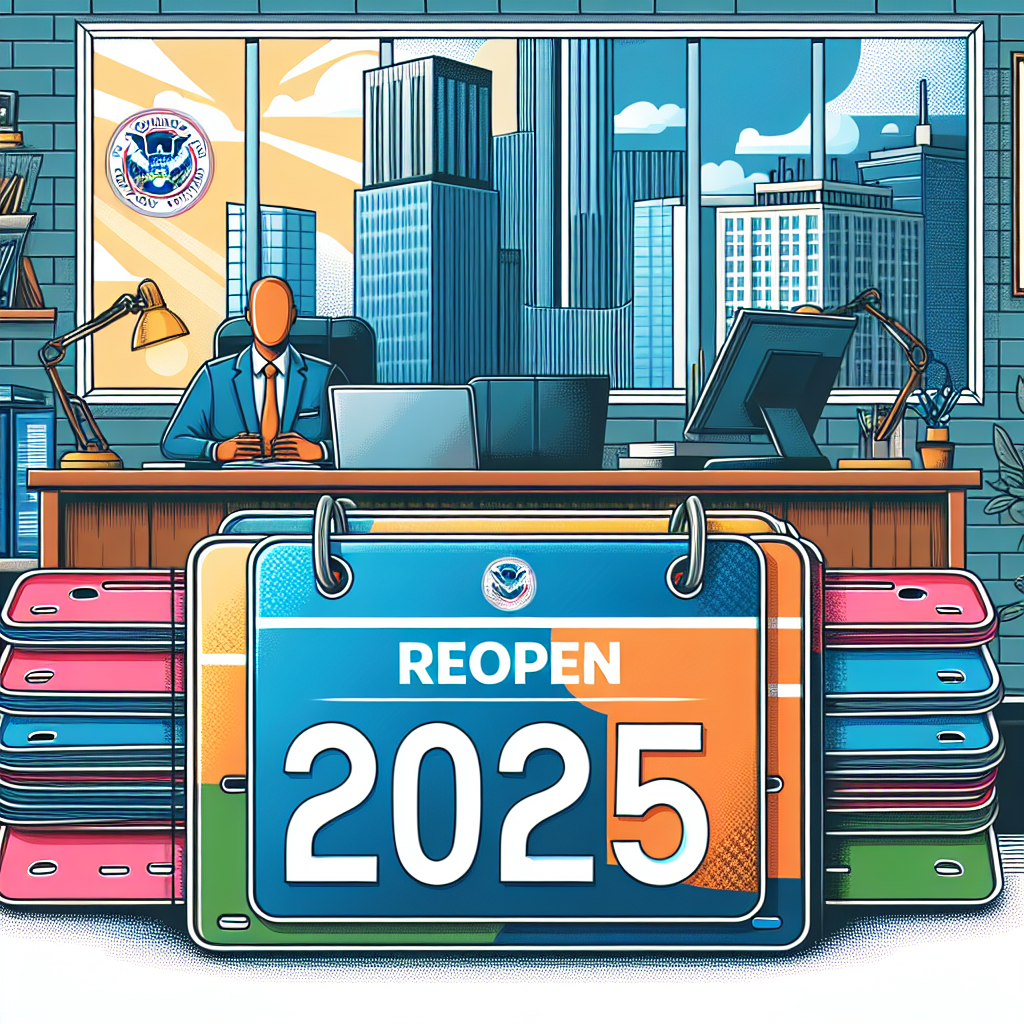
  • DMV Office Reopenings 2025: What the Latest Announcements Mean for You

    DMV Office Reopenings 2025: What the Latest Announcements Mean for You


    DMV Office Reopenings 2025: What the Latest Announcements Mean for You

    DMV Office Reopenings 2025: What the Latest Announcements Mean for You

    Introduction

    Life just isn’t the same without the DMV, especially when you need to register your vehicle or get a driver’s license. The DMV plays a big part in our everyday lives, from keeping us on the road legally to making sure we meet all the state rules. As we start 2025, it’s really important to know what’s happening with DMV offices, as they control many parts of our driving rights. This blog is here to tell you about the DMV reopenings this year and what they mean for you.

    Background

    In the last few years, lots of DMV offices closed for different reasons like the pandemic, which really messed up their services and how they work. Because of these closures, in-person services were limited, and many of us had to turn to the internet to get stuff done. But, there was a good side too—more online services became available, making it easier for people to handle their DMV errands from home.

    Latest Announcements

    Great news is here: DMV offices are going to reopen in 2025. Recent news from state departments gives us details about when and where these reopenings will happen. Different states have slightly different plans, but most want to reopen gradually throughout the year. These plans focus on areas where reopenings will happen right away, which is a big relief for those who prefer going in person to take care of their DMV tasks instead of doing them online.

    What Reopenings Mean for You

    With DMV offices reopening, you’ll get the chance to use a bunch of in-person services again. From taking driving tests to renewing licenses in person, these offices will bring back services that were once limited or not online. Even though online services are handy, going to a DMV office in person can solve problems faster and more thoroughly, especially those needing personal checks or quick feedback. You’ll also see changes like new safety rules, appointment systems, and better service aimed at making your visit better.

    New Procedures and Services

    2025 brings in new technologies and processes to make your DMV visit even better. These changes include new digital kiosks and online appointment systems that link up with what’s happening in the office, giving you smooth service. Safety measures are carefully put in place for both staff and customers, including social distancing and cleaning. All these changes work together to reduce wait times and make customers happier with their DMV visits.

    How to Prepare

    Before you head out to your local DMV, being prepared is super important. Here are some steps to make sure your visit goes smoothly:

    • Documentation: Check what papers you need for your specific service. This info is available on your state’s DMV website.
    • Appointments: Think about booking an appointment before going to avoid long wait times. Most states now let you schedule online.
    • Protocols: Get to know any new office rules or safety protocols, like mask requirements or social distancing rules.

    Benefits of Keeping Updated

    Keeping up with DMV news can save you time and stress. By regularly checking announcements and updates, you’ll know what to expect and how to better plan your DMV visits. Use resources like official DMV websites, apps, or your local Tags Clinic to get notifications and be well-prepared.

    Conclusion

    The reopening of DMV offices is a big step towards getting back to normal. As these offices reopen, it’s important to use both online and in-person services based on your needs. By staying informed, you can handle DMV requirements smoothly and easily.

    Call to Action

    For more detailed guidance and resources, visit the official DMV website or stop by Tags Clinic for expert advice. We are located at 3845 University Ave, San Diego, CA or you can give us a call at 619-777-9046. We’d love to hear about your recent DMV experiences or any tips you might have—share your stories with us! You can also visit our website at https://tagsclinic.com for more information.


    FAQ

    1. Do I need an appointment to visit the DMV in 2025?

      Appointments are highly recommended to reduce wait times, but some places might accept walk-ins.
    2. What safety protocols are in place at DMVs?

      Most DMVs have social distancing and regular cleaning. Mask rules depend on local guidelines.
    3. Which services can I still handle online?

      You can still do things like vehicle registration renewals and address changes online.
    4. How long will it take to receive my updated documents?

      Processing times might vary by state, but most services promise delivery within 2-4 weeks.
    5. What if the nearest DMV isn’t reopening right away?

      Check online services or find nearby locations, or use a service like Tags Clinic for quick help.


  • How to Budget for Your Out‑of‑State Vehicle Transfer to California

    How to Budget for Your Out‑of‑State Vehicle Transfer to California


    How to Budget for Your Out-of-State Vehicle Transfer to California

    How to Budget for Your Out-of-State Vehicle Transfer to California

    Introduction

    Moving to California can be tricky, and one of the challenges is bringing your car with you. Transferring your vehicle from another state to California might cost more than you expect. To make sure everything goes smoothly, it’s important to plan your budget and understand the costs involved. This blog post will help you budget for this move to the Golden State.

    Understanding the Basics

    When you bring your car to California, you have to pay some fees and meet certain requirements. California has tough rules to keep cars safe and clean for the environment. Knowing about these rules will help you figure out how much money you need before transferring your vehicle.

    Step 1: Gather Information

    First, gather all the important details about your car. This includes your current registration, your car’s VIN (Vehicle Identification Number), and documents like the title and bill of sale. Having these ready will make the process quicker and save you from extra costs.

    Step 2: Calculate DMV Fees

    Title Transfer Fee

    When you change a car’s title in California, there’s a fee. It’s usually around $15-$20. Check with your local DMV office to get the exact amount.

    Registration Fees

    Registration fees can vary, but they might be one of the bigger costs. Factors like your car’s weight and age, and where you live in California, affect these fees. You can expect to pay around $60-$200 or more.

    Use/Sales Tax

    You also have to pay a use/sales tax based on your car’s value. This is usually between 7.5% to 10%, depending on where you live. See if you can get any tax breaks to save money.

    Step 3: Inspect and Modify Your Vehicle

    Smog Check

    Your car might need to pass a smog check before you can register it in California. This usually costs about $40-$50. Make sure to go to a certified station.

    Vehicle Modifications

    Some cars from other states might need changes to meet California’s standards. This could be things like changing the exhaust system or adding safety features. Budget for these changes because costs can vary.

    Step 4: Cost of Insurance

    Registering your car in California might change how much you pay for insurance. Insurance rates depend on where you live and what kind of car you have. Compare prices to find the best deal for your budget.

    Step 5: Miscellaneous Costs

    Moving Costs

    Decide if you will drive your car to California or pay a company to ship it. Driving might be cheaper, but include the cost of fuel, food, and places to stay. Shipping could cost $500-$1,200, depending on how far and what service you choose.

    Temporary Permits

    If your registration runs out before you finish the transfer, you might need a temporary permit. This usually costs around $50 and lets you drive legally while you finish the process.

    Step 6: Financial Tips and Strategies

    To keep your finances in check:

    • Create a Budget: Write down all your expenses, including DMV fees, modifications, and moving costs.
    • Plan Early: Start saving money ahead of time to cover these expenses.
    • Look for Discounts: Check if you qualify for any discounts or exemptions on taxes and fees.

    Conclusion

    Budgeting for your out-of-state vehicle transfer to California means knowing all the costs and planning them out. By breaking down each cost and preparing your finances, you can make the move without any hassle.

    Resources and Additional Reading

    • Visit the California DMV website for the latest details on fees and requirements.
    • Use vehicle cost calculators to figure out taxes and fees.
    • Read up on guides for getting vehicles ready for California rules.

    Call to Action

    Moving your car to California might seem hard, but you’re not alone! Share your stories or ask questions in the comments below. If you need more help with the transfer process, you can visit Tags Clinic in San Diego. Reach out to us today!

    Visit us at 3845 University Ave, San Diego, CA or call us at 619-777-9046. For more information, visit our website.