Author: Dr. DMV – California Vehicle Specialist

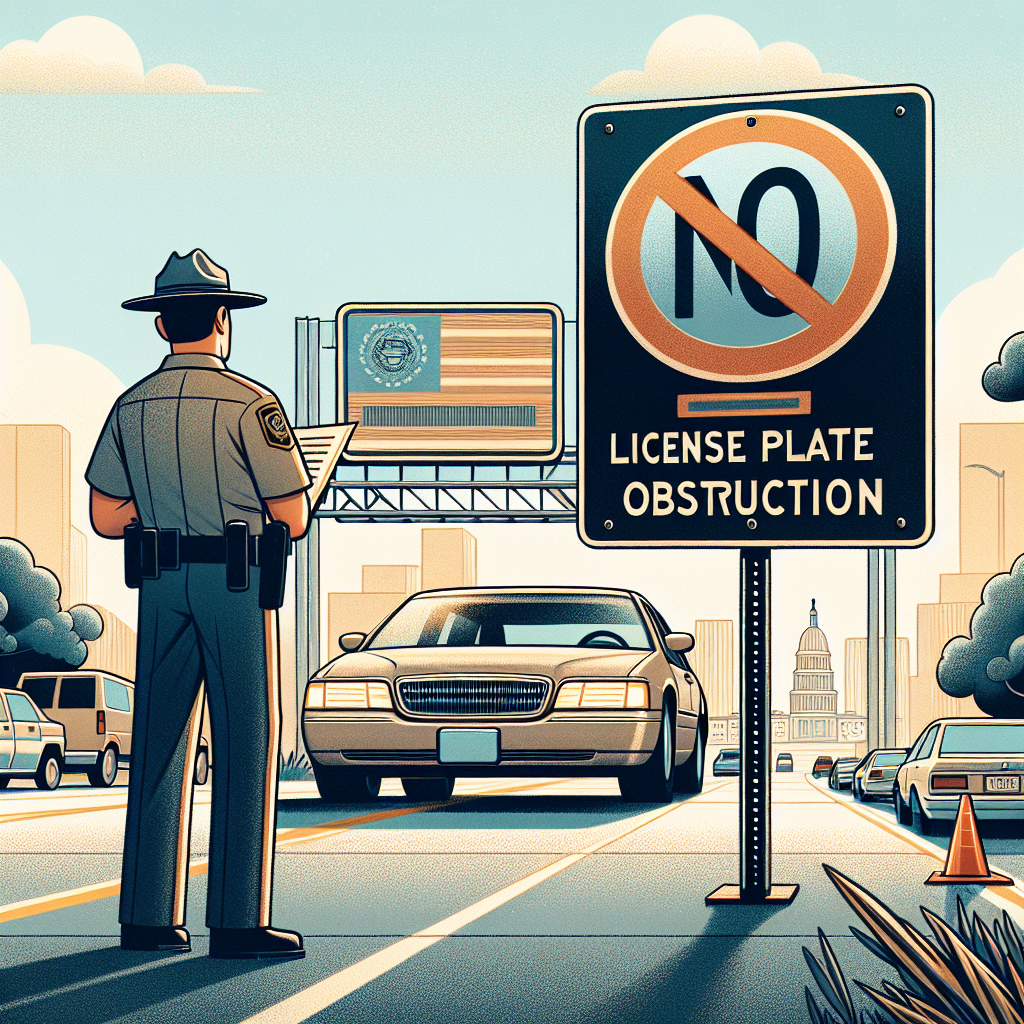
  • DMV Law Spotlight: Understanding the New Restrictions on License Plate Obstruction

    DMV Law Spotlight: Understanding the New Restrictions on License Plate Obstruction


    DMV Law Spotlight: Understanding the New Rules on License Plate Blocking

    DMV Law Spotlight: Understanding the New Rules on License Plate Blocking

    Introduction

    Welcome to our DMV Law Spotlight series! We’re here to keep you updated on the latest DMV laws and rules. Knowing about these changes is important because they can affect your driving and your vehicle’s legal status. Today, we’ll talk about new rules about blocking license plates. These rules were recently changed, and it’s important for all car owners to know them to avoid fines and stay within the law.

    Background on License Plate Laws

    License plates are a key part of recognizing vehicles. They help authorities track and manage vehicles accurately. Over time, the rules about license plates have changed, mostly to make sure they’re visible and not blocked. In the past, you had to keep your vehicle’s license plate clean and clear of anything that might block it. These rules help law enforcement, toll collections, and in emergencies.

    Details of the New Rules

    The new license plate rules are now stricter about blocking. Anything blocking your plate will be checked carefully. This includes frames, covers, or even mud and dirt that covers the letters, numbers, or state symbols. The rules are now stricter than before, and there are no exceptions for blocking the view of your plates.

    Reasons for the New Rules

    Why were these rules made? They’re mostly for safety and to help law enforcement work better. Clear plates help with correct identification in crime investigations, traffic issues, and emergencies. In the past, blocked plates caused problems like misreading and tracking issues, making it harder for law enforcement. These new rules aim to make everything more accurate and efficient.

    Implications for Vehicle Owners

    So, what do these new rules mean for you as a vehicle owner? Not following these rules can lead to fines. Not following the rules can also cause problems during regular vehicle checks or when going through toll booths. To avoid this, make sure your plates are completely clear from anything blocking them and that they can be read easily from a distance.

    How to Make Sure You Follow the Rules

    To follow the new rules, here are a few things you can do:

    • Clean your license plates often to get rid of dirt and grime.
    • If you use a frame for your plate, make sure it doesn’t cover any part of the plate information.
    • Don’t use tinted covers that could hide your plate.

    Using clear lens covers and simple frames can help you follow the rules and keep your plates safe.

    Common Misunderstandings

    There are some wrong ideas about license plate rules. One myth is that lightly tinted covers are okay, but this is not true under the new rules. Also, some people think that if their frame covers only the decoration on the plate, it’s fine. However, if any important part is covered, it’s not allowed.

    Examples

    Imagine a driver was stopped because their plate was partly covered by a frame. This small mistake caused a fine and a mark on their driving record. This shows why it’s important to check your plates regularly and follow the new rules to avoid trouble.

    Conclusion

    Following the new rules about not blocking license plates is very important to avoid fines and stay safe on the road. Regularly checking and maintaining your plates can prevent problems and keep you in line with the law. Keep following our DMV Law Spotlight series for more updates and tips on handling DMV rules easily.

    Additional Resources

    • For the official DMV rules, visit the California DMV website.
    • For help with following the rules, contact Tags Clinic in San Diego, a reliable licensing partner.
    • Subscribe to our blog for more updates and information on vehicle rules!

    Drive without worry and keep your plates completely visible!

    Call to Action

    For any assistance with your vehicle’s license plates, make sure to visit Tags Clinic. Located at 3845 University Ave, San Diego, CA, we’re here to guide you with all DMV-related issues. To make an appointment or consultation, you can call us at 619-777-9046. Visit our website at https://tagsclinic.com for more info. Remember, driving safe is more than just about obeying traffic rules – it’s about making sure your vehicle is in its best condition to keep you and everyone in the road safe.


  • How to Save Time and Money When Transferring Your Out‑of‑State Car

    How to Save Time and Money When Transferring Your Out‑of‑State Car


    How to Save Time and Money When Moving Your Out-of-State Car

    How to Save Time and Money When Moving Your Out-of-State Car

    Moving your car from one state to another can feel like a puzzle with all the papers, fees, and rules that change depending on where you’re going. Whether you’re moving for a job, school, or just for fun, understanding the steps to move your out-of-state car can help you save time and money.

    Learning State Requirements

    First, it’s important to understand what the new state needs. Each state has its own rules, like emissions tests and paperwork. Check out the Department of Motor Vehicles (DMV) website for your new state to find information on what you’ll need. Tip: Look for sections that are just for new residents.

    Getting Your Paperwork Ready

    Having the right papers is super important. Most states will ask for:

    • The original car title
    • Registration certificate
    • Proof of insurance
    • Driver’s license

    Figuring Out Fees and Taxes

    Fees and taxes can be different in each state. Common fees might include the title transfer fee, registration fee, and maybe inspection fees. Some states charge taxes on cars from other states, but some might give you a credit for taxes you already paid. Look into any tax breaks or credits to help with costs.

    Planning Inspections and Emissions Tests

    Some states need your car to pass inspections and emissions tests. To save time, find inspection stations near your new home and set up appointments early. Tip: Make sure your car is ready for these tests to avoid having to do them again.

    Choosing to Ship or Drive Your Car

    Decide if you want to ship your car or drive it to the new state. Shipping is easy but can be expensive for long distances. Driving could save you shipping money but adds wear to your car and travel costs. Get quotes from car shipping companies to see which option is best for you.

    Making Efficient DMV Visits

    A good DMV visit can save you lots of time and stress. Always book an appointment to skip long lines. Bring a checklist of all the things you need so you don’t forget anything important. Going during less busy times, like weekday mornings, might also save waiting time.

    Using Third-Party Services

    There are third-party services that help with car registration and title transfers. They charge fees, but they might be worth it if you’re short on time or find DMV stuff confusing. Think about the cost compared to your schedule to see if this helps you.

    Avoiding Common Mistakes

    Don’t forget to double-check your paperwork and deadlines. Make sure all your details are right and ask DMV staff if you’re not sure about something. Messing up can lead to delays and extra costs, so be careful.

    Conclusion

    Moving a car from another state has many steps, but with good planning and smart decisions, you can avoid extra costs and delays. We’ve shared ways to make the move easier, like researching well, keeping your papers organized, and planning your appointments early.

    Call to Action

    For an easier experience, think about using Tags Clinic’s services. We specialize in helping with DMV tasks, making sure your car move is easy and stress-free. Visit our site or contact us to learn how we can help you avoid common DMV problems. Feel free to share your experiences or tips in the comments, and pass this guide on to friends who may find it helpful!

    Visit us at Tags Clinic located at 3845 University Ave, San Diego, CA or call us at 619-777-9046.


  • Exploring the Legal Rights of Drivers Under California Smog Laws

    Exploring the Legal Rights of Drivers Under California Smog Laws


    Exploring the Legal Rights of Drivers Under California Smog Laws

    Exploring the Legal Rights of Drivers Under California Smog Laws

    Introduction

    California is one of the leading states when it comes to protecting the environment, especially with car pollution. The state has strict smog laws to lower pollution and keep the air clean. It’s important for drivers to know their rights under these laws. This post helps explain what California drivers need to know about smog laws and how they can follow them.

    Understanding California Smog Laws

    Smog laws in California fight air pollution from cars. They require regular emissions tests, called smog checks, to make sure cars aren’t polluting too much. The rules have gotten stricter to help cut down on pollution that causes smog and health problems. Important parts of the smog laws include regular smog checks every two years, getting a smog check when selling a car, and special programs for cars that pollute a lot.

    The Rights of Drivers

    Right to Information

    Drivers have the right to know about the smog laws that apply to them. Both the California Department of Motor Vehicles (DMV) and the California Air Resources Board (CARB) give information about what cars need smog checks and how often. Drivers can find this information on these groups’ websites or by calling them.

    Right to Fair Testing

    Drivers have the right to a fair smog test. Smog tests must be done by licensed inspectors at approved stations. These stations have strict rules to make sure tests are fair. If a driver thinks a test wasn’t done right, they can ask for a retest or go to another station for another opinion.

    Right to Appeal

    If a car fails a smog test and the driver thinks it wasn’t fair, they can appeal. They should collect papers like repair records and old test results, and show them at an appeal hearing. Drivers need to know the specific steps for appealing, which CARB and the Bureau of Automotive Repair (BAR) provide, to ensure their cases are heard fairly.

    Responsibilities Under Smog Laws

    Regular Vehicle Maintenance

    To follow smog laws, drivers need to take good care of their cars. Regular maintenance can prevent problems that cause a failed smog test. This includes getting oil changes, keeping the fuel system clean, checking the catalytic converter, and maintaining proper tire pressure. Doing these things helps pass smog tests and keeps the car running well.

    Mandatory Testing

    In California, most cars need smog checks every two years. Some counties have stricter rules because of more pollution. Some vehicles, like electric cars, motorcycles, and newer models, are exempt. Drivers should check the rules for their type of car and location.

    Recent Changes and Updates

    California updates its smog laws regularly to add new technology and tackle changing environmental needs. Recent changes might include stricter emission rules or new testing methods. Drivers should stay informed about these changes as they can affect how often they need tests and if their car complies.

    How to Stay Informed

    Drivers can find accurate and current information from these sources:

    • The California DMV website offers guidance on smog check requirements and where to test.
    • The California Air Resources Board (CARB) provides details on emissions standards and updates.
    • Newsletters or alerts from testing stations help drivers know about any law changes.

    Drivers having trouble with smog law compliance can seek legal help. Lawyers specializing in car regulations can offer advice and support. Also, consumer advocacy groups can help drivers with smog testing disputes.

    Conclusion

    It’s important for every driver to understand their rights and responsibilities with California’s smog laws. Keeping informed and staying on top of vehicle emissions compliance not only fulfills legal obligations but also helps protect the environment. Staying up to date with the laws, caring for your vehicle, and knowing where to seek help makes it easier for drivers to handle smog regulations.

    Call to Action

    Have you had experiences with smog checks? Share your stories or leave comments and questions about smog laws and drivers’ rights. Your insights help others understand California’s smog regulations. If you need personal help, consider reaching out to Tags Clinic for DMV-related assistance.

    Additional Resources

    Visit Tags Clinic!

    If you’re in need of professional assistance for smog checks or other Department of Motor Vehicles (DMV) related matters, we invite you to visit Tags Clinic at 3845 University Ave, San Diego, CA. Our knowledgeable and friendly team is ready to help with any questions or issues you might have. Don’t hesitate, give us a call at 619-777-9046 or visit tagsclinic.com.


  • The Most Common DMV Mistakes in Address Changes and How to Fix Them

    The Most Common DMV Mistakes in Address Changes and How to Fix Them


    Avoiding Common DMV Address Change Mistakes

    Avoiding Common DMV Address Change Mistakes

    Introduction

    Keeping your DMV records up to date is important for a smooth driving experience in California. Whether you’re registering your car, renewing your license, or dealing with smog check requirements, having the correct address is key. If you don’t update your address, you might miss renewals, lose important notifications, or face fines. This blog will talk about the common mistakes people make when changing their address with the DMV and how to fix them.

    Common Mistakes in Address Changes

    Mistake 1: Waiting Too Long

    Some people take too long to update their address with the DMV. This can cause trouble, like not being able to renew your driver’s license or car registration. If the DMV doesn’t have your current address, you might miss important mail and end up with fines or problems with your registration.

    Mistake 2: Not Filling Out Forms Completely

    Rushing through forms can lead to missing important sections. Some people skip steps or don’t understand what the form is asking for. Not providing accurate information, like your old address or contact details, can slow down the address change process.

    Mistake 3: Providing Wrong Information

    Entering incorrect details, even small ones like an apartment number or zip code, can complicate things. Mistakes like these can lead to lost documents or wrong car registration information.

    Mistake 4: Not Updating All Records

    Some people update their driver’s license address but forget to change it on their car registration. It’s important to update all your DMV records to avoid conflicting information that could cause issues in the future.

    Mistake 5: Missing Important Documents

    Amid all the paperwork, it’s easy to forget to submit critical documents needed to confirm your address change. Without the right proof, your request could be delayed or denied.

    Mistake 6: Ignoring Deadlines

    Every state, including California, has strict deadlines for DMV address updates. Missing these deadlines can result in fines, adding unnecessary costs to taking care of your vehicle.

    How to Fix Common DMV Mistakes

    Solution 1: Plan Ahead

    Start the address change process early so you don’t run into delays. Setting reminders on your phone or keeping a calendar can help you remember upcoming deadlines.

    Solution 2: Look Over Forms Carefully

    Always check your forms several times before you send them in. Make a checklist of common things people forget (like signing the form or adding your license number) and make sure you’ve completed everything.

    Solution 3: Make Sure Information Is Correct

    Double-check every bit of information you provide before submission. Use online tools or call DMV helplines to confirm your address details, especially if you have moved recently.

    Solution 4: Update All Records

    Make sure to change your address on all your DMV documents at the same time. Keeping everything consistent prevents any problems that might delay your DMV services.

    Solution 5: Collect Important Documents

    Create a list of documents you need for a change of address, like utility bills or lease agreements. Organize these papers so you don’t have last-minute trouble when you need to submit them.

    Solution 6: Keep Track of Deadlines

    It’s very important to know the DMV deadlines. Set phone alerts or calendar reminders for these dates. Understanding how long it takes for the DMV to respond helps you plan ahead.

    Conclusion

    Keeping your address updated with the DMV is important to avoid interruptions in car registration and licenses. By being proactive, checking details, meeting deadlines, and updating all records, you can dodge common problems. Stay on top of your DMV interactions to ensure easy vehicle management.

    Additional Resources

    For DMV-related help in San Diego, contact Tags Clinic to make things easier. Our team can guide you, making sure everything is done right and you don’t have to wait in long DMV lines. Visit our website to learn more or book an appointment today!

    Call to Action

    If you need help with DMV services, don’t hesitate to visit Tags Clinic at 3845 University Ave, San Diego, CA or give us a call at 619-777-9046. Our expert team is here to provide you with the guidance and support you need to navigate the complexities of DMV services. Check us out at tagsclinic.com and let us take care of your DMV needs in a friendly and professional manner. Looking forward to seeing you!


  • DMV Digital Services: A Look at New Online Renewal and Update Options for 2025

    DMV Digital Services: A Look at New Online Renewal and Update Options for 2025


    DMV Digital Services: A Look at New Online Renewal and Update Options for 2025

    DMV Digital Services: A Look at New Online Renewal and Update Options for 2025

    Introduction

    Going to the Department of Motor Vehicles (DMV) has always been something drivers have to do, usually with long lines and confusing steps. But things are changing! As we get closer to 2025, the DMV is joining the digital world to make things faster and easier. This blog will talk about the new online renewal and update options that will help make those old, tough DMV tasks easier.

    The Current State of DMV Digital Services

    By 2023, many DMVs in the United States started offering simple online services like registering vehicles or updating some personal details. While this was a good start, people said it could be even better with easier navigation and more security. These early steps are clearing the path for even better digital services by 2025.

    New Features and Updates for 2025

    In 2025, a big change is coming to the way you renew your vehicle registration online. The new process is super simple, taking you through each step with easy navigation and fast processing. Computers will help a lot, reducing mistakes and speeding up paperwork.

    For those who want to change personal information, there will be a streamlined process to access and update records safely. Strong cybersecurity measures will protect your personal data from unauthorized access.

    The process for renewing or upgrading driver’s licenses is also getting a makeover. Now, you can do a lot online, including scheduling virtual appointments and testing, meaning fewer trips to the DMV.

    User Accessibility and Inclusivity

    The 2025 updates are all about inclusivity. The digital services are redesigned to be easy for everyone to use, especially people with disabilities. Also, more language options will make it easier for different communities to access DMV services. This helps more people follow DMV rules and feel satisfied with the service.

    Security and Privacy Measures

    The new digital services have super strong security. With encryption and multi-factor authentication, your data stays protected. This means you can use DMV services knowing your info is safe and private.

    Benefits and Anticipated Challenges

    Going digital has a lot of benefits. It saves time, reduces paper waste, and cuts down on long lines at the DMV. These new services will make people happier and more likely to complete what they need to do.

    However, there could be some troubles. Technical problems might pop up, so having good tech support and teaching people how to use the new systems will be important. Making sure everyone, even those with little tech experience, can use these services is also crucial.

    Future Developments and Innovations

    Looking to the future, cool technologies like artificial intelligence (AI) and machine learning might help make DMV services even better. They could predict what help users need and make things smoother. Working with tech companies can speed up these improvements.

    Conclusion

    The new digital services by the DMV in 2025 are making renewing and updating easier, safer, and faster. These changes are an exciting step toward modernizing public services. Check out your local DMV website to see the new online services and offer your feedback to help make them better.

    Additional Resources

    • Links to DMV Online Portals: Go to your state’s DMV website to find new online service options.
    • FAQs About DMV Digital Services:
      1. How can I renew my vehicle registration online?
      2. What protects my information during online updates?
      3. Are online driver’s license renewals available everywhere?
      4. How do I book a virtual appointment for tests?
      5. Which languages can I use on the DMV’s digital services?

    These improvements aim to not only make things easier for users but also improve how the DMV works to meet the needs of a digital world. Try out these new systems and join the digital transformation happening across many service sectors!

    Call to Action

    We understand that all these changes can feel overwhelming, so we invite you to seek professional assistance at Tags Clinic. It’s conveniently located at 3845 University Ave, San Diego, CA. For any queries or appointment, don’t hesitate to call us at 619-777-9046. You can also visit our site at tagsclinic.com. We look forward to assisting you!


  • Live Scan Fingerprinting: A Critical Tool for Background Checks

    Live Scan Fingerprinting: A Critical Tool for Background Checks


    Live Scan Fingerprinting: A Really Important Tool for Background Checks

    Live Scan Fingerprinting: A Really Important Tool for Background Checks

    Introduction

    Nowadays, trust is super important, and that means background checks are used a lot in things like hiring and getting licenses. Live Scan Fingerprinting is one of the newest and best tools for this. It’s great because it helps make sure our society is safe and secure by being really accurate and reliable.

    What is Live Scan Fingerprinting?

    Live Scan Fingerprinting is a new digital way to get fingerprints instead of using the old ink-and-roll way. It uses special electronic tools to take and make digital pictures of fingerprints, which can be sent directly to databases to check backgrounds.

    How It’s Different from Old-School Ink Fingerprinting

    With old-school fingerprinting, you press your fingers onto an ink pad and then onto a paper card, which is sent off to be checked. Live Scan is different because it uses a scanner to get fingerprints, so there’s no need for ink and paper. This means it’s cleaner, more accurate, and there are fewer mistakes in the process.

    The Cool Technology Behind Live Scan

    Live Scan uses really fancy imaging tools and software to get detailed fingerprint pictures. This data is sent electronically to police and other agencies, so it gets processed faster. The technology is safe, and the digital prints can’t be messed with or lost along the way.

    Why Live Scan is Super Important for Background Checks

    Live Scan Fingerprinting is very important in lots of industries because it makes background checks more accurate and reliable.

    Industries That Use Background Checks

    • Jobs: Before hiring people in fields like teaching, healthcare, and banking, it’s important to make sure they can be trusted and are qualified.
    • Licenses: Jobs that need licenses, like doctors and real estate agents, often need tough background checks.
    • Security: Jobs in security or police work need extra careful background checks to make sure the person is okay for the job.

    Live Scan helps a lot with meeting the rules that require fingerprint-based background checks in these areas.

    Why Live Scan Fingerprinting is Good

    Live Scan’s way of getting fingerprints has many good things compared to the old way:

    • Better Accuracy: Digital fingerprints aren’t messed up by things like ink smudges.
    • Faster Results: Electronic fingerprints get checked faster, and you get results much quicker.
    • Safe Records: Digital records are safer and harder to change or mess up.

    How Live Scan Fingerprinting Works

    Steps to Follow

    1. Get Ready: Before you go to your Live Scan appointment, bring a valid ID and any forms you need for the agency asking for the fingerprints.
    2. The Scanning Part: At your appointment, your fingerprints will be scanned with a Live Scan machine. It’s quick and easy.
    3. Sending and Getting Results: After they’re scanned, the fingerprints go to the agency that needs them. You usually get results faster than with the old way.

    Picking the Right Providers

    Choosing an authorized and certified provider, like Tags Clinic, is really important to make sure everything is done right and the fingerprints are valid. Good providers follow strict rules to give high-quality service and true results.

    Where Live Scan Fingerprinting is Used

    Live Scan is used in many ways, like:

    • Checking Employees: Important in industries like healthcare, teaching, and police work, where honesty and trust matter a lot.
    • Licensing and Certification: Many jobs need fingerprint background checks to get certified.
    • Immigration and Visas: It’s used to check identities for people getting visas or immigrating.

    Things to Think About

    Live Scan Fingerprinting is a great tool, but there are some things to think about:

    • Privacy Worries: Personal data has to be handled carefully, and people should agree to have their fingerprints used.
    • Following Rules: Providers must follow data protection laws to keep information safe.
    • Choosing the Right Providers: Picking a trusted provider helps avoid problems and makes sure the checks are legit.

    What’s Next for Live Scan Fingerprinting?

    As technology changes, Live Scan Fingerprinting will probably get even better with:

    • New Surprises: Ongoing improvements in fingerprint tools.
    • More Uses: More industries may start using biometrics for checking people.
    • Mixing with Other Biometric Data: Using fingerprints along with other kinds of biometric data for better security.

    Conclusion

    To sum it up, Live Scan Fingerprinting is a big deal in background checks today because it provides a super accurate and fast way to do them. In the future, it’s likely to become even more important for keeping background checks safe and reliable. For businesses and individuals, using Live Scan is a smart move for making background checks more secure and efficient.

    Call to Action

    Want to know more about how Live Scan Fingerprinting can help your business or personal needs? Check out Tags Clinic. We offer expert and reliable Live Scan services to fit your background check requirements. Visit our website or contact us today to set up your appointment and start the process of safe and efficient background verification.

    Tags Clinic
    3845 University Ave, San Diego, CA
    Call: 619-777-9046


  • How to Streamline Follow-Up on CA Registration Leads for Out-of-State Dealers

    How to Streamline Follow-Up on CA Registration Leads for Out-of-State Dealers


    Blog Post

    How to Make Follow-Up on CA Registration Leads Easier for Out-of-State Dealers

    Introduction

    Figuring out California’s car registration rules can be really tricky for dealers from out of state. They often face things like rules that are different from other places and lots of paperwork, which can make it tough to stay in touch with new leads. It’s super important to have a good system for follow-ups, not just to make customers happy but to help sell more cars too. In this blog post, we’ll share some easy ideas for how out-of-state dealers can make their follow-up with California registration leads smoother.

    Learn the Rules

    The first thing to do is to get to know California’s special registration rules really well. Dealers from other states need to learn how these rules are different from what they deal with at home. This means knowing the current rules from the Department of Motor Vehicles (DMV), what papers you need, and how much everything might cost. Keeping up with these rules helps dealers make sure they’re doing everything right and can answer questions quickly and easily.

    Set Up a Good Follow-Up System

    Having a good follow-up system is super important for dealing with California registration leads. A strong Customer Relationship Management (CRM) system can really help. The best CRM for registration leads should have cool features like automatic reminders, detailed tracking of leads, and the ability to work well with other tools your business uses. Talking to your leads in a personal way makes them feel happier and builds trust, which is very important for turning those leads into car sales.

    Train Your Team

    Training your team often is key to making sure they know all about California’s registration rules. Create a solid training program that focuses on these rules and includes regular workshops and updates. This helps your team stay on top of things and work efficiently. When your staff knows their stuff, they can answer questions quickly and right on the spot, which helps make follow-ups faster.

    Use Automation

    Using computers and software to handle regular tasks can make follow-up a lot faster and help cut down on mistakes. There are lots of software tools you can use to help with things like setting up follow-up reminders, booking appointments, and managing paperwork. But it’s important to mix using these tools with personal touches so your chats with clients stay friendly and personal.

    Communicate Clearly

    Talking clearly is super important to make sure your customers know what to expect and to build a good relationship with them. Using ready-made templates and scripts for common follow-up situations helps keep things the same and makes sure you can deal with customer questions right away. Your communication should be clear and focus on solving customers’ problems. If needed, offer more resources or extra help to keep your customers happy.

    Check and Improve Your Follow-Up Process

    It’s a great idea to regularly check how well your follow-up process is working. Keep track of things like how quickly you respond, how satisfied your customers are, and how many of your leads turn into sales. Ask your customers for feedback to find out where you might need to improve. Regularly going over your process can help you make changes that make things run more smoothly.

    Work with Partners

    Working together with other companies or service providers can give you extra help with the registration process. Building connections with service providers in California can make things like processing faster and sharing information easier. These partnerships can also offer extra services to customers, which makes your dealership look better and offer more.

    Conclusion

    Making it easier to follow up on California registration leads helps you work more efficiently and makes your customers happier and more loyal. With the strategies we talked about, dealerships can manage the special challenges of California leads while still following all the rules. Staying competitive in California means always looking for ways to get better.

    Call to Action

    We’d love to hear from you! What tips do you have for handling California registration leads? Share your thoughts in the comments below! For more updates on industry rules and tips, subscribe to our blog. Want personalized help? Contact us for a free consultation on how to make your follow-up process better.

    Additional Resources

    Visit Tags Clinic Today

    Ready to experience unprecedented service? Visit us at Tags Clinic located at 3845 University Ave, San Diego, CA or call us at 619-777-9046. Enjoy personalised assistance, tailored to your needs. We are ready to serve you!

    Check us out on our website today!


  • Dr. DMV at Tags Clinic: How to Identify and Correct DMV Mistakes

    Dr. DMV at Tags Clinic: How to Identify and Correct DMV Mistakes

    “`html


    Blog Post: Dr. DMV at Tags Clinic – How to Spot and Fix DMV Mistakes

    Blog Post: Dr. DMV at Tags Clinic – How to Spot and Fix DMV Mistakes

    Introduction

    Dealing with the DMV can feel really confusing. Whether you’re trying to make an appointment, figure out paperwork, or understand the rules, DMV tasks can make our lives stressful. But what if there was someone to make it all easier? Meet Dr. DMV at Tags Clinic—your friend for all things DMV. This blog post will help you learn how to spot common DMV mistakes and fix them with Dr. DMV’s help.

    Why Correct DMV Papers Matter

    Having correct DMV papers is super important. They prove who you are and that you own your vehicle. This affects things like getting a loan or renewing insurance. Mistakes in these papers can cause problems like fines, losing your license, or even legal trouble. So, keeping your DMV records perfect should be something everyone thinks about.

    Common DMV Mistakes and How to Find Them

    1. Mistakes in Personal Info

    One common mistake is with personal info. A misspelled name, wrong address, or incorrect birth date can cause big problems. Always double-check your personal facts on any DMV paper to make sure they’re correct.

    2. Mistakes with Vehicle Details

    Errors about your vehicle can also be annoying. If the Vehicle Identification Number (VIN) or how your vehicle is described is wrong, it can cause legal troubles. Always check your vehicle papers to make sure everything matches your car exactly.

    3. Mistakes in Fee Calculation

    No one wants to pay too much, especially due to a mix-up. Wrong fees or miscalculations happen a lot but can be stopped. Compare the fees you are charged with DMV guidelines to save time and money.

    4. Licensing and Endorsements

    Missing or wrong endorsements on your license can lead to issues, especially for drivers of big trucks. Make sure all endorsements on your driver’s license match your skills and permits you need.

    How Dr. DMV at Tags Clinic Can Help

    Personalized Help

    Dr. DMV at Tags Clinic offers help that is just right for you. Whether it’s explaining a document or fixing a mistake, their expert help can save you a lot of trouble later.

    Thorough Error Check

    The clinic carefully checks all documents to find mistakes. Dr. DMV’s skills in spotting errors help fix problems quickly, so you’re not disrupted.

    Direct Help with the DMV

    One big benefit of Tags Clinic is they can talk directly to the DMV for you. Letting experts handle the details means you avoid confusion and get things solved faster.

    Steps to Fix DMV Mistakes at Tags Clinic

    1. First Meeting
    2. When you first visit, you’ll discuss all your DMV needs. Be sure to bring important papers and any questions you have for a helpful meeting.

    3. Review and Spot Errors
    4. Tags Clinic uses top tools and knows-how to find mistakes accurately. They have a special review process just for you.

    5. Submit Corrections
    6. Once mistakes are found, Tags Clinic will guide you through fixing them. You’ll get a clear plan and know how long it will take to fix.

    Tips to Avoid Future DMV Mistakes

    Being careful helps avoid DMV mistakes. Check info before you send it, use online resources and checklists, and keep your personal and vehicle info up to date with the DMV.

    Conclusion

    Keeping DMV records right is not just a rule, but also helps make driving stress-free. Dr. DMV at Tags Clinic is here to help anyone stuck with DMV problems. Think about setting up a visit with Tags Clinic to handle your issues and plan for no future mistakes.

    Call to Action

    Want to make dealing with the DMV easier? Check out
    Tags Clinic Website
    or call us at 619-777-9046 to make your appointment with Dr. DMV today. Let’s work toward getting all your DMV stuff right!


    “`

  • DMV News: How the New REAL ID Enforcement Guidelines Will Affect You

    DMV News: How the New REAL ID Enforcement Guidelines Will Affect You


    DMV News: How the New REAL ID Rules Will Change Things for You

    DMV News: How the New REAL ID Rules Will Change Things for You

    Introduction

    With the REAL ID deadline coming up, it’s really important for everyone to know what REAL ID means and how the new rules might change things for them. A REAL ID is a special kind of ID that makes the process of identifying people more secure. Knowing about these new rules is super important so you can keep flying in the U.S. and visiting certain federal places without any problems.

    What is REAL ID?

    The REAL ID Act became law back in 2005. After the 9/11 attacks, it was made to make getting a license more secure. The goal is to make traveling inside the U.S. safer by fixing problems with how IDs were handled. Since it started, there have been many deadlines extended to give states and people time to get ready and grab their IDs.

    New REAL ID Rules

    The new rules released have changed the deadline and reinforced what you need to do to get a REAL ID. Starting in May 2025, you’ll need a REAL ID for flying within the U.S. or visiting certain federal buildings. Before, the deadline was May 2023, but it’s been pushed back to give more time for preparation.

    Who Will Be Affected by the New Rules?

    These groups will feel the changes the most:

    • Travelers: Anyone flying inside the U.S. will need a REAL ID or something similar.
    • State DMV Offices: More people getting REAL IDs might mean longer waits.
    • Places Not Following the Rules Yet: People in states not ready will need to know what’s happening.

    Challenges may include longer waits, busy DMV offices, and confusion about what documents you need.

    How to Get a REAL ID

    Getting a REAL ID is pretty easy if you bring the right papers:

    1. Proof of Who You Are: Like a passport or birth certificate.
    2. Proof of Your Social Security Number: A Social Security card or a W-2 form works.
    3. Proof of Where You Live: Two pieces of mail, like a utility bill or rental agreement.

    Visit your DMV, bring all your papers, and be ready for some waiting. This way, getting your REAL ID can be smooth.

    What If You Don’t Have a REAL ID?

    If you don’t have a REAL ID after the deadline, you won’t be able to fly inside the U.S. with just a regular driver’s license. But you can use other ID, like a passport. Also, to go into some federal buildings, you’ll need a REAL ID or another kind of ID they accept.

    FAQ

    Q: Can I fly without a REAL ID after May 2025?

    A: Yes, but you’ll need another kind of ID that’s accepted, like a passport.

    Q: Do I need a REAL ID to drive?

    A: No, a regular driver’s license is fine for driving.

    Q: Does a REAL ID cost more?

    A: The cost changes by state, so check with your DMV.

    Q: What if I lose my REAL ID?

    A: You’ll have to get a new one with the same documents you used before.

    Q: Do kids need a REAL ID?

    A: If traveling with an adult who has a valid ID, kids usually do not need a REAL ID.

    Get Ready for the New Rules

    To get ready, follow these steps:

    • Check if your state is following the rules and see if there are special things you need to do.
    • Gather all the documents you need early to avoid waiting longer.
    • Have another form of ID ready, just in case.

    Look for info from your local DMV office or state websites for the latest news and help.

    Conclusion

    Knowing about the new REAL ID rules is key to keeping your travel and access to federal places easy. With new deadlines, it’s a great time to update your ID. Being ready and informed will make things easier for you later.

    Call to Action

    Don’t wait until the last moment! Visit your DMV or check their website for all the info and start getting your REAL ID now. Also, share this post to help others stay informed too!

    Resources and References

    Visit us

    We encourage you to visit Tags Clinic located at 3845 University Ave, San Diego, CA or call us at 619-777-9046. For more information, please visit our website at https://tagsclinic.com. We’re always here to help you!

    Location Map


    }

  • Out‑of‑State Transfer to California: Essential Steps for a Successful Move

    Out‑of‑State Transfer to California: Essential Steps for a Successful Move


    Moving to California from Another State: What You Need to Know


    Moving to California from Another State: What You Need to Know

    Introduction

    California is known for its amazing opportunities, beautiful landscapes, and exciting lifestyle. It’s no surprise that people from all over the United States are moving there. If you’re planning to move to California, it’s important to know what steps to take to make sure everything goes smoothly. This guide will explain the important things you need to do to successfully move to California.

    Step 1: Get Ready for the Move

    Learn About Costs and Lifestyle Changes

    Before you move, it’s important to know how much it will cost to live in California compared to your current state. Things like housing, groceries, and other daily expenses can be different. Also, find out about the changes you might experience, like the weather, different cultures, and things to do.

    Make a Budget

    Create a detailed plan for your money that includes the costs of moving. This should include transportation, deposits for housing, and the initial costs of living in California. Being prepared with your budget will make your move easier and help avoid surprises.

    Step 2: Take Care of Legal and Paperwork Stuff

    Update Your Documents

    Make sure all your important documents, like your ID and passport, are up to date and have your current information. This will prevent problems when you move.

    Transfer Your Driver’s License

    Go to the California Department of Motor Vehicles (DMV) to learn how to transfer your driver’s license. Usually, you’ll need your current license, proof of where you live, and ID to do this.

    Step 3: Register Your Vehicle

    Know What’s Needed for Registration

    Within 20 days of moving to California, you need to register your vehicle. You’ll probably need to get a smog check and meet other rules.

    Meet California’s Emissions Rules

    California has strict rules about emissions, which might affect your vehicle. Make sure your car meets these rules, or see if you need to make changes.

    Step 4: Find a Home and Set Up Utilities

    Look for a Place to Live

    Search for housing in California. Think about location, price, and how you’ll get around. Doing your homework will help you make a smart choice.

    Set Up Utilities

    Contact the services for electricity, water, and internet to get everything ready for your new home.

    Step 5: Know About Taxes and Money

    Learn About California Taxes

    Understand California’s taxes, which include taxes on income, property, and sales. These can have a big impact on your budget.

    Plan Your Finances

    Change your budget to include any tax changes and the cost of living differences. This will help you handle your money better in your new state.

    Step 6: Arrange Healthcare and Insurance

    Health Insurance

    Make sure your health insurance is valid in California or transfer your plan. If needed, look for new insurance options.

    Car and Home Insurance

    Check if your current insurance works in California. If not, look for new quotes to meet California’s requirements.

    Step 7: Get to Know Your Community

    Find Local Places

    Find nearby libraries, community centers, and other resources. These can help you learn about your new neighborhood.

    Meet People

    Go to local events, join clubs, and connect with online groups to make new friends. Having a network can help you settle in.

    Conclusion

    Moving to California from another state involves several important steps, but with careful planning, you can make it a success. Being organized will help make your move easier. Feel free to share your experiences or ask questions about your move as your story could help others.

    Further Resources

    Moving to California can be a life-changing adventure. By following this guide and using the resources provided, you’ll be ready to make the most of your new journey in the Golden State.

    Call to Action

    We’re here to help your transition to California be as smooth as possible. If you need any assistance with setting up your healthcare, don’t hesitate to drop by our clinic at 3845 University Ave, San Diego, CA or call us at 619-777-9046. You can also check us out at Tags Clinic Website. We’re looking forward to meeting you in California!