Author: Dr. DMV – California Vehicle Specialist

  • How to Create Compelling Content That Converts Out-of-State Registration Leads

    How to Create Compelling Content That Converts Out-of-State Registration Leads


    Content Marketing for Out-of-State Vehicle Registration Leads

    Introduction

    These days, in our digital world, content marketing is really important for turning leads into customers, especially for people trying to register their vehicles from out of state. Making content that connects with them can be tricky because of the different places and rules involved. This guide will help you create great content that attracts and turns out-of-state vehicle registration leads into customers for DMV services.

    Understanding Your Audience

    To make content that really connects with out-of-state car owners, you need to know what challenges they face. They often worry about figuring out new state rules, the hard parts of moving paperwork, and the fear of delays. You should think about your audience’s age, how they move around, and their internet habits when you create your content. Tools like surveys and feedback forms can help you learn more about them.

    Crafting Compelling Content

    The main idea of making interesting content is to write clearly and in a fun way. You can create an emotional connection by sharing stories that are similar to what your audience is going through. Good content types include blogs that show each step of registration, videos that demonstrate the process, and infographics that make complicated information easy to understand. Each type should aim to solve the problems you learned about earlier.

    Optimizing for Search Engines

    Search Engine Optimization (SEO) is important to make sure your content reaches the right people. Use keywords that are related to out-of-state registration and local DMV services, like “San Diego vehicle registration” or “California title transfer.” Make your content better by writing interesting headlines, meta descriptions, and organizing your content well. Using local SEO techniques can also help attract people moving to your area and connect them to your services.

    Using Visual Content to Enhance Engagement

    Visual content can turn complicated registration processes into easy-to-understand information. Images, videos, and infographics not only grab attention but also help explain the steps involved. Spending time on high-quality visuals using tools like Canva or Adobe Spark can really increase how interested readers are and how much they understand.

    Building Trust and Credibility

    Building trust is very important in the vehicle registration business. Show testimonials and stories from happy clients to boost your authority and give confidence to potential leads. Address common questions or worries openly, and offer expert advice on the registration process to calm fears and build trust.

    Crafting a Strong Call-to-Action (CTA)

    A good Call-to-Action (CTA) can really help turn leads into customers. Examples include “Get Your California Plates Today!” or “Schedule a Quick Consultation Now.” Put your CTAs in smart places within your content and try different versions to see which ones work best with your audience.

    Distribution and Promotion

    Once your content is ready, getting it out there is important. Use channels like social media, email marketing, and partnerships to reach more people. Engaging with online groups and forums where potential leads talk about DMV services can also be helpful. Always watch and check how your content does to improve your strategies.

    Measuring Success and Iterating

    Find key performance indicators (KPIs) like conversion rates and user interaction to know how good your content is. Use tools to gather data and make changes to improve future content. Constantly improving based on what you learn ensures your strategies stay useful and effective.

    Conclusion

    In conclusion, using content marketing to turn out-of-state vehicle registration leads into customers involves knowing your audience, making great content, optimizing for SEO, and using effective distribution strategies. By always checking and improving your approach, you can get better at attracting and converting leads.

    Call to Action

    Are you ready to register your out-of-state vehicle? We can help at Tags Clinic. Stop by at 3845 University Ave, San Diego, CA or give us a call at 619-777-9046. Need more information? Visit our website at https://tagsclinic.com. Let’s simplify your DMV registration process together!

    Location


  • DMV News: Understanding the Impact of New Laws on Vehicle Title Changes

    DMV News: Understanding the Impact of New Laws on Vehicle Title Changes


    DMV News: Understanding the Impact of New Laws on Vehicle Title Changes

    DMV News: Understanding the Impact of New Laws on Vehicle Title Changes

    Introduction

    Owning a car is fun, but have you ever thought about the car’s title? It’s a big deal when you need to change or transfer it. Recently, there have been some new laws that change how the DMV handles vehicle titles. These changes aim to make title transfers easier and safer, but they can also be a bit confusing. In this post, we’ll explain these new laws and help you understand what to do.

    Understanding Vehicle Titles

    Vehicle titles are super important for car owners. A title is a legal paper that says you own your car. You need it in many situations, like when buying or selling a car, inheriting one, or even gifting a vehicle to someone. When a car is sold or given to someone else, you have to change the title to show the new owner and make sure all legal responsibilities are updated.

    Overview of New Laws

    To fight problems like title fraud and slow processes, new rules have been introduced. These changes are meant to stop fraud, improve record accuracy, and make DMV processes faster. Rules can be a bit different in each state, but knowing the main goals can help you get ready for your next title change.

    Detailed Explanation of New Procedures

    Registration and Title Application Process

    The new registration and title process doesn’t have to be hard. Here’s how to do it step by step:

    1. Gather Required Documents: Usually, you need a valid ID, proof you own the car (like a bill of sale or the old title), and proof of insurance. Check your local DMV’s website for what you need.
    2. Complete the Application Form: Fill out the vehicle title and registration form. You can often find it online or at your local DMV office.
    3. Submit the Paperwork and Fees: Go to your local DMV office or use their online portal to submit your application and pay fees. New laws may change these costs, so check the current prices before you go.

    Title Transfer Scenarios

    • Selling or Buying a Vehicle: Make sure you have a clear title before selling. As a buyer, check that the seller has filled out the necessary paperwork and signed the title over to you. New rules might ask for extra documents or disclosures to keep both parties safe.
    • Inheriting a Vehicle: If someone leaves you a vehicle, new laws could make it simpler to transfer. This may be done through easier probate requirements or naming beneficiaries.

    Fee Structure and Cost Implications

    Be aware that new laws could change fee structures. Fees might go up a little to pay for better services, but this is to support more efficient and secure processes. Always check current fees on the DMV website, as they can be different depending on your state and situation.

    Potential Challenges and Solutions

    Getting used to new rules can be tricky. Problems like incorrect paperwork, missing documents, or misunderstood fees might happen. To avoid these issues, double-check everything before you submit it, use checklists from the DMV, and think about using DMV alternative services like Tags Clinic for easy help.

    Expert Insights

    We talked to DMV officials and car legal experts who say understanding these changes is important to avoid delays and stay within the law. They think that once the new laws settle, we’ll see faster processing, less fraud, and a smoother experience for car owners.

    How Tags Clinic Can Help

    DMV services can be complicated, but Tags Clinic makes it easier. We offer help with car registration and title changes, making sure you follow all new rules. With our help, you can skip the DMV lines and get your title and registration done quickly. Visit our website or call us—the path to easy DMV services starts with us.

    Conclusion

    With these new vehicle title laws, it’s important for car owners to understand the updates. Keeping informed will help you manage your vehicle titles without trouble. Don’t hesitate to contact professionals like Tags Clinic for help and updates.

    Additional Resources

    • Check out the DMV’s Title and Registration Guide for official information.
    • Visit our FAQs to learn more about title change processes under the new laws.
    • Contact your local DMV office for questions and appointments.

    By following this simple guide, car owners can adapt to the new vehicle title laws, making sure they follow the rules without any problems. Whether through our services or by yourself, staying informed is the key.

    Call to Action

    Ready to make handling your DMV processes easier? Head on down to Tags Clinic at 3845 University Ave, San Diego, CA or give us a call at 619-777-9046. Make your car ownership experience even better with our friendly and efficient services. Discover more at https://tagsclinic.com


  • Out‑of‑State to California: How to Handle a Lapsed Registration

    Out‑of‑State to California: How to Handle a Lapsed Registration

    Out-of-State to California: How to Handle a Lapsed Registration

    Introduction

    Moving to California from another state can be tough, especially when it comes to getting your vehicle registered. One big problem you might face is a lapsed vehicle registration. Ignoring this problem can lead to huge fines and legal troubles. This blog post will show you how to handle a lapsed registration when you are moving to California.

    Understanding California’s Vehicle Registration Requirements

    California has some very strict vehicle registration rules, which are different from other states. You have to register your vehicle with the California Department of Motor Vehicles (DMV) within 20 days of moving there or getting a job. If you don’t, you might have to pay fines, and if you’re caught driving with an expired registration, those fines could get even bigger.

    Steps to Take Before Moving to California

    Before you enjoy the California sunshine, make sure you’re ready by following this checklist:

    • Gather Important Papers:

      • Vehicle title
      • Old registration papers
      • Proof of insurance
      • Valid ID (driver’s license)
    • Check Expiration Dates:

      • See when your current registration will expire.
      • Find out if your current state gives you extra time for renewals.

    Addressing a Lapsed Registration

    It’s very important to know if your vehicle’s registration has lapsed before heading to California.

    • Check Your Current Registration:

      • Call your home state’s DMV to see if your registration is still good.
    • Fix Problems Before Moving:

      • If your registration has lapsed, try to renew it in your home state to make things easier.
      • Pay any fines or fees related to the expired registration.

    Registering Your Vehicle in California

    After you arrive in California, it’s time to make sure your vehicle follows the rules.

    Gather Required Papers

    • VIN Verification: Make sure the Vehicle Identification Number is correct.
    • Emissions Testing: Most cars need a smog check in California.
    • Insurance Requirements: Get California liability insurance.

    Registration Process for New Residents

    1. Schedule an appointment at the DMV or try online pre-registration (if you can).
    2. Be ready to pay the fees; watch out for any fee waivers or discounts.

    Common Challenges and How to Overcome Them

    The process seems simple, but here are some problems you might face:

    • Lost or Misplaced Documents: Contact your old state’s DMV for new copies.
    • Expired Out-of-State License: Renew this before trying to register in California.
    • Cost Concerns: California fees can be higher than other states, so save up to avoid surprises.

    Tips for a Smooth Transition

    • Plan Your Timing: Move during a good timeframe for registration.
    • Use Helpful Resources:

      • Check DMV guides.
      • Think about using registration services from companies like Tags Clinic.
    • Stay Informed: California laws can change, so keep updated.

    Conclusion

    Handling a lapsed registration when you’re moving can be hard, but by being prepared, you can avoid legal and money problems. By knowing the steps and resources you need, you can smoothly start life in California.

    Resources

    Call to Action

    Want to skip the DMV lines and get your vehicle registered in California? Contact Tags Clinic for help with vehicle registration. Our experts will assist with all the paperwork, ensuring an easy experience from start to finish. Visit our website, call us at 619-777-9046, or stop by our office at 3845 University Ave, San Diego, CA. Book an appointment today!

    By following this guide, you’re all set to drive on California roads legally and without stress. Let Tags Clinic help you in this process. Safe travels!


  • The Cost-Benefit Analysis of Upgrading Emissions Systems

    The Cost-Benefit Analysis of Upgrading Emissions Systems


    The Cost-Benefit Analysis of Upgrading Emissions Systems

    The Cost-Benefit Analysis of Upgrading Emissions Systems

    Introduction

    Emissions systems are very important because they help reduce harmful pollution from cars and big machines. This helps protect the environment and keep people healthy. As more people learn about pollution, it’s becoming more important to upgrade these systems. But, before making any changes, we should think about the costs and benefits to see if it’s a good idea.

    Understanding Emissions Systems

    Emissions systems are made to cut down on the release of harmful stuff like carbon monoxide (CO), nitrogen oxides (NOx), hydrocarbons (HC), and small particles (PM) into the air. In cars, parts like catalytic converters, diesel particulate filters, and exhaust gas recirculation systems help reduce pollution. Big factories use similar but larger systems to meet their needs.

    Governments like the Environmental Protection Agency (EPA) or the European Environment Agency set rules about how much pollution is okay. To follow these rules, old systems might need to be updated so they meet new standards.

    Costs of Upgrading Emissions Systems

    1. Initial Investment and Installation Costs: Updating to new emissions systems can cost a lot of money at first. You need to buy new equipment, pay workers to install it, and maybe even change parts of the facility.
    2. Ongoing Maintenance and Operational Expenses: After getting new systems, they need to be taken care of so they last a long time. This can cost money over time and should be included in the total cost.
    3. Potential for Downtime During Implementation: Putting in new systems might mean shutting things down for a little bit, which could hurt productivity and profits. It’s important to think about how long this might take and how much it could cost.

    Benefits of Upgrading Emissions Systems

    1. Environmental Benefits: New systems cut down on pollution a lot, which helps clean the air and makes people healthier. Even though we can’t put a price on this, it’s really good for everyone.
    2. Economic Benefits: Even though it costs a lot at first, better emissions systems can save money in the long run. They make things like fuel use better and cut down on maintenance costs. Plus, businesses might get tax breaks for going green.
    3. Compliance Benefits: Updating ensures that the company follows strict pollution rules. Not following these rules can lead to fines and hurt the company’s reputation.

    Factors Influencing the Decision to Upgrade

    • Age and Condition of Existing Systems: Old systems that are getting worn out might need to be replaced before they break.
    • Technological Advancements: New technology that works better and pollutes less can be a big reason to upgrade.
    • Industry-Specific Regulations: Rules for certain industries or areas might mean upgrades are necessary.

    Case Studies and Examples

    • Success Story: A delivery company upgraded its trucks with new emissions systems, which cut fuel use and pollution by 30%. This saved a lot of money and made the company look good.
    • Regional Example: A city used low-emission buses, which made the air cleaner and earned it federal funding.

    Challenges and Considerations

    Some people might not want to spend the money on upgrading. Showing them the long-term benefits and success stories can help change their minds. It’s important to focus on areas where upgrades will help the most and use any government incentives available.

    Conclusion

    While upgrading emissions systems costs money at first, the benefits over time are worth it. From following rules and saving money to helping the environment and people’s health, it’s a good choice.

    Call to Action

    If businesses or cities are thinking about upgrading, they should start by looking closely at their current systems. Talking to experts can help them understand what can be improved and what financial help is out there. Work with trusted professionals to make the most of new emissions systems.

    Additional Resources

    Call to Action

    We warmly welcome you to come visit us at Tags Clinic, located at 3845 University Ave, San Diego, CA. If you’d prefer to call, you can reach us at 619-777-9046. We genuinely look forward to helping you understand the benefits of upgrading your emissions systems. Please feel free to step forward in making your contribution towards a cleaner future.

    You can also visit us online by clicking here.


  • Common DMV Mistakes and How They Affect Your Driving Record

    Common DMV Mistakes and How They Affect Your Driving Record


    Common DMV Mistakes and Their Impact on Your Driving Record

    Common DMV Mistakes and How They Affect Your Driving Record

    Keeping your driving record clean is super important for all drivers. It can affect how much you pay for car insurance, your chances of getting certain jobs, and even your legal standing on the road. Sometimes, little mistakes at the Department of Motor Vehicles (DMV) can have big effects on your driving record. Let’s look at some common DMV mistakes, how they can impact you, and what you can do to avoid them.

    Understanding Your Driving Record

    Your driving record is like a report card for your driving history. It includes your personal details, any traffic violations, the status of your license, and points you get for breaking rules. The DMV keeps these records up to date so that insurance companies, bosses, and the police have accurate information. A clean driving record can save you money on insurance and help you avoid legal trouble.

    Common DMV Mistakes

    1. Not Updating Personal Info

    If you move to a new house or change your name and don’t let the DMV know, you might miss important mail or deadlines, which could lead to penalties. To fix this, update your information online or go to the DMV as soon as your info changes.

    2. Missing License Renewal Deadlines

    If your driver’s license expires, you could have to pay fines and get violations on your record. Set reminders on your phone or a calendar so you renew your license on time. Some places let you renew online, which can be a time-saver.

    3. Mistakes on DMV Forms

    Mistakes on forms can delay the processing of your paperwork and lead to errors on your driving record. Double-check your forms before turning them in. If you’re unsure about something, ask the DMV staff or a trusted person for help.

    4. Not Paying Tickets and Fines

    Unpaid tickets can badly affect your driving record, and could even lead to your license getting suspended. Pay any fines right away or contest them if you think they are wrong. Use online payment systems or set reminders so you don’t forget.

    5. Ignoring Traffic Violations

    If you ignore things like speeding tickets or fail to show up in court, you could face bigger fines and get more points on your record. Deal with violations right away by paying the fine or going to court if you want to contest it. If you need help, consider getting legal advice.

    6. Errors During DMV Tests or Applications

    Making mistakes on your written or driving tests, like not understanding questions, can slow down your licensing process. Make sure you are well-prepared, know the rules, and understand the test material for the best chance of success.

    How DMV Errors Can Affect Your Driving Record

    Mistakes at the DMV can result in points on your driving record, which might raise your insurance rates or even get your license suspended. A bad driving record can also make it hard to get a job, especially if the job requires a lot of driving.

    Tips for Maintaining a Clean Driving Record

    Check Your Driving Record Often

    Look at your driving record from time to time to catch any mistakes and fix them. You can get your record from the DMV website or by visiting them in person. If you spot any wrong info, contact the DMV right away to get it sorted.

    Communicate with the DMV Quickly

    Let the DMV know right away if you change your personal info or notice any mistakes in your record. This can help avoid issues down the road.

    Learn the Traffic Laws

    Stay up to date with traffic laws to prevent breaking them. Taking a defensive driving course every now and then can help you stay informed and even reduce points on your record.

    Get Help for Complicated Problems

    If you’re dealing with tough issues on your driving record, ask a legal expert or a DMV professional for help. They can offer guidance to sort things out.

    Fixing Mistakes on Your Driving Record

    If there’s wrong info on your record, gather proof and reach out to the DMV for corrections. The process might involve filing documents, talking to DMV staff, and following up.

    Conclusion

    Having a clean driving record is important for keeping insurance costs down, avoiding legal issues, and getting job opportunities. By knowing common DMV mistakes and taking care of your driving record, you can make sure it stays correct and positive.

    Call to Action

    Have you ever had troubles because of a DMV mistake? Share your story in the comments!

    If you’re dealing with old or new DMV issues, remember that being proactive and getting expert advice can make a big difference.

    Visit Tags Clinic at 3845 University Ave, San Diego, CA or call at 619-777-9046 for guidance on DMV related issues.

    Sharing is caring, spread the knowledge – Share this post to help others keep their driving records clean and handle DMV tasks easily.


  • How DMV’s New Laws Are Empowering Drivers with More Online Options

    How DMV’s New Laws Are Empowering Drivers with More Online Options


    How DMV’s New Laws Are Helping Drivers with More Online Options

    How DMV’s New Laws Are Helping Drivers with More Online Options

    Introduction

    In our busy world today, we all want things to be easier and faster. The Department of Motor Vehicles (DMV) is very important for drivers. It helps with things like getting a driver’s license and registering our cars. Usually, the DMV is known for long lines and lots of waiting. But now, things are changing with new laws. Drivers can do more things online, saving time and making life easier. Let’s see how these changes are improving things for drivers.

    Section 1: What the New DMV Laws Mean

    The new laws have totally changed how the DMV works, especially in how they help us. These laws are all about making things convenient and efficient. With a lot of services moving online, the DMV is making it easier for you. Now, you can renew your license or ask for records right from your home. All you need are a few clicks. This change means you don’t have to go to the DMV in person, cutting down on wait times and making things simple for everyone.

    Section 2: More Online Services

    The online services from the DMV have grown a lot. Here’s what drivers can do online now:

    • Renewing Driver’s Licenses and Vehicle Registrations: You can renew your documents whenever you want without standing in line.
    • Ask for Driving Records and Make Personal Info Changes: Take care of personal records safely without needing a meeting.
    • Manage Appointments Online: Schedule and plan your DMV visits easily, saving time when you go there.

    These services help drivers everywhere, making DMV jobs less scary and taking less time.

    Section 3: Cool Tools and Resources

    The DMV is using new tools to make online services easy to use, like apps and websites. With these cool tools, doing DMV stuff is easier. Apps give you updates and keep track of your appointments, so you always know what’s happening.

    Section 4: How Changes Help Drivers and DMV

    These online services change things for drivers and the DMV a lot. Many drivers now finish their DMV business in just minutes instead of hours. Since fewer people go in person, DMV workers can focus more on helping with digital stuff, making things better for everyone.

    Section 5: Things to Think About

    Even though online services have lots of good points, people worry about privacy and safety. The DMV uses strong protections to keep your info safe with encryption and firewalls. They also make sure there are other ways to help people who can’t use online services.

    Conclusion

    The new DMV laws and online services are changing how we drive. These changes give drivers more control over their DMV experiences. Try out these online solutions today and see how they can make your life easier.

    Additional Resources

    Whether you need to renew a registration or set up a driving test, use these online tools for a smooth DMV experience. Stay updated by visiting our blog and enjoy driving with less hassle.

    Call to Action

    If you need any related services in San Diego, we recommend you visit Tags Clinic at 3845 University Ave, San Diego, CA or call at 619-777-9046. You can check their services and book an appointment at Tags Clinic website. Look forward to an excellent service experience!


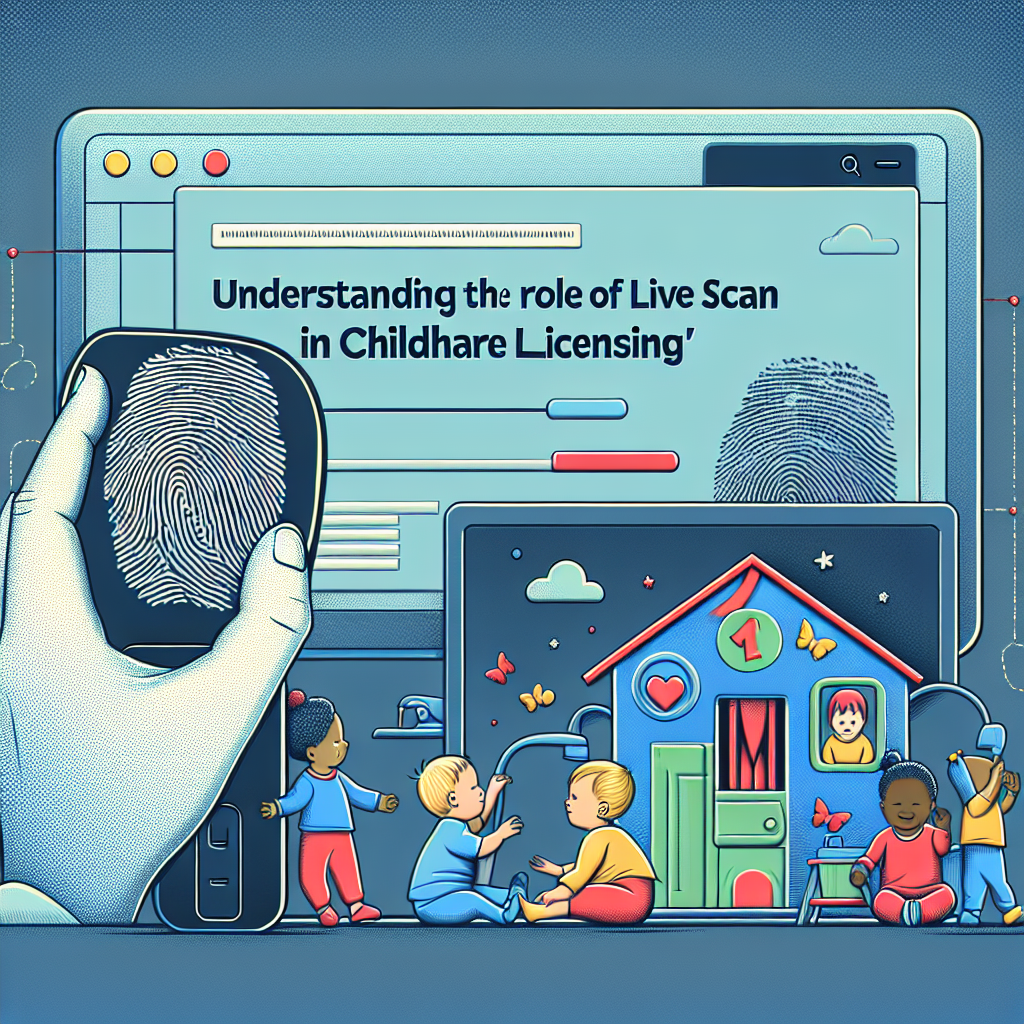
  • Understanding the Role of Live Scan in Childcare Licensing

    Understanding the Role of Live Scan in Childcare Licensing


    Understanding the Role of Live Scan in Childcare Licensing

    Understanding the Role of Live Scan in Childcare Licensing

    Introduction

    In the world of childcare licensing, keeping kids safe is the most important thing. One of the tools that help make sure places are safe for children is called Live Scan, a really important technology. In this blog post, we’ll learn about why Live Scan is important, how it works, and why it’s so crucial for childcare licensing.

    What is Live Scan?

    Live Scan is a new, electronic way to take fingerprints for background checks. It’s much cooler than using ink and paper. This technology captures fingerprints straight into a digital format, which makes the process faster and more accurate. Unlike the old method, which could be smudgy or hard to read, Live Scan cuts down on mistakes, making sure the information is correct and dependable.

    Why Background Checks Matter in Childcare

    Background checks are super important in the childcare world. They help check if people wanting to work with kids have any bad history. Studies show that these checks have stopped many problems by not allowing people with criminal pasts to work with children. Laws usually require these checks to keep kids safe, making them a must-do part of getting a license to work in childcare.

    How to Get a Live Scan for Childcare Licensing

    Going through a Live Scan for a childcare license is easy. Here’s a step-by-step guide to help you:

    1. Find an Authorized Live Scan Location: Go to a place that’s approved for Live Scan to get started.
    2. Bring Important Documents: Make sure you have a photo ID and any forms the licensing board needs.
    3. Get Fingerprinted: The technician will show you how the Live Scan fingerprinting works.
    4. Finish Your Application: After your fingerprints are taken, complete any other steps or forms needed.
    5. Wait for Results: You usually get the results back in a few days to a couple of weeks, depending on how long it takes to process.

    Questions People Often Ask

    • How long does the Live Scan take? The actual scanning takes just about 10-15 minutes.
    • What if my Live Scan is rejected? If there’s a problem, like unreadable prints, you’ll be told and need to do it again.
    • How are my results kept safe? Live Scan results are sent securely to the background check databases, keeping them private and confidential.

    Why Live Scan is Better for Childcare Licensing

    Using Live Scan instead of other methods has lots of benefits:

    • More Accurate and Reliable: Live Scan captures fingerprints better and has fewer errors.
    • Fast and Efficient: Results come back faster, so you wait less.
    • Secure Handling: Digital transmission keeps the data safe and reduces the risk of it being tampered with or lost.

    How Live Scan Fits into the Childcare Licensing Process

    Live Scan is an important part of getting a childcare license. After you finish training and meet the education needs, you do the Live Scan process. This happens before or during your final application, helping make sure only those who pass the checks get licenses.

    Common Confusions About Live Scan

    Even though it’s effective, people sometimes misunderstand Live Scan. Some think it’s hard to use or worry about its safety, but those worries aren’t needed. It’s designed to be easy and secure. If someone has trouble, like if fingerprints don’t show up well, it might be due to dry hands or skin issues, which can be fixed with things like lotion or staying hydrated.

    Real-Life Examples

    Think about a childcare center where a new worker went through Live Scan. It showed that they had a criminal record, stopping potential danger. Many childcare places using Live Scan say it makes things easier and raises their safety and trust standards.

    Conclusion

    In summary, Live Scan is crucial for keeping childcare places safe. As technology improves, its use promises even more efficiency and security in getting licenses. Childcare providers should learn about these tools to make sure they meet requirements and keep kids safe.

    Extra Help

    To learn more, check out the California Department of Justice’s Live Scan Page. To find a Live Scan provider near you or if you need more help, visit Live Scan Locations. For a detailed guide on childcare licensing, you might want to read Child Care Licensing Resources.

    By understanding and using the role of Live Scan in licensing, people in childcare can help create safer and more secure places for children.

    Call to Action

    Want to learn more about how we can help with your Live Scan and childcare licensing needs? Visit us at Tags Clinic at 3845 University Ave, San Diego, CA or give us a call at 619-777-9046. Our dedicated team is ready to provide you with the best possible service. Don’t wait, get in touch today!


  • Dr. DMV at Tags Clinic’s Top Tips to Avoid DMV Mistakes

    Dr. DMV at Tags Clinic’s Top Tips to Avoid DMV Mistakes


    Dr. DMV at Tags Clinic’s Top Tips to Avoid DMV Mistakes

    Dr. DMV at Tags Clinic’s Top Tips to Avoid DMV Mistakes

    Introduction

    Going to the DMV can feel really tough with long lines and confusing forms, but Dr. DMV at Tags Clinic is here to help! Dr. DMV is an expert in DMV services and wants to make your trips there less stressful. Whether you’re registering a car or transferring a title, Dr. DMV has the tips you need to avoid mistakes and have a smoother experience at the DMV. Here are ten practical tips to help you finish your DMV tasks without any hassles.

    Understanding Common DMV Mistakes

    Let’s admit it, mistakes happen often when dealing with DMV tasks. These mistakes, like filling out forms wrong or forgetting documents, can cause big problems. You might face delays, fines, or have to do extra paperwork. Getting ready properly for your DMV visits can help you avoid these issues.

    Preparation: The Key to Success

    Tip 1: Gather Necessary Documents

    Make sure you have all the required documents before going to the DMV. Here’s a quick checklist:

    • ID Renewal: Bring your current ID, social security number, and proof of residency.
    • Vehicle Registration: Bring your current registration, proof of insurance, and a smog certificate if needed.
    • Title Transfer: Bring the vehicle title, bill of sale, and smog certificate.

    Tip 2: Know Your Requirements

    Each state has different DMV rules. Research your own state’s requirements for each service. Use the DMV website to find the right information for your state.

    Scheduling and Timing

    Tip 3: Make an Appointment

    Avoid waiting too long by scheduling an appointment. Appointments help make your visit smoother and can be made easily through your local DMV’s appointment system.

    Tip 4: Avoid Peak Hours

    Try to visit the DMV when it’s not as crowded. Mid-week, early in the morning, or late afternoon are usually less busy times compared to Mondays or the start and end of the month.

    Form Accuracy and Completeness

    Tip 5: Double-Check Your Forms

    Before you go to the DMV, make sure your forms are correct. Common mistakes include incorrect information or missing signatures. Make sure everything is right to save time.

    Tip 6: Use Online Form and Pre-Check Services

    Some DMVs allow you to fill out forms online and have them checked in advance. This can help reduce mistakes and speed up your visit.

    Financial Preparedness

    Tip 7: Understand Fees and Payment Options

    Know the fees for the DMV service you need. Fees can be different based on what you’re doing. Make sure you know what payment types are accepted, like cash, check, or credit card, to avoid any issues.

    Important Updates and Regulations

    Tip 8: Stay Informed about Changes

    DMV rules can change, so it’s important to stay updated. Check official DMV websites and sign up for newsletters to know about any new rules.

    Handling Unexpected Issues

    Tip 9: Know How to Resolve Common Problems

    If something unexpected happens, like a missing document or surprise fee, don’t worry. Be ready to fix issues by knowing how to get extra documents or handle problems.

    Tip 10: Utilize Customer Support and Helplines

    DMV support is there to help you. Whether it’s a helpline or help at the DMV office, don’t be afraid to ask for help if you’re stuck or have questions.

    Conclusion

    You can have a good DMV visit if you prepare and stay informed. By following these tips from Dr. DMV, you can avoid common mistakes and have a more pleasant experience. We’d love to hear about your DMV trips and any questions you have for future tips.

    Additional Resources

    For more help, check out these sites:

    Call to Action

    Want a stress-free DMV experience? Come to Tags Clinic at 3845 University Ave, San Diego, CA, or call 619-777-9046. With Dr. DMV’s expertise, we provide quick and efficient service better than standard DMV offices. Book an appointment today and see the difference!


  • 5 Must-Have Features on Your Website for Out-of-State CA Registration Leads

    5 Must-Have Features on Your Website for Out-of-State CA Registration Leads


    5 Things Your Website Needs for Out-of-State CA Registration Leads

    5 Things Your Website Needs for Out-of-State CA Registration Leads

    Introduction

    In today’s busy world, helping people from other states register their vehicles in California can make your business stand out. When they want to register a vehicle in California, they usually start by looking online. A good website for these potential customers makes the experience easy for them and improves your chances of getting new clients. Here are five important things your website needs to attract and keep visitors who want to register their vehicles from out-of-state.

    1. Easy-to-Use Navigation

    Why It’s Important

    People from other states might not know California’s registration rules. Easy navigation helps them find the information they need quickly.

    What to Include

    • Easy menu options: Make sure visitors can find their way around your website with no trouble. Organize information so it makes sense, even for first-time visitors.
    • Easy-to-find contact information: Show your phone number, email address, and other contact details clearly. This builds trust and makes it easy for people to reach out.
    • Obvious call-to-action (CTA) buttons: Guide visitors to take actions like “Learn More,” “Contact Us,” or “Start Registration” to make the process smooth for them.

    2. Helpful Information

    Why It’s Important

    Teaching visitors about out-of-state California registration makes you look trustworthy and helps clear up any confusion.

    What to Include

    • Detailed FAQs: Answer common questions out-of-state clients might have, making your site a useful resource for them.
    • Blog posts and guides: Write about different registration situations. These can teach visitors and help your website show up in search engines.
    • Interactive tools: Add things like calculators or quizzes to help users figure out what steps they need to take.

    3. Simple Online Forms

    Why It’s Important

    Making it easy to enter information means more people will fill out forms, and they will be happier doing it.

    What to Include

    • Forms for mobile devices: Make sure forms work on smartphones and tablets so they are easy to fill out anywhere.
    • Autofill and progress steps: Use autofill features and progress steps so users can see how far along they are and finish the forms easily.
    • Save and return options: Let users save what they’ve started and come back later, especially for long forms that need extra paperwork.

    4. Great Customer Support

    Why It’s Important

    Quick help keeps people interested and builds trust, which is key to turning them into clients.

    What to Include

    • Live chat: Provide real-time help so users can get answers fast, which can keep them on your site longer.
    • Special customer support line: Have a direct phone line for out-of-state questions for added support.
    • Email support with templates: Use templates to reply to common questions quickly and consistently.

    5. Safe Payment System

    Why It’s Important

    People need to trust you with their money when paying for registration fees online.

    What to Include

    • Safe payment systems: Use payment services known for their security and make sure user data is safe.
    • Clear pricing: Show fees clearly, so there are no surprises for customers.
    • Automatic receipts: Send payment confirmations right away to build trust in the process.

    Conclusion

    Adding these five things not only makes using your website better but also increases your chances of getting more out-of-state California registration leads. Check your current website and think about these improvements to make it more effective and attract more people.

    Extra Tips

    • Use SEO by adding local and industry-related keywords to your site.
    • Ask for customer feedback and update your website based on their suggestions.
    • Add internal links to related content to make navigating your site easier.

    Improve your website to give visitors a great experience and turn them into loyal clients. Make these changes to help your website bring in more leads and reach customers from other states.

    Call to Action

    We’re eager to help you achieve more. Visit us at Tags Clinic at 3845 University Ave, San Diego, CA or call us at 619-777-9046. We can’t wait to connect with you and help you with your needs!


  • DMV Law Spotlight: New Regulations on Traffic Violations and Their Impact on Insurance

    DMV Law Spotlight: New Regulations on Traffic Violations and Their Impact on Insurance


    DMV Law Spotlight: New Rules on Traffic Violations and How They Affect Insurance

    DMV Law Spotlight: New Rules on Traffic Violations and How They Affect Insurance

    Introduction

    Traffic laws are really important for keeping things organized and safe on the roads. They help us all follow the same set of rules so there’s no confusion or accidents. Recently, some big changes were made to the rules about traffic violations, and these could affect drivers and their insurance. It’s super important to know about these changes, not just to follow the rules, but also to see how they might affect your car insurance.

    Overview of New Traffic Violation Rules

    The new traffic violation rules make some changes to make sure drivers are safer and follow the rules more closely. Some of these changes might make penalties tougher for things like speeding, running red lights, and driving while distracted. There are also stricter rules for serious offenses like driving under the influence (DUI). A big change is the use of technology to help catch rule-breakers, like automated ticketing systems.

    Different places will start using these new rules at different times, but most plan to have them ready in the next 6-12 months. Drivers will need to adjust quickly because the rules will be enforced strictly, maybe with more police patrols and cameras.

    Impact on Drivers

    These new rules could change how drivers behave every day. Since the penalties are tougher, people will need to be more careful. Breaking the rules could mean big fines, points on your license, and maybe even losing your license temporarily if you keep breaking the rules.

    To avoid these penalties, drivers should learn the new laws and adjust how they drive. Things like sticking to speed limits, ignoring distractions like phones, and not driving aggressively can help you follow the rules.

    How Traffic Violations Affect Insurance

    Traffic violations can make your insurance go up because they show you’re a bigger risk. Insurance companies check driving records to see how likely you are to have an accident. If you get a traffic ticket, it tells the insurance company you might not be a safe driver, so they might charge you more.

    Insurance companies usually look at your driving record when it’s time to renew your policy. Even a small ticket can make your insurance more expensive, and having a lot of tickets means your rates could go way up.

    How Insurance Prices Might Change

    The new traffic rules might cause insurance prices to change. With stricter rules, more people might get tickets, which could lead to higher insurance rates. Insurance companies might change how they figure out prices because they expect more people might break the rules.

    For example, if you’ve always had a clean record and then you get a speeding ticket, you might see your insurance go up. Some companies might also ask you to take safe driving courses to help you keep costs down.

    How to Keep Insurance Costs Down

    Here are some tips to keep your driving record clean and your insurance costs low:

    1. Drive Safely: Stick to speed limits, use signals for direction changes, and avoid distractions.
    2. Stay Informed: Keep up with new traffic rules and laws.
    3. Take Safe Driving Courses: Some insurance companies give discounts for completing these courses.
    4. Talk to Your Insurer: If you get a ticket, talk to your insurance company about how it affects your policy.

    Using Technology to Help with Driving

    Technology is helping to watch traffic and help drivers follow the rules. Tools like insurance telematics, which track your driving habits, can give you tips on how to drive safer and maybe lower your insurance costs. These systems watch how fast you drive, how you brake, and when you travel to judge your driving risk.

    What Experts Say

    Experts in law say that while the rules are tougher, the goal is really to make roads safer. Insurance experts think that while prices might go up at first, drivers who are careful and use new technology can keep their costs down over time.

    Conclusion

    Knowing about changes in traffic laws can help drivers avoid tickets and manage their insurance better. While the new rules might seem tough, being proactive can help keep problems minimal. Drivers should focus on following the rules and the benefits of keeping a clean driving record.

    Extras

    • Check your local DMV website for official information on the new rules.
    • Contact your local DMV or insurance agent for personalized tips.
    • Look for educational resources and driving courses to learn more about traffic laws and insurance.

    Call to Action

    If you have more questions or need professional advice, please feel free to visit us at Tags Clinic located at 3845 University Ave, San Diego, CA. You can also give us a call at 619-777-9046. We are eager to assist you and ensure that your driving experience remains safe and compliant with new traffic rules.