Author: Dr. DMV – California Vehicle Specialist

  • Avoiding DMV Mistakes When Registering an Imported Vehicle

    Avoiding DMV Mistakes When Registering an Imported Vehicle


    Registering Your Imported Vehicle Easily | Avoid DMV Mistakes


    Avoiding DMV Mistakes When Registering an Imported Vehicle

    Introduction

    Registering an imported car can be exciting but also a bit tricky. Whether you’ve brought in a classic car, a fast sports car, or a rare model, it’s important to navigate the registration process correctly so you can enjoy your new ride legally. Understanding the rules and avoiding common DMV mistakes can save you time, money, and effort. In this blog post, we’ll guide you through the steps to make sure registering your car goes smoothly.

    Understanding Vehicle Import Regulations

    Before you start the registration process, it’s important to know the rules for importing vehicles. Both federal and state regulations are important. Your car must meet the standards of the Department of Transportation (DOT) and the Environmental Protection Agency (EPA) to be legally driven.

    • DOT and EPA Compliance: Make sure your car meets safety and environmental rules.
    • Resources: Use government websites to check if your car complies before you import it.

    Initial Steps Before Registration

    Before you head to the DMV, get ready with these steps:

    • Verify Vehicle Eligibility: Make sure your car meets all the import and registration rules.
    • Gather Necessary Documents: Collect all important papers like the bill of sale, import declarations, and compliance documents.
    • Registered Importer (RI): Understand what RIs do and how they can help with compliance and needed changes to your car.

    Preparing for the DMV Appointment

    Being prepared is important when you go to the DMV:

    • Required Documents: Bring all the original documents like proof of ownership, import papers, and compliance certificates.
    • Scheduling Tips: Make your appointment ahead of time and learn what to expect during your visit.

    Call to Action

    For more tips and help with DMV services, reach out to Tags Clinic. Book an appointment today for a stress-free registration process. Visit us at 3845 University Ave, San Diego, CA, or call us at 619-777-9046. For more information, visit our website at tagsclinic.com.


  • DMV News: An Insider’s Look at the Latest Updates on REAL ID Enforcement

    DMV News: An Insider’s Look at the Latest Updates on REAL ID Enforcement

    “`html


    DMV News: A Peek at the New Rules for REAL ID

    DMV News: A Peek at the New Rules for REAL ID

    Introduction

    In today’s world, keeping things safe is really important. So, making sure you know about the new REAL ID rules is a must, especially if you plan to visit federal buildings or fly within the country. In this post, we’ll dive into what REAL ID is, look at the latest changes, and help you get ready in a simple way.

    Understanding REAL ID

    The REAL ID Act was passed in 2005 after 9/11 to make sure all states make ID cards the same way. This helps keep everyone safe. A REAL ID is different from a regular driver’s license because it has a star on top. You need it to fly on a plane or go into certain government buildings. The main goal is to make sure everyone has a safe and reliable ID.

    Recent REAL ID Updates

    There have been new updates about REAL ID from the DMV. The Department of Homeland Security (DHS) has moved the deadline for everyone to have a REAL ID because of COVID-19. Now, the deadline is May 3, 2023. Sometimes, the rules to get a REAL ID or the deadline might change, so it’s important to stay informed. These changes mean that if you don’t have a REAL ID after the deadline, you might not be able to fly with a regular license.

    How REAL ID Changes Affect Us

    These new updates mean there will be more people trying to get a REAL ID. This could make the lines longer at the DMV. People might have a hard time knowing what they need to get a REAL ID. DMV workers are getting ready to help everyone get through the process smoothly.

    How to Get Ready for REAL ID

    Here’s an easy guide to help you get your REAL ID:

    1. Collect Important Papers

      • Proof of who you are (like a birth certificate or passport)
      • Proof of your Social Security Number (like a social security card)
      • Two pieces of mail that show where you live (like a utility bill)
    2. Make a DMV Appointment: Check your local DMV’s website to find a time. Book early to avoid long waits!
    3. Fill Out the REAL ID Form: If you can, fill out the form online before you go to the DMV.
    4. Go to Your Appointment with All Your Papers: Bring original papers or certified copies, not photocopies.

    Following these steps can help you get your REAL ID without having to come back for missing papers.

    How DMVs Are Helping

    DMVs are working hard to make getting a REAL ID easier. They offer helpful workshops, online guides, and customer service if you need help. Many local DMVs also let you wait in line virtually to cut down on waiting time.

    What’s Next?

    Experts think there could be more changes about REAL ID in the future, like how we fly or get into federal buildings. As technology grows and safety needs change, DMVs might need to change how they do things. That could mean stricter rules or new ways to prove who you are.

    Conclusion

    Staying updated on REAL ID is a smart move if you want to avoid last-minute surprises when the deadline hits. By learning about REAL ID and getting ready in advance, you can still enjoy all the places you need to go easily.

    Call to Action

    Feel free to share your thoughts or questions in the comments below. For more help, visit the official DMV website or the helpful links in this post. Don’t forget to subscribe to our newsletter for the latest DMV updates and info, so you’re always in the know and ready for any changes!

    Visit Tags Clinic

    We encourage our readers to visit our clinic, conveniently located at 3845 University Ave, San Diego, CA. We are always ready to offer you the best service and answer any question that you may have. Should you prefer to call, feel free to reach us at 619-777-9046. You can also check our website for more details about our services. We are waiting for you!

    Visit Tags Clinic


    “`

  • The Smog Check Checklist: How Dr. DMV at Tags Clinic Can Help You Prepare

    The Smog Check Checklist: How Dr. DMV at Tags Clinic Can Help You Prepare


    The Smog Check Checklist: How Dr. DMV at Tags Clinic Can Help You Get Ready

    The Smog Check Checklist: How Dr. DMV at Tags Clinic Can Help You Get Ready

    Introduction

    Nowadays, helping the environment is super important, and one way to do that is by getting a smog check for your car. Smog checks help reduce bad pollution and make sure your car is running well. At Tags Clinic, Dr. DMV and his awesome team want to make your smog check easy and stress-free. If you’re prepared, you can save time, money, and avoid having to re-test. Let’s see how to get ready for your next smog check with Tags Clinic.

    Understanding the Smog Check Requirement

    A smog check, also called an emissions test, checks how much pollution your car is putting out. It’s important for keeping our air clean and following the law. In California, if your car is more than six years old, you need a smog check every two years. But electric cars, hybrids, and some diesel cars don’t need one. Smog checks make sure your car meets environmental standards to protect our air. If you skip it, you could get fined or even have your car taken off the road.

    Preparing for Your Smog Check

    Getting ready is important if you want to pass your smog check. Here’s a step-by-step guide to help you:

    Gather Necessary Documents

    1. Vehicle Registration: Have your car registration with you.
    2. Previous Smog Check Reports: Bring old reports to compare with the new one.
    3. Repair Records: These can help solve any problems if there are issues.

    Perform a Pre-Check Inspection

    1. Engine Light and Exhaust System: Make sure the engine light is off because it means there could be problems.
    2. Tire Inspection: Check your tires are filled and not damaged. This helps with accurate results.
    3. Warm Up Your Vehicle: Drive your car a bit before the test; it can help with emissions.

    Routine Maintenance

    1. Regular Oil Changes: New oil helps reduce pollution.
    2. Air Filter Replacements: Clean filters make your engine work better and pollute less.
    3. Full Engine Tune-Up: Regular check-ups keep everything in top shape.

    The Smog Check Process at Tags Clinic

    At Tags Clinic, we make the smog check quick and easy. Here’s what to expect:

    • State-of-the-Art Equipment: We use new technology for precise results.
    • Certified Technicians: Our expert team does a good job inspecting your car.
    • Streamlined Process: We make sure everything is quick and easy for you from start to finish.

    Common Reasons for Smog Check Failures

    Knowing why smog checks fail helps avoid these problems:

    1. Oxygen Sensor Issues: Bad sensors can mess up fuel mixing.
    2. Worn-Out Spark Plugs/Ignition Systems: They are important for burning fuel right.
    3. Catalytic Converter Problems: It helps cut down emissions and can cause trouble if broken.

    Post-Check Steps

    If You Pass:

    • Certification: We update your vehicle certification at the DMV fast.
    • Record Keeping: Keep your certificate for later use.

    If You Fail:

    • Guided Repair: We guide you on fixing issues and getting re-tested.
    • Tags Clinic Solutions: We fix common problems causing failures.

    How Dr. DMV and Tags Clinic Help Customers

    Dr. DMV and his team want your smog check to be super smooth. Here’s how we help:

    • Personalized Consultations: Custom advice for getting your vehicle ready.
    • Documentation Assistance: We help with paperwork and documents.
    • Comprehensive Vehicle Services: From checks to repairs, we ensure your car passes the test.

    Conclusion

    Being prepared can make your smog check a success. It helps avoid re-testing stress and makes sure your vehicle runs well. Don’t wait until the end. Plan your smog check with Tags Clinic today and enjoy the expert service we provide. If you have questions, contact us – we’re ready to help.

    Additional Resources

    Call to Action

    We’d love to help you with your smog check needs. Visit us at Tags Clinic, located at 3845 University Ave, San Diego, CA. Should you have any queries, give us a call at 619-777-9046. For more details, visit our website: https://tagsclinic.com. We look forward to serving you!


  • How to Find Affordable Live Scan Services in Your Area

    How to Find Affordable Live Scan Services in Your Area


    How to Find Affordable Live Scan Services Near You

    How to Find Affordable Live Scan Services Near You

    Introduction

    Today, background checks are common for work, licensing, and volunteering. Live scan services help by electronically taking your fingerprints for a fast background check. This is important for schools, companies, and government places. But finding affordable live scan services nearby can make this step easier on your wallet.

    Understanding Live Scan Services

    What Are Live Scan Services?

    Live scan services use electronic means to take and send fingerprints for a background check. It’s quicker, cleaner, and more accurate than old ink fingerprinting. The fingerprints go straight to databases to get your info quickly, without the mess of ink.

    Common Uses and Needs

    Jobs, especially in areas like healthcare, finance, and education, often need live scans. They’re also required for certain licenses or when volunteering with people who need extra protection, ensuring safe environments everywhere.

    Benefits of Using Affordable Live Scan Services

    Choosing affordable live scan services has great advantages like:

    • Cost Savings: Lowering the costs tied to needed background checks.
    • Convenience and Accessibility: Easier to fit into busy lives with frequent service times.
    • Compliance without the Strain: Meeting legal needs without spending too much money.

    Tips for Finding Affordable Live Scan Services

    1. Look Up Local Service Providers

    Start by searching online or using search engines to find providers near you. Community places like libraries or local government websites often have lists or tips on where to find certified services.

    2. Compare Prices

    Make a list of possible service providers and contact them to ask about prices. Watch out for hidden or extra fees like transmission fees that might add to the cost.

    3. Look for Discounts or Special Offers

    Some providers give discounts to students, military, or offer packages that can really make it cheaper.

    4. Read Reviews and Opinions

    Read what others have said about the service. Places like Google, Yelp, and Better Business Bureau have real reviews showing if the service is reliable and customers are happy.

    5. Ask About Mobile Services

    Some providers come to you to do the live scan, which can be cheaper than missing work or traveling to a location, especially for bigger groups.

    6. Check Certification and Quality

    Pick licensed and certified providers to ensure correct and legal results. Check for certifications on the provider’s website or ask while contacting them.

    Pros and Cons of Different Live Scan Providers

    Private Companies

    • Pros: Faster service and more flexible hours.
    • Cons: Can cost more, and quality can vary a lot.

    Government or Non-Profit Organizations

    • Pros: Often cheaper with assured quality.
    • Cons: May have long waits and limited times, slowing down the process.

    Things to Consider When Choosing a Service

    • Location and Convenience: How close and easy is the service for you to reach?
    • Processing Speed: How fast can they finish your background check?
    • Customer Service Quality: Good service makes the whole thing easier and smooth.
    • Security and Privacy: Make sure your data is kept safely.

    How to Get Ready for Your Live Scan Appointment

    • Bring Important Papers: Take your ID and any forms you need.
    • Understand the Costs: Know the total cost upfront to avoid surprises.
    • Tips for Ease: Arrive early and have clean, dry hands for clear fingerprints.

    Conclusion

    Finding affordable and dependable live scan services can make meeting job or license needs much simpler. When done well, it saves time, money, and stress. Use these tips to start your search and focus on what’s most important to you.

    Extra Resources

    • Visit local government and community websites to find lists of certified live scan providers.
    • Contact local agencies for help finding certified service spots.

    Please share your experiences or tips in the comments, as your insights might help others find affordable and effective services!

    Call to Action

    We encourage you to visit us at Tags Clinic for your live scan needs. Our office is conveniently located at 3845 University Ave, San Diego, CA. If you have any questions or would like to schedule an appointment, please give us a call at 619-777-9046. You can also view more information about our services on our website tagsclinic.com. We look forward to assisting you with your live scan service needs.


  • Out-of-State Dealer Success Stories: Helping Customers Register in CA

    Out-of-State Dealer Success Stories: Helping Customers Register in CA


    Out-of-State Dealer Success Stories: Helping Customers Register in CA

    Out-of-State Dealer Success Stories: Helping Customers Register in CA

    Registering vehicles in California can be tricky, especially for dealers from other states. With California’s tough rules and special requirements, figuring out the process requires time and effort. In this blog post, we’ll share some success stories from out-of-state dealers who overcame these challenges. They’ll share helpful advice and experiences that might help you too.

    Understanding the Challenges

    For dealers from other states, registering vehicles in California comes with some obstacles:

    • Different State Rules: Each state has its own rules for registering vehicles. This can cause confusion when trying to register a vehicle in California.
    • Emission Standards: California has strict rules for vehicle emissions. Understanding these rules is important for registration.
    • DMV Processes: The DMV’s processes in California can be complicated and take a lot of time due to different timelines and procedures.

    These challenges can be frustrating, but with the right approach and resources, success is possible.

    Success Story #1: Small Dealership’s Journey

    Let’s meet a small dealership that wanted to sell cars in California. At first, they faced a lot of registration challenges, from figuring out state rules to understanding California’s emission standards.

    How They Succeeded:

    1. Hiring Local Experts: The dealership teamed up with local DMV consultants who helped them understand California’s registration maze.
    2. Training: They made sure their staff knew all about California’s requirements, which helped with accurate registration.
    3. Outcome: By getting through the tough parts, they were able to grow their business as customers started trusting them more.

    Success Story #2: A Tech-Driven Approach

    Nowadays, technology plays a big role, and one smart dealership used digital tools to simplify the California vehicle registration process.

    Key Tools and Strategies:

    • Digital Solutions: They used online platforms to get paperwork done faster and more accurately.
    • Automation: Automation tools helped avoid human errors, which meant fewer common registration mistakes.

    Results:

    This approach helped the dealership save time and money, and their customers got their cars registered faster.

    Success Story #3: Customer Experience Focus

    Another dealership found that focusing on customer experience during registration provided big rewards.

    Innovation in Customer Relations:

    • Effective Communication: They kept in touch with California DMVs, giving their clients clear timelines and expectations.
    • Feedback: They encouraged customers to give feedback, which they used to improve their service.

    Customer Satisfaction:

    Focusing on customer experience led to high customer satisfaction. Happy customers returned and referred others.

    Expert Tips for Out-of-State Dealers

    Here are some expert tips to help out-of-state dealers with California’s registration process:

    1. Stay Updated: Frequently check for updates in California’s vehicle registration laws to avoid surprises.
    2. Build Relationships: Connect with local DMV offices to make processes smoother.
    3. Consider Third-Party Services: Use third-party services to efficiently handle complex registration cases.

    Common Pitfalls and How to Avoid Them

    Here are some common mistakes out-of-state dealers make, along with ideas to avoid them:

    • Lack of Knowledge: Not being informed about California’s specific requirements.
    • Documentation Errors: Not paying attention to details when completing registration paperwork.
    • Procrastination: Delaying responses or actions can lead to fines and unhappy customers.

    Conclusion

    Getting through California’s vehicle registration process can be done with the right knowledge, resources, and plans. By learning from others’ success stories, out-of-state dealers can overcome obstacles, keep customers happy, and grow their business. If you need expert help to ensure a smooth registration process, reach out to Tags Clinic.

    Additional Resources

    Call to Action

    We hope that these success stories and tips inspire you to partner with us to navigate through the California vehicle registration process. Please visit us at Tags Clinic located at 3845 University Ave, San Diego, CA or dial 619-777-9046. Our local experts are ready to guide you step-by-step and make your experience hassle-free. Interact with us today on our website tagsclinic.com


  • How the New DMV Laws Are Supporting Public Safety and Reducing Collisions

    How the New DMV Laws Are Supporting Public Safety and Reducing Collisions


    How the New DMV Laws Help Keep Us Safe and Reduce Accidents

    How the New DMV Laws Help Keep Us Safe and Reduce Accidents

    Introduction

    Road safety is really important for everyone who drives or uses the roads. Every year, many people get hurt or worse, because of crashes and traffic accidents. To help, the DMV is always updating the rules to make the roads safer. The new DMV laws are here to keep us safe and cut down the number of accidents. In this blog, we will look at the new changes and see how they make our roads safer.

    What Are DMV Laws?

    DMV laws are rules about driving and cars. They make sure cars are safe and drivers know the rules. These laws include things like car registrations, driver’s licenses, traffic rules, and safety guidelines.

    Recently, the rules have changed because people are worried about safety on the roads. Laws are reviewed often to include feedback from the public, experts, and new data. This helps make sure the safety laws are doing a good job.

    What’s New in the Laws?

    Tougher Rules on Distracted Driving

    Distracted driving, like texting while driving, is a big cause of accidents. The new laws make the penalties for these actions stricter, trying to stop drivers from getting distracted while driving.

    Improved DUI Rules

    To fight against drunk driving, the laws now have lower alcohol limits for drivers and more testing rules. These changes are meant to cut down on accidents caused by impaired drivers.

    Updates on Seatbelts and Child Seats

    The new laws make sure everyone is buckled up safely. They have updated rules for seatbelts and child seats which help reduce injuries in case of an accident, saving many lives.

    Tech That Helps Prevent Accidents

    • Promoting Advanced Vehicle Technologies: The laws promote tech like automatic brakes and adaptive cruise control which help make driving safer.
    • Encouraging Collision Avoidance Systems: New cars must now have anti-collision technology, which helps reduce the chances of accidents.
    • Making Rearview Cameras a Must: The laws make sure new cars have cameras that help drivers see behind them, which is safer.

    How These Laws Affect Us

    Everyday Drivers

    For drivers, this means learning about new safety practices and keeping up with required training so they follow the latest safety rules.

    Car Makers and Dealers

    Car manufacturers and dealers must ensure new models meet these safety requirements and include the advanced technology needed.

    Driver Education and Training

    Driving schools will update their lessons to teach about the practical and legal implications of the new technologies, helping drivers adapt to the changes easily.

    Real-Life Examples

    Some states have tried similar laws before, and they have seen fewer road accidents. For instance, one state had a big drop in texting-related accidents after implementing strict texting bans, proving these laws work.

    What People Think

    Public Opinions

    Some people feel these laws limit their freedom, but many others appreciate the focus on safety, especially those who have experienced the bad effects of loose rules.

    Safety Groups

    Safety groups think these changes are great and show progress toward safer travel conditions.

    Policymakers and Police

    Politicians and police see these laws as necessary for reducing traffic deaths and maintaining safe roads.

    Challenges and Concerns

    Driver and Owner Concerns

    Some drivers worry about technology malfunctioning or privacy. The costs of new mandates might also be challenging for some car owners.

    Enforcement Problems

    It can be hard to enforce these laws, especially in places with fewer resources. Making sure officials are well-trained will help.

    Privacy Worries

    New safety technologies bring privacy concerns. It’s important to have clear rules about data use to keep everyone’s trust.

    Conclusion

    The new DMV laws are essential in making roads safer and reducing accidents. By focusing on issues such as distracted driving and promoting safety technology, they offer a solid way to make driving safer. Let’s continue to be aware of and follow these rules to experience safer roads.

    Want to Know More?

    Try Tags Clinic for an easy DMV experience and stay updated on changes!

    Call to Action

    Looking for a reliable clinic for car registration and DMV services? Look no further. Visit us at Tags Clinic located at 3845 University Ave, San Diego, CA or give us a call at 619-777-9046. We ensure an efficient service and friendly staff. For more details, check out our website https://tagsclinic.com. We hope to see you soon!


  • How to Update Your Title and Registration After Moving to California

    How to Update Your Title and Registration After Moving to California


    How to Update Your Title and Registration After Moving to California: A Guide

    Introduction

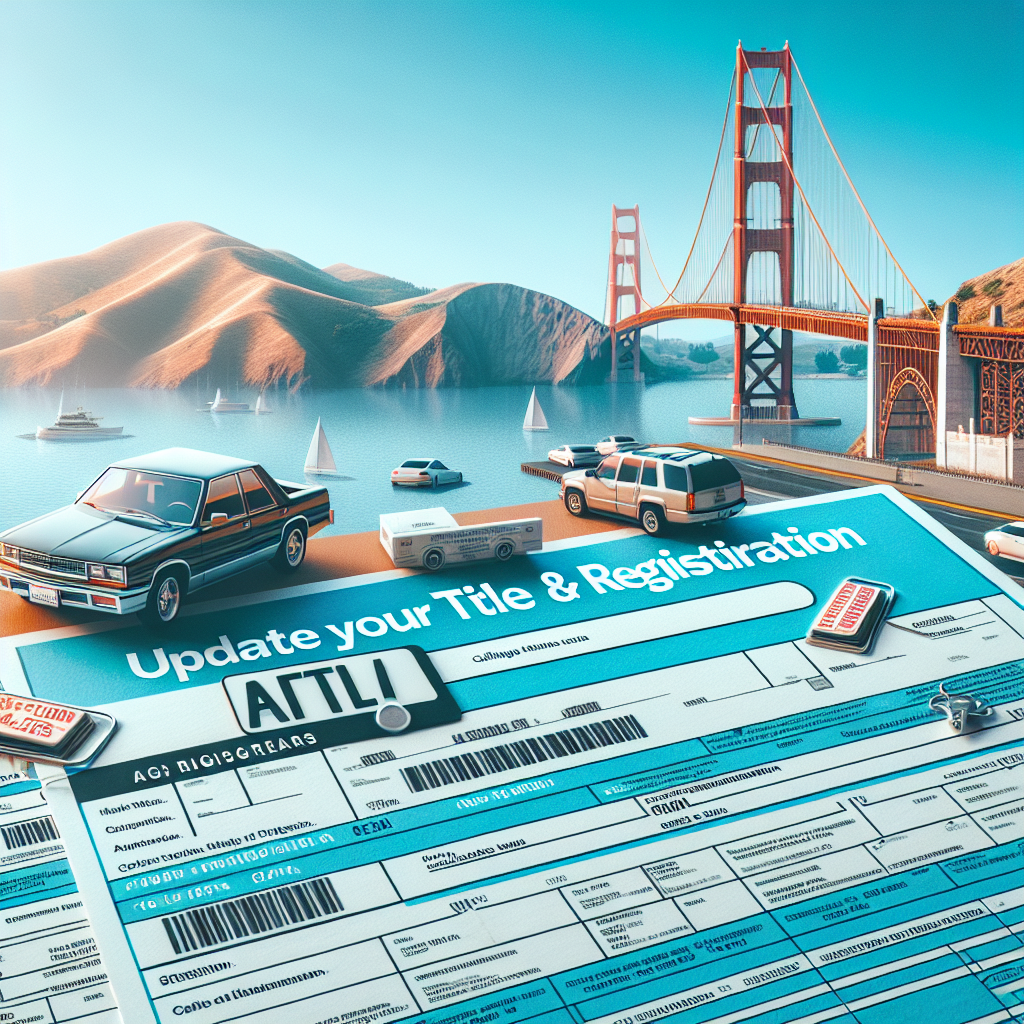
    When you move to a new state, like California, there’s a lot to do. One important thing is updating your car’s title and registration. You need to do this to follow the law and avoid getting into trouble. It’s also necessary so you can drive legally in your new state and enjoy the great roads in California. This guide will help you understand how to update your car’s title and registration without any hassle.

    Step 1: Know California DMV Rules

    First, learn what the California Department of Motor Vehicles (DMV) requires. Once you live in California, you have only 20 days to update your car’s title and registration. Don’t miss this deadline! If you do, you might have to pay fines, which nobody wants.

    What You’ll Need:

    • Proof that you live in California
    • Your driver’s license or ID card
    • Proof of car insurance
    • Your car’s current title

    Step 2: Collect the Documents You Need

    Collecting the right papers before you start will make things easier for you:

    • Current Vehicle Title: You need your car title from the state you moved from to switch it to California.
    • Proof of California Residency: This could be a utility bill or an apartment lease showing your new address.
    • California Driver’s License: If you don’t have one, any valid ID will do.
    • Proof of Insurance: Your car insurance should meet California’s rules.
    • Application for Title or Registration (Form REG 343): This form is the main part of what you need to fill out.

    Step 3: Pass a Smog Check

    California cares about the environment, so you may need a smog check:

    • Smog Check: If your car is over six years old, it likely needs a smog test.
    • Find a Station: Look for an approved smog check place nearby.
    • Exemptions: Some vehicles, like electric ones, might not need this test. Check with the DMV to know for sure.

    Step 4: Go to a California DMV Office

    After you have all your papers and smog test, visit the DMV:

    • Book an Appointment: Scheduling online can help you avoid long waits.
    • During Your Visit: Be ready for inspections and filling out more forms. Bring money to pay any fees.

    Step 5: Pay the Fees

    You will need to pay some fees for your title and registration:

    • Common Fees Include:
      • Fee for transferring the title
      • Registration fee
      • Smog check fee
    • How to Pay: Most DMVs take cash, checks, and cards. Sometimes, paying online is cheaper.

    Step 6: Get Your New Title and Registration

    After finishing everything, you will get your new title and registration:

    • Waiting Time: You should get them in the mail in a few weeks.
    • Track Your Papers: Some DMV offices let you track your paperwork online.
    • If There Are Delays: If you wait too long, call the DMV to find out what’s wrong.

    Tips for Making It Easy

    Here are some tips to make the process easier for you:

    • Get Organized Early: Have all your paperwork ready and check them over.
    • Use the Internet: The DMV website has lots of info and updates for you.
    • Ask an Expert: If you’re unsure, a professional can help you through it.

    Conclusion

    Updating your car’s title and registration is important and must be done on time. This way, you follow California laws and enjoy living in the state. Don’t wait too long—get started soon to avoid any penalties and stress!

    Extra Help

    Need more help with the DMV process? Visit Tags Clinic for expert assistance and make the DMV process easy. Book your appointment today!

    Call to Action

    Still need help? Come visit us at Tags Clinic, located at 3845 University Ave, San Diego, CA or give us a call at 619-777-9046. We’re always here to provide assistance. For more information, visit our website at https://tagsclinic.com. We look forward to seeing you!


  • How to Deal With a Failed Smog Check: Next Steps and Options

    How to Deal With a Failed Smog Check: Next Steps and Options


    What to Do If Your Car Fails a Smog Check: Steps and Choices

    What to Do If Your Car Fails a Smog Check: Steps and Choices

    Introduction

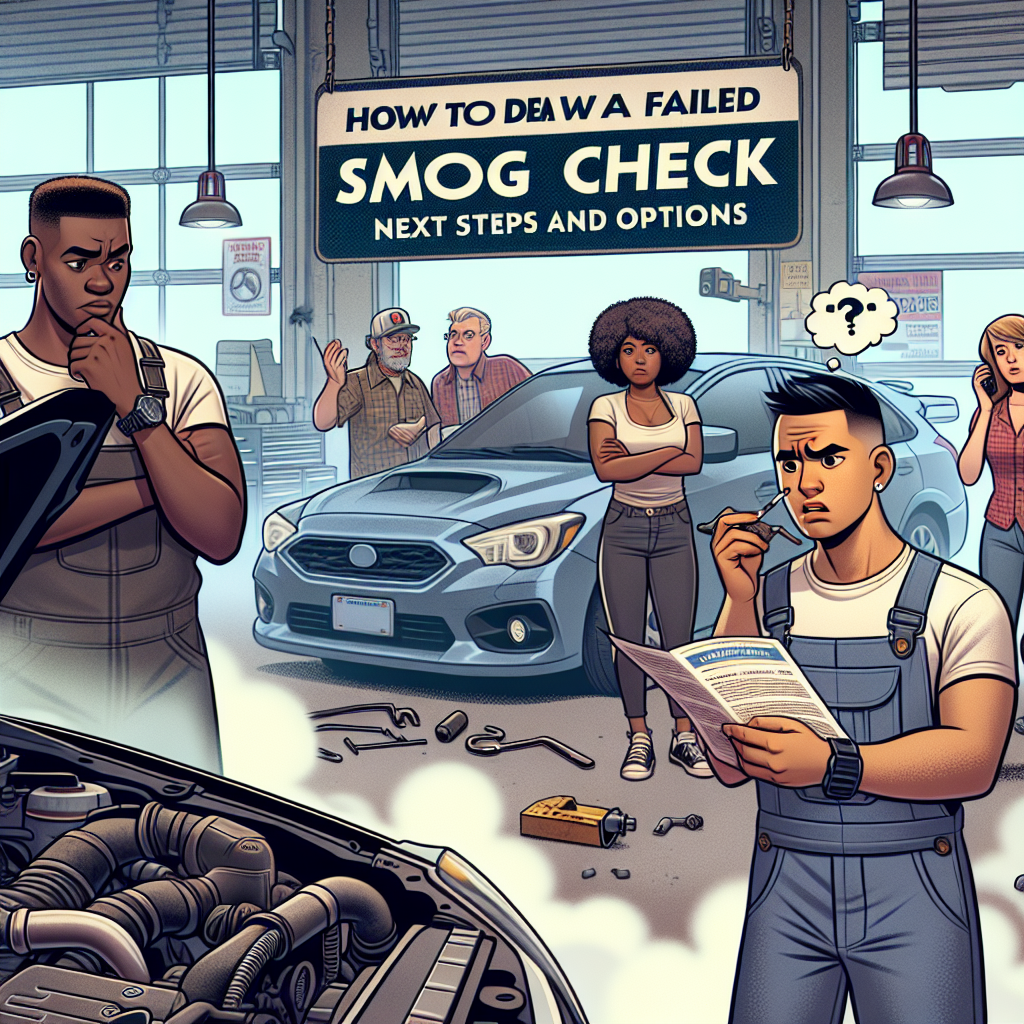
    Smog checks are important for keeping our cars running well and cutting down on pollution. They make sure cars meet state rules for emissions, which helps to keep our air clean. Sometimes, a car might fail a smog check for different reasons. This guide will explain what to do next if your car doesn’t pass the test.

    Why Did Your Car Fail?

    Common Reasons

    • Emission System Troubles: Your car might be letting out more pollution if something is wrong with the emission control system.
    • Broken Oxygen Sensor: This part checks the amount of oxygen in your car’s exhaust. If it’s not working right, it can mess up the fuel mixture and cause too much pollution.
    • Catalytic Converter Problems: This part helps to cut down exhaust emissions. If it’s broken, your car might fail the smog test.

    Reading the Smog Check Report

    It’s important to understand the smog check report. Look for words like “emissions components,” “fault codes,” or “inspection status.” These will help you know what caused the problem.

    What to Do First

    Stay Calm and Check Things Out

    Don’t panic! Gather your report and your car details. Knowing why your car failed will help you fix the problem quickly.

    Get Help from a Professional

    Find a certified mechanic who can do more tests to find out what’s wrong with your car.

    What Are Your Options?

    Fix the Problems and Try Again

    You need to repair the issues listed in the report.

    1. Make the Repairs: You might need to get a new oxygen sensor or fix the catalytic converter.
    2. Test Again: After fixing things, get your car tested once more to make sure it passes.

    Get a Second Opinion

    If you’re unsure about what needs fixing or the costs, you can ask another mechanic. This might help you find different problems or save money.

    Help with Repair Costs

    Financial Aid

    • State Rebates: Programs like California’s Consumer Assistance Program offer financial aid for repairs.
    • Check Eligibility: See if you qualify for help and apply to get support with the costs.

    Saving on Repairs

    Look for good and fair service providers. Ask a few mechanics for quotes to find a good price without losing quality.

    Know the Rules

    Ignoring smog check rules can lead to fines or stop you from registering your car. Make sure you meet state rules to avoid trouble.

    Help the Environment

    We all need to make sure our air stays clean. Keeping your car in good shape helps reduce pollution.

    Preventing Future Smog Check Failures

    Regular Checks

    Take care of your car regularly. Change air filters, spark plugs, and check the engine’s health.

    Keep an Eye on Your Car

    Watch for dashboard warnings and fix issues quickly. Routine check-ups will catch problems early.

    Conclusion

    Having your car fail a smog check can seem tough, but it’s manageable. By knowing why your car failed, fixing it, and taking care of it regularly, you can make sure the next smog check goes better. Being informed and ready is key to keeping your car and the environment healthy.

    Extra Resources

    Smog Check FAQ

    1. What if my car keeps failing smog checks? – Talk to a trusted mechanic to see if there are deeper issues or contact your state’s assistance program.
    2. Can I drive after failing a smog check? – Usually, yes, but fix the issues before your next vehicle registration.
    3. Are some cars exempt from smog checks? – Some old cars and electric ones might be exempt. Check with your local DMV.
    4. How often is a smog check needed? – Most states require it every two years, but check your state’s rules.
    5. Can small problems cause a smog test failure? – Yes, even little issues like a loose gas cap can cause a failure. Make sure everything is working right before the test.

    Call to Action

    We hope that you found this guide helpful. At Tags Clinic, we are committed to making your smog check as easy as possible. If you require any further assistance, feel free to visit us at 3845 University Ave, San Diego, CA or give us a call at 619-777-9046. You can also check out our website tagsclinic.com for more helpful information. Your satisfaction is our priority. Let us make your DMV needs easier!

  • The DMV Pitfalls of Ignoring Expiration Dates on Your Documents

    The DMV Pitfalls of Ignoring Expiration Dates on Your Documents


    The DMV Pitfalls of Ignoring Expiration Dates on Your Documents

    The DMV Pitfalls of Ignoring Expiration Dates on Your Documents

    Introduction

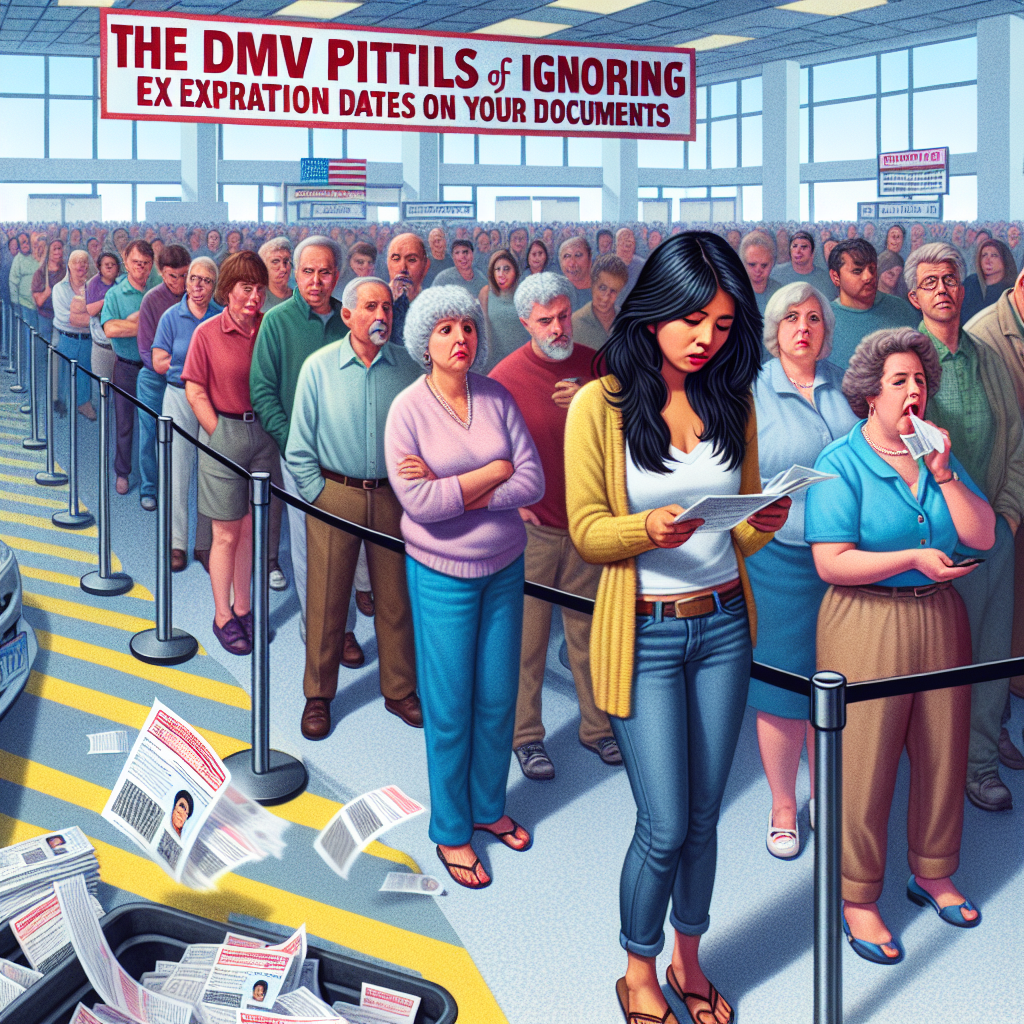
    In our busy lives, keeping track of expiration dates on our important government documents might not seem important. But if we miss these dates, it can cause big problems. From legal troubles to travel issues, ignoring expiration dates can lead to things we can avoid. This blog post will explain why it’s important to keep your documents up-to-date, understand expiration dates, the consequences of neglect, and how to stay on top of things.

    Understanding Expiration Dates

    Expiration dates are a part of many government documents, showing how long they are valid. Documents like driver’s licenses, vehicle registrations, and state IDs all have expiration dates. The DMV uses these dates to keep records updated and follow the law for everyone’s safety. Usually, people find out about expiration dates when they get their documents—through mail or electronic reminders—but it’s important to stay alert.

    Consequences of Ignoring Expiration Dates

    If you ignore renewing expired documents, it can cost you money. Driving with an expired license or registration can lead to fines. Reactivating expired documents is often more expensive and takes longer than renewing them on time.

    Impact on Driving and Vehicle Use

    An expired driver’s license means you can’t drive legally. Using a vehicle with an expired registration can make insurance claims difficult if there’s an accident. Plus, insurers usually require current registration for complete coverage.

    Travel and Identification Issues

    Expired IDs can mess up your travel plans, both in the US and abroad, since you need them for flights or crossing borders. Expired IDs can also cause problems when you need to prove your identity, like opening bank accounts or entering secure places.

    Common Reasons for Overlooked Expiration Dates

    The main reasons people ignore expiration dates are busy lives and thinking the renewal process is hard. Others might miss DMV reminders due to communication mistakes or digital clutter.

    Strategies to Stay Ahead of Expiration Dates

    Even with potential issues, there are simple ways to keep your documents up-to-date:

    • Set Digital Reminders: Use your phone or a digital calendar to set reminders months before expiration.
    • Subscribe to DMV Alerts: Sign up for email or SMS notifications from the DMV to get timely reminders about upcoming expiration dates.
    • Regularly Check Document Validity: Make a habit of checking your document expiration dates, ensuring renewals are done well in advance.

    Whether online, by mail, or in person, renewing documents doesn’t have to be hard. Here’s how to make it easier:

    1. Online Renewals: Many DMV services let you renew online for convenience.
    2. Mail-in Renewals: If this option is available, you can handle renewals without going to a physical location.
    3. In-Person Visits: For those who like to interact face-to-face or need more help.

    Always gather necessary documents and information (like vehicle ID numbers or existing licenses) before renewing to make it faster.

    How to Handle Expired Documents

    If your documents expire, act quickly:

    1. Contact the DMV: Find out about any penalties and steps needed to renew your documents.
    2. Understand Penalties: Accept any fines and work on becoming legal again fast.
    3. Explore Temporary Options: Some places offer provisional licenses or registrations to cover gaps, consider these if you need something immediately.

    Conclusion

    Keeping your documents current is important for your legal status and convenience in many parts of life. Developing good habits around managing expiration dates can save you time, money, and stress. We encourage you to review your documents today and take steps to make sure they are up-to-date.

    Your satisfaction and ease with DMV processes matter to us at Tags Clinic. Avoid lines, stress, and confusion by choosing our expert services for all your DMV needs.

    Additional Resources

    Call to Action

    At Tags Clinic, we’re here to make your DMV responsibilities as easy as possible. Visit us at 3845 University Ave, San Diego, CA or call 619-777-9046. You can also book an appointment online at our website tagsclinic.com for quick, hassle-free service today!

    Location


  • DMV Legislative Update: How New Laws Address Driver’s Privacy and Data Protection

    DMV Legislative Update: How New Laws Address Driver’s Privacy and Data Protection


    DMV Legislative Update: How New Laws Protect Drivers’ Privacy and Data

    DMV Legislative Update: How New Laws Protect Drivers’ Privacy and Data

    Introduction

    As our world gets more digital, keeping our personal information safe is really important. This is especially true for DMVs (Department of Motor Vehicles), which have a lot of our personal information. Recently, some new rules have been created to make sure drivers’ data is safe and used properly. This blog will tell you about these new laws and what they mean for drivers.

    Why Drivers Worry About Privacy

    DMVs collect lots of information about drivers. This includes important details like Social Security numbers, home addresses, and driving records. In the past, there have been problems with how this information was used, and sometimes people’s data was not kept safe. As technology changes, it’s important that the laws also change to protect drivers better.

    What the New Laws Do

    Several new rules are meant to protect drivers’ privacy and data. These rules make sure less data is collected, limit who can see the data, and ensure that drivers know how their information is being used. California, Massachusetts, and New York are some states that are leading these changes.

    Specific Changes and What They Mean

    Collecting Data

    1. Collecting Less Data: The new laws mean that DMVs will only collect information that is really necessary, so they aren’t storing more information than they need.
    2. Making Data Safer: The information collected must be turned into anonymous data and locked away securely, so it’s harder for people to see or steal without permission.

    Sharing Data

    1. Who Can See the Data: Only certain people and groups are allowed to see DMV data now. This means there is a much lower chance of people’s data being stolen.
    2. Rules for Sharing with Others: If a DMV shares data with other companies, those companies have to follow strict rules to keep the data safe.

    Being Open and Honest

    1. Telling Drivers About Their Data: DMVs must tell drivers how their data will be used and if it’s being shared with anyone else.
    2. Checking on DMVs: There will be regular checks to make sure DMVs are following the privacy rules.

    How This Affects Drivers and Others

    For drivers, this means their information is safer and they have more say in how it is used. However, DMVs now have to put some effort into changing their systems to follow these new rules. Companies that work with DMVs also need to make sure they are keeping data secure.

    What’s Different from Old Laws

    The new rules are a big change from the old ones. They offer better protection and have more specific instructions. But, it can also mean there is more work for DMVs and others to do.

    What’s Next?

    These new rules are important steps for keeping drivers’ information safe. In the future, there may be more rules that help protect privacy even better. Since technology and privacy issues keep changing, everyone has to keep paying attention to how things are done.

    Conclusion

    These new laws are really important for protecting drivers’ privacy. Drivers should know what their rights are and how their information is protected. We hope drivers will stay involved and talk to lawmakers about making privacy laws even better.

    More Information

    For additional informational resources, you can follow these links:

    Call to Action

    For all your DMV needs like vehicle registration or title transfers, contact Tags Clinic for fast and trustworthy service. No waiting in long lines required! Visit us at 3845 University Ave, San Diego, CA or call us at 619-777-9046. You can also book an appointment online by visiting our website. You deserve a hassle-free DMV experience!

    Visit TagsClinic.com