Author: Dr. DMV – California Vehicle Specialist

  • A Step‑by‑Step Timeline for Transferring Your Car to California

    A Step‑by‑Step Timeline for Transferring Your Car to California


    A Step-by-Step Timeline for Moving Your Car to California

    A Step-by-Step Timeline for Moving Your Car to California

    Introduction

    Moving your car to California is a big step that needs some planning. The state has special rules for cars, especially about emissions, that can make things tricky for newcomers. In this guide, we’ll show you step-by-step how to get your car registered in California. Follow these steps to avoid any fines, common mistakes, and save time and effort.

    Section 1: Getting Ready Before You Move

    Learn California’s Car Laws

    Before you drive to California, it’s important to learn about the state’s car laws. Knowing about their strict emissions and smog rules can help you avoid problems later. California has the toughest air quality rules in the country, so make sure your car meets them.

    Collect Important Papers

    To make your car registration easy, you’ll need some important papers. Here’s a list to help you:

    • Original vehicle title
    • Current registration card
    • Proof of insurance
    • Photo ID (like a driver’s license)
    • Smog Check certification (if needed)

    Keep all your papers organized so you don’t have to search for them later.

    Section 2: First Steps When You Get to California

    Get a Smog Check

    One of the first things to do when you arrive is to pass the state’s Smog Check. Look for an authorized Smog Check station online or ask locals. This test is necessary to make sure your car meets California’s air quality rules.

    Get Your Car Inspected

    It’s also a good idea to have your car inspected for safety at a certified place. These inspections check if your car is safe to drive in California. Find a nearby, approved inspection center as soon as you arrive.

    Section 3: How to Register Your Car

    Visit the California DMV

    Your next stop is the California Department of Motor Vehicles (DMV). Make an appointment online to save time. When you get there, you’ll explain your situation, give them your papers, and fill out some forms.

    Fill Out the Registration Form

    You’ll need to fill out Form REG 343 to register your car. Make sure you follow the instructions and fill in all the parts correctly. Double-check everything to avoid mistakes.

    Pay the Fees

    There are different fees for registering your car in California, which can depend on your car’s age, type, and other things. It’s smart to know these costs ahead of time so you can plan your budget.

    Section 4: Finishing the Transfer

    Get Your California Plates and Registration

    Once everything goes through, you’ll get your new California plates and registration. This usually takes a few weeks. Make sure you know how to put on the plates correctly.

    Update Your Insurance

    Last, make sure your car insurance meets California’s rules. You might need to look for a new insurance policy that gives you the right coverage. Many companies offer good rates, so compare different policies.

    Section 5: Extra Tips for a Smooth Move

    Changing Your Driver’s License

    As someone new to California, you’ll need to change your out-of-state driver’s license. Make visiting the DMV again a priority to do this within the time limit.

    Learn California’s Traffic Laws

    Getting to know California’s traffic laws is important for everyone new to the state. Some laws might be different from what you knew before—stay informed to avoid breaking any rules.

    Conclusion

    Moving your car to California takes some work, but by following this timeline, it will be easier. Start early to avoid problems or legal issues. If you’re unsure or need help, don’t hesitate to ask for professional help.

    Call to Action

    Need more help with DMV things without the headaches? Contact Tags Clinic at 3845 University Ave, San Diego, CA or call 619-777-9046. Our team is ready to help you through the whole process easily. Subscribe for more tips and the latest info on California DMV services.

    Resources


  • The Role of the California Bureau of Automotive Repair in Smog Checks

    The Role of the California Bureau of Automotive Repair in Smog Checks

    “`html

    The Role of the California Bureau of Automotive Repair in Smog Checks

    Introduction

    Smog checks are super important for keeping the air clean, especially in California. Cars and trucks can cause a lot of pollution. To make sure smog checks are done right, the California Bureau of Automotive Repair (BAR) takes care of the whole process. Let’s learn about the important job BAR does to protect our environment.

    What Are Smog Checks?

    Smog checks are tests to see how much pollution cars put into the air. They help find cars that are polluting too much so they can be fixed. California has been doing smog checks for a long time. Over the years, these tests have helped make the air cleaner and healthier for everyone.

    What Is the California Bureau of Automotive Repair (BAR)?

    BAR is a group that helps protect people in California when they get their cars fixed. They also make sure smog checks are done right. BAR makes sure that more than 30,000 car shops and workers do a good job. This keeps everything fair and honest in the car repair world.

    How BAR Helps with Smog Checks

    Certification and Licensing

    All smog check stations and workers need to be approved by BAR. This means they have to pass tests and use the right tools. This way, only skilled people can do smog checks and make sure cars are not putting too much pollution into the air.

    Standards and Regulations

    BAR decides what the rules for smog checks are. They set the limits for how much pollution a car can make. BAR is always learning new things to keep these rules up-to-date, so they can help protect the environment even better.

    Monitoring and Enforcement

    BAR regularly checks smog stations to make sure they are following the rules. If a station breaks the rules, BAR can give penalties or take other actions. This makes sure that people doing smog checks are honest and reliable.

    How a Smog Check Works

    1. Inspection: They check your car’s emission system.
    2. Testing: Special machines measure how much pollution your car makes.
    3. Results: If you pass, you get a certificate. If you fail, they tell you what to fix.

    There are different kinds of smog checks, like Test Only and STAR certified stations. What kind you need might depend on your car or registration needs.

    Helping Consumers

    BAR makes sure smog checks are clear and fair. If there are any problems, BAR can help solve them and protect your rights as a consumer.

    New Ideas and Future Plans

    New technologies have made smog checks better. BAR likes to use these new ideas to keep making smog checks fast and good for the environment. In the future, BAR wants to keep reducing car emissions and improving air quality.

    Conclusion

    The California Bureau of Automotive Repair is super important for making smog checks work well. By getting regular smog checks and understanding why they matter, car owners can help take care of the environment.

    What You Can Do

    Next time you need a smog check, be sure to go to a BAR-certified station. This way, you can be sure you’re getting a quality service. Check out BAR’s website for more info on keeping your car eco-friendly.

    Extra Information

    For more details, visit the California Bureau of Automotive Repair website. If you have questions or need help, you can contact BAR’s consumer support services. They’re ready to help!

    Call to Action

    We understand that getting your car checked might seem like a chore, but we at Tags Clinic make the process as smooth as possible. Our experts not only ensure your vehicle meets emission regulations but also give you peace of mind. Pay us a visit at 3845 University Ave, San Diego, CA or give us a ring at 619-777-9046. We are always eager to serve you! For more information, do visit our website tagsclinic.com.

    “`

  • DMV Roadblocks: How to Avoid Common Registration Hurdles

    DMV Roadblocks: How to Avoid Common Registration Hurdles


    DMV Roadblocks: How to Avoid Common Registration Hurdles

    DMV Roadblocks: How to Avoid Common Registration Hurdles

    Introduction

    Getting your car registered is an important step so you can legally drive on the roads. But for a lot of people, going to the DMV feels like entering a complicated maze filled with surprises. Whether it’s waiting in long lines, filling out lots of forms, or forgetting important papers, dealing with the DMV can be frustrating for everyone. But don’t worry! This blog post is here to help you find your way, avoid common problems, and make the registration process smooth and easy for you.

    Understanding the Basics of Vehicle Registration

    What Vehicle Registration Means

    Vehicle registration is something you need to do by law. It makes sure your car is recognized by the state, and it shows that you, as the car owner, are responsible for it. To register, you have to go to the DMV, where you’ll get a registration card and license plates.

    Why Vehicle Registration Is Important

    Registering your car is essential for several reasons. It helps with legal matters and makes it easier to identify your car during accidents or if it gets stolen. It proves you own the car and are responsible for it. Without registration, you can’t legally drive on public roads.

    Initial Registration vs. Renewal

    When you first register your car, you need more documents and there are more steps to follow. Renewing your registration is usually faster and easier, but both are important, even though they have different steps and requirements.

    Common DMV Registration Hurdles

    1. Missing Documents

    It is so annoying to wait in line and then realize you are missing an important piece of paperwork. Essential documents you typically need include:

    • Proof of ownership (like the title or bill of sale)
    • Identification
    • Proof of insurance
    • Emissions inspection certificate if needed

    Tips

    • Make a checklist of all the documents you need.
    • Organize your paperwork in a folder.
    • Double-check everything before you go to the DMV.

    2. Incorrect Information

    Mistakes in your registration forms can cause delays and even fines. Common mistakes include:

    • Misspelled names
    • Incorrect vehicle identification numbers (VIN)
    • Wrong addresses

    Tips

    • Review your forms several times.
    • Have someone else check them for you if you can.
    • Use online tools to verify your information if available.

    3. Failed Emissions/Safety Inspections

    Emissions and safety checks make sure your car is safe and good for the environment. If you don’t pass these tests, your registration can’t go ahead.

    Tips

    • Regularly service your car to avoid problems.
    • Learn about common issues that might cause you to fail.
    • Ask your mechanic for a pre-inspection check.

    Insider Tips for Making the DMV Experience Easier

    1. Online Options

    A lot of places let you do registration tasks online, which can save you time and effort.

    Benefits

    • Skip long lines.
    • Do things when it’s convenient for you.
    • Access online help and resources.

    2. Early Bird Gets the Worm

    Going at the right time can cut down your wait at the DMV.

    Tips

    • Go mid-week and mid-morning.
    • Use appointment systems if your DMV offers them.
    • Check the DMV’s schedule so you know when they are open.

    3. Know Your Fees

    Knowing what fees to expect can save you from surprises.

    Tips

    • Look up the DMV fee schedule before you go.
    • Be ready for extra fees like taxes or late penalties.
    • Bring some extra money just in case.

    Navigating Unique Situations

    1. Registering a New Vehicle

    If you just bought a new car, especially from a dealer, make sure you have all the sales and finance paperwork ready.

    2. Out-of-State Transfers

    If you’re moving to a new state, find out what their specific requirements are, like different fees or extra inspections you might need.

    3. Lost or Stolen Registration

    If you lose your registration, most DMVs can replace it. Keep a digital or photocopy of your documents to make this process quicker.

    Using Technology to Help with DMV Tasks

    Take advantage of technology to make DMV tasks easier. Many DMVs offer:

    • Mobile apps for reminders and tracking your registration.
    • Online calculators for figuring out fees.
    • Email alerts for when it’s time to renew.

    Conclusion

    With the right tips and a plan, dealing with DMV registration doesn’t have to be scary. By knowing what to expect, preparing ahead, and using tools available, you can make vehicle registration a lot less stressful.

    Call to Action

    Do you have your own DMV stories or tips? Share them with us in the comments! If you want more DMV tips and updates, subscribe to our blog. Remember, at Tags Clinic, we want to make your DMV experience as easy as possible! Don’t hesitate to visit us at 3845 University Ave, San Diego, CA or call us at 619-777-9046.


  • DMV News: A Look at the Latest Changes to Driver Testing Requirements

    DMV News: A Look at the Latest Changes to Driver Testing Requirements


    DMV News: A Look at the Latest Changes to Driver Testing Requirements

    DMV News: A Look at the Latest Changes to Driver Testing Requirements

    Introduction

    The Department of Motor Vehicles (DMV) helps keep our roads safe by setting rules and testing drivers. As technology and road accidents change, it’s important for driver testing requirements to stay up-to-date. This blog post will help you understand these changes, making it easier for new drivers to get their driver’s license.

    Background on Driver Testing Requirements

    Before we talk about the latest updates, let’s go over the usual steps you may already know about:

    • Written Knowledge Test: This test checks if you know road signs, laws, and safe driving habits.
    • Behind-the-Wheel Driving Test: This part makes sure you can drive a car safely.
    • Vision Test: This test confirms that you can see well enough to drive.

    Recent Changes to Testing Requirements

    The DMV has made some big changes to these tests to make sure future drivers are ready for the road.

    Written Knowledge Test Changes

    The written test now includes new topics like electric cars and advanced driving systems. The questions are also harder to better test what you know. To help you study, the DMV has new study guides and practice tests online.

    Behind-the-Wheel Test Adjustments

    The driving test has new routes that cover a variety of driving conditions. They have also added new ways to test how drivers handle modern cars. Some DMVs are using simulated tests, which can be another way to take the driving test but still check your skills
    thoroughly.

    Vision and Physical Requirements

    To keep everyone safe, the vision test now includes checks for color blindness and side vision. Some states are trying out physical tests for older drivers that check balance and coordination.

    Reasons Behind the Changes

    These updates happened for a few reasons:

    • Better Road Safety: The new tests include questions about advanced car technology and different driving conditions.
    • New Technologies: The tests now have questions about self-driving cars and eco-friendly vehicles.
    • Data and Trends: The changes respond to studies pointing out driver behavior and accident risks.

    How These Changes Impact Applicants

    If you’re getting ready for a test, here’s how these changes affect you:

    • Harder Questions: You’ll need to study more to understand the tougher questions, using new study materials.
    • Adapted Tests: Practice using simulators or on new test routes.
    • Vision/Physical Checks: Make sure you’re ready by passing the vision and physical exams, possibly seeking additional tests beforehand.

    Expert Insights

    DMV officials and driving instructors think these changes will make driver education better and help drivers learn the skills they need for today’s roads. They believe it will improve road safety.

    Resources for Drivers

    Here are some helpful resources for getting ready:

    • Study Guides & Practice Tests: DMV Study Guide | Online Practice Tests
    • Simulation Training: Try apps with virtual driving practice.
    • DMV Information Pages: Check your local DMV website for updates and preparation tips.

    Conclusion

    In short, the DMV’s changes to driver testing aim to make roads safer and adjust to new car technologies. Staying informed and prepared will help any new driver getting their license. Feel free to share your thoughts or questions in the comments.

    Call to Action

    Are you set to take on the new DMV testing requirements? Schedule your test and start studying now. Sign up for our newsletters to stay updated, or visit Tags Clinic to get ready for your driving test. Let us help you drive with confidence!

    Visit us now at 3845 University Ave, San Diego, CA or call us at 619-777-9046!


  • Maximizing Conversions: Out-of-State Dealer Marketing for California Registrations

    Maximizing Conversions: Out-of-State Dealer Marketing for California Registrations


    Maximizing Conversions: Out-of-State Dealer Marketing for California Registrations

    Maximizing Conversions: Out-of-State Dealer Marketing for California Registrations

    If you’re a car dealer outside of California, selling in this state isn’t just about selling cars. It’s like playing a big game with lots of rules. California is a great place to sell cars, but their vehicle rules can be tricky. If you want to sell more cars here, read on. This guide will help you understand California’s car registration and how to impress local buyers.

    Understanding California’s Vehicle Registration Process

    California is famous for Hollywood and beaches, but it also has tough car registration rules that can confuse dealers from other states.

    Here’s what’s important:

    Key DMV Rules for Out-of-State Cars:

    • Smog Certificate: Even new cars need to pass a smog check in California. Sometimes more tests are needed.
    • Usage Tax: California charges a tax on cars unless they’re being stored or shipped out of the state.
    • Title Transfer: Any car driven home in California needs a California title. You need to help customers with this.

    Getting registration right is super important. Mistakes or delays can lead to fines, and upset customers may not come back.

    Key Challenges for Out-of-State Dealers

    Selling cars in California isn’t easy. Here are some problems you might face:

    Complex Rules and Paperwork:

    There’s a lot of paperwork needed, which can slow things down. Customers like quick and easy—they don’t like lots of forms.

    Delivery Problems:

    Delivering cars from out of state isn’t always smooth. You may face several unexpected issues along the way.

    Building Trust:

    California buyers might doubt buying from an out-of-state dealer. Being honest with them is really important.

    Strategies for Good Marketing to California Residents

    Stand out by using these winning strategies:

    Make Your Online Presence Better

    • Optimization: Use keywords that mention how easy you make California car registration.
    • Testimonials: Share good reviews from happy California customers to build trust.

    Targeted Ads

    • Digital Campaigns: Use online ads that focus on California cities and towns.
    • Partnerships: Connect with California car forums and websites where people talk about buying cars.

    Build Trust with Honesty

    • Clear Communication: Explain the registration steps, costs, and any hidden fees clearly.
    • Helpful Resources: Write FAQs and blog posts about California car registrations to show you’re the expert.

    Helping with the Registration Process

    After you’ve sold a car, make registration easy for success:

    Simplify Paperwork

    • Guides and Templates: Give customers simple guides and forms that are easy to fill out.
    • Checklists: Provide a list of everything they need for California registration.

    Work with Local Experts

    • Collaborations: Partner with California-based registration services or DMV professionals for better help.
    • Local Representative: Have someone local to manage face-to-face talks if needed.

    Use Technology

    • Online Platforms: Allow electronic submission of documents to make things quicker.
    • CRM Systems: Use systems to track and help with the registration process.

    Case Studies and Success Stories

    Sharing real-life stories of dealerships that succeeded in California can motivate others. Talk about their best practices and strategies for success.

    Conclusion

    Getting into California’s car market is tough, but with the right plans, it’s possible. Understand the state’s registration rules and focus on your customers, and you’ll turn interested buyers into happy car owners.

    Are you ready to conquer the California market? Contact Tags Clinic to help you with registration services and make your California car selling dreams come true.

    Resources and Further Reading

    Remember, being prepared is the key to success in California. Let Tags Clinic help you enter this great market with confidence!

    Call to Action

    If you’re intrigued by what you’ve read, we encourage you to visit Tags Clinic at 3845 University Ave, San Diego, CA or call us at 619-777-9046. We’re committed to helping car dealers thrive in the California market.
    Click here to learn more about how we can help you succeed. We look forward to partnering with you!


  • Dr. DMV at Tags Clinic: Your Shortcut to Quick Auto Registration

    Dr. DMV at Tags Clinic: Your Shortcut to Quick Auto Registration


    Tags Clinic – Dr. DMV Services

    Dr. DMV at Tags Clinic: Your Shortcut to Quick Car Registration

    Introduction

    Welcome to Tags Clinic! Our goal is to change how you handle DMV services with Dr. DMV, a unique service that makes car registration quick, easy, and stress-free. For anyone who owns a car, getting it registered fast is not just nice—it’s necessary. Whether you’re busy with family or running a business, the last thing you need is to spend hours at the DMV. That’s where we step in.

    What is Dr. DMV?

    Dr. DMV is more than just a service; it’s your personal helper for car registration, offered only at Tags Clinic. Our team is made up of experts who know all about DMV processes. Unlike the usual DMV experience, Dr. DMV is here to save you time, reduce stress, and ensure everything follows the rules while you focus on what really matters.

    The Benefits of Quick Car Registration

    Choosing Dr. DMV at Tags Clinic comes with many benefits, including:

    • Saving time: Say goodbye to long lines and waiting. We’re here to get you in and out quickly, respecting your busy day.
    • Less stress: Avoid the headaches of regular DMV processes. Our easy service means less hassle for you.
    • Correctness and following the rules: Our professional team makes sure all your papers are right and follow California laws, reducing mistakes or fines.

    Services Offered at Tags Clinic

    Tags Clinic offers a range of services to cover all your DMV needs:

    • Car Registration Renewal: We make the renewal process simple and clear, so you stay compliant without the usual DMV back-and-forth.
    • New Car Registration: From necessary documents to final registration, Dr. DMV helps you every step of the way.
    • Title Transfers: Whether buying or selling a car, we make title transfers easy and fast.
    • Special Plates: Customize your vehicle with special plates. We help you choose and find what’s available.
    • Temporary Permits: Need a temporary permit? We make sure you get one quickly and easily.

    Why Choose Tags Clinic?

    There are many reasons why Tags Clinic is the best choice for DMV services:

    • Expertise: With Dr. DMV, you work with a team that knows all about car registration.
    • Easy systems: Our process is simple and includes direct customer support to help you at every turn.
    • Proven success: Our happy clients can confirm the effectiveness and professionalism that make Tags Clinic stand out.

    How to Get Started with Dr. DMV

    1. Schedule an Appointment: Contact us to set up a time that works for you.
    2. Prepare Your Documents: Bring the needed papers for your specific service.
    3. Visit Tags Clinic: Enjoy a smooth experience with our team handling all the details.

    Frequently Asked Questions (FAQs)

    1. How much does it cost to register a vehicle with Dr. DMV?

      Costs depend on the service you need. Contact us for a detailed quote.

    2. How long does the registration process take?

      Usually, our services are quicker than normal DMV times. Most registrations are done in one visit.

    3. Do I need an appointment?

      While walk-ins are welcome, setting an appointment makes the process faster.

    4. What should I bring for a registration renewal?

      You’ll need your vehicle title, proof of insurance, and payment for any fees.

    5. Can I get a temporary permit the same day?

      Yes, in most cases, we can give you a temporary permit during your visit.

    Conclusion

    Dr. DMV at Tags Clinic is more than a service—it’s your partner in dealing with the often-confusing world of car registration. Choose less stressful and faster solutions with the peace of mind that comes from knowing experts are taking care of your needs.

    Call to Action

    Ready to handle car registration without the usual pain? Contact Tags Clinic today to learn more, set up an appointment, or visit our website to access forms and resources. Don’t let DMV processes slow you down—let Dr. DMV take care of it all for you. Visit us at 3845 University Ave, San Diego, CA or call 619-777-9046 today!

    Additional Resources

    Join the many satisfied clients who have discovered the benefits of Dr. DMV at Tags Clinic and enjoy a more efficient way to register your car today!


  • Live Scan Fingerprinting: Top Tips for a Successful Appointment

    Live Scan Fingerprinting: Top Tips for a Successful Appointment


    Live Scan Fingerprinting: Top Tips for a Successful Visit


    Live Scan Fingerprinting: Top Tips for a Successful Visit

    Introduction

    These days, technology is super important, and Live Scan Fingerprinting is a big part of checking people’s identity and backgrounds. It’s faster, more accurate, and easier than the old ink and paper method. Whether you’re getting a new job, a license, or volunteering, it’s helpful to know how Live Scan Fingerprinting works.

    What is Live Scan Fingerprinting?

    Live Scan Fingerprinting captures your fingerprints digitally instead of using messy ink. This newer way is better because it’s more accurate and quicker. It sends your fingerprints straight to the right places, like the Department of Justice or the FBI, so there are fewer errors and faster responses.

    Getting Ready for Your Appointment

    To have a good Live Scan Fingerprinting appointment, you need to prepare well:

    Bring the Right Documents

    1. Photo ID: Make sure you have a valid ID, like a driver’s license or passport.
    2. Fingerprint Request Form: This should be given by your boss or the place that needs the fingerprints.
    3. Other Documents: Check if you need any other forms or papers.

    Check What You Need

    • Application Details: Look at the special instructions for your situation. Sometimes places need extra things from you.
    • Multiple Uses: If you need fingerprints for more than one reason, make sure you meet all the requirements.

    Picking the Best Place

    Choose a certified place to get your fingerprints done so it’s accurate and reliable.

    Find a Good and Nearby Spot

    • Reputation and Reviews: Look for a place with good reviews and a history of doing a great job.
    • Location: Pick somewhere close to you, so it’s easy to get to.

    Know the Costs and How to Pay

    • Price Info: Live Scan costs can be different, so be ready for that.
    • Payment: Check if you can pay with cash, card, or checks.

    Tips for Appointment Day

    Make your appointment day easy and stress-free with these tips:

    Dress Comfortably

    • What to Wear: Wear comfy clothes in case you need to fill forms or sit for a while.

    Arrive Early

    • Avoid Being Late: Get there at least 15 minutes early to handle any last-minute stuff and finish paperwork without rushing.

    Stay Calm

    • Good Fingerprints: Being calm helps get clear fingerprints, so you likely won’t have to do them again.

    Mistakes to Avoid

    Avoiding mistakes saves you time and trouble when getting fingerprints.

    Check Your Documents

    • Make Sure They’re Right: Check that all papers are filled out and correct to avoid delays.

    Follow the Rules

    • Do What’s Needed: Follow the facility’s rules to keep things easy.

    Don’t Change Appointments Last Minute

    • Avoid Problems: Changing your appointment can cause issues.

    After the Appointment

    Even after you’re done, there are still things to know.

    Know What’s Next

    • Submission Check: Make sure your fingerprints get sent and received.
    • Results: Learn when and how you’ll get the results.

    Track Your Submission

    • Check Processing: Make sure the place requesting your fingerprints gets them.

    Conclusion

    With the right prep, your Live Scan Fingerprinting will go smoothly. By getting your papers ready, choosing a good place, and having a stress-free day, you set yourself up for success. Being prepared is the best way to handle the Live Scan Fingerprinting process.

    Additional Resources

    For more info on Live Scan Fingerprinting, look online or ask local places for answers. You can check FAQs, government sites, or talk to experts if you need more help.

    Call to Action

    For a trusted and reliable Live Scan Fingerprinting service, visit us at Tags Clinic located at 3845 University Ave, San Diego, CA. You can also call us at 619-777-9046. We’re here to provide you with the best service for your needs.


  • How the New DMV Laws Are Addressing the Challenges of Out‑of‑State Registration

    How the New DMV Laws Are Addressing the Challenges of Out‑of‑State Registration


    How New DMV Laws Make Out-of-State Registration Easier

    How New DMV Laws Make Out-of-State Registration Easier

    Getting your car registered in a different state can feel like solving a tough puzzle. But thanks to new DMV laws, this tricky process is about to get a lot easier. Here’s what you need to know about how these new laws are making vehicle registration simpler when you move to a new state.

    Introduction

    Registering a car in a new state has always been pretty tough. Lots of paperwork, surprise fees, and long wait times have made people frustrated. Understanding these new DMV changes is important if you want an easier time registering your car.

    Background

    In the past, registering your out-of-state car meant going to the DMV a bunch of times and dealing with lots of confusing paper forms. This usually caused long delays and headaches. As more people move between states now, the need for a quicker and simpler registration process became clear. That’s why these changes happened.

    Overview of the New DMV Laws

    To cut down on the hassles, new laws and rules have been introduced in many states. The big goals are to make things more efficient, clearer, and easier for people.

    Key Parts of the New Laws

    Easier Paperwork

    One big change is less paperwork is required. Now, many states let you submit documents online, so you can finish your application quickly and correctly without leaving home. This update means fewer trips to the DMV and speeds up everything.

    Clearer Fees

    Fees that used to be different in each state are now more similar. Plus, states are adding options to pay online, so you don’t have to go to the DMV in person to sort out your payments.

    Better Verification

    Technology is helping with checking information. States use smart systems to check car and owner info fast and safely, which reduces fraud and helps the whole process go smoothly.

    More Time and Flexibility

    There are new timelines for registering cars from another state, with extra time if you need to gather documents or money. This “grace period” helps make the process fairer and less stressful.

    Technology and Innovation in DMV Services

    Digital tools are changing how DMV services work. New laws use these smart ideas to make things better. With secure online portals, you don’t need to visit in person as much, and tricky steps are easier. Car owners will find the registration process much simpler and more friendly.

    Good Things About the New Laws

    These changes mean DMV tasks get done faster and are clearer. For car owners, this means things move along more quickly, and people are happier because they don’t have to wait as long. Plus, with easier steps, more people will likely register their cars because it’s less of a hassle.

    Some Challenges and Concerns

    Though these changes are great, they might cause some short-term issues. Problems like making sure everyone can use the new tech and keeping information safe need to be solved so things go smoothly in every state.

    Stories and Examples

    Some states have already made these changes, and they’re working well. For example, California and Texas have happy car owners who like having less paperwork and quicker processing. These good stories show other states how helpful these changes can be.

    Conclusion

    In short, new DMV rules are changing how cars are registered when you move to a new state. As these rules roll out, we expect big improvements in how fast things get done, how happy people are, and how many people follow the rules. Staying flexible will be important as DMV services keep changing to fit what car owners need.

    Call to Action

    Ready to try an easier way to register your car? Check your local DMV’s website to learn more about the latest rules for you. Share your thoughts and experiences in the comments below—it would be great to hear from you!

    Additional Resources

    By accepting these changes, car owners can look forward to registering out-of-state cars quickly and simply.

    Come Visit Us at Tags Clinic

    Ready to make the registering process even easier? Come visit us at Tags Clinic, at 3845 University Ave, San Diego, CA, or give us a call at 619-777-9046. For more information, visit our website at tagsclinic.com. We’re always here to make your DMV dealings as simple and efficient as possible!


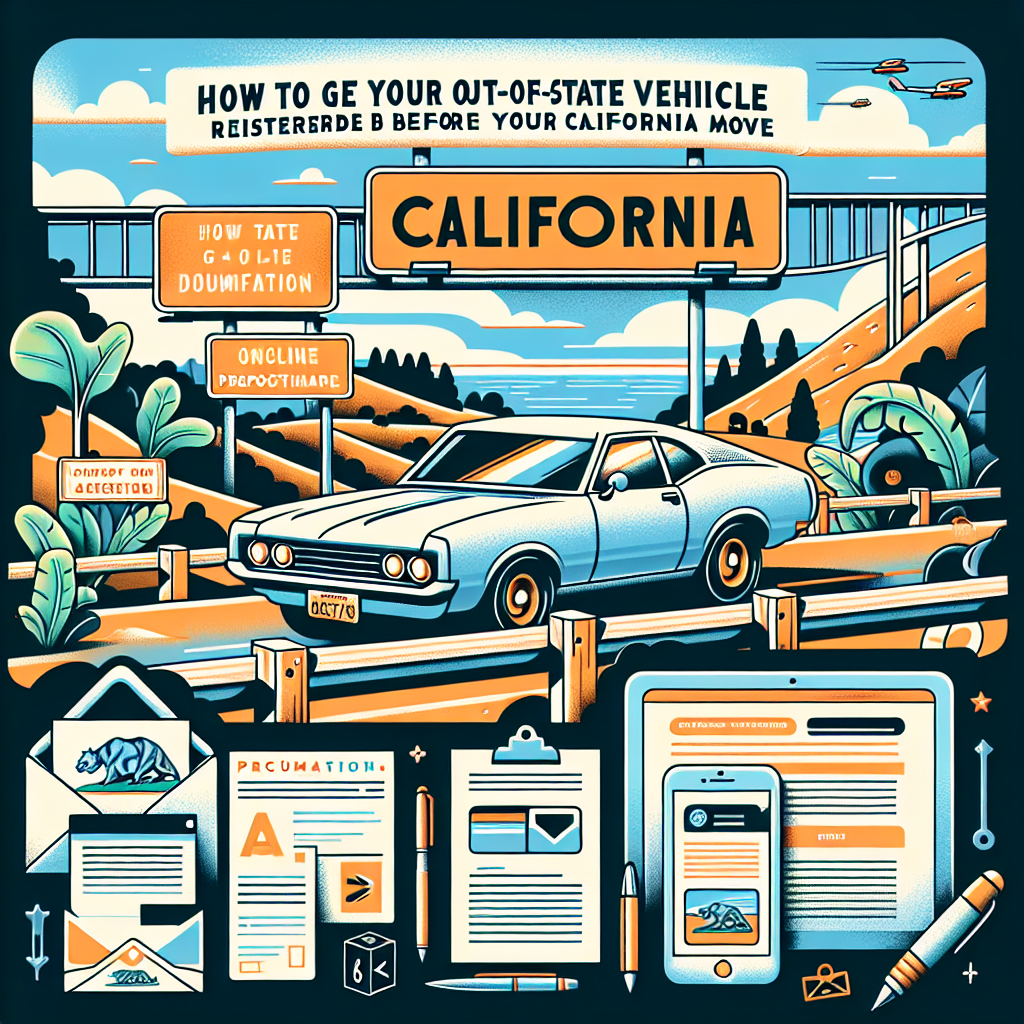
  • How to Get Your Out‑of‑State Vehicle Registered Before Your California Move

    How to Get Your Out‑of‑State Vehicle Registered Before Your California Move


    How to Register Your Out-of-State Vehicle Before Moving to California

    How to Register Your Out-of-State Vehicle Before Moving to California

    Congrats on your upcoming move to California! Before you hit the sunny California roads, there’s an important task you’ll need to tackle: registering your out-of-state vehicle. It may seem a bit tricky, but doing this before your big move can save you from headaches later on. Let’s explore the steps you should follow to make sure your car is ready for California roads.

    Understanding California’s Vehicle Registration Requirements

    First, let’s learn about a few rules from the California Department of Motor Vehicles (DMV). In California, there are very strict rules about smog check requirements. Before you can register your car, it has to pass the state’s emissions standards. Some cars, like those that are less than eight years old, might be exempt from this rule.

    Also, you need to start your car registration within 20 days of becoming a California resident to avoid penalties.

    Gathering Necessary Documents

    The first thing you need to do is gather all the necessary paperwork. Here’s what you’ll need:

    • Title or proof of ownership: This shows that you own the car legally.
    • Proof of insurance: Make sure your insurance covers California’s minimum requirements.
    • Your current vehicle registration from the old state: This proves your car is registered before you move.

    To make things easy, put these documents in a special folder or digital file. If you’re missing anything, try to get it before moving to avoid waiting later.

    Completing a VIN Inspection

    California requires a Vehicle Identification Number (VIN) inspection to check your car’s identity. This can be done at a DMV office or by authorized third-party inspectors, so you have some options for where to do it.

    Locating a California DMV Office

    Finding a nearby DMV office to where you’ll live in California can help make the registration process smoother. Think about how close it is and the services they offer. You can use the California DMV website to search for the best office near your new home.

    Using California’s Online Pre-Registration Services

    Thanks to modern technology, you can handle some of your paperwork online before you even arrive. The California DMV offers an online pre-registration service. Here’s how you can use it:

    1. Visit the California DMV website and find the online services section.
    2. Choose the right forms for car registration and fill them out.
    3. Submit your paperwork as instructed.
    4. Get a confirmation to continue once you’re in California.

    Using the DMV’s online services can save you lots of time and make things easier.

    Understanding Fees and Costs

    The costs for registration change based on your car’s type, value, and where you live. Be ready to pay:

    • Registration fees: Usual fees based on your car.
    • Use tax: If needed, based on your car’s value.
    • Special license plate fees: Extra costs if you want special plates.

    Knowing about these fees beforehand can help prevent any surprises.

    Scheduling a DMV Appointment

    DMVs are known for long waits, but you can book an appointment to avoid this. Book early to finish your registration on time. Bring all needed documents to the appointment, and get ready for any extra steps.

    Preparing Your Vehicle for California Roads

    Make sure your car is ready for California by meeting emissions standards. Also, do some basic maintenance checks like:

    • Oil change
    • Brake check
    • Tire pressure

    These checks ensure safety and make sure everything is up-to-date.

    Final Steps Once in California

    Once you’ve moved, finishing your car registration is key. Go to your DMV appointment, complete the final paperwork, and get your new license plates and registration documents.

    Conclusion

    Registering your out-of-state car before moving to California can save time and stress. By understanding the rules, getting your papers ready, and using online services, you can make the process easy. Use the resources available to make this as easy as possible.

    Additional Resources

    Call to Action

    For more help, you can visit Tags Clinic in San Diego. They offer professional services to help smooth your DMV experience. Don’t delay! Visit them today at 3845 University Ave, San Diego, CA or call 619-777-9046.


  • How to Schedule Your Smog Check Online in California

    How to Schedule Your Smog Check Online in California


    How to Schedule Your Smog Check Online in California

    How to Schedule Your Smog Check Online in California

    Introduction

    If you drive in California, you probably know about the state’s strict rules on vehicle emissions. Smog checks are not only a legal requirement,
    but they also help make the air cleaner. These checks are an important part of the California Department of Motor Vehicles (DMV) registration process,
    ensuring cars meet environmental standards. Thanks to technology, scheduling a smog check is now easier. Making an appointment online saves time and
    fits into your schedule much better than trying in person.

    Understanding Smog Checks in California

    A smog check, or emissions test, examines the pollutants a car releases. California requires these tests to improve air quality and reduce harm to the environment.
    Whether you need a smog check depends on your vehicle’s age, type, and where you live. Most gas-powered cars, trucks, and SUVs older than eight years need a
    smog check every two years. Electric and hybrid cars, as well as motorcycles, usually don’t need one.

    Choosing the Right Smog Check Station

    Picking the right smog check station is important for a smooth experience. You can find authorized stations on the Bureau of Automotive Repair (BAR) website.
    When choosing a station:

    • Proximity: Find one near your home or work.
    • Reviews: Read feedback on sites like Yelp or Google Reviews.
    • Services Offered: Some stations also offer registration renewal right away.

    Stations differ, with types including STAR-certified, Test-Only, and Repair Only. STAR-certified stations have higher standards, required for some vehicles.

    Preparing for Your Smog Check Appointment

    Getting ready can help you pass your smog check:

    1. Regular Maintenance: Keep up with oil changes, air filters, and tire pressure.
    2. Check Engine Light: Fix any issues causing warning lights.
    3. Necessary Documents: Bring vehicle registration and any previous smog check paperwork.

    Scheduling Your Smog Check Online

    Here’s how to easily schedule your appointment:

    1. Visit the DMV Website or Third-Party Platforms: Go to the California DMV website or use trusted services like Auto Repair Technicians’ sites.
    2. Find an Authorized Station: Use their locator tool to find a licensed station near you.
    3. Select and Book: Choose a station and follow the steps to book a date and time.

    Some popular platforms include the DMV’s online services and apps like “MyCarFacts” that make scheduling easier.

    Steps to Complete Your Online Scheduling

    When you’re ready to book:

    1. Input Vehicle Information: Enter details like your vehicle’s make, model, and year.
    2. Select Smog Check Station: Pick a station based on your location and needs.
    3. Choose Date & Time: Select a time that works for you.
    4. Confirmation: After booking, you’ll get a confirmation via email or SMS. Keep this for your records.

    What to Bring to Your Appointment

    To make sure your appointment goes smoothly, bring:

    • Driver’s License: For identification.
    • Vehicle Registration: Needed for the test.
    • Confirmation Printout or Email: Proof of your booking.
    • Payment: Check which payments are accepted—cash, credit, or debit.

    Troubleshooting and Tips

    Common Online Scheduling Problems

    1. Website Issues: If the site is slow or crashes, try again later or use another device.
    2. Unavailable Slots: If you can’t find an open slot, widen your search or look at different times.

    Additional Tips

    • Book appointments early in the month to avoid a last-minute rush.
    • Consider timing your smog check with your registration renewal.

    Conclusion

    Scheduling your smog check online is convenient, flexible, and lets you choose a good station. Keeping up with smog checks makes registering your
    vehicle easier and helps you avoid DMV penalties.

    Call to Action

    Have you scheduled your smog check online before? Share your experiences and tips in the comments. Don’t forget to bookmark or share this post for easy access
    when you need your next smog check appointment. For a stress-free DMV experience in the San Diego area, visit Tags Clinic
    today to help with all of your vehicle registration and emission check needs!

    Visit us at 3845 University Ave, San Diego, CA or call us at 619-777-9046.