Author: Dr. DMV – California Vehicle Specialist

  • DMV Newsflash: New Office Locations and Extended Hours in 2025

    DMV Newsflash: New Office Locations and Extended Hours in 2025


    DMV Newsflash: New Office Locations and Extended Hours in 2025

    DMV Newsflash: New Office Locations and Extended Hours in 2025

    Introduction

    The Department of Motor Vehicles (DMV) helps with things like vehicle registration and driver’s licenses, which are important for our everyday lives. As more people need DMV services, it’s important that these services are easy to get and quick. So, we are excited to share some big changes in 2025, like new office spots and longer hours to help everyone better.

    Current Challenges

    For a long time, the DMV has had some problems. People have complained about long lines, office locations that are hard to get to, and finding time to go with work and family schedules. People want DMV services to be easier to get and flexible for different needs.

    New Office Locations

    Expansion Strategy

    To make things better, the DMV is planning to open new offices in places that need them. This will help people get to a DMV office more easily without having to travel far.

    List of New Locations

    1. Northfield DMV Office

      • Address: 123 Example St, Northfield, [State]
      • Features: More parking spaces and more testing stations
    2. East Valley DMV Office

      • Address: 456 Sample Rd, East Valley, [State]
      • Features: Modern building and kiosks for online services
    3. Westside DMV Office

      • Address: 789 Demo Ln, Westside, [State]
      • Features: Large waiting area and an easy appointment booking system

    Benefits of New Locations

    These new offices will be great for folks who live far away from current offices or in places that didn’t have one before. They also have cool features to make your visit comfortable and quick.

    Extended Office Hours

    Overview of Extended Hours

    The DMV will stay open longer to help people who are busy with work or family. Here are the new hours:

    • Weekdays: 7:00 AM – 7:00 PM
    • Saturdays: 8:00 AM – 3:00 PM

    Impact on Customers

    With longer hours, people won’t have to wait in line as much, and it will be easier to find a good time to visit, even on the weekend or in the evening.

    Technological Enhancements

    Integration with Digital Services

    The new DMV offices will work well with online services. New digital kiosks will let people do some things without needing help from a person, which can save time.

    Improved Appointment Systems

    A simpler online booking system will help manage when people visit. It will make planning a trip to the DMV much easier and quicker.

    Customer Support and Community Feedback

    Commitment to Customer Service

    The DMV is making sure all staff are trained to be helpful and friendly. There will also be easy ways for people to give feedback about their experience.

    Community Engagement

    The DMV will hold meetings to keep everyone informed about the changes. They will also want to hear from people about ideas to make services even better.

    Timeline for Implementation

    The new office locations and hours will start happening in stages from January 2025, with everything ready by December 2025. Updates will be shared along the way.

    Conclusion

    These changes show the DMV’s promise to make things better for everyone. By opening more places, staying open longer, and using new technology, the DMV wants to help the community.

    Please share your thoughts, keep track of updates, and plan your visits with the new options in mind. Together, we can make going to the DMV easier for all.

    Additional Resources

    • For more details, go to the official DMV website
    • .

    • If you have questions, contact DMV customer service.
    • Follow DMV updates on social media (@DMVUpdates).

    Call to Action

    We understand that health is a top concern and we at Tags Clinic are ready to assist! Visit our clinic at 3845 University Ave, San Diego, CA or give us a call at 619-777-9046. We’re here to help you. You can also visit our website for more information by clicking here. We look forward to seeing you soon!
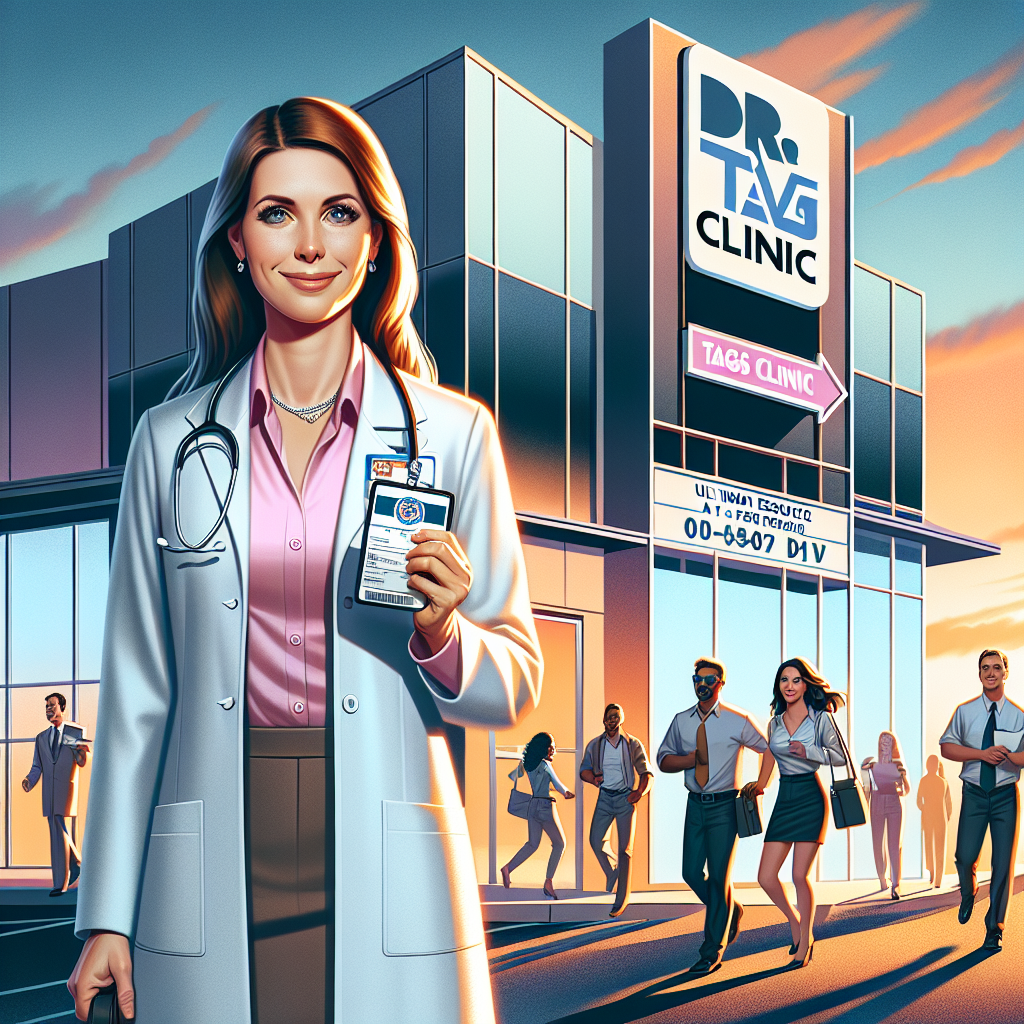

  • Speed Up Your DMV Processing with Expert Help from Dr. DMV at Tags Clinic

    Speed Up Your DMV Processing with Expert Help from Dr. DMV at Tags Clinic


    Speed Up Your DMV Processing with Help from Dr. DMV at Tags Clinic

    Speed Up Your DMV Processing with Help from Dr. DMV at Tags Clinic

    Introduction

    Going to the DMV can be really hard. You have to wait in long lines and fill out lots of paperwork, and what should be a quick trip can take all day. A lot of people get frustrated when things like mistakes or unclear instructions make them have to come back over and over. That’s where Tags Clinic comes in to help. With Dr. DMV leading the way, you can expect an easier and faster time getting all your DMV stuff done.

    Why the DMV Takes So Long

    Usually, your trip to the DMV will have some kind of delay. Here are a few common reasons why things can take so long:

    • Missing Paperwork: Forgetting a single paper can hold up everything.
    • Not Bringing the Right Documents: You might get sent home if you don’t have the right papers.
    • Complicated Rules: DMV rules and car laws are really hard to understand.

    These delays can cost you a lot of time, and sometimes even money if there are late fees or other penalties. If you’re trying to juggle work, family, and personal stuff, waiting too long at the DMV can throw off your whole day.

    Meet Dr. DMV: Your Guide

    Dr. DMV at Tags Clinic is your expert guide through the confusing world of the DMV. With lots of experience, Dr. DMV and his team are ready to make sure every trip to the DMV is easy for you. They offer solutions just for you, so you never miss a form or get a rule wrong.

    What Tags Clinic Offers

    Tags Clinic can help you with all sorts of DMV needs, like:

    • Vehicle Registration and Renewal: Get your car papers sorted quickly.
    • Title Transfers: Make changing car ownership easy.
    • License Plate Needs: Replace lost plates or get personalized ones.
    • Driver’s License Services: Help with applications, renewals, and changes of address.
    • Emissions and Safety Inspections: Make sure your car is up to standards.

    They also help with booking appointments, checking documents, and even emergency services to make your DMV visit less stressful.

    How Tags Clinic Works

    Working with Tags Clinic is simple and clear:

    1. Start with a Talk with Dr. DMV: Find out what you need.
    2. Collect Your Papers: Gather all the documents you need.
    3. Submission: Dr. DMV sends your papers to the DMV and talks to them for you.
    4. Get Updates: You’ll be kept informed about how things are going.

    This way, you will always know what’s happening, because they keep you updated throughout the whole process.

    Real-Life Happy Stories

    The success of Tags Clinic is shown in the happy stories from their clients. People talk about how getting their car registered or transferring a title was much easier than they thought, thanks to Dr. DMV. It didn’t just save them time, but made things much less stressful.

    Why Pick Tags Clinic?

    Why try to do DMV stuff alone when Tags Clinic can help? You’ll save time and stress, reduce the chances of mistakes and delays, and get expert help and support every step of the way.

    Tags Clinic is priced to be affordable for everyone, and they offer special packages for some services.

    How To Start

    If you want to start with Tags Clinic, it’s easy. You can call them or go to their website to set up your first meeting.

    Phone: [Insert Phone Number]

    Website: [Insert Website URL]

    Office Hours: Monday to Friday, 9 AM to 5 PM

    Don’t keep wasting days feeling frustrated. Take charge of your DMV visit today and let the experts at Tags Clinic help you.

    Conclusion

    Getting help from experts is the best way to handle the hard parts of going to the DMV. Led by Dr. DMV, Tags Clinic is here to make everything simpler and quicker for you. Stop working through all the confusing details by yourself and let us help. Visit our website or call us now and turn your DMV visit into a breeze. Ready to make your DMV experience better? Contact Tags Clinic today!

    Call to Action

    We’re here to take the hassle out of your DMV experience. Visit us at Tags Clinic, located at 3845 University Ave, San Diego, CA, or give us a call at 619-777-9046. To learn more about us and the services we offer, visit our website. Let us make your DMV visit a stress-free one!


  • How to Update Your Information After a Live Scan Appointment

    How to Update Your Information After a Live Scan Appointment


    HTML Formatted Blog Post

    How to Update Your Information After a Live Scan Appointment

    Introduction

    Dealing with official procedures can be confusing, especially after you’ve had a Live Scan appointment. In California, a Live Scan is a way to capture fingerprints electronically, often used for background checks. It’s important to keep your information accurate in different databases to make sure everything goes smoothly in your personal and work life.

    Understanding Live Scan Data

    During a Live Scan, they collect various personal information like your full name, address, social security number, and fingerprint images. Keeping this information up-to-date is very important because it’s shared with different agencies for checking your identity. Whether you’re getting a job, a license, a certification, or volunteering, having the right information is crucial.

    When You Need to Update Your Information

    Things change, and sometimes you need to update your Live Scan information. Here are some reasons why:

    • Change of Personal Information: If you change your name or move to a new address, you need to update your information.
    • Correction of Errors: Mistakes can happen. If you see any errors in your Live Scan report, you should fix them right away.
    • Employer or Agency Requirements: Some places might ask you to update your information regularly to keep their records current.

    Steps to Update Your Information

    1. Check What Needs to Be Updated

    First, carefully look over your Live Scan results using this checklist:

    • Full Name
    • Current Address
    • Social Security Number
    • Date of Birth
    • Fingerprint Accuracy

    2. Contact the Right Agencies

    To update your information, you need to tell the right people. Here’s how:

    1. Find out which agencies have your Live Scan data, like state departments, your employer, or licensing boards.
    2. Look for ways to contact them, like phone numbers or email addresses, to ask about updating your information.

    3. Gather Needed Documents

    What you need depends on the update:

    • Name Change: Legal proof like a court order or marriage certificate.
    • Address Update: Utility bills or ID showing the new address.
    • Error Correction: Original records showing the correct information.

    You might find these documents at local government offices or online.

    4. Send in Your Update Request

    Here’s how to send your update:

    • Online: Many agencies have forms or websites for updates.
    • In-Person: If possible, visit the agency’s office to update in person.
    • Mail: Some places accept or need documents mailed. Check the details before choosing this option.

    5. Make Sure the Update is Done

    After submitting your update:

    1. Check with the agency to see if it’s done. Follow up if you don’t get confirmation in the usual processing time, which can take from a few days to a few weeks.
    2. Keep records of anything you submitted, like confirmation numbers.

    Tips for a Smooth Update Process

    • Always save copies of all documents and communications.
    • Check your personal records often to catch mistakes early.
    • Follow deadlines that each agency has to avoid problems.

    Common Mistakes to Avoid

    • Not paying attention to instructions for submitting updates.
    • Missing deadlines without sending in required documents.
    • Sending incomplete or wrong documents, leading to rejections or delays.

    Resources and Contacts

    Having the right resources makes this easier:

    • The California Department of Justice website has guidance and contact info.
    • Your employer’s or agency’s HR department can provide specific instructions.
    • Local government websites often have sections for personal information updates.

    Conclusion

    Keeping your Live Scan information up-to-date isn’t just a rule—it’s important for keeping your professional and personal life in order. By knowing how to update your information, you ensure that everything reflects your current status accurately.

    Call to Action

    If you need help or more info on updating your Live Scan, reach out to the right agencies or seek professional advice. Stay informed and update your records to avoid problems. For updates on laws or processes, consider subscribing to news alerts or services. If in San Diego, consider visiting Tags Clinic at 3845 University Ave, San Diego, CA for professional help. You can also give us a call at 619-777-9046. We’re always here to help!


  • Building Trust: How Out-of-State Dealers Can Educate Customers on CA Registration

    Building Trust: How Out-of-State Dealers Can Educate Customers on CA Registration


    Building Trust: How Out-of-State Dealers Can Help Customers with California Registration

    Building Trust: How Out-of-State Dealers Can Help Customers with California Registration

    Introduction

    Registering a vehicle can be confusing, especially for out-of-state dealers selling to people living in California. Gaining trust with buyers depends not just on selling them a car, but also on helping them understand the tricky process of registering it in California. This friendly relationship benefits dealers by possibly boosting sales and customers by helping them make good decisions.

    Understanding California Vehicle Registration Rules

    California’s vehicle registration is different because of its strict rules aimed at reducing pollution and making sure car ownership is legal. Unlike other states, California has tough emissions standards that could surprise out-of-state vehicles. Common problems for dealers include understanding smog checks, state tax differences, and needed paperwork, which, if not solved, could cause delays and unhappy customers.

    Why It’s Important to Educate Customers

    Customers who know more feel more confident. By fully explaining the registration process to buyers, dealers not only gain trust but also make it less likely for customers to be confused after buying. Being open and clear makes sure customers understand everything about their purchase and what comes next. This leads to easier transactions and builds long-term trust.

    Smart Ways to Educate Customers

    Using Online Resources

    A good place to start is your dealership’s website, which can be full of helpful information. Detailed guides, FAQs, and links to California DMV sites can give customers lots of important facts. These online resources let customers learn at their own speed and get ready for the registration process with a clear mind and confidence.

    Hosting Workshops and Webinars

    Interact with future and current customers through workshops and webinars. These sessions can be fun and let dealers answer common questions right away. Q&A parts add a personal touch that can clear up specific parts of California registration, creating a space of trust and honesty.

    Training Sales Teams

    Having a smart sales team is very important. Make sure your staff knows all about California vehicle registration to help customers better. Giving out the same information packets ensures that each customer gets accurate and trustworthy info, building faith in your dealership.

    Using Technology for Easy Communication

    CRM Systems for Keeping Track

    Advanced CRM systems can remind you about needed documents and help keep in touch with customers. Personalized communication through CRM platforms makes the customer experience better, showing the dealership’s commitment to making customers happy.

    Virtual Consultations and Support

    Using quick-help tools like chatbots or live chats can answer customer questions fast. Offering virtual consultations through video calls not only makes the experience personal but also helps guide customers through registration step-by-step, making it less confusing and more trustworthy.

    Sharing Success Stories

    Real-life examples of dealers successfully helping California customers can be strong testimonials. Share stories of happy customers or dealers who made the registration process easy. These stories show the real benefits of teaching customers well and can be powerful recommendations for your dealership.

    Conclusion

    Teaching customers about California registration isn’t just part of the sales process—it’s a way to build lasting trust. By communicating clearly and using different resources, dealers can boost customer happiness, ensure rules are followed, and stand out in a busy market.

    Call to Action

    Out-of-state dealers, it’s time to get ahead in the California market. Use these strategies to teach your customers, build trust, and boost your sales. Share your success stories or other ideas in the comments below. Together, we can create a community of smart buyers and trusted dealers. Nickel’s excited to help you on this journey. Visit us at Tags Clinic located at 3845 University Ave, San Diego, CA or call us at 619-777-9046. We’re looking forward to hearing from you.


  • How New DMV Policies Are Simplifying the Process for Changing Your Address

    How New DMV Policies Are Simplifying the Process for Changing Your Address


    The New DMV Policies and How They Make Address Changes Easier

    How New DMV Policies Are Making It Easier to Change Your Address

    Introduction

    Keeping your address up-to-date with the DMV is very important. It helps you get all the important mail about your car registration, license renewals, and other legal papers. Before these changes, updating your address with the DMV could feel like a real hassle. But now, the DMV has new rules to make this easier and faster. Let’s learn about these new changes and see how they help you.

    Why Change Was Needed

    In the past, people had many problems when trying to change their address at the DMV. There were long lines, lots of paperwork, and old-fashioned ways to do things. This made people upset and often caused mistakes in records, which wasn’t good for anyone. It was clear that people needed a simpler way that was easy for everyone.

    What’s New with DMV Policies

    The DMV listened to these problems and has made new rules to help fix them. These updates use more technology, better customer support, and even improve in-person service to help people better.

    Important Changes for Changing Your Address

    More Online Services

    One of the biggest changes is that you can now do more online. The DMV made an easier website just for changing your address. Here’s how you can do it online:

    1. Go to the DMV website and find the address change section.
    2. Log in or create an account using your driver’s license info.
    3. Enter your new address and any other needed documents.
    4. Check your changes and confirm.

    New In-Person Appointment System

    For people who want to go in person, the DMV has a better appointment system. You can now pick a specific time, so you don’t have to wait as long. And this new system makes sure your appointment time is respected, making your visit better.

    Better Customer Support

    The DMV has also improved their customer help services. There are special helplines and chat support to guide you through the address change process. Also, a helpful FAQ section is available to make sure you have all the right papers, which helps avoid mistakes.

    Why These Changes Are Great

    These new rules have lots of benefits:

    • Saves time: With faster processes and better appointment systems, you wait less and can do other important things.
    • Better accuracy: The new system makes sure your information is right, helping prevent mistakes.
    • Happier customers: With better help and easy steps, people feel happier with their DMV experience.

    and many more.

    Who Can Use These New Services

    Most people can change their address online if they have the right technology. Here’s what you need:

    • Online: Your driver’s license or ID number and your new address.
    • In-person: Proof you live there (like a utility bill or lease), and your current ID or driver’s license.

    What If There Are Problems?

    Even though the new system is better, there might be some tech problems. Here are some solutions:

    • Tech issues: The DMV has tech support to fix online problems quickly.
    • Access problems: If you don’t have the internet, you can still go in-person.

    Success Stories

    A lot of people have already benefited from these new changes. For example, Jane Doe liked how easy it was to change her address online and avoid going to the DMV. John Smith also liked how fast the in-person service was and that his appointment time was honored.

    Conclusion

    The new DMV rules are great for anyone who needs to change their address. The process is now simpler and more efficient, making it a better experience for everyone.

    Call to Action

    We want you to try these new services. Your thoughts are important and help make things even better, so share your experiences with the DMV. For more info or to change your address, visit the DMV’s website now. These changes are making DMV services better, by being efficient, easy to use, and friendly for everyone.

    Visit Tags Clinic!

    After your DMV affairs are in order, why not prioritize your health? Come visit us at Tags Clinic! We are located at 3845 University Ave, San Diego, CA. Call us at 619-777-9046 for any inquiries or visit our website to explore our wide variety of services tailored just for you.


  • The Ultimate Out‑of‑State Transfer Checklist for California Car Owners

    The Ultimate Out‑of‑State Transfer Checklist for California Car Owners


    The Ultimate Out-of-State Car Checklist for California Owners

    The Ultimate Out-of-State Car Checklist for California Owners

    Introduction

    Are you moving to California and bringing your car with you? Figuring out how to register your car in the Golden State might seem tricky, but it’s important to follow the state’s rules. These rules make sure your car is safe to drive in California. This checklist will help you easily register your car, turning what might seem hard into a smooth move.

    Understanding California’s Rules

    Moving your car registration to California means learning some rules from the Department of Motor Vehicles (DMV). California has special rules, especially about emissions because they care a lot about the environment. Their focus on keeping emissions low might be different from where you come from. Understanding these differences is the first step for a simple registration process.

    Getting Your Papers Ready

    Before visiting the DMV, make sure you have these important papers:

    • Vehicle title and registration: This shows your car is registered in your old state.
    • Proof of insurance: Make sure it meets California’s minimum needs, which might be different from your old state.
    • Valid driver’s license: Make sure it’s updated and ready to show.
    • Notice of Transfer and Release of Liability form: This is an important part of transferring your car in California.

    Having these papers ready will make your DMV visit quick and easy.

    Emission Standards and Tests

    California has some of the toughest rules on emissions in the country. Cars need a smog check to meet state rules. You can find a California-certified place to do this test easily online. Some vehicles, like those built before 1976 or less than eight years old, might not need this test. It’s important to check if your car doesn’t need an inspection to avoid doing it if it’s not needed.

    Calculating Fees and Taxes

    Changing your car registration can cost some money:

    • Vehicle license fees: These depend on how much your car is worth.
    • Use taxes: Usually based on how much you bought your car for.

    Use online tools from the California DMV to figure out these costs so you’re not surprised later.

    Vehicle Identification Number (VIN) Check

    A VIN check might be needed to prove your car’s identity. This is important for cars from other states to make sure they’re real and follow California’s laws. You can schedule a VIN check with the DMV or use an approved third party for it.

    Handling the DMV Process

    Here’s how to make your DMV visit easy:

    1. Make an appointment: It’s smart to book ahead online or in-person to avoid long waits.
    2. Prepare your papers: Bring all the documents you collected.
    3. Submit and pay fees: Give your papers and pay any needed fees.
    4. Get plates and stickers: After processing, you’ll get your California plates and stickers.

    Processing times can vary, so plan so your car is legal to drive.

    Alternatives to the DMV

    Tired of long lines and loads of paperwork? Try using a third-party service for an easier experience. These services can do most DMV tasks, but make sure they’re reliable. They may cost more than doing it yourself, but less hassle and time can be worth it.

    Staying Compliant After Transfer

    Once your car is registered, keep it compliant by:

    • Regular maintenance: Follow California rules for car care.
    • Documentation updates: Watch out for renewal dates to prevent gaps.
    • Planning for future moves or sales: Knowing these extra steps makes future changes easier.

    Frequently Asked Questions

    • What if my car doesn’t pass the smog test? You might need repairs and a retest. Some waivers might apply, so ask a DMV expert.
    • Can I register my car before moving to California? No, you need to be a resident of California first.
    • How soon should I register after moving? California law says you need to register within 20 days of moving.
    • Are there vehicles that don’t need smog checks? Yes, motorcycles, electric cars, and some older models don’t need them.
    • Where can I find more help? Contact local DMV offices or trusted agencies for help.

    Conclusion

    Make sure to cover every step for your out-of-state car registration by following this checklist. For more help, try third-party services or DMV experts. Making this process easy not only keeps you following the rules but also gives you peace of mind as you settle into California.

    Additional Resources

    Stick to this checklist and use these resources to make your out-of-state car transfer as smooth as driving down the Pacific Coast Highway on a sunny day. If you need more help, reach out to Tags Clinic in San Diego. We’re here to make your DMV tasks feel easy.

    Call to Action

    We understand that car registration can sometimes be a daunting task. At Tags Clinic, we are here to assist. Give us a visit at 3845 University Ave, San Diego, CA or give us a call at 619-777-9046. To learn more about our services, visit tagsclinic.com. Let’s make your car transfer process as seamless as possible!


  • How the California Smog Check Program Protects Public Health

    How the California Smog Check Program Protects Public Health


    How the California Smog Check Program Keeps Us Healthy

    How the California Smog Check Program Keeps Us Healthy

    Introduction

    California is famous for its beautiful places, cool animals, and sadly, its air pollution problem. To help fix this, California started the Smog Check Program. This program helps make the air cleaner, which is important not just for nature but also for people’s health. Bad air can make us sick, so it’s important for people in California to know how car pollution affects our health.

    How the Smog Check Program Started

    The Smog Check Program was started because air pollution was getting really bad in California. Back in the 1960s, Los Angeles was known for its thick smog, mostly caused by car pollution. This big problem led to new laws like the Clean Air Act, which set rules for car pollution. The Smog Check Program was created to help meet the goal of checking car pollution regularly.

    How the Smog Check Program Works

    The Smog Check Program makes sure some cars get their emissions tested to meet California’s tough standards. Here’s how it works:

    Getting Tested

    • What Cars Are Tested: Most gas cars, including hybrids, that are more than six years old and weigh under 14,000 pounds must be tested. Diesel cars also need to be tested.
    • When to Test: Cars usually need a smog check every two years when owners renew their registration.

    What They Test

    During a smog check, they measure different pollutants like:

    • Carbon monoxide (CO)
    • Nitrogen oxides (NOx)
    • Volatile organic compounds (VOCs)
    • Particulate Matter (PM)

    Cars have to pass these tests based on their make, model, and year.

    How It Helps Our Health

    The main goal of the Smog Check Program is to cut down on bad emissions that can make us sick. The program has made a big difference in lowering bad stuff like carbon monoxide and nitrogen oxides. These pollutants can cause:

    • Breathing Problems: Things like asthma and COPD (chronic obstructive pulmonary disease) get worse with bad air.
    • Heart Problems: Bad air can also harm your heart, making heart attacks and strokes more likely.
    • Real-Life Examples: In cities with strong smog tests, air quality has gotten better, and there are fewer hospital visits for breathing problems.

    Helping the Environment

    The Smog Check Program is a big part of California’s plan to fight climate change and keep the environment healthy. By cutting down car emissions, the program helps save plants and protect water from pollution.

    Problems and Complaints

    Even though the Smog Check Program is good, it has some problems:

    • Trouble for Car Owners: Some car owners have a hard time passing the test, especially if they have older cars with problems.
    • Complaints and Solutions: Some people say the program costs too much, but there are resources to help car owners keep their cars in shape.
    • Changing Over Time: The program is getting better with new technology and rules to deal with these issues.

    The Future of the Smog Check Program

    As cars get more advanced, the Smog Check Program does too. Future changes could include:

    • Working with New Car Tech: Making sure even new electric and hybrid cars help reduce pollution.
    • Long-Term Plans: Keep lowering emissions, making people healthier and reaching environmental goals.

    Conclusion

    The California Smog Check Program is super important for keeping people and the environment healthy. By keeping strict emission rules, California is leading the way for other places. It’s important to keep people involved and aware so that clean skies can stay part of California.

    Get Involved

    Every car owner needs to understand and follow smog check rules. Taking care of your car helps clean the air and keeps your car running well. Help your community by joining local efforts to improve air quality. For more help with smog checks, reach out to trusted places like Tags Clinic in San Diego. Let us help you get on the road to cleaner air and a healthier place to live.

    Call to Action

    Step up to the plate for cleaner air and healthier communities! Join us at Tags Clinic located at 3845 University Ave, San Diego, CA for expert help on meeting smog check standards. Not in the area? Don’t worry! We are just a call away at 619-777-9046. Visit our website at Tags Clinic for more information. We look forward to joining you on this journey towards a healthier environment!


  • DMV Errors That Can Lead to Fines: What You Need to Know

    DMV Errors That Can Lead to Fines: What You Need to Know


    DMV Mistakes That Can Cost You Money: Important Things to Know

    DMV Mistakes That Can Cost You Money: Important Things to Know

    Going through DMV tasks can often feel pretty tricky. A small mistake can lead to big problems. There are so many forms, fees, and rules, so you need to be really careful. Making mistakes with the Department of Motor Vehicles (DMV) can do more than just slow you down. Sometimes, it can lead to fines, mess up your driving record, or even change your insurance rates. This blog will help you know how to avoid costly mistakes and make your DMV visits easier.

    What Are DMV Mistakes?

    Before we get into details, let’s talk about what a DMV mistake is. These are slip-ups that happen when dealing with the DMV. Mistakes can come from typos, leaving out things, having old info about your car or yourself, or not knowing the DMV rules. While the mistakes might seem small, they can cause big problems, wasting your time and money.

    Common DMV Mistakes That Cost You Money

    Knowing what to watch out for is the first step. Here are some common DMV mistakes:

    Registration Goofs:

    • Expired Registration Tags: Make sure your car’s registration is current. Getting caught with expired tags can result in big fines.
    • Wrong Car Info: Check to make sure your Vehicle Identification Number (VIN) and the make/model of your car are correct.

    License Slip-Ups:

    • Not Updating Your Address: If you move, update your address with the DMV right away to avoid missing important mail or getting fines.
    • Driving with an Expired License: Keep track of when your license expires so you can renew it on time.

    Insurance Blunders:

    • Not Updating Insurance with the DMV: Keep your insurance info current to avoid legal problems.
    • Gaps in Insurance Coverage: Report any gaps in your coverage, or it might lead to penalties.

    Title Transfer Hiccups:

    • Delays in Transferring Titles: When buying or selling a car, transfer the title quickly to avoid problems.
    • Errors in Title Paperwork: Double-check everything to make sure all the information is accurate to avoid fines or delays.

    How to Avoid Making DMV Mistakes

    Being careful can save you time and money. Here’s how to make fewer mistakes:

    Double-Check Papers:

    • Look over forms before you turn them in. Simple checks can catch mistakes.

    Know Your DMV Rules:

    • DMV rules can change a lot, and they’re different in each state. Stay informed to follow the rules.

    Use Online Tools:

    • You can do many DMV tasks online, which helps reduce mistakes. Online services help guide you to make sure everything is correct.

    Regularly Check Your Info:

    • Set a time to regularly check that your personal and vehicle information at the DMV is up-to-date.

    What to Do If You Spot a DMV Mistake

    Mistakes occur, and when they do, it’s important to fix them fast:

    • Take action immediately: Gather any proof to support your correction.
    • Contact the DMV: Explain the mistake clearly and ask to have it fixed.
    • Collect all necessary documents, like insurance updates or correct vehicle info, for the correction.

    Why You Shouldn’t Ignore DMV Mistakes

    Overlooking DMV mistakes can have big effects:

    • Charges and Fees: Ignoring errors can lead to financial penalties.
    • Impact on Driving Record: Mistakes can hurt your driving record, which can increase insurance costs.
    • Serious Consequences Over Time: Ongoing errors can lead to bigger legal and financial problems.

    Conclusion

    Even small DMV errors can turn into expensive issues. It’s important to stay alert and make sure all your DMV deals are done accurately and on time. By using these tips, you can avoid fines and legal troubles.

    Call to Action

    Don’t let DMV errors surprise you. Share this with friends and family to spread the word. Sign up for our newsletter for more DMV tips. For more great guides on DMV tips, check out other posts on our site. Visit Tags Clinic for an easy DMV experience today!

    Location: 3845 University Ave, San Diego, CA
    Phone: 619-777-9046


  • Breaking Down the New DMV Law on Impounding Vehicles for Registration Violations

    Breaking Down the New DMV Law on Impounding Vehicles for Registration Violations


    Breaking Down the New DMV Law on Impounding Vehicles for Registration Violations

    Breaking Down the New DMV Law on Impounding Vehicles for Registration Violations

    Introduction

    If you have a car, you might have heard about the new DMV law about taking away cars if you don’t register them properly. It’s super important to understand this law because it affects everyone who owns a vehicle. In this post, we’re going to explain what’s going on so you know what you need to do and avoid getting into trouble.

    1. Background on Vehicle Registration Rules

    Before we talk about the new law, let’s review the old rules about registering cars. The law says you need to have a valid registration to drive your car on the road. This isn’t just some boring rule. It helps keep you safe and shows that you’re being responsible. If you don’t have valid registration, you could get in trouble and even have to pay fines. Now, with the new law, you might even have your car taken away.

    2. Overview of the New DMV Law

    The new law was passed on Enactment Date and will start on Effective Date. Its main goal is to stop people from breaking the registration rules. Now, they can take away your car if it’s not registered right. This helps keep the roads safer and makes sure everyone is following the rules.

    3. Conditions for Vehicle Impoundment

    With the new law, there are different reasons your car might be taken away:

    • Driving without current registration
    • Using fake registration papers
    • Getting caught repeatedly with expired registration

    But not every mistake means your car will get taken. Sometimes, if you fix it quickly, you might just have to pay a fine. Knowing the difference is important so you don’t get into big trouble.

    4. Impoundment Process

    Here’s how taking your car away works:

    1. Detection: The police see there’s a problem with your registration.
    2. Verification: They check with the DMV to make sure of your registration status.
    3. Notification: You get a warning about what you did wrong and that your car might be taken.
    4. Towing: If they decide it’s necessary, your car gets towed away right there.

    The DMV works with local police to make this law happen. You have the right to a fair hearing and can argue against your car being taken within a certain time limit.

    5. Financial and Legal Implications

    Having your car impounded costs a lot of money, like paying for towing and storage. To get your car back, you need to show they have the right papers, insurance, and pay any fines. It can also make your insurance cost more and maybe even lead to losing your license if you don’t fix things fast.

    6. Preventative Measures for Vehicle Owners

    • Regular Registration Checks: Make sure your registration is up-to-date.
    • Use Reminder Services: Sign up for DMV reminders so you don’t forget.
    • Fix Lapses Quickly: If you miss renewing, go online or to the DMV right away to fix it.

    7. Public Reaction and Criticism

    People feel differently about the new law. Some think it makes roads safer, while others worry about how much it costs people. There are also concerns about being fair and making sure everyone is treated the same. Lawmakers are working to make sure the law is clear and fair.

    8. Conclusion

    It’s really important for everyone with a car to understand this new law about impounding cars. It shows why you need to keep your registration current to avoid big problems. Stay informed, follow the rules, and if you’re not sure, ask for help. It’s much better to prevent problems than to fix them later.

    9. Additional Resources

    Call to Action: Share this post with friends and family who own cars to help them understand this important issue. If you have questions or need more information, leave a comment – we’re here to help!

    Call to Action

    We encourage you to visit Tags Clinic at 3845 University Ave, San Diego, CA or call us at 619-777-9046 for any additional assistance or queries. You can also visit our website for more information. We are always ready to guide!
    https://tagsclinic.com


  • The Cost of Live Scan Fingerprinting in California: What to Expect

    The Cost of Live Scan Fingerprinting in California: What to Expect

    “`html


    The Cost of Live Scan Fingerprinting in California: What to Expect

    The Cost of Live Scan Fingerprinting in California: What to Expect

    Introduction

    Live Scan fingerprinting is a way to get digital fingerprints. It’s very important for some legal, work, and license things. If you live or run a business in California, you need to know how much Live Scan fingerprinting costs. Knowing the cost can help you plan your budget, whether you’re looking for a job or you need to do many checks as a business.

    What is Live Scan Fingerprinting?

    Live Scan fingerprinting is a new way to take fingerprints. It’s better than the old ink-and-paper way. It works by taking pictures of your fingerprints and sending them to the Department of Justice (DOJ) and the Federal Bureau of Investigation (FBI) for checks. People need it for jobs, licenses, and legal stuff. Teachers, doctors, and helpers often need it.

    Factors Affecting the Cost of Live Scan Fingerprinting

    1. Location

    In California, the price of Live Scan fingerprinting can change a lot based on where you are. In big cities like Los Angeles and San Francisco, it can be more expensive than in smaller towns. It’s good to look at prices in different places to get the best price.

    2. Type of Application

    What you need the fingerprinting for also affects the cost. If you need it for a job like teaching or healthcare, it may cost something different than if you need it for checking your own records. The rules for each kind of check can change the price too.

    3. Rolling Fees

    Rolling fees are what you pay to have someone take and send your fingerprints. These can usually be between $20 and $25 in California. Be sure to ask about rolling fees when you make your appointment so you are not surprised.

    4. Government Fees

    Besides rolling fees, the government charges fees set by the DOJ and FBI. These can be from $30 to $50, depending on the type of checks you need. Government fees can change, so check the current fees when you plan your Live Scan.

    Average Cost of Live Scan Fingerprinting in California

    When you think about everything, the average cost of Live Scan fingerprinting in California can be from $50 to $80. This includes both rolling and government fees. If you need fingerprinting for a lot of people, it can get expensive fast, so plan your budget well.

    Hidden Costs and Additional Fees

    There might be other costs you didn’t know about, like fees for faster service or fixing mistakes. To avoid surprises, ask for a list of all costs and any extra fees before you set your appointment.

    Tips to Minimize Costs

    To keep your Live Scan costs low, try these tips:

    • Compare Prices: Look at prices in different places to make sure you don’t pay too much.
    • Group Discounts: Ask if there are discounts for many people needing fingerprinting.
    • Confirm Fees: Make sure you know all the charges before you go to your appointment.

    Conclusion

    Knowing the costs of Live Scan fingerprinting helps you plan and spend wisely. By picking the right service and knowing all the fees, you can have a smooth experience. Planning ahead and asking questions are the best ways to avoid surprise fees.

    Frequently Asked Questions

    1. Can I get a refund if my fingerprints are rejected? Check with your service provider, as their policies may vary.
    2. Are there discounts for multiple fingerprinting requests? Many providers offer discounts for groups or organizations, so it’s worth asking.
    3. How often do the fees change? Government fees can change, so check the latest information before your appointment.

    Call to Action

    Look into your Live Scan options today to make sure the fingerprinting process is smooth and affordable.
    Reach out to your local service providers for more information and to book an appointment.
    If you’re in the San Diego area, consider visiting Tags Clinic
    located at 3845 University Ave, San Diego, CA or give us a call at 619-777-9046. We’re here to help with your fingerprinting needs in California.


    “`