Blog

  • The Benefits of Outsourcing California Registration for Out-of-State Dealers

    The Benefits of Outsourcing California Registration for Out-of-State Dealers


    The Advantages of Outsourcing California Registration for Out-of-State Dealers

    The Advantages of Outsourcing California Registration for Out-of-State Dealers

    Introduction

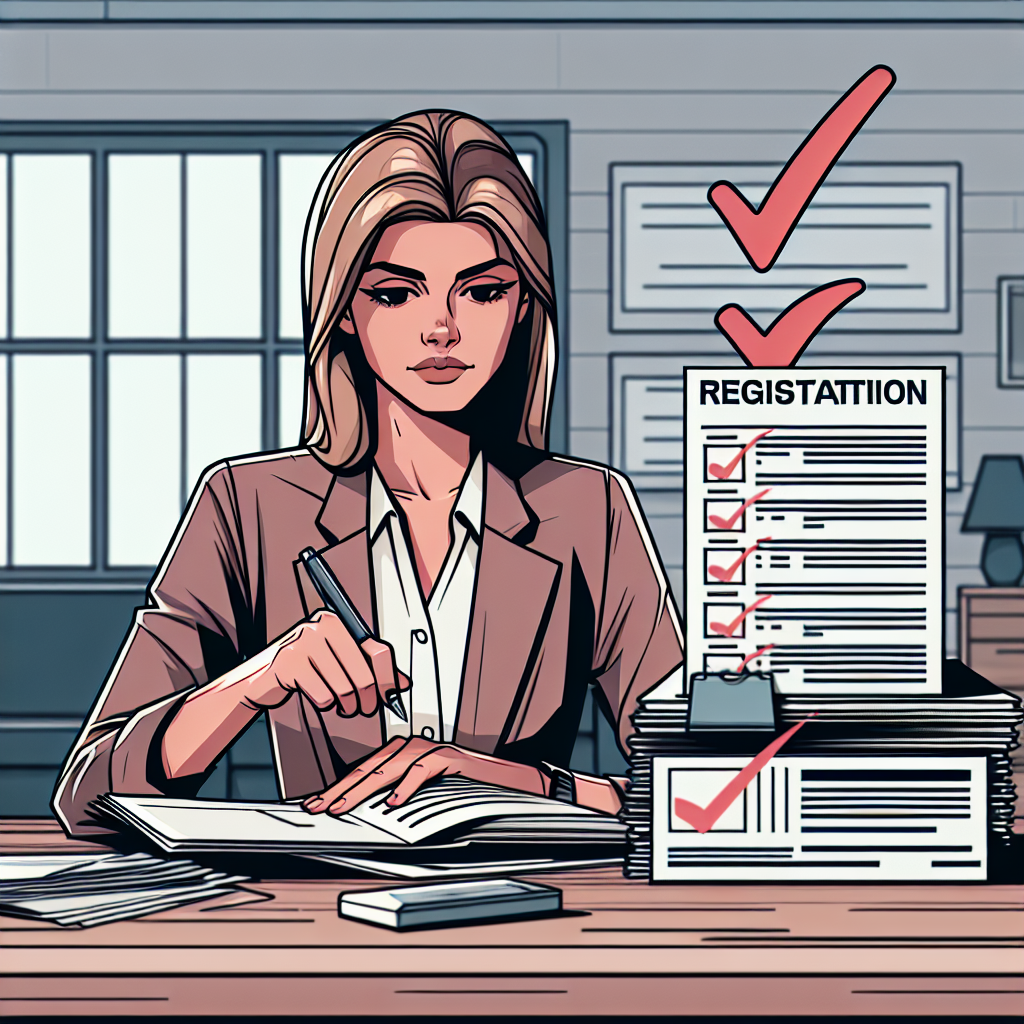
    Figuring out how to handle California vehicle registration can be really hard, especially if you’re an out-of-state dealer who doesn’t know all the strict rules in the Golden State. Outsourcing these registration tasks can make things much easier, allowing dealers to focus on what they do best. In this post, we’ll look at the many benefits of outsourcing California registration, which could really help out-of-state dealerships run more smoothly and work better.

    Understanding California Registration Requirements

    California is known for having very strict rules about vehicle registration, which can be tough for dealers in other states. From emissions tests to special paperwork, there’s a lot to handle. Many dealers struggle with things like filling out a lot of forms, understanding specific state rules, and getting everything done on time. If you don’t follow the rules, it can mess up your business, leading to fines and delays in getting cars to customers.

    Why Outsource? A Smart Choice

    Outsourcing means letting another company handle the complicated stuff, like registration. For businesses that want to focus on selling cars and helping customers, outsourcing can be a smart idea. When you compare doing it yourself to hiring someone else, outsourcing often turns out to be more efficient. It lets dealers use outside experts without having to hire a whole team themselves.

    Benefits of Outsourcing California Registration

    1. Expertise and Knowledge – Experts know California DMV rules really well. With their help, dealers can avoid mistakes and make sure everything is done correctly, which reduces the chance of getting in trouble.
    2. Time Savings – Outsourcing means things get done faster because of their efficient systems and trained staff. Dealers can use the time saved to improve sales and customer service.
    3. Cost Efficiency – Keeping your own team can be expensive. Outsourcing cuts these costs and helps you avoid fines with perfectly timed submissions. This helps you plan your resources better.
    4. Improved Accuracy and Compliance – Expert services make sure all paperwork is done right and follows California laws. This means fewer errors and smoother operations.
    5. Scalability and Flexibility – Whether it’s a busy time or a slow one, outsourced services can adjust without needing more staff. They can tailor solutions to fit what each dealership needs.

    Choosing the Right Outsourcing Partner

    Picking the right company to outsource to is super important. Dealers should look at how experienced the service providers are, what other clients say about them, how they use technology, and how good their customer service is. A partner who offers great support and communication will be more successful.

    Success Stories

    Many dealers from outside California have seen real benefits from outsourcing. Like a dealership in Texas that saved 30% of their processing time and made customers 15% happier by outsourcing their California registration work. By doing this, they not only worked more efficiently but also made more money by focusing on their customers.

    Conclusion

    Outsourcing California registration offers a lot of good things for out-of-state dealers, like expertise, time savings, cost efficiency, and better compliance. It helps dealers focus on what they do best and give better service. Picking the right partner can make everything even better and easier.

    Call to Action

    For dealers who want to make registration easier and work better, talk to experts in California vehicle registration. Reach out to a trusted partner now to find solutions that fit what your dealership needs. Share your questions or experiences with outsourcing in the comments below!

    Visit us at Tags Clinic

    Always remember to pop into Tags Clinic at 3845 University Ave, San Diego, CA for any help needed. Alternatively, you can also call us at 619-777-9046 for immediate assistance. You can visit our website at https://tagsclinic.com too. Moreover, here is our location on Google Maps for your convenience.


  • DMV Legislative Insights: How New Laws Will Affect Real‑World Enforcement

    DMV Legislative Insights: How New Laws Will Affect Real‑World Enforcement


    DMV Legislative Insights: How New Laws Will Affect Real-World Enforcement

    DMV Legislative Insights: How New Laws Will Affect Real-World Enforcement

    Introduction

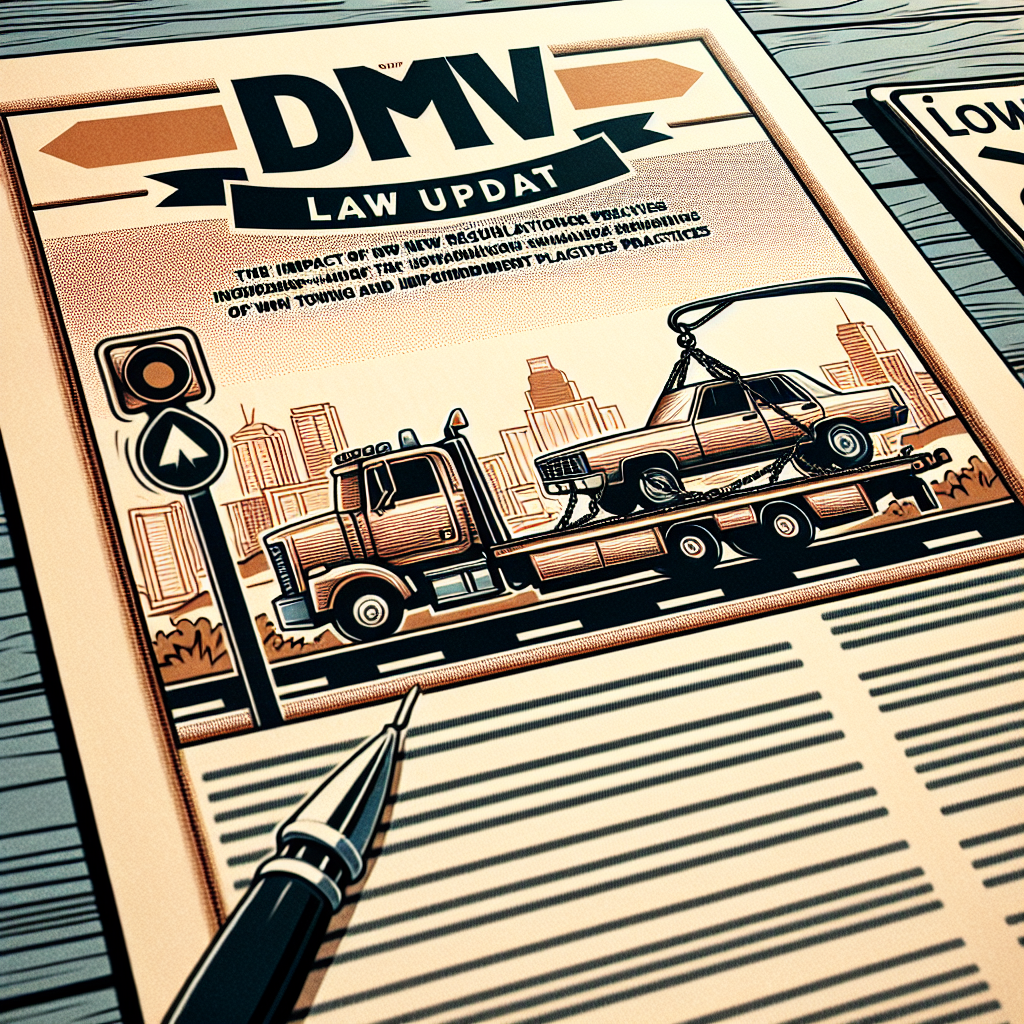
    Learning about driving laws can be really hard for many drivers. With new rules constantly popping up, knowing what these changes mean is super important for those driving and those making sure the laws are followed. Keeping up-to-date with new DMV laws is crucial because changes in laws can really have a big effect on traffic rules and how drivers experience their daily commutes. In this post, we’ll look at recent updates in laws and how they could change the way things work at the DMV.

    Background on Recent DMV Legislation

    Recently, many new bills have been introduced to make DMV operations better and tackle road safety issues. These new laws are focused on making the roads safer, making DMV processes faster and easier, and using cool new technology to solve old problems. Some big ideas of these laws are to lower traffic violations, keep people safe, and make DMV services faster and easy to use.

    Key Changes in DMV Laws

    Stricter Penalties for Violations

    One big change is tougher punishments for breaking traffic rules. The idea is to stop reckless driving and make sure drivers follow road safety rules. These new penalties mean drivers could face more fines, longer times without their licenses, or even criminal charges if they repeatedly break the rules. For traffic police, this means they have stronger ways to handle rule-breakers and keep people safe.

    Updates to Licensing and Registration Procedures

    Changes in licensing and registration could make DMV processes better. These changes aim to make getting licenses and registering cars easier and faster. Drivers might see more options to do things online, which could mean less waiting. For the DMV, it means their work becomes more efficiently organized.

    Technology and Automation in Enforcement

    New laws are pushing for more technology and automation in traffic rule enforcement. This means more digital tickets and automatic processes for dealing with violations. While this can make things faster and reduce work for DMV staff, it also presents challenges. DMV needs to invest in new technology, and there might be tech issues sometimes.

    Real-World Enforcement Implications

    Increased Role of Technology

    Now, surveillance tools, AI, and data analytics are being used more in traffic enforcement. These technologies help in watching traffic, catching violations, and even predicting possible road dangers. But, they can also bring up worries about privacy and ethics, which need careful attention.

    Changes in Driver Behavior

    Tougher laws often mean drivers change how they drive. As penalties become harsher, it’s expected that drivers will drive safer, which could make roads better. Telling the public about these laws through education plays a big part here so that drivers know the rules and why they’re important.

    Training and Resource Allocation for Law Enforcement

    For the police, new laws mean they need training and resources. Officers need to understand the new rules to enforce them accurately, and police departments must adjust resources for these changes. This might involve buying new equipment and providing training.

    Impact on the Public

    Understanding and Compliance

    Good communication from the DMV helps the public understand and follow the new rules. This means having seminars, online sessions, and keeping their website updated with information so drivers can easily find out what they need to know.

    Community Perspectives and Feedback

    Getting the community involved is important for making laws work. The DMV can learn a lot from what the community thinks and can use their feedback to make things better. They can use surveys and public meetings to hear what the public has to say and create a friendly environment.

    Conclusion

    As DMV laws change, everyone involved, from drivers to police to DMV staff, must adapt. Staying informed helps everyone handle the changes better, make roads safer, and improve processes.

    Additional Resources

    For more about recent law changes and how they impact DMV services, check out Tags Clinic’s official DMV resources or get in touch for more info.

    Call to Action

    Being informed is crucial, whether you’re driving or enforcing laws. Subscribe for DMV updates or attend a meeting to stay current with the latest changes. Visit Tags Clinic for a smooth DMV experience in San Diego; our friendly experts are eager to help with your auto needs!

    Visit us at 3845 University Ave, San Diego, CA or call at 619-777-9046. We are always excited to hear from you and assist you with your needs.


  • How to Prepare Your Out‑of‑State Car for a California Smog Check

    How to Prepare Your Out‑of‑State Car for a California Smog Check


    How to Get Your Out-of-State Car Ready for a California Smog Check

    How to Get Your Out-of-State Car Ready for a California Smog Check

    Introduction

    Welcome to sunny California! Whether you’re moving here for the golden beaches, exciting cities, or cool tech jobs, there’s one thing you need to know about if you have a car: the California Smog Check. California has strict rules about car emissions to help keep the air clean. If you’re bringing a car from another state, you’ll need to get it ready for a smog check. This guide will help you understand what to do to make sure your car meets California’s standards.

    Knowing California Smog Check Requirements

    The Smog Check program in California is here to make sure cars aren’t polluting too much. Smog checks are usually needed every two years for cars older than eight years. But if you’ve got a car from out of state, you need to pass a smog check and get the VIN checked before you can register it in California. Knowing these rules will help you avoid getting surprised!

    First Steps: VIN Verification and Registration

    Before you can do a smog check, you have to do some paperwork. For out-of-state cars, you need to get your VIN (Vehicle Identification Number) verified. You can do this at DMV offices, places that are DMV partners, or through certified VIN verification services.

    Here’s what you’ll need:

    • Title or registration of your out-of-state car
    • Proof that your car is insured
    • California driver’s license
    • VIN verification form

    Once your VIN is verified, you can register your car in California. Make sure to do this within 20 days after moving here so you don’t get late fees!

    Getting Your Car Ready for Smog Checks

    Check Engine Light

    If your check engine light is on, it usually means something’s wrong that could make you fail the smog test. Problems can include bad oxygen sensors, a loose gas cap, or ignition problems. Fix these issues so the light is off before you take the test.

    Basic Tune-Up

    A simple tune-up can help you pass the smog test. Here’s a quick checklist:

    • Spark Plugs: Change them if needed so your engine runs well.
    • Air Filter: Make sure it’s clean so your engine gets enough air to burn fuel properly.
    • Oil Change: Fresh oil helps the engine perform better and lowers emissions.

    Checking the Emissions System

    Catalytic Converter

    The catalytic converter helps reduce the pollution from your car. If it’s not working, your car won’t pass the smog test. Listen for rattling noises or notice if your car runs badly, as these could mean there’s a problem.

    Oxygen Sensors

    These sensors check how much oxygen is in the car’s exhaust. They help keep the air-fuel mixture right, which is needed for the smog test. Replace them if it’s been a while since they were last changed.

    Software and Diagnostic Checks

    A computer diagnostic test can find hidden issues that could affect the smog check. Also, software updates can fix some emission problems. If you’re not confident about doing this yourself, go for a professional diagnostic service.

    Getting Ready for the Smog Test

    Before going to the smog check station, drive your car on the highway for about 20–30 minutes. This warms up the catalytic converter, helping it work better and giving you a better chance of passing the test.

    Finding a Certified Smog Check Station

    It’s easy to find a certified smog check station in California. Use online directories or apps to find licensed places. Pick a reliable one that is certified by the Bureau of Automotive Repair (BAR).

    Conclusion

    Getting an out-of-state vehicle ready for California involves some prep work, but by following these steps, you can make sure your car is ready for the smog test. Keeping your car well-maintained helps you pass the test, keeps the air cleaner, and makes your car last longer. Enjoy your time and trips in beautiful California!

    Additional Resources

    • For more information about smog rules, visit the California DMV website.
    • Need expert help? Contact local auto repair shops that specialize in smog checks.
    • Have more questions? Check out our FAQs on California smog checks and related procedures.

    Call to Action

    Remember, Tags Clinic is here to help with all your vehicle registration needs. Enjoy carefree driving and stay in compliance with California’s regulations. Visit us today at 3845 University Ave, San Diego, CA or call us at 619-777-9046. For more details, visit our website. We look forward to serving you!


  • The Role of OBD II Scanners in Preparing for a Smog Check

    The Role of OBD II Scanners in Preparing for a Smog Check


    The Role of OBD II Scanners in Getting Ready for a Smog Check

    The Role of OBD II Scanners in Getting Ready for a Smog Check

    Introduction

    Smog checks are really important for car owners because they help make sure cars are good for the environment and work well. In places like California, if your car doesn’t pass a smog check, you might have to pay fines, use your car less, or not be able to renew your car’s registration. Luckily, OBD II scanners are a cool tool that can help make getting ready for a smog check easier. In this post, we’ll learn about what OBD II scanners do, how they help with smog checks, and why every car owner should use one.

    What is an OBD II Scanner?

    An OBD II scanner is a gadget that reads your car’s Diagnostic Trouble Codes (DTCs) from its on-board computer. These scanners came out in the mid-1990s and made vehicle diagnostics the same for everyone. They let both mechanics and car owners see what’s going on inside their cars, especially if there are problems that might affect emissions, performance, or the car’s overall health.

    Understanding Smog Checks

    A smog check is a test that checks your car for pollutants, which is something many states require. The rules can be different depending on where you live, but the goal is the same: to cut down on harmful emissions and protect the planet. For example, in California, most cars need a smog check every two years.

    How OBD II Scanners Help in Smog Checks

    OBD II scanners are super useful for getting your car ready for a smog check:

    • Diagnostic Trouble Codes (DTCs): OBD II scanners help you spot DTCs that show issues affecting emissions so you can fix them before failing a smog check.
    • Emission System Monitoring: The scanner shows real-time data to check if emission control systems are working properly before the test.
    • Clearing Trouble Codes: After fixing minor issues, the scanner can clear codes from your car’s computer, making it easier to pass the smog check.

    Benefits of Using OBD II Scanners Before a Smog Check

    Here are some cool benefits of using an OBD II scanner:

    • Cost Savings: Spot problems early to avoid expensive repairs and retesting fees.
    • Improved Pass Rates: Increase your chances of passing the smog test on the first try by making sure everything is working correctly.
    • Peace of Mind: Feel confident when you go for a smog check, knowing your car is in good condition.

    Choosing the Right OBD II Scanner

    When you pick an OBD II scanner, think about these features:

    • Compatibility: Check that the scanner works with your car’s make and model.
    • Ease of Use: Find models that are easy to use, especially if you’re not familiar with car diagnostics.
    • Live Data Viewing: Get a scanner that shows real-time data so you can understand how your car is performing.

    Some popular OBD II scanners are the BlueDriver Bluetooth Professional, Autel MaxiCOM, and the Innova 3160g.

    How to Use an OBD II Scanner for Smog Check Preparation

    Here’s how to use your OBD II scanner:

    1. Connect the Scanner: Plug it into your car’s OBD II port, usually under the dashboard.
    2. Turn on the Vehicle: Turn the ignition to the “On” position without starting the engine.
    3. Read the Codes: Use the scanner to see any DTCs. Write down or print these codes.
    4. Interpret the Results: Check the manual or go online to find out what each code means.
    5. Take Action: Fix any problems or get help from a mechanic based on the codes.

    Troubleshooting Common Issues Detected by OBD II Scanners

    If your scanner finds problems like an oxygen sensor failure or EVAP system faults, here’s what to do:

    • Oxygen Sensor Failures: Replace the sensor to make sure the engine runs well.
    • EVAP System Leaks: Check if the gas cap is tight or get professional help for bigger problems.

    Sometimes, you’ll need professional help for things that are more complicated than changing sensors or resetting systems.

    Conclusion

    OBD II scanners are really helpful for getting ready for smog checks because they let car owners find and fix issues ahead of time. Using an OBD II scanner regularly can help you pass smog tests and keep your car running well.

    Additional Resources

    If you want to know more about OBD II technology and smog checks, check out automotive forums and your state’s Department of Motor Vehicles website. Knowing your local emissions rules can help a lot too.

    Call to Action

    If you’re in the San Diego area, Tags Clinic offers great smog check services and help with car registration. Come visit us at 3845 University Ave, San Diego, CA or call us at 619-777-9046 for a stress-free smog check and take advantage of our special promotions on car diagnostics. Book your appointment today to make sure your car meets California’s emissions standards.


  • How to Ensure Your DMV Forms Are Error‑Free

    How to Ensure Your DMV Forms Are Error‑Free


    How to Make Sure Your DMV Forms Are Perfect

    How to Make Sure Your DMV Forms Are Perfect

    Filling out DMV forms can be like getting lost in a maze of rules and paperwork. But getting these forms right is super important. If you make mistakes, it can cause delays, fines, or even trouble with the law. This blog post will show you how to fill out your DMV forms without any mistakes, saving you time and headaches.

    Knowing the Common DMV Forms

    Before you can make sure your forms are perfect, you need to know what forms you might need and why. Here are some commonly used ones:

    • Vehicle Registration Form: This is used to register your car with the state to make sure it’s safe and follows emissions rules.
    • Title Transfer Form: You need this when you sell your car or buy one from someone else to change the owner’s name.
    • Driver’s License Application: This is for getting a new, renewed, or replacement driver’s license.

    Knowing these forms will make them less scary to fill out.

    Getting Ready to Fill Out Your DMV Forms

    Collect What You Need

    Find all your personal and car documents, like your ID, proof of insurance, car title, and any old car registrations.

    Read the Instructions

    Before starting, read all the instructions on the form. Knowing what’s needed and how to fill it out is super important because misunderstandings can lead to mistakes.

    Check Your State’s Rules

    Every state is different, so make sure you know the rules for where you live. This is super important for things like emissions tests or proving where you live.

    Step-by-Step Guide to Filling Out Forms

    Using Help and Resources: If you’re stuck:

    1. Personal Info: Write down your name, address, and phone number as they appear on your ID.
    2. Car Info: Write the correct make, model, and VIN number, and double-check these details.
    3. Sign and Date: Make sure you sign your name where needed and write dates in the right way.
    4. Attach Required Papers: Add any papers you need like proof of insurance and your ID.

    Tips to Avoid Mistakes

    • Write Clearly: Use neat handwriting or type if you can.
    • Use Right Formats: Be careful with the formats for dates, phone numbers, and other info.

    Watch Out for Common Mistakes

    List of Mistakes

    • Wrong personal details (like an old address or wrong SSN)
    • Missing signatures
    • Claims without backing papers
    • Using a nickname instead of your legal name

    How to Avoid Mistakes

    Check every section and compare with your documents to make sure everything’s correct.

    Double-Check Your Work

    Before you send your forms:

    • Look Over Everything: Check each part to make sure there are no typos or missing sections.
    • Verify With Papers: Ensure the info on the form matches your other documents.

    Using Help and Resources

    If you’re stuck:

    • Online Guides: Your state DMV might have helpful guides online.
    • Ask for Help: Visit or call your DMV for more information.
    • Professional Help: Contact services like Tags Clinic in San Diego for expert advice.

    Final Steps Before Submission

    • Gather Papers: Put all the needed documents together neatly.
    • Ask Someone to Check: If you can, have someone else look over your forms.
    • Choose How to Submit: Decide if you’ll submit in person, by mail, or online.

    Conclusion

    Getting your DMV forms right can save you from a lot of problems, like fines or wasted time. By being careful, you can help make everything go smoothly for you and the DMV workers.

    Call to Action

    Need help? Give us a call at 619-777-9046 or visit us at Tags Clinic located at 3845 University Ave, San Diego, CA. We are here to make your DMV processes less of a headache! For more details, check out our website! Tags Clinic.

    Resources Section

    By following this guide, you can make the process of handling DMV forms easier and free of mistakes. Happy form-filling!

  • Exploring the New DMV Laws on Traffic Safety: A Comprehensive Guide

    Exploring the New DMV Laws on Traffic Safety: A Comprehensive Guide


    Exploring the New DMV Laws on Traffic Safety: A Kid-Friendly Guide

    Exploring the New DMV Laws on Traffic Safety: A Kid-Friendly Guide

    Introduction

    Traffic safety is super important for everyone on the road, like drivers, walkers, and bikers. As cars and transportation keep changing, the rules about them need to change too. Recently, there have been some new laws made by the DMV to make our roads safer. These laws cover things like not getting distracted while driving and making sure cars are safe to be on the road. This guide will help you understand what’s new so you can be safe and follow the rules.

    Section 1: Overview of Recent DMV Law Changes

    There have been more car accidents lately, so the DMV changed some laws to reduce these incidents and make driving safer. Depending on where you live, the rules may be a bit different, but many places have made new rules about focusing while driving and making sure cars are in good shape. It’s important for everyone on the road to know about these updates so they can stay safe and follow the rules.

    Section 2: Updated Driving Rules and Regulations

    Subsection 2.1: Speed Limits

    New speed limits have been set in certain places so people drive at safer speeds. These changes aim to stop accidents in places like school zones and busy neighborhoods.

    Subsection 2.2: Distracted Driving Laws

    People using phones while driving has become a big problem. New rules are made to stop people from texting while driving, and some places say you must use hands-free devices. Police officers are also trying to teach drivers about how dangerous it is to get distracted while driving.

    Subsection 2.3: Impaired Driving

    Punishments are tougher now for those who drive under the influence of alcohol or drugs. Also, new rules about using recreational marijuana while driving have been put in place to keep drivers focused and safe.

    Section 3: Vehicle Safety Standards

    Subsection 3.1: Requirements for Vehicle Inspections

    There are now updated rules for checking if cars are safe enough to drive. This includes looking at things like brakes and lights to ensure they work properly.

    Subsection 3.2: Emission Standards

    Rules about car emissions are stricter to help the environment. Cars now must pass tougher emission tests to reduce pollution.

    Section 4: Licensing and Registration Changes

    Subsection 4.1: New Licensing Processes

    Getting a driver’s license has some new rules, especially for young and older drivers. These changes help make sure everyone is ready to drive safely.

    Subsection 4.2: Vehicle Registration Updates

    It’s now easier to register your car; you can even do it online. This makes following the rules about car registration simpler.

    Section 5: Enforcement and Penalties

    There are stricter consequences for people who break traffic rules, especially if they keep breaking them. Sometimes, learning programs are part of the punishment to help people make better choices in the future.

    Section 6: Impact on Different Road Users

    Subsection 6.1: Impact on Drivers

    Drivers have to change some of their habits to follow the new laws. Staying informed helps drivers avoid penalties and keep safe.

    Subsection 6.2: Impact on Pedestrians and Cyclists

    New laws try to make it safer for people walking and biking, like making crossing times longer and adding bike lanes.

    Subsection 6.3: Commercial and Professional Drivers

    Commercial drivers have extra rules to ensure they are skilled and meet the new safety standards.

    Section 7: Tips for Compliance and Staying Safe

    • Stay Informed: Check for updates on traffic laws where you live.
    • Practical Steps: Always try to drive without distractions and don’t drive if you’ve had alcohol or drugs.
    • Resources: Use online DMV resources and take safety courses.
    • Avoid Violations: Know what common mistakes people make and how to avoid them.

    Conclusion

    Following the new DMV laws helps keep you and everyone else safe on the roads. These rules are made to protect us and keep traffic flowing smoothly. By staying informed and doing your part, you’re helping make roads safer for everyone.

    Appendix

    FAQs

    1. What are the new punishments for distracted driving?
    2. Are there new rules for checking if a car is safe?
    3. How can I renew my vehicle registration online?
    4. What happens if I don’t pass an emission test?
    5. How do the new laws impact young drivers?

    To learn more, visit your local DMV website or contact them. Stay safe, stay informed, and drive responsibly!

    Call to Action

    If you found this guide helpful consider coming to Tags Clinic for comprehensive medical services. We’re located at 3845 University Ave, San Diego, CA or you can call us at 619-777-9046. Visit our website at: https://tagsclinic.com for more information. STay healthy and drive safe!


  • Live Scan Services for Government Employment: What You Need to Know

    Live Scan Services for Government Employment: What You Need to Know


    Live Scan Services for Government Employment: What You Need to Know

    Live Scan Services for Government Employment: What You Need to Know

    Introduction

    Today, keeping government jobs safe and making sure the people in them are trustworthy is more important than ever. One of the main steps in doing this is using Live Scan fingerprinting. This cool technology helps do background checks and has become an important part of hiring people for many government jobs. In this blog post, you’ll learn all about Live Scan services, especially for government jobs.

    What is Live Scan?

    Live Scan is a way to take fingerprints using a digital process that sends them to a government database to check criminal backgrounds. Unlike the old way with ink, Live Scan is faster, cleaner, and more accurate. It uses special scanners to turn the bumps and grooves of your fingerprints into digital form, making them very precise and reducing mistakes. During Live Scan, your fingerprints, personal details, and sometimes prints from your palm are collected.

    Why Government Employers Require Live Scan

    Government employers need Live Scan for several legal and safety reasons. It helps check who’s applying for jobs to make sure they don’t have a criminal past that could risk national safety or public trust. Jobs like police officers, school workers, healthcare providers, and federal agency staff usually need Live Scan. It helps create a safe work environment and keeps the public’s trust in government work.

    How the Live Scan Process Works

    1. Book an Appointment: Choose a trusted Live Scan spot and set a date for your visit.
    2. Gather Required Information: Bring things like a valid ID, Social Security Number, and forms your future boss needs.
    3. The Scanning Process: At your appointment, your fingerprints will be taken and sent to a government database.
    4. Processing and Results: The results get checked, and a report goes to the agency that asked for it.

    At your Live Scan appointment, expect it to be quick and easy, with results usually ready in a few days.

    Choosing a Live Scan Provider

    When picking a Live Scan provider, think about these things:

    • Authorization: Make sure they’re approved by the Department of Justice or another official group.
    • Convenience: Find a provider close by with good hours.
    • Reputation: Read reviews or ask around to make sure they’re good and quick.

    To find an approved provider, you can look at online lists from government agencies or visit their websites.

    What Happens to Your Data

    After your fingerprints are taken, they’re checked in government databases for any criminal records. This information is protected by strict privacy rules to keep it safe. Usually, only people who are allowed can see this information, and it’s kept for a short time by government rules.

    Costs and Payment Options

    The price for Live Scan services can change based on the place and what kind of check you need. Sometimes, either the boss or you will pay, so check with your boss first. You can usually pay with credit/debit cards, checks, or cash, depending on the place.

    Frequently Asked Questions

    1. What should I do if my Live Scan is rejected?
      If it gets rejected, you might need to go through the process again with corrected details or better fingerprint quality.
    2. How long does it take to get results?
      Results normally take a few days to a week to come back, based on how long processing takes.
    3. Can I use Live Scan results for multiple government jobs?
      Generally, each job or agency wants its own results, unless clearly mentioned otherwise.

    Conclusion

    Knowing about Live Scan is super important for anyone applying for government jobs. It’s a big step to make sure workers are safe and trustworthy. If you’re applying for a government job, make sure to follow these steps and schedule your Live Scan. This will help you smoothly go through hiring and show you’re a trustworthy candidate.

    Additional Resources

    Call To Action

    If you’re local to San Diego and need Live Scan services, don’t hesitate to visit us at Tags Clinic, located at 3845 University Ave, San Diego, CA. You can also give us a call at 619-777-9046. We’re here to help you navigate through the live scan process. Visit our website for more information: tagsclinic.com. See you soon!


  • How to Partner with Local CA Mechanics to Boost Out-of-State Registration Success

    How to Partner with Local CA Mechanics to Boost Out-of-State Registration Success


    How to Work with Local CA Mechanics to Make Out-of-State Car Registration Easier

    How to Work with Local CA Mechanics to Make Out-of-State Car Registration Easier

    Introduction

    Moving to California and trying to register your car that came from another state can be tough. There are lots of steps to follow, and it can be really confusing. But you can make this process easier by teaming up with local mechanics. This blog will show you how to partner with them to make registering your out-of-state car smoother.

    1. Understanding the Out-of-State Registration Process

    A. What You Need for Registering Your Out-of-State Car in California

    To register a car from another state in California, you need to follow several steps. This includes meeting emissions rules, paying fees, and getting your car inspected. It may seem long, but knowing what’s required can help you manage the process better.

    B. Common Problems for Car Owners Moving to California

    People often struggle with understanding the California DMV rules, knowing the emissions standards, and having all the right papers.

    C. How Mechanics Help with Registration

    Mechanics are really important because they inspect your car and make sure it meets California’s emissions rules, which is necessary to get your car registered.

    2. Finding the Right Mechanics to Team Up With

    A. What to Look for in a Mechanic Partner

    • Experience with California DMV Rules: Mechanics should know the local DMV rules to help car owners.
    • Location and Accessibility: Pick mechanics that are easy for your customers to reach, making services more available.

    B. Making a List of Possible Mechanic Partners

    • Networking in Automotive Groups: Connect with local car groups to find good mechanics.
    • Checking Online Directories and Reviews: Use online resources and reviews to find mechanics who might want to partner with you.

    3. Building Good Partnerships

    A. Talking to Mechanics

    • How to Reach Out and Present Your Idea: Explain clearly why partnering is good for both you and the mechanic. Show them how they can get new customers by working with you.

    B. Creating Win-Win Situations

    • Offering Mechanics Incentives: Think about giving money bonuses or referral rewards.
    • Sharing Useful Information: Give mechanics simple-to-read materials they can give to customers.

    C. Making the Partnership Official

    • Writing Agreements or MOUs: Write down the partnership details so both sides understand and agree.

    4. Starting Teamwork Activities

    A. Cross-Promotion Tips

    • Using Social Media and Local Ads: Work together on social media and ads to reach more people.

    B. Teaching Workshops and Seminars

    • Hosting Events to Teach Customers: Hold workshops to teach new residents about registering cars in CA and how mechanics help.

    C. Offering Special Discounts or Services

    Think about giving special discounts on services related to registration to get and keep customers.

    5. Checking Success and Improving

    A. Setting Important Goals

    • Counting Successful Registrations: Keep track of how many registrations work out because of your partnerships.
    • Customer Happiness Ratings: Use customer feedback to see how happy people are with the service.

    B. Gathering Thoughts from Customers and Partners

    Regularly ask for feedback from customers and mechanics to improve your plan.

    C. Changing Plans Based on Feedback

    Use the feedback to make your partnership better and keep improving.

    6. Real-Life Success Stories

    A. Examples of Successful Partnerships

    Share stories of partnerships that worked well for everyone.

    B. Learnings and Key Points

    Learn from past partnerships to know which strategies were best and can be used again.

    Conclusion

    Partnering with local mechanics is a smart way to make registering out-of-state cars in California easier. These partnerships help mechanics get more business and car owners get through the process faster. If you want to make your services better, think about creating local partnerships to help with car registration.

    Call to Action

    For help with creating partnerships or registering your car, contact Tags Clinic today. Our expert team is ready to make your registration process easy and efficient. Share your questions or experiences in the comments below, and feel free to reach out for personal support.

    Visit us at:

    3845 University Ave, San Diego, CA

    Call us at: 619-777-9046


  • LiveScan Simplified: A Step‑by‑Step Guide by Dr. DMV at Tags Clinic

    LiveScan Simplified: A Step‑by‑Step Guide by Dr. DMV at Tags Clinic


    LiveScan Made Easy: A Step-by-Step Guide by Dr. DMV at Tags Clinic

    Introduction

    Fingerprinting has come a long way, evolving from old methods to modern digital systems. LiveScan fingerprinting is a key example of this change, offering a faster and more efficient process. In this guide, we’ll break down LiveScan so you can easily navigate the process at Tags Clinic.

    Understanding LiveScan Fingerprinting

    What is LiveScan?

    LiveScan captures your fingerprints digitally, unlike the old ink and paper method. It’s a cleaner, quicker, and more accurate way to get fingerprints.

    Why Do We Use LiveScan?

    • Checking backgrounds, especially for sensitive jobs.
    • Getting professional licenses.
    • Security clearances.
    • Handling immigration procedures.

    Why is LiveScan Better?

    • Faster processing times.
    • More accurate results.
    • It’s eco-friendly, since it doesn’t need ink or paper.
    • Electronic submissions reduce mistakes from handling paper.

    Step 1: Get Ready for Your Appointment

    Gather Your Documents

    Before making your LiveScan appointment, make sure you have:

    • A government-issued ID, like a driver’s license or passport.
    • Any forms that say what kind of LiveScan you need.

    Know What You Need

    Different LiveScan requests might need special forms or documents. Make sure you know what you need to avoid delays.

    Step 2: Schedule Your Appointment

    How to Book at Tags Clinic

    Booking an appointment at Tags Clinic is easy:

    • Visit our website or call us to set up your appointment.
    • Try to pick a time when we are less busy for a quicker visit.
    • Give yourself plenty of time for fingerprinting and any delays.

    Step 3: What Happens During Your Appointment

    Going Through the LiveScan Process

    Your appointment at Tags Clinic will be quick and easy:

    • Check in and show your documents to one of our staff.
    • Have your fingerprints digitally captured using LiveScan equipment.
    • We send your fingerprints securely to the right authority.

    Tips for an Easy Appointment

    • Arrive early to complete any paperwork.
    • Make sure your hands are clean and dry for the fingerprinting.
    • Don’t hesitate to ask questions if you’re unsure about something.

    Step 4: After Your Appointment

    What Comes Next?

    After your fingerprints are taken, they are sent electronically for processing.

    How Long for Results? Results usually come quickly, but it can depend on the workload of the processing agency.
    Checking on Your Results: If you need results fast, ask about the timeline and tracking options.

    Following Up

    If needed, Tags Clinic can help you check on your results or fix any problems, like rejected fingerprints.

    Common FAQs About LiveScan

    • What if my fingerprints are rejected?

      Tags Clinic will help you retake them, often for free.

    • Can mistakes be fixed on my application?

      Small issues can usually be fixed on-site or with a follow-up.

    • How long is my LiveScan form good for?

      Forms usually have a time limit, so check your form’s details.

    Conclusion

    The LiveScan process doesn’t have to be scary. By following these steps, you can have a smooth experience, and Tags Clinic is here to help you every step of the way.

    Call to Action

    Ready to make your LiveScan experience easy? Book your appointment at Tags Clinic today. Our friendly team is ready to help, giving you quick and professional service. Don’t hesitate to visit us at 3845 University Ave, San Diego, CA or call 619-777-9046. We are excited to serve you better. Visit our website for more information about our services and book your appointment here.


  • DMV News: How Digital Transformation Is Reducing DMV Office Crowding

    DMV News: How Digital Transformation Is Reducing DMV Office Crowding


    DMV News: How Digital Transformation Is Helping the DMV

    DMV News: How Digital Transformation Is Helping the DMV

    Introduction

    The Department of Motor Vehicles (DMV) is usually linked with long lines, lots of paperwork, and taking up a lot of time. People often think about the DMV as a place with short hours, complicated processes, and really busy offices. But now, digital transformation is changing all of that! It’s making the DMV better and less crowded.

    In this post, we’ll look at how technology is changing the DMV to make it better for everyone.

    Digital Transformation at the DMV

    Digital transformation means using new technology to change how things work. When it comes to the DMV, it means making things faster and easier for people to use.

    Here are some key technologies helping this change:

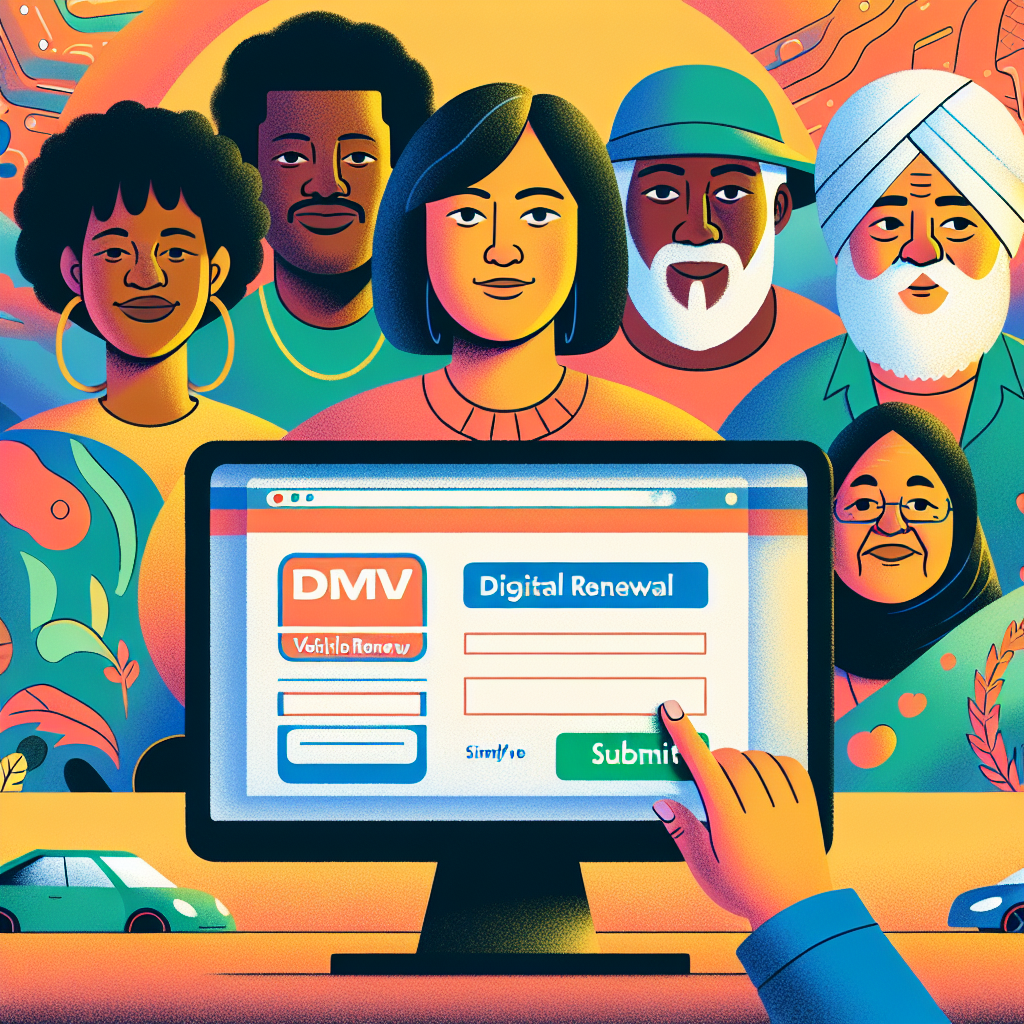
    1. Online service portals let people do things like document submissions and renewals online.
    2. Virtual queue systems help people reserve their spot in line without leaving home.
    3. Mobile applications let people access DMV services on their phones.
    4. Automated kiosks allow for quick self-service transactions.

    Some states are leading the way with these changes. In California, you can do almost everything online. New York has virtual appointments you can make from your phone. These states are showing others how to follow these digital trends.

    How Digital Transformation Reduces DMV Crowding

    Online Services for Routine DMV Tasks

    Online services let people do lots of DMV tasks from home. Some tasks that can be done online now are:

    1. License renewals and replacements: You don’t need to visit the DMV anymore, which saves you time and reduces the number of people in the offices.
    2. Vehicle registration and title transfers: These are now easier and faster with digital forms and electronic submissions.

    The Rise of Virtual Appointments

    Virtual appointments let you meet with DMV workers without going to the office. This system has a lot of benefits:

    • Fewer office visits mean fewer people at the DMV.
    • Helps people who might find it hard to travel or live far away.

    Automated Kiosks

    Automated kiosks are in places like supermarkets and malls to help with simple tasks like renewing driver’s licenses and registering vehicles. These kiosks are useful because:

    • Quick service gives people a chance to do many things fast, reducing trips to the DMV.
    • Always available because kiosks work 24/7, making things more convenient.

    Benefits of a Digital DMV Experience

    Moving to digital services at the DMV has lots of benefits:

    • Less waiting time because fewer people are visiting the office, allowing for faster service.
    • Happier customers because it’s easier to access services, which people like more.
    • Better for the environment because there’s less paper and less traveling.

    Challenges and Considerations

    Even though things are better, there are still some challenges, like:

    • The digital divide: Making sure everyone can use digital services, even if they don’t have much technology.
    • Security and privacy: Keeping everyone’s information safe and private.
    • Keeping systems updated: Digital things need to be updated to meet what users need.

    The Future of DMV Operations

    In the future, DMV operations might use even newer technologies:

    • New tech like blockchain for safer transactions and AI for customized user interactions.
    • Future predictions suggest DMV processes will become more automated.
    • Tech companies and government working together will help this transformation keep moving forward.

    Conclusion

    The digital transformation of DMV operations is really helping reduce crowding in offices, and it’s making services better overall. By using these digital changes, trips to the DMV won’t seem so difficult.

    For those who haven’t yet tried these digital services, now’s the time! They can make your DMV experience much better and easier. Moving forward, DMVs worldwide might continue this trend, adding even more digital services.

    Call to Action

    We want to hear from you about your experiences with digital DMV services! Are they as handy as we think? Share your stories in the comments.

    For more information on DMV digital tools, visit your local DMV website or contact customer service. Let’s talk about how these changes could get even better in the future!

    Visit Tags Clinic

    Looking for a convenient healthcare service provider? Look no further! We encourage you to visit Tags Clinic located at 3845 University Ave, San Diego, CA. If you have any questions or need to schedule an appointment, don’t hesitate to call us at 619-777-9046. Getting quality healthcare has never been this easy and accessible.

    Learn more about our services on our website.

    The Easiest Way to Reach Us

    Don’t know the way? No problem, use the Google Map direction below.