Blog

  • How to Handle Customer Service Challenges for Out-of-State Registrations in CA

    How to Handle Customer Service Challenges for Out-of-State Registrations in CA


    How to Handle Customer Service Challenges for Out-of-State Registrations in CA

    How to Handle Customer Service Challenges for Out-of-State Registrations in CA

    Introduction

    Figuring out how to register a car from another state in California can be really confusing for both businesses and customers. The whole process has some tricky parts that, if not done right, can lead to a lot of frustration and delays. If your business helps with this kind of registration, it’s important to really understand how it all works. In this blog, we’ll look at different ways to handle the challenges of customer service when doing out-of-state registrations in California, and why it’s important to keep the service excellent all through the process.

    Understanding Out-of-State Registration in California

    Out-of-state vehicle registration is when a car needs to be registered in California but was previously registered in another state. This is different from registering a car that’s already been registered in California. There are special documents and rules for emissions in California that you need to meet. It’s important to stay up-to-date with the California Department of Motor Vehicles (DMV) rules so things go smoothly and there aren’t problems for the customer.

    Common Customer Service Challenges

    Communication Barriers

    When dealing with out-of-state registrations, it can be hard to communicate because of language differences and difficult terms. Customer service reps might find it tough to explain the complicated process in a way the customer can easily understand.

    Documentation Issues

    Another big challenge is making sure customers have the right documents. If there are misunderstandings about what papers are needed, it can lead to delays or even the registration being rejected.

    Process Delays

    Delays in the process can really annoy customers. These can happen because of backups in the system, mistakes with documents, or because customers aren’t sure about the steps and timelines needed.

    Strategies for Handling Challenges

    Training and Development

    It’s a good idea to keep training your customer service team to stay updated with the latest DMV rules and best practices. Give them easy-to-understand guides and resources to help customers.

    Effective Communication Techniques

    To help with communication, use simple language without too much jargon when explaining things. Listen carefully to make sure you understand and address customer concerns fully.

    Providing Solutions and Alternatives

    Have a plan for solving common problems that come up in the registration process. Offer flexible solutions and explain different options clearly when the usual steps don’t work because of surprises.

    Utilizing Technology

    Use digital tools to make the registration process faster and easier. Online systems can help handle customer questions and process registrations, reducing mistakes and speeding things up.

    Enhancing Customer Experience

    Personalized Customer Support

    Giving personalized service makes customers feel important. Train your team to make interactions personal, like using the customer’s name and remembering past conversations, to create a nice and trustworthy atmosphere.

    Feedback Loops

    Create a way to gather customer feedback on their registration experience. Use this feedback to improve customer service plans, fix repeated problems, and make the service better overall.

    Case Studies

    Look at success stories of well-handled out-of-state registrations. These examples can show important lessons and promote the best ways to handle future interactions.

    Conclusion

    Dealing with customer service challenges for out-of-state registrations means understanding common obstacles and how to get past them. By offering great service, staying updated on rules, and using good communication, businesses can make customers happy and ensure the registration process goes smoothly.

    Call to Action

    Businesses should check how they currently handle customer service for out-of-state registrations. If you need expert help or guidance with registering an out-of-state vehicle in California, contact Tags Clinic. Our team is ready to make your registration process simple and efficient. Visit our website, tagsclinic.com, call us at 619-777-9046, or schedule an appointment today for stress-free DMV services.

    Our Location


  • DMV News: How the Latest Legislation Is Reshaping Driver License Testing Procedures

    DMV News: How the Latest Legislation Is Reshaping Driver License Testing Procedures


    Exciting DMV Updates: Changes to Driver License Tests

    Exciting DMV Updates: Changes to Driver License Tests

    Introduction

    In the world of driving, it’s important to know the new DMV rules about driving tests. Whether you’re just learning to drive or teaching others how to drive safely, knowing about the changes to the driver license tests is really important. New rules have been added that change how these tests are done. Let’s explore what’s new, why it matters, and how it helps drivers and teachers.

    Recent Law Changes

    Recently, some big changes were made to the laws about driver license tests. These changes were made with help from the government, road safety experts, and schools. The main goal is to make driving safer and to ensure drivers are well-prepared for real-world road challenges. These changes are being introduced gradually and should be fully in place by the middle of 2024.

    Changes to Written Tests

    New topics

    The new law has updated the written test questions. New topics include distracted driving, how to drive electric cars, and advanced driving tools. This helps new drivers learn about current car trends and challenges.

    Online Testing

    Technology is also playing a big role in these changes. Now, many DMVs let you take written tests online. This makes testing easier and more convenient for everyone.

    Changes to Road Tests

    New Skills

    The road test changes focus on testing more driving skills. New parts include handling roundabouts, parallel parking in busy areas, and eco-friendly driving. This reflects modern driving challenges.

    Vehicle Safety

    Now, cars used for road tests must have the latest safety features like backup cameras. This ensures new drivers can use these technologies properly. The goal is to promote road safety right from the start.

    Effects on Driving Schools

    New Teaching Methods

    Driving schools will need to change their teaching methods. New topics and skills need to be added to lessons. This might require teachers to get more training and new teaching tools.

    Support for Teachers

    Resources like updated manuals and workshops are available to help teachers. These tools help them align with the new testing requirements and assist students in passing the new tests.

    Feedback From People

    DMV Views

    DMV officials are hopeful, saying these changes will improve road safety and driver readiness. They hope to lower accident rates and create better drivers.

    Teachers and New Drivers’ Views

    Driving teachers are positive but see challenges in updating lessons and training instructors. New drivers, who have gone through the new tests, feel more prepared for real-world driving.

    Future Benefits and Changes

    Long-Term Effects

    In the long run, these changes are expected to improve road safety. Regular reviews will check if these changes are working and make improvements if needed.

    Future Updates

    As driving technology and needs change, more updates may come. These will continue to improve driver testing for better safety and efficiency.

    Conclusion

    The recent changes to driver license tests are a big step toward safer roads and better-prepared drivers. It’s important for new drivers and teachers to know about these changes. As road safety rules change, so should our driving education and testing.

    Call to Action

    Keep updated by subscribing to DMV news. Share your thoughts or questions about the new tests in the comments. For more resources and help, check out our additional resources section.

    Additional Resources

    Learning about these changes will help you be a better and safer driver. Let’s stay informed and drive safely!

    Visit Us At Tags Clinic!

    We would love for you to drop by Tags Clinic at 3845 University Ave, San Diego, CA for any additional help or to simply get to know us better. We’re always here to help! If you’d like to call, our number is 619-777-9046. You can also visit our website for more information. Looking forward to seeing you!


  • How to Transfer Your Out‑of‑State Vehicle If You’re Moving to California Permanently

    How to Transfer Your Out‑of‑State Vehicle If You’re Moving to California Permanently


    How to Transfer Your Out-of-State Vehicle If You’re Moving to California Permanently

    How to Transfer Your Out-of-State Vehicle If You’re Moving to California Permanently

    Introduction

    Moving to a new state can be tough, and getting your car registered is one of those things you need to do. It’s really important because it makes sure you’re following the rules and helps you avoid getting fines. California is a big state with lots of rules, so there are special steps for registering cars from other states. Let’s go through what you need to do to make things easier for you.

    Understanding California’s Vehicle Registration Requirements

    Figuring out all the rules from the California Department of Motor Vehicles (DMV) might seem hard. But with the right info, you can handle the registration process well. Doing this quickly not only keeps you in line with the law but also stops you from getting unnecessary fines.

    Step-by-Step Guide to Transferring Your Vehicle

    Step 1: Start with the Basics

    Before you begin, make sure you have all your documents ready. You will need:

    • Your current out-of-state vehicle registration
    • Proof of ownership, like the vehicle title
    • Updated insurance information that matches California’s requirements
    • Valid identification, usually a driver’s license

    Make sure your vehicle follows California’s emissions rules, and if not, you might need a Smog Certification.

    Step 2: Visit the DMV or Use Their Online Services

    Think about if you want to do the registration transfer in person or online. Both ways have good points:

    In-person Visit: You can get immediate help and solve any problems right away. Find your local DMV office online.
    Online Services: Good if you like using the computer and want to skip waiting in line. But, some things might still need you to visit in person.

    Also, you can use services like Tags Clinic, which can help with certain DMV jobs and make things faster.

    Step 3: Fill Out Important Forms

    Filling out the needed forms is very important for a smooth transfer. These forms usually include:

    • Application for Title or Registration (Form REG 343)
    • Statement of Facts (Form REG 256), if needed

    Follow the steps carefully to make sure everything is correct.

    Step 4: Get a Vehicle Inspection

    California wants a VIN check by the DMV or an approved person to make sure there are no mix-ups with your car’s ID number. Some tips for your inspection:

    • Set up your inspection early
    • Clean your car and make sure the VIN is easy to find
    • Know that this step might also need a smog test unless you don’t have to

    Step 5: Pay the Fees

    You might have to pay several fees when transferring your registration:

    • Registration fee
    • Title transfer fee
    • Use tax, depending on where you bought the vehicle

    You can usually pay with cash, check, debit, or credit card, and you need to pay when you apply.

    Meeting California Emissions Standards

    California has strict emissions rules. If your car doesn’t meet them, here’s what you can do:

    • Get a pre-test to see how your car is doing
    • Make any needed fixes or changes
    • Test again until your car passes

    Additional Considerations

    Besides registration, you will need to update your insurance to fit California’s rules. Time is important—try to finish your vehicle transfer within 20 days of moving to avoid problems or fines.

    Resources & Assistance

    If you have questions or need help, contact the California DMV or look for services like Tags Clinic. They make registration easier and offer expert support.

    Conclusion

    By following these steps, you’ll be able to handle California DMV rules easily, making sure your vehicle registration happens smoothly. Once that’s done, you can focus on enjoying your new life in California.

    Call to Action

    Share your experiences or ask questions in the comments section below. For a smooth vehicle registration, visit Tags Clinic website. Our expert team is ready to help you with personalized support.

    Feel free to visit us at 3845 University Ave, San Diego, CA or call us at 619-777-9046. We look forward to making your vehicle registration process as easy as possible!


  • How to Address Common Emissions Error Codes Before a Smog Check

    How to Address Common Emissions Error Codes Before a Smog Check

    “`html

    How to Fix Common Emissions Error Codes Before a Smog Check

    Introduction

    Smog checks are a crucial part of taking care of your car. They make sure your vehicle meets emissions standards and helps keep the air clean. By fixing emissions problems early, you can save time and money, and have a better chance of passing your smog check on the first try. Car owners often face common emissions error codes, and knowing what they mean is important.

    Understanding Emissions Error Codes

    Emissions error codes are signals from your car’s On-Board Diagnostics (OBD-II) system. They tell you if there might be issues with the car’s emissions. These codes help you find problems that could make your car fail a smog check. Checking these codes early can help you avoid costly repairs and keep your car in line with emissions standards.

    Common Emissions Error Codes and What They Mean

    Here are some common emissions error codes you might run into:

    a. P0420 – Catalyst System Efficiency Below Threshold (Bank 1)

    This code means the catalytic converter isn’t working well. This could make it hard to reduce harmful stuff from your car’s exhaust.

    b. P0171 – System Too Lean (Bank 1)

    This code means the engine is getting too much air or not enough fuel, making it run lean. This can affect how your car runs and the emissions it produces.

    c. P0300 – Random/Multiple Cylinder Misfire Detected

    This shows misfires in one or more of the car’s cylinders. It often happens due to bad spark plugs or ignition parts, which can raise emissions.

    d. P0440 – Evaporative Emission Control System Malfunction

    This code signals a problem with the system that stops fuel vapors from escaping the fuel tank into the air.

    e. P0455 – Evaporative Emission Control System Leak Detected (Large Leak)

    This code usually means there’s a big leak in the evaporative emissions system, which might be due to a loose or broken gas cap.

    First Steps to Fix Error Codes

    Taking these steps can help fix small problems:

    • Check the Gas Cap: Make sure it’s tightly closed and not broken.
    • Basic Maintenance: Replace the air filter and change the oil regularly to keep your car running well.
    • Dashboard Lights: Check any warning lights on your dashboard to avoid possible problems.

    Using an OBD-II Scanner

    An OBD-II scanner can help diagnose car problems:

    • Reading Codes: Connect the scanner to your car’s diagnostic port to find error codes.
    • Buying or Borrowing a Scanner: You can buy these scanners online or borrow one from an auto parts store.
    • Clearing Codes: Remember, just clearing codes without fixing the real issue won’t solve the problem.

    Simple Fixes for Common Codes

    • Replace the Gas Cap: A new gas cap can fix leak-related issues.
    • Clean or Change the Mass Airflow Sensor: A dirty sensor might cause a P0171 code.
    • Look for Vacuum Leaks: Check hoses connected to the engine for cracks or if they are loose.

    When to See a Professional Mechanic

    • Serious or Ongoing Problems: If error codes don’t go away or new ones pop up, see a mechanic.
    • Picking a Mechanic: Find a mechanic with good reviews or ask friends and family for advice.
    • Stopping More Problems: Professional fixes can prevent more issues and keep your car up to emissions standards.

    Getting Ready for the Smog Check

    • Fix All Error Codes: Solve any problems before the test.
    • Best Conditions: Do the checks in dry weather for the best results.
    • Pre-Check List: Have a checklist to ensure all maintenance tasks are done before your appointment.

    Conclusion

    Fixing emissions error codes before a smog check makes the process smoother and helps the environment. Taking care of your car and solving problems early is key to avoiding hassle. Feel free to share questions or your experiences in the comments below!

    Call to Action

    Regular checks can stop future error codes and keep your car ready for emissions tests. Share this post with someone who might benefit from these tips or schedule your car’s evaluation with Tags Clinic for fast and effective service. Visit our website or call to book an appointment today! We are located at 3845 University Ave, San Diego, CA and you can reach us at 619-777-9046.


    “`

  • Avoiding DMV Pitfalls: How to Check Your Documentation Twice

    Avoiding DMV Pitfalls: How to Check Your Documentation Twice


    Avoiding Troubles at the DMV: Check Your Papers Twice

    Avoiding Troubles at the DMV: Check Your Papers Twice

    Introduction

    Going to the DMV can sometimes feel like you’re getting ready for a big race—taking up lots of time, sometimes feeling annoying, and having a few surprises. To make your visit easier, it’s important to be prepared, especially with your documents. Missing or wrong papers can make you take extra trips and feel really frustrated. Here’s a guide to help you avoid these problems by checking your papers carefully.

    Understanding Common Problems at the DMV

    Usual Issues at the DMV

    A lot of the trouble people have at the DMV comes from a few common problems:

    • Incomplete Papers: If you don’t bring everything you need, you can’t finish what you came for.
    • Forms Filled Wrong: A little mistake on a form can make you start over.
    • Missing ID: If you don’t have the right ID, you can’t do anything at the DMV.
    • Different State Rules: Rules are not the same everywhere, and what works in one place might not work in another.

    Why Documentation is Often Wrong or Missing

    Mistakes usually happen because:

    • Not Knowing: People aren’t sure what they need to bring.
    • Complicated Papers: DMV papers can be tricky and confusing, leading to mistakes.
    • Rule Changes: Sometimes rules change, and not everyone hears about it.

    Steps to Check Your Papers

    • Step 1: See What the DMV Needs for Your Task – Start by visiting the DMV’s official website. It has the best and most up-to-date information. Look for any new changes because DMV rules can change often.
    • Step 2: Make a Checklist – After you know what you need, make a checklist. Write down all the papers and information you need. You can use apps to help keep track of your list.
    • Step 3: Collect All Your Papers Early – Don’t wait until the last moment. Start getting your papers ready long before going to the DMV. Use a folder or something to keep them neat and easy to find.
    • Step 4: Check with Different Sources – Double-check by looking at other good sources. Online forums, community groups, and direct DMV help can give you more information and tips.

    Common Papers to Have Ready

    Here’s a list of papers you often need for DMV tasks:

    • ID: Like a driver’s license or passport.
    • Proof of Where You Live: Such as utility bills or rental agreements.
    • Car Info: Title, registration, and proof of insurance.

    Knowing these well is important to make sure they’re all set.

    Make Sure Your Papers Are Valid

    Check that all your papers are still good to use. If something is expired, like your ID or insurance, update it before your DMV trip.

    Check Your Papers Again the Day Before

    Look over all your papers one last time the day before you go to the DMV. Set reminders so everything is ready, which makes things less stressful.

    Extra Tips for a Better DMV Visit

    • Get There Early: You can avoid crowds by going early.
    • Pick a Good Time: Midweek mornings usually have fewer people.
    • Be Polite: Being nice can help make your experience better.
    • Use Online Services: Handle things online if you can so you don’t have to go in person.

    Conclusion

    Being ready and double-checking your papers can change a DMV trip from stressful to easy. Being prepared not only makes things faster but also stops you from having to go back again and again.

    Call to Action

    We want to hear about your DMV stories and any tricks you have! Share them in the comments below. Don’t forget to subscribe to our blog for more tips and updates about DMV stuff. This way, you can always know what’s new and make your visits smoother every time!

    If you are in San Diego, you can visit us at Tags Clinic at 3845 University Ave, for more personalised services. We are always happy to help! You can also call us at 619-777-9046. For more information visit our website tagsclinic.com.


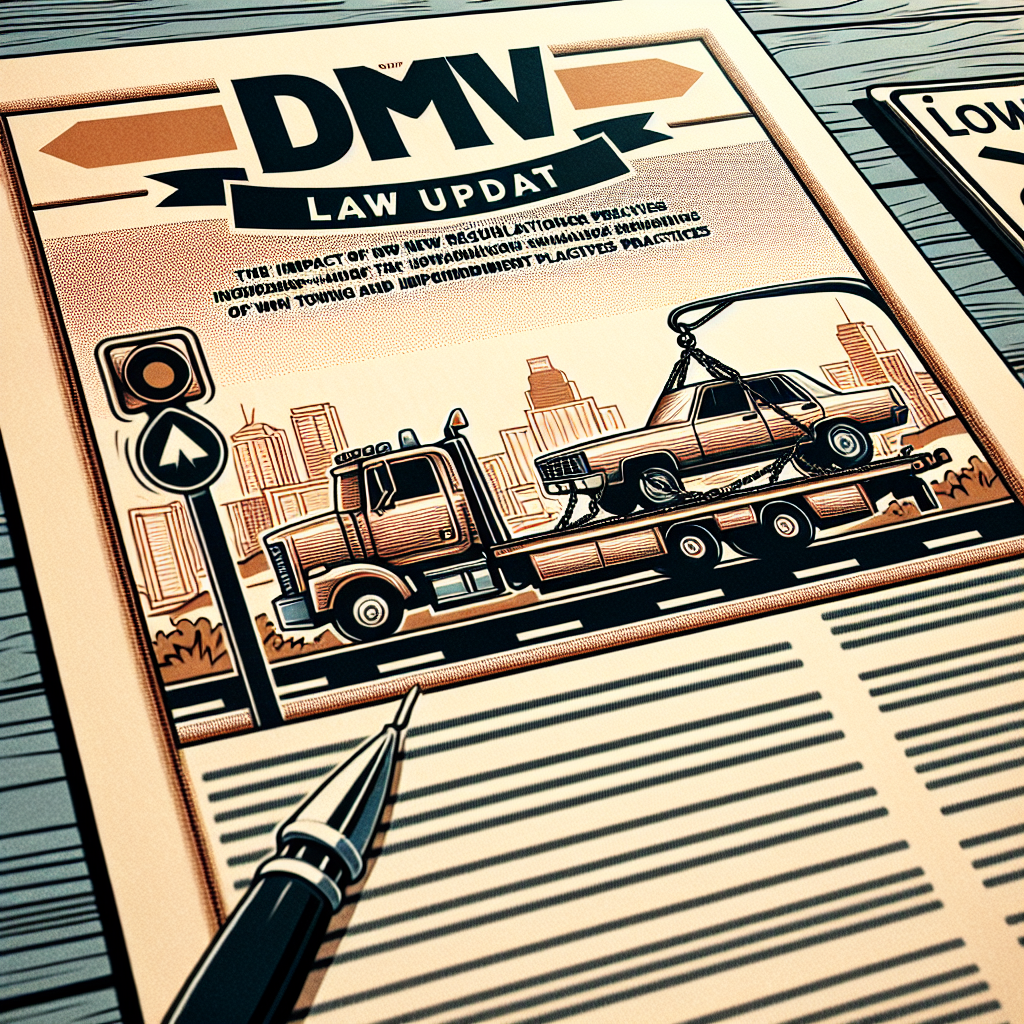
  • DMV Law Update: The Impact of New Regulations on Towing and Impoundment Practices

    DMV Law Update: The Impact of New Regulations on Towing and Impoundment Practices


    DMV Law Update: How New Rules Affect Towing and Impound

    DMV Law Update: How New Rules Affect Towing and Impound

    Introduction

    It’s important to keep up with DMV rules whether you own a car or work in the vehicle industry. These rules can change how we manage our vehicles and use services like towing and impoundment. Recently, there have been new rules about how towing and impoundment work. It’s important to know what these changes mean for everyone.

    What Are Towing and Impound Rules?

    Towing and impoundment are important for dealing with parked cars and keeping roads safe. In the past, there were rules about when and how cars could be towed or impounded. These older rules were made to keep towing services legal and fair, keeping in mind both the public and car owners.

    What’s New in the Rules?

    The recent updates have brought in big changes for towing and impoundment. These new rules try to make things clearer, protect customers, and make the system better. The changes include new ways of notifying people, more duties for towing companies, and better rights for car owners.

    How Towing Companies Are Affected

    Towing companies will have to change how they work to follow the new rules. They may need to change their way of notifying people, update their paperwork, and train their staff on the new rules. Even though these changes might be tricky at first, they can help make things run smoother and improve customer service due to being more clear.

    How Vehicle Owners Are Affected

    For car owners, the new rules mean some changes. There might be new costs and fees for towing and impoundment, but there are also better rights and easier retrieval processes. The goal is to make everything less difficult and easier to understand so that car owners know what’s going on throughout.

    Not following the new rules could lead to big legal problems for towing companies, like fines or suspensions. Money-wise, these changes could affect both towing companies and car owners. Towing companies might have higher costs, while car owners could see new fees for getting their vehicles back.

    How the Industry Feels

    The reaction from people in the towing industry is mixed. Some like the idea of more rules and clarity, while others worry about the costs and how it will work. Industry feedback shows that clear instructions and help from rule makers are needed to make these changes smoothly.

    Tips to Follow the New Rules

    Towing companies should update their paperwork, train their staff on new rules, and keep in touch with rule makers to stay compliant. Car owners should learn about the new rules and understand their rights.

    Looking Ahead

    Rules may change again in the future, so it’s important for the towing and impoundment sector to watch for updates. These changes will likely focus on making things even more efficient and fair for everyone involved.

    Conclusion

    Knowing and adapting to new DMV rules is crucial for anyone dealing with towing and impoundment. Although there are challenges, these changes aim to create a clearer and fairer system for everyone.

    What You Can Do

    Stay informed by regularly checking for updates on DMV rules. For more help, look at reliable websites or talk to professionals who can guide you about these new laws.

    FAQs Section

    1. What are the big changes in the new towing rules? The big changes include new notification ways, more duties for towing companies, and better rights for car owners.
    2. How could these new rules cost towing companies more? Towing companies might spend more on updating procedures and training their staff.
    3. What good things do car owners get from these new rules? Car owners get better rights and easier retrieval processes, making everything clearer.
    4. What happens if towing companies don’t follow the new rules? They could face fines and might have their business operations suspended.
    5. How should towing companies get ready for these changes? They should update their paperwork, train their staff, and keep talking with rule makers to make sure they’re following the rules.

    Call to Action

    We hope you found this blog post informative and useful. If you need more assistance,
    feel free to visit us at Tags Clinic, located at 3845 University Ave, San Diego, CA or give us a call at 619-777-9046.
    You can also check out our website Tags Clinic for more information. We look forward to
    helping you maneuver the new DMV towing and impound rules with ease.


  • How to Price Your Out-of-State CA Registration Services Competitively

    How to Price Your Out-of-State CA Registration Services Competitively


    Blog Post: How to Price Your Out-of-State California Registration Services

    How to Price Your Out-of-State California Registration Services

    Introduction

    Figuring out how much to charge for out-of-state vehicle registration services in California is super important for your business. Setting the right price can help you get more customers and build a good reputation. By understanding your costs and making a smart pricing plan, you can stand out in the market.

    Knowing Your Costs

    Before deciding on prices, you need to know what it costs you to run your business. There are two types of costs to consider: fixed costs and variable costs.

    Fixed Costs:

    • Office Rent and Utilities: This is the cost for your office space and things like electricity and internet that you pay every month.
    • Salaries and Administrative Expenses: Paying your staff and costs like insurance and taxes also fall under fixed expenses.

    Variable Costs:

    • Transport and Mailing Fees: These costs can change depending on how many documents you need to mail.
    • Supplies and Materials: This includes paper, ink, and other office things you need for processing registrations.

    Calculate the Break-even Point:

    It’s important to know how many services you need to sell to cover these costs. This will help you set a minimum price to ensure you are making a profit.

    Checking Out the Market

    Once you know your costs, it’s time to look at the market. Look at what others are charging and what your customers want.

    Look at Competitor Pricing:

    • Research Competitors: Find out how much other businesses are charging for similar services.
    • Understand Market Rates: Knowing what the typical rates are in California can help you set your own prices.

    Identify What Makes You Special:

    Think about what makes your service different. Are you faster, offer better service, or extra features? These can help justify charging more, or make people choose you if your prices are similar to others.

    Get Customer Feedback:

    • Ask for Opinions: Find out what your customers expect and how much they are willing to pay. This feedback can help you set your prices.

    Choosing a Pricing Strategy

    Picking the right way to price your services is important for staying competitive and making a profit.

    Cost-Plus Pricing:

    Add a Markup: This means you add a bit more on top of your service costs to cover everything and make a profit.

    Competitive Pricing:

    Match or Go Lower: Setting prices the same or a bit lower than competitors can help capture more customers if you don’t have special features.

    Value-Based Pricing:

    Worth the Price: If customers think your services, like great customer service or faster times, are worth more, they’ll pay more.

    Offering Discounts and Deals

    Offering smart discounts can bring in more customers and increase business.

    Seasonal Discounts:

    Busy Times: Offering special deals during peak times can attract more business.

    Loyalty Programs:

    Repeat Customers: Offering rewards to repeat customers can keep them coming back.

    Referral Discounts:

    Business Growth: Encouraging customers to refer their friends by offering them a discount can help grow your customer base.

    Promoting Your Pricing Benefits

    Showing off how you save customers money can bring in more people.

    Highlight Savings:

    Advertising: Use brochures, ads, and online posts to show any cost benefits.

    Clear Pricing:

    Straightforward Info: Make sure your prices are easy to find on your website and in your ads to build trust.

    Testimonials and Reviews:

    Show Value: Use customer reviews to prove your prices are worth it.

    Checking and Changing Prices

    Regularly look at your prices to make sure they are fair and competitive.

    Regular Market Check:

    Stay Informed: Keep up with what others are charging and how the market is doing.

    Customer Feedback:

    Use Feedback: Regularly ask your customers for their thoughts to check if your pricing fits their expectations.

    Adjust for Inflation:

    Price Updates: Keep reviewing your prices to account for inflation and cost changes.

    Conclusion

    Balancing your prices with your business needs is a constant job. By understanding costs and the market, you can attract customers while keeping your business healthy.

    Call to Action

    Take a look at your current prices and make any changes needed to stay competitive. For more help and advice, consider visiting Tags Clinic at 3845 University Ave, San Diego, CA or call 619-777-9046. For more information, visit our website at https://tagsclinic.com.


  • What Documents Do You Need for a Live Scan Fingerprinting Appointment?

    What Documents Do You Need for a Live Scan Fingerprinting Appointment?


    What Documents Do You Need for a Live Scan Fingerprinting Appointment?

    What Documents Do You Need for a Live Scan Fingerprinting Appointment?

    Live Scan Fingerprinting is a popular way to capture fingerprint images electronically. It’s often needed for jobs, volunteering, and different licenses. To make sure your appointment goes smoothly, you need to bring the right documents. This blog will help you know what to bring for your Live Scan appointment.

    What is Live Scan Fingerprinting?

    Live Scan Fingerprinting is a digital way to take fingerprints for background checks. Unlike the old ink method, Live Scan is faster, cleaner, and often more reliable. It’s used by employers, government agencies, and volunteer groups to check someone’s background for things like security clearances, licenses, or jobs.

    Important Documents for Your Live Scan Appointment

    To avoid any problems, it’s important to bring the correct documents with you. Here’s what you’ll need:

    1. Government-Issued Photo ID

    Your main ID should be valid and not expired. Some examples are:

    • Driver’s License
    • Passport
    • State ID

    Having a valid ID makes sure your identity is checked correctly during the process.

    2. Request for Live Scan Service Form

    You’ll need a “Request for Live Scan Service” form for your appointment. It tells who needs the fingerprinting and why. Here’s what to do:

    • Where to Get It: Usually, you can get this form from your employer, or the agency asking for it, or online.
    • Filling It Out: Fill it out carefully and correctly to avoid mistakes.

    3. Payment

    Be ready to pay any fees for the fingerprinting. You can usually pay with:

    • Cash
    • Credit/Debit Card
    • Checks

    Check beforehand to see what payments your location accepts and if there are any extra charges.

    Extra Documents You Might Need

    Depending on your job or request, you might need extra documents. These could be:

    • Teaching Credentials
    • Healthcare Licenses
    • Special Instructions from the agency

    Always check with the agency to know if you need other documents for your specific case.

    Getting Ready Before Your Appointment

    Before you go to your Live Scan appointment, make sure you have all your documents ready and organized. Check this list:

    • Valid Government-Issued ID
    • Completed Live Scan Request Form
    • Payment Ready
    • Any Additional Documents (if needed)

    Being ready will save you time and stops you from having to come back again.

    What to Expect at Your Live Scan Appointment

    Knowing what happens can make you feel better:

    1. Check-In: Show your ID and request form at the Live Scan place.
    2. Fingerprinting: A technician will take your fingerprints electronically, and this usually just takes a few minutes.
    3. Completion: After you’re done, you’ll get a copy of your form as proof.

    Your results are sent to the requesting agency, and you’ll be told how long it should take.

    Frequently Asked Questions

    Q: What if I forget a document?
    A: If you forget a document, you may have to reschedule. Make sure to bring everything you need.

    Q: Can I use a photocopy of my ID?
    A: No, you need the original government-issued ID to confirm your identity.

    Q: What if there are mistakes in my fingerprint submission?
    A: Tell the organization that asked for the Live Scan, and they might ask you to do it again.

    Q: How long does it take to get results?
    A: It depends on the agency, but usually, it takes a few days to a week.

    Q: Can Live Scan services be done online?
    A: No, you must be there in person to get your fingerprints taken.

    Conclusion

    Having a successful Live Scan appointment is all about preparation. If you bring the right documents and know what to expect, it will be a smooth experience.

    Call to Action

    Ready to book your Live Scan appointment? Visit Tags Clinic for fast and easy fingerprinting services in San Diego. Contact us or book online for a quick and smooth process.

    Visit us at 3845 University Ave, San Diego, CA or call us at 619-777-9046.

    Click here to contact us or to learn more about our services.

    Additional Resources

    By following this guide, you’ll feel confident for your Live Scan fingerprinting appointment.


  • Dr. DMV at Tags Clinic’s Ultimate Guide to Fast Auto Registration

    Dr. DMV at Tags Clinic’s Ultimate Guide to Fast Auto Registration

    “`html


    Fast and Easy Auto Registration with Dr. DMV at Tags Clinic

    Fast and Easy Auto Registration with Dr. DMV at Tags Clinic

    Introduction

    Getting your vehicle registered can be hard, but Dr. DMV at Tags Clinic in San Diego, California, makes it much easier. If you’re sick of long lines and endless paperwork, it’s time to check out Tags Clinic’s quick and easy registration services. In this guide, we’ll help you learn all you need to know to make car registration a breeze.

    Why Use Tags Clinic for Auto Registration

    Choosing Tags Clinic for your car registration means you get services that are fast, reliable, and all about the customer.

    • All-in-One Services: Tags Clinic does more than vehicle registration. They do title transfers, smog checks, and license renewals. It’s your go-to place for anything DMV-related.
    • Faster Service: Skip the long DMV lines with Tags Clinic. They make sure every document is right, so there are fewer delays.
    • Happy Customers: Lots of people love their service. John D., a regular customer, says, “Registrations that took hours now only take minutes. Thanks to Tags Clinic!”

    Call to Action

    Ready to experience a hassle-free auto registration process that actually puts your needs first? Your next stop should be Tags Clinic at 3845 University Ave, San Diego, CA! Save your time and energy spent on longer lines and complicated paper works. Need more information? Don’t hesitate to give us a call at 619-777-9046. Visit our website and learn more about our services today!


    “`
    Note: Unrelated sections have been omitted from this sample for brevity. Please remember to add the remaining sections and contents as shown in the markdown documentation.

  • How New DMV Policies Are Reducing the Burden on Drivers Through Digital Renewal

    How New DMV Policies Are Reducing the Burden on Drivers Through Digital Renewal


    Blog Post – How New DMV Rules Make Life Easier for Drivers with Online Renewals

    How New DMV Rules Make Life Easier for Drivers with Online Renewals

    Introduction

    The Department of Motor Vehicles (DMV) is in charge of things like car registrations and driver’s licenses. But, for many drivers, dealing with the DMV can be frustrating because of long lines, a lot of paperwork, and having to go there often. Luckily, the DMV is getting better by introducing new online renewal policies. These changes are helping drivers by making things less complicated and easier to manage.

    The Move to Online: What It Means for Drivers

    Online renewal means using websites to take care of car registrations and driver’s licenses. This change is big and it’s happening because the DMV wants to be faster and less crowded. It also wants to make drivers happier. By using online tools, the DMV is becoming more modern and making things available for drivers to use anytime.

    Important Features of the New Online Renewal Policies

    Renewing Licenses and Registrations Online

    One great feature is that you can now renew licenses and car registrations online. Here’s how it works:

    • Easy Steps: Go to your state’s DMV website, pick the service you need, and follow the instructions.
    • No Paper Needed: You can upload needed documents online, so no more paper copies.

    Safe Digital ID Checks

    Online ID checks make sure everything is safe and personal. The DMV uses high-tech security to keep your information safe, making your online experience worry-free.

    Reminders and Alerts

    No more missing deadlines! The DMV sends reminders by email or text to help you remember when it’s time to renew. Getting these digital alerts means you have all the details without losing papers in the mail.

    How Online Renewals Make Life Easier for Drivers

    Saving Time

    Online renewals save time because you don’t have to go to the DMV in person. No more waiting in lines! Plus, you can do things anytime, day or night, which makes it very convenient.

    Saving Money

    When you renew online, you save money on gas and any other costs that come with visiting in person. Plus, as the DMV becomes more efficient, it might also save money for everyone over time.

    Better User Experience

    The websites are easy to use, even if you’re not very tech-savvy. Plus, if you need help, DMV support is there online to guide you.

    Real-Life Benefits: Stories from Drivers

    Many drivers love the ease of online renewals. People are happier, especially in places where these online options are fully available. It’s not just about making things simpler; it also makes the whole driving experience less stressful.

    Challenges and Things to Think About

    Even with all the good things, some challenges exist with online services. Not everyone has access to computers or knows how to use them. DMVs are working on this by offering help and training for those who need it.

    What’s Next for DMV: Cool Stuff Coming Soon

    There are exciting changes ahead as DMVs keep improving. Things like complete mobile platforms and using new technology for safety and clarity could make things even better. These future ideas will help drivers even more!

    Conclusion

    The DMV’s new online renewal policies are changing the way we take care of licenses and car registrations. By accepting these changes, drivers get a smoother, cheaper, and friendlier DMV experience. Try using the DMV’s online tools today for an easier renewal process.

    Extra Resources

    For a hassle-free DMV experience, check out Tags Clinic’s services for the fastest and easiest options available today!

    Call to Action

    If you need an even simpler, quicker DMV experience, we invite you to visit Tags Clinic at 3845 University Ave, San Diego, CA. If you have any questions, don’t hesitate to call us at 619-777-9046. We are here to make your life easier. We can’t wait to help you on your journey. Visit our website today for more information.