Blog

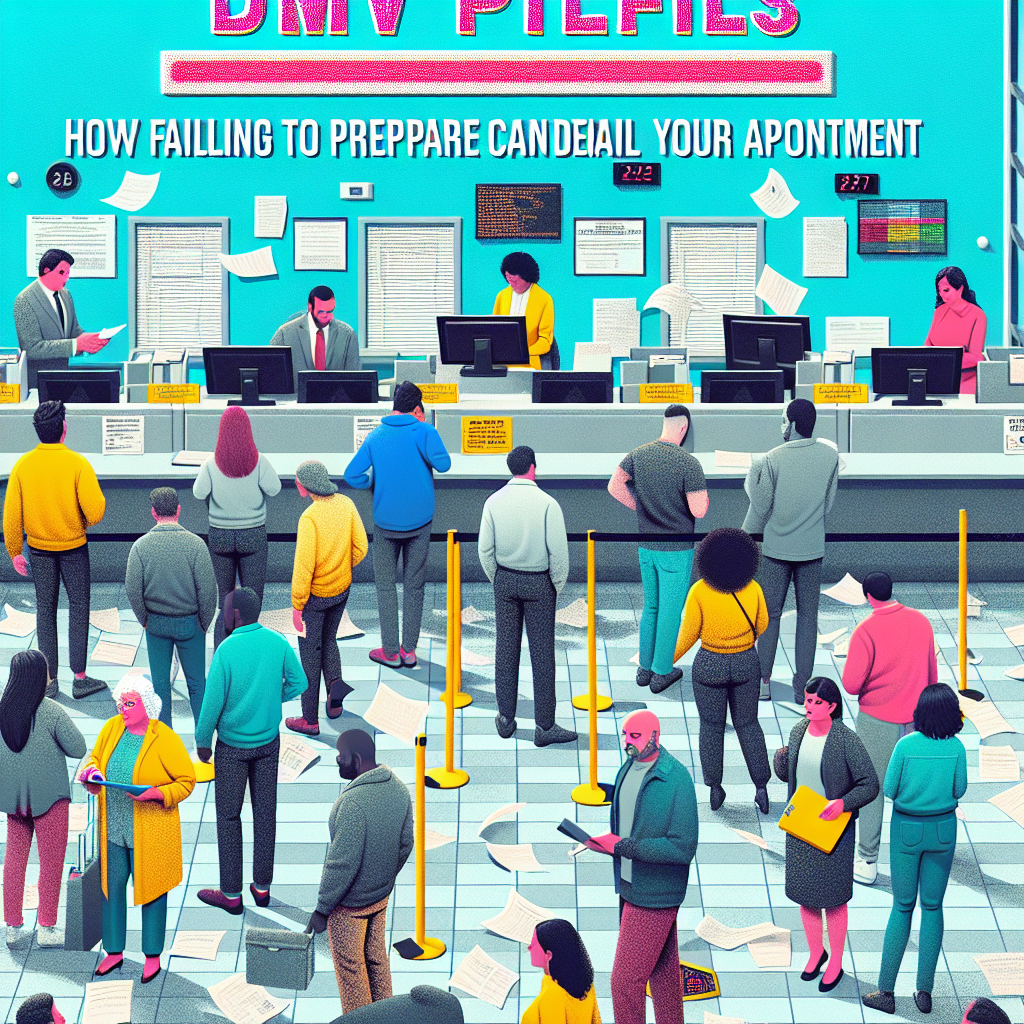
  • DMV Pitfalls: How Failing to Prepare Can Derail Your Appointment

    DMV Pitfalls: How Failing to Prepare Can Derail Your Appointment


    DMV Pitfalls: How Not Being Ready Can Mess Up Your Appointment

    DMV Pitfalls: How Not Being Ready Can Mess Up Your Appointment

    Introduction

    Ah, the DMV—a place that often makes people feel stressed and frustrated. Whether you’re registering a car or transferring a title in California, visiting the DMV can be tough without being ready. But don’t worry! With some planning, you can make your DMV trip much easier. In this blog post, we’ll talk about common mistakes people make and give you tips on how to get ready for your next DMV appointment successfully.

    Common DMV Pitfalls

    Going to the DMV can feel like playing a tricky game that needs planning. Here are some common mistakes and how you can avoid them:

    Not Knowing What You Need

    Many people go to the DMV without knowing what they need to bring. Whether you’re transferring a car title or renewing your registration, not having the right papers or information can waste your time.

    Not Planning Your Time

    Another mistake is not realizing how long the DMV can take. Be prepared for long waits, especially during busy hours or if you don’t have an appointment.

    Forgetting About Fees

    It’s really bad when you get to the payment part and realize you don’t have enough money or the right way to pay. Check the costs and payment methods before you go.

    Ignoring New DMV Changes

    The DMV can change its rules without telling everyone. If you don’t check for recent updates, you might end up wasting time.

    What Happens If You Don’t Prepare

    If you don’t get ready for your DMV appointment, bad things can happen:

    Missing Appointments

    Without planning, you might miss your appointment, which means you’ll have to reschedule and wait longer.

    Not Finishing Your Business

    If you don’t have the right documents, you might not finish what you came to do, causing stress and problems.

    Getting Stressed

    Dealing with surprises at the DMV can make you stress, especially if you have to change your plans or come back again.

    Paying Extra Fees

    Not being prepared can lead to fines or extra fees if you miss deadlines or have wrong papers.

    Tips to Get Ready

    Getting ready for a DMV appointment doesn’t have to be hard. Here’s how you can make it easier:

    Do Your Homework

    Find out exactly what you need. States have different rules for registering a car or transferring a title, so make sure you have up-to-date info.

    Make a Document List

    Making a list of needed documents can help you gather everything you need so you don’t forget anything.

    Plan Your Time

    Choose the best time to visit. If you can, make an appointment online to avoid long waits. Try going in the middle of the month when it’s less busy.

    Use Online Resources

    Use the DMV’s online services, like renewing registration or figuring out fees, to save time when you go in person.

    Use Technology

    These days, technology can help a lot when preparing for your DMV trip:

    Book an Appointment

    Use online tools to find a time that works for you, cutting down time standing in lines.

    Organize Documents Online

    Scan your documents and organize them digitally so you can easily find them if needed.

    Track Your Appointment

    Use apps or calendars on your phone to get reminders about your appointment.

    Getting Ready for Surprises

    Sometimes things don’t go as planned. Here’s how to be ready for unexpected situations at the DMV:

    Plan for Delays

    Have a backup plan in case of delays. This might mean choosing another day for DMV tasks or getting other transportation ready.

    Extra Documents

    Bring extra IDs or papers to avoid problems if something is missing or wrong.

    Be Ready for Extra Fees

    Carry a bit of extra cash or have other ways to pay in case of unexpected costs.

    Conclusion

    By getting prepared, your next DMV visit can be easier and less stressful. Follow these tips to not just gather your papers but to have a smooth, fast experience. We’d love to hear your DMV stories or tips in the comments below!

    Additional Resources

    Plan ahead, avoid mistakes, and you might leave the DMV with a smile! For help and to skip the DMV trouble, visit Tags Clinic in San Diego for all your vehicle registration and title needs.

    Call to Action

    Ready to take the stress out of your DMV visit? Don’t hesitate to visit us at Tags Clinic. We’re conveniently located at 3845 University Ave, San Diego, CA. You can also reach out to us via phone at 619-777-9046. Making DMV appointments easier is a click away. Visit our website https://tagsclinic.com today!

    We hope to see you soon!


  • New DMV Legislation: What the Latest Changes Mean for Driver License Processing

    New DMV Legislation: What the Latest Changes Mean for Driver License Processing


    New DMV Legislation: What the Latest Changes Mean for Driver License Processing

    New DMV Legislation: What the Latest Changes Mean for Driver’s License Processing

    Introduction

    States change DMV rules a lot, and these changes can make a big impact on how drivers get their licenses. It’s important to know about these updates because they can save you time, money, and help you follow driving laws. This blog post will help you understand the latest changes and make getting your driver’s license easier.

    Background on DMV Legislation

    DMV rules are always being updated to keep up with new technology and safety needs. These changes involve a lot of people, like lawmakers and safety experts, who make sure the laws work for today. Recently, there has been a big push to make things digital and improve how DMVs do things, so that it’s easier and faster for everyone.

    Overview of the Latest Legislative Changes

    A. Summary of New Laws

    The DMV has made new rules to change how driver’s licenses are processed. Starting from [insert effective date], these changes are meant to make things easier, improve safety, and use new technology in the DMV.

    B. Specific Changes to Getting a Driver’s License

    1. Application Processes

      • You can now send in your applications online, which means fewer trips to the DMV. They’re also getting rid of paper forms and using digital ones, which makes everything faster.
    2. Testing Requirements

      • The written tests cover the latest traffic laws and safety tech. The driving tests will now have real-world scenarios and use simulations to really test your driving skills.
    3. Fees and Surcharges

      • Fees might go up a little bit because of the new tech, but this will help cover the cost of better processing and safety.

    Impact on Different Driver Categories

    A. New Drivers

    For teenagers and first-time drivers, learning will be easier with updated tests and extra resources to help you learn the new rules.

    B. People Renewing Licenses

    Renewals are now faster with online reminders and quick online options, meaning less paperwork and waiting.

    C. People Moving from Other States

    If you’re moving from another state, getting your license will be easier because of simpler checks and the same rules across states.

    Benefits and Challenges of the New Legislation

    A. Potential Benefits

    • Easier Process: Digital systems mean less waiting and a faster DMV experience.
    • Better Safety: New tests make sure drivers know the current safety rules.

    B. Possible Challenges

    • Tech Problems: Switching to digital might be tricky at first for some people.
    • Higher Costs: While digital systems can cost more at first, they help save time in the long run.

    How to Prepare for the Changes

    A. What Drivers Can Do

    • Stay Updated: Check the DMV website for any changes that affect you.
    • Get Documents Ready: Make sure your papers are up-to-date to avoid any issues.
    • Use Online Guides: Take advantage of the online help to understand the new processes.

    B. Where to Get Help

    • DMV Resources: You can get help from DMV’s online chat, phone support, and learning tools.
    • Tags Clinic Services: They offer help to make sure you meet the new rules easily.

    Conclusion

    Knowing the new DMV changes is important for making getting your driver’s license easy. Use all the resources and help available, like Tags Clinic, to make sure you can handle these changes and use new technologies with ease.

    Call to Action

    If you have questions or need help, reach out to Tags Clinic. Our expert team is ready to help you understand and take advantage of the new DMV rules. Share this post with others so everyone knows about the changes and is ready. Visit us at 3845 University Ave, San Diego, CA or call us at 619-777-9046. You can also visit our website tagsclinic.com for more help.

    Additional Resources


  • How Dr. DMV at Tags Clinic Helps You Ace Your California Smog Check

    How Dr. DMV at Tags Clinic Helps You Ace Your California Smog Check


    Blog Post

    How Dr. DMV at Tags Clinic Helps You Pass Your California Smog Check

    Introduction

    In California, making sure cars meet tough emission standards is not just a rule; it’s important for keeping our air clean and healthy. Smog checks help with this. Let us introduce Dr. DMV and Tags Clinic, who make it easy to understand vehicle emissions testing.

    Understanding California Smog Check Requirements

    California’s smog check program is one of the toughest in the United States. It requires many cars to have emissions tests regularly to make sure they meet air quality standards. Usually, gasoline-powered cars, hybrid cars, alternative fuel vehicles, and some diesel cars have to get checked. How often depends on the car’s age and type, but most cars need a smog test every two years.

    Common Challenges with Smog Checks

    Failing a smog test can be annoying. Common reasons why cars fail include broken pollution control devices, a bad oxygen sensor, or a faulty catalytic converter. Not passing can mean you can’t renew your vehicle registration. Also, fixing smog check problems is often needed for other registration things, showing how important it is.

    The Role of Dr. DMV at Tags Clinic

    Dr. DMV, a skilled expert at Tags Clinic, makes smog check easier and less stressful. Tags Clinic provides many services related to emissions, from smog checks to pre-test checks. With help from Dr. DMV, you can easily make sure your car meets California’s emission standards.

    Preparing for Your Smog Check

    Getting ready is important for passing your smog check. Dr. DMV suggests regular maintenance and a pre-smog test check. Simple services like oil changes, air filter replacements, and spark plug checks can really help smog test results. A checklist of these services can make getting ready easier and help you pass the test.

    The Smog Check Process at Tags Clinic

    When you get to Tags Clinic, you can expect an easy visit. The team at Tags Clinic will guide you through each step. They use new technology and make sure the smog checks are correct and fast. The clinic is also planned to make the process quick and comfy for you.

    What Happens if Your Vehicle Fails

    If your car doesn’t pass, Dr. DMV will tell you what steps to take next. You’ll get advice on repairs needed, and Tags Clinic can help with the services you need. If you need repairs and get them done, Tags Clinic offers retests to make sure your car meets all the rules.

    Success Stories

    Many people have benefited from Dr. DMV’s skills. They share how easy and helpful their smog check visits have been at Tags Clinic. Many people are thankful for how Dr. DMV has saved them time and money while getting the results they needed.

    FAQs

    1. What vehicles need a smog check?

      Most gasoline vehicles, hybrids, alternative fuel vehicles, and some diesel vehicles need a test.

    2. How often do I need a smog check in California?

      Usually every two years, but it can change depending on the vehicle type and age.

    3. What if my car fails the smog check?

      You’ll need repairs and another test. Tags Clinic can help with both repairs and retesting.

    4. Can I still drive my car if it fails the smog check?

      You’ll need to repair and retest the vehicle because failing affects your ability to renew registration.

    5. Are there exceptions to smog checks?

      Some vehicles, like those with certain ages or types, might not need a smog test.

    Conclusion

    Picking Dr. DMV and Tags Clinic means an easy and smart way to pass your California smog check. They help you understand this required process, making it simple for every car owner.

    Call to Action

    Schedule your smog check with Tags Clinic today! For more info, or to make an appointment, contact them directly at 3845 University Ave, San Diego, CA or call 619-777-9046. Visit their website at tagsclinic.com and follow Tags Clinic on social media to stay updated on car tips and news.

    Additional Resources


  • Understanding California Emissions Requirements for Out-of-State Dealers

    Understanding California Emissions Requirements for Out-of-State Dealers


    Understanding California Emissions Rules for Out-of-State Car Dealers

    Understanding California Emissions Rules for Out-of-State Car Dealers

    Figuring out California’s emissions rules can be tricky, especially if you’re a car dealer from another state trying to sell cars in California. Since California has strict environmental rules, it’s really important to follow them if you want to succeed. In this post, we’ll look at these rules and give tips on how to start selling cars in California smoothly.

    What are California Emissions Standards?

    California makes some of the toughest rules in the country to keep the air clean. The California Air Resources Board (CARB) makes sure these rules are followed. Any car sold or registered in California needs to follow these standards, which are called California-certified vehicles.

    Why Out-of-State Dealers Need to Follow the Rules

    California is a big chance for car dealers, but if you don’t follow the emissions rules, you could get into legal trouble and hurt your sales. Following these rules isn’t just about staying legal, it’s also about helping the environment and keeping people healthy.

    How to Get Emissions Certification for Vehicles

    If you’re a dealer from another state, here’s how you make sure your cars meet California’s standards:

    1. Check the Compliance Labels: Make sure the car has a label showing it meets CARB standards.
    2. Make Changes and Test: If needed, you might have to fix the car and test it to make sure it passes California’s standards.
    3. Get Certification and Keep Papers: Make sure you have all the right certifications and keep any papers to show the car is okay to be sold.

    Special California Emissions Rules

    California has different rules for brand new, used, and diesel cars. It’s important to know these rules and the times you might not need to follow them, like with some older cars or alternative fuel vehicles.

    Common Problems for Out-of-State Dealers

    Dealers might run into problems like having to change cars to meet the rules or deal with tricky paperwork. Being ready and organized can help deal with these issues:

    • Getting Help: It might be a good idea to work with people who know California rules well.
    • Learning from Others: Hearing how other dealers handled these rules can give good advice.

    How to Handle California’s Paperwork

    Filling out all the needed forms and working with the Department of Motor Vehicles (DMV) is really important. Keeping updated on any rule changes is also necessary to keep things running smoothly.

    Help and Resources for Dealers

    There are ways to make following the rules easier for dealers:

    • CARB and DMV Guides: These can show you the steps to take to meet California’s standards.
    • Hiring Experts: Getting experts who help with following rules can make things easier.

    Conclusion

    Knowing and following California’s emissions rules can help you do well in a big market and help keep the environment healthy. Dealers from other states should start learning these rules now to make things go smoothly and be successful.

    Call to Action

    Keeping up with California emissions rules is important for doing well. We encourage dealers to get help from professionals and use resources to confidently understand these complex rules. For more help and support, reach out to Tags Clinic to make sure you follow the rules correctly.

    Come see us at 3845 University Ave, San Diego, CA or call us at 619-777-9046. Book an appointment with Tags Clinic to make sure your out-of-state vehicles meet California’s emissions standards easily.


  • Why Employers Prefer Live Scan Fingerprinting for Background Screening

    Why Employers Prefer Live Scan Fingerprinting for Background Screening


    Why Employers Like Live Scan Fingerprinting for Checking Backgrounds

    Why Employers Like Live Scan Fingerprinting for Checking Backgrounds

    Introduction

    Hiring someone for a job is more than just seeing if their skills match the job. It’s also about keeping the workplace safe and honest. Checking a person’s background is really important for this. One of the best ways to do this is with Live Scan fingerprinting. It’s a new technology that helps employers do background checks better and faster. It fixes problems with older ways of doing things and makes the hiring process safer.

    I. Why Correct Background Checks Matter

    Employers need background checks to keep their workplace safe. They help make sure people are who they say they are and don’t have bad things in their past that could cause trouble. Good background checks lower the chances of hiring someone who could be dangerous or dishonest.

    Old methods of background checks, like looking at credit scores, calling references, and using ink to take fingerprints, have been used for a long time. While they work in some ways, they also have problems like taking a long time and sometimes making mistakes.

    II. What is Live Scan Fingerprinting?

    Live Scan fingerprinting is a modern way to take fingerprints using a computer. Unlike the old ink and paper way, Live Scan uses a scanner to make clear pictures of fingerprints. These are sent to the state or federal offices to check backgrounds.

    The process is easy and fast. People put their fingers on a glass pad connected to a scanner, and their fingerprints are recorded without messy ink. Live Scan is quicker and cleaner than the old way, which makes it better for both workers and employers.

    III. What Makes Live Scan Fingerprinting Good for Employers

    A. More Accurate

    Live Scan fingerprinting reduces mistakes and wrong matches. The digital images are clear and help make sure the identity check is correct. This technology reduces the chance of getting it wrong, which can happen when ink prints are smudged or not clear.

    B. Quick and Efficient

    Employers like that Live Scan fingerprinting gives results faster. Since the process is digital, it’s usually quicker than old methods. There is no paper involved, making everything quicker and letting employers hire faster.

    C. Safe and Secure

    The digital way of sending and handling fingerprint data makes it harder for someone to cheat or steal information. The data is sent in a safe way, keeping important information private and making the background check process more secure.

    Live Scan fingerprinting helps employers follow state and federal rules for background checks. Some industries have special requirements, and Live Scan helps meet those needs. By using Live Scan, employers show they care about following rules and keeping their team safe.

    V. Things Employers Should Think About

    Starting Live Scan services means thinking about a few things. There might be some costs at first, but the increased security and speed make it worth it. When choosing a Live Scan provider, employers should look for one that is reliable, has good customer service, and user-friendly equipment.

    VI. Real-Life Stories and Examples

    Many industries like healthcare and finance have benefited from Live Scan fingerprinting. Companies that use this technology report better security and an easier time hiring people. HR workers and hiring managers feel more sure about their background checks because Live Scan is accurate and reliable.

    VII. The Future of Live Scan Fingerprinting

    New technology keeps changing how we do fingerprinting and background checks. As digital improvements continue, Live Scan fits right into this new way of working, helping organizations stay on the cutting edge of hiring safely and efficiently.

    Conclusion

    In today’s job market, getting background checks right is super important. Live Scan fingerprinting is one of the best ways because it is more accurate, faster, and more secure than old methods. Employers should think about using Live Scan to make sure their workplace stays safe and honest.

    Call to Action

    To learn more or see how Live Scan works, check out Tags Clinic’s Live Scan fingerprinting services. Visit our website, call us at 619-777-9046, or book an appointment to see how Live Scan can improve your hiring process.

    Location


  • DMV Law Spotlight: The Impact of New Penalties on Unregistered Vehicles

    DMV Law Spotlight: The Impact of New Penalties on Unregistered Vehicles


    DMV Law Spotlight: How New Penalties for Unregistered Cars Affect You

    DMV Law Spotlight: How New Penalties for Unregistered Cars Affect You

    Introduction

    Getting your car registered isn’t just a boring chore—it’s really important for making sure you’re driving legally and safely. There are new DMV rules about what happens to people who don’t register their cars, and they show why it’s important. This blog will explain what these new penalties are and help car owners know what to do to follow the DMV rules.

    Background on Car Registration

    Car registration is like a certificate that proves you own your car and tells what it looks like. It shows that your car is safe to drive and meets pollution rules, which helps keep everyone safe and the environment clean. The Department of Motor Vehicles (DMV) makes sure all cars are registered. But sometimes people forget or can’t afford to register on time, which leads to the car being used without proper registration.

    New Penalties Overview

    The rules have changed, and now the penalties for not registering your car are much harsher. The fines are bigger, and the legal troubles can be tougher. Starting in January 2024, there are strict timelines for fixing this, so it’s important to pay attention.

    Why the Rules Changed

    The government made these changes to keep everyone safe and make the registration process easier. Making sure all cars are registered and trackable means the roads are safer and the DMV can work more efficiently. This can lead to better services for car owners and the community.

    Details on the New Penalties

    • Fines and Fees: Fines for not registering are much higher now, so ignoring them can cost you a lot of money. Even if you ask for more time, it won’t really lower the amount you have to pay.
    • More Consequences: If you keep not registering your car, you might face probation, legal issues, have your car taken away, or even see your insurance rates go up.
    • How to Fix It: To register your car again, you’ll need to pay all fines, get any necessary inspections done, and fill out new forms.

    What This Means for Car Owners

    If your car isn’t registered, you could end up paying a lot of money or dealing with legal problems. It’s really important to renew your car’s registration on time. If you don’t, it could mess up your finances and make insurance more expensive.

    Exceptions and Special Situations

    Sometimes there are reasons you might not have to pay as much or at all. People in the military, living overseas, or with valid reasons can ask for a break. It’s important to know how to argue if you think penalties are wrong.

    Steps to Take if You Get Caught

    1. Act Fast: Contact the DMV or a local Tags Clinic right away to deal with fines.
    2. Re-register: Fill out and send in registration forms as soon as you can.
    3. Get Help: Use DMV advice or other services like Tags Clinic to speed up the process.

    Conclusion

    Knowing DMV rules can save you from big fines and problems. Keeping your car registered avoids these issues and helps ensure safer roads. If you need help, Tags Clinic can assist with any registration questions or needs.

    Frequently Asked Questions (FAQ)

    1. What are the new fines for unregistered vehicles?
      The fines now go from $200 to over $500, depending on how long your car has been unregistered.
    2. When do these new rules start?
      All the new penalties start in January 2024.
    3. Can I get out of paying these penalties?
      Yes, there are exceptions for military and some hardship situations.
    4. How do I check if my car is registered?
      Go to the DMV website or call Tags Clinic for help.
    5. What if I get a penalty by mistake?
      Contact the DMV or Tags Clinic to check and try to fix it.

    Call to Action

    Don’t wait until you have a big fine or legal trouble from an unregistered car. Check your registration status now, and if it’s due, let Tags Clinic help you register easily. Share this info with friends to help everyone stay legal on the roads. Visit our website or contact us to learn more. We are located at 3845 University Ave, San Diego, CA or call us at 619-777-9046.


  • The Ultimate Guide to Converting Your Out‑of‑State Registration to California

    The Ultimate Guide to Converting Your Out‑of‑State Registration to California


    The Ultimate Guide to Switching Your Out-of-State Registration to California

    The Ultimate Guide to Switching Your Out-of-State Registration to California

    Introduction

    Moving to California is exciting! But alongside enjoying the sunny weather and beautiful beaches, there’s some important paperwork to handle: converting your out-of-state vehicle registration. This is necessary to follow California’s motor vehicle laws and to avoid any fines or legal issues. This guide will help you through each step, making your move to California as smooth as possible.

    Understanding California Vehicle Registration Requirements

    Registering a vehicle in California means following specific rules made by the California Department of Motor Vehicles (DMV). California’s requirements can be different from other states, so understanding them is important to avoid penalties for things like late registration or missing paperwork. Meeting these requirements is important not just for legal reasons but also to make sure your vehicle meets California’s environmental and safety standards.

    Step 1: Gather Needed Documents

    Before going to the DMV, collect all the important documents. Here’s what you need:

    • Proof of Ownership: This can be the title or your current registration card from your old state.
    • Valid Driver’s License or ID: Make sure it’s up-to-date and accepted in California.
    • Proof of California Residency: Bring items like utility bills or a lease agreement.
    • Smog Certification: Required for most cars (more details below).

    Getting these documents ready in advance will make the registration process smoother. Try to keep both digital and paper copies organized for your DMV visit.

    Step 2: Vehicle Inspection and Smog Certification

    California requires most cars to have a smog check to make sure they meet environmental standards.

    • Find smog check stations near you, usually close to DMV offices.
    • Book a smog check and make sure your car is ready to pass.
    • If it doesn’t pass, you may need to fix it before registering.

    Pro Tip: If your car is new or extra eco-friendly, see if it doesn’t need a smog check.

    Step 3: Calculate Fees and Taxes

    Understanding the fees for registering a vehicle in California will help you budget:

    • Registration Fees: These depend on your vehicle’s value and age.
    • Use Tax: This is based on your vehicle’s purchase price or current market value.
    • There might be extra charges for hybrid and electric vehicles, but you might also get some incentives.

    The California DMV website has calculators to estimate these costs.

    Step 4: Visit the California DMV

    To avoid long waits, schedule a DMV appointment online.

    • Bring all your documents and smog certification to your appointment.
    • You might need to take a vision test if you’re getting a California driver’s license.

    Though in-person visits are normal, services like Tags Clinic can help with much of the paperwork for you.

    Step 5: Submit Application for Title and/or Registration

    Filling out your application correctly is important:

    • Check all details for accuracy.
    • Make sure you’ve signed where needed, especially about ownership and insurance.

    Mistakes can delay things, so it might help to have someone check your application before you turn it in.

    Step 6: Get California Plates and Stickers

    Once your registration is done, you’ll receive California plates and stickers:

    • Put the stickers on your vehicle right away as instructed.
    • You should get your license plates in 4-6 weeks; attach them securely once they arrive.

    Write down when your stickers expire to avoid any lapses in registration.

    Tips for a Smooth Conversion

    • Arrive early for your DMV appointment in case there are unexpected delays.
    • Double-check your document checklist to make sure everything’s complete.
    • Bring a book or something to do; the DMV can require some wait time.

    Alternatives to Doing It Yourself

    Choosing a third-party service provider like Tags Clinic can:

    • Save time and reduce stress, especially if the process is new to you.
    • Give professional advice and limit the chance of mistakes.

    Whether you do it yourself or get professional help, think about what works best for you.

    Conclusion

    Changing your vehicle registration to California is important for driving legally. With this guide, you should feel more comfortable with the process, avoiding possible frustration and making the move easier. For expert help and less hassle, reach out to Tags Clinic for personalized support.

    Additional Resources

    By following this guide, you’ll be driving legally with California plates soon, ready to enjoy everything the Golden State has to offer!

    Call to Action

    If you need assistance with navigating through the process or simply want a worry-free experience, visit us at Tags Clinic at 3845 University Ave, San Diego, CA or give us a call at 619-777-9046. For more information, visit our website here. Let us do the work for you while you enjoy your new home in California.


  • What Every California Driver Should Know About Smog Certificates

    What Every California Driver Should Know About Smog Certificates


    What Every California Driver Should Know About Smog Certificates

    What Every California Driver Should Know About Smog Certificates

    Introduction

    As drivers, we often overlook reminders about vehicle emissions, but it’s important to understand their impact on the environment we care about. In a busy place like California, smog checks are a key way to fight air pollution, making sure our vehicles run cleanly and efficiently. The smog certificate is an important document for all drivers and plays a big part in this effort.

    1. Understanding Smog Certificates

    Let’s learn what a smog certificate is. Basically, it’s a piece of paper that shows your car has passed a smog check and meets California’s environmental rules. It’s not just a formality—having a valid smog certificate is something most car owners in California have to do legally. How often you need a check usually depends on how old your car is, but it’s generally every two years.

    2. Vehicles That Need Smog Checks

    Not all vehicles need smog checks, but many do. Most gas-powered cars made after a certain year need these checks. However, some vehicles, like electric cars and new cars less than six years old, don’t need them. Knowing these rules can help you avoid problems.

    3. The Smog Check Process

    When it’s time for your smog check, you’ll go through a standard process. Several parts of your vehicle will be tested to make sure they meet emission standards. This usually includes inspecting your car’s exhaust emission system. The process is pretty quick, usually taking less than 30 minutes.

    4. Preparing for a Smog Check

    To make sure your car passes, there are a few things to check first. Regular maintenance is important—check your oil, change filters, and make sure your tires are inflated correctly. Often, cars fail because of small things like broken oxygen sensors or worn-out spark plugs. Keep up with your car’s routine care to avoid these problems.

    5. Getting a Smog Certificate

    After your car passes the smog check, getting your smog certificate is easy. The station will give it to you after the inspection. If your car doesn’t pass, they’ll tell you what needs to be fixed, and you’ll have to make those repairs before checking again. Remember, this certificate is needed for your car registration and renewal.

    6. Cost and Locations for Smog Checks

    A smog check costs between $30 and $60. You can find a certified smog check station by looking online or checking the Bureau of Automotive Repair’s website. Also, there are public programs to help low-income drivers with the cost of repairs or testing.

    7. What Happens Without a Smog Certificate

    Not having a valid smog certificate can lead to big problems. It affects car registration and renewal and is bad for the environment. Stay on top of your car’s smog certification to avoid these issues.

    8. The Future of Smog Checks in California

    California is known for leading in environmental laws. As technology improves, emission testing is becoming more advanced and less invasive. Also, more electric cars are changing smog rules, helping reduce emissions.

    Conclusion

    Getting a smog certificate doesn’t just help you avoid fines—it helps create a cleaner, healthier environment. Make sure to keep up with your emissions testing for cleaner air for everyone.

    Call to Action

    We’d love to hear your thoughts and experiences about smog checks. Share in the comments below! For more help, resources, or services related to smog certificates and vehicle registration, check out Tags Clinic to make DMV visits easier in San Diego. Visit our website or contact us today!

    Visit us at Tags Clinic located at 3845 University Ave, San Diego, CA or call us at 619-777-9046.


  • Top DMV Mistakes That Lead to Registration Suspension

    Top DMV Mistakes That Lead to Registration Suspension


    Blog Post

    Top DMV Mistakes That Lead to Registration Suspension

    Introduction

    Keeping your car’s registration up-to-date is super important if you want to avoid fines, legal problems, or even worse, having your registration suspended. Nobody wants to deal with that because it can lead to more trouble and more penalties. This blog post will help you avoid common DMV mistakes that might cause your registration to be suspended. Let’s get started!

    Common Mistakes

    Forgetting to Renew Registration on Time

    Timing is really important when it comes to car registration. Every state has its own deadlines for renewing your registration, and if you miss them, you might face penalties, including a suspended registration.

    What Could Happen: If you miss the deadline, you might have to pay late fees. And if a cop stops you with an expired registration, you could get even more fines.
    Helpful Tips:

    • Set reminders on your phone or calendar to let you know when it’s almost time to renew.
    • Check if your DMV sends out email or mail reminders and sign up for them if they do.

    Messing Up Your Documents

    Turning in incomplete or wrong documents could delay the registration process or even cause a suspension if you don’t fix the mistakes quickly.

    Common Mistakes:

    • Forgetting to sign.
    • Putting incorrect information like your address or car details.

    Tips for Getting It Right:

    • Double-check your forms to make sure they’re complete and correct.
    • Use the DMV checklist to be sure you’re turning in everything you need.
    • Make sure your information is accurate and updated.

    Skipping Required Vehicle Inspections

    Getting your car inspected isn’t just another rule; it makes sure your car is safe and meets emissions standards. Not getting your car inspected can stop you from renewing your registration and result in suspension.

    What Could Happen: You might have to pay fines and could get into preventable accidents if your car has issues.
    Preparation Tips:

    • Keep track of when you need inspections and schedule them early.
    • Regularly check your car to make sure it’s in good shape before inspections.
    • Fix any car problems quickly to pass the inspection on the first try.

    Not Paying Tickets and Fines

    Unpaid tickets or fines can cause serious trouble. They are recorded in traffic records and could lead to registration suspension.

    Types of Fines:

    • Parking tickets
    • Traffic violations

    How to Stay on Top of Them:

    • Set reminders to pay tickets quickly.
    • If you can’t pay them all at once, see if you can set up a payment plan.

    Not Having Enough Insurance

    Having the right insurance is really important for keeping your car registration valid. Having too little insurance is a common reason for suspension.

    Common Mistakes:

    • Not updating your policy when you move.
    • Ignoring changes in DMV insurance rules.

    Tips to Stay Insured:

    • Regularly check your state’s insurance requirements.
    • Update your insurance if you move or get a new car.

    Ignoring DMV Messages

    The DMV sends out important information that you shouldn’t ignore. If you do, you might be surprised by penalties or a suspended registration.

    What to Do:

    • Always read your mail from the DMV carefully.
    • Keep track of important deadlines or things you need to do.
    • Update your contact info with the DMV to make sure you get all their messages.

    Conclusion

    In the end, avoiding these common DMV mistakes is the key to keeping your car’s registration and having a smooth driving experience. By staying informed and being on top of your responsibilities, you’ll save time and money and avoid serious problems like registration suspension.

    Call to Action

    To stay on top of your DMV duties and avoid stress, think about reaching out to Tags Clinic for help. Our experienced team is ready to guide you through renewals, title transfers, and more. Make your DMV experience easy—visit us today at 3845 University Ave, San Diego, CA or give us a call at 619-777-9046. You can also contact us on our website for help. Stay informed, drive safe, and let Tags Clinic help you on your journey!


  • How New DMV Regulations Are Supporting Safer Roads and Reducing Accidents

    How New DMV Regulations Are Supporting Safer Roads and Reducing Accidents


    How New DMV Rules Are Making Roads Safer and Cutting Down Accidents

    How New DMV Rules Are Making Roads Safer and Cutting Down Accidents

    Introduction

    Today, keeping roads safe is a big worry for everyone, everywhere. That’s why the Department of Motor Vehicles (DMV) is so important. They make sure drivers and cars on the road follow the rules. Recently, the DMV has changed some rules to make driving safer and to help stop accidents from happening. This blog will talk about these changes, how they help, and what they mean for drivers like you.

    What Does the DMV Do for Road Safety?

    The DMV has a big job. They give drivers their licenses and make sure cars are registered. This means they have to make sure both drivers and cars are safe. A driver’s license shows someone knows how to drive safely. And checking cars means they have all the cool safety features they need, so they don’t break down and cause trouble on the roads.

    What’s New with DMV Rules?

    Getting a License

    One big change is the tougher tests and more training needed to get a driver’s license. Young drivers, like teenagers, now have to go through a special program. It’s a step-by-step way to learn how to drive before they can get a full license. This helps them learn to drive safely.

    Car Safety

    There are also new rules for cars. Now, cars have to have things like rearview cameras and automatic brakes. These cool features make sure cars are much safer on the roads.

    Checking and Rules

    The DMV is checking cars and drivers more often. They also have stricter rules and higher fines if someone doesn’t follow them. This makes people think twice about not following safety rules.

    How Do These Rules Make Roads Safer?

    Fewer Traffic Accidents

    Since these rules started, traffic accidents have gone down. In some places, accidents went down by as much as 20% in just one year! This shows these rules are working.

    Better Driving

    With the harder tests, drivers are more careful. People are talking more about being responsible drivers. This makes all drivers more aware when they’re on the road.

    Car Tech

    The new safety tech in cars, like automatic brakes, helps stop accidents before they happen. Cars with these features have fewer small crashes, which is great news for everyone.

    Challenges and Concerns

    Even though these new rules are great, there are still some problems. Some people think it costs too much to keep up with these changes. The DMV is trying to help and make sure road safety is still the main focus.

    What’s Next?

    The DMV won’t stop here. They plan to keep improving the rules, add more cool tech to cars, and talk to people more about driving safely. It’s important for everyone to know about the rules to keep roads safe.

    Conclusion

    The new rules from the DMV are making a big difference. Safer roads and fewer accidents are their goals. These changes in how we get driver’s licenses, how cars are made, and how tech is used are all steps in the right direction. Everyone should support these changes and do their part to drive safely.

    Extra Information

    • Visit Your State’s DMV Website to learn more about the new rules.
    • Check out classes or materials that teach drivers about the new stuff.
    • Call your local DMV office if you have questions about the new rules.

    Let’s Hear from You!

    What do you think about the new DMV rules? Do you feel safer on the road? Tell us your stories in the comments below. Don’t forget to subscribe to our blog for the latest updates on road safety and DMV rules!

    Call to Action

    We invite you to visit our Tags Clinic at 3845 University Ave, San Diego, CA or give us a call at 619-777-9046. For more information about us and our services, please visit our website Tags Clinic. Together, let’s make a difference!