Blog

  • Examining the New DMV Regulations on Electronic Driver’s License Applications

    Examining the New DMV Regulations on Electronic Driver’s License Applications


    Checking Out the New DMV Rules on Electronic Driver’s License Applications

    Checking Out the New DMV Rules on Electronic Driver’s License Applications

    Welcome

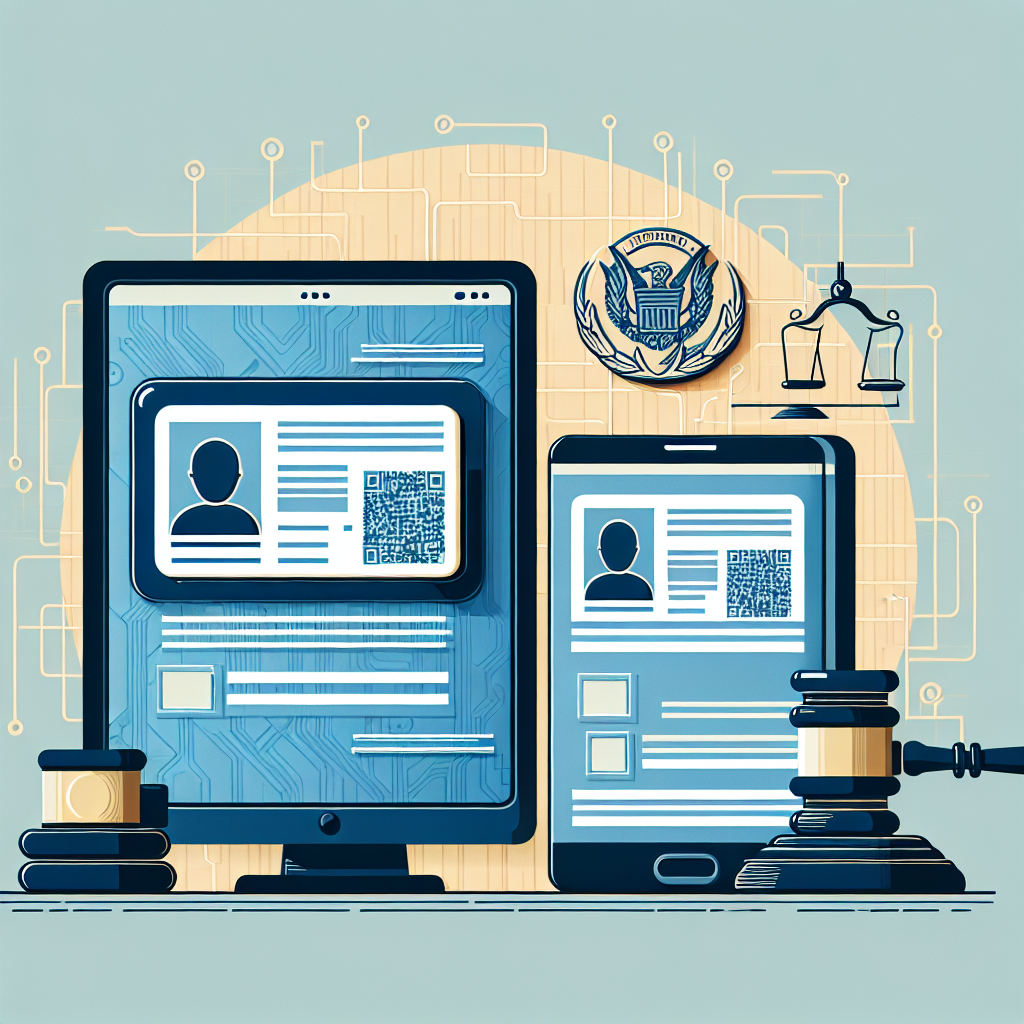
    Today, everything goes digital, even the DMV! Getting a driver’s license used to mean long lines and lots of paperwork. But now, things are changing to make it easier. These new rules let you apply for a driver’s license electronically. So, what does this mean for drivers like you? Let’s check out these new DMV rules so you can get your digital driver’s license smoothly.

    Why the Change?

    Before, getting a driver’s license meant going to the DMV, filling out paper forms, and waiting a long time. But now, the DMV uses technology to make things faster and easier. This isn’t just about licenses; it’s part of a bigger plan to use technology in government services. This helps everyone by making things happen faster and easier.

    What Are These New DMV Rules?

    There are some big changes to make getting a driver’s license simpler. The main reason for these changes is to use technology, making everything quicker and using less paper. The benefits are huge! You can expect quicker service, fewer lines at the DMV, and an easier process for everyone.

    Main Parts of the New Rules

    The electronic application is the big change. Here’s what this means for you:

    1. Online Applications: Now, you can apply online using a secure website.
    2. Better Security: The DMV uses top security to keep your information safe.
    3. Need to Have: You need a computer and internet access to apply and upload documents.
    4. Important Dates: Keep track of deadlines! If you miss them, your application might be delayed.

    How Does This Affect You?

    The switch to electronic applications will change things for new drivers and those renewing their licenses. While it’s quicker and easier, those not familiar with computers might find it hard. It’s important to learn about the process and ask for help if needed to avoid any problems.

    What About Other States?

    Many other states are also doing this digital change. They each have their own way of using the DMV’s new process. Some states have reduced their DMV waiting times with online appointments and applications. By looking at what other states are doing, we can make our systems better and more efficient.

    Tips for Applying

    To get through the electronic application without any problems, here are some tips:

    • Follow the Guide: Use the DMV’s online guide to follow each step properly.
    • Check Everything: Look over your information and documents to avoid mistakes.
    • Ask for Help: Use resources like online FAQs, call helplines, or visit the DMV for assistance.

    What the Experts Say

    We talked to DMV officials and experts, who said the new system is easier to use and keeps data safe. People who recently used the new system shared their experiences, saying it was easier and had fewer mistakes.

    Conclusion

    As the DMV goes digital, it’s important to stay informed about these changes. Knowing the new rules prepares you for the future and helps you enjoy the faster, better service. With government services going digital, the future of DMV experiences is bright and promising.

    Extra Resources

    For more details on the new DMV rules, visit the official DMV website or call their customer service. Also, workshops and seminars might be available to help you with the new system.

    To wrap it up, the move to electronic driver’s license applications is a big step towards modernization. By staying informed and ready, you can handle this new change with confidence and ease.

    Call to Action

    We hope you found this post helpful! If you need further assistance or have some health concerns related to sitting for long periods of time, consider visiting Tags Clinic at 3845 University Ave, San Diego, CA or call them at 619-777-9046. Use the following link to visit their website. Your health matters to us! Take the digital leap with confidence.

    Find us here:


  • How to Train Your Team on California Registration Procedures for Out-of-State Clients

    How to Train Your Team on California Registration Procedures for Out-of-State Clients


    How to Teach Your Team About California Registration for Out-of-State Clients

    How to Teach Your Team About California Registration for Out-of-State Clients

    Understanding California vehicle registration can be tricky, especially for people from other states. As a business owner, it’s important that your team knows these procedures well to give your clients a smooth and easy experience. In this blog, we’ll learn how to train your team to handle California registration for vehicles from other states.

    Learning California Registration Laws

    Before you start training your team, you need to learn the basics of California’s vehicle registration laws. This helps your team understand the main rules. Here’s a quick look:

    • California DMV and Registration Needs: Help your team learn about the California Department of Motor Vehicles (DMV) and what it requires for registering different kinds of vehicles.
    • In-State vs. Out-of-State: Explain the differences in registration for in-state and out-of-state vehicles so your team knows what to expect in different client situations.
    • Common Challenges: Talk about common problems out-of-state clients face, like emissions tests or extra fees, to help your team support clients better.

    Planning Your Training Program

    A good training program needs careful planning. Here’s how you can set it up:

    • State Objectives: Clearly say why you’re doing the training and what you hope to achieve. This could include knowing registration procedures well and improving how your team talks to clients.
    • Pick Important Parts: Decide which parts of California registration are most important to focus on, like documents, fees, and deadlines.
    • Gather Resources: Give your team important things they can use, like DMV handbooks and official guides, that can help them during and after training.

    Making the Training Curriculum

    Creating a fun and complete curriculum is key to good training. Think about these parts:

    • Step-by-Step Guide: Make a detailed guide to California registration processes with easy-to-learn steps.
    • Interactive Modules: Add fun learning methods, like workshops and online courses, to keep your team interested and help them remember what they learn.
    • Real-World Scenarios: Use examples and practical situations to show how registration works in real life, helping your team understand better.

    Conducting the Training Sessions

    Now that you’re ready, it’s time to teach your team:

    • Regular Sessions: Have training sessions that all team members can join without stopping work.
    • Experienced Teachers: If you can, hire DMV experts or other trainers to lead the training, giving expert tips and making it more trustworthy.
    • Active Participation: Encourage questions and active participation so team members can clear up any confusion and feel confident in their knowledge.

    Checking and Encouraging Knowledge

    To make sure training works well, see how much your team has learned and keep helping them:

    • Use Tests: Try quizzes or practical tests to see what your team has learned.
    • Feedback and Resources: Give helpful feedback and more learning materials for those who need extra help.
    • Continuous Learning: Keep encouraging learning by setting up a system to stay updated on any law changes.

    Putting Knowledge Into Practice and Supporting Your Team

    Once training is done, using what was learned is essential:

    • Access and Complete Forms: Make sure your team knows how to fill out DMV forms correctly.
    • Designate Point Persons: Choose certain team members to handle client questions, making sure things stay organized.
    • Role-Playing Activities: Try role-playing activities to mimic client interactions, so your team can practice and get better at helping clients.

    Conclusion

    Proper training on California registration not only makes your team better at their jobs but also makes clients happier because it makes registration simpler. By giving your staff the skills and knowledge they need, you make your business a trusted partner for out-of-state clients dealing with California’s DMV.

    Call to Action

    If you want to boost your team’s skills and make clients happier, try these training tips today. Subscribe to our blog for the latest DMV updates and advice or contact us for a free consultation and resource kit for your training plan. Don’t hesitate to visit us at Tags Clinic, located at 3845 University Ave, San Diego, CA, or call us at 619-777-9046. For more information, visit our official website at tagsclinic.com

    Additional Resources

    Feedback Section

    We’d love to hear from you! Have you done any training programs for DMV procedures? Share your experiences or tips in the comments below. If you have any questions or need more help, feel free to reach out directly.


  • How Dr. DMV at Tags Clinic Simplifies the Auto Registration Process

    How Dr. DMV at Tags Clinic Simplifies the Auto Registration Process


    How Dr. DMV at Tags Clinic Makes Auto Registration Easy

    How Dr. DMV at Tags Clinic Makes Auto Registration Easy

    Introduction

    Dealing with the auto registration process can feel like trying to finish a marathon with loads of hurdles in your way. You might spend hours waiting at DMV offices, struggle with paperwork, or try to keep up with new rules. It’s tough! But don’t worry because Dr. DMV at Tags Clinic is here to help. They’re making auto registration in San Diego super easy and friendly. In this blog post, you’ll see how Dr. DMV and his team are making auto registration simple and pain-free.

    Challenges in Auto Registration

    Whether you’re an experienced driver or registering for the first time, you might have faced these problems:

    • Long Waiting Times: DMV offices can get super crowded, and the lines can go on forever.
    • Complicated Paperwork: The forms and documents can be really confusing.
    • Changing Rules: It’s hard to keep track of new rules, even for experienced drivers.

    Meet Dr. DMV at Tags Clinic

    Dr. DMV isn’t your usual auto registration service. At Tags Clinic, everything is quick and centered around helping you, the customer. Dr. DMV and his smart team use cool technology to make every part of the registration process smooth. As pros in the auto registration world, they make things simple, so you can spend more time driving and less time waiting.

    Step-by-Step Auto Registration Simplification

    Step 1: Easy Consultation

    Your journey with Dr. DMV starts with a simple meeting to know exactly what you need. Whether it’s new registration, renewal, or title transfer, they guide you, making sure you have all the right papers and info from the start.

    Step 2: Easy Paperwork

    No more struggling with stacks of paper. Dr. DMV makes getting and organizing your documents simple. They give clear, easy steps, so you don’t guess or stress over it.

    Step 3: Fast Online Submission

    At Tags Clinic, they use technology to speed things up. Instead of doing everything by hand, you can submit your forms online safely, making the process faster and less prone to mistakes.

    Step 4: Personal Follow-Up

    Dr. DMV keeps you informed all the way through. You’ll receive updates and can talk to real people if you have questions or need more help.

    Step 5: Easy Pick-Up or Delivery

    When your papers are ready, you can choose to pick them up or have them delivered. Dr. DMV ensures this is easy for you so that you can hit the road without any worries.

    Extra Services by Dr. DMV

    • Title Transfers: Making changes to vehicle ownership easy.
    • New Vehicle Registration: Get your new car ready for the road quickly.
    • Registration Renewals: Keep your registration current without effort.
    • Emissions Checks and More: Handle all your needs in one place.

    Customer Reviews

    Great reviews aren’t just by luck. Here’s what happy customers say:

    • “Dr. DMV made my registration so fast. I’ll never go back to the regular DMV!”
    • “Everything was smooth and the team was so caring. I highly recommend Tags Clinic!”

    Staying Updated with Rules

    Dr. DMV’s team always learns and trains to know the latest rules and requirements. They have partnerships and networks to keep them updated, and they share this fresh information with their clients.

    Why Choose Dr. DMV at Tags Clinic

    • Saving Time: Go through the process without long DMV waits.
    • Less Stress: They’re all about you, ensuring you have everything you need easily.
    • Fair Prices: Clear fees, so there are no surprises.

    Conclusion

    With Dr. DMV at Tags Clinic, auto registration becomes easy and stress-free. Whether you need new registration, a renewal, or a title transfer, their professional service is a friendly alternative to the DMV. Why wait in line when you can quickly hit the road with Dr. DMV’s help?

    Call-to-Action

    Ready to make auto registration easy? Contact Tags Clinic today! Visit us at 3845 University Ave, San Diego, CA or call us at 619-777-9046. For more information, visit our website at https://tagsclinic.com. Don’t let the DMV bring you down—join Tags Clinic and enjoy your drive!


  • Top Mistakes to Avoid During Your Live Scan Appointment

    Top Mistakes to Avoid During Your Live Scan Appointment

    “`html


    Top Mistakes to Avoid During Your Live Scan Appointment

    Top Mistakes to Avoid During Your Live Scan Appointment

    Introduction

    Today, keeping your identity safe and correct is really important. Live Scan fingerprinting helps do this by using technology to take and send fingerprints digitally. It’s often needed for getting jobs, licenses, and certificates. But getting ready for a Live Scan appointment can sometimes be a bit tricky. This blog will help you by explaining common mistakes and how to avoid them for a smooth experience.

    Understanding the Live Scan Process

    Live Scan is a way to take fingerprints using a computer instead of using ink and paper. These digital fingerprints are sent straight to the right places for background checks. Being ready for your Live Scan appointment is important because any problems can cause delays.

    Mistake #1: Not Checking Appointment Requirements

    One big mistake is not knowing what you need for your Live Scan. Different places might have different rules. Make sure you understand what’s needed, including any special instructions from who needs the Live Scan.

    Mistake #2: Failing to Bring Proper Identification

    Another common mistake is not bringing the right ID. Usually, you’ll need a government ID like a state ID, driver’s license, or passport. Make sure they are not expired and in good shape. Double-checking this can save you from having to do it all over again.

    Mistake #3: Missing Important Documents

    Besides your ID, you may need to bring a Live Scan form or a request form. If you forget these, your Live Scan might not happen, and you could face delays. To avoid this, make a checklist and gather everything you need before your appointment.

    Mistake #4: Arriving Late or Unprepared

    Being on time is super important. If you’re late, you might miss your appointment, especially if the place is busy. Check where the location is ahead of time, know the traffic, and allow extra time for parking. Also, bring anything the service provider suggests.

    Mistake #5: Ignoring Hygiene and Dress Code

    Your fingerprints can be messed up by dirt or oil on your skin, leading to unclear results. Wash your hands well before your appointment. Wear simple, comfy clothes to make things easy, and avoid lots of jewelry that might get in the way of taking your fingerprints.

    Mistake #6: Not Verifying Information

    Before you hand in your papers, check all forms for mistakes. Make sure your name and address are spelled right and are up-to-date. Mistakes here can delay your Live Scan and mess up the results.

    Mistake #7: Misunderstanding Processing Times

    Knowing how long Live Scan results take is important. It can depend on how busy the agency is or if there are complicating factors. Avoid worry by asking about processing times during your appointment and have a plan for checking back if needed.

    Conclusion

    In conclusion, staying away from these common mistakes will make your Live Scan appointment easy and not stressful. Things like knowing what’s needed, collecting important papers, being on time, and keeping clean are key to success. Be prepared for a stress-free and easy experience.

    Call to Action

    Have you had any interesting Live Scan stories, or do you need more help? We’d love to hear from you! Comment below or reach out with your questions. If you need more help, check out our resources or contact us directly. Here’s to having a smooth and successful Live Scan!

    Experience exceptional services at Tags Clinic. Visit us at 3845 University Ave, San Diego, CA or call us at 619-777-9046. Feel free to check our website at Tags Clinic.


    “`

  • DMV News: How to Prepare for the Upcoming Changes in License Renewal Procedures

    DMV News: How to Prepare for the Upcoming Changes in License Renewal Procedures


    DMV News: Getting Ready for New License Renewal Procedures

    DMV News: Getting Ready for New License Renewal Procedures

    Introduction

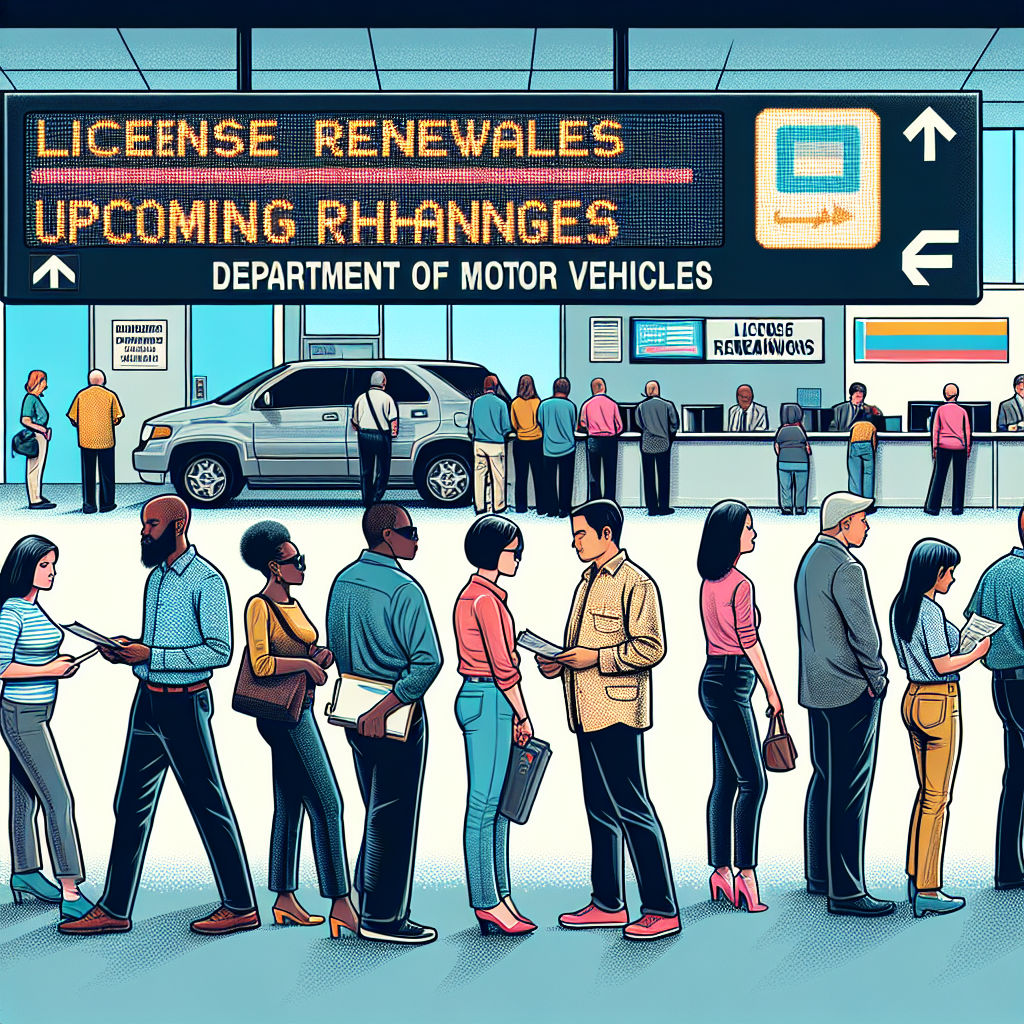
    Keeping up with changes at the DMV is really important to avoid stress and make sure things go smoothly when renewing your license. There are some big changes coming to how you renew your license that aim to modernize and make the process easier for everyone. This blog post is here to help you understand and get ready for these changes, letting you know what to expect and how to handle them easily.

    Understanding the New License Renewal Procedures

    The DMV is introducing new ways to renew your license with a focus on digital transformation and efficiency. They are expanding online services, updating document requirements, and changing fees and processing times to make the overall experience better.

    Digital Renewals and Online Services Expansion

    The DMV wants to make renewing your license simpler and quicker by offering more online services. This means more people can renew their licenses from home, which will reduce the number of people who need to go to DMV offices in person.

    Changes in Required Documentation

    With the new procedures, there will be changes in what you need to successfully renew your license. Make sure you know what documents are necessary so you don’t face any surprises or delays.

    Adjustments in Fees and Processing Times

    The DMV is working to be more efficient, and this includes changes in fees and processing times. Understanding these changes will help you plan your renewal and avoid any last-minute problems.

    Important Dates and Deadlines

    To avoid penalties and make the transition easy, it’s important to know the timeline for these new procedures.

    • When It Starts: The new procedures are going to be introduced over the next few months. It’s a good idea to stay updated on the exact dates from the DMV.
    • Renewal Deadlines: Be sure to know when your driver’s license expires and renew it ahead of time under the new system.
    • Penalties: If you miss the renewal deadlines, you might have to pay fines or even temporarily lose your driving privileges. So, mark these dates on your calendar!

    How to Prepare for the Changes

    Preparation is the key to handling the upcoming changes easily. Here’s how to get ready:

    Gather Necessary Documentation

    Make sure you have all the necessary documents ready for renewal under the new procedures:

    • Proof of identity: A birth certificate, passport, or another official ID.
    • Proof of residency: A utility bill, lease agreement, or mortgage document.
    • Current driver’s license: Make sure it is still valid and within the renewal period.

    To make this process stress-free, organize your documents early and check that they are current.

    Utilize Online Resources

    Take advantage of the expanded online renewal services:

    • Create a DMV Online Account: Set this up early to make your renewal easier.
    • Online Renewal Guide: Follow the steps to renew your license online quickly.
    • Benefits of Online Renewal: Save time, skip long lines, and renew whenever it suits you.

    Stay Informed and Alert

    Keep in touch with what’s new at the DMV:

    • Subscribe to Updates: Sign up for newsletters or alerts from the DMV to know about changes and deadlines.
    • Verify Information: Always check details with official DMV communications to ensure you have the right information.

    Frequently Asked Questions

    1. Can I still renew my license in person?
      Yes, but online renewals are encouraged to keep DMV offices less crowded.
    2. What if I don’t have access to the internet for online renewal?
      You can still go to your local DMV office, but you might have to wait longer.
    3. Will there be exemptions for older adults or those with disabilities?
      Some special cases and exemptions may apply; check with your DMV for more details.
    4. Are extensions available for those who can’t meet the new deadlines?
      Maybe, but it’s best to contact the DMV directly for specific questions.
    5. How can I make sure my renewed license meets Real ID requirements?
      Make sure you have all the necessary documents that follow Real ID standards.

    Conclusion

    Adapting to these new changes might seem a bit tricky, but with the right preparation, it can be easy. By getting your documents ready, using online resources, and staying informed, you can smoothly transition to the new renewal system. Take steps now to avoid last-minute rushes or problems.

    Call to Action

    For any questions, contact the DMV customer service at [Insert Contact Information]. Stay ahead by subscribing to DMV updates or newsletters. Let’s work through these changes together for an easy license renewal process!

    Visit Tags Clinic Today!

    At Tags Clinic, we’re committed to helping you navigate all your DMV needs. Swing by our location at 3845 University Ave, San Diego, CA, or give us a call at 619-777-9046. We’d love to help!

    Find out more about what we offer or book an appointment through our website at Tags Clinic.


  • How to Prepare Your Car for California’s Safety and Emissions Inspections

    How to Prepare Your Car for California’s Safety and Emissions Inspections

    How to Get Your Car Ready for California’s Safety and Emissions Inspections

    Introduction

    In California, car safety and emissions inspections aren’t just rules you have to follow—they help keep your car safe and environmentally friendly. Getting your car ready for these inspections can save you time, money, and trouble, and they also help make roads safer and the air cleaner. In this blog post, we’ll show you how to prepare your car for these inspections, looking at both safety checks and emissions standards.

    Understanding California’s Safety and Emissions Inspections

    Why Are Inspections Important?

    California’s vehicle inspections have two main goals. First, they make sure cars are safe for drivers and passengers on the road. Second, they help cars produce less pollution. These inspections are important for keeping roads safe and protecting the environment in California.

    Who Needs to Get Inspected?

    In California, most cars that are more than six years old need to have safety and emissions inspections. Some cars, like electric vehicles and certain hybrid models, might not need these inspections. Make sure to check the rules for your car, especially if you have a classic car or one that’s registered in another state.

    Step-by-Step Guide to Preparing for a Safety Inspection

    Check Important Systems

    1. Brakes: Good brakes are super important for safety. Look at your brake pads to see if they’re worn out and check the brake fluid levels. Listen for any strange noises when you use the brakes.
    2. Tires: Check the tread depth and air pressure of your tires. Make sure there are no punctures or damage.
    3. Lights and Signals: Make sure all headlights, tail lights, brake lights, and turn signals work. Replace any burnt-out bulbs before the inspection.
    4. Windshield: Check for cracks or chips and make sure the wipers work well. You should have a clear view when you drive.

    Other Safety Features

    • Seatbelts: Make sure seatbelts are working and not too worn out.
    • Mirrors: Check that all mirrors are clean, not damaged, and adjusted right for good visibility.

    Step-by-Step Guide to Preparing for an Emissions Inspection

    Check Engine Performance

    To pass an emissions test, your engine needs to be in good shape. Regular oil changes and using the right type of fuel can help. Follow the scheduled maintenance to keep your engine running well.

    Maintain the Emission System

    1. Catalytic Converter and Exhaust: Check that these parts are working properly. If you hear strange noises or smell something odd, there might be a problem.
    2. Other Emission Controls: Make sure the gas cap is sealing properly to stop fuel vapors from escaping. Check that the On-Board Diagnostics (OBD) system is working and has no error codes.

    Tips for Passing Your Inspections

    Do a Test Run

    • See a Mechanic: Visit a trusted mechanic for a check-up before your official inspection.
    • DIY Kits: You can use DIY kits to check basic things, but mechanics can do a more thorough job.

    Get Your Paperwork Ready

    Have all car documents ready, like registration, insurance, and past inspection reports. Being organized can make the process faster.

    Plan Your Inspection

    Schedule your inspection ahead of time to avoid penalties and be ready before it’s time to renew your registration. Planning early can help you avoid last-minute stress.

    Why Cars Sometimes Fail and What to Do

    Safety Inspection Failures

    Cars often fail because of bad brakes, worn-out tires, or broken lights. Fix these problems right away with regular maintenance.

    Emissions Inspection Failures

    Cars sometimes fail because of issues with the exhaust system or catalytic converter. Make sure these parts are in good condition and there are no error codes in the OBD system.

    Conclusion

    Taking care of your car not only helps you pass inspections, but it also makes your car last longer and keeps it safe. By avoiding fines and repairs and helping the environment, getting your car ready for inspections is definitely worth it.

    Extra Resources

    Call to Action

    Don’t put it off. Schedule your inspection today and fix any car problems you find. At Tags Clinic, we make car care easy and help you avoid the hassle of dealing with the DMV. Come visit us to see how we can help with all your car inspection needs!

    Our location: 3845 University Ave, San Diego, CA

    Contact us at: 619-777-9046

  • The Role of Catalytic Converters in Smog Check Success

    The Role of Catalytic Converters in Smog Check Success


    The Role of Catalytic Converters in Smog Check Success

    The Role of Catalytic Converters in Smog Check Success

    Introduction

    These days, people really care about the environment, so keeping the air clean is super important. That’s where smog checks come in. They help make sure cars aren’t polluting too much. Over time, rules about air quality have made car makers work hard to make less pollution. A big part of this is the catalytic converter, which helps keep the air clean.

    What is a Catalytic Converter?

    A catalytic converter is a part in cars that helps clean up nasty gases from the exhaust, turning them into less harmful stuff. They started using them in cars around the mid-1970s, and since then, they’ve gotten better and better. Inside, there’s a kind of honeycomb shape that has special metals like platinum, palladium, and rhodium. These metals help make important chemical reactions happen.

    How Catalytic Converters Help

    Catalytic converters work through two main chemical reactions: oxidation and reduction. The metals inside the converter act like helpers for these reactions, changing yucky toxins into safer emissions. They mainly cut down on hydrocarbons, carbon monoxide, and nitrogen oxides, which are big reasons for smog and bad air.

    Catalytic Converters in Smog Checks

    Smog checks are really strict. They make sure cars aren’t emitting too much pollution. A good catalytic converter is super important to pass these smog checks. It keeps the pollution levels down. But if the catalytic converter is old or broken, your car might not pass. Fixing these problems is a must for passing smog checks.

    Why Good Catalytic Converters Matter for Air Quality

    In places where they strictly check and enforce catalytic converter rules, like in California, the air is much cleaner. The rules there have helped cut down on smog big time. This shows how important good catalytic converters are for keeping the air clean.

    Problems with Catalytic Converters

    Even though they’re great, catalytic converters can have problems. If your car isn’t running well or is making more pollution, the converter might be the issue. Plus, some people steal catalytic converters because they can be sold for money. Replacing them can cost a lot and is a hassle.

    Tips to Keep Your Catalytic Converter Working Well

    To make sure your catalytic converter lasts, keep your car in good shape. Regular check-ups and fixing any exhaust problems right away can help a lot. Also, getting parts from honest suppliers will help your converter last longer.

    New Ideas for Catalytic Converters

    As rules about pollution get tougher, catalytic converters are getting better, too. The latest ones use less costly metals and still work great. With more electric cars around, the job of catalytic converters might change in the future.

    Conclusion

    Catalytic converters are key to keeping car pollution down and passing smog checks. Keeping them updated and well cared for is crucial for following rules and protecting the environment. Car owners should pay attention to their car’s emissions systems to help keep the air clean.

    Call to Action

    To make sure your vehicle stays eco-friendly and legal, get regular emissions checks. For easy smog check services and catalytic converter repairs, come to Tags Clinic, your trusty partner in San Diego. Set up an appointment today to keep your car ready for the next smog check!

    Visit us at 3845 University Ave, San Diego, CA or call us at 619-777-9046. Your vehicle’s wellness and air quality’s goodness are our goals.


  • How to Avoid Long DMV Wait Times by Dodging Common Errors

    How to Avoid Long DMV Wait Times by Dodging Common Errors


    How to Avoid Long DMV Wait Times by Dodging Common Errors

    How to Avoid Long DMV Wait Times by Dodging Common Errors

    Introduction

    If you’ve ever been to the DMV, you know how long the lines and wait times can be. It can feel like you’re there forever, especially if you have to go back because of simple mistakes. But don’t worry! With a little planning and knowledge, you can make your DMV trip quick and easy. In this post, we’ll guide you through steps to make your DMV experience smooth and efficient by avoiding common issues.

    Understanding DMV Operations

    It’s important to know when the DMV is busiest before you go. Most people visit on Mondays, Fridays, during lunchtime, or at month-end. These are peak times because folks are either beginning or ending their week, using their lunch breaks, or rushing to finish up car-related tasks before month’s end.

    Common Errors and How to Avoid Them

    Incomplete or Incorrect Documentation

    A big reason for delays at the DMV is bringing the wrong or incomplete paperwork. Depending on what you need (like registering a car or transferring a title), you’ll need different documents:

    • Driver’s license or ID: Make sure it’s valid.
    • Proof of insurance: Bring a current card that matches your car’s details.
    • Vehicle title or registration: Needed for ownership transfer or registration.

    Before you go to the DMV, double-check that you have filled out everything correctly. It’s a good idea to call ahead or check the DMV website for what you need to bring.

    Missing Appointments

    Walking into the DMV without an appointment is not a good idea unless you have lots of time to wait. Make an appointment to save time:

    1. Use the DMV’s online system to book your time.
    2. Confirm your appointment with an email or text reminder.
    3. Get there 10 minutes early, just in case.

    Ignoring Real ID Requirements

    Soon, you’ll need a Real ID for flying within the country and getting into federal buildings. To get one, you must have:

    • Proof of who you are (like a birth certificate or passport).
    • Proof of your social security number.
    • Two proofs of your state residency (like utility bills).

    Gather these papers beforehand so you don’t have to go back.

    Use Online Services

    Many DMV services can be done online, so you might not need to go in person. Things like renewing registration, updating addresses, and making appointments are online. Check the DMV’s website or app for easy steps.

    Know When to Visit

    Choosing the right time to visit the DMV can save you time:

    • Avoid going on the first and last days of the week.
    • Mid-week visits are best, in the middle of the morning or afternoon.
    • Don’t go during the lunch hour.
    • Think about busy times, like the start of summer.

    Preparing for Your Visit

    Get ready for your DMV visit in advance:

    • Make a checklist of the papers you need.
    • Have your payment ready, and find out if they take cash, cards, or checks.
    • Dress comfortably and bring something to do, like a book if you have to wait.

    Use DMV Resources

    The DMV has tools to help you, like customer service numbers and online chat. They can clear up questions and help you avoid problems before you go in.

    Dealing with Unexpected Delays

    Even the best planning can’t prevent all delays. Stay calm and patient:

    • Bring snacks or water for long waits.
    • If you can’t fix a problem, ask to reschedule or see if there’s another solution.
    • Use wait time to organize your papers or plan for your next visit.

    Conclusion

    By clearing these common problems and preparing for your DMV trip, you’ll save time and keep from being frustrated. Follow these tips, and your next DMV visit will be a breeze.

    Call to Action

    We’d love to hear about your DMV experiences! Share your stories or other tips in the comments to help others. If you found this helpful, share it with family and friends to help them too. And when you’re ready for a quick and well-serviced check-up, don’t hesitate to visit us at Tags Clinic, located at 3845 University Ave, San Diego, CA. You can also give us a call at 619-777-9046 or visit our website. We are always here to assist you!

    Additional Resources

    For more help, check out these resources:

    With a little preparation, the DMV doesn’t have to be a hassle. Follow these steps and enjoy faster, easier visits!


  • New DMV Law Spotlight: Protecting Privacy by Restricting Data Sharing Practices

    New DMV Law Spotlight: Protecting Privacy by Restricting Data Sharing Practices


    New DMV Law Highlights: Keeping Personal Information Safe

    New DMV Law Highlights: Keeping Personal Information Safe

    Introduction

    Today, our world relies a lot on digital information. The Department of Motor Vehicles (DMV) has a big job because they collect and manage a lot of personal information. This data includes things like vehicle registrations and driver’s licenses, which are very important. A new law has been put in place to focus on how this information is shared and kept safe. The goal is to protect our privacy, especially since people are worried about this data being misused. It is more important than ever to keep our personal information safe as we use more technology.

    Understanding the New Law

    The new law has different rules to stop the DMV from sharing data with others who shouldn’t see it. It clearly explains “data sharing” and “third-party access.” This means it sets clear rules about who can access our data and when they can do it. By limiting who sees our data, lawmakers want to keep everyone’s privacy safer. It gives us better control over our personal information and helps to reduce unwanted messages or phone calls.

    What the Law Means for Everyone

    This law is a big win for everyone’s privacy rights. It means we can feel more secure knowing our information is less likely to be used in ways we don’t want, like for unwanted advertising. The law says that our personal information, such as details from driver’s licenses, should be handled carefully and only shared under special conditions.

    Changes in How the DMV Works

    Inside the DMV, things will change a lot to meet the new law’s needs. The DMV will set up new ways of handling and processing data, making sure only the right people see our private information. DMV employees will receive extra training to understand and follow these new rules correctly. The DMV will also need special technological updates to keep our data secure when dealing with DMV requests.

    How the New Law Affects Companies

    For companies that usually use DMV data, this law makes sharing a lot harder. Sharing data is still possible, but companies have to meet strict rules before accessing information. These rules are there to stop data from being used the wrong way and to allow access only when it’s really needed. It may be more challenging for some businesses who used the data to make money. They now need special permission from people before using their data or have to show they need it legally.

    Following the Rules

    To make sure everyone follows the rules, the DMV will have policies and procedures in place. If someone doesn’t follow them, they might face big penalties like fines or legal trouble. Regular checks will help make sure that everyone handling DMV data is following the new law correctly. This extra checking is to show how important protecting privacy is.

    What Do People Think?

    Most people think the new law is a good step to protect privacy. But, some worry that businesses may find it harder to get info they need. Lawmakers and DMV officials are assuring people that these concerns are being taken care of, and they want to make sure data is used in a safe way without stopping important uses.

    How to Keep Your Data Safe

    Even with the new law, there are things you can do to protect your data. Here are some tips:

    • Don’t share your DMV info with people you don’t trust.
    • Check your personal information regularly to make sure it’s correct.
    • Learn about your rights regarding your data.

    By being proactive and adding the new law’s protection, you can keep your information safe.

    Conclusion

    The new privacy law is a big step for data protection at the DMV. It seeks to find a good balance between using data and keeping personal information private. As we move through the age of digital information, it’s crucial to know about privacy laws to protect our personal info.

    Call to Action

    If you have questions or concerns about the new DMV privacy law, the best step is to talk to the DMV or places like Tags Clinic. They can provide clarity and assistance. Staying informed about privacy laws is essential, so think about signing up for newsletters or alerts on the latest practices at the DMV. Together, we can make sure our privacy is protected as we use more technology every day.

    Plan a visit to Tags Clinic at 3845 University Ave, San Diego, CA or contact us at 619-777-9046 for more clarity on DMV privacy laws and how you can protect your personal information.


  • How to Pass a Live Scan Fingerprinting Without Stress

    How to Pass a Live Scan Fingerprinting Without Stress

    How to Pass a Live Scan Fingerprinting Without Stress

    Introduction

    Today, Live Scan fingerprinting is a key part of background checks for many jobs and legal needs. If you’re feeling worried about it, don’t worry—lots of people do. This blog will help you learn what you need to know to pass your Live Scan fingerprinting without stress.

    Understanding Live Scan Fingerprinting

    What is It? And Why Do We Need It?

    Live Scan fingerprinting is a new way of taking fingerprints using technology. Instead of using ink, Live Scan sends fingerprint images quickly to the Department of Justice (DOJ) and FBI for background checks. It’s very important for many jobs to make sure everything is safe and secure.

    When Do You Need It?

    Many jobs and situations need Live Scan fingerprinting, such as:

    • Teaching and childcare jobs
    • Healthcare positions
    • Security jobs
    • Getting licenses and certifications
    • Adoption or fostering

    How is it Different from Traditional Fingerprinting?

    The main difference between Live Scan and old ink fingerprinting is technology. Live Scan doesn’t have problems like smudges or missing prints. It’s more accurate and faster.

    Preparing for Your Live Scan Appointment

    Bring the Right Papers

    Before your appointment, make sure you have everything ready:

    • A valid ID, like a driver’s license or passport
    • Your Live Scan Service form, if you have one
    • Any other papers the agency asked for

    Make sure all your documents are up to date so everything goes smoothly.

    Booking Your Appointment

    To find a place to get Live Scan done:

    1. Look online or ask the agency for suggestions.
    2. Check that the provider is certified and meets your needs.
    3. Book your appointment when it’s not busy, like mid-morning or mid-afternoon on a weekday.

    Know the Costs

    The cost of Live Scan can vary depending on where you go and what the agency needs. It usually includes:

    • A fee for taking your fingerprints.
    • State or federal fees.

    Some jobs might pay you back, so ask about that.

    What to Expect During the Appointment

    What Will Happen?

    Here’s what usually happens at a Live Scan session:

    1. Your documents and appointment info get checked.
    2. Your fingers are scanned digitally.
    3. The prints get sent electronically to the needed agencies.

    Problems That Might Come Up

    Sometimes, there can be issues like fingerprints not being clear. This can happen if:

    • Your fingers are too dry or too wet.
    • Your fingerprints are worn out from work or age.

    It’s best to keep your hands hydrated and let the technician know if there’s an issue.

    Tips for a Smooth Experience

    On the Day of Your Appointment

    • Arrive early to check in.
    • Wear comfy clothes so you can move your hands easily.

    Staying Calm

    Here are ways to keep calm:

    • Remember, the people doing this do it every day.
    • If you get nervous, try deep breathing.

    After the Live Scan Process

    Getting Your Results

    You should get your results in a few days to a week. If there’s a delay, get in touch with the organization that needs your prints.

    If Your Prints Get Rejected

    If your prints are rejected, it might be because they’re not clear enough. You can:

    1. Get new prints at no extra cost from the same place.
    2. Fix any issues that might mess up your prints.

    Helpful Resources

    If you need more info, visit:

    Conclusion

    Being prepared is the best way to reduce stress when doing Live Scan fingerprinting. By knowing the process, having the right documents, and staying calm, you’ll handle your appointment confidently and easily.

    Call to Action

    Have you been through a Live Scan? Share your tips in the comments! To schedule an appointment, find a certified Live Scan location near you or visit us at Tags Clinic located at 3845 University Ave, San Diego, CA. You can also call us at 619-777-9046. We’re here to help with your fingerprinting needs today!