Blog

  • The Legal Requirements for Converting Your Out‑of‑State Vehicle to California

    The Legal Requirements for Converting Your Out‑of‑State Vehicle to California

    How to Change Your Out-of-State Car to California’s Rules

    How to Change Your Out-of-State Car to California’s Rules

    Moving your car from another state to California might seem hard, but if you know the rules, it gets easier. California has strict rules to help the environment, and if your car meets these, you’ll be following the law and helping the earth. Here, we’ll show you how to change your out-of-state car to follow California’s rules.

    Knowing California’s Car Rules

    California is known for tough rules about car pollution. These rules are stricter than in most other states because they want to keep the air clean. While all states have some rules, California has special rules from the California Air Resources Board (CARB) to deal with its own concerns.

    What to Do First

    Before you bring your car to California, do some homework. Look up the paperwork you need and learn about California rules. Make sure to see if your car can meet the state’s emission standards because not all cars from other states do. This way, you won’t have any surprises when you get there.

    Paperwork You Need

    • Proof of Ownership: You’ll need the title and registration from the old state.
    • Valid Driver’s License: Make sure you have a California driver’s license.
    • Proof of Insurance: You should have insurance for your car in California.
    • Extra Documents: You might need to check your car’s Vehicle Identification Number (VIN) if it’s necessary.

    Following Emission Standards

    CARB enforces California’s emission rules. If your car doesn’t follow these rules, you’ll need to fix it. Getting a smog check is part of this. It checks if your car’s pollution levels are within the state’s limits.

    Checking and Registering Your Car

    After your car passes the emission standards, it needs to be inspected and registered with the Department of Motor Vehicles (DMV). The inspection looks at your car’s overall condition. This comes with a timeline and fees, so plan ahead and prepare for costs.

    Knowing the Costs

    There are several costs to changing your car, like registration, title, and smog check fees. Knowing these costs helps avoid surprises. Also, if you don’t register your car on time, you might have to pay penalties.

    Tips to Make It Easy

    1. Plan Ahead: Start preparing before you bring your car to California.
    2. Stay Organized: Keep all your papers and receipts in one place.
    3. Ask for Help: If you’re not sure about something, ask a professional or the DMV.

    Mistakes to Avoid

    • Forgetting to check if your car meets emission standards before moving.
    • Losing important papers.
    • Not getting a smog check on time.

    Getting Help

    To make things easier, you can visit Tags Clinic in San Diego. They help with DMV-related tasks, including making sure your car follows California’s rules.

    Conclusion

    Following California’s car rules doesn’t have to be scary. By knowing what you need to do, you can make sure your car meets the state’s standards. This not only keeps you legal but helps California’s environment.

    What to Do Next

    If you need help with converting your out-of-state car to California’s standards, reach out to Tags Clinic. They’re ready to help make this easier for you. Check out their website or give them a call to set up an appointment, and let them handle the tricky paperwork for you.

    Call to Action

    Ready to make the switch easier? Visit us at Tags Clinic located at 3845 University Ave, San Diego, CA. Get the support you need to navigate this process effortlessly, or give us a call at 619-777-9046. We’re eager to assist you! Check out more information on our website.

  • Live Scan Fingerprinting: The Do’s and Don’ts

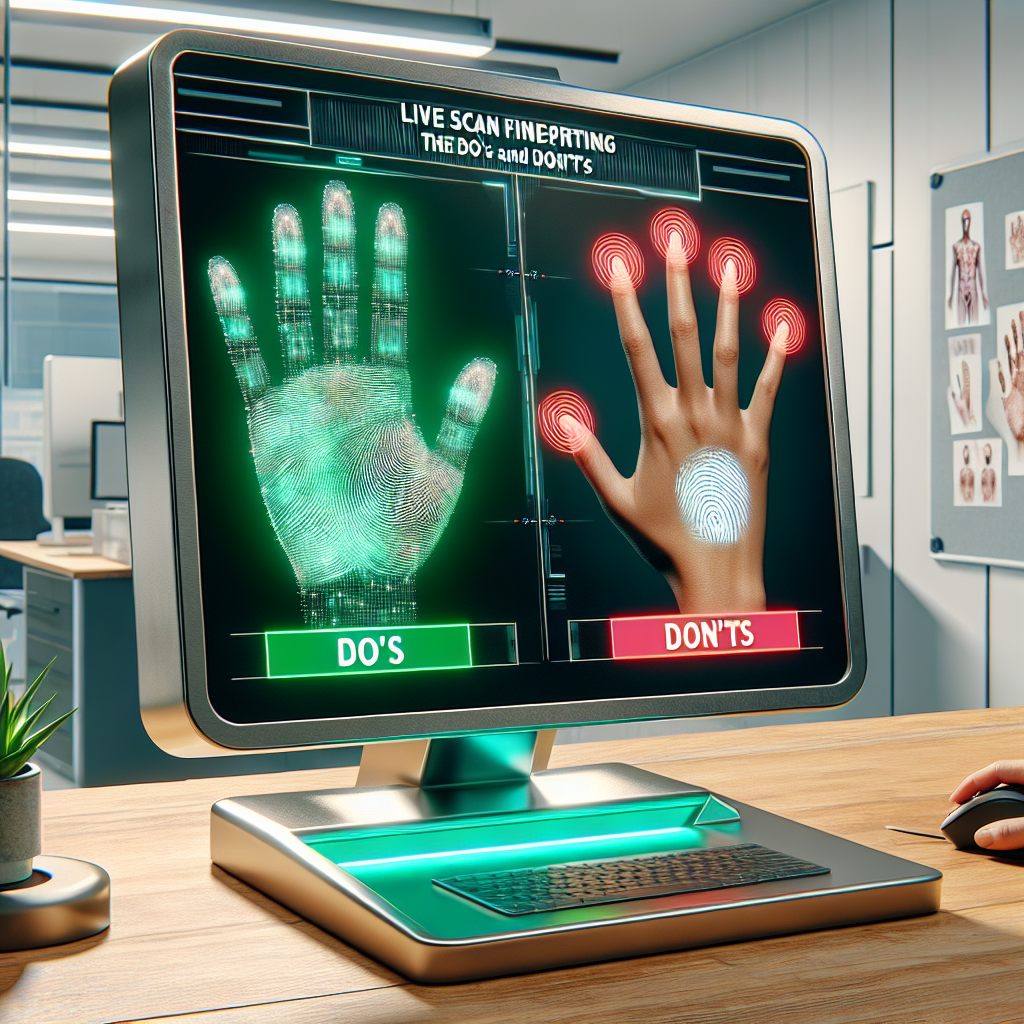
    Live Scan Fingerprinting: The Do’s and Don’ts

    Live Scan Fingerprinting: The Do’s and Don’ts

    Live Scan Fingerprinting: The Do’s and Don’ts

    What is Live Scan Fingerprinting?

    Live scan fingerprinting is a newer way to take fingerprints. Instead of using messy ink and paper, live scan uses a computer to get fingerprints. This method is faster, more accurate, and better for the environment.

    The Do’s of Live Scan Fingerprinting

    1. Bring Your ID

    Before you go to your appointment, make sure you have your ID. You usually need a driver’s license or a passport. Your ID should be up-to-date to avoid any problems.

    2. Know What You Need

    Different places might ask for different things. Double-check with the organization that asked you for your fingerprints to see if they need anything special.

    3. Pick a Good Provider

    Find a company that is approved to do live scan fingerprinting. Look for one with good reviews and proper credentials.

    4. Make an Appointment

    It’s a good idea to book a time slot. This way, you don’t have to wait too long. Find a place that fits your schedule.

    5. Get Ready for Your Appointment

    Wear clothes that make it easy to take fingerprints. Short sleeves are best. Keep your fingers clean and dry.

    The Don’ts of Live Scan Fingerprinting

    1. Don’t Forget Your Paperwork

    Make sure you have all the papers you need. If you forget something, you might have to come back another day.

    2. Don’t Show Up Late

    Plan to be on time. Being late could mean you have to reschedule, and nobody likes that!

    3. Don’t Give Wrong Information

    Double-check everything you fill out. Make sure your name, dates, and numbers are right.

    4. Don’t Ignore Bad Results

    If your fingerprints aren’t good, you might have to do them again. Contact the provider to find out what went wrong. They usually let you try again without extra cost.

    Frequently Asked Questions

    • What if my fingerprints are rejected? Call your provider right away. They’ll help you fix it.
    • How long does it take to get results? It usually takes 2-3 days, but it might take longer if they’re busy.
    • Can I go to any live scan provider? You need to go to a provider approved by the organization that needs your fingerprints.
    • What if I’m not sure what I need? Ask the place that asked for your live scan. They will tell you what you need.
    • Is live scan fingerprinting safe? Yes, it is. It’s used by the government and big companies to check who you are.

    Conclusion

    Live scan fingerprinting is a great way to do background checks, but being prepared is key. Make sure you have the right paperwork, pick the right provider, and check your information carefully.

    Resources and Further Reading

    Call to Action

    We hope this guide helps you have a great experience with live scan fingerprinting. Share your stories or ask questions in the comments. If you need to get fingerprinted soon, reach out to your local provider to book an appointment. Alternatively, if you’re around San Diego, feel free to visit Tags Clinic at 3845 University Ave, or call us at 619-777-9046. You can also find more information about us on our website, tagsclinic.com.

  • How to Interpret Common Codes on Your Live Scan Report

    How to Interpret Common Codes on Your Live Scan Report

    Understanding Common Codes on Your Live Scan Report

    How to Understand Common Codes on Your Live Scan Report

    Introduction

    Understanding Live Scan reports can be very tricky, especially with all the strange codes they have. If you’re an employer checking backgrounds or someone making sure you’re following rules, knowing what these codes mean is really important. A Live Scan report is basically a background check using fingerprints that are often needed for jobs, licenses, or volunteer work. It’s key to know what these codes mean so you can make smart choices based on what’s in the report.

    What is a Live Scan Report?

    A Live Scan is an electronic way to check your fingerprints against criminal records found in local, state, and federal databases. This new system is better and faster than the old ink and paper method. You get your fingerprints scanned at a special place and they are sent to the Department of Justice (DOJ) and the Federal Bureau of Investigation (FBI) to check them. Organizations use the Live Scan report to see if someone can be hired or get certain licenses.

    Why Codes Matter

    The codes on a Live Scan report help you figure out what’s in it. These codes tell you what information is on the report and how it looks. Knowing what these codes mean can change what jobs or licenses you can get, so it’s important for everyone to understand them. If you get these codes wrong, it can lead to mistakes about someone’s background, which can cause big problems.

    Common Codes on a Live Scan Report

    A. Personal Identification Codes

    These are special codes for things like your Social Security Number (SSN) or Driver’s License Number (DLN). They help make sure the report is talking about the right person and avoid any mix-ups.

    B. Employment and Licensing Codes

    These codes are super important for employers and people giving out licenses because they show if someone is fit for a job or license. Employers use these codes to check that a person meets all the needs for a job or has the right past job checks.

    C. Criminal History Codes

    This is usually the part people look at the most since it shows any criminal records linked to a person. There are codes for different things like arrests, charges, and convictions. Knowing what each code means, like the difference between just an arrest and a conviction, is really important.

    D. Miscellaneous Codes

    These codes might have extra info like where someone has lived or other things that give more context to the report. They can help confirm where someone has lived over time or other stuff that might affect a job decision.

    How to Understand Specific Codes

    A. Understanding Code Categories

    Each group of codes shares specific information. By getting how these groups work, you can guess what info each code shares and what part of the report it relates to.

    B. Tools and Resources for Understanding

    There are lots of tools and places that can help you figure out these codes. Both people and employers should check out official resources like the DOJ’s website or talk to professionals to make sure they really understand and use the codes right.

    Common Misunderstandings and Clarifications

    People often make mistakes when reading their Live Scan report because they don’t know what some codes mean. A common mistake is thinking an arrest is the same as a conviction. By knowing what each part really means, you can avoid these mistakes.

    Dealing with Live Scan reports also means being careful with laws. These reports have sensitive information that’s protected by privacy laws. You need to know your rights on how your report can be used, shared, and kept, to keep your privacy safe.

    What to Do if You See Mistakes

    1. Look over the part with the mistake carefully.
    2. Get in touch with the right group for help, usually the one that asked for the Live Scan.
    3. Make a claim if needed, showing proof to back it up.
    4. Keep checking to make sure the error gets fixed quickly.

    Conclusion

    Knowing how to read a Live Scan report’s codes is a key skill that helps you make big decisions at work and in life. By learning these codes, using helpful resources, and knowing your legal rights, you can understand them right and protect your own interests.

    Additional Resources

    For more help, there are lots of guides and official resources online. Check the Department of Justice’s website for guides, talk to professionals for more help, or contact authorized Live Scan places if you need aid. Whether you’re checking for yourself or as an employer, there’s help to make it simpler and easier.

    Call to Action

    We know that all of this can be quite overwhelming. But don’t worry! We at Tags Clinic are here to help you get through this process with ease. Visit us at 3845 University Ave, San Diego, CA or give us a call at 619-777-9046. We aim to make the process as simple and straightforward as possible for you.

    Locate Us:

  • How to Navigate California’s DMV Website for Out‑of‑State Transfers

    How to Navigate California’s DMV Website for Out‑of‑State Transfers

    How to Use California’s DMV Website for Moving Your Car from Another State

    How to Use California’s DMV Website for Moving Your Car from Another State

    When you move a car from another state to California, dealing with vehicle registration can be tricky. But knowing how to use the California DMV website can help you save time and avoid stress. This blog will guide you step-by-step through the online process of registering a car from another state in California.

    Understanding the Basics

    Before you start on the California DMV website, it’s important to know what moving your car to another state involves. Basically, it means registering a car that you bought or registered in a different state before.

    Here’s What You’ll Need:

    • The car’s title
    • Proof of insurance
    • Smog certificate (if needed)
    • Completed vehicle inspection report
    • DMV Form Reg 343 (Application for Title or Registration)
    • Money to pay the fees

    Getting Started on the DMV Website

    First, go to the California DMV homepage at dmv.ca.gov. Take a look at the main parts that are about car registration, like “Vehicles” and “Online Services.”

    Making an Online Account

    Creating an account is a very important step:

    1. Click on “Online Services.”
    2. Choose “Create Account.”
    3. Enter your name, email, and a password.
    4. Check your email to verify and log in.

    Benefits:

    • Save your work and come back any time.
    • Get access to all the DMV services.
    • Keep track of your applications.

    Finding the Right Part for Bringing a Car from Another State

    Go back to “Online Services” and find the “Vehicle Registration” link. Pick the option for cars coming from another state. This section will give you instructions, helpful tools, and FAQs for moving a car to California.

    Filling Out the Required Forms

    Get all the forms you need and fill them out:

    • Reg 343: This is your main application form.
    • Reg 256: Add this if you need to state extra facts.
    • Have your VIN verification form ready.

    Tips:

    • Check to make sure everything is correct.
    • Write clearly to avoid confusion.
    • If you scan documents, make sure they are easy to read.

    Calculating Fees and Payment

    Costs can be different but usually include use tax, registration fees, and any other charges:

    • Use the DMV’s fee calculator online for an estimate.
    • Pay online with a credit card, debit card, or e-check.

    Booking Appointments

    If you need to visit in person:

    1. Use the “Appointments” tool.
    2. Choose “Vehicle Registration.”
    3. Pick the date, time, and DMV office.

    Tips:

    • Book early to avoid waiting.
    • Go during less busy times like mid-morning or early afternoon.

    Keeping Track of Your Transfer

    After you finish, check your account dashboard for updates. This area shows how things are going and helps you fix any problems that come up.

    Common Issues and How to Fix Them

    Running into problems happens, but you can fix them:

    • Lost papers? Ask for duplicates online.
    • Website issues? Try clearing your browser cache or use a different browser.
    • Form mistakes? Contact DMV support using their help section.

    More Help and Information

    Use these resources:

    • DMV’s Online Videos – Tutorials on filling out forms and solving problems.
    • FAQs – Answers to common questions about transferring.
    • Contact options: Email and phone support are easy to find on the DMV website.

    Conclusion

    Using the California DMV website to register a car from another state is not too hard if you know what to do. Follow the steps above for a smooth process and avoid common issues. Remember, being patient and getting ready are key to success.

    Call to Action

    Have more questions about bringing a car from another state? Comment below or contact Tags Clinic for personal help. We’re located at 3845 University Ave, San Diego, CA. You can also give us a call at 619-777-9046. Don’t forget to visit our website for more information!

    Share this post with friends who might need it and help them with their DMV experience too!

  • Out‑of‑State to California: How to Prepare for a Title and Registration Inspection

    Out‑of‑State to California: How to Prepare for a Title and Registration Inspection


    Out-of-State to California: How to Get Ready for a Title and Registration Inspection

    Out-of-State to California: How to Get Ready for a Title and Registration Inspection

    Introduction

    Moving to California is exciting but can be a bit tricky, especially if you’re bringing your car with you. California has some strict rules about cars to keep the air clean and roads safe. So, it’s important to know what you need for the car’s title and registration inspection. This blog will help you get prepared so you can easily register your car in California.

    I. Knowing California’s Title and Registration Rules

    Changing your car’s title and registration to California isn’t just about filling out forms. California wants to check out-of-state cars to make sure they follow the rules that keep the environment and people safe. Some things might be different from other states, like checking for clean emissions and having certain safety features. It’s really important to know these rules because California takes them seriously.

    II. Collecting the Documents You Need

    Before going to the DMV (Department of Motor Vehicles) or a place like Tags Clinic in San Diego, you should gather some important papers. Here’s a list to help you:

    • Original Out-of-State Title: Have the paper copy of your current car title.
    • Proof of California Residency: Things like a utility bill or rental agreement work.
    • Valid Insurance Document: You need insurance from a company that’s allowed to work in California.
    • Vehicle Identification Number (VIN) Check: You can do this at the DMV or an authorized place.

    Having all your papers ready will make the inspection go faster and smoother without troubles.

    III. Getting Your Car Ready for Inspection

    You need to prepare your car to meet California’s strict rules about emissions and safety.

    Emissions Standards

    Smog Check Needed: Most cars need to pass a smog test. Learn what your car needs for the test.

    Tips for Passing the Smog Check

    • Make sure your engine is in good shape.
    • Drive on the highway before the test to warm up the catalytic converter.
    • Change any old or broken spark plugs.

    Safety Features

    Brakes, Lights, and Signals: Check if all lights and safety systems are working well.

    Tire Tread and Car Condition: Look at tire treads and make sure there are no big mechanical problems.

    IV. Knowing the Inspection Process

    If you know what’s going to happen, it can make the inspection less stressful. Here are some things to know:

    • What the DMV Checks: They usually look at the VIN, do emissions testing, and check for safety.
    • Make an Appointment: Plan ahead to avoid waiting in long lines.
    • How Long It Takes: Inspections usually take less than an hour, but it’s good to have extra time just in case.

    V. Solving Common Problems

    Sometimes there are problems, but here’s how you can handle them:

    • Failing the Smog Check: If your car doesn’t pass, you’ll need to fix it so emissions are fine.
    • Missing or Incorrect Papers: Check your documents to make sure everything’s correct before you go.
    • Car Modifications That Don’t Pass: Some changes made to cars might not meet California rules, so you might have to adjust them.

    If anything slows you down, ask an expert to help you fix the issues quickly.

    VI. Finishing the Registration

    After passing the inspection:

    • Transfer Your Title and Register the Car: Complete the forms needed for the title transfer.
    • Know the Fees: Learn about the costs to avoid any surprises.
    • Get Your New Plates: Once you’re done, you’ll get California plates and paperwork showing your car is all set.

    Conclusion

    Being prepared helps you have a smooth time getting your car ready for California roads. Start early by collecting all the documents, making sure your car follows the rules, and knowing the inspection process to avoid problems and delays.

    Call to Action

    We want to hear your stories about registering a car in California! Share what happened or ask questions in the comments. For more help, check out the official California DMV website. If you need more support, Tags Clinic is ready to help with fast, personalized service just for you. Visit our website or call us at 619-777-9046 today to make your move to California easy and stress-free!

    We are located at 3845 University Ave, San Diego, CA. Here is how you can find us:


  • Live Scan for Volunteer Positions: What You Need to Know

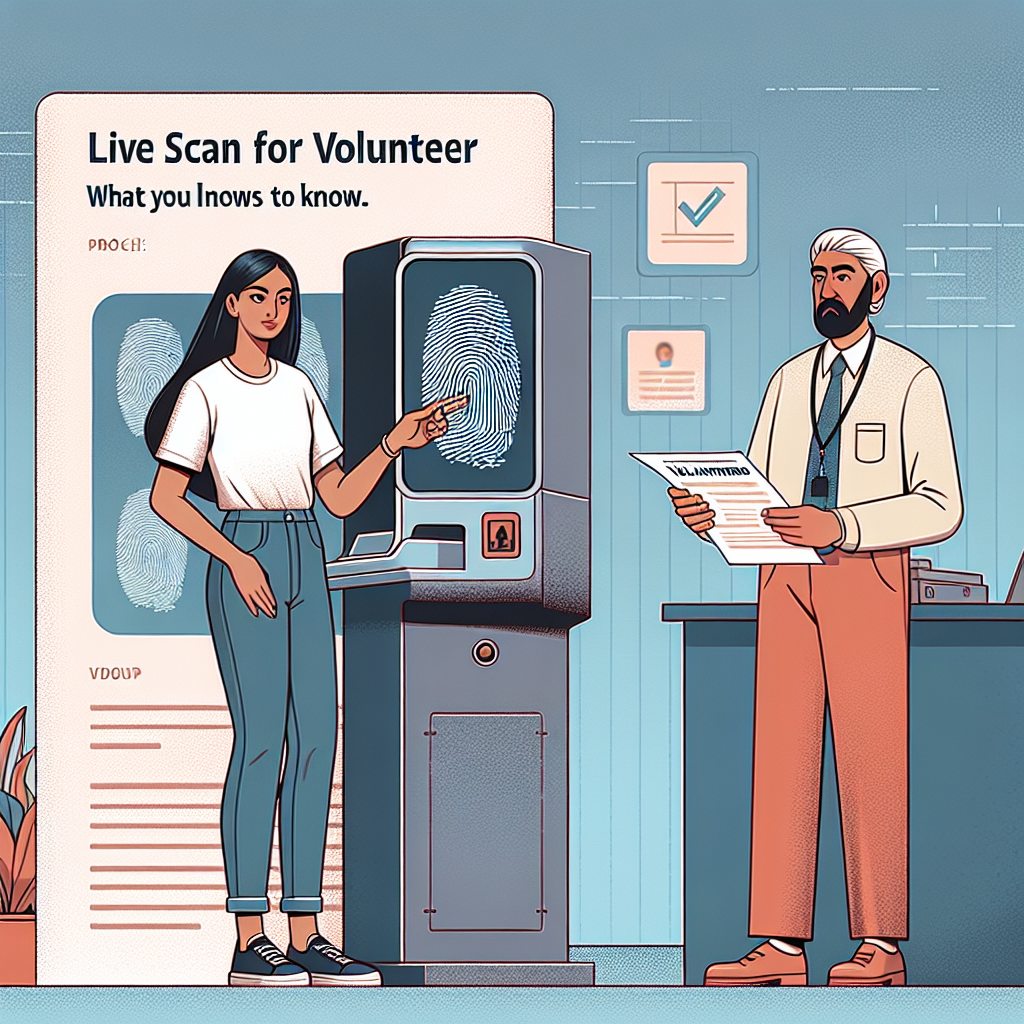
    Live Scan for Volunteer Positions: What You Need to Know


    Live Scan for Volunteer Positions: What You Need to Know

    Live Scan for Volunteer Positions: What You Need to Know

    I. Introduction

    Volunteering is a great way to help out and make a difference in your community. But it’s important to make sure everyone stays safe. That’s where Live Scan fingerprinting comes in. This blog will tell you what Live Scan is, why it’s important for volunteers, and what you need to know about it.

    II. What is Live Scan?

    Live Scan is a modern way to take fingerprints. It uses technology to send fingerprint images to the California Department of Justice (DOJ) quickly. Unlike the old method with ink and paper, Live Scan is more accurate. This means that background checks can be done faster and in a better way, which is important for volunteer groups to keep everyone safe.

    III. Why Live Scan is Important for Volunteers

    Live Scan fingerprinting is really important for several reasons:

    • Safety and Trust: Volunteer groups need to make sure it’s safe for everyone. Live Scan helps check that volunteers don’t have any past problems that could be dangerous.
    • Helping Vulnerable People: Many volunteers work with children or older adults. Background checks help make sure that these volunteers are a good fit for their roles.
    • Following Rules: Non-profit groups must follow certain rules. Live Scan helps them meet these rules so they can keep their licenses.

    IV. How the Live Scan Process Works

    Knowing how Live Scan works can help you get ready for it:

    1. Find a Place: Look for a Live Scan provider nearby. Lots of places like police stations and community centers offer this service.
    2. Get Your Fingerprints Taken: At your visit, someone will use a machine to take your fingerprints. It’s quick and only takes a few minutes.
    3. Get the Results: Your fingerprints go to the DOJ, and maybe the FBI too. You should get results in about 72 hours, but sometimes it might take longer.

    V. What You Need for Live Scan Fingerprinting

    Before your Live Scan appointment, make sure you have these things:

    • An ID: Bring a government ID like a driver’s license or passport.
    • Information about the Volunteer Group: You might need some forms or details from the group you’re volunteering with.
    • Fees: There’s a fee for Live Scan, and the price can change depending on where you go. Check if your volunteer group will pay it for you.
    • Appointments: Some places need you to make an appointment. It’s smart to call ahead and make sure you have a spot.

    VI. Privacy and Security Concerns

    It’s okay to wonder about privacy with Live Scan. Here’s how they keep your information safe:

    • Keeping It Safe: Fingerprints and personal info are sent safely and stored following DOJ rules.
    • Who Can See It: Only certain people involved in the process can see your info. Your results are private and sent only to your volunteer group.

    VII. Questions People Often Have

    • What If There’s a Delay?: Sometimes there are delays. If it’s taking too long, check with the Live Scan place or your volunteer group.
    • What If My Fingerprints Are Rejected?: If there’s a problem with your fingerprint images, you might have to do it again. They will let you know if this happens.

    VIII. Conclusion

    Live Scan is an important part of volunteering to make sure everyone is safe and follows the rules. As a volunteer, doing Live Scan shows that you care and are ready to help. Don’t wait—start your Live Scan process and make a difference today!

    IX. Additional Resources

    If you have more questions about Live Scan or need help with volunteering, feel free to reach out to us or your chosen organization. Join the team of volunteers making a big difference while keeping things safe and trustworthy.

    Call to Action

    Ready to get started? Visit us at Tags Clinic, located at 3845 University Ave, San Diego, CA, or give us a call at 619-777-9046. We’re here to assist and guide you in any way we can!

    For more information and helpful resources, make sure to visit our website: https://tagsclinic.com

    Location Map


  • How to Ensure Your Out‑of‑State Car Meets California Safety Standards

    How to Ensure Your Out‑of‑State Car Meets California Safety Standards


    How to Make Sure Your Out-of-State Car Is Safe to Drive in California


    How to Make Sure Your Out-of-State Car Is Safe to Drive in California

    Introduction

    Are you moving to California with your car? It’s an exciting change, but there’s something important you need to do first. California has special rules to make sure cars are safe and don’t pollute too much. This guide will help you learn what you need to do so your car can meet California’s standards. That way, you can drive around the Golden State without any trouble.

    What Are California’s Safety Standards?

    What is the California Air Resources Board (CARB)?

    CARB helps keep the air clean in California. They make rules to reduce pollution from cars and other vehicles.

    What Rules Do Cars Need to Follow?

    Cars in California need to pass tests for emissions, brakes, lights, and more. This is to make sure they are safe and environmentally friendly.

    Why Following the Rules is Important

    Driving cars that follow these rules helps keep the air clean for everyone.

    Steps to Take Before Moving Your Car to California

    Find Out What Information You Need

    Start by collecting information about your car, like details about the engine and any past inspection results.

    Contact the California DMV

    Ask the DMV (Department of Motor Vehicles) in California what your car needs to meet their standards. They can tell you if you need to make changes to your car.

    Set Up a Certification Check

    Book a time with a trained technician to check your car. They can tell you if anything needs fixing.

    Making Sure Your Car Passes Emissions Tests

    What is a Smog Check?

    A smog check is a test to see how much pollution comes from your car. Make sure your car is ready by checking its emissions system.

    Changes You Might Need to Make

    Some cars need updates to their emissions systems to meet California standards. You might need a new catalytic converter or engine adjustments.

    Get the Right Paperwork

    Once you pass the emissions test, keep the paperwork. You’ll need it to register your car in California.

    Important Safety Checks

    Check Your Car’s Safety Features

    Make sure the lights, brakes, and seatbelts are in good condition. You might need to fix or add some parts.

    Find a Place to Inspect Your Car

    Look for inspection centers where you can check your car’s safety in the new area in California.

    Follow National Safety Rules, Too

    Your car needs to meet both California and federal safety standards.

    Costs and Money Matters

    How Much Will Compliance Cost?

    Be ready to pay for inspections, changes, and registration. Check these costs ahead of time.

    What Fees Will You Need to Pay?

    Each step, like inspections and registration, has a fee. Plan your budget with this in mind.

    Budgeting Tips

    Set aside money for this process. Get estimates to help plan your finances.

    How to Register Your Out-of-State Car

    Steps to Register Your Car

    1. Pass the smog and safety checks.
    2. Collect all needed paperwork, like proof of ownership.
    3. Submit your registration application at the DMV.
    4. Pay the registration fees.

    What Documents Do You Need?

    Have your car’s title, insurance proof, and registration application ready.

    Watch Out for Deadlines

    Register your car as soon as you can to avoid late fees or penalties.

    Challenges You Might Face and How to Solve Them

    What if Your Car Fails an Inspection?

    Find out why and fix the problem. You may need help from a specialist.

    Finding Reliable Help

    Use reviews and recommendations to find trusted mechanics or inspectors.

    CARB’s Complex Rules

    If you’re confused, ask CARB for help. They can answer your questions.

    Help and Support

    Useful Resources

    Get Expert Advice

    Consider asking a consultant to help you understand California’s car standards.

    Learn from Others

    Reading about other people’s experiences can help you see what’s ahead.

    Conclusion

    Getting your car ready for California’s rules might seem tough, but it’s doable with the right steps. Start early, and soon you’ll be driving through California without any trouble.

    Call to Action

    Already in California or on your way? Let Tags Clinic make your DMV tasks easier. Visit us at 3845 University Ave, San Diego, CA or call us at 619-777-9046. You can also check out our website at https://tagsclinic.com. We’re here to help your car meet all the standards with ease. We’ll handle the details so you can enjoy life in California!


  • How to Reschedule Your Live Scan Appointment with Ease

    How to Reschedule Your Live Scan Appointment with Ease


    How to Reschedule Your Live Scan Appointment Easily


    How to Reschedule Your Live Scan Appointment Easily

    Introduction

    If you live in California and need fingerprints for a job or a background check, you’ve probably heard of Live Scan. Live Scan is a digital fingerprinting service often needed by jobs, government offices, or licensing boards. It’s super important because it helps make sure everything is legal and professional.

    Sometimes, things happen, and you might need to change your Live Scan appointment. It can be because of a sudden schedule change, an emergency, or simply forgetting. Changing your appointment might sound tricky, but it’s easier than you think. Let’s learn how to reschedule your Live Scan appointment easily.

    How to Reschedule Your Live Scan Appointment

    Step 1: Check the Rescheduling Policy

    First, find out what the rules are for changing your appointment with the people who provide the service. Each place may have different rules, like how soon you need to reschedule to avoid extra charges. If you made your appointment online, you might find these details in your confirmation email or on the service provider’s website.

    Step 2: Gather Important Information

    Gather all the information you need to reschedule. This includes your appointment confirmation number, ID details, and any other useful information. Also, have your calendar ready so you can quickly pick a new date and time that works for you.

    Step 3: Contact the Service Provider

    Now it’s time to reach out to your service provider to reschedule. You can usually do this in a few ways:

    • Phone: Calling is fast and lets you confirm new times right away.
    • Email: This is good if you can’t call, but it might take longer to get an answer.
    • Online Portals: Some places let you change appointments online. This is often the easiest way because you can see what’s available right away.

    Pick the method that works best for you.

    Step 4: Choose a New Appointment Date

    When choosing a new date, think about how quickly you need the fingerprints done. If it’s urgent, pick the earliest spot available, even if it’s not the most convenient. Try to balance your schedule with how fast you need the appointment done to avoid more delays.

    Step 5: Confirm the Change

    After changing your appointment, make sure you get a confirmation. This might be an email, text, or printed piece of paper. Keep it safe until your appointment happens because it’s proof of when your new appointment is.

    Challenges and Solutions

    Sometimes rescheduling can be tricky:

    • Technical Issues: If the online portal doesn’t work, try refreshing your browser or using a different one. You can also ask customer service for help.
    • Not Many New Appointment Times: If you can’t find new times, ask if there’s a waiting list or if you can be notified when slots open.
    • Missing the New Appointment: If you miss it again, contact the provider quickly to reschedule. Try to figure out why you missed it to stop it from happening again.

    Tips for a Smooth Live Scan Experience

    • Arrive Early: Give yourself time to get ready before your appointment.
    • Bring Documents: Have all your ID ready.
    • Know the Process: Being familiar helps you stay calm and follow any special rules.

    FAQs

    • Can I reschedule more than once?
      Yes, but check if there are limits or extra charges for how many times you can change.
    • Is there a fee for rescheduling?
      Some places might charge a small fee, especially for last-minute changes. Check the rescheduling policy.
    • What if I lose my confirmation?
      Ask the provider to send it again or double-check the details.

    Conclusion

    Changing your Live Scan appointment doesn’t have to be hard. By following these steps and being ready, you can make the process easy. Don’t wait to make the changes needed, so your personal or work plans aren’t messed up. If you need help, you can reach out to Tags Clinic, a trusted DMV alternative in San Diego.

    Call to Action

    If you want to make DMV tasks simpler, contact Tags Clinic today. Share your thoughts or ask questions in the comments below. Visit, call, or book your service now for a no-stress experience. You can find them at 3845 University Ave, San Diego, CA or you can give them a call on 619-777-9046. Don’t wait any longer! Let’s make your DMV tasks simpler together!


  • How to Troubleshoot Common Issues During an Out‑of‑State Transfer to California

    How to Troubleshoot Common Issues During an Out‑of‑State Transfer to California


    How to Fix Common Problems When Moving Your Car to California from Another State

    How to Fix Common Problems When Moving Your Car to California from Another State

    Moving your car to California from another state can be tricky. California has its own rules that you have to follow. But if you know the common problems and how to fix them, everything will go smoothly. This way, you can avoid any long wait times or stress.

    What You Need for Car Registration

    When you bring your car to California, having the right paperwork will make the process easier. Here’s what you need:

    Important Papers

    • Proof of Ownership: This means you should have your car’s title with you.
    • Current Registration Certificate: Shows that your car is registered in another state.
    • Valid ID: A government ID that matches the name on your car registration.
    • Car Insurance: Your car must be insured and meet California’s rules.

    California Smog Check

    Your car needs to pass a smog check in California. Knowing this ahead of time helps you prepare your car for any emissions tests.

    VIN Check

    The Vehicle Identification Number (VIN) needs to be checked to make sure it matches all your papers.

    Common Problems to Look Out For

    Understanding what might go wrong can help you a lot. Here are some problems people have faced and how to solve them:

    Problems with Paperwork

    Missing or old papers can delay your registration:

    • Check that all papers are up-to-date and filled out correctly.
    • Use a checklist to make sure you have everything.

    Failing the Smog Test

    If your car doesn’t pass the smog test, it can slow down the process:

    • Failures can happen because of emission issues or old car parts.
    • If your car fails, talk to a car repair expert to fix the issue.

    VIN Check Mistakes

    Errors here can cause big problems:

    • Make sure your VIN is easy to read and matches your documents.
    • Be ready for another check if there’s a mismatch.

    How to Solve These Problems

    Here’s what to do if you run into any issues:

    Problems with Papers

    • If you’re missing papers, contact the DMV from your old state or use a quick service to get them fast.
    • Make sure the papers match California’s rules for format and info.

    Smog Check Troubles

    • Go to a shop that specializes in fixing emission problems.
    • Before retesting, drive your car enough to warm it up for better results.

    Fixing VIN Check Mistakes

    • Call your local DMV to sort out any mismatches.
    • Double-check that all VIN details are clear and correct.

    How to Deal with DMV Appointments

    Long lines at the DMV can be a pain, but with good planning, you can avoid them:

    • Book DMV appointments online ahead of time.
    • Use third-party services to process faster and skip the wait.
    • Whenever you can, use online tools to handle things instead of going in person.

    Real-Life Stories

    Learn from people who did this well:

    Successful Transfers

    • Rob saved a lot of time by getting all his papers in order first.
    • Anna passed her smog test the second time by talking to a good emissions expert.

    These stories show the importance of preparing and being careful.

    Conclusion

    Getting your car registered in California from another state isn’t too hard if you know the rules and fix any problems early. Staying informed and ready will help make the process smooth from start to finish.

    If you need more help, Tags Clinic offers services to make this easier.

    More Help

    For more information, check out these resources:

    What to Do Next

    Make moving your car to California easy and simple. Contact Tags Clinic for professional help and services made just for you. Visit our website or call us to start today.

    Call to Action

    We at Tags Clinic are here to help! We encourage you to visit us at 3845 University Ave, San Diego, CA or call us at 619-777-9046. Let’s make your car registration process smooth and hassle-free.

    For more information about our services, please visit our website.


  • Tips for a Successful Live Scan Appointment: Expert Advice

    Tips for a Successful Live Scan Appointment: Expert Advice


    Tips for a Successful Live Scan Appointment: Expert Advice

    Tips for a Successful Live Scan Appointment: Expert Advice

    Introduction

    Today, having secure and correct ways to prove who you are is very important. Live Scan is a modern method that captures fingerprints electronically. It’s faster and more reliable than older methods. If you are applying for a job, a license, or volunteering, you might need a Live Scan appointment. Being well-prepared is key to making this experience as smooth as possible.

    Understanding Live Scan

    Live Scan fingerprinting takes fingerprints and sends them electronically to the right authorities quickly and reliably.

    Common Reasons for a Live Scan Appointment

    1. Employment & Licensing: Many jobs and licenses require a background check.
    2. Volunteering: If you’re working with kids or sensitive information, a Live Scan is often needed.
    3. Personal Identification: Some groups need to confirm your identity for sure.

    Live Scan vs. Traditional Fingerprinting

    Old-fashioned fingerprinting uses ink and paper, which can be messy and full of mistakes. Live Scan is digital, fast, and accurate, making fewer mistakes and speeding up the process.

    Pre-Appointment Preparation

    Gather Necessary Documentation

    Before your appointment, make sure you have:

    • A valid photo ID, like a driver’s license or passport.
    • The specific Live Scan request form for your needs (like a job or license form). Double-check for mistakes.
    • Any other documents the group requesting your Live Scan needs.

    Schedule Your Appointment in Advance

    • Early Booking: Book your appointment well before your deadline for your preferred time.
    • Location Convenience: Choose a location near home or work. Confirm their hours to avoid problems.

    Payment Methods and Costs

    Find out how much the service costs and what payment they accept. Sometimes, your employer or organization might pay, so ask them.

    What to Expect During Your Appointment

    Arrival and Check-in Process

    Arrive 10-15 minutes early. Check in when you arrive to confirm your appointment. Know who to ask for help if you have questions.

    Fingerprinting Procedure

    Here’s what will happen:

    1. The technician checks your ID and documents.
    2. Your fingerprints are taken electronically, one finger at a time.
    3. If your fingerprints are hard to capture, special care will be taken. Relax and keep your hands dry for the best results.

    Post-Appointment Steps

    Confirmation and Documentation

    After the Live Scan, get proof of completion or a receipt. Check all documents for mistakes. Fix any problems right away with the technician.

    Follow-Up

    Find out when the results will be processed and sent. Keep the contact info of the facility if you need to check your Live Scan status later.

    Expert Tips for a Smooth Live Scan Experience

    1. Dress Comfortably: Wear clothes that don’t restrict your movements.
    2. Stay Relaxed: Being calm helps get clear fingerprints.
    3. Assistance for Special Needs: If you need help, let the facility know in advance so they can prepare.

    Conclusion

    By preparing properly, scheduling ahead, and knowing what to expect, your Live Scan appointment can be stress-free and successful. A good approach ensures a seamless process and accurate results, supporting your professional and personal plans.

    Additional Resources

    For more info, check out these resources:

    Call to Action

    Have questions or need more help? Contact us or visit your nearest Live Scan location. Being prepared makes all the difference in having a successful Live Scan experience.

    We invite you to visit Tags Clinic at 3845 University Ave, San Diego, CA or call 619-777-9046. For more information about our services, please visit our website.

    We’re here to provide the support you need for a smooth and successful Live Scan experience.