Blog

  • How Live Scan Fingerprinting Can Help You Secure a Job

    How Live Scan Fingerprinting Can Help You Secure a Job

    “`html


    Blog Post

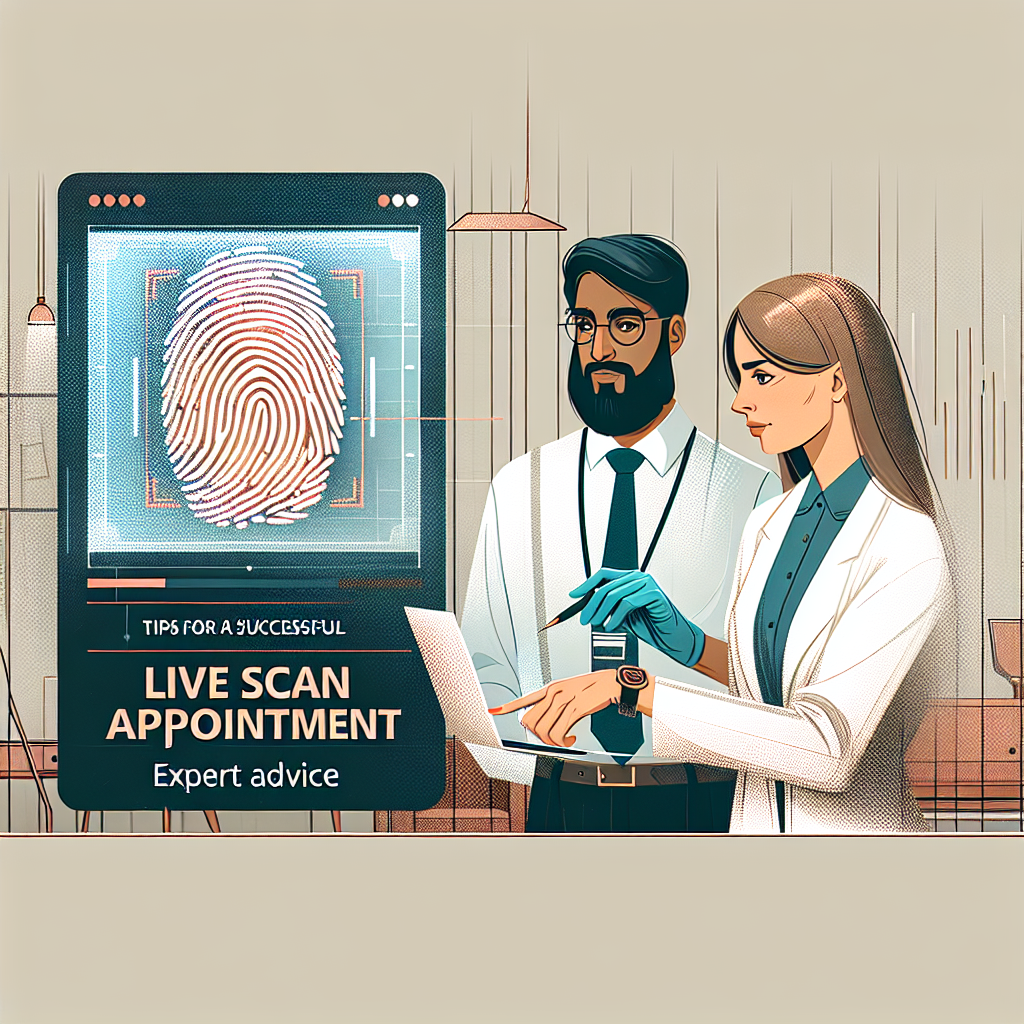
    How Live Scan Fingerprinting Can Help You Secure a Job

    Introduction

    Finding a job can be tough these days, and standing out is really important. One way to do this is by making sure all your job checks are done smoothly. Live Scan fingerprinting is one of the ways to check your background and make sure you’re trustworthy. It’s becoming more important in lots of jobs.

    Live Scan fingerprinting isn’t just a step you have to do; it’s a better, safer way for bosses to do background checks and for people looking for jobs to seem more reliable.

    What is Live Scan Fingerprinting?

    Live Scan fingerprinting is a way to take your fingerprints and send them to state and federal places to check your background. Unlike old ways that used ink and could be messy, Live Scan uses computers, which makes it more accurate. You put your fingerprints on a machine that sends them to places like the Department of Justice or the FBI to check your background.

    Why Employers Require Live Scan Fingerprinting

    1. Ensuring Employee Trustworthiness: Live Scan fingerprinting helps employers check who you are and if you have a criminal record. This helps them hire people they can trust.
    2. Compliance with Legal and Industry Regulations: Some jobs require background checks by law. Live Scan fingerprinting makes sure they follow these rules.
    3. Protecting Company Interests and Customer Safety: Employers use background checks to protect their company and make their workplace safe for everyone.

    Industries Where Live Scan Fingerprinting is Common

    • Healthcare: In the healthcare world, protecting patients is important. With Live Scan, they make sure medical workers have a clean background.
    • Education: Schools need to be safe for kids and teenagers. They use Live Scan to check on teachers and other school workers.
    • Financial Services: Jobs like these need people who are trustworthy because they deal with money. Live Scan helps ensure they’re the right people for the job.
    • Government Positions: Government jobs need a lot of trust. Live Scan fingerprinting is a part of applying for these jobs.

    Benefits of Live Scan Fingerprinting for Job Seekers

    • Demonstrating Transparency and Reliability: Doing Live Scan fingerprinting shows that you are honest about your past and a reliable job candidate.
    • Expediting the Hiring Process: Having it done means employers can check your background faster and make a decision sooner.
    • Pre-employment Confidence: Knowing you pass the necessary checks can make you feel more confident about getting the job you want.

    How to Get Your Live Scan Fingerprinting Done

    1. Finding a Certified Live Scan Location: Look for places that offer Live Scan, like police stations or special centers.
    2. What to Bring: You need to bring a photo ID and a form from the job you’re applying for that says you need Live Scan.
    3. Understanding the Costs: Check how much it costs and see if the job you want will pay for it.

    Preparing for Your Live Scan Appointment

    • Tips for Ensuring Prints are Clear: Make sure your hands are clean and dry, and don’t use lotions. This helps get clear fingerprints.
    • What to Expect During the Appointment: It only takes about 10-15 minutes. You’ll need to show your ID and pay for the service.
    • Timeframe for Results: You’ll usually get the results in a few days, so you can keep going with your job application.

    Common Concerns and Myths About Live Scan Fingerprinting

    • Privacy Implications and Data Security: Live Scan is safe, and your personal info is protected and only used to check your background.
    • Myth-Busting: Some people think Live Scan can hurt your credit score or check more info than needed. This isn’t true; it only looks at criminal backgrounds.

    Conclusion

    Live Scan fingerprinting helps you in your job search by showing you are trustworthy. Understanding and going through this process helps get you noticed for jobs you really want.

    Call to Action

    Did you do your Live Scan fingerprinting yet? Share your thoughts in the comments and join other people looking for jobs. If you haven’t, find a certified Live Scan place and schedule your appointment today to improve your chances of getting a job. You can also learn more about Live Scan and how it helps by checking our resources section!

    We’re located at Tags Clinic, 3845 University Ave, San Diego, CA. Don’t hesitate to drop by or give us a call at 619-777-9046.


    “`

  • The Complete Guide to Vehicle Emission Requirements for Out‑of‑State Cars in California

    The Complete Guide to Vehicle Emission Requirements for Out‑of‑State Cars in California


    The Complete Guide to Vehicle Emission Requirements for Out-of-State Cars in California

    The Complete Guide to Vehicle Emission Requirements for Out-of-State Cars in California

    Introduction

    California is famous for its strict vehicle emission rules to help reduce air pollution and protect the environment. If you’re moving to California or plan to bring a car from another state, knowing the emission requirements is really important to avoid any problems. This guide is here to help you, making sure your car follows the rules so you can drive without any issues.

    Overview of California Emission Standards

    California’s emission standards for cars are some of the strictest in the United States. They even go beyond the federal rules. These standards are meant to keep the air clean and are managed by the California Air Resources Board (CARB). CARB is in charge of making sure cars meet these standards so they can be legally driven in California.

    How to Check If Your Out-of-State Car Complies with Emissions

    Before you bring your car into California, you need to make sure it meets the state’s emission rules. Here’s how:

    1. Check the Vehicle Emissions Control Information (VECI) Label: This label is usually in the engine compartment. It will tell you if the car meets California’s emission standards.
    2. Use Online Resources and Tools: CARB’s website has tools to check if your car is compliant. You’ll need to enter your car’s make, model, and year.
    3. Contact the Manufacturer: Sometimes, it’s helpful to ask the car manufacturer for more information about compliance or any changes you need to make.

    Steps to Bring an Out-of-State Car to California

    Planning ahead can help you bring your out-of-state car to California smoothly. Here’s what you should do:

    1. Research First: Make sure your car complies with California emission standards before moving.
    2. Get Necessary Documents: Have your car’s title, registration, VECI label, and any emission compliance certificates ready.
    3. Vehicle Inspection: Get your car inspected for compliance, especially if it doesn’t have a California-compliant label.
    4. Pass an Emission Test: Your car needs to pass a smog check to meet state emission rules.
    5. Register Your Car: Once your car complies, register it in California. This means giving the required documents and paying the fees.

    Smog Check Requirements

    In California, most cars need a smog check to make sure they meet emission rules. Here’s what you should know:

    • Who Needs a Smog Check: Gasoline cars older than six years and diesel cars from 1998 or newer with a GVWR under 14,000 pounds usually need smog checks twice a year.
    • Exemptions: Some cars, like all-electric cars, hybrids, and ones that are less than six years old, might not need smog checks.
    • Testing Locations: Use the CARB website to find certified smog check stations near you.

    What to Do If Your Car Doesn’t Meet Standards

    If your car doesn’t meet California standards, you might need to make some changes:

    • What Changes Might Be Needed: You might need to change parts like the catalytic converter, exhaust system, or onboard diagnostics.
    • Older Cars: Older cars might have a harder time meeting standards but might qualify for certain exemptions.
    • Costs and Help: Making these updates can be costly. It’s a good idea to talk to a certified mechanic who knows California rules.

    How to Register Your Out-of-State Vehicle

    To register your out-of-state vehicle, follow these steps:

    1. Pass the Emission Test: Make sure your car meets all requirements and has the right paperwork.
    2. Visit the California DMV: Take all your papers, including emission test results, and pay the fees.
    3. Get Your California Plates: Once registered, you’ll get new plates, showing your car is compliant.

    Common Problems and Solutions

    Many people face challenges when registering their car in California:

    • Incomplete Paperwork: Make sure you have all your documents ready.
    • Delays in Testing or Modifications: Plan your tests and modifications early to avoid delays.
    • Get Help from CARB and DMV: Contact these agencies if you need help with compliance issues.

    Costs and Fees for Compliance

    Knowing the costs can help you plan:

    • Testing and Modifications: The cost of smog checks and any changes needed depend on your car’s condition and age.
    • Registration Fees: You’ll pay standard fees, plus extra charges if there are compliance issues or late registration.
    • Financial Help: Some programs offer help to low-income individuals needing modifications.

    Conclusion

    Meeting California’s vehicle emission standards is important to ensure a smooth move as an out-of-state driver. With the right planning and resources, your vehicle can comply with the rules, helping to keep the air clean.

    Additional Resources

    CARB Website
    California DMV

    FAQs

    Q: Can a vehicle be registered in California without a smog check?
    A: Usually, no. Most cars must pass a smog check to be registered.

    Q: What if my out-of-state car fails the smog check?
    A: You’ll need to fix it to meet the rules, then retest.

    Q: How soon must I register my vehicle after moving to California?
    A: You need to register it within 20 days after moving here.

    Q: Are there penalties for late registration?
    A: Yes, not registering on time can lead to penalties and fees.

    Q: Can I drive my out-of-state car in California while waiting for compliance modifications?
    A: You can drive it temporarily if it’s still registered in your original state, but start compliance soon.

    Call to Action

    For easy vehicle registration and emission compliance in California, visit Tags Clinic. It’s your go-to solution for a hassle-free experience! We’re conveniently located at 3845 University Ave, San Diego, CA or you can call us at 619-777-9046. We’re looking forward to helping you with all your emission and registration needs!


  • Live Scan and Your Privacy: What California Law Says

    Live Scan and Your Privacy: What California Law Says


    Blog Post

    Live Scan and Your Privacy: What California Law Says

    Introduction

    Nowadays, keeping your personal information private is super important. With so many things collecting your data, you need to know your rights. One of these things is called Live Scan. It’s used a lot in California. In this blog post, we’ll talk about what Live Scan is, how it affects your privacy, and how California law protects your data.

    What is Live Scan?

    Live Scan is a way to take fingerprints and send them to the California Department of Justice (DOJ). It’s usually done for background checks to make sure people meet the requirements for jobs, licenses, or certifications.

    Types of Information Collected

    When you do a Live Scan, they collect:

    • Your full name and any other names you use
    • Your birth date
    • Your gender and ethnicity
    • Your social security number
    • Your fingerprints

    Common Jobs and Needs

    In California, many jobs require a Live Scan, like:

    • Healthcare workers
    • Teachers and school workers
    • Childcare providers
    • Security guards
    • Volunteers who work with kids or vulnerable groups

    It’s important to understand why a Live Scan is needed for these jobs and how your information is kept safe.

    California cares a lot about privacy, and there are laws about how Live Scan information is used and managed.

    Role of the California Department of Justice

    The California DOJ manages Live Scans by looking over the fingerprints they collect. They keep your data safe and use it only for the right reasons.

    Key Laws and Regulations

    Important laws include:

    • Information Practices Act:This law tells how personal information should be collected and shared to protect privacy.
    • California Penal Code Sections 11105-11105.05:These sections say how criminal record information can be used and who can see it.

    Knowing these laws helps you make sure your rights are respected during the Live Scan process.

    Privacy Protections under California Law

    California has strong protections for people who do Live Scans.

    Rights of Individuals

    When you do a Live Scan, California law makes sure:

    • Your information is used only for the reason it was collected.
    • There are strict rules on who can see and share your information.
    • You can ask for a copy of your criminal history to check for mistakes.

    Handling of Personal Information

    The law says Live Scan data must be handled safely, and sharing it without permission is not allowed.

    Penalties for Misuse

    If someone breaks the privacy rules, there can be big punishments, like fines and penalties for companies or people who break the law.

    How Live Scan Information is Used

    Live Scan results help decide if people are right for certain jobs. Employers, license boards, and agencies use this information to:

    • Check criminal backgrounds of job seekers
    • Meet rules for giving licenses
    • Make smart choices about hiring or certifications

    Balancing Public Safety with Privacy

    While Live Scans help keep people safe, they need to respect privacy laws carefully.

    Challenges and Considerations

    Even with good laws, there are still challenges and misunderstandings about Live Scan and privacy.

    Privacy Concerns

    Some people worry about their data being collected and stored. Being clear about how data is used can help reduce these worries.

    Safeguarding Personal Information

    To keep your data safe:

    1. Make sure the Live Scan provider is legit.
    2. Know why you’re doing the Live Scan for your job.
    3. Keep a copy of your submission and results.

    Suspected Breaches

    If you think your privacy was violated, it’s important to contact legal help or the right authorities quickly.

    Recent Changes and Developments

    Laws can change, and new updates focus on improving data security. Keeping up with these changes helps protect your rights.

    Conclusion

    Knowing your privacy rights during the Live Scan is very important. California law has strong rules to keep your information safe. By learning about these, you can protect your data and handle any problems confidently.

    Additional Resources

    If you want to learn more or need help:

    By knowing more, you can handle Live Scans easily and keep your personal information safe.

    Call to Action

    Put your trust in us! Visit Tags Clinic at 3845 University Ave, San Diego, CA for your Live Scan needs – privacy guaranteed. Need to inquire first? Don’t hesitate to call us at 619-777-9046. Learn more about our services at https://tagsclinic.com. We do care about your privacy as much as you do. Let’s keep everyone’s data secure together!


  • How to Update Your Registration When Bringing a Recently Purchased Car to California

    How to Update Your Registration When Bringing a Recently Purchased Car to California


    How to Update Your Registration When Bringing a Recently Purchased Car to California

    How to Update Your Registration When Bringing a Recently Purchased Car to California

    Are you bringing a recently bought car to California? It’s not just about driving through the sunny state in your new car. You need to update your registration to avoid any legal problems or fines. This guide will help you understand how to do it so you can drive worry-free.

    Understanding California’s Registration Requirements

    California has strict rules for registering cars. It’s important to know if you’re a resident or a non-resident when registering a vehicle. If you live in California and bought a car, you’re considered a resident for registration purposes. New residents must register their car within 20 days after moving.

    California welcomes everyone, but they want to make sure you register your car quickly. If you don’t register your car on time, you could face penalties, late fees, or even legal issues.

    Step-by-Step Guide to Updating Registration

    1. Gather Necessary Documents

    Start by collecting the needed documents to make registration smooth:

    • Proof of Ownership: This could be the car’s title or a bill of sale.
    • Current Out-of-State Registration: Shows that your car is properly owned and insured elsewhere.
    • California Proof of Insurance: Contact a local insurer to get coverage that meets California rules.
    • Smog Certification: Most cars need this in California.
    • Vehicle Identification Number (VIN) Verification: This confirms the car’s identity and compliance with state laws.

    2. Obtain a Smog Certification

    Most cars need a smog check before they can legally drive in California. Here’s what to do:

    • Find a licensed smog check station near you. They are all over California.
    • Some cars, like electric cars or newer models, don’t need this test.
    • Make sure a Certified Smog Testing Centre does it to avoid delays.

    3. Complete the Application for Title or Registration

    Fill out the official form to apply for registration:

    • Form REG 343 is the one you need. Find it on the DMV’s website or at a local office.
    • Check all details for accuracy.
    • Submit the completed form online or at a DMV office.

    4. Schedule a VIN Verification

    A VIN verification makes sure everything matches, with no surprises:

    • This can be done at the DMV, or with third-party providers like AAA, or licensed private inspectors.
    • Ensure your car is ready and accessible for the inspection.

    5. Visit Your Local DMV Office

    Once you’ve completed all the steps, go to your DMV:

    • Bring all your documents and prepare to wait a bit.
    • You can also consider third-party DMV services for faster processing.

    Understanding Fees and Taxes

    Registering a car involves a fee, use tax, and some other small fees:

    • The amount depends on the vehicle type, value, and where you are in California.
    • Be ready to pay these when you finish registering.

    Potential Challenges and Tips

    • Incomplete Documentation: Make sure you have all required documents before you start.
    • Failed Smog Tests: If your car fails, get it fixed and tested again quickly.
    • Proactive Planning: Prepare everything ahead of time. Check DMV wait times online and go when it’s less busy.

    Conclusion

    Registering your new car in California isn’t just required by law. It also means you’re ready to enjoy driving on California’s roads. By following these steps, you’ll ensure a smooth registration process, avoid penalties, and get behind the wheel without hassle.

    Additional Resources

    • California DMV Forms: DMV Forms and Resources
    • FAQs on Vehicle Registration: DMV FAQ Page
    • Contact Your Local DMV Office: Check online for contact details of the nearest office.

    For a fast and easy experience, consider using Tags Clinic to help with your car registration, so you spend less time filling forms and more time enjoying your ride. Visit us today and see how we can make your vehicle registration simple!

    Call to Action

    Need assistance with car registration? Our team at Tags Clinic would be delighted to help you navigate the process. Don’t wait, visit Tags Clinic at 3845 University Ave, San Diego, CA or call us at 619-777-9046.

    Check us out online at https://tagsclinic.com and see how we’re assisting vehicle owners like you!


  • How to Fix a Rejected Live Scan Application Quickly

    How to Fix a Rejected Live Scan Application Quickly


    How to Quickly Fix a Rejected Live Scan Application

    How to Quickly Fix a Rejected Live Scan Application

    Introduction

    The Live Scan application is an important step for people needing background checks for jobs, licenses, or volunteering. It’s a digital fingerprinting system used for security checks. Getting a rejection for your Live Scan application can be annoying and mess up your plans. Knowing why applications are rejected and fixing them fast is key to avoiding more delays.

    Finding Out Why It Was Rejected

    The first thing to do when your Live Scan application is rejected is to figure out why. The rejection notice usually says why it was turned down. Common reasons include:

    • Wrong or Missing Personal Info: Mistakes with your name, birth date, or other details.
    • Bad Quality Fingerprints: Blurry or smudged fingerprints can get rejected.
    • Payment Problems: Unprocessed payments or wrong amounts.

    Knowing why it was rejected will help you fix the right problem.

    What to Do Right After Rejection

    Once you know why it was rejected, here’s what to do:

    1. Contact the Right People: Talk to the agency that sent the rejection to understand more.
    2. Check Your Info: Look over your application to make sure all your info is correct and complete.
    3. Verify Payments: Make sure your payment went through and the right fees were paid.

    Fixing Personal Information Errors

    If the rejection is because of wrong personal info:

    • Update Your Info: Get in touch with the right office to fix your details.
    • Proof: Be ready to show ID documents to prove your updated info.

    Fixing Fingerprint Quality Problems

    Bad fingerprint quality is a common issue. Here’s how to get better prints:

    • Get Ready: Keep your fingers clean and dry, free of lotion, on the fingerprinting day.
    • Find Experienced Technicians: Go to a Live Scan place with skilled technicians for clear prints.
    • Retake Your Prints: Book a new appointment to redo your fingerprints at an approved location.

    Solving Payment Issues

    For payments that cause rejections:

    • Check Transactions: Look at your bank statements to see if the payment went through.
    • Keep Payment Receipts: Make sure you have a receipt confirming the payment was accepted.
    • Talk to Your Bank: If needed, ask your bank to look into any payment problems.

    Re-submitting Your Application

    Before sending your application again, make sure it’s perfect by using this checklist:

    • Double-Check Everything: Look for any mistakes in your personal and payment information.
    • Follow Instructions: Carefully read and follow all guidelines when filling out your application.
    • Have All Documents: Make sure you have all the needed documents for easy re-submission.
    • Record All Communication: Keep copies of emails and receipts related to the application.

    Tips to Avoid Future Rejections

    Avoid getting rejected in the future with these tips:

    • Careful Checking: Go over your application and payment info thoroughly before sending it.
    • Pick Good Service Providers: Choose trustworthy Live Scan service places with experienced staff.
    • Ensure Good Prints: Use preparation tips to get clear fingerprint quality.

    Conclusion

    To quickly fix your Live Scan application rejections, you need to find out the cause, take immediate steps to fix it, and prevent mistakes next time. Acting fast is important to avoid further delays. If you need help, get in touch with Tags Clinic or others who know Live Scan services well.

    Call to Action

    Need help with your Live Scan application? Visit Tags Clinic for expert help and make sure your process goes smoothly. Book an appointment today or reach out for personal support. Share this post to help others avoid the hassle of rejected applications!

    Visit us at 3845 University Ave, San Diego, CA or call us on 619-777-9046.


  • Out‑of‑State Transfer Tips: What California DMV Examiners Look For

    Out‑of‑State Transfer Tips: What California DMV Examiners Look For


    Out‑of‑State Transfer Tips: What California DMV Wants

    Out‑of‑State Transfer Tips: What California DMV Wants

    Introduction

    Moving to California and need to transfer your driver’s license or car registration? It might seem hard, but don’t worry! It’s important to know what the DMV is looking for during this process. This guide will help you with key steps and tips to make sure your out-of-state transfer goes smoothly.

    Section 1: What Does the California DMV Need?

    The DMV in California is very important when moving your driver’s license or car registration here. Make sure you have all the right papers to make it easy:

    • Driver’s License Transfer: You need your original out-of-state driver’s license, proof of identity and where you live, your social security number, and a completed Driver License Application (DL 44 or eDL 44).
    • Vehicle Registration Transfer: You need your out-of-state registration, title certificate, proof of insurance, and a completed Application for Title or Registration (Form REG 343).

    It’s important to follow the deadlines. You have 10 days to transfer your driver’s license and 20 days for your vehicle registration after moving here. If you don’t, you might have to pay extra fees.

    Section 2: Getting Ready for the Vehicle Inspection

    Before you drive in California, your car needs to pass an inspection. Here’s what to expect:

    • Smog Check: California wants cars to pass smog checks to make sure they don’t pollute too much.
    • DMV Inspection: They’ll check the Vehicle Identification Number (VIN), smog compliance, and your car’s physical condition.

    Make sure your car is in good shape. Fix any problems, especially those related to emissions, before the inspection.

    Section 3: Driver’s License Transfer Steps

    To transfer your driver’s license, you’ll need to do a few things:

    • Vision Test: If you need glasses or contacts, make sure they are up-to-date.
    • Knowledge Test: Study the California Driver Handbook to learn road signs and rules here.
    • Driving Test: Practice driving on California roads to get ready for the test.

    Being prepared for these tests is key to an easy license transfer.

    Section 4: Common Mistakes to Avoid

    Don’t fall into these traps during the transfer process:

    • Missing Documents: Check that all your papers are complete and correct.
    • Skipping Car Fixes: Ignoring car maintenance can lead to inspection failures.
    • Missing Deadlines: If you’re late, you might have to pay fines.

    Tip: Double-check your documents and look for updates on the DMV website.

    Section 5: Visiting the DMV: Tips and Tricks

    Planning ahead can make your DMV visit less stressful:

    • Make Appointments: Book early morning times to skip long waits.
    • Use Online Tools: California DMV offers online help like form downloads and practice tests.
    • Organize Your Papers: Keep your documents neat and ready during your appointment.

    Section 6: Special Rules

    Some people might have extra rules:

    • Military and Students: There might be special rules for you.
    • Commercial Drivers: You might need more papers or tests.

    For help, contact your local DMV offices or services for specific advice.

    Conclusion

    Transferring your driver’s license and car registration to California can be simple if you’re ready and know what to do. Start early and learn the DMV rules for a successful move.

    Call to Action

    Check out the California DMV website for more help and tools. Need more personal support? Visit Tags Clinic at 3845 University Ave, San Diego, CA or call 619-777-9046. We’d love to hear your tips and experiences — share them in the comments below!

    For more information about our location, check out this map:


  • The History and Evolution of Live Scan Technology in California

    The History and Evolution of Live Scan Technology in California


    The History and Evolution of Live Scan Technology in California

    The History and Evolution of Live Scan Technology in California

    Introduction

    Live Scan technology is a big step forward in how we check people’s identities and keep things secure. It’s a digital way
    of taking fingerprints without any messy ink. Live Scan is used a lot for background checks and making sure people are who
    they say they are. California has been really important in making this technology popular and staying ahead in keeping
    things safe.

    The Beginning of Live Scan Technology

    Live Scan started because the old way of using ink to take fingerprints was slow and could easily go wrong. It was first
    made to help police collect and check fingerprints faster and more accurately. California, with its focus on new
    technology, was a great place for Live Scan to start and grow into a leader in identifying people by their
    fingerprints.

    Early Years: Using Live Scan in California

    California was one of the first places to start using Live Scan. They brought it in during the 1990s. At first, there
    were some problems, like the cost and needing new technology to make it work with other systems. But because it helped
    make things more accurate and faster, many government and private businesses began to use it.

    Improvements in Live Scan Technology

    Live Scan has gotten much better since it started. Moving from ink fingerprinting to digital was a big change, fixing
    problems with accuracy and speed. Over the years, the machines and software have become faster and more reliable, making
    Live Scan a popular choice for collecting fingerprint data. These improvements have made it possible to use Live Scan in
    even more places and ways.

    Laws That Affected Live Scan

    The laws in California have helped shape how Live Scan is used. Some laws say that Live Scan must be used in certain
    situations to make sure fingerprinting is done the right way. National laws also affect how California uses this
    technology, pushing for better tools and new ways to use Live Scan.

    More Ways to Use Live Scan

    Live Scan started for finding criminals, but it’s now used for many other things because it’s so reliable and useful.
    Today, it helps with job background checks, getting licenses, and other security areas. In schools, it checks teachers’
    backgrounds, and in healthcare, it helps with licensing workers. These uses show how handy Live Scan is and how it’s a
    must-have in today’s world.

    Problems and Issues

    Even though Live Scan is great, there are some problems too. A big worry is keeping people’s fingerprint data private and
    safe from being stolen. There are also challenges with keeping the technology secure from hackers. But new ways to
    protect and handle this data are being made, helping Live Scan to stay safe and useful.

    What’s Next for Live Scan in California

    As technology keeps getting better, Live Scan in California looks like it will keep growing. New trends suggest that even
    better and more high-tech solutions will be available, making things faster, more accurate, and more secure. California
    will likely keep leading the way with new ideas and ways to use Live Scan, using its tech background and innovation to
    advance identity checks.

    Conclusion

    The story of Live Scan in California is one of growth and new ideas. From starting as a better way to take fingerprints
    to being a key part of identity checks today, Live Scan has changed how we handle security. California’s influence on
    making this technology what it is today is significant, helping to set the stage not just in the U.S. but worldwide. Live
    Scan technology is essential, as it keeps impacting how we check and secure identities.

    Extra Info

    To learn more about Live Scan technology, check out these resources:

    Contact California agencies involved with Live Scan for more detailed information or explore government publications for a
    deeper dive into this important technology.

    Call to Action

    Ready to see how Live Scan can simplify your life? Consider paying a visit to Tags Clinic at 3845 University Ave, San Diego, CA or call us at 619-777-9046. For more information about our clinic, you can visit our website at https://tagsclinic.com. We look forward to helping you navigate your Live Scan needs!


  • How to Overcome Registration Hurdles When Moving Your Car to California

    How to Overcome Registration Hurdles When Moving Your Car to California


    How to Make Registering Your Car in California Easy

    How to Make Registering Your Car in California Easy

    Introduction

    Moving to a new state can be really stressful, especially when it comes to registering your car. California has its own set of rules, which can make things tricky. In this blog, we’ll help you understand California’s car registration rules so you can have an easier time.

    Know What the California DMV Wants

    To make sure everything goes smoothly, learn about what California’s DMV needs. Start by getting the important papers ready:

    • Proof of ownership: You’ll need your car’s title.
    • Proof of insurance: Make sure it matches California’s rules.
    • Smog test: You’ll need to make sure your car passes this test to help keep the air clean.

    Remember, if you’re new to California, you must register your car within 20 days of moving.

    Get Your Car Checked and Certified

    Before you can drive legally in California, your car needs:

    • Smog Check: California requires this to help control pollution. Find an approved place to do it.
    • VIN Check: You need to have your car’s Vehicle
      Identification Number verified, which you can do at the DMV or some other
      places.

    Gather All Your Papers

    Make sure you have all the right paperwork:

    • California DMV Form REG 343: Fill out this form for title or registration.
    • Old registration documents: Bring papers from your last state.
    • Insurance proof: Make sure your plan meets California laws.

    Double-check everything to avoid extra trips to the DMV.

    Get Through the DMV Process

    You can have an easier time at the DMV by doing this:

    • Make an appointment: Call or go online to set a time so you won’t wait too long.
    • Check online options: You might be able to do some
      things on the DMV website to save time.
    • Bring a list: Make sure you have all your papers, inspection reports, and money for fees with you.

    Know About Fees and Taxes

    Be ready to pay some fees:

    • Regular fees: These are for registering and transferring your car’s title.
    • Sales and use tax: This depends on how much you paid for the car and where you bought it, but sometimes there are exceptions.

    How to Solve Common Problems

    Get ready for problems before they start:

    • Lost titles or missing papers: Call your old state’s DMV to get new ones.
    • Smog test issues: If your car doesn’t pass, work with a mechanic to fix the problem and test it again.
    • Late registration: Keep track of the dates and stay on top to avoid fines.

    Use Helpful Resources and Services

    If this is all too much, you can use services that specialize in DMV tasks. There are websites and local resources that can help make the process easier.

    Conclusion

    Registering your car in California doesn’t have to be hard. Start early, get your documents together, learn the steps, and use all the resources you can. By following these steps, you’ll have an easier time getting on California’s roads.

    Additional Resources

    Here are some places to go for more help:

    At Tags Clinic, we make your move smoother. Visit us, call, or book online for expert help with your car registration. We’re here to take the stress out of registering your car!

    Call to Action

    Ready for a stress-free car registration experience? Don’t hesitate, visit us at Tags Clinic at 3845 University Ave, San Diego, CA or give us a call at 619-777-9046. You can also visit our website at tagsclinic.com. We’re here to make your transition as smooth as possible!


  • How to Prevent DMV Mistakes When Replacing Your Vehicle Registration Sticker

    How to Prevent DMV Mistakes When Replacing Your Vehicle Registration Sticker

    “`html


    How to Stop DMV Mistakes When Getting a New Vehicle Registration Sticker

    How to Stop DMV Mistakes When Getting a New Vehicle Registration Sticker

    Introduction

    If you own a car, you know how important it is to keep your vehicle registration sticker up-to-date. It’s not just a piece of paper; it’s the law to have it! Replacing or renewing your sticker with the DMV can sometimes be tricky, leading to annoying mistakes. This blog will give you tips on how to avoid those errors and make your trip to the DMV easy and smooth.

    Why an Accurate Registration Sticker Matters

    Having the right and current registration sticker is important because:

    • Legal Importance: Driving without it can get you in big trouble. In many places, it’s against the law and can mean fines or penalties.
    • Avoiding Fines: If your registration is expired or wrong, you might get tickets and fines. Sometimes, your car could even get towed away!
    • Easy Access to Your Car: Problems with registration can cause headaches, especially if your car gets towed.

    Common DMV Mistakes and How to Avoid Them

    Going to the DMV can be stressful, and that can lead to mistakes when registering your vehicle. Here are some common mistakes and how you can avoid them:

    Mistake 1: Wrong or Incomplete Paperwork

    A big mistake is when paperwork is filled out wrong or is incomplete. Here’s how to avoid this:

    • Double-Check Forms: Look over all forms carefully to make sure everything is correct. Even small mistakes can delay things.
    • Have All Documents Ready: You’ll need paperwork like proof of insurance, your old registration, and an ID.
    • Keep Documents Organized: Put everything in a folder so you don’t forget anything important when you go to the DMV.

    Mistake 2: Missing Deadlines

    If you don’t renew your registration sticker on time, you may face late fees. Here’s how to avoid that:

    • Mark Your Calendar: Write down the expiration date or set a reminder on your phone.
    • Set Alerts: You can use apps on your phone to alert you as the date gets closer.

    Mistake 3: Incorrect Address Information

    Having the wrong address can mean your new sticker goes to the wrong place:

    • Update Your Address: Make sure the DMV has your correct address before you get a new sticker.
    • Use Online Services: Many states let you update your information online easily.

    Tips for a Smooth DMV Visit

    Going to the DMV doesn’t have to be hard if you follow these tips:

    • Schedule Appointments: Check if you can book an appointment to avoid long waits.
    • Use Online Services: Some states let you renew your registration online which can save you a trip.
    • Check Local Options: Some insurance agents or companies offer DMV services, making it easier for you.

    What to Do If Something Goes Wrong

    Even when you’re careful, mistakes can happen. Here’s what to do if things go wrong:

    • Contact the DMV: If there’s a problem with your sticker, call them right away. They usually have hotlines to help you.
    • Dispute Fines or Penalties: If you get a ticket by mistake, you can contest it. Follow the ticket instructions to fight it.
    • Look for Advice: You can find helpful tips from others on websites or forums who have been through the same thing.

    Conclusion

    Keeping your car’s registration sticker up-to-date is important to follow laws and avoid problems. The tips shared here should help you have a hassle-free experience when you need a new sticker. A little planning goes a long way. If you have any questions, feel free to leave a comment or connect with us on social media.

    Call to Action

    We want to hear from you! Share your stories or tips in the comments below. Subscribe to our blog for more helpful advice and updates about DMV processes. For more information, check out TagsClinic.com to learn more. Visit Tags Clinic at 3845 University Ave, San Diego, CA or call us at 619-777-9046 for a smooth DMV service today!


    “`

  • Breaking Down the New DMV Law on Expanding Commercial License Renewal Options

    Breaking Down the New DMV Law on Expanding Commercial License Renewal Options


    Understanding the New DMV Law on Commercial License Renewal Options

    Understanding the New DMV Law on Commercial License Renewal Options

    Lately, there have been some big changes at the DMV about how commercial drivers renew their licenses. The DMV makes sure everyone follows the rules of the road, and they are super important for drivers who do a lot of driving for work. In this blog, I’ll explain what the new law means and how it affects these drivers.

    Background

    Before the changes, getting a commercial license renewed could be a real hassle. Drivers often had to stand in long lines at the DMV, which took up a lot of their time. This was a problem because they have busy schedules driving.

    Why the Law Changed

    People have been asking for easier license renewal for a long time. Driver groups and industry leaders were key in making this happen. They wanted the process to be simpler and more modern.

    What’s New with the Law

    The new law has made some exciting changes for renewing commercial licenses:

    • Online Renewal Options: Now, drivers can renew their licenses online, which means fewer trips to the DMV.
    • Easier In-person Visits: If drivers still need to go in person, the process is faster.
    • Mobile DMV Units: These units bring DMV services closer to where people live, making it easier for drivers.
    • Simpler Documentation: Less paperwork is needed, just important stuff like ID and driving records.
    • Fee and Renewal Period Updates: Renewal fees are mostly the same, but the licenses now last longer.

    What This Means for Drivers

    Benefits

    With these changes, the process is much quicker and easier. Drivers can save time and renew their licenses without missing work. Digital options make managing licenses a lot easier too.

    Challenges

    Even though the changes are good, getting used to them might take a bit of time. Drivers should make sure they know the new requirements to avoid any issues.

    How to Renew Your License Now

    Here’s a simple guide to make renewing your license easy:

    1. Get Your Documents Ready: Have your ID, driving history, and address proof ready.
    2. Decide How You’ll Renew: Choose between renewing online or in person.
    3. Use Mobile Units: If available, mobile DMV units can make renewing super convenient.

    Tips for Easy Renewal

    • Start planning a few months before your renewal date.
    • Double-check that you have all the documents you need.
    • If you have questions, reach out to the DMV for help.

    Common Questions

    What if my renewal is late?

    Sometimes delays happen if you’re missing documents or due to system problems. Contact the DMV to find out what to do next.

    Can everyone use the new renewal options?

    Most drivers can, but some, like those on probation, might have limits.

    What about drivers with violations or on probation?

    Drivers with these issues might still need to visit the DMV or do extra steps. Check what you need to do.

    Conclusion

    The new commercial license renewal options are great for drivers. They make everything easier and faster. Drivers should take advantage of these changes and be sure they know what to do when it’s time to renew. With these new options, they can focus on their important work on the road.

    More Information

    I hope this helps you renew your license easily. Share this with other drivers so everyone stays on top of their renewals!

    Call to Action

    We’re here to help make your commercial license renewal process easier! Visit us at Tags Clinic at 3845 University Ave, San Diego, CA or give us a call at 619-777-9046. You can also visit our website for more information. We look forward to serving you!