Author: Dr. DMV – California Vehicle Specialist

  • Out-of-State Dealer Success Stories: Helping Customers Register in CA

    Out-of-State Dealer Success Stories: Helping Customers Register in CA


    Out-of-State Dealer Success Stories: Helping Customers Register in CA

    Out-of-State Dealer Success Stories: Helping Customers Register in CA

    Registering vehicles in California can be tricky, especially for dealers from other states. With California’s tough rules and special requirements, figuring out the process requires time and effort. In this blog post, we’ll share some success stories from out-of-state dealers who overcame these challenges. They’ll share helpful advice and experiences that might help you too.

    Understanding the Challenges

    For dealers from other states, registering vehicles in California comes with some obstacles:

    • Different State Rules: Each state has its own rules for registering vehicles. This can cause confusion when trying to register a vehicle in California.
    • Emission Standards: California has strict rules for vehicle emissions. Understanding these rules is important for registration.
    • DMV Processes: The DMV’s processes in California can be complicated and take a lot of time due to different timelines and procedures.

    These challenges can be frustrating, but with the right approach and resources, success is possible.

    Success Story #1: Small Dealership’s Journey

    Let’s meet a small dealership that wanted to sell cars in California. At first, they faced a lot of registration challenges, from figuring out state rules to understanding California’s emission standards.

    How They Succeeded:

    1. Hiring Local Experts: The dealership teamed up with local DMV consultants who helped them understand California’s registration maze.
    2. Training: They made sure their staff knew all about California’s requirements, which helped with accurate registration.
    3. Outcome: By getting through the tough parts, they were able to grow their business as customers started trusting them more.

    Success Story #2: A Tech-Driven Approach

    Nowadays, technology plays a big role, and one smart dealership used digital tools to simplify the California vehicle registration process.

    Key Tools and Strategies:

    • Digital Solutions: They used online platforms to get paperwork done faster and more accurately.
    • Automation: Automation tools helped avoid human errors, which meant fewer common registration mistakes.

    Results:

    This approach helped the dealership save time and money, and their customers got their cars registered faster.

    Success Story #3: Customer Experience Focus

    Another dealership found that focusing on customer experience during registration provided big rewards.

    Innovation in Customer Relations:

    • Effective Communication: They kept in touch with California DMVs, giving their clients clear timelines and expectations.
    • Feedback: They encouraged customers to give feedback, which they used to improve their service.

    Customer Satisfaction:

    Focusing on customer experience led to high customer satisfaction. Happy customers returned and referred others.

    Expert Tips for Out-of-State Dealers

    Here are some expert tips to help out-of-state dealers with California’s registration process:

    1. Stay Updated: Frequently check for updates in California’s vehicle registration laws to avoid surprises.
    2. Build Relationships: Connect with local DMV offices to make processes smoother.
    3. Consider Third-Party Services: Use third-party services to efficiently handle complex registration cases.

    Common Pitfalls and How to Avoid Them

    Here are some common mistakes out-of-state dealers make, along with ideas to avoid them:

    • Lack of Knowledge: Not being informed about California’s specific requirements.
    • Documentation Errors: Not paying attention to details when completing registration paperwork.
    • Procrastination: Delaying responses or actions can lead to fines and unhappy customers.

    Conclusion

    Getting through California’s vehicle registration process can be done with the right knowledge, resources, and plans. By learning from others’ success stories, out-of-state dealers can overcome obstacles, keep customers happy, and grow their business. If you need expert help to ensure a smooth registration process, reach out to Tags Clinic.

    Additional Resources

    Call to Action

    We hope that these success stories and tips inspire you to partner with us to navigate through the California vehicle registration process. Please visit us at Tags Clinic located at 3845 University Ave, San Diego, CA or dial 619-777-9046. Our local experts are ready to guide you step-by-step and make your experience hassle-free. Interact with us today on our website tagsclinic.com
  • How the New DMV Laws Are Supporting Public Safety and Reducing Collisions

    How the New DMV Laws Are Supporting Public Safety and Reducing Collisions


    How the New DMV Laws Help Keep Us Safe and Reduce Accidents

    How the New DMV Laws Help Keep Us Safe and Reduce Accidents

    Introduction

    Road safety is really important for everyone who drives or uses the roads. Every year, many people get hurt or worse, because of crashes and traffic accidents. To help, the DMV is always updating the rules to make the roads safer. The new DMV laws are here to keep us safe and cut down the number of accidents. In this blog, we will look at the new changes and see how they make our roads safer.

    What Are DMV Laws?

    DMV laws are rules about driving and cars. They make sure cars are safe and drivers know the rules. These laws include things like car registrations, driver’s licenses, traffic rules, and safety guidelines.

    Recently, the rules have changed because people are worried about safety on the roads. Laws are reviewed often to include feedback from the public, experts, and new data. This helps make sure the safety laws are doing a good job.

    What’s New in the Laws?

    Tougher Rules on Distracted Driving

    Distracted driving, like texting while driving, is a big cause of accidents. The new laws make the penalties for these actions stricter, trying to stop drivers from getting distracted while driving.

    Improved DUI Rules

    To fight against drunk driving, the laws now have lower alcohol limits for drivers and more testing rules. These changes are meant to cut down on accidents caused by impaired drivers.

    Updates on Seatbelts and Child Seats

    The new laws make sure everyone is buckled up safely. They have updated rules for seatbelts and child seats which help reduce injuries in case of an accident, saving many lives.

    Tech That Helps Prevent Accidents

    • Promoting Advanced Vehicle Technologies: The laws promote tech like automatic brakes and adaptive cruise control which help make driving safer.
    • Encouraging Collision Avoidance Systems: New cars must now have anti-collision technology, which helps reduce the chances of accidents.
    • Making Rearview Cameras a Must: The laws make sure new cars have cameras that help drivers see behind them, which is safer.

    How These Laws Affect Us

    Everyday Drivers

    For drivers, this means learning about new safety practices and keeping up with required training so they follow the latest safety rules.

    Car Makers and Dealers

    Car manufacturers and dealers must ensure new models meet these safety requirements and include the advanced technology needed.

    Driver Education and Training

    Driving schools will update their lessons to teach about the practical and legal implications of the new technologies, helping drivers adapt to the changes easily.

    Real-Life Examples

    Some states have tried similar laws before, and they have seen fewer road accidents. For instance, one state had a big drop in texting-related accidents after implementing strict texting bans, proving these laws work.

    What People Think

    Public Opinions

    Some people feel these laws limit their freedom, but many others appreciate the focus on safety, especially those who have experienced the bad effects of loose rules.

    Safety Groups

    Safety groups think these changes are great and show progress toward safer travel conditions.

    Policymakers and Police

    Politicians and police see these laws as necessary for reducing traffic deaths and maintaining safe roads.

    Challenges and Concerns

    Driver and Owner Concerns

    Some drivers worry about technology malfunctioning or privacy. The costs of new mandates might also be challenging for some car owners.

    Enforcement Problems

    It can be hard to enforce these laws, especially in places with fewer resources. Making sure officials are well-trained will help.

    Privacy Worries

    New safety technologies bring privacy concerns. It’s important to have clear rules about data use to keep everyone’s trust.

    Conclusion

    The new DMV laws are essential in making roads safer and reducing accidents. By focusing on issues such as distracted driving and promoting safety technology, they offer a solid way to make driving safer. Let’s continue to be aware of and follow these rules to experience safer roads.

    Want to Know More?

    Try Tags Clinic for an easy DMV experience and stay updated on changes!

    Call to Action

    Looking for a reliable clinic for car registration and DMV services? Look no further. Visit us at Tags Clinic located at 3845 University Ave, San Diego, CA or give us a call at 619-777-9046. We ensure an efficient service and friendly staff. For more details, check out our website https://tagsclinic.com. We hope to see you soon!


  • How to Update Your Title and Registration After Moving to California

    How to Update Your Title and Registration After Moving to California


    How to Update Your Title and Registration After Moving to California: A Guide

    Introduction

    When you move to a new state, like California, there’s a lot to do. One important thing is updating your car’s title and registration. You need to do this to follow the law and avoid getting into trouble. It’s also necessary so you can drive legally in your new state and enjoy the great roads in California. This guide will help you understand how to update your car’s title and registration without any hassle.

    Step 1: Know California DMV Rules

    First, learn what the California Department of Motor Vehicles (DMV) requires. Once you live in California, you have only 20 days to update your car’s title and registration. Don’t miss this deadline! If you do, you might have to pay fines, which nobody wants.

    What You’ll Need:

    • Proof that you live in California
    • Your driver’s license or ID card
    • Proof of car insurance
    • Your car’s current title

    Step 2: Collect the Documents You Need

    Collecting the right papers before you start will make things easier for you:

    • Current Vehicle Title: You need your car title from the state you moved from to switch it to California.
    • Proof of California Residency: This could be a utility bill or an apartment lease showing your new address.
    • California Driver’s License: If you don’t have one, any valid ID will do.
    • Proof of Insurance: Your car insurance should meet California’s rules.
    • Application for Title or Registration (Form REG 343): This form is the main part of what you need to fill out.

    Step 3: Pass a Smog Check

    California cares about the environment, so you may need a smog check:

    • Smog Check: If your car is over six years old, it likely needs a smog test.
    • Find a Station: Look for an approved smog check place nearby.
    • Exemptions: Some vehicles, like electric ones, might not need this test. Check with the DMV to know for sure.

    Step 4: Go to a California DMV Office

    After you have all your papers and smog test, visit the DMV:

    • Book an Appointment: Scheduling online can help you avoid long waits.
    • During Your Visit: Be ready for inspections and filling out more forms. Bring money to pay any fees.

    Step 5: Pay the Fees

    You will need to pay some fees for your title and registration:

    • Common Fees Include:
      • Fee for transferring the title
      • Registration fee
      • Smog check fee
    • How to Pay: Most DMVs take cash, checks, and cards. Sometimes, paying online is cheaper.

    Step 6: Get Your New Title and Registration

    After finishing everything, you will get your new title and registration:

    • Waiting Time: You should get them in the mail in a few weeks.
    • Track Your Papers: Some DMV offices let you track your paperwork online.
    • If There Are Delays: If you wait too long, call the DMV to find out what’s wrong.

    Tips for Making It Easy

    Here are some tips to make the process easier for you:

    • Get Organized Early: Have all your paperwork ready and check them over.
    • Use the Internet: The DMV website has lots of info and updates for you.
    • Ask an Expert: If you’re unsure, a professional can help you through it.

    Conclusion

    Updating your car’s title and registration is important and must be done on time. This way, you follow California laws and enjoy living in the state. Don’t wait too long—get started soon to avoid any penalties and stress!

    Extra Help

    Need more help with the DMV process? Visit Tags Clinic for expert assistance and make the DMV process easy. Book your appointment today!

    Call to Action

    Still need help? Come visit us at Tags Clinic, located at 3845 University Ave, San Diego, CA or give us a call at 619-777-9046. We’re always here to provide assistance. For more information, visit our website at https://tagsclinic.com. We look forward to seeing you!


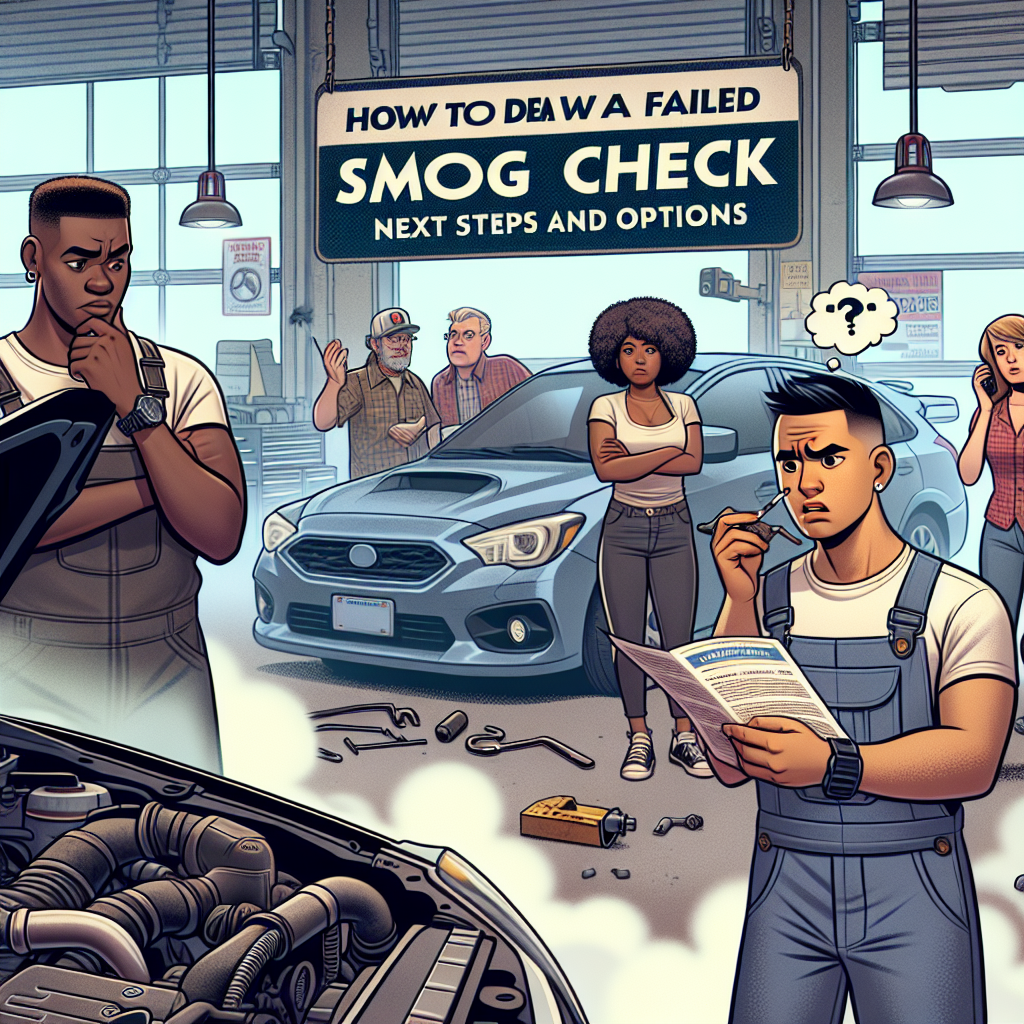
  • How to Deal With a Failed Smog Check: Next Steps and Options

    How to Deal With a Failed Smog Check: Next Steps and Options


    What to Do If Your Car Fails a Smog Check: Steps and Choices

    What to Do If Your Car Fails a Smog Check: Steps and Choices

    Introduction

    Smog checks are important for keeping our cars running well and cutting down on pollution. They make sure cars meet state rules for emissions, which helps to keep our air clean. Sometimes, a car might fail a smog check for different reasons. This guide will explain what to do next if your car doesn’t pass the test.

    Why Did Your Car Fail?

    Common Reasons

    • Emission System Troubles: Your car might be letting out more pollution if something is wrong with the emission control system.
    • Broken Oxygen Sensor: This part checks the amount of oxygen in your car’s exhaust. If it’s not working right, it can mess up the fuel mixture and cause too much pollution.
    • Catalytic Converter Problems: This part helps to cut down exhaust emissions. If it’s broken, your car might fail the smog test.

    Reading the Smog Check Report

    It’s important to understand the smog check report. Look for words like “emissions components,” “fault codes,” or “inspection status.” These will help you know what caused the problem.

    What to Do First

    Stay Calm and Check Things Out

    Don’t panic! Gather your report and your car details. Knowing why your car failed will help you fix the problem quickly.

    Get Help from a Professional

    Find a certified mechanic who can do more tests to find out what’s wrong with your car.

    What Are Your Options?

    Fix the Problems and Try Again

    You need to repair the issues listed in the report.

    1. Make the Repairs: You might need to get a new oxygen sensor or fix the catalytic converter.
    2. Test Again: After fixing things, get your car tested once more to make sure it passes.

    Get a Second Opinion

    If you’re unsure about what needs fixing or the costs, you can ask another mechanic. This might help you find different problems or save money.

    Help with Repair Costs

    Financial Aid

    • State Rebates: Programs like California’s Consumer Assistance Program offer financial aid for repairs.
    • Check Eligibility: See if you qualify for help and apply to get support with the costs.

    Saving on Repairs

    Look for good and fair service providers. Ask a few mechanics for quotes to find a good price without losing quality.

    Know the Rules

    Ignoring smog check rules can lead to fines or stop you from registering your car. Make sure you meet state rules to avoid trouble.

    Help the Environment

    We all need to make sure our air stays clean. Keeping your car in good shape helps reduce pollution.

    Preventing Future Smog Check Failures

    Regular Checks

    Take care of your car regularly. Change air filters, spark plugs, and check the engine’s health.

    Keep an Eye on Your Car

    Watch for dashboard warnings and fix issues quickly. Routine check-ups will catch problems early.

    Conclusion

    Having your car fail a smog check can seem tough, but it’s manageable. By knowing why your car failed, fixing it, and taking care of it regularly, you can make sure the next smog check goes better. Being informed and ready is key to keeping your car and the environment healthy.

    Extra Resources

    Smog Check FAQ

    1. What if my car keeps failing smog checks? – Talk to a trusted mechanic to see if there are deeper issues or contact your state’s assistance program.
    2. Can I drive after failing a smog check? – Usually, yes, but fix the issues before your next vehicle registration.
    3. Are some cars exempt from smog checks? – Some old cars and electric ones might be exempt. Check with your local DMV.
    4. How often is a smog check needed? – Most states require it every two years, but check your state’s rules.
    5. Can small problems cause a smog test failure? – Yes, even little issues like a loose gas cap can cause a failure. Make sure everything is working right before the test.

    Call to Action

    We hope that you found this guide helpful. At Tags Clinic, we are committed to making your smog check as easy as possible. If you require any further assistance, feel free to visit us at 3845 University Ave, San Diego, CA or give us a call at 619-777-9046. You can also check out our website tagsclinic.com for more helpful information. Your satisfaction is our priority. Let us make your DMV needs easier!

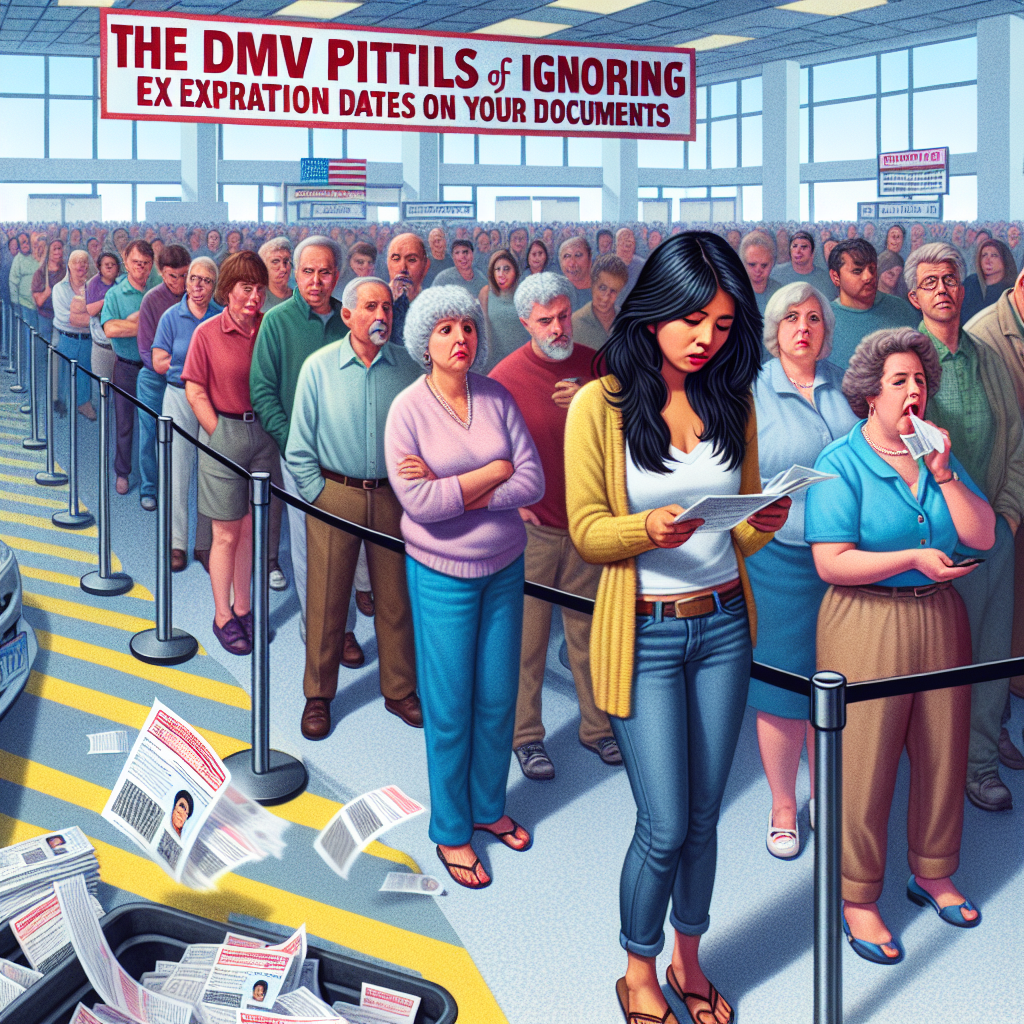
  • The DMV Pitfalls of Ignoring Expiration Dates on Your Documents

    The DMV Pitfalls of Ignoring Expiration Dates on Your Documents


    The DMV Pitfalls of Ignoring Expiration Dates on Your Documents

    The DMV Pitfalls of Ignoring Expiration Dates on Your Documents

    Introduction

    In our busy lives, keeping track of expiration dates on our important government documents might not seem important. But if we miss these dates, it can cause big problems. From legal troubles to travel issues, ignoring expiration dates can lead to things we can avoid. This blog post will explain why it’s important to keep your documents up-to-date, understand expiration dates, the consequences of neglect, and how to stay on top of things.

    Understanding Expiration Dates

    Expiration dates are a part of many government documents, showing how long they are valid. Documents like driver’s licenses, vehicle registrations, and state IDs all have expiration dates. The DMV uses these dates to keep records updated and follow the law for everyone’s safety. Usually, people find out about expiration dates when they get their documents—through mail or electronic reminders—but it’s important to stay alert.

    Consequences of Ignoring Expiration Dates

    If you ignore renewing expired documents, it can cost you money. Driving with an expired license or registration can lead to fines. Reactivating expired documents is often more expensive and takes longer than renewing them on time.

    Impact on Driving and Vehicle Use

    An expired driver’s license means you can’t drive legally. Using a vehicle with an expired registration can make insurance claims difficult if there’s an accident. Plus, insurers usually require current registration for complete coverage.

    Travel and Identification Issues

    Expired IDs can mess up your travel plans, both in the US and abroad, since you need them for flights or crossing borders. Expired IDs can also cause problems when you need to prove your identity, like opening bank accounts or entering secure places.

    Common Reasons for Overlooked Expiration Dates

    The main reasons people ignore expiration dates are busy lives and thinking the renewal process is hard. Others might miss DMV reminders due to communication mistakes or digital clutter.

    Strategies to Stay Ahead of Expiration Dates

    Even with potential issues, there are simple ways to keep your documents up-to-date:

    • Set Digital Reminders: Use your phone or a digital calendar to set reminders months before expiration.
    • Subscribe to DMV Alerts: Sign up for email or SMS notifications from the DMV to get timely reminders about upcoming expiration dates.
    • Regularly Check Document Validity: Make a habit of checking your document expiration dates, ensuring renewals are done well in advance.

    Whether online, by mail, or in person, renewing documents doesn’t have to be hard. Here’s how to make it easier:

    1. Online Renewals: Many DMV services let you renew online for convenience.
    2. Mail-in Renewals: If this option is available, you can handle renewals without going to a physical location.
    3. In-Person Visits: For those who like to interact face-to-face or need more help.

    Always gather necessary documents and information (like vehicle ID numbers or existing licenses) before renewing to make it faster.

    How to Handle Expired Documents

    If your documents expire, act quickly:

    1. Contact the DMV: Find out about any penalties and steps needed to renew your documents.
    2. Understand Penalties: Accept any fines and work on becoming legal again fast.
    3. Explore Temporary Options: Some places offer provisional licenses or registrations to cover gaps, consider these if you need something immediately.

    Conclusion

    Keeping your documents current is important for your legal status and convenience in many parts of life. Developing good habits around managing expiration dates can save you time, money, and stress. We encourage you to review your documents today and take steps to make sure they are up-to-date.

    Your satisfaction and ease with DMV processes matter to us at Tags Clinic. Avoid lines, stress, and confusion by choosing our expert services for all your DMV needs.

    Additional Resources

    Call to Action

    At Tags Clinic, we’re here to make your DMV responsibilities as easy as possible. Visit us at 3845 University Ave, San Diego, CA or call 619-777-9046. You can also book an appointment online at our website tagsclinic.com for quick, hassle-free service today!

    Location


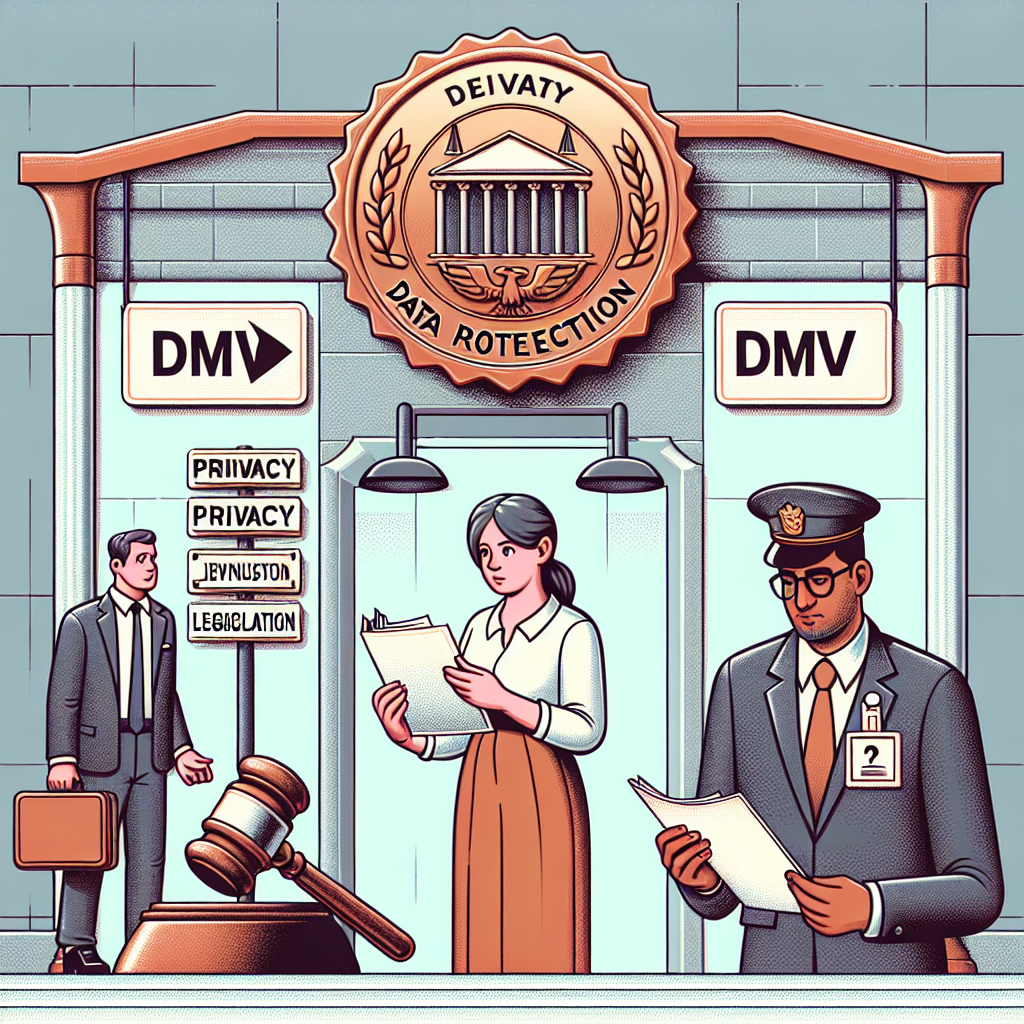
  • DMV Legislative Update: How New Laws Address Driver’s Privacy and Data Protection

    DMV Legislative Update: How New Laws Address Driver’s Privacy and Data Protection


    DMV Legislative Update: How New Laws Protect Drivers’ Privacy and Data

    DMV Legislative Update: How New Laws Protect Drivers’ Privacy and Data

    Introduction

    As our world gets more digital, keeping our personal information safe is really important. This is especially true for DMVs (Department of Motor Vehicles), which have a lot of our personal information. Recently, some new rules have been created to make sure drivers’ data is safe and used properly. This blog will tell you about these new laws and what they mean for drivers.

    Why Drivers Worry About Privacy

    DMVs collect lots of information about drivers. This includes important details like Social Security numbers, home addresses, and driving records. In the past, there have been problems with how this information was used, and sometimes people’s data was not kept safe. As technology changes, it’s important that the laws also change to protect drivers better.

    What the New Laws Do

    Several new rules are meant to protect drivers’ privacy and data. These rules make sure less data is collected, limit who can see the data, and ensure that drivers know how their information is being used. California, Massachusetts, and New York are some states that are leading these changes.

    Specific Changes and What They Mean

    Collecting Data

    1. Collecting Less Data: The new laws mean that DMVs will only collect information that is really necessary, so they aren’t storing more information than they need.
    2. Making Data Safer: The information collected must be turned into anonymous data and locked away securely, so it’s harder for people to see or steal without permission.

    Sharing Data

    1. Who Can See the Data: Only certain people and groups are allowed to see DMV data now. This means there is a much lower chance of people’s data being stolen.
    2. Rules for Sharing with Others: If a DMV shares data with other companies, those companies have to follow strict rules to keep the data safe.

    Being Open and Honest

    1. Telling Drivers About Their Data: DMVs must tell drivers how their data will be used and if it’s being shared with anyone else.
    2. Checking on DMVs: There will be regular checks to make sure DMVs are following the privacy rules.

    How This Affects Drivers and Others

    For drivers, this means their information is safer and they have more say in how it is used. However, DMVs now have to put some effort into changing their systems to follow these new rules. Companies that work with DMVs also need to make sure they are keeping data secure.

    What’s Different from Old Laws

    The new rules are a big change from the old ones. They offer better protection and have more specific instructions. But, it can also mean there is more work for DMVs and others to do.

    What’s Next?

    These new rules are important steps for keeping drivers’ information safe. In the future, there may be more rules that help protect privacy even better. Since technology and privacy issues keep changing, everyone has to keep paying attention to how things are done.

    Conclusion

    These new laws are really important for protecting drivers’ privacy. Drivers should know what their rights are and how their information is protected. We hope drivers will stay involved and talk to lawmakers about making privacy laws even better.

    More Information

    For additional informational resources, you can follow these links:

    Call to Action

    For all your DMV needs like vehicle registration or title transfers, contact Tags Clinic for fast and trustworthy service. No waiting in long lines required! Visit us at 3845 University Ave, San Diego, CA or call us at 619-777-9046. You can also book an appointment online by visiting our website. You deserve a hassle-free DMV experience!

    Visit TagsClinic.com


  • LiveScan Fingerprinting Demystified by Dr. DMV at Tags Clinic

    LiveScan Fingerprinting Demystified by Dr. DMV at Tags Clinic


    LiveScan Fingerprinting Made Easy by Dr. DMV at Tags Clinic

    LiveScan Fingerprinting Made Easy by Dr. DMV at Tags Clinic

    Welcome!

    Welcome to the exciting world of LiveScan fingerprinting. Fingerprinting might seem confusing and hard, but don’t worry! Today, we’re going to make it easy to understand. At Tags Clinic, led by the super-smart Dr. DMV, we make fingerprinting simple. Whether you need it for work, legal stuff, or other reasons, keep reading to see how easy LiveScan fingerprinting can be.

    What is LiveScan Fingerprinting?

    LiveScan fingerprinting is the newest way to take fingerprints. Unlike the old ink method, which can be messy and not always clear, LiveScan uses digital tools to take clean and accurate fingerprints.

    Why LiveScan is Better Than Ink

    • Accuracy: LiveScan doesn’t smudge or make unclear prints like ink can.
    • Convenience: It’s fast, clean, and gives instant digital results.
    • Uses: You can use it for job background checks, licenses, and more.

    Why LiveScan Fingerprinting is Important

    LiveScan fingerprinting is very important, especially in jobs that really care about safety and rules.

    Who Needs It?

    • Police and Lawyers
    • Teachers and Babysitters
    • Doctors and Nurses
    • Bank Workers

    Reasons You Need It

    • To check if people are safe for jobs
    • To get special permissions
    • For applications like immigration

    LiveScan is safer and more accurate, so people like it better than the old methods.

    How LiveScan Works

    People often ask, “What happens when I go for LiveScan?” Let’s look closer.

    Steps to Follow

    1. Getting Ready:
      • Bring an ID and any papers you need.
      • Make sure your hands are clean with no lotion.
    2. Taking the Fingerprints:
      • A trained person will help you place your fingers on a digital scanner.
      • It’s quick and not bothersome, usually just a few minutes.
    3. After Taking Fingerprints:
      • Your prints are sent online to the right agency.
      • Keep any receipt they give you.

    Questions You Might Have

    • How is my data kept safe?
    • What if my fingerprints don’t work out?
    • How long until I get results?

    Commonly Asked Questions

    • How is my data safe?

      The data is encrypted and safely sent without using paper.

    • What if my fingerprints aren’t good enough?

      The technician will help you redo them, but rejections are rare.

    • How long for results?

      Usually, you get results in about 48 hours, but it can change.

    Why Choose Tags Clinic for LiveScan Fingerprinting?

    Here’s why Tags Clinic is the best choice, thanks to Dr. DMV and our awesome team.

    Great Reasons to Come to Us

    • Expert Staff: Our team knows a lot about LiveScan technology.
    • Modern Tools: The newest tech is used for fast and accurate work.
    • Easy Location and Times: We’re easy to find and you can choose a time that works for you.

    Customer Stories

    • “Quick and easy! Dr. DMV and Tags Clinic made something stressful super easy!” – Jenna T.
    • “Friendly and fast service. I was done in no time!” – Michael Z.

    These stories show how much we care about giving great service and making you happy.

    Wrapping Up

    LiveScan fingerprinting is super easy, fast, and safe. Dr. DMV and Tags Clinic are ready to help you. Use technology to make fingerprinting better by booking an appointment today!

    What To Do Next

    Want to make fingerprinting simple? Call Tags Clinic to set up your LiveScan appointment. Visit us in San Diego, give us a call, or book online for an easy experience.

    More Stuff to Check Out

    Contact Dr. DMV for any more questions or personal help at Tags Clinic. Your easy fingerprinting experience is waiting!

    Call to Action

    We look forward to assisting you with your fingerprinting needs! Conveniently located at 3845 University Ave, San Diego, CA, Tags Clinic is your destination for seamless, fast, and accurate LiveScan fingerprinting services. Feel free to drop by or call us at 619-777-9046 for any enquiries. For more information, visit our website TagsClinic.com.

    Happy fingerprinting!


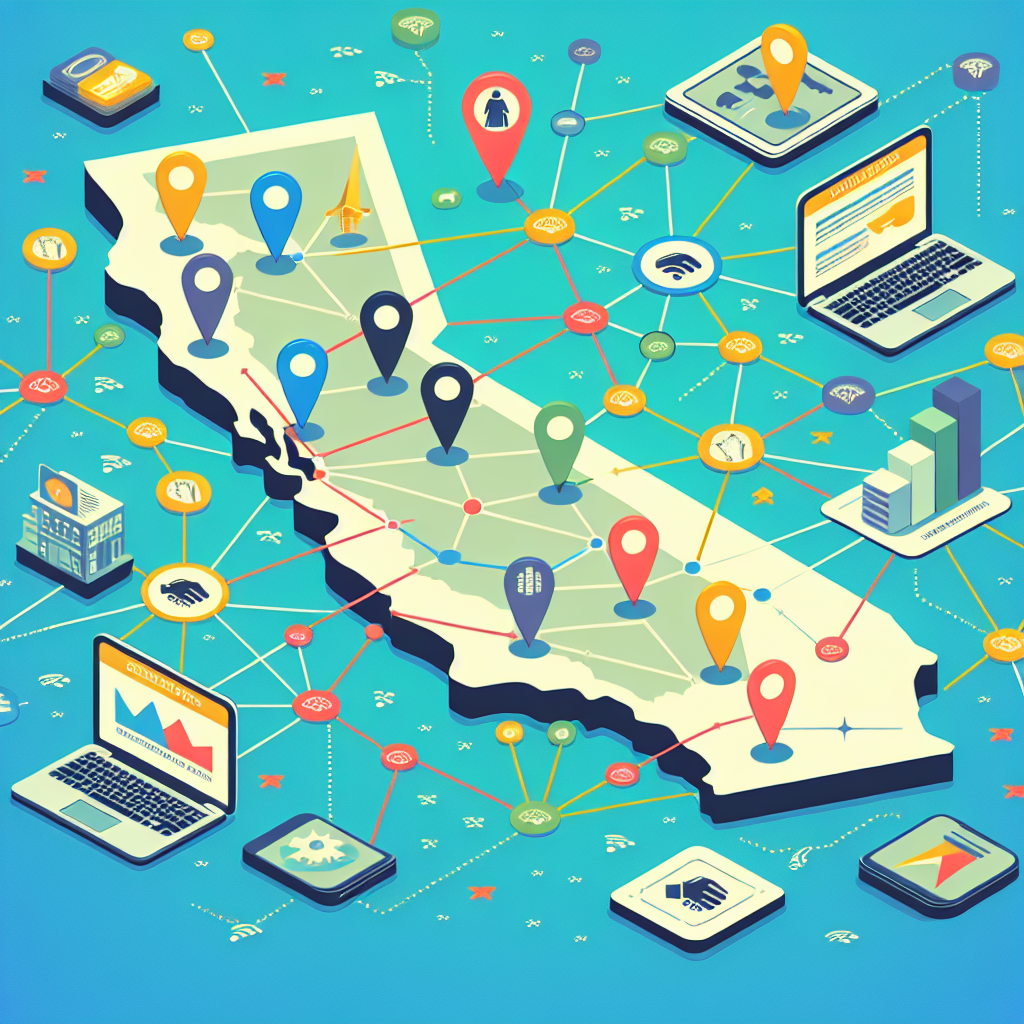
  • How to Build a Referral Network for Out-of-State Dealers in California

    How to Build a Referral Network for Out-of-State Dealers in California


    How to Build a Referral Network for Out-of-State Dealers in California

    How to Build a Referral Network for Out-of-State Dealers in California

    Introduction

    Navigating the huge and complex car market in California can be tricky, especially for dealers coming from outside the state. One great way to tackle this challenge is by building a strong referral network. A good referral network can open up new doors, make things run smoother, and help dealers succeed. In this blog, we’re going to explore simple steps to create a strong referral network just for the California market.

    Understanding the California Automotive Market

    To build a good referral network, you first need to know about the place you’re entering. California’s car market is known for its tough rules and special needs of the people living there. Local connections are super important to navigate these unique challenges. You need to know about things like emissions standards, how to register vehicles, and what customers like. This will help you build your network better.

    Identifying Potential Referral Partners

    Finding the right partners is really important. Think about these as possible referral sources:

    • Local Dealerships and Franchise Owners: They can share helpful insights into the local market.
    • Automotive Service Shops and Repair Centers: They meet with potential customers often and can suggest your dealership to them.
    • DMV Service Providers and Consultants: They know a lot about California’s rules and can be great friends to have.

    Going to industry events and trade shows gives you chances to meet and connect with these helpful people.

    Building Strong Relationships with Local Dealers

    To have a good relationship with local dealers, you must communicate well. Start by introducing your dealership and show how working together can help both sides. Think about offering something valuable like discounts, trade-in deals, or working together on marketing. Constant communication and being a good partner are key to growing these relationships.

    Leveraging Technology and Social Media

    Using technology can really boost your networking efforts:

    • LinkedIn and Industry Forums: These places are great for connecting with possible partners and staying updated on industry news.
    • Content Creation: Create interesting online content that appeals to California-based dealers.
    • CRM Tools: Use customer relationship management tools to handle and grow relationships with referral partners well.

    Creating Mutually Beneficial Referral Agreements

    A well-made referral agreement can make your partnerships stronger. When making agreements:

    • Make sure the terms and incentives are clear and good for both sides.
    • Think about the legal requirements in California to avoid issues.
    • Include measures to check how well the referrals are doing.

    Training Your Team on Networking Etiquette and Practices

    A well-prepared sales team is a big help in building a referral network. Spend time on workshops and training focused on:

    • Professional communication strategies.
    • Effective follow-up techniques.
    • Role-playing to boost real-world interaction skills.

    These steps make sure your team represents your dealership well in every meeting.

    Tracking and Evaluating Your Referral Network Success

    Keeping an eye on how your referral network is doing is important for growth and changes.

    • Set clear goals and KPIs to measure success.
    • Introduce ways to get feedback to see how well your partnerships are working.
    • Be ready to change strategies based on how things are going and partner feedback.

    Conclusion

    Making a referral network is about not just quick gains but also growing over time in the California car market. With a smart plan, out-of-state dealers can make valuable connections, handle rules better, and achieve great success. By putting time and resources into building these partnerships, dealers prep themselves to do well in one of the toughest markets around.

    Call to Action

    We invite you to talk to us by sharing your stories or questions in the comments section below. For more cool tips on growing a car business and networking, subscribe to our newsletter today. Let’s connect and reach our utmost potential in the Golden State’s car market!

    Experience the service at our clinic, located at 3845 University Ave, San Diego, CA by visiting us or call 619-777-9046. You can also visit our website here for more information.


  • The Importance of Live Scan in the California Justice System

    The Importance of Live Scan in the California Justice System


    Live Scan & California Justice System

    Why Live Scan is Important in the California Justicie System

    Technology is changing everything, including our justice system. One big change is Live Scan technology. Live Scan is a modern way to check who people are, and it is very important in California’s justice system. It is more accurate, faster, and reliable, which helps keep justice and public safety in place.

    What is Live Scan Technology?

    Live Scan is a big improvement over the old way of taking fingerprints. The old way is used ink and paper. Live Scan uses an electronic process to take pictures of fingerprints, making it more accurate and less likely to have mistakes.

    In California, Live Scan means fingerprints are scanned with a special machine and sent directly to the California Department of Justice to check backgrounds. This way is faster and more reliable, which is important for the justice system.

    How Live Scan Helps the Justice System

    Live Scan makes it easier and faster to find out who suspects and lawbreakers are. This means there are fewer mistakes compared to doing it by hand. The technology makes checking criminal records more accurate and quicker, which is important since decisions often need to be made quickly.

    Live Scan isn’t just for finding suspects. It’s also used for checking backgrounds when hiring people, especially for jobs in law enforcement, healthcare, and schools, where a clean record is very important.

    Benefits of Live Scan in the California Justice System

    Using Live Scan technology gives many benefits:

    • Efficiency and Accuracy: It helps find out who someone is quickly and correctly, which is important in criminal investigations and legal processes.
    • Fewer Wrongful Arrests: It makes fewer mistakes in identity checks, which helps stop people from being arrested wrongly.
    • Faster Hiring: For jobs in certain fields, Live Scan helps clear people faster, so companies can hire quickly without skipping background checks.

    Live Scan and Public Safety

    Live Scan is important for keeping public safety by stopping people with criminal records from getting jobs in sensitive areas. This is very important for keeping trust in teachers and healthcare workers.

    The technology also helps keep track of sex offenders and checks their compliance, making sure people who could be dangerous are watched.

    Challenges and Considerations

    Even with its advantages, using Live Scan comes with problems. There are privacy concerns about keeping personal data safe, so strong measures must protect people’s information.

    Keeping technology and systems updated regularly is important so everything works correctly. It is also important to fix errors quickly to avoid problems in the justice process.

    The Future of Live Scan in California

    The future of Live Scan technology in California’s justice system looks bright. As technology improves, we can expect it to be used in more areas of the justice system.

    Rules and laws must keep supporting Live Scan technology, ensuring it remains key in justice and public safety in California.

    Conclusion

    Live Scan technology is necessary for keeping justice and public safety in California. By delivering fast, accurate identity checks, it helps prevent mistakes and builds trust in the justice system. Supporting and advancing Live Scan technology is critical as we move toward a more technology-focused future in justice administration.

    Additional Resources

    Call to Action

    Stay updated about new developments in Live Scan technology and how it affects justice and safety in your town. Share your thoughts and experiences with Live Scan in the comments below. For more details or to find a Live Scan service nearby, check the links provided.

    Whether you are in need of services related to Live Scan or want to know more, feel free to visit us at Tags Clinic. We are located at

    3845 University Ave, San Diego, CA

    . You can also call us at 619-777-9046. For more information, visit our website at tagsclinic.com.


  • Breaking Down New DMV Rules on License Suspension for Non‑Payment of Fines

    Breaking Down New DMV Rules on License Suspension for Non‑Payment of Fines


    Understanding the New DMV Rules: License Suspension for Unpaid Fines

    Understanding the New DMV Rules: License Suspension for Unpaid Fines

    Introduction

    Knowing the DMV rules is really important for every driver. The Department of Motor Vehicles (DMV) has rules that can affect our driving rights a lot. Recently, there are new rules about losing your license if you don’t pay your fines. This could be a big deal for drivers, especially those who don’t have a lot of money. In this post, we’ll explore these changes and what they mean for you. We’ll also look at how you can follow these rules so you don’t get in trouble.

    Background on DMV License Suspension Rules

    The DMV has always had strict rules about taking away licenses to make sure people follow traffic laws and stay safe. Some reasons for losing your license include driving under the influence, getting too many traffic tickets, or not showing up in court. Not paying your fines has also been a big reason. A lot of people lose their licenses every year just because they can’t pay their fines. This causes more money and legal problems for many drivers.

    The New DMV Rules: What’s Changing?

    The new rules are trying to help by changing how unpaid fines affect your driving rights. The main idea is to stop automatic license suspensions just because of unpaid fines. The old rules didn’t consider that some people have money problems. Now, they are making things fairer. The new rules include things like payment plans and understanding if someone has financial problems. They start on January 1, 2024. If your license is already suspended because of fines, you might be able to get it back under the new rules.

    Why the Changes Were Made

    The rule changes happened because people talked a lot about it and lawmakers listened. They’ve learned that the old system was harder on drivers who don’t have a lot of money. So, the idea is to help these drivers and also make things easier for DMV offices and courts. Experts and groups think these changes will help make traffic laws fairer for everyone.

    How the Changes Might Affect Drivers

    For a lot of drivers, these changes could be really helpful. If you can’t pay fines right away, you can use payment plans instead of losing your license. This helps to avoid more problems like losing your job or having to pay higher insurance rates. Some people think these changes might make it too easy to break traffic rules without worrying. But most people believe the new rules will be fairer and help drivers who don’t have a lot of money.

    What You Can Do to Follow the New Rules

    1. Look into Payment Plans: Call the DMV to learn about ways to pay your fines over time.
    2. Check for Financial Help: See if there are programs that help you pay your fines.
    3. Stay Updated: Keep up with any new DMV rule changes on their official website or through legal advice.

    It’s important to know what your rights are with DMV fines and losing your license. If you’re not sure what these rules mean for you, think about talking to a lawyer. Also, managing your money well can help you avoid fines adding up.

    Conclusion

    The new DMV rules about losing your license for not paying fines show why it’s important to stay informed and active. These changes are meant to help drivers, but you still need to follow all DMV rules. Share this information with others so all drivers can stay informed and avoid problems.

    Resources & References

    • Visit the DMV Official Website for more details on these changes.
    • Contact local legal aid services to understand your rights better.
    • For money advice, think about talking to a financial expert.

    By learning and using the resources available, drivers can handle these new rules well and keep their driving rights without too much trouble.

    Call to Action

    Take the next steps towards a healthier you by visiting the Tags Clinic located at 3845 University Ave, San Diego, CA or calling us at 619-777-9046. Visit our website to learn more about our services and book an appointment. We are here to support your health journey.