Author: Dr. DMV – California Vehicle Specialist

  • How the New DMV Laws Are Addressing the Challenges of Out‑of‑State Registration

    How the New DMV Laws Are Addressing the Challenges of Out‑of‑State Registration


    How New DMV Laws Make Out-of-State Registration Easier

    How New DMV Laws Make Out-of-State Registration Easier

    Getting your car registered in a different state can feel like solving a tough puzzle. But thanks to new DMV laws, this tricky process is about to get a lot easier. Here’s what you need to know about how these new laws are making vehicle registration simpler when you move to a new state.

    Introduction

    Registering a car in a new state has always been pretty tough. Lots of paperwork, surprise fees, and long wait times have made people frustrated. Understanding these new DMV changes is important if you want an easier time registering your car.

    Background

    In the past, registering your out-of-state car meant going to the DMV a bunch of times and dealing with lots of confusing paper forms. This usually caused long delays and headaches. As more people move between states now, the need for a quicker and simpler registration process became clear. That’s why these changes happened.

    Overview of the New DMV Laws

    To cut down on the hassles, new laws and rules have been introduced in many states. The big goals are to make things more efficient, clearer, and easier for people.

    Key Parts of the New Laws

    Easier Paperwork

    One big change is less paperwork is required. Now, many states let you submit documents online, so you can finish your application quickly and correctly without leaving home. This update means fewer trips to the DMV and speeds up everything.

    Clearer Fees

    Fees that used to be different in each state are now more similar. Plus, states are adding options to pay online, so you don’t have to go to the DMV in person to sort out your payments.

    Better Verification

    Technology is helping with checking information. States use smart systems to check car and owner info fast and safely, which reduces fraud and helps the whole process go smoothly.

    More Time and Flexibility

    There are new timelines for registering cars from another state, with extra time if you need to gather documents or money. This “grace period” helps make the process fairer and less stressful.

    Technology and Innovation in DMV Services

    Digital tools are changing how DMV services work. New laws use these smart ideas to make things better. With secure online portals, you don’t need to visit in person as much, and tricky steps are easier. Car owners will find the registration process much simpler and more friendly.

    Good Things About the New Laws

    These changes mean DMV tasks get done faster and are clearer. For car owners, this means things move along more quickly, and people are happier because they don’t have to wait as long. Plus, with easier steps, more people will likely register their cars because it’s less of a hassle.

    Some Challenges and Concerns

    Though these changes are great, they might cause some short-term issues. Problems like making sure everyone can use the new tech and keeping information safe need to be solved so things go smoothly in every state.

    Stories and Examples

    Some states have already made these changes, and they’re working well. For example, California and Texas have happy car owners who like having less paperwork and quicker processing. These good stories show other states how helpful these changes can be.

    Conclusion

    In short, new DMV rules are changing how cars are registered when you move to a new state. As these rules roll out, we expect big improvements in how fast things get done, how happy people are, and how many people follow the rules. Staying flexible will be important as DMV services keep changing to fit what car owners need.

    Call to Action

    Ready to try an easier way to register your car? Check your local DMV’s website to learn more about the latest rules for you. Share your thoughts and experiences in the comments below—it would be great to hear from you!

    Additional Resources

    By accepting these changes, car owners can look forward to registering out-of-state cars quickly and simply.

    Come Visit Us at Tags Clinic

    Ready to make the registering process even easier? Come visit us at Tags Clinic, at 3845 University Ave, San Diego, CA, or give us a call at 619-777-9046. For more information, visit our website at tagsclinic.com. We’re always here to make your DMV dealings as simple and efficient as possible!


  • How to Get Your Out‑of‑State Vehicle Registered Before Your California Move

    How to Get Your Out‑of‑State Vehicle Registered Before Your California Move


    How to Register Your Out-of-State Vehicle Before Moving to California

    How to Register Your Out-of-State Vehicle Before Moving to California

    Congrats on your upcoming move to California! Before you hit the sunny California roads, there’s an important task you’ll need to tackle: registering your out-of-state vehicle. It may seem a bit tricky, but doing this before your big move can save you from headaches later on. Let’s explore the steps you should follow to make sure your car is ready for California roads.

    Understanding California’s Vehicle Registration Requirements

    First, let’s learn about a few rules from the California Department of Motor Vehicles (DMV). In California, there are very strict rules about smog check requirements. Before you can register your car, it has to pass the state’s emissions standards. Some cars, like those that are less than eight years old, might be exempt from this rule.

    Also, you need to start your car registration within 20 days of becoming a California resident to avoid penalties.

    Gathering Necessary Documents

    The first thing you need to do is gather all the necessary paperwork. Here’s what you’ll need:

    • Title or proof of ownership: This shows that you own the car legally.
    • Proof of insurance: Make sure your insurance covers California’s minimum requirements.
    • Your current vehicle registration from the old state: This proves your car is registered before you move.

    To make things easy, put these documents in a special folder or digital file. If you’re missing anything, try to get it before moving to avoid waiting later.

    Completing a VIN Inspection

    California requires a Vehicle Identification Number (VIN) inspection to check your car’s identity. This can be done at a DMV office or by authorized third-party inspectors, so you have some options for where to do it.

    Locating a California DMV Office

    Finding a nearby DMV office to where you’ll live in California can help make the registration process smoother. Think about how close it is and the services they offer. You can use the California DMV website to search for the best office near your new home.

    Using California’s Online Pre-Registration Services

    Thanks to modern technology, you can handle some of your paperwork online before you even arrive. The California DMV offers an online pre-registration service. Here’s how you can use it:

    1. Visit the California DMV website and find the online services section.
    2. Choose the right forms for car registration and fill them out.
    3. Submit your paperwork as instructed.
    4. Get a confirmation to continue once you’re in California.

    Using the DMV’s online services can save you lots of time and make things easier.

    Understanding Fees and Costs

    The costs for registration change based on your car’s type, value, and where you live. Be ready to pay:

    • Registration fees: Usual fees based on your car.
    • Use tax: If needed, based on your car’s value.
    • Special license plate fees: Extra costs if you want special plates.

    Knowing about these fees beforehand can help prevent any surprises.

    Scheduling a DMV Appointment

    DMVs are known for long waits, but you can book an appointment to avoid this. Book early to finish your registration on time. Bring all needed documents to the appointment, and get ready for any extra steps.

    Preparing Your Vehicle for California Roads

    Make sure your car is ready for California by meeting emissions standards. Also, do some basic maintenance checks like:

    • Oil change
    • Brake check
    • Tire pressure

    These checks ensure safety and make sure everything is up-to-date.

    Final Steps Once in California

    Once you’ve moved, finishing your car registration is key. Go to your DMV appointment, complete the final paperwork, and get your new license plates and registration documents.

    Conclusion

    Registering your out-of-state car before moving to California can save time and stress. By understanding the rules, getting your papers ready, and using online services, you can make the process easy. Use the resources available to make this as easy as possible.

    Additional Resources

    Call to Action

    For more help, you can visit Tags Clinic in San Diego. They offer professional services to help smooth your DMV experience. Don’t delay! Visit them today at 3845 University Ave, San Diego, CA or call 619-777-9046.


  • How to Schedule Your Smog Check Online in California

    How to Schedule Your Smog Check Online in California


    How to Schedule Your Smog Check Online in California

    How to Schedule Your Smog Check Online in California

    Introduction

    If you drive in California, you probably know about the state’s strict rules on vehicle emissions. Smog checks are not only a legal requirement,
    but they also help make the air cleaner. These checks are an important part of the California Department of Motor Vehicles (DMV) registration process,
    ensuring cars meet environmental standards. Thanks to technology, scheduling a smog check is now easier. Making an appointment online saves time and
    fits into your schedule much better than trying in person.

    Understanding Smog Checks in California

    A smog check, or emissions test, examines the pollutants a car releases. California requires these tests to improve air quality and reduce harm to the environment.
    Whether you need a smog check depends on your vehicle’s age, type, and where you live. Most gas-powered cars, trucks, and SUVs older than eight years need a
    smog check every two years. Electric and hybrid cars, as well as motorcycles, usually don’t need one.

    Choosing the Right Smog Check Station

    Picking the right smog check station is important for a smooth experience. You can find authorized stations on the Bureau of Automotive Repair (BAR) website.
    When choosing a station:

    • Proximity: Find one near your home or work.
    • Reviews: Read feedback on sites like Yelp or Google Reviews.
    • Services Offered: Some stations also offer registration renewal right away.

    Stations differ, with types including STAR-certified, Test-Only, and Repair Only. STAR-certified stations have higher standards, required for some vehicles.

    Preparing for Your Smog Check Appointment

    Getting ready can help you pass your smog check:

    1. Regular Maintenance: Keep up with oil changes, air filters, and tire pressure.
    2. Check Engine Light: Fix any issues causing warning lights.
    3. Necessary Documents: Bring vehicle registration and any previous smog check paperwork.

    Scheduling Your Smog Check Online

    Here’s how to easily schedule your appointment:

    1. Visit the DMV Website or Third-Party Platforms: Go to the California DMV website or use trusted services like Auto Repair Technicians’ sites.
    2. Find an Authorized Station: Use their locator tool to find a licensed station near you.
    3. Select and Book: Choose a station and follow the steps to book a date and time.

    Some popular platforms include the DMV’s online services and apps like “MyCarFacts” that make scheduling easier.

    Steps to Complete Your Online Scheduling

    When you’re ready to book:

    1. Input Vehicle Information: Enter details like your vehicle’s make, model, and year.
    2. Select Smog Check Station: Pick a station based on your location and needs.
    3. Choose Date & Time: Select a time that works for you.
    4. Confirmation: After booking, you’ll get a confirmation via email or SMS. Keep this for your records.

    What to Bring to Your Appointment

    To make sure your appointment goes smoothly, bring:

    • Driver’s License: For identification.
    • Vehicle Registration: Needed for the test.
    • Confirmation Printout or Email: Proof of your booking.
    • Payment: Check which payments are accepted—cash, credit, or debit.

    Troubleshooting and Tips

    Common Online Scheduling Problems

    1. Website Issues: If the site is slow or crashes, try again later or use another device.
    2. Unavailable Slots: If you can’t find an open slot, widen your search or look at different times.

    Additional Tips

    • Book appointments early in the month to avoid a last-minute rush.
    • Consider timing your smog check with your registration renewal.

    Conclusion

    Scheduling your smog check online is convenient, flexible, and lets you choose a good station. Keeping up with smog checks makes registering your
    vehicle easier and helps you avoid DMV penalties.

    Call to Action

    Have you scheduled your smog check online before? Share your experiences and tips in the comments. Don’t forget to bookmark or share this post for easy access
    when you need your next smog check appointment. For a stress-free DMV experience in the San Diego area, visit Tags Clinic
    today to help with all of your vehicle registration and emission check needs!

    Visit us at 3845 University Ave, San Diego, CA or call us at 619-777-9046.


  • The Top 5 DMV Mistakes That Result in Costly Fines

    The Top 5 DMV Mistakes That Result in Costly Fines


    Blog Post: Top 5 DMV Mistakes That Cost Money

    The Top 5 DMV Mistakes That Cost Money

    Introduction

    Going through the Department of Motor Vehicles (DMV) can be really hard, and even small mistakes can lead to big fines. That can hurt your wallet! But if you know what the common mistakes are, you can avoid them and save yourself a lot of trouble and money too.

    Why This Matters

    In this blog post, we’re going to talk about the top five mistakes people make at the DMV. We’ll also give you tips on how not to make these mistakes. By the time you’re done reading, you’ll know what to do to keep everything in order and keep extra fines away.

    Mistake #1: Forgetting to Renew on Time

    If you forget to renew your driver’s license, car registration, or inspection, you might have to pay big fines. If the police pull you over and your stuff is expired, it can get even worse.

    What to Do

    • Set Reminders: You can use your phone or a calendar to remind you to renew a few weeks early.
    • Do It Online: Most DMV things can be done online now. It’s quicker and helps you avoid late fees.

    Mistake #2: Messing Up Paperwork

    If you fill out forms wrong, like forgetting to sign or putting in the wrong info, it can make things take longer or cost more. The DMV deals with a lot of paperwork, and mistakes can be a big hassle.

    What to Do

    • Check Your Work: Look over your forms to make sure everything is right before you hand them in. It can help to have someone else check them too.
    • Ask for Help: Use the DMV’s online help or ask someone at the DMV for advice on how to fill out forms correctly.

    Mistake #3: Not Updating Your Info

    If your address or other personal info is wrong, you could miss important letters about renewals and fines. This can make the fines worse and lead to more problems.

    What to Do

    • Update Quickly: As soon as you move or change your info, tell the DMV right away.
    • Use Online Tools: The DMV’s website can help you update your information fast and easily.

    Mistake #4: Ignoring Tickets

    Ignoring traffic tickets or not paying fines can lead to bigger fees, losing your license, or even an arrest warrant. Not taking care of tickets right away can make everything worse, fast.

    What to Do

    • Take Care of It: Deal with traffic tickets quickly by paying or fighting them if you need to.
    • Ask for a Plan: If you can’t pay your fines all at once, ask about a payment plan to keep things from getting worse.

    Mistake #5: Not Knowing Insurance Rules

    Driving without the right insurance or not having proof of insurance when you’re stopped can get you into big trouble, with fines or losing your license.

    What to Do

    • Learn the Rules: Find out what insurance you need in your state and make sure you have it.
    • Keep Your Documents: Always have your insurance info in your car, and check that it’s up-to-date.

    Conclusion

    By knowing these common DMV mistakes and how to avoid them, you can save yourself from paying extra fines and having a stressful time with your car and driving stuff.

    What You Should Do

    Make it a habit to check your DMV requirements and find out about any new rules or procedures. Doing this will help you stay away from costly mistakes and the trouble that comes with fines.

    Extra Help

    • Visit DMV Websites: The DMV has official sites and online tools to help you manage your tasks smoothly.
    • Local Help: If you need help or have questions, visit or contact the Tags Clinic here in San Diego for assistance with DMV issues.

    My Story

    Once, I forgot to renew my car registration and got hit with a big late fee. I’m careful now and use digital reminders for all my renewals. It’s simple, but it saves me a ton of money and stress!

    Don’t hesitate to reach out or stop by Tags Clinic for more help with any DMV questions or services. We’re here to help make sure your experience is smooth and easy!

    Call to Action

    We encourage you to visit us at Tags Clinic, located at 3845 University Ave, San Diego, CA, for all your DMV needs. Or call us at 619-777-9046. We’re always here to assist you! Visit our website at TagsClinic.com for more information. Let’s make your DMV experience as hassle-free as possible!


  • DMV Law Brief: Understanding the New Requirements for License Plate Alternatives

    DMV Law Brief: Understanding the New Requirements for License Plate Alternatives


    DMV Law Brief: Understanding the New Rules for License Plate Choices

    Introduction

    In the last few years, the DMV rules have changed a lot, especially when it comes to vehicle license plates.
    With new technology and growing worry about the environment, it’s important for car owners to know these new rules.
    This blog will help explain the new choices and requirements for license plates, so you stay informed and follow the law.

    Section 1: Background on License Plate Choices

    License plates used to all look the same and be made from the same stuff. But now, because of new technology and environmental issues,
    there are new options like digital plates and temporary tags. These new options provide better security, ease of use, and environmental benefits.

    Section 2: New DMV Rules Explained

    It’s important to understand the details of the new DMV rules. Here’s what’s new:

    • New Materials or Technology: There are digital plates now that let you change how they look.
    • Mandatory vs. Optional Choices: Some states make these changes mandatory, while others let you choose.
    • Timelines and Deadlines: This depends on your state. Some states are making changes faster than others.
    • State-Specific Rules: Each state has its own rules about these new license plates. Check your local rules to follow the law.

    Section 3: Benefits of the New License Plate Choices

    Using these new options has many benefits:

    • For Vehicle Owners:

      • Better security to stop theft and fraud.
      • Can save money with easier processes.
      • You can personalize how your vehicle is identified.
    • For Law Enforcement and Regulators:

      • Easier to track vehicles helps police do their job better.
      • Better data helps with making rules and deciding where to put resources.

    Section 4: How to Follow the New Rules

    To switch to the new plates, vehicle owners should:

    1. For Current Vehicle Owners:

      • Visit your state DMV’s website to see the rules.
      • Gather required documents and follow the steps given.
    2. For Buying New Vehicles:

      • Ask the dealership about license plate options.
      • Follow the dealership’s or DMV’s directions for getting new plates.

    Section 5: Common Questions and Concerns

    • What if I’m not sure how to switch? Call your local DMV or a trusted service for help.
    • Do digital plates need special care? They are made to last and need little maintenance.
    • Will digital plates get cheaper? As more people use them, they’ll likely get cheaper.

    For more questions, contact your state’s DMV office.

    Conclusion

    Knowing and following these new rules keeps you from getting fines and helps keep your vehicle legal.
    Keeping up with DMV news and making changes when you need to can save you time and trouble.
    Check if you’re eligible and start switching to these new license plate options today!

    Additional Resources

    • California DMV’s Official Website
    • Call your local state DMV office for more information on license plate options.
    • For detailed info on car tech, think about subscribing to Automotive Technology Today.

    Call to Action

    We at Tags Clinic invite you to visit us at 3845 University Ave, San Diego, CA for personalized assistance with your vehicle registration needs.
    Please feel free to call us at 619-777-9046 if you have any questions. Check our website at https://tagsclinic.com for more details.
    Your satisfaction is our priority!


  • How to Create a Seamless Online Experience for Out-of-State Registration Services

    How to Create a Seamless Online Experience for Out-of-State Registration Services


    Creating a Smooth Online Experience for Out-of-State Registration Services

    How to Create a Smooth Online Experience for Out-of-State Registration Services

    Introduction

    Today, people expect online services to be really easy to use. This is super important for out-of-state registration services, which are usually tricky and take a lot of time. When people move or buy cars from other states, they face many problems, like understanding different state rules or gathering all necessary documents. Making the online experience for these out-of-state services easy and smooth can make users happy and make it easier for service providers, leading to better work and loyal customers.

    Understanding User Needs

    To make a great online experience, it’s important to know about the different people who will use it:

    1. Recent Movers: People who have moved from another state.
    2. Vehicle Purchasers: People who buy cars from another state and need to register them.
    3. Temporary Residents: Such as students or military members who need a temporary registration.

    Designing a User-Friendly Interface

    When designing a website for registration services, the main goal should be making it easy to use. Here are some important ideas:

    • Easy Design: Make sure the website is simple to navigate. Users should complete tasks without too many clicks or getting confused.
    • Responsive Design: Since lots of people use their phones, make sure your website works well on both phones and computers.
    • Important Features: Have clear menus, a good search function, and detailed FAQs to help users complete the process easily.

    Streamlining the Registration Process

    A perfect registration process should include:

    • Few Steps: Make forms simple by only asking necessary questions.
    • Clear Instructions: Provide a clear, short step-by-step guide with a progress tracker to show what users need to do next.
    • Real-Time Updates: Keep users informed with real-time status updates and confirmations so they know their registration is moving forward.

    Implementing Strong Support Systems

    Good support can really improve user experience:

    • Support Options: Use chatbots, email, and phone support to answer user questions quickly.
    • Training: Make sure support teams have the tools and knowledge to solve common problems and give clear advice.
    • Help Center: Create a detailed FAQ and help center where users can find answers to common questions.

    Using Technology for Efficiency

    Using new technologies can make the process better:

    • AI and Machine Learning: These can be used to guess user needs and make navigation easier.
    • Third-Party Integrations: Use third-party services to check documents and process payments more efficiently.
    • Security Measures: Make sure there is strong data security to protect user information during registration.

    Keeping Up with State Regulations

    Following state laws is very important:

    • Regular Updates: Stay informed about the latest state registration laws and change your platform when needed.
    • User Education: Teach users about the documents they need and rules they must follow for their specific state.
    • Flexibility: Regularly update platform features to stay compliant and give users the latest information.

    Measuring Success and Making Improvements

    Figuring out if the online experience is good and improving it is a never-ending job:

    • Metrics: Keep track of things like user satisfaction scores, completion rates, and the number of support requests.
    • Feedback: Do surveys and user testing regularly to gather ideas about the user experience.
    • Regular Updates: Use feedback to make slow but steady improvements to design and functionality, so the platform grows to meet user needs.

    Conclusion

    Creating a smooth online experience for out-of-state registration services makes it easier for users and improves service providers’ operations. This helps everyone by building trust, efficiency, and satisfaction. Service providers should invest in upgrading their online platforms because users are more likely to choose ones that are easy to use and process things quickly.

    Additional Resources

    Call to Action

    If you need any help or have questions about vehicle registration and title transfers, we encourage you to call or visit Tags Clinic at 3845 University Ave, San Diego, CA. Our team of experts will be more than happy to assist you. You can reach us at 619-777-9046.

    Learn more about us on our website


  • How to Schedule a Live Scan Appointment: A Quick Guide

    How to Schedule a Live Scan Appointment: A Quick Guide


    How to Schedule a Live Scan Appointment: A Quick Guide

    How to Schedule a Live Scan Appointment: A Quick Guide

    Introduction

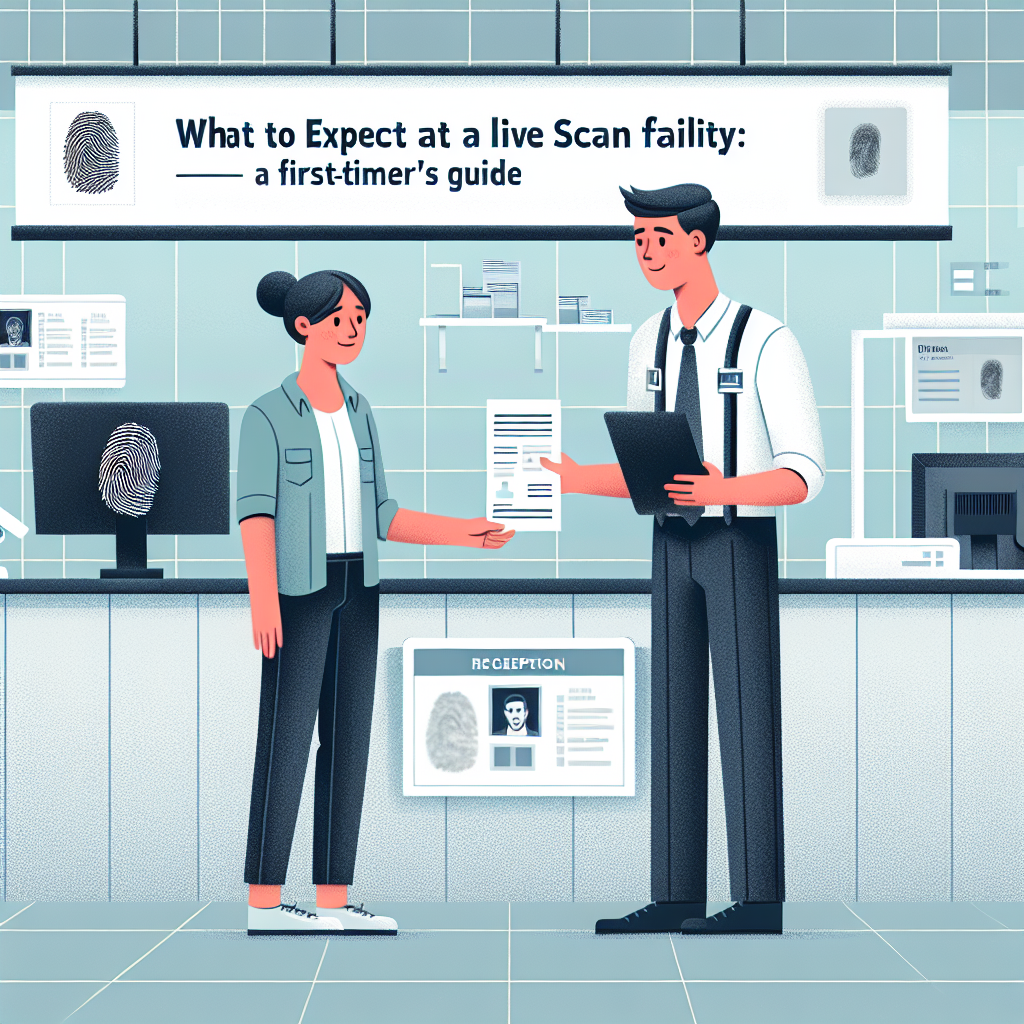
    Live Scan fingerprinting is really important these days for lots of reasons. If you’re getting a new job, need a state license, or must follow safety rules, Live Scan helps you get your fingerprints checked quickly and accurately. To get the best service, it’s a good idea to book an appointment. In this guide, we’ll explain what Live Scan is, why booking is important, and how to do it easily.

    What is Live Scan?

    Live Scan is a cool way to take your fingerprints using technology. It sends your fingerprints to law enforcement agencies for background checks. Unlike using ink, Live Scan is clean, fast, and gets the job done right. It’s needed for jobs, licenses, volunteering, and immigration. Since it’s digital, it works quickly and makes fewer mistakes, so people like it more than the old way with ink.

    Why Schedule an Appointment?

    Making an appointment for your Live Scan can really help:

    • Time Management: You won’t have to wait long if you book in advance, which makes it easy to fit into your daily plans.
    • Accuracy: When your visit is planned, the technicians can be ready, and your fingerprints can be scanned accurately.
    • Documentation: By scheduling ahead, you can gather all the papers you need, avoiding delays.

    Steps to Schedule a Live Scan Appointment

    Step 1: Determine Your Needs

    First, figure out why you need a Live Scan. Is it for a job, renewing a license, or doing volunteer work? Make sure you know what background check you need and if there are any special codes you need to give.

    Step 2: Find a Certified Live Scan Provider

    You need to find a certified provider. Check with local police, approved private vendors, or online directories to find one. When choosing, think about how close they are and when they’re open.

    Step 3: Gather Required Information

    Get everything you need ready, like:

    • A valid photo ID from the government
    • Your social security number
    • Any forms your agency asked you to fill
    • How you will pay any fees

    Step 4: Schedule the Appointment

    Choose how you want to book your appointment:

    • Online Scheduling: Many places let you book online so you can pick a time that works for you.
    • Phone Scheduling: Call your provider to set up your appointment and ask any questions.
    • In-Person Scheduling: Some places allow walk-ins, but make sure they don’t need an appointment.

    Preparations Before Your Appointment

    Before you go, double-check that your forms are filled out and pack them up. Get there a bit early, just in case there’s traffic or other surprises.

    What to Expect During the Appointment

    When you arrive, the Live Scan process usually takes about 10-15 minutes. The technician will help you with the fingerprinting using a digital scanner. When you’re done, you’ll get a Transaction Control Number (TCN) or a similar number, so keep it safe for later.

    Common Misconceptions and FAQs

    Here are some questions and misconceptions about Live Scan:

    • Do I need to bring my own forms? Yes, usually, the agency asking for the Live Scan gives you forms you need to bring.
    • Is ink fingerprinting acceptable? Mostly, only Live Scan works because it’s faster and more reliable.
    • Can I walk into any Live Scan location? You should check first because many places require appointments.

    Conclusion

    Booking a Live Scan appointment makes everything easier and quicker. With our guide, you can get ready for your visit and know everything is sorted out. We suggest you book appointments to make the process smooth and easy for you.

    Additional Resources

    For more information or to set up a Live Scan appointment, look online or call local providers. Many agencies have helpful resources and contact info on their websites so you can find everything you need.

    Call to Action

    For a reliable and high-quality Live Scan service, don’t hesitate to visit Tags Clinic at 3845 University Ave, San Diego, CA or call us at 619-777-9046. We’re always ready to provide top-notch assistance for all your needs. Check out our website www.tagsclinic.com to learn more about our services.


  • How Dr. DMV at Tags Clinic Turns Smog Check Stress into Success

    How Dr. DMV at Tags Clinic Turns Smog Check Stress into Success


    How Dr. DMV at Tags Clinic Turns Smog Check Stress into Success

    How Dr. DMV at Tags Clinic Turns Smog Check Stress into Success

    Introduction

    Getting a smog check is something car owners have to do, but it’s often really stressful. People worry about what will happen, how much it will cost, and how long it will take. But if you’re in San Diego, Tags Clinic and Dr. DMV can help! Let me tell you how Tags Clinic makes smog checks less scary and helps car owners succeed.

    Why Smog Checks Are Stressful

    Many car owners get nervous about smog checks. Here’s why:

    • Fear of Failing the Test
      • If you fail a smog check, it could mean expensive repairs. You might not be able to renew your car’s registration until you pass.
    • Worries about Cost and Time
      • If your car fails, it could be expensive to fix, and you might not know how long the whole process will take. This can be hard if you’re busy.
    • Confusion about the Process and Rules
      • The smog check rules can be confusing. It’s hard to know what exactly you need to do and when.

    Meet Dr. DMV: The Tags Clinic Advantage

    Then, there’s Dr. DMV at Tags Clinic. He’s an expert who makes the smog check process easy. He understands how difficult smog checks can be and makes sure car owners handle them easily and confidently.

    How Tags Clinic Makes Smog Checks Less Stressful

    1. Efficient Process

      Tags Clinic is famous for being quick and well-organized. This means less waiting and faster service, so you can get back on the road without spending too much time there.

    2. Expert Knowledge and Guidance

      Dr. DMV and his team give you all the right information and tips for your smog check. They even offer pre-check consultations to make sure your car is ready, which lowers the chance of it failing.

    3. Comprehensive Support Services

      Besides smog checks, Tags Clinic offers other services such as registration renewals and title transfers. This “one-stop-shop” means you can take care of all your DMV needs in one go, saving time and effort.

    4. Customer-Centric Approach

      Tags Clinic focuses on giving great customer service. They make sure each customer feels cared for, and lots of happy customers talk about how helpful and nice the staff is.

    Success Stories: Turning Stress into Success

    Here are some stories of how Dr. DMV helped people succeed with smog checks:

    • John’s Problem: John was nervous his old car wouldn’t pass its smog check and kept delaying it. Thanks to Dr. DMV’s pre-check advice, his car passed easily.
    • Emily’s Busy Schedule: Emily didn’t have time for a long smog check appointment. Tags Clinic’s quick service meant she got in and out fast, with no hassle.
    • Mark’s Failed Smog Test: Mark failed a smog test somewhere else and worried about expensive repairs. Dr. DMV gave him cost-effective advice that led to a successful retest.

    Why Pick Tags Clinic for Smog Checks

    Choosing Tags Clinic for your smog checks comes with lots of benefits:

    • Efficiency: Save time with easy and fast processes.
    • Expertise: Get help from Dr. DMV’s knowledge.
    • Comprehensive Service: Handle all DMV tasks in one visit.
    • Peace of Mind: Feel relaxed and supported.

    Tags Clinic is the go-to place for smooth smog checks, helping car owners achieve success.

    Call to Action

    Come to Tags Clinic for your next smog check and see how Dr. DMV’s help makes things less stressful. You can schedule your appointment online or call us today at 619-777-9046. You can also visit us at 3845 University Ave, San Diego, CA. For more information, visit our website here. We can’t wait to serve you!

    Conclusion

    When you choose Tags Clinic for your smog check, you’re choosing an easy, successful experience. With Dr. DMV’s help, the process is smooth, and you’ll leave feeling happy and confident. Say goodbye to smog check worries and hello to success with Tags Clinic.


  • What’s New in DMV Processing Times? Analyzing the Impact of Recent Legislation

    What’s New in DMV Processing Times? Analyzing the Impact of Recent Legislation


    What’s New in DMV Processing Times? Checking Out the Impact of Recent Laws

    What’s New in DMV Processing Times? Checking Out the Impact of Recent Laws

    Introduction

    The Department of Motor Vehicles, or DMV for short, is all about important stuff like getting your driver’s license, registering a car, or transferring a car title. Some recent changes in laws are trying to make these things go faster and smoother. But how does this really change your DMV experience? Let’s find out!

    What are DMV Processing Times?

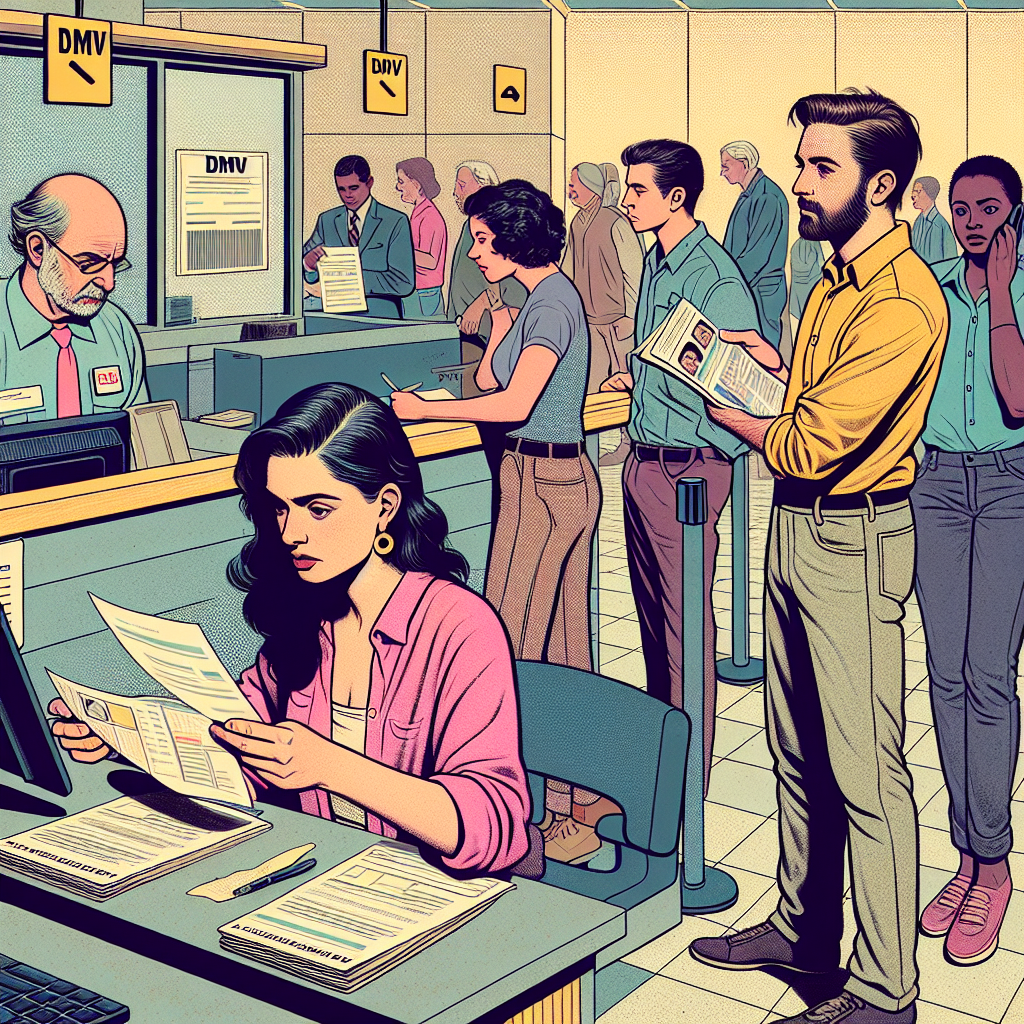
    DMV processing times are how long it takes to get things done at the DMV. This can be anything from getting a new driver’s license to registering a car. These times can really matter because if they’re long, they might mess up your plans or business. Some things that affect these times are how many people are in line, how many people are working at the DMV, and how tricky the job is.

    What’s New in the Laws?

    Recently, some new laws have been made to change how DMVs work. The main goals of these changes are to make things faster, save money, and make customers happy. Some of the big ideas include using more technology, changing how workers are organized, and making steps simpler so applications get handled faster.

    How These Laws Change DMV Processing Times

    Since these new laws came in, there have been changes in how long things take at the DMV. The first reports say that getting licenses and registering cars is now faster. Lots of DMV offices say you don’t have to wait as long thanks to things like online renewals and extra counters to help more people.

    Benefits of the New Laws

    • Faster and Happier Customers: With more technology, things are getting done quicker, and people seem happier.
    • Less Waiting: With simpler processes and more workers, the DMV can handle lots more people without long delays like before.
    • Better Service: Many DMVs now let you submit papers online and make appointments, so you don’t have to go there in person as often.

    Problems and Complaints

    • Tech Trouble: Some people are having a hard time figuring out the new online systems.
    • Not Enough Workers: Even with new laws, some DMVs don’t have enough workers and need to hire more people.

    How Other States are Doing

    Other states are also trying to speed up DMV processing times with new laws. States that are really good with digital systems have cut wait times and made people happier. We can learn a lot from what they’re doing to help improve our DMV services.

    What’s Next?

    Looking forward, these changes should keep making DMV times better. It’s important to keep checking how things are going and make changes if needed. Fixing any lingering problems can make DMVs faster and easier to use all across the country.

    Conclusion

    The new laws are off to a good start in making DMV times better, with faster service and happy customers. But there are still some things to fix. By staying informed, everyone can help make DMV services better.

    What Do You Think?

    We want to know what you think about the new laws and your DMV experiences. Are things getting better for you? Leave a comment below! Don’t forget to follow our blog and join our newsletter to keep up with the latest DMV news and changes.

    More to Read

    Call to Action

    Feel like making a change? Visit us at Tags Clinic at 3845 University Ave, San Diego, CA or call us at 619-777-9046. We prioritize your convenience and health. Check out our website for more information: tagsclinic.com


  • Out‑of‑State Vehicle Transfer: What to Do When Your Car Fails the Smog Test

    Out‑of‑State Vehicle Transfer: What to Do When Your Car Fails the Smog Test


    What to Do When Your Car Fails the Smog Test

    What to Do When Your Car Fails the Smog Test

    Introduction

    Moving to a new state can be tricky, especially when bringing your car with you. Many states require a smog test, also known as an emissions test, to register your car. This test makes sure your car’s emissions are okay for the environment. If you’re moving from another state, passing this test is important. But what if your car doesn’t pass?

    In this blog, we’ll tell you what a smog test is, what to do if your car fails, and how to make moving your car from one state to another easier.

    What Is a Smog Test?

    Smog Tests Basics

    Smog tests check how much pollution comes out of your car’s exhaust. They are important for keeping the air clean and making sure your car follows the rules.

    Smog Tests and Car Registration

    In many states, you need to pass a smog test before you can register your car. This is important when you’re moving your vehicle to a new state.

    Different Smog Test Rules in Different States

    Each state has its own rules for smog tests, like which cars need them and how strict the rules are. Knowing what your new state requires helps make things go smoothly.

    What to Do If Your Car Fails the Smog Test

    If your car doesn’t pass the smog test, here’s what you should do:

    Get a Diagnostic Assessment

    • Go to a Certified Diagnostic Service: Visit a special smog check station for a detailed look at what’s wrong. Experts can find the reasons your car didn’t pass.
    • Common Problems: Issues might be due to things like faulty oxygen sensors or the catalytic converter. Knowing what’s wrong can help you fix your car.

    Do Repairs and Maintenance

    • Common Fixes: This could mean replacing sensors, the catalytic converter, or fixing the exhaust system. Make sure you fix everything the test found.
    • Choose a Good Mechanic: Find a mechanic you trust. Check they have good reviews and certifications.

    Re-testing Your Car

    • Get Another Test: After fixing your car, it needs another smog test. Remember, there might be a fee for the second test.
    • Time Limits: Some states have time limits for re-tests. Make sure you know them to avoid extra fees or issues.

    Temporary Registration

    If your car needs more time for repairs after failing its smog test, you might need a temporary registration:

    • Temporary Permits: Many states offer permits so you can still drive while your car gets fixed.
    • What You Need to Apply: Usually, you need specific papers and a small fee.
    • Know the Rules: Each state has rules about where you can drive with a temporary permit.

    Getting Financial Help and Exemptions

    Fixing smog test issues can be expensive, but help is available:

    • Financial Help Programs: Some states have programs to help pay for repairs or testing fees.
    • Exemptions: Some cars, like older or hybrid models, might not need the test. Check if yours is exempt.
    • How to Apply: Gather the information you need and fill out forms quickly.

    How to Avoid Smog Test Problems

    Here’s how to help your car pass future smog tests:

    • Regular Maintenance: Keep your car in good shape by regularly checking the engine, exhaust, and emission systems.
    • Focus on Key Parts: Take care of things like spark plugs, air filters, and the fuel system since they help control emissions.
    • Smart Driving Habits: Drive smoothly with less rapid acceleration and avoid long periods of idling to reduce emissions.

    Conclusion

    While failing a smog test during a move to a new state can be tough, it’s not impossible to handle. Be ready to get a diagnostic check, fix your car if needed, and follow the state’s rules. Keeping your car well-maintained can help you avoid problems in the future and keep your car running smoothly.

    Additional Resources

    Call to Action

    Are you in the San Diego area and looking for easy DMV services? Contact Tags Clinic! Our team can help with vehicle registration, title transfer, and smog checks. Don’t hesitate to visit us at 3845 University Ave, San Diego, CA or give us a call at 619-777-9046! You can always visit our website at tagsclinic.com and book an appointment online to skip the long DMV lines and make sure your car is ready to go!