Author: Dr. DMV – California Vehicle Specialist

  • A Comprehensive Guide to Smog Check Fees in California

    A Comprehensive Guide to Smog Check Fees in California


    A Simple Guide to Smog Check Fees in California

    A Simple Guide to Smog Check Fees in California

    Introduction

    In California, smog checks are important for keeping the air clean and healthy. If you own a vehicle, it’s important to know about smog check fees and rules. This guide will help you understand how much smog checks cost, what the rules are, and how to take care of this important part of owning a car in California.

    What is a Smog Check?

    A smog check is a test that most cars need to take in California. This test makes sure that cars aren’t polluting too much. Cars made after 1975 usually need smog checks, but some hybrids and electric cars do not.

    What Can Affect Smog Check Fees?

    There are a few things that can change how much a smog check costs:

    • Types of Tests: There are different tests, such as regular smog checks and STAR station tests, with different prices.
    • Age and Type of Car: Older cars might need more testing, which can cost more.
    • Where You Go: Costs can be different in different places. Sometimes it costs more in big cities like Los Angeles.

    How Much Does a Smog Check Cost?

    A smog check in California usually costs between $30 to $80. It might be more expensive in big cities and less in small towns. The STAR program smog checks can cost a bit more. It’s a good idea to check prices at different places before deciding where to go.

    Ways to Save Money

    Here are some ways you can spend less on a smog check:

    • Discounts: Some places offer coupons or special deals. Looking online for deals before your visit can help save money.
    • Help Programs: California has programs like the Consumer Assistance Program (CAP) for low-income people that help with repair costs.
    • Best Prices: Compare different places to find the best deals. Online forums or community boards may have tips.

    When and How Often Do You Need a Smog Check?

    California usually requires smog checks every two years. Newer cars might not need one for the first few years. Planning around your registration renewal is smart, so you’re not late and avoid penalties.

    What If Your Car Fails the Smog Check?

    If your car fails, don’t worry; it happens often. It might be due to problems like faulty sensors or converters. You will need to fix these issues and take the smog check again. This can mean paying for repairs plus the cost of retesting.

    How to Get Ready for a Smog Check

    Get your car ready by doing these things:

    • Regularly change the oil and air filters.
    • Check your tire pressure.
    • Use fuel additives to clean the engine.
    • Before the test, drive your car for about 20 minutes to warm it up.

    Keeping your car in good shape helps it pass the smog check and last longer.

    Conclusion

    Smog checks are an important part of owning a car in California. Knowing the costs, how to save money, and how to get ready for them will make the process easier and more affordable. Make sure you plan for smog checks as part of regular car care. If you need more help, feel free to ask—we’re ready to help!

    Additional Resources

    For more information, you can visit these websites:

    If you have questions or want help finding a smog check station, you can contact any of these resources. We’d love to help you with any questions you have!

    Call to Action

    Ready to take action? Visit Tags Clinic at 3845 University Ave, San Diego, CA or give us a call at 619-777-9046. We’re here to make your car care experience easy and stress-free. Don’t let the smog check process be a headache. Let’s make the air cleaner together. Visit our website for more information.


  • How to Prevent DMV Errors in Name Changes and Title Corrections

    How to Prevent DMV Errors in Name Changes and Title Corrections


    How to Prevent DMV Mistakes in Name Changes and Title Corrections

    How to Prevent DMV Mistakes in Name Changes and Title Corrections

    Introduction

    Dealing with the DMV can sometimes feel confusing, especially when you need to change your name or correct a car title. It’s really important to have accurate records at the DMV, not just for your own peace of mind but also to avoid potential problems. If there are mistakes, you might miss important notices, have trouble selling your car, or even run into issues with the police. This guide will help you navigate these challenges and make sure your records are correct.

    Understanding the Process

    Know the Requirements

    The first step to avoiding mistakes is to know exactly what the DMV needs. Make sure you have:

    • Important Papers: Always look at the latest list of documents needed before you go to the DMV, as what’s required can change depending on where you live and what you’re doing.
    • Special Forms: For changing your name, you might need marriage or divorce papers or a court order. For fixing a title, you could need proof of ownership and a special correction form.

    Types of Changes

    It’s important to know what kind of change you’re making:

    • Legal Name Changes: These usually happen because of marriage, divorce, or a court decision. You’ll need official documents for these changes.
    • Title Corrections: This is about fixing mistakes on your car’s title or changing ownership details.

    Steps to Ensure Accuracy

    Double-Check All Information

    Make sure all your forms and documents are correct before you submit them:

    • Spelling and Details: Check the spelling of names and details like the vehicle identification number (VIN), make, and model.
    • Consistent Information: Ensure that the name and address are the same on all documents and records you submit.

    Use Consistent Information

    Keep things consistent:

    • Use the same name format and address on all documents, like your driver’s license and insurance.
    • Update all your documents at the same time to avoid conflicts.

    Prepare Before Your Visit

    Being prepared helps a lot:

    • Appointments: If you can, make an appointment to reduce stress and waiting time.
    • Document Review: Check all your paperwork thoroughly before you go to the DMV.

    Important Tips and Best Practices

    Communication with the Department

    Talking clearly with the DMV can help things go smoothly:

    • Contact Ahead: Call your local DMV to check what you need to bring and clear up any questions.
    • Online Resources: Use online forms and guides to understand what you need to do and to download forms ahead of time.

    Maintain Personal Records

    Keeping track of your documents can prevent future problems:

    • Copies of Everything: Keep copies of all forms and letters from the DMV.
    • Change Log: Keep a record of all changes for future reference.

    Know Your Rights

    Knowing your rights can help if you find a mistake:

    • Error Resolution: Learn how to fix mistakes if you find them after submission.
    • Assistance Rights: Know your rights to get help if the DMV made a mistake.

    Common Pitfalls to Avoid

    Not Updating All Relevant Documents

    If your records aren’t consistent everywhere, you might have issues:

    • Not updating your driver’s license, insurance, and other documents can cause problems later.

    Rushing the Process

    Hurrying can lead to mistakes:

    • Take your time filling out forms and reviewing your information instead of rushing through it.

    Resources

    Online Tools and Guides

    Plenty of resources can help you:

    • DMV Websites: Many DMVs let you submit forms and check status online.
    • Support Forums: Websites and forums like Reddit can offer support and advice from others who have faced similar problems.

    Professional Services

    If you feel overwhelmed, consider getting professional help:

    • Tags Clinic: This DMV partner offers services to help with name changes and title corrections.

    Conclusion

    Keeping accurate DMV records is very important. Understanding these processes and taking action can save you from future problems. Whether you’re changing your name or fixing a title, following these steps can help prevent mistakes and ensure everything goes smoothly.

    Call to Action

    Have you faced challenges with DMV processes, or do you have questions about name changes and title corrections? Share your experiences or questions in the comments below. For personalized help, book a consultation with Tags Clinic today. They’re your go-to solution for easy DMV services in San Diego.


  • DMV Digital Transformation: New Online Renewal Options for Senior Drivers

    DMV Digital Transformation: New Online Renewal Options for Senior Drivers


    DMV Digital Transformation: New Online Renewal Options for Senior Drivers

    DMV Digital Transformation: New Online Renewal Options for Senior Drivers

    Introduction

    The Department of Motor Vehicles (DMV) is not usually known for being quick or easy to deal with, especially with long lines and lots of paperwork. But now things are changing! The DMV is starting a digital transformation to make things better for everyone, especially older people. This blog will explain the new online renewal options made just for senior drivers and why these changes are important.

    Why the DMV Needs to Go Digital

    For a long time, senior drivers have had a hard time with the DMV’s old way of doing things. They have to wait in long lines and deal with confusing forms. This process is not only annoying, but it can also be difficult physically for older people. Going digital is a great solution. It makes things faster and easier for everyone.

    With the option to renew online, senior drivers can expect better service. This means less waiting and more easy-to-use websites that work well for older people.

    New Online Renewal Options Overview

    The DMV’s new online renewal system is a big change for senior drivers. Now, they can renew their licenses right from their homes. To be eligible, they usually need to be a certain age and have a good driving record.

    Some cool features of this new system include a simple interface, clear instructions, safe ways to handle information, and it works on computers and tablets. This helps make sure everyone can use it easily, especially senior drivers.

    Benefits for Senior Drivers

    The best part about the new online renewal options is how easy they are. Senior drivers don’t need to go to the DMV in person anymore. They can renew their license online whenever it’s convenient for them. This means no waiting in line and getting things done faster, which makes the whole experience stress-free.

    The online system also has special features to help seniors use it, like bigger text, voice help, and easy-to-use screens. This means senior drivers can use the system without any help and feel sure about what they’re doing.

    How to Renew Online: Step-by-Step Guide

    1. Get ready with your documents: Have your current driver’s license, vehicle insurance, and any other required identification ready.
    2. Go to the DMV website: Visit the official DMV website, click on ‘Renew Driver’s License,’ and enter the online portal.
    3. Fill out the form: Follow the instructions to fill in your details correctly.
    4. Pay and wait for confirmation: Use a secure way to pay, then check your email for a confirmation with the next steps.

    Troubleshooting and Common Concerns

    Like any new system, there might be some technical problems. The DMV provides support including step-by-step guides, FAQs, and phone helplines. Local help programs are also available for in-person assistance if needed.

    If you need more help, you can easily find contact information for DMV support and local help programs on the DMV website.

    Testimonials from Senior Drivers

    • “I used to hate going to the DMV, but this online option was so easy! I finished my renewal in minutes!” – Nancy, 72
    • “Even though I’m not good with technology, the online process was simple. I highly recommend it!” – George, 68

    What’s Next?

    The DMV plans to keep improving, with more updates to the online system. They value user feedback, which helps them make things better for senior drivers. They are also planning new digital services like virtual help and online learning made just for seniors.

    Conclusion

    The digital transformation at the DMV is a huge step forward in making things easier and faster, especially for senior drivers. With new online renewal options, seniors can have a stress-free, convenient experience. The DMV is dedicated to better service for everyone.

    Call to Action

    If you are a senior driver or know someone who is, visit the DMV website today to find out more about these new online renewal options. Let’s help our senior community get used to these new technologies by encouraging family and friends to help them. Meanwhile, if you have any further queries, don’t hesitate to visit Tags Clinic at 3845 University Ave, San Diego, CA or call 619-777-9046.

    Check out our website for more information and be sure to share this resource with others in your community.

    Location of Tags Clinic


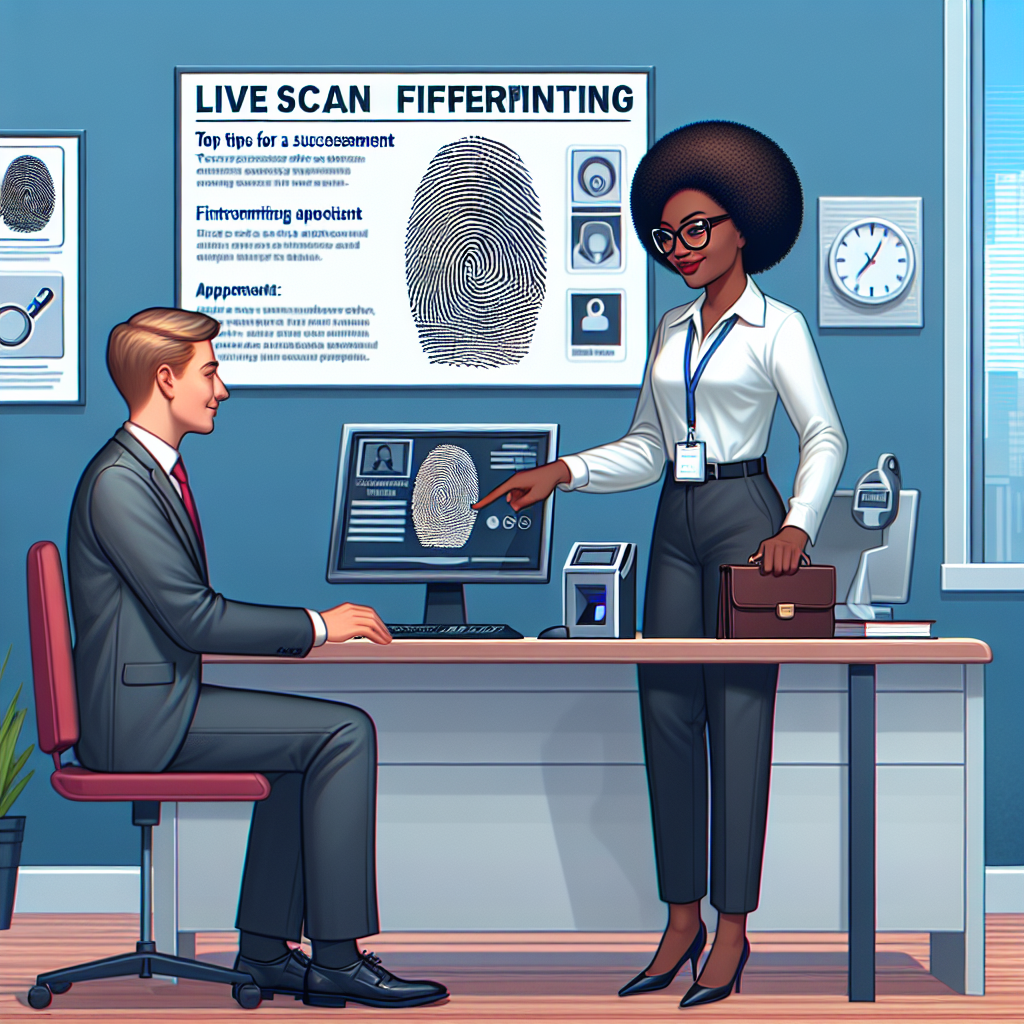
  • A Beginner’s Guide to LiveScan, Courtesy of Dr. DMV at Tags Clinic

    A Beginner’s Guide to LiveScan, Courtesy of Dr. DMV at Tags Clinic


    A Beginner’s Guide to LiveScan, Courtesy of Dr. DMV at Tags Clinic

    A Beginner’s Guide to LiveScan, Courtesy of Dr. DMV at Tags Clinic

    Introduction

    In today’s digital world, LiveScan fingerprinting is really important for doing quick and thorough background checks. As more people and businesses need it, knowing about LiveScan is good for both personal and work reasons. At Tags Clinic, Dr. DMV is here to help you understand this process easily and confidently.

    What is LiveScan?

    LiveScan is a new way to take fingerprints using a digital scanner instead of messy ink and paper. This technology gives clear fingerprint images and sends them directly to the necessary agencies.

    Key Differences Between LiveScan and Traditional Ink Fingerprinting

    • Accuracy and Clarity: LiveScan gives clearer images, which means fewer chances of rejection.
    • Efficiency: Digital submission makes things faster because you don’t need to send paper copies.
    • Convenience: No messy ink to wash off your fingers.

    Applications of LiveScan

    LiveScan is used for:

    • Job background checks
    • Getting teaching credentials
    • Healthcare licensing
    • Volunteering with vulnerable populations

    Why You Might Need LiveScan

    If you’re applying for a job, getting a license, or volunteering, you might need LiveScan. Many jobs require background checks to keep everyone safe and follow the rules.

    • Teaching and Childcare: Requires background checks to keep kids safe.
    • Healthcare: Ensures patient safety and follows rules.
    • Financial and Government Roles: Protects sensitive information and keeps things secure.

    Advantages for Individuals and Organizations

    • Speed and Efficiency: Quick results.
    • Lower Error Rates: Digital prints reduce the need to do it again.
    • Wide Acceptance: Accepted by many agencies and organizations.

    Getting Started with LiveScan

    Getting ready for your LiveScan appointment can make the process easy.

    Step-by-Step Preparation

    1. Gather Required Documents: Bring all needed forms and ID.
    2. Research Fees: Know how much it costs.
    3. Ensure Finger Quality: Keep fingers clean and free from cuts or lotions.

    Scheduling an Appointment at Tags Clinic

    • Convenient Booking: Book online or call Tags Clinic.
    • Professional Assistance: They’ll help you set up your LiveScan appointment.

    Important Considerations for First-Time Users

    • Identification: Bring valid government-issued ID.
    • Form Completion: Fill out and bring any forms you need.

    The LiveScan Process at Tags Clinic

    Tags Clinic, along with Dr. DMV and his team, makes sure your LiveScan appointment is quick and easy.

    What to Expect During Your Appointment

    • Warm Welcome: Friendly service as soon as you walk in.
    • Quick and Efficient: Fingerprinting takes only 10-15 minutes.
    • Secure Transmission: Your fingerprints go securely to the right agencies.

    The Role of Dr. DMV

    Dr. DMV and his team work hard to make sure you have a hassle-free experience. They’re ready to answer any questions or address concerns you might have.

    Frequently Asked Questions

    1. How long does it take to get results back from a LiveScan?
      – It usually takes a few days to several weeks, depending on the agency.
    2. What happens if prints are rejected?
      – If prints are unclear, the agency might ask for new ones. Tags Clinic will help you reschedule.
    3. Can LiveScan be used for personal purposes?
      – LiveScan is mostly for official uses like job or license background checks.

    Troubleshooting and Tips for Success

    Sometimes issues can happen, but digital accuracy helps prevent many problems.

    Common Issues and How to Avoid Them

    • Unreadable Prints: Keep hands moisturized and avoid cuts for clear scans.
    • Incorrect Information: Double-check forms for any mistakes.

    How Tags Clinic Assists

    If something goes wrong, the Tags Clinic team will help you fix it and guide you through the steps to make it right.

    The Benefits of Choosing Dr. DMV and Tags Clinic for LiveScan

    Tags Clinic is known for excellent service and competitive pricing when it comes to LiveScan.

    Expertise and Customer Service Focus

    • Experienced Professionals: Dr. DMV and his staff ensure a friendly and professional experience.
    • Customer Satisfaction: Many testimonials praise the service for being reliable and efficient.

    Conclusion

    With the right help, the LiveScan process can be stress-free. Dr. DMV and Tags Clinic are here to provide top-notch service for all your fingerprinting needs. Don’t wait! Book your appointment today, and let Tags Clinic take care of your LiveScan needs smoothly and efficiently.

    Contact Information

    For more questions or to book a LiveScan appointment, contact Tags Clinic:

    Call to Action

    We’re here to help you with your LiveScan needs! Visit us at Tags Clinic located at 3845 University Ave, San Diego, CA or call us at 619-777-9046. For more information, visit our website at https://tagsclinic.com. Looking forward to serving you soon!


  • Live Scan Requirements for California Contractor Licensing

    Live Scan Requirements for California Contractor Licensing


    Blog Post

    Live Scan Requirements for California Contractor Licensing

    Introduction

    Getting your contractor license in California might seem tricky, but understanding the Live Scan requirements can help make it easier. Live Scan fingerprinting is an important step to get your contractor license, and it makes sure you meet the rules set by the Contractors State License Board (CSLB). In this blog, we’ll talk about why Live Scan is important and guide you through the process from start to finish.

    What is a Live Scan?

    Definition and Evolution

    Live Scan fingerprinting is a modern way to take fingerprints using electronic methods. Unlike the old ink-on-paper way, Live Scan is digital. This means the results are clearer and you get them faster. This technology makes it easier to check who you are and look into your background.

    Purpose and Functionality

    Live Scan checks your identity and ensures that you don’t have a criminal background that would prevent you from getting a license. For future contractors, this check is important to make sure only honest people can work, keeping the construction industry safe and trustworthy.

    Why is Live Scan Required for California Contractors?

    Role of the Contractors State License Board (CSLB)

    The CSLB works to protect the public and makes sure contractors are honest and professional. Live Scan helps the CSLB stop fraud by making sure contractors don’t have criminal histories that could be unsafe for customers.

    Steps to Complete a Live Scan for Contractor Licensing

    To easily go through the Live Scan process, follow these steps:

    1. Check Requirements: Make sure you are eligible by looking at what the CSLB needs. Gather your ID, such as a valid government-issued ID, and the Live Scan request form from the CSLB.
    2. Find a Live Scan Location: Look at the list of approved Live Scan providers in California. Pick a place close to where you live.
    3. Schedule an Appointment: Pick a provider and make an appointment. Booking ahead can help you avoid waiting.
    4. Complete the Live Scan Request Form: Fill out the form from the CSLB carefully. Make sure all the info matches your ID to prevent mistakes.
    5. Undergo the Process: Be on time for your appointment. The process of taking digital fingerprints is quick and painless. Results are sent electronically to the Department of Justice and FBI for checks.
    6. Submission to CSLB: Once your Live Scan results are ready, they’ll go automatically to the CSLB. Keep your fingerprint receipt as proof you finished.

    Common Issues and How to Avoid Them

    • Incorrect Information: Check all the entries on your form to make sure they’re right, especially your personal details. Errors can slow things down.
    • Unsuitable IDs: Ensure your ID is valid, not expired, and meets CSLB standards.
    • Missed Appointments: Set reminders for your appointment so you don’t miss it and have to reschedule.

    Understanding Results and Next Steps

    After sending in your results, the CSLB will check them. They’ll let you know if there are any problems or if you need to do anything else. If there are issues, follow CSLB’s instructions quickly to keep moving forward in getting your license.

    Frequently Asked Questions (FAQs)

    1. How long does the Live Scan process take?
      Getting your fingerprints taken is quick, usually less than 10 minutes. Total processing time depends on DOJ and FBI reviews.
    2. What if my fingerprints are unreadable?
      You might need to do it again. Make sure your hands are clean and dry for a better scan.
    3. Are Live Scan fees refundable?
      Usually, fees are not refunded because they cover administrative and processing costs.
    4. Can I use a previous Live Scan for my contractor license?
      No, each license application needs a separate Live Scan.
    5. What should I do if my background check has an error?
      Contact the DOJ to fix it and update the CSLB once it’s corrected.

    Conclusion

    Doing the Live Scan is an important step to becoming a licensed contractor in California. This helps gain consumer trust and shows you are able to work professionally, in line with CSLB’s values. Follow these guidelines for a smooth experience.

    Additional Resources

    Starting your construction career begins with following the CSLB’s Live Scan requirements carefully, setting you up for success in this regulated and rewarding field. Good luck, and make sure your licensing journey is filled with honesty and professionalism!

    Call to Action

    Bring your career a step closer to success at Tags Clinic. Make an appointment to get your Live Scan done professionally at our location in 3845 University Ave, San Diego, CA. You can also reach us at 619-777-9046. For more information, please visit our website https://tagsclinic.com


  • The Financial Benefits of Specializing in CA Registration for Out-of-State Dealers

    The Financial Benefits of Specializing in CA Registration for Out-of-State Dealers


    The Money-Saving Benefits of Focusing on CA Registration for Out-of-State Dealers

    The Money-Saving Benefits of Focusing on CA Registration for Out-of-State Dealers

    Introduction

    Registering vehicles can be really tricky for car dealers who aren’t based in California (CA) because each state has its own rules and requirements. In California, the process can be especially tough, with lots of special steps and paperwork. Making this process easier can help businesses run better and save money. For those who focus on helping with CA registration for out-of-state dealers, it can be a great way to earn more. In this blog post, we will explore why concentrating on this service can be profitable.

    Knowing CA’s Registration Rules

    California has unique and strict vehicle registration rules, so out-of-state dealers need to understand the process well. Some important things include:

    • Required Forms and Papers: Dealers should know about forms like the Application for Title or Registration (Form REG 343), Proof of Insurance, Vehicle Inspection Report, Smog Certification, and other California-specific documents.
    • Possible Problems: Common challenges include meeting emissions standards, understanding taxes, and following California’s strict environmental laws.

    Why Specializing is Important

    Focusing on CA registration services for out-of-state dealers has many benefits:

    • Expertise: By specializing in one area, people can become really good at it, making fewer mistakes and providing better service.
    • Reputation: Being known as a trustworthy expert in this area builds a strong brand that attracts more clients.
    • Efficiency: Knowing a lot about a specific service makes processes faster, using less time and resources for each registration.

    Financial Benefits of Specializing

    More Money Opportunities

    By providing expert services at higher prices, businesses can open up new ways to earn money that general services can’t. Out-of-state dealers are usually willing to pay more for expert help that saves them time and avoids possible fines.

    Better Running

    Specializing helps businesses create better and faster processes, which lowers mistakes. This means spending less money on fixing mistakes, faster services, and happier clients who come back or recommend you to others.

    Stay Ahead in the Market

    In a busy market, being specialized helps a business stand out. It not only brings in clients who need special expertise but also allows businesses to market themselves better and set themselves apart.

    Stories of Success

    Lots of businesses have done well by focusing on CA registration for out-of-state dealers. For example, ABC Registrations grew their client list by 30% in a year by specializing in CA registration. On the other hand, DEF Solutions saw profits rise by 40% because they made fewer mistakes, provided quicker service, and got more referrals.

    Tips for Building a Specialized Service

    Keep Learning

    Always stay updated on the latest CA DMV rules. Investing in ongoing training ensures your team knows the newest info and can offer the best service.

    Build Strong Connections

    Making contacts with CA DMV representatives makes transactions smoother. Also, networking with out-of-state dealers helps you understand their common challenges and create better solutions.

    Use Technology

    Using special registration software can make the process quicker and easier. Customer management systems help keep communication clear and track clients’ progress.

    Promoting Your Specialized Services

    A good marketing plan should focus on out-of-state dealers. Share your expertise and success stories in your promotions, and highlight what makes your services special.

    Conclusion

    Focusing on CA registration for out-of-state dealers comes with many money-saving benefits, from more earning chances and better efficiency to standing out in the market. As the vehicle registration field changes, specializing in this service can be a smart move for long-term growth. If you’re an out-of-state dealer looking to make your registration easier, consider partnering with a specialist to ensure you follow the rules, save time, and cut costs.

    Call to Action

    Ready to Make Registration Easier? Contact Tags Clinic today for expert CA vehicle registration help for out-of-state dealers. Visit our website or call us at 619-777-9046 to find out more about how we can help your business succeed. We are always here to serve you at 3845 University Ave, San Diego, CA.


  • DMV Office Update: How Renovation Closures Are Being Managed in 2025

    DMV Office Update: How Renovation Closures Are Being Managed in 2025


    Blog Post: DMV Office Update- Renovation Closures 2025


    DMV Office Update: How Renovation Closures Are Being Managed in 2025

    Introduction

    In 2025, DMV offices all over the state are being renovated. These changes are being made to make things better for people who visit the DMV and to help the workers do their jobs more easily. Even though some DMV offices will be closed for a while, we have a plan to make sure it’s not a big problem. In this blog post, we’ll talk about the renovation plans, how we’re managing the closures, and what other options are available for DMV services.

    The Renovation Plan

    Purpose and Goals

    The renovation project is about turning DMV offices into modern places with the newest technology. Here are the main goals:

    • Make customer service better by reducing wait times.
    • Make work areas nicer for employees to help them work better.
    • Ensure the facilities are accessible for everyone.

    Key Features of the Renovations

    Modern Technology: We’re adding the latest tech to make things run smoothly.

    Eco-Friendly Design: We’re using green materials to help the environment.

    Better Customer Areas: We’re redesigning waiting areas and adding digital service points and kiosks to make everything easier for customers.

    Managing Renovation Closures

    Strategic Planning

    We’re doing the renovations in steps, starting with the most used and needed DMV offices. The timeline ensures that other service options are available when some DMVs are closed.

    Impact on Services

    Services might be interrupted during renovations, but we have plans to make it less annoying:

    • Longer service hours at DMV offices that aren’t affected.
    • Temporary service stations at key spots for convenience.

    Alternative Solutions for DMV Services

    Extended Services at Nearby Locations

    For people who can’t use their usual DMV, nearby ones are open for longer. There are also temporary locations to offer important services.

    Enhanced Online Services

    The DMV has expanded online services so people can complete transactions from home. Some online resources include:

    • Renewing vehicle registration digitally.
    • Transferring titles and renewing licenses online.
    • Customer support with chat and video tutorials to help with online services.

    Communication and Public Awareness

    Transparency and Updates

    It’s important to keep the public informed. The DMV shares updates about construction schedules and service changes through:

    • Their official website and a special renovation page.
    • Social media for quick news.
    • Newsletters and emails to those who subscribe.

    Feedback and Adaptation

    Getting feedback from the public is crucial. The DMV has ways to hear from people about service disruptions and changes their plans if needed to solve any problems.

    Community Impact and Benefits

    Short-term and Long-term Community Benefits

    Though the renovations might make things harder for a little while, the benefits in the long run will be great. Upgraded facilities mean faster services, shorter waits, and more accessible centers that meet community needs.

    Success Stories from Early-Renovated Offices

    Offices that were renovated early have shown big improvements, with people happy about shorter wait times and better service. These successes help guide future renovations.

    Conclusion

    As DMV offices go through these big changes, the renovations are really important. Even though temporary closures might be a hassle, we’ve created strategies to keep services great during the change. The DMV is focused on giving efficient and accessible services to everyone, during and after the renovations. We encourage people to use online services as much as possible and leave feedback to help us get better.

    Additional Resources

    Contact Information for Further Inquiries

    If you have questions about closures or service changes, please contact the DMV’s customer service hotline or visit our official website for more information.

    Call to Action

    We know how essential our care is to the community, that’s why our dedicated team at Tags Clinic is always ready to assist you! Visit us at 3845 University Ave, San Diego, CA. You can also reach us on 619-777-9046. For more information about our services, visit our website tagsclinic.com. We look forward to seeing you!


  • How to Avoid Registration Delays When Moving to California

    How to Avoid Registration Delays When Moving to California


    How to Avoid Registration Delays When Moving to California

    How to Avoid Registration Delays When Moving to California

    Moving to California is a big adventure with beautiful places to see, lots of different cultures, and many exciting things to do. But when it comes to things like registering your car, it can be a bit stressful. If you don’t register your car on time, you might get fined or you might not be able to drive it legally. So, it’s important to get your car registered as soon as you move.

    This guide will help you understand what you need to do to register your car without any delays when you move to California.

    Understanding the Rules for Registering a Vehicle in California

    Before you start, you need to know the rules about registering a car in California. These are the rules from the California Department of Motor Vehicles (DMV) that you need to follow:

    • Timeframe: You have 20 days to register your car after you move to California.
    • Documents Needed: You need to have some important papers ready to make the process smooth. Let’s find out what you need.

    Have Your Papers Ready

    • Proof of Residency: This could be a utility bill, a rental agreement, or a California ID with your address on it.
    • Title and Current Registration: Papers from the state you lived in before that show you own the car.
    • Smog Certificate: If your car is more than four years old, you might need this unless you’re exempt.
    • Proof of Insurance: You have to have car insurance in California, so make sure your policy is ready.

    Set Up a DMV Visit

    The DMV sometimes has long wait times, so it’s a good idea to set up an appointment. Here’s how to do it:

    1. Go to the California DMV website.
    2. Choose the option to make an appointment.
    3. Pick the DMV office closest to you.
    4. Choose a time and date that works best for you.

    Think About Using a DMV Service Provider

    • Benefits: These services can do the paperwork, appointments, and filing for you, making registration quicker.
    • Choosing a Provider: Pick a service that has good reviews and is recognized by the DMV. Make sure they are trustworthy and reliable.

    Get Your Car Ready for Registration

    • Emission Standards: Make sure your car meets California’s emission laws.
    • Vehicle Inspection: An inspection can show if your car needs repairs.
    • Smog Certificate: Get this from a certified station. Not having it can cause delays.

    Know the Costs

    • Registration Fees: These vary based on the type of vehicle and where you live.
    • Other Costs: You might have taxes and any old fees from when your car was registered out-of-state.
    • Budgeting Tips: Calculate your costs ahead to avoid surprises.

    Solving Common Problems

    • Common Issues: Missing papers, failing smog tests, incorrect info.
    • What to Do: If there’s a delay, call the DMV right away.
    • Resolution Contacts: Have the contact info for local DMV offices or service providers ready.

    Conclusion

    Moving to California doesn’t have to mean lots of registration delays. By understanding the rules, getting your papers ready, and choosing third-party services if needed, you can have a smooth move. Stay organized so you can start enjoying your time in California right away.

    Additional Resources

    Call to Action

    Have you moved to California or are you planning to? Share your experiences and questions in the comments. For more tips on moving smoothly to California, subscribe to our blog. If you want an easy registration experience, make an appointment with Tags Clinic today!

    Not sure where to find us? We are conveniently located at 3845 University Ave, San Diego, CA. If you’re planning the trip, feel free to call us at 619-777-9046. We look forward to seeing you soon!


  • Essential Tools for Pre-Smoke Test Vehicle Maintenance

    Essential Tools for Pre-Smoke Test Vehicle Maintenance


    Essential Tools for Pre-Smoke Test Vehicle Maintenance


    Essential Tools for Pre-Smoke Test Vehicle Maintenance

    Introduction

    Getting your car ready for a smoke test is super important to make sure it passes easily. Regular car maintenance not only makes your car run better and last longer, but it also helps your car pass emissions tests. In this blog, we’ll show you what tools and checks you need to get your car ready the right way.

    Section 1: Diagnostic Tools

    On-Board Diagnostics (OBD) Scanner

    An OBD scanner is a great tool for all car owners. This gadget can read error codes given by your car’s computer. These codes tell you about problems that might make your car fail a smoke test. Understanding these codes helps you fix any engine or emission issues before the test.

    Multimeter

    A multimeter is super useful for checking your car’s electrical parts. It can measure your battery’s voltage to make sure everything’s connected well. This prevents electrical problems that could increase emissions or cause issues during a smoke test.

    Section 2: Cleaning and Tune-Up Tools

    Fuel Injector Cleaner Kit

    Cleaning your car’s fuel system can really help with emissions. A Fuel Injector Cleaner Kit gets rid of build-up in the fuel injectors, making your engine do better and emit less pollution. Just follow the kit’s instructions, usually by adding it to your fuel tank.

    Spark Plug Socket and Gap Tool

    Make sure your spark plugs are in good shape because they make your engine burn fuel properly. Use a Spark Plug Socket and Gap Tool to check and change the spark plugs. Also, it helps you adjust the spark plug gaps for the best performance.

    Section 3: Fluid and Filter Tools

    Oil Filter Wrench

    Changing oil regularly is crucial for a healthy engine and can affect your smoke test results. An Oil Filter Wrench makes it easy to remove and replace the oil filter, keeping your engine clean from gunk.

    Coolant Tester

    Keeping the right engine temperature is key to lowering emissions. A Coolant Tester helps you check how good your coolant is. Make sure your coolant levels match what your car needs to keep it from overheating.

    Section 4: Exhaust and Emissions System Tools

    Exhaust Leak Detector

    Exhaust leaks can mess up emissions and test results. An Exhaust Leak Detector, like a smoke tester, helps find leaks in the system. Make sure there are no cracks or holes in your exhaust system.

    Emissions Analyzer

    An Emissions Analyzer shows your car’s emissions levels before the actual smoke test. It helps spot and solve any emission problems early.

    Section 5: General Maintenance Tools

    Tire Pressure Gauge

    Your car’s overall performance, including emissions, relies on good tire condition. Use a Tire Pressure Gauge to keep the tire pressure right for better performance and fuel efficiency.

    Wrench and Socket Set

    A set of wrenches and sockets makes sure all bolts and fittings are tight, minimizing problems that can cause poor performance or high emissions.

    Conclusion

    Using these tools can greatly improve your car’s chances of passing a smoke test. Regular checks and maintenance help not just with tests but ensure your vehicle lasts longer and runs efficiently. Having good tools is smart for any car owner looking to keep their car in top shape.

    Call to Action

    Get these essential tools and start your pre-smoke test maintenance routine today. If you’re not sure about doing certain maintenance tasks, reach out to professional services. Consider visiting Tags Clinic, known for easy DMV services in San Diego, to make sure your car is ready for its smoke test.

    Visit, call, or book an appointment with Tags Clinic for more personalized help! Visit us at 3845 University Ave, San Diego, CA or call 619-777-9046.


  • Avoid These Common DMV Mistakes When Getting Your Learner’s Permit

    Avoid These Common DMV Mistakes When Getting Your Learner’s Permit

    “`html


    Don’t Make These DMV Mistakes When Getting Your Learner’s Permit

    Don’t Make These DMV Mistakes When Getting Your Learner’s Permit

    Introduction

    Getting a learner’s permit is a big step towards becoming a real driver. It’s an important part of learning how to drive safely and responsibly. But getting this permit can be tricky because the rules at your local Department of Motor Vehicles (DMV) can be confusing. Making common mistakes can waste your time and cause stress. In this blog, I’ll tell you about some mistakes people often make when getting their learner’s permit and how you can avoid them.

    Section 1: Preparing the Right Way

    Forgetting Important Papers

    You need certain documents to get your learner’s permit, like proof of who you are and where you live. Mistakes happen when:

    • You don’t bring original documents or certified copies.
    • You forget that kids need a parent or guardian to give consent.

    Solution: Check the list of needed documents early. Make sure they are up-to-date and follow the DMV’s rules.

    Ignoring State Rules

    Each state has different DMV rules. Mistakes happen when:

    • You think your state’s rules are like other states.
    • You miss changes in laws.

    Solution: Look up your state’s DMV website to learn what’s required where you live.

    Picking the Wrong DMV Location

    Where you go matters a lot. Mistakes happen when:

    • You choose a busy DMV with long lines.
    • You ignore online reviews that talk about bad service.

    Solution: Pick a DMV office with shorter lines and good reviews, even if you have to drive a bit farther.

    Section 2: Filling Out Applications

    Missing Parts of the Form

    An incomplete form can be rejected. Mistakes happen when:

    • You leave out information or fill it out wrong.
    • You forget signatures, especially for kids.

    Solution: Double-check your application or ask a trusted person to look it over.

    Not Making an Appointment

    Just walking into the DMV can mean a long wait. Mistakes happen when:

    • You think you don’t need an appointment.
    • You don’t use online appointment systems.

    Solution: Book an appointment online through your DMV’s website to get in and out faster.

    Bringing the Wrong Payment

    Know how to pay the fee. Mistakes happen when:

    • You bring a form of payment they don’t accept, like personal checks.
    • You don’t know how much it costs.

    Solution: Check what payment types they take and bring the right amount.

    Section 3: Studying for the Test

    Thinking the Test Is Easy

    Some people think the test will be simple but get surprised by tough questions. Mistakes happen when:

    • You don’t study enough.
    • You only rely on common sense without knowing state laws.

    Solution: Use study guides from the DMV or online to prepare well.

    Skipping Practice Tests

    Practice tests are super helpful. Mistakes happen when:

    • You think practice tests aren’t needed.
    • You don’t time yourself when practicing.

    Solution: Take lots of practice tests online to get used to the questions.

    Not Knowing Test Day Rules

    Not knowing test procedures can disqualify you. Mistakes happen when:

    • You don’t know the ID you need that day.
    • You forget about time limits.

    Solution: Learn about test-day rules ahead of time and get ready accordingly.

    Section 4: Test Day Errors

    Being Late

    Being late can stress you out or get you turned away. Mistakes happen when:

    • You underestimate travel time because of traffic.
    • You forget about DMV processing time.

    Solution: Aim to arrive at least 15 minutes early just in case.

    Missing Important Items

    Forgetting things can mean you can’t take the test. Mistakes happen when:

    • You forget ID documents.
    • You don’t have proof of residence or consent forms.

    Solution: Make a checklist and double-check it before leaving home.

    Wearing the Wrong Clothes

    What you wear may not be super formal, but it matters. Mistakes happen when:

    • You wear clothes that are too casual or might offend.
    • You don’t consider the weather for comfort.

    Solution: Wear clean, comfortable, appropriate clothes to make a good impression.

    Section 5: After the Test

    Not Knowing Passing Rules

    Know what it takes to pass. Mistakes happen when:

    • You assume a certain number of right answers means you pass.
    • You don’t know about retake policies.

    Solution: Verify passing requirements and learn about retake rules at your DMV.

    Forgetting to Celebrate and Plan Ahead

    After passing, it’s important to celebrate and plan your next steps. Mistakes happen when:

    • You don’t know how long your permit is good for.
    • You delay getting ready for the road skills test.

    Solution: Celebrate and start planning practice sessions and the road test.

    Conclusion

    Getting your learner’s permit from the DMV can be scary, but knowing what mistakes to avoid can make it easier. Stay informed, be prepared, and you’ll soon be driving with confidence. Share your experiences or extra tips in the comments section.

    Call to Action

    If you’re in the San Diego area and want to skip the usual DMV troubles, check out Tags Clinic. Our expert team is here to help with your vehicle needs, from registration to title transfers. Contact us today, or book an appointment online for an easy experience.

    Visit Tags Clinic’s website for more information.


    “`
    Please note that in a production environment, you would need to ensure that the iframe for the Google Maps Embed is allowFullscreen and referrerPolicy follows the organization’s security policy and that styles and scripts are separated into their own .css and .js files respectively. The title tag contents may also be set dynamically depending on the CMS or other technology in use.