Author: Dr. DMV – California Vehicle Specialist

  • Out-of-State Dealers’ Guide: Handling Complex Registration Cases in California

    Out-of-State Dealers’ Guide: Handling Complex Registration Cases in California


    Guide for Out-of-State Dealers: How to Handle Registration in California

    Guide for Out-of-State Dealers: How to Handle Registration in California

    I. Introduction

    Registering a car in California is not easy, especially if you’re an out-of-state dealer. California has its own way of doing things, with rules about emissions, lots of paperwork, and state taxes. But learning how to do it right is important so you don’t get in trouble and can help your customers better. This guide will help make California’s tricky registration process clearer and simpler for out-of-state dealers.

    II. The Basics of Vehicle Registration in California

    The California Department of Motor Vehicles (DMV) is in charge of vehicle registrations. California has stricter rules about emissions and taxes compared to other states. So, out-of-state dealers need to be extra careful. It’s important to register cars quickly to avoid big fines and to keep everything running smoothly.

    III. Common Problems for Out-of-State Dealers

    1. Emissions Rules in California: California has tough rules about emissions. Dealers must ensure that cars from out of state meet these standards before they can be registered.
    2. Registering New vs. Used Cars: The steps and rules can be different depending on whether the car is new or used.
    3. Understanding Taxes: Sales tax on cars can be confusing. Out-of-state dealers should know California’s sales tax rules to avoid money problems.

    IV. How to Register Cars as an Out-of-State Dealer

    Let’s break down the steps to make the California registration process easier:

    • Pre-registration Checklist: Gather all needed documents like proof of ownership and sales papers.
    • Step 1: Submit Ownership and Sales Documents: Make sure everything is complete and correct to avoid delays.
    • Step 2: Check Smog and Safety: Cars must pass California’s smog check and be safe before they can be registered.
    • Step 3: Calculate and Pay Fees: Pay attention when calculating fees, including taxes, to avoid problems later.
    • Step 4: Get License Plates and Tags: After paying and meeting requirements, get California license plates and tags.

    V. Special Cases and Exceptions

    1. Registering Electric and Hybrid Cars: These may get special incentives but have their own registration rules.
    2. Cars with Modifications: If a car has special changes, it might need extra paperwork and approvals.
    3. Exemptions: Sometimes cars can be exempted, so knowing when is important.

    VI. Tips to Make Registration Easier

    • Get Help from Local Agents: Work with agents in California who know the rules well.
    • Keep Up with DMV Rules: Regularly check for updates on DMV rules to stay in line.
    • Use Online Tools: Use online tools from the California DMV to make submitting documents easier.

    VII. Avoiding Common Mistakes

    • Missing Emissions Compliance: Check that cars meet emissions standards before trying to register.
    • Calculating Fees Wrong: Double-check your math to prevent surprises.
    • Missing Deadlines: Keep track of deadlines to avoid penalties.

    VIII. Conclusion

    Understanding California’s registration process not only improves your operations but also makes your customers happier. By following this guide and using available resources, out-of-state dealers can make registration easier and focus on their main business.

    IX. Additional Resources

    • California DMV Resources
    • Contact the California DMV for more help.
    • Look into third-party registration services for extra help.

    Call to Action

    For more help, dealership partnerships, and detailed guidance, reach out to trusted partners like Tags Clinic to make your operations smoother and stay competitive in the Californian market. Visit us at 3845 University Ave, San Diego, CA or call us at 619-777-9046.


  • DMV Legislative Insights: What New Laws Mean for Traffic Citation Disputes

    DMV Legislative Insights: What New Laws Mean for Traffic Citation Disputes


    DMV Legislative Insights: Understanding New Traffic Laws and Ticket Disputes

    DMV Legislative Insights: Understanding New Traffic Laws and Ticket Disputes

    Introduction

    Traffic laws change all the time, and it’s important for everyone driving to know about these changes. Whether you’ve been driving for years or just started, understanding new laws about traffic tickets is key. This blog will help explain recent laws, how they affect traffic tickets, and what it means if you want to dispute a ticket.

    Recent Changes in Traffic Laws

    The latest updates in traffic laws can change the way you drive every day:

    • Speeding Fines: New rules now have higher fines for speeding, especially in school zones and construction areas. This is because safety is a big concern.
    • Red-Light Violations: Penalties for running red lights have changed. In some places, fines go up if you keep doing it.
    • Distracted Driving Penalties: Because more people are worried about distracted driving, there’s now a bigger punishment if you use a phone or device while driving.

    These changes mean that road rules are stricter and breaking them can cost more money.

    How Changes Affect Ticket Disputes

    The new laws also affect how you can dispute a traffic ticket:

    • More Paperwork Needed: You might need more documents or proof if you want to argue against a ticket as courts adjust to the new rules.
    • Online Court Options: Some places might offer you the option to attend court through a video call, which could change the way your case is handled.
    • Different Defense Strategies: Old excuses may not work anymore, so you and your lawyer might need a new plan.

    Knowing these changes can help a lot if you’re planning to contest a ticket.

    Real-Life Examples

    Here are some examples showing how these law changes matter:

    • Example 1: A driver tries to fight a ticket for using a phone while driving but learns that the usual excuses don’t work under the new rules. This shows how important it is to know the new laws for your defense.
    • Example 2: Imagine getting a ticket for speeding in a new school zone. The fine is higher during school times now, showing why it’s important to pay attention to new traffic signs.

    Experts say drivers should know about these changes and be ready when disputing a ticket.

    Tips for Drivers

    If you get a ticket with these new laws in mind, here’s what you can do:

    1. Stay Updated: Regularly find out about changes where you live, so you’re always in the know about your legal responsibilities.
    2. Collect Proof: Gather as much evidence as you can, like pictures, witness notes, or dashcam videos, to help you if you’re disputing a ticket.
    3. Ask a Lawyer: Talk to a traffic lawyer who knows the new laws well. They can give helpful advice for your case.

    These tips will improve your chances if you need to fight a ticket.

    Expert Thoughts

    Traffic lawyers and lawmakers offer insights into why these new laws exist. Many agree that safety on the road is a big deal.

    Experts also think future laws might get even tougher, especially about distracted driving. It’s important to keep up with any new changes because they affect all drivers.

    Conclusion

    Knowing about new traffic laws is important for dealing with ticket disputes. The recent updates show a focus on safety, meaning it can be harder for drivers contesting a ticket.

    If you get a traffic ticket, knowing these changes and being ready can help you a lot. Don’t hesitate to get legal advice to handle ticket disputes successfully.

    Call to Action

    Have you ever disputed a traffic ticket? Tell us your story in the comments below. For more help and resources, check our DMV guide section or contact a traffic lawyer for personal advice. Stay informed and subscribe to our blog for more updates and information on traffic laws.

    Visit Tags Clinic

    We encourage you to visit Tags Clinic at 3845 University Ave, San Diego, CA for more information and assistance. Get the help you need and don’t hesitate to call us at 619-777-9046. Click here to access more information online. See you there!


  • How to Research Local DMV Offices for Out‑of‑State Vehicle Registration in California

    How to Research Local DMV Offices for Out‑of‑State Vehicle Registration in California


    How to Research Local DMV Offices for Out-of-State Vehicle Registration in California

    How to Research Local DMV Offices for Out-of-State Vehicle Registration in California

    Dealing with the DMV can sometimes feel really tough, especially if you’re trying to register a car from another state in California. Whether you’ve just moved here or are transferring a car, knowing how to handle the DMV is important to make things go smoothly. This guide will help you understand the steps to make it easier and faster.

    Understanding the California DMV System

    The California Department of Motor Vehicles (DMV) works a bit differently compared to other states. Not all DMV offices offer the same services, especially for out-of-state registrations. Each office might have special services or be limited in what they can do, so finding the right one is important.

    Gathering Necessary Documents

    Before you head to the DMV, make sure you have all the important documents ready:

    • Proof of who you are and where you live.
    • The vehicle title and registration from the old state.
    • Proof of insurance.
    • Smog certification, if needed.
    • A filled-out Application for Title or Registration (Form REG 343).

    Ensure everything is complete and up-to-date to avoid any trouble. Having the right documents can make your visit go much faster and save you from having to come back again.

    Using Online Resources

    The California DMV website is very helpful when checking out local offices. Here’s how you can use it well:

    Check Wait Times and Services: Use the DMV’s online tools to see how long the wait is and what services each location offers.
    Book Appointments Online: Avoid long lines by booking an appointment online, saving you time and hassle.

    These resources can make your DMV trip better and stop any possible frustration.

    Finding Local DMV Offices

    Finding the right DMV office depends on what’s convenient for you and what services you need:

    Online Tools and Maps: Use Google Maps or the DMV’s tool to find offices close to you.
    Reviews and Ratings: Check online reviews to see how efficient the office is and how good their customer service is.
    Office Hours and Peak Times: Know when the office is open and choose a good time to visit to avoid crowds.

    Contacting the DMV Office

    If you have questions or need more information, don’t hesitate to reach out:

    Phone or Email: Sometimes it’s best to talk directly to the office staff.
    Common Questions: Ask about the documents you need, office services, and how to do the registration.
    Accurate Information: Make sure you get the right answers to be well-prepared for your visit.

    Planning Your Visit

    Being ready makes visiting the DMV much easier:

    Prepare Your Documents: Keep all your important papers organized and ready.
    What to Expect: Know the check-in process and what you can do while waiting.
    Minimizing Wait Time: Arrive early or go during less busy hours to cut down waiting time.

    Alternatives to In-Person Visits

    You don’t always have to go in person for DMV work:

    Third-Party Agencies: These can help with some tasks faster.
    Pros and Cons: They’re convenient but might cost more.
    Verify Legitimacy: Make sure they are official DMV partners so you don’t end up with fake services.

    Conclusion

    Picking the right DMV office and getting everything ready can make a hard task much easier. Stay organized, patient, and know what to expect for a smooth registration.

    Additional Resources

    For more about the DMV process, check these helpful links:

    If you’re in San Diego and looking for different DMV services, visit Tags Clinic. We offer registration, title transfers, and more for a quick and easy experience. Check out our website to learn more and book your appointment today!

    Call to Action

    If you’re in San Diego and need help with DMV services, don’t hesitate to visit us at Tags Clinic located at 3845 University Ave, San Diego, CA. Or feel free to reach out to us by phone at 619-777-9046. To learn more about the services we offer or book an appointment, please visit our website TagsClinic.com. We would be happy to help make your DMV experience smooth and hassle-free.


  • The Future of Electric Vehicles and the Impact on Smog Checks

    The Future of Electric Vehicles and the Impact on Smog Checks


    The Future of Electric Cars and How They Affect Smog Checks

    Introduction

    Cars are changing because more people are driving electric cars, or EVs. This change is exciting because it means cleaner air and helps the planet. But with these new cars, we also have to think about what happens to smog checks. This blog is about how electric cars impact smog checks and the rules about emissions.

    People all around the world are starting to use electric cars. This is because they want to help the environment. Companies like Tesla, Nissan, and Ford are making these cars, along with new companies that are thinking of new ideas for cars. Governments everywhere are helping people get electric cars by giving them incentives, which means they want less pollution and less oil use.

    Electric Cars and Emissions

    Electric cars are different from regular cars because they don’t have a tailpipe that gives off pollution. This is good for the air and helps lower the gases that make the planet warmer. But some people wonder if electric cars are totally clean because making them and powering them can still cause pollution. So, the big question is: Are electric cars really zero-emission?

    What is a Smog Check?

    Smog checks are tests that make sure the pollution from cars isn’t too bad. These tests are for regular cars with engines that burn fuel. Smog checks help keep the air clean and keep people healthy.

    How Electric Cars Affect Smog Checks

    As more people drive electric cars, we might not need as many smog checks. But we still have to think about other types of pollution from making electricity and batteries. Cars that use both gas and electricity, like hybrids, still need smog checks today.

    The Future of Emissions Testing

    With more electric cars, the rules for checking pollution might need to change. We might need new ways to test cars and look at things like how much pollution is made when the car is built. Cars that use electricity and gas together need both old and new kinds of tests.

    Challenges and Considerations

    Changing smog check places for electric cars and hybrids can be tricky. People who work at these places might lose money if they don’t do as many smog checks. Leaders have to figure out how to protect the environment and still help businesses.

    Conclusion

    The way we test cars for pollution will change as more people drive electric cars. We need new rules and places to test cars so this change is smooth and the world becomes cleaner. Embracing this change is key to making the most of this car revolution.

    Call to Action

    Stay updated on new rules and changes in electric cars. Get involved in local projects that support good environmental practices. Keep learning about what’s happening with new rules and trends so you can help move towards a cleaner future. Let’s all be part of making this positive change!

    We also want to remind you that you’re always welcome to visit us at Tags Clinic, located at 3845 University Ave, San Diego, CA. Need to talk to someone? We’re just a call away at 619-777-9046. We look forward to continue serving your needs as we move collectively towards a greener future!


  • DMV Pitfalls: How Overlooking Small Details Can Lead to Big Problems

    DMV Pitfalls: How Overlooking Small Details Can Lead to Big Problems


    DMV Pitfalls

    DMV Pitfalls: How Overlooking Small Details Can Lead to Big Problems

    Going to the Department of Motor Vehicles (DMV) can feel like a huge task for many people. With lots of paperwork and strict deadlines, dealing with the DMV can be tricky because of all the small details involved. In this blog post, we’re going to look at these little things that people often miss, which can turn an easy trip to the DMV into a big problem.

    Why Paying Attention to Details at the DMV is Important

    The DMV is important because it helps keep the roads safe by making sure cars are registered and drivers have the right licenses. This means you need to have the right documents and follow the rules closely. Sometimes even a small mistake, like misspelling your name, or using an old form can cause delays or fines. People often say, “The devil is in the details,” and this is very true at the DMV.

    Common Mistakes People Make at the DMV

      Not Having All the Right Paperwork

      It happens a lot: you get to the DMV and realize you’re missing something important. This might be your proof of car insurance, a smog check certificate, or your ID. Also, simple mistakes like spelling your name wrong, or putting down the wrong address can mess up your application. Before you go, make a checklist to make sure you have everything you need.

      Using Outdated or Incorrect Forms

      Knowing which forms you need for your DMV visit can save you time and stress. People often use old forms and this can cause problems. Make sure to check online for the newest forms and information before your visit. This way, you’ll know exactly what to bring.

      Forgetting About Deadlines

      It can be easy to forget about deadlines for things like car registration and license renewal. Missing these dates can lead to fines. Use reminders on your phone or calendar to help you remember when things are due.

    What Happens When You Overlook Small Details

      Delays in Getting Things Done

      Even a tiny mistake can cause big delays. Imagine if you put the wrong address on your form and your new license doesn’t get delivered. This can cause all sorts of problems. Paying close attention saves you time and stress.

      Extra Fees and Fines

      Mistakes or delays can cost you money. Fines for things like late renewals or incorrect paperwork can add up quickly. By being careful, you can avoid these costs.

      Small mistakes can lead to big legal issues. For example, if you forget to renew your license and keep driving, you could face penalties, legal fees, or even lose your license. Following all DMV rules and deadlines is very important.

    How to Avoid DMV Mistakes

      Be Prepared for Your DMV Visits

      Getting ready is really important. Before you go to the DMV, make a checklist of everything you need. Use online resources to check your documents and make appointments, which will help you avoid long waits and mistakes.

      Double-Check Everything

      Make it a habit to double-check your information. Before you submit anything, use tools or technology to ensure everything is right. This helps make sure you don’t miss anything important.

      Get Professional Help

      Sometimes it’s a good idea to use DMV assistance services like Tags Clinic. These services can help make the process easier and less stressful, especially if you’re not familiar with how the DMV works.

    Wrap Up

    Paying attention to details when dealing with the DMV is not just a good idea—it’s necessary to avoid long-term issues. Be serious and careful with DMV processes to avoid any unnecessary problems. Stay informed, be thorough, and prepare every step of your DMV journey.

    What’s Next?

    Take some time to check your current DMV documents and make sure they’re correct. If you’ve had your own DMV problems, share your story in the comments below—let’s work together to make this process easier. And remember, Tags Clinic in San Diego is ready to help with a wide range of DMV services, making your experience smoother. Visit our website or call us to see how we can make your DMV tasks easier.

    Call to Action

    We encourage all readers to visit Tags Clinic at 3845 University Ave, San Diego, CA or call us at 619-777-9046. Click here to learn more on how we can make your DMV processes quick and stress free.


  • Breaking Down the New DMV Law That Protects Against Unlawful License Impoundment

    Breaking Down the New DMV Law That Protects Against Unlawful License Impoundment


    Understanding the New DMV Law: Protecting Your Driver’s License

    Understanding the New DMV Law: Protecting Your Driver’s License

    Introduction

    Keeping up with changes in DMV laws can be important for drivers, lawyers, and police officers. A new DMV law has just been introduced to make sure people’s driver’s licenses are not taken away unfairly. This law helps protect our rights and makes the system fairer. In this post, we’ll explain what this law means, how it helps different people, and how it fixes past problems.

    Context and Background

    Sometimes people’s driver’s licenses were taken away unfairly, which made it hard for them to get to work or school. The old DMV rules were not always clear, and mistakes happened. This caused many people to lose their licenses even when they did nothing wrong.

    What Has Changed with the New DMV Law?

    The new DMV law makes important changes to help drivers:

    • Clear Rules: The new law uses clear language to explain when a driver’s license can be taken away.
    • Standard Procedures: Police officers now have step-by-step rules they must follow before taking someone’s license.
    • More Rights for Drivers: Drivers can now challenge the decision to take their license more easily and quickly.

    Who is Affected by These Changes?

    This law affects:

    • Drivers: They now have more protection and a clear path to get their license back if it was taken unfairly.
    • Police Officers: Officers have new rules to follow and must be trained in the new process.
    • Lawyers: Lawyers need to learn the new rules to help their clients better.

    Key Protections for Drivers


    Responsibilities for Police Officers


    Success Stories


    Frequently Asked Questions


    Conclusion


    Call to Action

    Feel confident knowing you’re protected on the road. Share this post to spread the word, and reach out to us for more info or if you have questions.

    Visit the Tags Clinic at 3845 University Ave, San Diego, CA or call us at
    619-777-9046. Check our website for more information.

    Additional Resources


  • How to Host Webinars on California Registration for Out-of-State Dealers

    How to Host Webinars on California Registration for Out-of-State Dealers


    How to Host Webinars About California Registration for Out-of-State Car Dealers

    How to Host Webinars About California Registration for Out-of-State Car Dealers

    I. Introduction

    In the world of car sales, it’s important to know how to register vehicles, especially in California, since they have their own rules. California is one of the biggest car markets, so understanding their DMV policies can make or break a dealer’s success. Webinars are a great way to learn about these rules.

    This article will help you set up and host a successful webinar about California registration for out-of-state car dealers. We’ll talk about finding your audience, measuring how well your event goes, and making sure your attendees learn something valuable. It will help your dealership grow.

    II. Understanding the Challenges Faced by Out-of-State Dealers

    When out-of-state dealers try to register cars in California, they often face problems. These include handling lots of paperwork, keeping up with changing laws, and understanding California’s DMV requirements. Staying informed is important because missing anything can cause delays or legal trouble.

    Webinars let dealers talk directly with experts, get updates on rules, and find ways to make registration easier. Hosting educational webinars is not only helpful, but they also prevent problems and improve dealer operations.

    III. Planning Your Webinar

    Identifying Your Audience:

    Find out who will get the most from your webinar—out-of-state car dealers, their managers, and teams. Knowing your audience helps you make the content just right for them.

    Defining Goals and Objectives:

    Decide what you want participants to learn. Clear goals help keep the webinar focused and useful.

    Choosing a Date and Time:

    Pick a time that works for different time zones. Think about when your audience is most likely to join—mid-morning sessions usually get the most people.

    IV. Creating Content for the Webinar

    Topics to Include:

    1. Overview of California DMV Registration Process: A step-by-step guide.
    2. Forms and Documents Needed: Explain what is required.
    3. Common Mistakes to Avoid: Show the mistakes that can delay the process.
    4. Recent Changes in Legislation: Update the audience on new rule changes that affect registration.

    Collaborating with Experts:

    • Include DMV Officials or Legal Experts: Their knowledge helps make the webinar trustworthy.
    • Partner With Industry Insiders: Their real-life experiences are valuable.

    V. Choosing the Right Platform

    Platform Comparison: Look at tools like Zoom, GoToWebinar, and Webex. Think about their features, how easy they are to use, how big an audience they can support, and how much they cost.

    Technical Considerations: Make sure the internet speed and device compatibility allow for smooth delivery.

    VI. Promoting Your Webinar

    Creating a Marketing Plan:

    • Email Marketing: Send personalized invitations to possible attendees.
    • Social Media Strategies: Use LinkedIn and Facebook to promote the event.
    • Industry Collaborations: Work with associations to reach more people.

    Crafting an Engaging Title and Description:

    A catchy title and short description can increase sign-ups.

    VII. Hosting the Webinar

    Technical Setup:

    • Testing Equipment: Do checks before the webinar starts.
    • Practice Sessions: Go through the content to ensure a smooth presentation.

    Engaging the Audience:

    • Interactive Tools: Use polls and Q&A to keep the session lively.
    • Visual Aids: Use slides and videos to highlight key points.

    VIII. Follow-Up After the Webinar

    Gathering Feedback:

    • Post-Webinar Surveys: Ask for feedback to find areas that need improvement.
    • Viewer Metrics: Check the engagement metrics to see how involved participants were.

    Providing Additional Resources:

    • Webinar Recording: Share it with attendees after the session.
    • Supplementary Materials: Provide handouts and related documents.

    IX: Measuring Success and Future Improvements

    Key Performance Indicators (KPIs):

    Look at how many people registered, how many attended, and the feedback after the event.

    Evaluate and Improve:

    Use feedback to improve future webinars and stay current with industry changes. This ensures content remains useful and helpful.

    X. Conclusion

    Webinars are a key tool for teaching out-of-state dealers about California’s registration process. By hosting these events, dealers can navigate regulatory challenges and keep their operations running smoothly. This ongoing education helps dealers become more skilled and efficient.

    Consider making webinars a regular part of your support strategy to strengthen your dealership’s abilities and show your commitment to growth and customer satisfaction.

    Call to Action

    As you consider your next steps, include webinars in your educational tools. Together, we can help out-of-state dealerships succeed in the competitive California market.

    If you’re in the San Diego area, we urge you to visit our Tags Clinic at 3845 University Ave, San Diego, CA. You can also call us at 619-777-9046. For more information about our services and offerings, visit our website. We’re here to serve you and provide the help you need in this competitive market!

    Our Location


  • What Employers Look for in a Live Scan Background Check

    What Employers Look for in a Live Scan Background Check


    What Employers Look for in a Live Scan Background Check

    What Employers Look for in a Live Scan Background Check

    Introduction

    In today’s job world, background checks are super important. They give employers vital info about you, the candidate. Among the ways to do these checks, Live Scan is special because it’s quick, accurate, and handy. But what do employers really want to find out with a Live Scan? In this blog, we’ll explain how Live Scan works and what employers are looking for during the process.

    1. Understanding Live Scan Background Checks

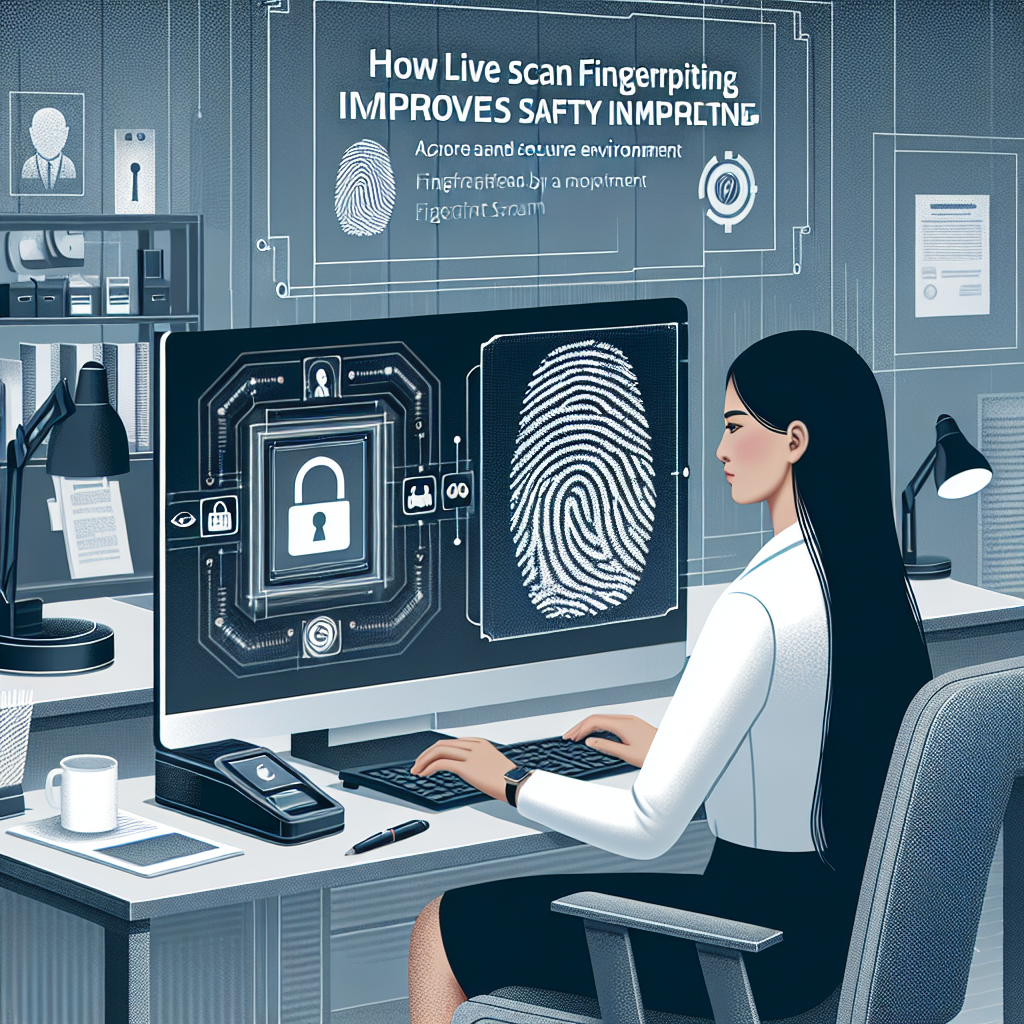
    Live Scan is a cool, modern way of fingerprinting. It captures fingerprints electronically for criminal background checks. Unlike the old ink-and-paper way, Live Scan sends your fingerprint images directly to a background check agency using digital tech. This makes it faster and more accurate. It helps employers make smart decisions when hiring.

    How Live Scan Works:

    • Fingerprints are captured digitally.
    • They are sent securely to the Department of Justice (DOJ) and the Federal Bureau of Investigation (FBI).
    • Results usually come back in just a few days.

    Employers have rules to follow when doing background checks to protect both them and you. The Fair Credit Reporting Act (FCRA) is a law that tells how checks, like Live Scan, should be done. It makes sure things are fair and private. Plus, some states might have their own rules. Employers need to tell you and get your okay before checking you out.

    Why Following Rules Matters:

    • Sticking to FCRA guidelines.
    • Knowing state laws.
    • Avoiding legal problems.

    3. What Employers Look for in Live Scan Background Checks

    When employers do a Live Scan check, here’s what they’re usually checking:

    Criminal History:

    This is the biggie! Employers look at records of any serious or minor crimes. They check any arrests or charges that could matter for the job.

    Identity Check:

    They want to make sure you are who you say you are, to stop people from pretending to be someone else.

    Work History:

    Employers check where you’ve worked before to see your job titles, tasks, and how long you stayed. This tells them if you’re reliable and have experience.

    Education Check:

    They verify your school records to make sure you have the right qualifications for the job.

    4. Other Things Employers Might Check

    Sometimes employers want more info, especially based on the job:

    Credit Checks:

    If the job deals with money, they might check your finances to see how you manage your money.

    Driving Records:

    For jobs that need driving, they make sure your driving record is clean.

    Drug Tests:

    In jobs where safety is crucial, they might test for drugs to ensure a safe workspace.

    5. Why Employers Use Live Scan Checks

    Employers use Live Scan checks to keep their workplace safe and secure. They build trust with clients by hiring only checked and qualified people. These checks are sometimes necessary, especially in places like healthcare and finance.

    6. What Job Seekers Should Know

    For you, the job seeker, knowing what happens in a Live Scan is important. You should know your rights, like challenging any wrong info that’s found. Being honest about your past, if asked, can help you face fewer problems when job hunting.

    7. Myths and Facts

    There are lots of myths about Live Scan, like fears about losing your privacy or the thought that your criminal record stays forever. Both employers and job seekers should know that Live Scan is all about being accurate and keeping your info safe.

    8. Conclusion

    To sum up, Live Scan background checks are really important in hiring. They give employers important info about candidates for making good decisions. By following legal rules and being honest, these checks make hiring fair for everyone.

    9. Call to Action

    We suggest that both employers and job seekers keep learning about the new ways background checks are done. If you have any questions, leave a comment or reach out. By talking and sharing, hiring can become better and clearer for everyone involved.

    Visit Us

    We invite you to visit Tags Clinic at 3845 University Ave, San Diego, CA or call us at 619-777-9046. We are always ready to assist you. For more information, visit our website Tags Clinic.


  • LiveScan Made Easy: Dr. DMV at Tags Clinic Shares Top Strategies

    LiveScan Made Easy: Dr. DMV at Tags Clinic Shares Top Strategies


    LiveScan Made Easy: Dr. DMV at Tags Clinic Shares Top Tips

    LiveScan Made Easy: Dr. DMV at Tags Clinic Shares Top Tips

    Introduction

    Today, we need fast and accurate background checks, and LiveScan technology helps us do that. It’s great for fingerprinting when you need it for jobs, licenses, or other important things. Dr. DMV, an expert at Tags Clinic, is here to share some super helpful tips to make LiveScan simple and quick.

    What is LiveScan?

    LiveScan is a cool technology that takes fingerprints electronically for background checks. It’s popular because it’s fast and accurate. Some people think LiveScan is confusing or takes too much time, but with some preparation, it’s really straightforward.

    Who is Dr. DMV?

    Dr. DMV may sound like a fun name, but it’s earned from lots of experience with LiveScan technology. At Tags Clinic, Dr. DMV helps make LiveScan processes easy and stress-free. With a focus on making things simple and efficient, Dr. DMV offers great advice on LiveScan.

    Top Tips for Easy and Effective LiveScan

    Get Ready

    Being prepared makes LiveScan much easier. Before going to Tags Clinic, make sure you know what documents you need and what checks you must do. Having everything ready means the process will be smooth and fast.

    Pick the Right Place

    Choosing the right LiveScan provider is important. Tags Clinic is good because they care for customers, use great technology, and have Dr. DMV. Think about how professional they are, their technology, and if they offer easy scheduling.

    Make the Process Easy

    Schedule your LiveScan to save time and avoid long waits. Tags Clinic’s appointment system is quick. During your visit, expect a fast process with friendly staff ready to help with any questions.

    Using Technology in LiveScan

    Tags Clinic uses the latest technology for LiveScan. They’ve got digital fingerprinting and online systems, making it more accurate and faster. This means customers get through the process quickly, and their data is safe and sound.

    Solving Common Problems

    Sometimes LiveScan can be tricky, like if fingerprints aren’t clear. Tags Clinic can fix these issues with free retakes. They focus on helping customers and quickly solving any problems you might have.

    Happy Customers

    Many people say great things about Tags Clinic. They love how easy and stress-free their LiveScan was. These stories show how Dr. DMV and the Tags Clinic team make the process efficient and professional.

    Conclusion

    LiveScan doesn’t have to be hard. With the right tips and help, like from Dr. DMV at Tags Clinic, it becomes easy and quick. Use their expertise and technology to make your next LiveScan appointment stress-free.

    Extra Information

    For more details, check out Tags Clinic’s website or call them at (619) 777-9046. Also, look at their FAQs for common questions and download a LiveScan appointment preparation checklist to be fully prepared.

    By using these tips and choosing Tags Clinic, you’ll see how easy LiveScan can be. Book your appointment today and experience the difference!

    Call to Action

    Experience the hassle-free and efficient LiveScan process for yourself. Visit Tags Clinic at 3845 University Ave, San Diego, CA or call 619-777-9046. To learn more, you can also visit the Tags Clinic website. Take the first step towards your most convenient LiveScan experience today!


  • DMV News Today: New Procedures for Virtual Driver License Renewal Explained

    DMV News Today: New Procedures for Virtual Driver License Renewal Explained

    “`html

    DMV News Today: New Steps for Online Driver’s License Renewal

    Introduction

    The Department of Motor Vehicles (DMV) has started a new way to renew your driver’s license online. This is a big change from how things used to be done in person. This update is part of the DMV’s mission to make things easier and more convenient for drivers. Knowing about these changes is important so you can renew your driver’s license without any problems. In this post, we will explain how the new online renewal works and why it’s handy.

    Background

    In the past, renewing your driver’s license meant going to the DMV office, which took a lot of time and was often a hassle. With COVID-19, it became clear we needed safer and faster ways, so the DMV, like many other places, came up with an online process to reduce in-person contact and make everything quicker.

    How the New Online Renewal Works

    Now, you can renew one of the most important parts of your driving credentials right from home. You complete the renewal online, so no need to visit the DMV office.

    Who Can Renew Online?

    To renew online, you need to meet certain requirements:

    • Your driver’s license shouldn’t be expired or suspended.
    • You should be under a certain age where you don’t have to go in for vision tests.
    • You shouldn’t need to change any personal details that need a visit to the DMV.

    Which Licenses Can Be Renewed Online?

    Most standard driver’s licenses can be renewed online. But if you have a special license, like a commercial one, you might still need to go in person.

    What You Need

    Before you start, make sure you have:

    • A good internet connection and a device, like a computer or phone.
    • Any personal documents you might need, in scans or clear pictures.
    • A credit or debit card to pay for the renewal.

    Steps to Renew Your License

    1. Go to the DMV Website or App: Find the part of the site for renewing licenses.
    2. Upload Your Documents: Send in any documents they ask for.
    3. Fill Out Forms: Complete any forms or tests online.
    4. Pay for the Renewal: Use your card to pay.
    5. Get Confirmation: You will get an email with details about your new license. You’ll often get a temporary one you can print until the new one comes in the mail.

    Benefits of Online Renewal

    Renewing online has many pluses:

    • Convenience: Do it anytime, anywhere, without messing up your schedule.
    • Save Time: No standing in long lines.
    • Efficiency: The DMV can handle renewals faster and with fewer problems.

    Possible Problems

    There could be some bumps in the road:

    • Tech Issues: Some people might find navigating the site tricky.
    • Data Safety: Keeping your info safe is super important.
    • Internet Access: Not everyone has good internet at home, so that could be tough.

    Tips for a Smooth Renewal

    Here’s how to make the renewal easy:

    • Have all your docs ready before you start.
    • Keep an eye on any new announcements from the DMV.
    • Contact DMV support if you hit any snags.

    Frequently Asked Questions (FAQs)

    • What if I have tech trouble during the renewal? Reach out to DMV support for help.
    • Are there extra fees for online renewal? Usually, the fees are the same, but there might be small online charges.
    • How do I know my new license is valid? You can check through DMV or ask local police if needed.

    Conclusion

    Going online for renewals is part of a move toward easier and better DMV services. Embrace this change to save time and hassle.

    Call to Action

    To get started with your online license renewal, visit the DMV website. Your feedback is important, so don’t hesitate to share your thoughts and experiences to help improve these digital services.

    Additional Resources

    Visit Tags Clinic Today!

    Keep your pet healthy and happy! Visit us at 3845 University Ave, San Diego, CA or call us at 619-777-9046. You can also check us out at our website. We look forward to seeing you!


    “`