Blog

  • How Inaccurate Information Causes DMV Delays and How to Avoid It

    How Inaccurate Information Causes DMV Delays and How to Avoid It


    How Wrong Information Causes DMV Delays and How to Avoid It

    Introduction

    Getting things right is super important when you’re dealing with the DMV, or Department of Motor Vehicles. If you mess up, it might cause a big headache and slow things down. Trying to figure out DMV stuff can be tough, but if you give them wrong info, even easy stuff can become a long wait. Let’s check out why people mess up, what happens when they do, and some easy ways to avoid it.

    Common Causes of Wrong Info

    Getting Personal Info Wrong

    One big problem is when people mess up their personal info:

    • Spelling Mistakes in Names: Even small typos can make records not match, slowing things down.
    • Wrong Addresses: A bad address might mean missing important mail or updates from the DMV.
    • Old Contact Details: Not updating your phone number or email means you might not hear about your application status.

    Documentation Mistakes

    Messing up documents can stop your DMV process:

    • Missing Papers: Turning in applications without the right papers means they’ll get sent back.
    • Expired IDs or Licenses: Expired documents can’t be used for ID or proof.
    • Wrong VIN or Plate Numbers: Mistakes in car details can make records not match, needing extra checks.

    Not Understanding DMV Rules

    Not understanding what the DMV wants can cause delays:

    • Getting Form Instructions Wrong: Not getting the instructions can cause mistakes.
    • State Rules Differences: Not knowing different state rules might mean getting the application wrong.

    What Happens When There’s a Delay Due to Wrong Info

    Longer Waiting Times

    Mistakes in info can really stretch out how long it takes to get things done:

    • Applications might get paused until you fix them.
    • Renewals, applications, and registrations could take longer than you think.

    Paying Extra Fees and Penalties

    Messing up can cost you extra money:

    • Fines for Delays: Late applications might mean more money in penalties.
    • Possibly Paying Late Fees: Missing deadlines because of delays can add extra costs.

    More Stress and Frustration

    Besides money and time, mistakes can make you feel upset:

    • Going back and forth to fix stuff can be really frustrating.

    How to Avoid Giving Wrong Info

    Double-Check All Info

    Take time to make sure everything is right:

    • Go over your personal details carefully before you send them in.
    • Make sure all documents match with what DMV has.

    Use DMV Online Resources

    Use the online help that the DMV offers:

    • Look for guidelines and checklists on the DMV website.
    • Contact DMV offices if you don’t understand something.

    Get Professional Help

    If things get too confusing, getting help from a pro can be super useful:

    • Services like Tags Clinic can guide you.
    • They know how to handle tricky DMV processes, so you’re less likely to make mistakes.

    Real-Life Tips for Easy DMV Visits

    Plan Ahead

    Getting ready can make things go much smoother:

    • Make a Checklist: Customize one for what you need to do at the DMV.
    • Gather Your Documents Early: Doing this avoids last-minute chaos and mistakes.

    Stay Updated on DMV Changes

    Being in the know can help avoid surprises:

    • Keep an eye out for new rules or changes.
    • Sign up for DMV newsletters or alerts to stay informed.

    Conclusion

    Making sure your information is correct is super important to avoid delays at the DMV. By double-checking your info, using online tools, and maybe getting professional help, you can save time, money, and avoid stress. Being prepared means a smoother experience.

    Call to Action

    Share your own DMV experiences and tips in the comments. For an easy experience, try reaching out to Tags Clinic for help with DMV things. Visit our website, call us at 619-777-9046, or book an appointment to start today at 3845 University Ave, San Diego, CA!

  • DMV Law Update: The Effects of Increased Penalties for Traffic Violations

    DMV Law Update: The Effects of Increased Penalties for Traffic Violations


    DMV Law Update: What Happens When Traffic Violations Get Bigger Penalties

    DMV Law Update: What Happens When Traffic Violations Get Bigger Penalties

    Traffic laws are always changing, and it’s important for drivers to know what’s new. Recently, DMV laws got stricter, with bigger penalties for certain traffic violations. This blog post will explain what these changes mean for drivers and how to handle them.

    Understanding Traffic Violations

    Traffic violations happen when drivers break the rules. This can include things like speeding, running red lights, or more serious stuff like driving drunk (called DUI). The penalties for these actions have always been different, with arguments about if they actually stop bad driving. The law tries to keep up with new technology and changes in society to make roads safe.

    What’s New in DMV Law

    The latest DMV law update has made penalties tougher for some traffic violations. Here are the main targets:

    • Speeding: Now, even driving a little over the speed limit can cost you a lot in fines.
    • DUI Offenses: If you keep driving under the influence, the punishments are much harsher, like losing your license for longer.
    • Using Mobile Devices While Driving: The fines and points on your driving record are higher.

    For example, if you’re caught texting while driving, you might pay twice the fine and get points on your license. This can make insurance more expensive.

    Why Make Penalties Tougher?

    These stricter penalties aim to make roads safer. Studies say that when fines are higher, people tend to drive safer, leading to fewer accidents. Places with these laws have seen traffic accidents drop by about 15%.

    These changes are meant to keep everyone safe by making sure people remember not to break the rules. Lawmakers hope these tougher penalties will make drivers more careful in the long run.

    How Drivers Are Affected Right Now

    For drivers, tougher penalties mean more than just paying more money. It also means being more alert and careful while driving. For instance, if someone speeds in a school zone, they might not only pay a big fine but also have to take driving lessons. These punishments encourage safer driving habits.

    What Could Happen in the Future

    Looking ahead, these changes should make roads safer, with fewer accidents. With stricter rules, drivers will likely be more careful, leading to better safety habits being built over time. Plus, these penalties might help the DMV work more efficiently by cutting down on repeat offenses, freeing up law enforcement to tackle more serious problems.

    What People Think

    People have mixed feelings about these updates. Some worry that higher fines are more about making money than safety. Others appreciate the focus on safer roads. Police and legal experts generally support the changes as they seem necessary for public safety. However, some groups worry about how these fines might affect people with less money.

    How to Adjust to the New Laws

    Here’s how drivers can adjust to these new laws:

    • Stay Updated: Check DMV or traffic police websites regularly for updates.
    • Focus on Safe Driving: Keep to speed limits, avoid distractions, and never drive after drinking.
    • Use Resources: Look into educational material and driving courses that teach safety.

    Wrapping It Up

    Learning about these new penalties is important for drivers who want to avoid big fines and keep the roads safe. The goal is to make a safer driving environment for everyone.

    Take Action

    We urge all drivers to learn about these new laws. Share your thoughts on these changes in the comments below. Knowing the rules and driving safely can greatly lessen the chance of breaking the law. For more info, check out official DMV resources or go to traffic education seminars.

    Helpful Resources

    Call to Action

    At Tags Clinic, our dedicated team is ready to help you navigate these changes. Visit us at 3845 University Ave, San Diego, CA or give us a call at 619-777-9046. We’re here to assist you. You can also visit our website by clicking here.

    Remember, we’re all in this together. With shared information and responsible behavior, we can make our roads safer for us all.


  • What to Expect at a Live Scan Facility: A First-Timer’s Guide

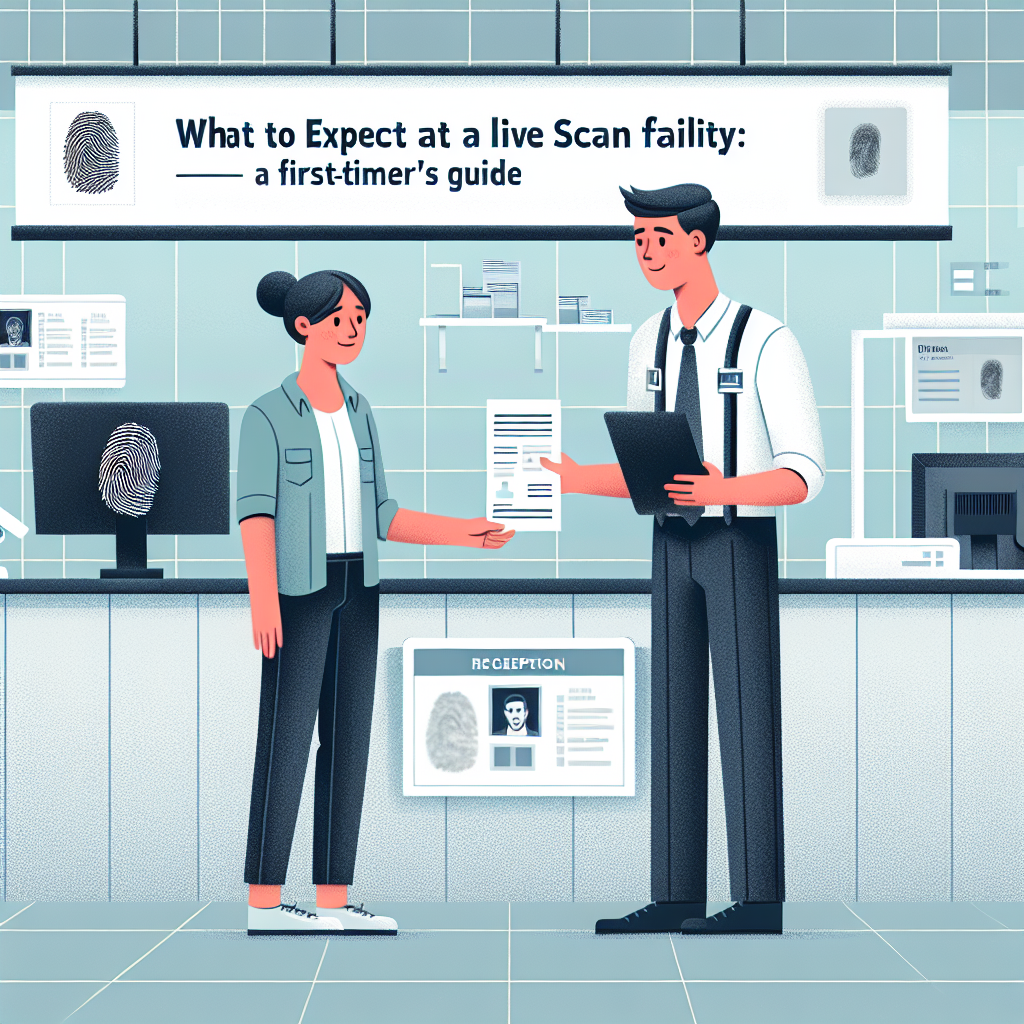
    What to Expect at a Live Scan Facility: A First-Timer’s Guide

    What to Expect at a Live Scan Place: A First-Timer’s Guide

    Introduction

    Welcome to the world of Live Scan! It’s a modern and easy way to get your fingerprints taken on a computer instead of using ink and a card. You might need a Live Scan if you’re starting a new job, getting a special certification, or dealing with immigration papers. In this guide, we’ll help you understand what a Live Scan is and how to get ready for your visit.

    What is a Live Scan?

    A Live Scan is a cool way of taking fingerprints using a computer. It’s better than using ink because it’s faster and more accurate. Since no ink is used, there’s no mess or mistakes like smudging. People usually get a Live Scan for job background checks, certifications, or immigration purposes.

    Getting Ready for Your Visit

    Before you go to the Live Scan place, you need to be ready. Here’s what you’ll need:

    Identification Needed

    Bring a valid ID from the government like a driver’s license, passport, or state ID. Make sure it’s not expired and is current.

    Required Forms and Information

    Depending on why you need a Live Scan, you might have to fill out some forms. Usually, you’ll need an application form or a request form from the agency asking for your Live Scan.

    Appointments vs. Walk-ins

    Even though some places allow walk-ins, it’s a good idea to make an appointment so you don’t have to wait long. Check if the place allows walk-ins or if an appointment is needed.

    What to Expect During Your Appointment

    On the day of your appointment, here’s what will happen:

    Check-in Process

    When you arrive, you’ll check in at the front desk. This might mean confirming your appointment or waiting your turn if you are a walk-in.

    Explanation of the Live Scan Process

    The staff will tell you what will happen. You’ll give them your forms and ID so they can check them before they start.

    Duration of the Appointment

    A Live Scan appointment usually takes about 10 to 15 minutes, depending on how busy the place is and if you’re ready.

    What Data is Being Collected and Why

    They will take your fingerprints and some personal information. This is used to check your identity for things like getting a job, certification, or meeting legal rules.

    The Live Scan Process Step-by-Step

    1. Registering Your Information: You’ll start by giving them your paperwork and ID to check.
    2. Verification of Your Identity: They will make sure your ID matches the paperwork you gave them.
    3. Fingerprinting: Your fingers will be scanned using a special machine. It’s quick and doesn’t need any ink.
    4. Importance of Clean, Dry Hands: Make sure your hands are clean and dry so they can get clear fingerprints.

    After the Live Scan

    Once you’re done with your appointment:

    What Happens with Your Fingerprints and Information

    Your information is sent safely to the right government or agency for them to look at.

    Expected Timelines for Results

    It can take a few days to several weeks to get your results, depending on what is needed.

    Checking the Status

    You can usually check on your Live Scan status with the agency that asked for it.

    Frequently Asked Questions

    • What Happens if My Fingerprints are Rejected? If your fingerprints aren’t clear, you might have to do them again for free.
    • How Secure is My Personal Information? Live Scan places follow strict rules to keep your information safe.
    • Can I Get a Copy of My Live Scan Results? Typically, the results go to the agency, not you.
    • How Much Does a Live Scan Cost? The cost can be between $20 to $80, depending on where you go and why you need it.

    Tips for a Smooth Experience

    • Best Times for Appointments: Mid-morning or early afternoon on weekdays is usually less crowded.
    • Tips for Good Fingerprints: Make sure your hands are clean, don’t use lotion, and are not tired.

    Conclusion

    Being ready is key to having a smooth Live Scan experience. Double-check you have everything you need and all your paperwork is ready. The process is designed to be quick and easy, giving accurate results for background checks.

    Additional Resources

    Let this guide help you feel confident during your first Live Scan appointment!

    Call to Action

    If you’re ready for your first Live Scan visit, step in to Tags Clinic at 3845 University Ave, San Diego, CA or give us a call at 619-777-9046. We offer high-quality Live Scan services and a helpful, welcoming environment. For more insights, visit our website at Tags Clinic. We’re eager to make your Live Scan experience as smooth and simple as possible!


  • Avoid Common DMV Errors: Insider Advice from Dr. DMV at Tags Clinic

    Avoid Common DMV Errors: Insider Advice from Dr. DMV at Tags Clinic


    Avoid Common DMV Mistakes: Handy Tips from Dr. DMV at Tags Clinic

    Avoid Common DMV Mistakes: Handy Tips from Dr. DMV at Tags Clinic

    Introduction

    Introduction: Going to the DMV can be stressful! It’s not just the long lines people worry about, but also the mistakes that can make things tricky. These mistakes happen more than you think and can cause big problems if you’re not careful.

    About Dr. DMV: Meet Dr. DMV at Tags Clinic! Dr. DMV is an expert at understanding how the DMV works. Dr. DMV and the team at Tags Clinic have been helping people do their DMV activities the right way and avoid common errors.

    Purpose: The goal of this blog is to give you helpful tips to stop these common DMV mistakes, so your visit goes smoothly without any trouble.

    Understanding Common DMV Mistakes

    Not Knowing What Papers to Bring

    Having the right papers is super important for any DMV trip. People often think they have everything and then find out they’re missing something key.

    • Why You Need the Right Papers: Different services need different documents. If you come unprepared, you’ll waste time and might have to come again.
    • Documents People Forget: Often forgotten papers include proof of car insurance, car titles, and smog certificates.

    Filling Out Forms Incorrectly

    Even small mistakes on forms can slow everything down.

    • Common Form Mistakes: These include typos, wrong addresses, or leaving out important information.
    • Tips to Get It Right: Always double-check your forms. Use the DMV website or ask for help to make sure everything is correct.

    Getting Wait Times Wrong

    Planning your time smartly is key to avoiding long waits and stress.

    • Why Time Management is Important: If you don’t plan your time properly, you might rush in the end, and that can cause mistakes.
    • Tips for Visiting the DMV: Check when it’s most busy and try to go when it’s quieter. Make an appointment if you can for quicker service.

    Getting Ready for a Successful DMV Trip

    Checklist of Important Papers

    Being ready with the right papers is a big part of the job. Here’s a checklist to help:

    • ID Requirements: Bring a driver’s license or passport.
    • Proof of Where You Live: Utility bills or lease agreements usually work as proof.

    Helpful Tips for Filling Forms

    Avoid common mistakes with these tips:

    • Guide for Filling Forms: Follow instructions carefully and take your time.
    • Resources for Double-Checking Forms: Use online tools or get help from places like Tags Clinic to check your forms.

    Plans to Cut Wait Times

    Efficiency is key—here’s how to plan your visit:

    • Best Days to Go to the DMV: Try visiting midweek when it’s usually less crowded.
    • How to Make Appointments: Many DMVs let you schedule online; just make sure you have all necessary documents when you go.

    Common DMV Services and Challenges

    Car Registration

    Many people need this service but can make mistakes:

    • Frequent Errors and Fixes in Registration: Mistakes like incorrect VIN numbers or forgetting deadlines can be problematic.
    • Renewing or Replacing Registration Tips: Plan early renewals and keep a list so you don’t miss steps.

    Driver’s License Services

    Getting, renewing, or replacing a driver’s license involves a lot.

    • Steps for New Licenses, Renewals, and Replacements: Know what documents and tests are required for each process.
    • Avoid Mistakes on Tests: Study guides and practice tests help you succeed.

    Title Transfers

    When selling a car, transferring the title is key:

    • Steps for Transferring Ownership: Fill out all sections, including information for buyer and seller.
    • Mistakes to Avoid: Complete and submit paperwork right away to finish the transfer process.

    Using Resources for a Smooth Experience

    Online Tools and Resources

    Technology makes many DMV tasks easier:

    • Using Online Services: These can help you avoid going in person.
    • Benefits of Digital Resources: DMV websites often offer downloadable forms and instructions.

    Help from Tags Clinic

    Need expert help? Tags Clinic has services to aid you:

    • Tags Clinic Services Overview: From preparing documents to helping with title transfers, Tags Clinic makes DMV tasks easier.
    • How Tags Clinic Helps: Let the experts handle it, so you focus on what matters.

    Conclusion

    Recap: By understanding common mistakes and using the right tools and help, you can make DMV visits stress-free. With Dr. DMV’s advice, you can avoid errors with forms and cut down waiting time.

    Next Steps: Don’t tackle the DMV alone. Plan smartly and think about using Tags Clinic’s services for an easy experience.

    Closing Thoughts: Being ready and getting professional help can stop common DMV mistakes. Use expert tips for your next DMV trip.

    Extra Resources

    Call to Action

    Feel confident and prepared for your next DMV visit with the help of Tags Clinic. We’re conveniently located at 3845 University Ave, San Diego, CA and ready to assist you! Give us a call at 619-777-9046 to experience our services firsthand.
    Visit our website to learn more about the variety of services we offer. Let us be your navigational guide through the twists and turns of the DMV process!


  • How to Optimize Your Website to Attract Out-of-State Clients for CA Registrations

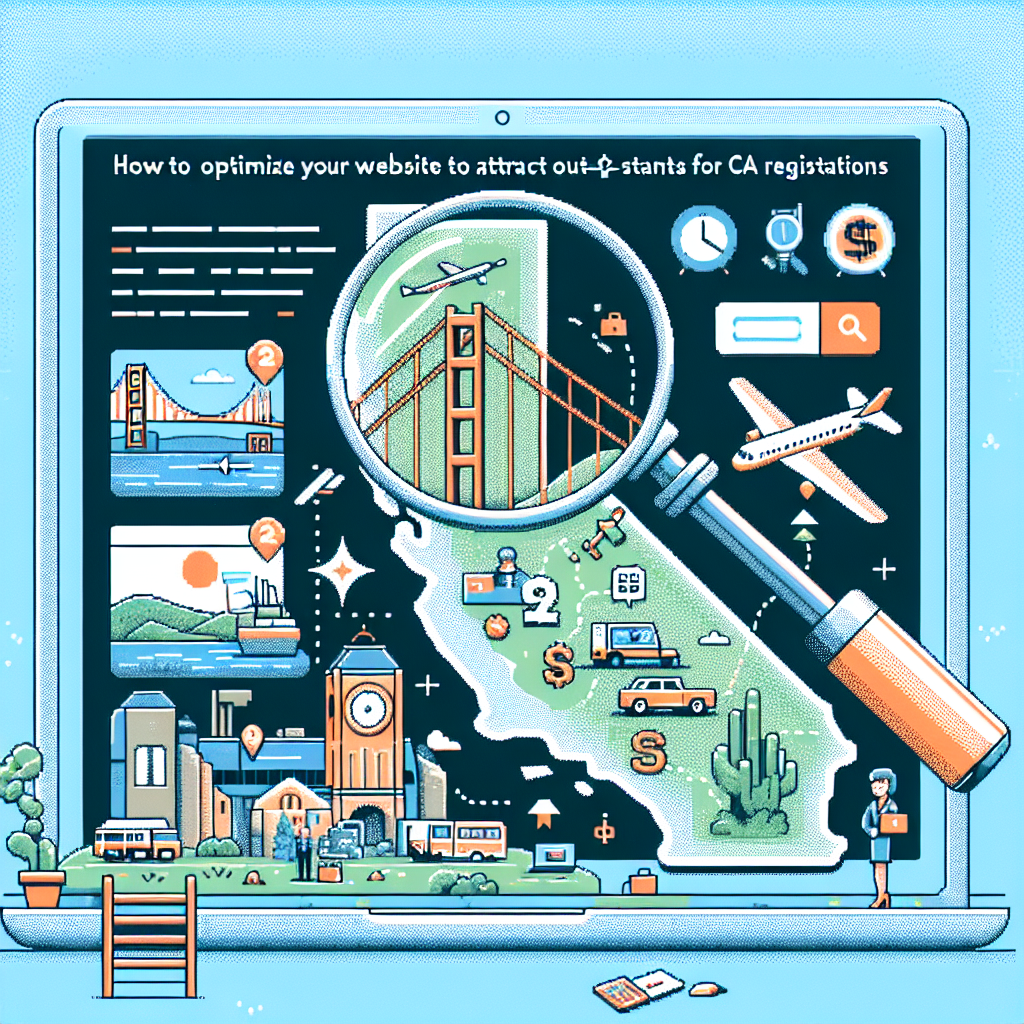
    How to Optimize Your Website to Attract Out-of-State Clients for CA Registrations


    How to Make Your Website Better for Out-of-State Clients Wanting CA Registrations

    How to Make Your Website Better for Out-of-State Clients Wanting CA Registrations

    Introduction

    If your business wants more out-of-state clients for California registrations, having a great website is really important. It can help bring in people looking for services just for California. In this blog post, we will go over some ways to make your website better at getting the attention of out-of-state clients who need California registrations.

    Know Your Audience

    To bring in clients from different states, you need to know who they are and why they’re interested in registering in California. Think about businesses that want to start in California, people moving here, or franchise owners expanding. Make your website helpful for them by answering questions on California laws, business chances, or migration steps.

    Website Design and User Experience

    Your website should be easy and fun to use to keep visitors from other states interested:

    • Easy Layout: Make sure it’s simple to find things on your site, with clear sections and well-organized info.
    • Mobile-Friendly: Many people will look at your site on their phones, so ensure it’s easy to use on a mobile device.
    • Cool Design Features: Show client reviews and success stories so visitors trust your knowledge.

    SEO Strategies to Reach Out-of-State Clients

    Search Engine Optimization (SEO) can help your site reach more people:

    • Broader SEO Tactics: Use words that lots of people understand, like “California LLC registration for out-of-state businesses.”
    • Local SEO Touch: Use phrases that make sense to people everywhere, not just locally.
    • Good Keywords: Use specific words such as “California registration for non-residents” to get the right visitors.

    Call to Action

    Try our service and see our expertise yourself. Reach out for personal advice or learn more about how we can help with California registration needs. Visit us at Tags Clinic located at 3845 University Ave, San Diego, CA or call us at 619-777-9046 for further assistance. You can also visit our homepage at tagsclinic.com for more information.

    Additional Resources


  • How New DMV Legislation Is Shaping the Future of Commercial Driver Licensing

    How New DMV Legislation Is Shaping the Future of Commercial Driver Licensing


    How New DMV Rules Are Changing the Future of Commercial Driver Licensing

    How New DMV Rules Are Changing the Future of Commercial Driver Licensing

    Introduction

    Commercial driver licensing (CDL) is very important for our transportation industry because it helps move goods and people across the country. The rules about CDL make sure drivers are safe, competent, and efficient. Recently, the Department of Motor Vehicles (DMV) introduced new rules that could change how commercial driver licensing works. These changes might affect the whole transportation industry. In this blog post, we will talk about these new rules and how they are shaping the future of commercial driving.

    Background

    To understand these changes, we need to know what CDL is. A Commercial Driver’s License is needed to drive big trucks or buses and vehicles carrying dangerous materials. These rules keep safety standards high and drivers accountable.

    Before, regulations focused mainly on testing skills. But with an aging workforce, fewer drivers, and safety concerns, it was clear the rules needed updating.

    Key Changes in DMV Rules

    Here are some important changes to the CDL process:

    1. Testing and Training Requirements: The new rules make testing harder and require more training, so drivers learn the skills they need.
    2. Eligibility Criteria and Application Processes: These changes aim to attract more people to commercial driving while ensuring they are qualified.
    3. Introduction of New Technologies: The DMV is using technology to make the application process faster and more accurate.

    Impacts on the Transportation Industry

    These changes could affect the industry in several ways:

    • Current and Future CDL Holders: With more training needed, some people might hesitate to apply, but it will lead to more skilled drivers.
    • Trucking Companies and Logistics Businesses: Companies may need time to adjust their training, but this will lead to better efficiency and safety in the long run.
    • Freight Costs, Delivery Times, and Logistics Efficiency: Better driver skills mean fewer accidents, lower costs, and better delivery schedules.

    Pros and Cons of the Rules

    These new rules have benefits but also challenges:

    Pros:

    • Enhanced Safety: More training and tougher tests make roads safer.
    • Improved Efficiency: Technology makes the licensing process faster and easier.
    • Long-term Industry Improvement: A skilled workforce raises industry standards.

    Cons:

    • Increased Costs: More training can be expensive, especially for new drivers and small companies.
    • Implementation Challenges: Switching to new technology might cause temporary problems.
    • Resistance to Change: Some people might not want to change how they do things.

    Industry Response and Adaptation

    Trucking companies are finding ways to deal with the new rules:

    • Innovations and Training Programs: Many are creating new training programs to stay compliant and improve drivers’ skills.
    • Driver Resources: Companies help drivers with resources to meet new requirements and succeed.

    Future Outlook

    As these changes take effect, we expect some things to happen in the next decade:

    • CDL Landscape Transformation: The licensing process might use more technology, making it better.
    • Emerging Trends: New technology in vehicles and digital licensing might need more rules.
    • Areas for Refinement: Watching how effective the rules are can help make more improvements.

    Conclusion

    The new DMV rules are a big step toward making the commercial driving industry better and more efficient. While there are challenges, the benefits of safer roads and skilled drivers are very important.

    Call to Action

    It’s important for drivers and companies to stay updated on CDL rules and seek training and resources to meet the new standards. It’s also a good idea to engage with policymakers to keep the conversation going.

    What better place to start than at Tags Clinic? Located at 3845 University Ave, San Diego, CA, or a phone call away at 619-777-9046. Let’s navigate the road to becoming better commercial drivers together. Visit us online at tagsclinic.com.

    Location on Map

    Additional Resources

    For more information, visit official DMV websites and connect with industry groups. Check out studies and reports on CDL and transportation safety for more insights.

    By understanding these changes, drivers and companies can confidently navigate the future of commercial driver licensing.


  • A Step‑by‑Step Timeline for Transferring Your Car to California

    A Step‑by‑Step Timeline for Transferring Your Car to California


    A Step-by-Step Timeline for Moving Your Car to California

    A Step-by-Step Timeline for Moving Your Car to California

    Introduction

    Moving your car to California is a big step that needs some planning. The state has special rules for cars, especially about emissions, that can make things tricky for newcomers. In this guide, we’ll show you step-by-step how to get your car registered in California. Follow these steps to avoid any fines, common mistakes, and save time and effort.

    Section 1: Getting Ready Before You Move

    Learn California’s Car Laws

    Before you drive to California, it’s important to learn about the state’s car laws. Knowing about their strict emissions and smog rules can help you avoid problems later. California has the toughest air quality rules in the country, so make sure your car meets them.

    Collect Important Papers

    To make your car registration easy, you’ll need some important papers. Here’s a list to help you:

    • Original vehicle title
    • Current registration card
    • Proof of insurance
    • Photo ID (like a driver’s license)
    • Smog Check certification (if needed)

    Keep all your papers organized so you don’t have to search for them later.

    Section 2: First Steps When You Get to California

    Get a Smog Check

    One of the first things to do when you arrive is to pass the state’s Smog Check. Look for an authorized Smog Check station online or ask locals. This test is necessary to make sure your car meets California’s air quality rules.

    Get Your Car Inspected

    It’s also a good idea to have your car inspected for safety at a certified place. These inspections check if your car is safe to drive in California. Find a nearby, approved inspection center as soon as you arrive.

    Section 3: How to Register Your Car

    Visit the California DMV

    Your next stop is the California Department of Motor Vehicles (DMV). Make an appointment online to save time. When you get there, you’ll explain your situation, give them your papers, and fill out some forms.

    Fill Out the Registration Form

    You’ll need to fill out Form REG 343 to register your car. Make sure you follow the instructions and fill in all the parts correctly. Double-check everything to avoid mistakes.

    Pay the Fees

    There are different fees for registering your car in California, which can depend on your car’s age, type, and other things. It’s smart to know these costs ahead of time so you can plan your budget.

    Section 4: Finishing the Transfer

    Get Your California Plates and Registration

    Once everything goes through, you’ll get your new California plates and registration. This usually takes a few weeks. Make sure you know how to put on the plates correctly.

    Update Your Insurance

    Last, make sure your car insurance meets California’s rules. You might need to look for a new insurance policy that gives you the right coverage. Many companies offer good rates, so compare different policies.

    Section 5: Extra Tips for a Smooth Move

    Changing Your Driver’s License

    As someone new to California, you’ll need to change your out-of-state driver’s license. Make visiting the DMV again a priority to do this within the time limit.

    Learn California’s Traffic Laws

    Getting to know California’s traffic laws is important for everyone new to the state. Some laws might be different from what you knew before—stay informed to avoid breaking any rules.

    Conclusion

    Moving your car to California takes some work, but by following this timeline, it will be easier. Start early to avoid problems or legal issues. If you’re unsure or need help, don’t hesitate to ask for professional help.

    Call to Action

    Need more help with DMV things without the headaches? Contact Tags Clinic at 3845 University Ave, San Diego, CA or call 619-777-9046. Our team is ready to help you through the whole process easily. Subscribe for more tips and the latest info on California DMV services.

    Resources


  • The Role of the California Bureau of Automotive Repair in Smog Checks

    The Role of the California Bureau of Automotive Repair in Smog Checks

    “`html

    The Role of the California Bureau of Automotive Repair in Smog Checks

    Introduction

    Smog checks are super important for keeping the air clean, especially in California. Cars and trucks can cause a lot of pollution. To make sure smog checks are done right, the California Bureau of Automotive Repair (BAR) takes care of the whole process. Let’s learn about the important job BAR does to protect our environment.

    What Are Smog Checks?

    Smog checks are tests to see how much pollution cars put into the air. They help find cars that are polluting too much so they can be fixed. California has been doing smog checks for a long time. Over the years, these tests have helped make the air cleaner and healthier for everyone.

    What Is the California Bureau of Automotive Repair (BAR)?

    BAR is a group that helps protect people in California when they get their cars fixed. They also make sure smog checks are done right. BAR makes sure that more than 30,000 car shops and workers do a good job. This keeps everything fair and honest in the car repair world.

    How BAR Helps with Smog Checks

    Certification and Licensing

    All smog check stations and workers need to be approved by BAR. This means they have to pass tests and use the right tools. This way, only skilled people can do smog checks and make sure cars are not putting too much pollution into the air.

    Standards and Regulations

    BAR decides what the rules for smog checks are. They set the limits for how much pollution a car can make. BAR is always learning new things to keep these rules up-to-date, so they can help protect the environment even better.

    Monitoring and Enforcement

    BAR regularly checks smog stations to make sure they are following the rules. If a station breaks the rules, BAR can give penalties or take other actions. This makes sure that people doing smog checks are honest and reliable.

    How a Smog Check Works

    1. Inspection: They check your car’s emission system.
    2. Testing: Special machines measure how much pollution your car makes.
    3. Results: If you pass, you get a certificate. If you fail, they tell you what to fix.

    There are different kinds of smog checks, like Test Only and STAR certified stations. What kind you need might depend on your car or registration needs.

    Helping Consumers

    BAR makes sure smog checks are clear and fair. If there are any problems, BAR can help solve them and protect your rights as a consumer.

    New Ideas and Future Plans

    New technologies have made smog checks better. BAR likes to use these new ideas to keep making smog checks fast and good for the environment. In the future, BAR wants to keep reducing car emissions and improving air quality.

    Conclusion

    The California Bureau of Automotive Repair is super important for making smog checks work well. By getting regular smog checks and understanding why they matter, car owners can help take care of the environment.

    What You Can Do

    Next time you need a smog check, be sure to go to a BAR-certified station. This way, you can be sure you’re getting a quality service. Check out BAR’s website for more info on keeping your car eco-friendly.

    Extra Information

    For more details, visit the California Bureau of Automotive Repair website. If you have questions or need help, you can contact BAR’s consumer support services. They’re ready to help!

    Call to Action

    We understand that getting your car checked might seem like a chore, but we at Tags Clinic make the process as smooth as possible. Our experts not only ensure your vehicle meets emission regulations but also give you peace of mind. Pay us a visit at 3845 University Ave, San Diego, CA or give us a ring at 619-777-9046. We are always eager to serve you! For more information, do visit our website tagsclinic.com.

    “`

  • DMV Roadblocks: How to Avoid Common Registration Hurdles

    DMV Roadblocks: How to Avoid Common Registration Hurdles


    DMV Roadblocks: How to Avoid Common Registration Hurdles

    DMV Roadblocks: How to Avoid Common Registration Hurdles

    Introduction

    Getting your car registered is an important step so you can legally drive on the roads. But for a lot of people, going to the DMV feels like entering a complicated maze filled with surprises. Whether it’s waiting in long lines, filling out lots of forms, or forgetting important papers, dealing with the DMV can be frustrating for everyone. But don’t worry! This blog post is here to help you find your way, avoid common problems, and make the registration process smooth and easy for you.

    Understanding the Basics of Vehicle Registration

    What Vehicle Registration Means

    Vehicle registration is something you need to do by law. It makes sure your car is recognized by the state, and it shows that you, as the car owner, are responsible for it. To register, you have to go to the DMV, where you’ll get a registration card and license plates.

    Why Vehicle Registration Is Important

    Registering your car is essential for several reasons. It helps with legal matters and makes it easier to identify your car during accidents or if it gets stolen. It proves you own the car and are responsible for it. Without registration, you can’t legally drive on public roads.

    Initial Registration vs. Renewal

    When you first register your car, you need more documents and there are more steps to follow. Renewing your registration is usually faster and easier, but both are important, even though they have different steps and requirements.

    Common DMV Registration Hurdles

    1. Missing Documents

    It is so annoying to wait in line and then realize you are missing an important piece of paperwork. Essential documents you typically need include:

    • Proof of ownership (like the title or bill of sale)
    • Identification
    • Proof of insurance
    • Emissions inspection certificate if needed

    Tips

    • Make a checklist of all the documents you need.
    • Organize your paperwork in a folder.
    • Double-check everything before you go to the DMV.

    2. Incorrect Information

    Mistakes in your registration forms can cause delays and even fines. Common mistakes include:

    • Misspelled names
    • Incorrect vehicle identification numbers (VIN)
    • Wrong addresses

    Tips

    • Review your forms several times.
    • Have someone else check them for you if you can.
    • Use online tools to verify your information if available.

    3. Failed Emissions/Safety Inspections

    Emissions and safety checks make sure your car is safe and good for the environment. If you don’t pass these tests, your registration can’t go ahead.

    Tips

    • Regularly service your car to avoid problems.
    • Learn about common issues that might cause you to fail.
    • Ask your mechanic for a pre-inspection check.

    Insider Tips for Making the DMV Experience Easier

    1. Online Options

    A lot of places let you do registration tasks online, which can save you time and effort.

    Benefits

    • Skip long lines.
    • Do things when it’s convenient for you.
    • Access online help and resources.

    2. Early Bird Gets the Worm

    Going at the right time can cut down your wait at the DMV.

    Tips

    • Go mid-week and mid-morning.
    • Use appointment systems if your DMV offers them.
    • Check the DMV’s schedule so you know when they are open.

    3. Know Your Fees

    Knowing what fees to expect can save you from surprises.

    Tips

    • Look up the DMV fee schedule before you go.
    • Be ready for extra fees like taxes or late penalties.
    • Bring some extra money just in case.

    Navigating Unique Situations

    1. Registering a New Vehicle

    If you just bought a new car, especially from a dealer, make sure you have all the sales and finance paperwork ready.

    2. Out-of-State Transfers

    If you’re moving to a new state, find out what their specific requirements are, like different fees or extra inspections you might need.

    3. Lost or Stolen Registration

    If you lose your registration, most DMVs can replace it. Keep a digital or photocopy of your documents to make this process quicker.

    Using Technology to Help with DMV Tasks

    Take advantage of technology to make DMV tasks easier. Many DMVs offer:

    • Mobile apps for reminders and tracking your registration.
    • Online calculators for figuring out fees.
    • Email alerts for when it’s time to renew.

    Conclusion

    With the right tips and a plan, dealing with DMV registration doesn’t have to be scary. By knowing what to expect, preparing ahead, and using tools available, you can make vehicle registration a lot less stressful.

    Call to Action

    Do you have your own DMV stories or tips? Share them with us in the comments! If you want more DMV tips and updates, subscribe to our blog. Remember, at Tags Clinic, we want to make your DMV experience as easy as possible! Don’t hesitate to visit us at 3845 University Ave, San Diego, CA or call us at 619-777-9046.


  • DMV News: A Look at the Latest Changes to Driver Testing Requirements

    DMV News: A Look at the Latest Changes to Driver Testing Requirements


    DMV News: A Look at the Latest Changes to Driver Testing Requirements

    DMV News: A Look at the Latest Changes to Driver Testing Requirements

    Introduction

    The Department of Motor Vehicles (DMV) helps keep our roads safe by setting rules and testing drivers. As technology and road accidents change, it’s important for driver testing requirements to stay up-to-date. This blog post will help you understand these changes, making it easier for new drivers to get their driver’s license.

    Background on Driver Testing Requirements

    Before we talk about the latest updates, let’s go over the usual steps you may already know about:

    • Written Knowledge Test: This test checks if you know road signs, laws, and safe driving habits.
    • Behind-the-Wheel Driving Test: This part makes sure you can drive a car safely.
    • Vision Test: This test confirms that you can see well enough to drive.

    Recent Changes to Testing Requirements

    The DMV has made some big changes to these tests to make sure future drivers are ready for the road.

    Written Knowledge Test Changes

    The written test now includes new topics like electric cars and advanced driving systems. The questions are also harder to better test what you know. To help you study, the DMV has new study guides and practice tests online.

    Behind-the-Wheel Test Adjustments

    The driving test has new routes that cover a variety of driving conditions. They have also added new ways to test how drivers handle modern cars. Some DMVs are using simulated tests, which can be another way to take the driving test but still check your skills
    thoroughly.

    Vision and Physical Requirements

    To keep everyone safe, the vision test now includes checks for color blindness and side vision. Some states are trying out physical tests for older drivers that check balance and coordination.

    Reasons Behind the Changes

    These updates happened for a few reasons:

    • Better Road Safety: The new tests include questions about advanced car technology and different driving conditions.
    • New Technologies: The tests now have questions about self-driving cars and eco-friendly vehicles.
    • Data and Trends: The changes respond to studies pointing out driver behavior and accident risks.

    How These Changes Impact Applicants

    If you’re getting ready for a test, here’s how these changes affect you:

    • Harder Questions: You’ll need to study more to understand the tougher questions, using new study materials.
    • Adapted Tests: Practice using simulators or on new test routes.
    • Vision/Physical Checks: Make sure you’re ready by passing the vision and physical exams, possibly seeking additional tests beforehand.

    Expert Insights

    DMV officials and driving instructors think these changes will make driver education better and help drivers learn the skills they need for today’s roads. They believe it will improve road safety.

    Resources for Drivers

    Here are some helpful resources for getting ready:

    • Study Guides & Practice Tests: DMV Study Guide | Online Practice Tests
    • Simulation Training: Try apps with virtual driving practice.
    • DMV Information Pages: Check your local DMV website for updates and preparation tips.

    Conclusion

    In short, the DMV’s changes to driver testing aim to make roads safer and adjust to new car technologies. Staying informed and prepared will help any new driver getting their license. Feel free to share your thoughts or questions in the comments.

    Call to Action

    Are you set to take on the new DMV testing requirements? Schedule your test and start studying now. Sign up for our newsletters to stay updated, or visit Tags Clinic to get ready for your driving test. Let us help you drive with confidence!

    Visit us now at 3845 University Ave, San Diego, CA or call us at 619-777-9046!