Blog

  • Top Tools and Software for Out-of-State Dealers Handling CA Registrations

    Top Tools and Software for Out-of-State Dealers Handling CA Registrations


    Top Tools and Software for Out-of-State Dealers Handling CA Registrations

    Introduction

    Dealing with California vehicle registrations can be confusing for out-of-state car dealers. California has a ton of DMV rules, so keeping up with the paperwork can feel like trying to finish a puzzle with pieces that don’t fit. That’s why using the right tools and software is super important to make the registration process easier. In this blog, we’ll look at the best tools and software that can help out-of-state dealers handle California vehicle registrations as smoothly as a drive down the Pacific Coast Highway.

    Understanding California Registration Requirements

    California has its own set of rules for vehicle registration, and there are a lot of them—like grains of sand on the beach! Out-of-state car dealers need to know these rules to avoid slowdowns. Every car sold needs a bunch of paperwork, special compliance forms, and sometimes extra things like smog checks and VIN inspections. For folks not used to California’s standards, this can be tough. Learning about these requirements helps make sure everything goes well with the CA DMV.

    Essential Tools for Managing CA Registrations

    1. Registration Management Software

    • AutoRaptor: This software helps dealers manage customer info and handle registrations easily, like having a helper who never takes a break.
    • Dealertrack: Many dealers like Dealertrack because it connects smoothly with DMV systems, letting you process registrations as easily as making a grocery list.
    • Vitu: Vitu handles electronic vehicle registration (eVR), helping dealers do registration tasks online, turning a paper pile into a simple digital task.

    2. Document Management Systems

    • DocuSign: With DocuSign, signing paperwork is easy-peasy. Getting digital signatures on registration documents is as fast as a skater cruising down the boardwalk.
    • Adobe Acrobat: Adobe Acrobat is great for creating, editing, and sharing PDF documents securely. It’s like a Swiss Army knife for keeping things in order.

    3. Communication and Customer Relationship Tools

    • Zoho CRM: Keeping track of customer interactions and ensuring good communication is important. Zoho CRM acts like a digital address book, showing dealers where each registration stands.
    • Slack: Timely communication within the team is very important, just like the DMV paperwork. Slack lets team members talk about registration steps in real time and maybe even share some funny GIFs to keep things light.

    1. LegalCompliancePro

    Understanding registration laws can be like solving a treasure map without knowing where to start. LegalCompliancePro helps dealers stay up-to-date with changing registration laws. It’s like having a guide that gives alerts on important legal changes for California.

    2. QuickBooks or Xero

    Keeping track of registration fees and expenses is important for financial accuracy. QuickBooks and Xero help manage finances and can work well with other dealership systems, making them super useful tools.

    Real-Time Assistance and Support Tools

    1. DMVDesk Support

    If you’re unsure, DMVDesk support is like having a DMV expert ready to help. They offer real-time support and help guide you through registration procedures.

    2. Online Chat Support Systems

    Systems like Intercom let support teams help customers right away during the registration process. This quick support helps solve unexpected problems fast.

    Tips for Choosing the Right Tools and Software

    Here are a few things to think about when picking tools and software:

    • Ease of Use: Can your team use it without calling tech support all the time?
    • Compatibility: Does it work well with your current systems?
    • Cost: Does it offer good value, or is it expensive?
    • Scalability: Will it grow well with your dealership as you face new challenges?

    Remember, a vendor with good customer service and support can make a big difference, like having a reliable mechanic.

    Conclusion

    To sum it up, investing in the right tools and software is key for managing California registrations well. These tools cut down the hassles of DMV processes and help improve customer experience, which is always a win. So, try out these tools—many offer trial versions—and find the best fit for your dealership needs.

    Additional Resources

    For more info about handling CA registrations, check out the California DMV’s official website for official details and resources. Also, Tags Clinic offers partnerships to help out-of-state dealers make this process easier. Be sure to explore these options for your dealership!

    If you’re an out-of-state dealer looking to simplify vehicle registrations in California, visit Tags Clinic, give us a call, or book an appointment online. We’re here to help make your registration journey a smooth ride!

    Call to Action

    Looking to simplify your vehicle registrations in California? Consider visiting us at Tags Clinic located at 3845 University Ave, San Diego, CA. We’re committed to making your registration process smooth and hassle-free. Feel free to call us at 619-777-9046. For more information, you can also visit our official site here. We look forward to assisting you with the necessary guidance and support!


  • How to Correct Common Errors on Your Live Scan Form

    How to Correct Common Errors on Your Live Scan Form


    How to Fix Common Mistakes on Your Live Scan Form

    How to Fix Common Mistakes on Your Live Scan Form

    Introduction

    Filling out a Live Scan form correctly is super important for anyone needing a background check in California. These forms are used for jobs, getting licenses, and doing volunteer work. Mistakes on these forms can make things slow or even stop you from doing what you want. This guide will show you the usual mistakes on Live Scan forms and how to fix them.

    What Is a Live Scan Form?

    A Live Scan form is an electronic form you use to get your fingerprints taken for a background check. It collects your personal and work information to check your history. Here’s what you need to pay attention to on the form:

    • Personal Information: Your full name, birth date, and address.
    • Employer or Agency Info: Information about where you work or what license you need.
    • Billing Information: Payment details need to be correct.
    • Mandatory Fields: Certain sections must be filled out completely and correctly.

    Common Mistakes on Live Scan Forms

    1. Wrong Personal Information

      • Often, mistakes happen with names, birthdates, or addresses. Always make sure your information matches what’s on your ID.
      • Tip: Always double-check your details against your ID before turning in the form.
    2. Wrong Employer or Agency Information

      • If you get this part wrong, it can delay everything.
      • Tip: Check this info with your HR department or the organization to be sure it’s right.
    3. Billing Information Mistakes

      • If you mess up here, it can bring payment issues and slow things down.
      • Tip: Check your billing details with your bank or financial institution before putting them on the form.
    4. Missing or Empty Fields

      • It’s easy to skip some parts, especially if they don’t look important.
      • Tip: Review the form carefully to make sure you fill in every required field.
    5. Messy Handwriting

      • If your handwriting is messy, it can cause mix-ups and slow things down.
      • Tip: Write in block letters for clarity, or use a digital form to avoid this problem.

    How to Fix Mistakes on Your Live Scan Form

    • Find Mistakes Before Turning It In:

      • Carefully review each part with a checklist to make sure it’s all correct.
      • Fixing Mistakes: Use correction tape or cross out mistakes with a line, then write the correct info nearby. Many places let you fix forms online before turning them in.
    • Fixing Mistakes After Turning It In:

      • If you find a mistake after turning in the form, call customer service or the help desk right away.
      • Some places might ask you to submit a new form or give them more papers to fix it.

    Resources for Help

    • Official Guides: The Department of Justice (DOJ) has guides on their website to help you fill out the form correctly.
    • Customer Service Support: Use hotlines or help desks for help with questions about the form.
    • Sample Forms and Instructions: Check out sample forms and step-by-step instructions to fill out forms correctly.

    Conclusion

    Filling out your Live Scan form correctly is key to making sure everything goes smoothly. By carefully checking each part, you can avoid delays and problems. Don’t forget to use the available resources and double-check your entries before turning them in.

    Call to Action: Have questions or experiences with Live Scan forms? Comment below to join the chat. For more guides like these, subscribe to our updates!

    Additional Tips and FAQs

    • FAQ Section: What should I do if I lose my form after turning it in? How long until Live Scan results are ready? Can I fill out a Live Scan form online? What ID do I need when turning in a Live Scan form? Can I cancel a Live Scan appointment after scheduling it?
    • Digital Tools for Avoiding Mistakes: Try using digital tools with error-checking features to fill out forms more accurately.

    Call to Action

    Are you looking for professional help with your Live Scan forms and fingerprinting? Swing by Tags Clinic at 3845 University Ave, San Diego, CA, or call us at 619-777-9046. Let our team of experts guide you through the process with our comprehensive services designed to make your experience as convenient as possible. Visit our website at https://tagsclinic.com for more information. We look forward to serving you soon!

    Our Location


  • How Dr. DMV at Tags Clinic Ensures a Hassle‑Free Smog Check Experience

    How Dr. DMV at Tags Clinic Ensures a Hassle‑Free Smog Check Experience


    How Dr. DMV at Tags Clinic Makes Smog Checks Easy

    How Dr. DMV at Tags Clinic Makes Smog Checks Easy

    Introduction

    When you own a car, it’s not just about changing the oil and rotating the tires. You also need to make sure your car is good for the environment. That’s where smog checks come in. They help keep the air clean by checking how much pollution your car makes. At Tags Clinic, Dr. DMV makes sure that your smog check is as easy as pie. Let’s see how they do it.

    What Are Smog Checks?

    Smog checks are tests to see how much pollution your car is making. The law says we need them to keep the air clean and safe. Different places have different rules about how often you need smog checks. For example, in California, most cars need one every two years when you renew your registration.

    Dr. DMV’s Special Role

    Dr. DMV is the expert at Tags Clinic who makes smog checks easy. With lots of knowledge and a focus on helping people, Dr. DMV makes sure each smog check is quick and right. From when you come in to when you leave, the process is smooth, so you don’t have to wait long.

    How Tags Clinic Makes Smog Checks Easy

    1. Getting Ready for Your Check

    To pass a smog check, preparation is important. At Tags Clinic, they start with a pre-check to make sure your car is ready. They’ll tell you what papers you need, like your car’s registration and ID, so everything goes smoothly.

    2. Using Great Machines

    Tags Clinic uses modern machines that test smog fast and correct. These fancy tools make the tests accurate and quick, so you can get back to your day without a long wait.

    3. Skilled Technicians

    The technicians at Tags Clinic train all the time and know the latest rules and tools for smog checks. This means you get top service every time you visit.

    Putting Customers First

    1. Setting Up an Appointment Is Easy

    Tags Clinic makes it simple to book an appointment. You can call, schedule online, or walk in. They understand busy schedules and offer same-day services to fit everyone’s needs.

    2. Comfy Waiting Areas

    While you wait, Tags Clinic offers a nice, clean place with free Wi-Fi and snacks. This makes the wait easy and comfortable.

    3. Clear Communication

    Tags Clinic keeps you informed every step of the way. They tell you what’s happening, share results, and offer advice. This openness builds trust and helps you take care of your car easily.

    Pricing and Special Deals

    Tags Clinic offers fair prices so more people can get their cars checked. They also have discounts, promotions, and packages that give you good value while keeping your car legal.

    Happy Customers

    People love Tags Clinic. One happy customer said, “Never thought a smog check could be this quick and easy!” Another shared, “Dr. DMV really takes the stress out of a normally tough task.” These stories show why customers keep coming back.

    Conclusion

    When it’s time for a smog check, choose Tags Clinic for a simple and easy experience. With Dr. DMV’s help and modern tools, everything is designed with you in mind. See how easy smog checks can be by trusting Tags Clinic with your car.

    Call to Action

    Want a stress-free smog check? Visit the Tags Clinic website, call us today at 619-777-9046 to book your appointment, or drop by 3845 University Ave in San Diego. Let us take care of your smog check quickly and thoroughly.


  • DMV Law Spotlight: Provisions to End the “Locked Door Loophole” Explained

    DMV Law Spotlight: Provisions to End the “Locked Door Loophole” Explained

    “`html


    DMV Law Spotlight: Breaking Down the “Locked Door Loophole”

    DMV Law Spotlight: Breaking Down the “Locked Door Loophole”

    Introduction

    The rules for driving and owning cars are always changing, so it’s important to stay updated. This article talks about an important rule that fixes a problem called the “Locked Door Loophole.” This loophole has caused trouble for both police and people for a long time. Knowing about this new rule will help you follow the law and keep our roads safe.

    What is the “Locked Door Loophole”?

    The “Locked Door Loophole” allowed drivers to get away from trouble by just locking their car doors. This problem started because the laws weren’t clear. For example, if someone who was drunk parked their car and locked themselves inside, police couldn’t confront them right away. Later, the driver could sneak away when it seemed safe. This loophole made policing hard and put public safety in danger.

    Background on the Law

    Fixing the “Locked Door Loophole” took a combined effort from local governments, state leaders, and national road safety groups. The journey to change the law was long, taking more than ten years.

    A timeline of important steps:

    1. First Talk: Discussions started over ten years ago because police kept reporting issues.
    2. Making the Law: Writing and revising the law took many tries, with help from legal experts.
    3. Final Steps: Groups advocating for victims successfully pushed for stricter rules against this loophole.

    How the “Locked Door Loophole” Will End

    Key Changes

    • Wider Definitions: Expanding what counts as “driving” to include being near the car with plans to drive.
    • Getting Evidence: Allowing police to gather evidence from the car, even if it’s locked.
    • Quick Legal Action: Making it faster to get warrants if someone is suspected of using the loophole.

    Putting the Rules in Place

    These new rules will be fully in place over the next year. The steps include:

    • Training for Police: Police are getting special training to learn the new rules.
    • Public Awareness: The DMV is working with community groups to teach people about the changes.

    How This Affects Drivers and Car Owners

    What You Need to Do

    Drivers and car owners should learn about the new rules to stay legal. Important things to know include understanding the new driving rules and what it means when you lock your car doors. Not following the rules can lead to fines, losing your license, or other legal problems.

    Benefits

    • Safer Roads: It’s harder for rule-breakers to avoid getting caught, making roads safer.
    • Clear Laws: Easier rules help police do their jobs better.
    • Insurance Changes: Car insurance may be cheaper because there’s less risk when loopholes are closed.

    Expert Opinions

    Experts say the new rules are needed to close a big gap in road safety laws. These changes give a fair balance, protecting rights and giving police the power to stop those who use the loophole. Groups hope these changes will cut down on people escaping responsibility for road offenses.

    Conclusion

    Closing the “Locked Door Loophole” is very important. It fixes a big problem in traffic laws and shows why knowing legal changes is necessary. It’s important for drivers and the community to share this information with others to ensure safer roads and better compliance.

    Additional Resources

    • Read the complete new rules here.
    • Get in touch with your local DMV for questions.
    • Learn more about DMV rules and road safety from trusted sources and official documents.

    Remember to stay informed, drive safely, and follow the rules!

    Call to Action

    Facing traffic fines or needing to learn more about these changes? Visit us at Tags Clinic located at 3845 University Ave, San Diego, CA or call us at 619-777-9046. Our experienced team is ready to help you navigate through these changes effectively. Dive deeper into traffic law by visiting our website: https://tagsclinic.com.


    “`

  • How to Avoid Common Pitfalls When Transferring a Car to California

    How to Avoid Common Pitfalls When Transferring a Car to California

    “`html

    How to Avoid Common Problems When Transferring a Car to California

    Moving your car to California can be tricky, especially when you need to register it and follow the state’s rules. Let’s look at what you need to know to make this easier.

    1. Starting Out

    If you want to transfer a car to California, you need to follow their car registration rules carefully. If you miss a step, you might have to pay extra money or wait longer than you want. This guide will help you transfer your car without any problems.

    2. Knowing California’s Car Registration Rules

    Before you start, gather these important papers:

    • Proof that you own the car (like a title from another state).
    • Proof of car insurance that fits California’s rules.
    • A smog test certificate.
    • A completed Application for Title or Registration (Form REG 343).
    • The car’s odometer reading (if it’s under 10 years old).

    Also, make sure your car passes California’s emissions standards, which means you’ll likely need a Smog Check. Know about the fees you’ll pay, like the registration fee, use tax, and a license fee based on the car’s value.

    3. Problem 1: Ignoring Emissions Standards

    The Smog Check Program is very important. Check if your car passes by visiting the California Department of Motor Vehicles (DMV) website. If your car doesn’t pass the smog test, fix it quickly to avoid problems.

    4. Problem 2: Waiting Too Long to Register

    New Californian residents have only 20 days to register their cars. If you miss this deadline, you could pay extra fees. Get your papers and inspections done early, so you’re ready in time.

    5. Problem 3: Not Knowing Fees and Taxes

    Understanding registration fees can be confusing. They usually include a license fee, weight fee (if needed), and a county/district fee. Don’t just guess the fees based on your car’s value. Use online tools to find out the actual cost.

    6. Problem 4: Wrong or Missing Documents

    Having mistakes in your documents can stop the registration process. Make sure:

    • The out-of-state title is correct.
    • The VIN verification is done if your car was registered outside California.
    • You have valid proof of residency.

    If you miss anything, it might delay the process.

    7. Problem 5: Forgetting About Insurance

    California wants all cars to have liability insurance. Make sure your current insurance meets California’s rules. If not, you might need to switch to a local provider who knows California insurance rules.

    8. Conclusion

    Avoiding these problems will help you transfer your car to California smoothly. Stay organized, double-check your papers, and know what California requires. This way, you can move and enjoy life in California without worrying. If you need help, contact Tags Clinic. Their experts can make registration easy and solve any DMV problems that come up.

    9. Extra Resources

    10. FAQs

    • Q: What if my car doesn’t pass California’s Smog Check?
      A: Fix the issues and get it tested again. Try getting a pre-inspection from a local mechanic to find out what’s wrong.
    • Q: Can I get in trouble if I miss the 20-day registration rule?
      A: Yes, you might have to pay fines. So, register as soon as you can to avoid problems.
    • Q: Will my out-of-state insurance be okay for California?
      A: Only if it meets California’s rules. Check with your insurance company or find a local provider.
    • Q: Are there any cars that don’t need a smog check?
      A: Yes, some cars like those under four years old, electric cars, and diesel cars made before 1998, don’t need a smog check.
    • Q: How can I know if my registration fee estimate is right?
      A: Use online tools from the California DMV to check your fees based on your car’s details.

    For an easy registration process and help with each step, contact Tags Clinic. They can help you with California’s car rules in no time!

    Call to Action

    If you’re in need of expert assistance for car registration, don’t hesitate to visit Tags Clinic at 3845 University Ave, San Diego, CA. For inquiries, call us at 619-777-9046. We’re eager to help you out! For more information about our services, visit tagsclinic.com.


    “`

  • How to Understand Your Smog Check Report: A Beginner’s Guide

    How to Understand Your Smog Check Report: A Beginner’s Guide

    “`HTML


    Your Smog Check Report: A Beginner’s Guide

    How to Understand Your Smog Check Report: A Beginner’s Guide

    If you own a car in places like California, getting a smog check is important. These checks make sure your car’s emissions are safe, helping keep the air cleaner and healthier. While reading a smog check report may seem tricky, it doesn’t have to be. In this guide, we’ll help you understand your smog check report so you know how your car is doing with emissions.

    Introduction

    Smog checks are important, especially in places like California with strict air quality rules. A smog check tests your vehicle’s emissions system to see if it meets the required standards. After the test, you get a smog check report, which is important for knowing your car’s condition and following local laws.

    Understanding the Basics

    What is a Smog Check?

    A smog check tests how much and what type of pollutants your car’s exhaust puts out. Different places might have different smog check rules, with some needing more detailed tests based on your car’s age, make, and model.

    Types of Smog Tests

    1. Standard Emissions Test: A basic test to check emissions from the tailpipe when the car is not moving.
    2. Enhanced Emissions Test: A tougher test using a dynamometer to mimic driving conditions for accurate results.
    3. Direct-Read Test: Uses onboard diagnostic systems to give instant feedback on emissions.

    Knowing which smog test your car needs helps you understand your report better.

    Key Parts of a Smog Check Report

    Emission Results

    The most important part of your smog check report is the emission results. These show the levels of specific pollutants your car emits. Common pollutants include:

    • Carbon Monoxide (CO): Comes from incomplete burning and is harmful in large amounts.
    • Nitrogen Oxides (NOx): Help create smog and acid rain and can hurt your lungs.
    • Hydrocarbons (HC): Unburned fuel that adds to smog.

    These results are compared to allowed limits, and your car passes or fails based on these numbers.

    Diagnostic Trouble Codes (DTCs)

    DTCs are codes from your car’s computer that tell you about issues. They are important because they show engine problems that could affect emissions. Knowing how to read these codes helps you fix problems before the test.

    Decoding the Results

    Pass/Fail Status

    Your smog check report tells you if you passed or failed. A failure happens if your car’s emissions are too high or if there are problems with the emission system.

    • Passing: Means you don’t need to do anything.
    • Failing: Means you need to fix problems (often shown in DTCs) and take a retest.

    Readiness Monitors

    Readiness monitors are self-checks done by your car’s computer to ensure emissions control works right. Common monitors include:

    • Catalyst Monitor: Checks the catalytic converter’s efficiency.
    • EVAP System Monitor: Makes sure the fuel system doesn’t leak emissions.

    A “ready” status means all checks are done successfully, which is important for passing the smog test.

    Common Issues and Solutions

    Failed Smog Tests

    Common reasons for failing a smog check include:

    • Bad oxygen sensors
    • Worn-out catalytic converters
    • A leak in the evaporative emission system

    Solutions usually involve fixing these problems, sometimes needing professional help.

    Recurrent Problems

    If your car keeps failing smog tests, it might have bigger issues like engine problems. Regular maintenance, such as changing air filters and keeping fuel injectors clean, can help avoid these problems.

    After the Report

    Passing the Test

    If your car passes, keep a copy of the report. It proves your car is compliant and might be needed later.

    Failed Test Next Steps

    If you fail, fix the problems, then take your car for a retest. Check local rules for retest timelines.

    Tips for Future Smog Checks

    • Regularly maintain your car with scheduled services.
    • Use good quality fuel and oil.
    • Fix any check engine lights right away.

    By doing these, you’re likely to have fewer problems with smog checks.

    Conclusion

    Understanding your smog check report is key to keeping your car in good shape and being eco-friendly. Knowing what the results mean and how to fix any problems keeps your car compliant and running well. Regular checks and maintenance can help you avoid future issues, so you’re always ready to drive.

    Additional Resources

    For more help, consider talking to local mechanics who know emissions systems or visit California’s Bureau of Automotive Repair website. They have detailed guides and answers to common smog check questions. In San Diego, Tags Clinic can help make your vehicle’s smog checks and registrations easier.

    Call to Action

    We hope this guide helped you understand your smog check report a bit better. If you’re in San Diego and looking for a reliable and professional smog check clinic, don’t hesitate to visit us at Tags Clinic at 3845 University Ave, San Diego, CA or give us a call at 619-777-9046. We will be more than happy to assist you!

    For more information, visit our website at https://tagsclinic.com.


    “`

  • How to Avoid Registration Errors at the DMV

    How to Avoid Registration Errors at the DMV


    How to Avoid Registration Mistakes at the DMV

    How to Avoid Registration Mistakes at the DMV

    Introduction

    Getting your car registered is a super important part of owning a vehicle. It makes sure that your car is legally recognized by the state and you are following the rules. But dealing with the DMV for car registration can be tricky and you might make mistakes. These mistakes can lead to big fines, delays, and lots of frustrations. This blog will give you tips to help avoid making those annoying mistakes when you register your car at the DMV.

    Understanding the Registration Process

    Before we talk about common mistakes, let’s learn about how vehicle registration works. It’s something required by law, where you need to tell the state authorities about your vehicle, usually through the DMV (Department of Motor Vehicles). This helps make sure your vehicle passes safety and emission standards and gets a registration number.

    Typical Registration Process:

    1. Check Local Requirements: Every state has different rules, so take a peek at your state’s DMV website.
    2. Gather Required Documents: You’ll need proof showing you own the car, your ID, proof of insurance, and sometimes a smog certificate.
    3. Complete Application: You can do this online, by mail, or by going to a DMV office.
    4. Pay Fees: The cost depends on your vehicle type and where you live.

    Common Registration Mistakes and How to Avoid Them

    1. Incorrect Personal Information

    Even tiny mistakes in your details can cause big problems. Double-check every form to make sure your name and other details are correct.

    • Make sure your name matches your legal ID and insurance papers.
    • Check if your address is right, especially if you’ve just moved.

    2. Missing or Incomplete Documents

    Going to the DMV without all the right papers means you might have to make extra trips and deal with delays.

    • Make a list of all the documents you need, like:
      • Vehicle title
      • Proof of insurance
      • Your ID
      • Smog test certificate (if needed)
    • Put your documents in a folder so they’re easy to find.

    3. Misspellings and Mistakes

    Small mistakes can mean you have to redo all your paperwork at the DMV.

    • Ask someone to read over your forms.
    • Take your time when filling out forms and make sure everything is correct.

    4. Not Updating Information

    If you have moved or changed your legal name, you need to update that information with the DMV.

    • Let the DMV know if your address has changed.
    • Bring legal papers if you have changed your name.

    5. Getting the Vehicle Type Wrong

    Registering your car under the wrong vehicle type might lead to wrong fees or penalties.

    • Double-check the type of vehicle before you register it.
    • Ask the DMV if you’re unsure about the vehicle type.

    Getting Ready for Your DMV Visit

    Being prepared is important for a smooth DMV visit. Whether you make an appointment or just walk in, think about these things:

    • Appointment vs. Walk-in: Appointments can mean less waiting time.
    • Best Times to Visit: Tuesdays and Wednesdays are usually not too busy; try to avoid lunchtime.
    • Document Organization: Keep your documents organized for easy access.

    Tips for a Smooth Registration Process

    • Double-Check Everything: Review all your info before you submit it.
    • Ask Questions: If you’re unsure about something, ask the DMV staff or look for answers online.
    • Use Online Services: See if you can register or renew online to save a trip.

    Helpful Resources

    • DMV Website: Most states have a list of requirements and many offer online services for registration.
    • Customer Support: Use DMV help lines if you have questions.
    • Tags Clinic: They specialize in helping people with the DMV process.

    Conclusion

    Avoiding mistakes at the DMV can make the process easy and hassle-free. Following these tips will save you time, money, and stress. If you want help avoiding these issues, Tags Clinic is here to guide you through the DMV process. Visit us today and let our experts take care of your DMV needs with ease.

    Additional Resources

    • FAQs: Check out common questions about vehicle registration.
    • DMV Guides: Look at detailed guides on DMV procedures.
    • Contact Information: Reach out to DMV help or the nearest Tags Clinic for personal help.

    By following this guide, you can easily get through the DMV registration process without any trouble and get your vehicle ready for the road in no time!

    Call to Action

    Ready to make your DMV process a breeze? Don’t hesitate! Visit the Tags Clinic at 3845 University Ave, San Diego, CA or give us a call at 619-777-9046. For more information, visit our website at https://tagsclinic.com. We’re here to make your life easier and get your vehicle ready in no time!

    Experience the convenience and expertise of Tags Clinic. We’re looking forward to helping you!


  • How the New REAL ID Data Privacy Laws Protect California Drivers

    How the New REAL ID Data Privacy Laws Protect California Drivers


    How the New REAL ID Data Privacy Laws Protect California Drivers

    How the New REAL ID Data Privacy Laws Protect California Drivers

    Introduction

    We live in a digital world where keeping our personal data safe is really important. Since we use digital ways to share our information, it has to be secure. The REAL ID Act was created to make safety rules for IDs, like driver’s licenses, better across the U.S. California is taking this very seriously and has made new laws to protect the information of its drivers. Let’s take a look at the REAL ID Act and find out how California’s laws help keep drivers’ data safe from being misused.

    Understanding REAL ID

    The REAL ID Act was created to make state-issued IDs, like driver’s licenses, more secure. These IDs have a star on the upper part to show they meet federal standards. By May 2025, people in California will need a REAL ID to fly domestically, go into federal buildings, or enter military bases.

    Overview of California’s Data Privacy Laws

    California has always led the way in keeping data private. Laws like the California Consumer Privacy Act (CCPA) and the California Privacy Rights Act (CPRA) give people more control over their information. The CCPA lets Californians know about their data rights, while the CPRA makes these protections even stronger and sets up the California Privacy Protection Agency to help enforce these rules.

    Specific Protections for California Drivers

    California’s data privacy laws give drivers extra protection for their REAL ID information. The laws say how data can be collected and used, making sure it’s done carefully and that people know how their data is being handled.

    • Restrictions on Data Collection and Sharing: The laws limit who gets to see a driver’s information and make sure it’s only used for the right reasons. This stops the data from being sold or shared without permission.
    • Increased Transparency: Drivers know exactly how their data is used by the DMV and other groups because of these privacy rules.

    Plus, California drivers have rights about their data:

    • Right to Access Personal Information: Drivers can ask for and get information collected about them.
    • Right to Delete Personal Information: Californians can request their data to be erased if it’s no longer needed.
    • Right to Opt-Out of Data Selling: People can decide not to let their data be sold to others, giving them more control over their private info.

    Practical Implications for Drivers

    With these privacy rules, drivers in California will notice some changes:

    • When getting or renewing a REAL ID, driver will see more clear options and information about how their data will be used.
    • Interacting with the DMV might take extra steps to ensure personal data is protected and follows privacy laws.
    • Drivers should check privacy policies and learn about their rights to keep their data safe.

    Challenges and Considerations

    Putting these laws into action isn’t easy. Making sure they are enforced and balancing them with national security concerns is tough. Some people think more should be done to close loopholes and make sure all businesses follow the rules.

    Future of Data Privacy in California

    Looking ahead, California will keep trying to improve data privacy protections. This might mean new rules that match up even more with federal laws, making protections stronger.

    Conclusion

    California’s new privacy laws are a big step in keeping drivers’ information safe, especially with REAL IDs. Drivers get more control and clarity, which helps them protect their sensitive information better. As we go forward, it’s important for Californians to stay alert and informed about data privacy.

    Call to Action

    Californians should check if they have a REAL ID and be ready for the new requirements. Learn about your data privacy rights by visiting the California Department of Justice website, and stay informed and proactive in keeping your personal information safe.

    Resources

    Visit Tags Clinic

    If you’re in San Diego, consider visiting the Tags Clinic at 3845 University Ave for additional support with securing your REAL ID and understanding your data privacy rights. You can also reach out to Tags Clinic by phone at 619-777-9046. Being informed about your privacy rights and having the right people to guide you can make the process of securing your REAL ID less stressful.

    Click here to learn more about Tags Clinic.


  • Live Scan Explained: The Process, Costs, and Timeline

    Live Scan Explained: The Process, Costs, and Timeline


    Live Scan Explained: The Process, Costs, and Timeline

    Live Scan Explained: The Process, Costs, and Timeline

    Introduction

    In today’s world, safety and verification are super important to keep places secure. One useful tool for this is Live Scan, a modern fingerprinting technology. Live Scan has changed the way background checks are done. It’s important for jobs, licenses, and more to make sure people’s identities and backgrounds are checked quickly and correctly.

    What is Live Scan?

    Live Scan is a cool way to get fingerprints using technology. It takes fingerprints digitally and sends them right away to government places for background checks. Unlike the old way with ink, Live Scan is faster, better, and makes fewer mistakes. It is used a lot in places like hospitals, schools, and police work to make everything safer and simpler.

    The Process of Live Scan

    The Live Scan process is easy, but knowing the steps can make it go smoothly:

    1. Scheduling an Appointment:
      • Look for a certified Live Scan place near you. Most places let you schedule online.
    2. Preparing Necessary Documentation and Identification:
      • Get your important papers like a photo ID and any forms you need for the Live Scan.
    3. The Fingerprinting Process at a Live Scan Location:
      • Go to your appointment. A trained person will take your fingerprints using a Live Scan machine.
    4. Submission of Fingerprints to Relevant Authorities:
      • Your fingerprints will be sent to government agencies, like the Department of Justice (DOJ) or the Federal Bureau of Investigation (FBI), for checking.

    Each step in the Live Scan process is quick, with appointments usually taking about 10–15 minutes. The fingerprinting is easy and fast.

    Costs Associated with Live Scan

    The cost of a Live Scan can be different because of a few things:

    • Service Fees at Live Scan Locations:
      • These fees are for running the Live Scan place and are different from government fees.
    • Government Processing Fees (State and Federal):
      • These fees are set by the government and cover background checks by state and federal places.

    The total cost can change based on where you are and what type of check you need. It’s a good idea to ask about all the fees before setting up your appointment.

    Timeline for Results and Processing

    Live Scan results usually come quickly, within 48–72 hours. But some things can make this take longer:

    • Volume of Requests:
      • If a lot of people need checks, it might take longer.
    • Accuracy of the Information Provided:
      • If the info you give is wrong or incomplete, it can slow things down.

    If there are delays, contact your Live Scan place to get an update, and make sure all your info is correct.

    Common Questions and Concerns

    • Privacy Concerns:
      • Your Live Scan info is kept safe, and privacy laws protect it.
    • Rejected Fingerprints or Errors:
      • Mistakes are rare, but if they happen, the person will usually retake your fingerprints without extra charges.

    Conclusion

    Knowing how Live Scan works is key for an easy and smooth experience. By getting ready and knowing what will happen, you can handle any bumps along the way easily. If you need a Live Scan, find a trusted provider today and make your appointment.

    Additional Resources

    Call to Action

    Are you ready to make the right choice and have an easy verification experience? Visit us at Tags Clinic, located at 3845 University Ave, San Diego, CA, or give us a call at 619-777-9046. We’re here to make sure you have the information and resources you need. Click here to learn more about our services.


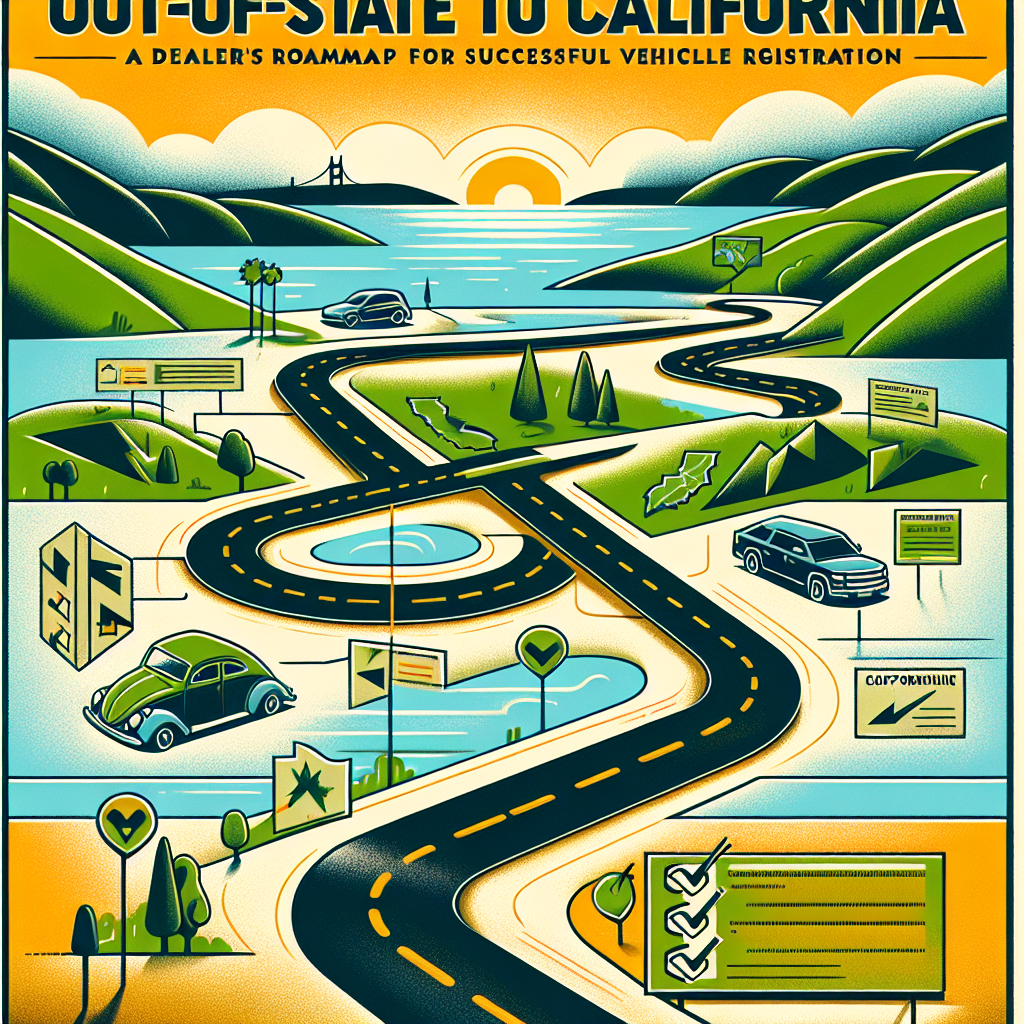
  • Out-of-State to California: A Dealer’s Roadmap for Successful Vehicle Registration

    Out-of-State to California: A Dealer’s Roadmap for Successful Vehicle Registration


    Moving Out-of-State Cars to California: A Dealer’s Guide

    Moving Out-of-State Cars to California: A Dealer’s Guide

    Introduction

    Registering a vehicle from out-of-state in California can be really tricky, even for seasoned car dealers. California’s strict rules and need for lots of paperwork can surprise many, causing delays and headaches. But getting it right is great for both dealers and their customers, making sure everything goes smoothly. In this blog, we’ll guide you step-by-step on how to successfully register a vehicle in California.

    California’s Vehicle Registration Rules

    Before diving into the process, it’s important to know what California’s DMV needs for out-of-state vehicles. To make the process easy, you need to have these key documents ready:

    • Title and Registration from the Old State: This shows you own the car and it’s been legally transferred.
    • Valid Smog Certificate: California wants clean air, so they need a smog check done.
    • Proof of Insurance: This shows you have the right insurance to drive the vehicle.

    Plus, California has tough smog rules, so make sure your vehicle meets these requirements.

    First Steps for Dealers

    As a dealer, you play a big part in getting the car registered. Follow these steps to make sure you’re ready:

    • Check the VIN: Make sure the vehicle identification number (VIN) on the car matches all your papers.
    • Do a Smog Test: Make sure it passes California’s smog standards.
    • Collect and Sort All Documents: Keep everything neat and easy to find so you won’t have to scramble for documents at the last minute.

    Getting Ready for the California DMV

    Once you’ve done the first steps, it’s time to go to the DMV. Here’s how to get ready:

    • Set a DMV Appointment: Book ahead so you don’t have to wait in long lines.
    • Fill Out Important Forms: Forms like Reg 343 (Application for Title or Registration) and Reg 31 (Verification of Vehicle) are necessary.
    • Get a Temporary Operating Permit: If needed, this lets you drive the car legally while waiting for registration.

    Costs and Fees

    Figuring out fees in California can be confusing. Here’s a simple guide:

    • Registration Fees: These change based on the type, age, and location of your vehicle.
    • Smog Check Fees: Cost between $30 and $70 usually.
    • VIN Check Costs: Around $20, depending on where you go.

    To avoid surprises, use online calculators or check with the DMV to know how much you’ll need to spend.

    Avoiding Mistakes

    Some common mistakes can mess up the registration process. Here’s how to dodge them:

    • Check Emission Compliance: Make sure the smog test results are correct and meet California standards.
    • Complete Documentation: Avoid wrong or missing papers, this can slow things down.
    • Sort Out Title Issues and Other State Duties: Fix any state issues or wrong information before moving on.

    Dealer’s Checklist

    To make sure it all goes smoothly:

    1. Double-check all vehicle info and papers.
    2. Make sure the car meets California emission rules.
    3. Calculate and plan all fees.
    4. Schedule and get ready for the DMV appointment.
    5. Follow up on any extra steps or special cases.

    Extra Help

    For more support, use these resources:

    • California DMV Contacts: They can help clear up any questions.
    • Links to Necessary Forms and Online DMV Resources: Get the forms and info you need easily.
    • Third-party Registration Services: Get faster processing for quicker registration.

    Conclusion

    Being well-prepared and organized is key to successfully registering an out-of-state vehicle in California. Dealers can help their customers a lot by making sure everything is in order. If it feels overwhelming, professional help can make it easier and less stressful.

    Call to Action

    If you’re a dealer who wants to speed up the vehicle registration in California, contact Tags Clinic for expert help and advice. We offer services to ensure everything goes smoothly and that customers are happy. Check out our website at Tags Clinic or call us today at 619-777-9046 to find out how we can help with all your DMV needs.