Blog

  • Dr. DMV at Tags Clinic and the Secrets to a Successful LiveScan Appointment

    Dr. DMV at Tags Clinic and the Secrets to a Successful LiveScan Appointment


    Tags Clinic Blog

    Dr. DMV at Tags Clinic and the Secrets to a Successful LiveScan Appointment

    Introduction

    Going to the DMV can sometimes feel scary, but Tags Clinic in the middle of San Diego makes it easy and quick. They help with stuff like car registration, title transfers, and smog checks, but without the long waits you find at regular DMV places. Dr. DMV is the expert there, especially for LiveScan appointments which are important for background checks and legal stuff.

    Understanding LiveScan

    LiveScan is a fingerprinting technology that’s super important for jobs and legal stuff. Instead of using messy ink and paper, it uses a digital method to send fingerprints to government places. It’s faster and more accurate. Jobs like teachers, nurses, and security need these digital fingerprints for their job applications.

    Meet Dr. DMV

    Dr. DMV at Tags Clinic makes everything easy and smooth. He’s the go-to person for anything related to the DMV. People love how easy Dr. DMV makes their LiveScan appointments. One happy person said, “Dr. DMV made my LiveScan appointment stress-free and quick!”

    Preparing for Your LiveScan Appointment

    To make sure everything goes well, you need to be ready for your LiveScan appointment. Here’s what to bring:

    • A government ID, like a driver’s license or passport
    • Any forms emailed to you or other needed documents
    • How you will pay (credit/debit card or cash)

    Try to schedule your appointment when it’s not too busy to avoid waiting. When you get to Tags Clinic, you’ll be greeted by friendly staff who will help you with everything. Your digital fingerprints will be taken and sent off quickly for processing.

    The Secrets to a Successful LiveScan Experience

    Dr. DMV has some great tips:

    • Make sure your hands are clean and dry for clear fingerprints.
    • Double-check that you have all the right forms and IDs.
    • Arrive early to fill out any paperwork.

    Dr. DMV says, “Don’t forget your ID or be late. These things can cause delays.” Usually, LiveScan results are ready in 72 hours, but sometimes it might take a bit longer.

    Post-Appointment: What Happens Next?

    After your appointment, the LiveScan information is sent to the Department of Justice and other places. If you need to check the status of your results, Tags Clinic can guide you on what to do next. If you want results faster or need help with any issues, they can help with that too.

    Additional Services at Tags Clinic

    Tags Clinic doesn’t just do LiveScan. They also help with:

    • Easy vehicle registration and renewals
    • Fast title transfers
    • Complete smog checks

    These services make it simple to get everything done in one visit. Tags Clinic also has special deals and packages for a full-service visit.

    Conclusion

    When you choose Tags Clinic for your LiveScan appointment, you’re choosing experts who know how to get things done efficiently. With Dr. DMV on your side, you’ll have an easy experience from beginning to end. Ready to schedule your appointment?

    Call to Action

    To book your LiveScan or learn more about what Tags Clinic offers, visit their website or give them a call. Don’t forget to follow on social media for the latest updates, deals, and more tips. Reach out today and let Dr. DMV and Tags Clinic make your DMV experience better! Visit us at Tags Clinic at 3845 University Ave, San Diego, CA or give us a call at 619-777-9046.
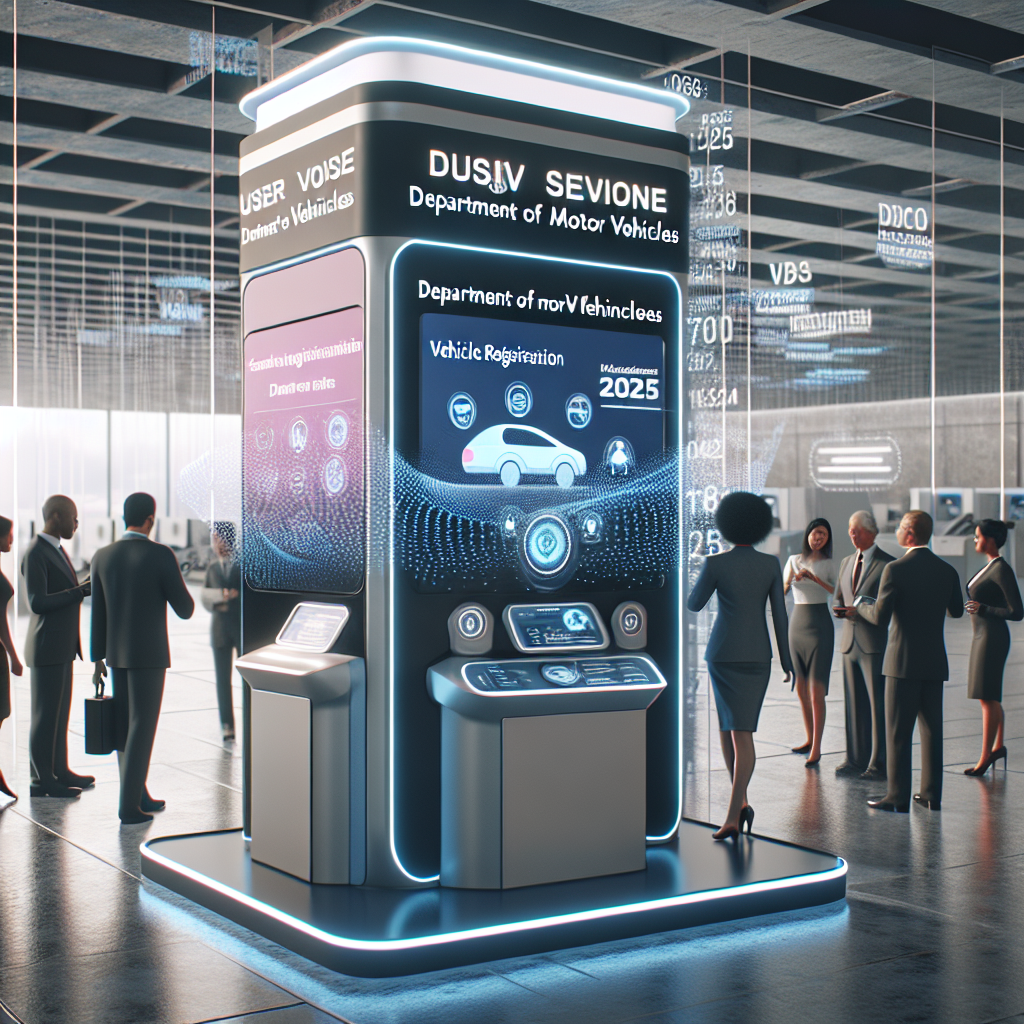

  • Exploring the Impact of DMV Digital Kiosks on Customer Experience in 2025

    Exploring the Impact of DMV Digital Kiosks on Customer Experience in 2025


    How DMV Digital Kiosks are Changing Customer Experience in 2025

    How DMV Digital Kiosks are Changing Customer Experience in 2025

    Introduction

    Going to the Department of Motor Vehicles (DMV) used to mean dealing with long lines and lots of waiting. Whether you’re registering a vehicle or renewing a license, you could face endless waits and not-so-helpful processes. But now, technology is changing all that. Digital kiosks are making things faster and easier. This blog post will show how these kiosks have made a big difference by 2025, helping millions of people have a better DMV visit.

    How Digital Kiosks Have Changed at the DMV

    At first, DMVs used digital kiosks just to see if they could make things less crowded and faster. The first kiosks could only do simple things like renew licenses or take registration payments. By 2025, these kiosks are much better. They’re now everywhere, easy to use, and secure with new technology like AI and biometric scanning.

    Making Customer Experience Better

    Less Waiting

    One of the best things about kiosks is that they make waiting times way shorter. Before we had kiosks, a trip to the DMV could take hours. Now, lots of things like renewals and registrations can be done in minutes. This means the staff can focus on helping with harder tasks.

    Open All the Time

    Another cool thing about kiosks is they’re open 24/7. You don’t have to go to the DMV building anymore; kiosks are in places like malls and grocery stores. This is super helpful for people who work different hours or live far away. Now, DMV services are more convenient for everyone.

    Easy to Use

    Over time, kiosks have been designed to be really easy to use. With simple navigation and languages for everyone, more people are happy using them. People who use kiosks often say that it’s quick and simple.

    New Technology

    Smart Machines

    Kiosks use smart technology like AI to understand what people need and help make things faster. They even use analytics to figure out when busy times might be and organize better service.

    Safe and Secure

    With things like face and fingerprint scanning, kiosks are safer and quicker. These technologies help with identity checks and make transactions smooth and reliable.

    Connected to the Cloud

    Kiosks are connected to DMV databases using cloud technology. This means information is updated in real-time, making sure everything is correct. It also makes transactions faster.

    Challenges to Overcome

    Tech Issues

    Sometimes kiosks have technical problems, like software glitches or breaking down. The DMV works hard with backup systems and regular check-ups to keep things running smoothly.

    Learning to Use Technology

    Not everyone found it easy to switch to using kiosks, especially older adults or people not used to tech. To help out, the DMV has created education programs and guided sessions for everyone.

    What Customers Are Saying

    People from all walks of life have shared how kiosks have made their DMV visits better. Many tell how they can now complete transactions quickly, which used to take hours. They also love being able to do several things all in one place, anytime.

    What’s Next

    Looking to the future, there are exciting ideas for how technology can get even better. This might include smarter AI or connecting with other public services. Continuing to listen to customer feedback will make sure services keep getting better.

    Conclusion

    Overall, digital kiosks have completely changed visiting the DMV, making it more accessible, efficient, and satisfying. Technology has turned around how public services work, and now the DMV isn’t something to dread anymore. As new improvements come, it’s important for everyone to share their experiences and ideas to help shape the future of DMV visits.

    Additional Resources

    Call to Action

    Are you excited about the transformation of the DMV through digital kiosks? At Tags Clinic, we share the same enthusiasm for leveraging technology to improve customer experience. Visit us at 3845 University Ave, San Diego, CA or give us a call at 619-777-9046.
    For more services and offerings, please click here to visit our website. We look forward to providing you with a superior customer experience!


  • Step‑by‑Step Guide to Completing Your California Out‑of‑State Registration

    Step‑by‑Step Guide to Completing Your California Out‑of‑State Registration


    Your Guide to Registering Your Out-of-State Car in California

    Your Guide to Registering Your Out-of-State Car in California

    Introduction

    Moving to a new state means getting used to different rules, especially when it comes to your car. California has some specific requirements for registering cars from out of state. Knowing how to register your car properly will help you follow the law and avoid any problems. This guide is perfect for new residents, students, military personnel, or anyone bringing a vehicle to California.

    Step 1: Knowing What California Requires

    If you move to California, you need to register your vehicle within 20 days to avoid getting in trouble. If you’re in the military or a student, there might be special rules for you, so check if those apply. Being on time with your registration is the first step to getting settled without issues.

    Step 2: Getting Your Documents Ready

    Before you go to the DMV or an authorized place, gather these documents:

    • Proof of Ownership: This is usually your car’s title. If you’re still paying for the car, a copy of the title or an Electronic Lien and Title (ELT) record works too.
    • Previous Registration Certificate: This shows your car was registered in another state.
    • Smog Certification: Needed unless your car doesn’t require it.
    • Proof of Insurance: Make sure it meets California’s minimum coverage.
    • Identification: A valid driver’s license or ID card.

    If you don’t have all these papers, contact your old state’s DMV or your insurance company to get them.

    Step 3: Getting the Vehicle Inspected

    In California, out-of-state cars need certain inspections:

    • VIN Verification: This ensures the car matches the paperwork.
    • Smog Check: Most cars need an emissions test. You can set this up at a certified place to make sure your car meets California’s environmental rules.

    Plan these inspections before you head to register your car.

    Step 4: Knowing the Cost

    Registering in California may involve these fees:

    • Registration Fee
    • Title Fee
    • Use Tax: Based on what you paid for the car and your county’s rate.

    Use the DMV’s fee calculator online to find out what you’ll likely pay.

    Step 5: Visiting the DMV or Authorized Places

    When it’s time to turn in your papers and pay the fees, you have choices:

    • DMV Visit: Make an appointment online to avoid long waits.
    • DMV Now Kiosks: Quick processing if you qualify.
    • Authorized Partners: Places like Tags Clinic offer DMV services, possibly with shorter waits and more help.

    Plan to spend a little time there, but these options can speed things up.

    Step 6: Filling Out Forms

    For this process, you’ll need the Application for Title or Registration (Form REG 343).

    • Double Check: Make sure everything is filled out correctly to avoid delays.
    • Form Access: These forms can be found on the California DMV website.

    Take your time with this so you don’t run into problems later.

    Step 7: Getting Your California Registration

    After you submit everything, the DMV will work on your request. You’ll get a temporary permit so you can drive legally while you wait for your official plates and registration in the mail. Processing might take some time, so be patient.

    Tips for a Smooth Registration Process

    • Get Your Papers Ready: Check that you have everything before your DMV trip.
    • Avoid Busy Times: Mornings and mid-week are usually less crowded.
    • Use a Checklist: This helps make sure you don’t forget anything.

    Conclusion

    Registering your out-of-state vehicle soon after moving is important to avoid fines and to make sure you’re driving legally in California. If the process seems too hard, Tags Clinic can help make it easy for you.

    Additional Resources

    For more help, check these out:

    • California DMV Website
    • Online forums for new California residents
    • Tags Clinic’s services that offer easy DMV alternatives

    We want to make your move to California as smooth as possible. If you need more help, feel free to reach out to Tags Clinic for any DMV services.

    Call to Action

    Having trouble with car registration? Need expert help? Don’t worry, we’ve got you covered! You’re more than welcomed to visit us at Tags Clinic, 3845 University Ave, San Diego, CA or contact us at 619-777-9046. Check us out at tagsclinic.com for more information. We’re here to make your car registration process smoother than ever!


  • Frequently Asked Questions About California Smog Check Programs

    Frequently Asked Questions About California Smog Check Programs


    FAQs About California Smog Check Programs

    Frequently Asked Questions About California Smog Check Programs

    Introduction

    Understanding California’s Smog Check Programs can be hard for car owners. California wants to stop air pollution, so it’s important to know these rules, not just to follow them but also for the environment’s health. This FAQ will help answer common questions about the California Smog Check Programs.

    Section 1: Understanding Smog Check Programs

    What is a Smog Check and why do we need it?

    A Smog Check is a test to make sure a car’s emissions systems are working right and not polluting the air. California requires this to help keep the air clean by making sure cars don’t pollute much.

    History and changes in smog check programs in California

    The program started in 1984 to meet air quality standards. Over time, it has changed to include stricter standards and better technology to solve emissions problems.

    Important laws and rules for smog checks

    The current rules are based on California’s Global Warming Solutions Act of 2006, with many changes to make air quality better and lessen environmental impacts.

    Section 2: Eligibility and Requirements

    Which vehicles need a smog check?

    Most gas-powered cars that are more than 8 years old need a smog check every two years. Diesel vehicles over 14,000 pounds, motorcycles, and electric cars usually do not need them.

    How often do you need a smog check?

    Usually, cars need a smog check every two years, but this can change based on where you are and your car’s age.

    Are there any exemptions or special cases?

    Cars less than 8 years old, electric cars, and hybrids often don’t need a smog check every two years. Also, cars made in 1975 or earlier never need a smog check.

    Section 3: The Smog Check Process

    What happens during a smog check?

    A smog check includes looking at emission control devices, checking the vehicle’s computer and emissions systems, and a tailpipe emissions test.

    How long does a smog check usually take?

    A smog check usually takes about 20 to 30 minutes. This can change based on your car type and the tests needed.

    What are the different types of smog check stations?

    • Test-Only: Only test the car and don’t do repairs.
    • Repair: Test the car and fix any problems.
    • STAR-certified: Very good stations that can test and fix, following stricter rules.

    Section 4: Preparing for Your Smog Check

    Tips to make sure your car passes the smog check

    • Drive your car before the test: Warm up the engine for more accurate results.
    • Fix issues you know about: Take care of engine problems beforehand.
    • Check warning lights: Make sure there are no warning lights on your dashboard before the test.

    Common reasons cars fail smog checks

    • Broken oxygen sensors
    • Bad ignition systems
    • Damaged catalytic converters

    What to do if your car does not pass

    Get help from a certified technician to fix emissions-related problems. You’ll need to retest your car after repairs.

    Section 5: Costs and Payment

    How much does a smog check cost?

    Prices usually range from $30 to $60 for the test. Certificates, repairs, and retests can cost extra.

    Is there financial help for smog checks?

    Yes, programs like the Consumer Assistance Program (CAP) can help pay for repairs or retire cars that always fail smog checks.

    What payment methods are accepted at smog check stations?

    Most stations accept cash, major credit cards, and debit cards.

    Section 6: Post-Check Protocols

    What happens after you pass your smog check?

    You get a certificate that’s electronically sent to the DMV. This lets you renew your registration.

    Steps to take if your car fails the smog check

    • Get a written estimate for repairs
    • Use a CAP-certified repair station for possible financial help
    • Retest after repairs

    Repair assistance and resources

    Check programs like BAR’s Referee Program for special help or to solve smog check disputes.

    Section 7: Impact on Vehicle Registration

    How does a smog check relate to renewing your car registration?

    You need a valid smog check certificate to renew registration. Make sure your car is ready before your registration due date.

    When should you complete a smog check before renewing registration?

    Do your smog check within 90 days before your registration is due to avoid penalties.

    Consequences of not doing smog checks

    If you don’t comply, your registration can be denied, or you could get fines. It’s important to keep up with smog checks.

    Section 8: Common Misconceptions

    Debunking myths about smog checks and emissions testing

    Some think new cars don’t need checks, but all cars should be compliant, no matter their age.

    Understanding changes in smog check technology and methods

    New methods use advanced diagnostics, giving more accurate and efficient results than older ways.

    Conclusion

    Being part of California Smog Check Programs is important for following the rules and taking care of the environment. Knowing these facts can help keep your car roadworthy and legal. If you have more questions, you can ask for help.

    Additional Resources

    Feel free to reach out to us at Tags Clinic for all your DMV needs, and we’ll make sure your experience is as easy as possible! Call or visit us today for expert help.

    Call to Action

    We encourage you to visit Tags Clinic for impeccable services. Our accessible location at 3845 University Ave, San Diego, CA is always ready to welcome you or call us on 619-777-9046. For more information, visit our website: https://tagsclinic.com. We are excited and ready to serve you!


  • The Top 5 DMV Mistakes New Drivers Make

    The Top 5 DMV Mistakes New Drivers Make


    The Top 5 DMV Mistakes New Drivers Make

    The Top 5 DMV Mistakes New Drivers Make

    Introduction

    Going to the Department of Motor Vehicles (DMV) can be pretty scary, especially if you’re a new driver who doesn’t really know what to do. From getting the right papers ready to passing your driving test, your DMV visit is super important for getting your driver’s license. If you know the common mistakes, you can make things easier for yourself and avoid getting frustrated. In this post, we will guide new drivers through the top five mistakes to avoid, making your DMV experience much better.

    Mistake #1: Not Having All Your Papers

    When you go to the DMV, it’s super important to bring all your papers. This includes things like proof that you live where you say you do, a photo ID, and your Social Security number. A lot of new drivers forget some papers, which means they have to come back again.

    Tips:

    • Look at your state’s DMV website to know which documents you need.
    • Put your papers in a folder so you don’t lose them.
    • Make copies of your important papers just in case they get lost.

    What Happens If You Forget:

    If you don’t bring all your papers, you might have to leave and come back, which makes things take longer and delays getting your license.

    Mistake #2: Forgetting to Make a DMV Appointment

    Many DMVs let you make an appointment to visit, so you don’t have to wait long. New drivers often just walk in without an appointment.

    Why Appointments Are Good:

    • You wait less time than if you just walk in.
    • Everything is more organized because you come at a set time.
    • You know exactly when you’ll be seen, which makes it less stressful.

    How To Make an Appointment:

    • Check your state’s DMV website or call them to book an appointment.
    • Try to plan your appointment a while ahead, especially if it’s during busy times like weekends or holidays.

    Mistake #3: Not Studying for the Written Test

    The written test is a big part of getting your driver’s license. If you don’t take it seriously, you might not pass and you’ll have to do it again.

    How To Study:

    • Read your state’s driver’s handbook from front to back.
    • Use websites and apps that offer practice tests.
    • Quiz yourself often so you know what you need to study more.

    Helpful Stuff to Use:

    Look for apps and websites that give you sample tests and study guides for your state’s rules.

    Mistake #4: Forgetting Car Registration Rules

    When you get a car, even if it’s used or you just moved to a new state, you have to register it. New drivers often mess this up because they don’t know what to do.

    Common Mistakes:

    • Not having car insurance.
    • Skipping emissions tests your car might need.
    • Missing deadlines and having to pay extra money.

    What To Do:

    • Learn your state’s car registration rules.
    • Write down deadlines and set reminders so you don’t forget.
    • Make sure you have all your papers, like proof of insurance and the bill of sale.

    Mistake #5: Not Practicing Enough for the Driving Test

    The driving test is another big part of getting your license, and many new drivers feel nervous about it.

    How to Build Confidence:

    • Practice driving a lot in different places and weather.
    • Learn the test route and what maneuvers you need to know.
    • Make sure the car you’re using for the test is working well.

    Common Mistakes:

    Forgetting to check mirrors, not using your turn signals, or getting distances wrong are mistakes you can avoid with practice.

    Conclusion

    If you avoid these five mistakes, your DMV visit can be easier and less stressful. Whether it’s bringing the right papers or studying for the tests, being prepared is always a good idea. By taking the time to get ready, new drivers can make their DMV visits go smoothly and enjoy driving on the roads.

    What About You?

    We’d love to hear your DMV stories and tips in the comments below. Do you have advice for new drivers? Let us know!

    More Helpful Stuff

    For easy car registration, title transfers, or other DMV services, visit Tags Clinic. Our customer service team is here to help you every step of the way. Book your appointment today and say goodbye to DMV hassles!

    Call to Action

    We hope this guide has been helpful for you. We urge you to put these tips to practice and avoid these common mistakes. In case you need any assistance, don’t hesitate to visit us at Tags Clinic located at 3845 University Ave, San Diego, CA or you may call us at 619-777-9046. Click here to visit our website. We’re ready to assist you in having a smooth and hassle-free DMV experience.


  • How the STEER Act Is Being Used to Sue Reckless Drivers in the DMV Region

    How the STEER Act Is Being Used to Sue Reckless Drivers in the DMV Region


    How the STEER Act Is Helping to Sue Reckless Drivers in the DMV Area

    How the STEER Act Is Helping to Sue Reckless Drivers in the DMV Area

    1. Introduction

    Reckless driving is a big problem in the DMV area, which includes the District of Columbia, Maryland, and Virginia. More and more incidents on the roads are making them less safe, so there’s a need for better ways to handle drivers who don’t follow the rules. The STEER Act is a new law that helps deal with reckless driving. This post will explain how the STEER Act works and how it helps keep our roads safer.

    2. What is the STEER Act?

    The STEER Act stands for Safe, Timely, Enforceable, and Effective Regulation Act. It is a set of rules that helps states fight reckless driving. The Act has tough penalties for those who break driving laws and makes it easier for people to take legal action against reckless drivers. The STEER Act is already being used in the District of Columbia, Maryland, and Virginia, helping these areas enforce their driving laws better to keep people safe.

    3. The Problem with Reckless Driving in the DMV Area

    The DMV area has a big problem with reckless driving. Many accidents happen because of aggressive driving, people not paying attention, and ignoring traffic lights. This not only affects safety, but it also results in higher insurance costs and can take a toll on community resources. Here’s more about the issue:

    1. Increase in accidents: More accidents are happening because of reckless driving.
    2. Common causes: Speeding, distracted driving, and ignoring traffic rules are common causes.
    3. Community impact: High insurance costs and less safety in communities.

    4. How the STEER Act Holds Reckless Drivers Accountable

    The STEER Act lets people who’ve been affected by reckless driving take legal action against the drivers who caused harm. With the help of this Act, victims can get justice for what happened to them. Here’s how it works:

    1. Filing a lawsuit: Victims or their lawyers can start a legal case against the reckless driver.
    2. Legal support: Police reports and evidence of the reckless behavior help make the case strong.
    3. Case studies: There have been many successful legal cases using the STEER Act that have helped victims get compensation.

    5. Pros and Cons of the STEER Act

    Benefits

    • Safer roads: The Act helps make roads safer by discouraging reckless behavior.
    • Accountability: It helps hold drivers responsible and can stop them from doing it again.
    • Public awareness: The Act raises awareness about driving safely.

    Challenges

    • Enforcement: Different states may handle it differently, which can affect results.
    • Public awareness: Not everyone knows about the Act and its importance.
    • Legal issues: Dealing with legal matters between states can be a challenge.

    6. How People Feel About the STEER Act

    Most people think the STEER Act is a good thing and want it to be used more strictly. Lawyers see it as a positive change and something that can make the roads safer. There are also partnerships between the community and law enforcement that are working to make the Act more effective.

    7. The Future of the STEER Act in the DMV Area

    As we look to the future, the STEER Act is set to have a lasting impact. It could even get bigger and better with new changes to help further. It might also serve as a model for other areas that face similar driving challenges. Here’s what could happen:

    1. Long-term impact: A driving culture that values responsibility in the DMV area.
    2. Potential amendments: Better procedures and a wider scope of the Act.
    3. Lessons for other regions: Helping other areas learn from what the DMV has done.

    8. Conclusion

    To sum up, the STEER Act is crucial in tackling reckless driving in the DMV area. It gives people a strong legal tool to make roads safer and seek justice. Laws like this are important for creating safer driving conditions and should get more public support.

    9. Call to Action

    Stay informed about road safety by learning more about the STEER Act. Share what you know and get involved! Whether you need legal help or just want to know more, there are plenty of resources out there. Let’s work together to make our streets safer for everyone!

    Visit Tags Clinic

    We encourage you to visit Tags Clinic at 3845 University Ave, San Diego, CA or call 619-777-9046. You can also visit our website at https://tagsclinic.com for more information. We’re here to help and we’re looking forward to your visit!


  • How to Navigate California DMV Regulations as an Out-of-State Dealer

    How to Navigate California DMV Regulations as an Out-of-State Dealer


    Understanding California DMV Rules for Out-of-State Car Dealers

    How to Understand California DMV Rules for Out-of-State Car Dealers

    Introduction

    California has a big and busy car market. With lots of people living there, many want to buy cars, so this is a great chance for out-of-state dealers who want to sell more cars. But if you want to sell cars in California, you have to learn all about the state’s specific Department of Motor Vehicles (DMV) rules. This guide will help out-of-state car dealers understand these rules better.

    Understanding California DMV Rules

    California’s DMV rules are unique and can be different from other states because of things like strict rules about pollution from cars. Some big differences are:

    • Emissions Standards: California has some of the toughest rules about car emissions, or the pollution cars make. Cars sold there have to meet these rules, which might mean more tests and certificates.
    • Registration Rules: The DMV has special rules and paperwork for registering cars, which might be new for out-of-state dealers. Understanding these rules is important for selling cars legally.

    Initial Steps for Out-of-State Dealers

    Research and Planning

    As someone planning to sell cars in California, your first steps should be research and planning:

    • Learn the Vehicle Codes: Find out all about California’s car rules so you know what you have to do.
    • Use Resources: Check the California DMV website or talk to trade groups and experts about car regulations to get all the info you need.

    Get Licenses and Permits

    Before you can sell cars in California, you need to get the right permits:

    • Special Licenses: Apply for an out-of-state dealer permit. You usually have to fill out an application, pay some fees, and show proof you are a dealer in your home state.
    • Application Steps:
      1. Fill Out Forms: Complete the application forms from the DMV website.
      2. Pay Fees: Make sure you pay the license fees the DMV requires.
      3. Show Proof: Give documents like your current dealer license, sales tax number, and a surety bond.

    Vehicle Registration Process

    To register cars with the California DMV, follow these steps:

    • Documents: Get all the paperwork you need, like proof you own the car, a certificate for emissions, and any other required information for buyers.
    • Forms: Fill out the DMV forms, like the Registration Application Form (REG 343) and Statement of Facts (REG 256).
    • Pay Fees: Be ready to pay for registration, sales tax, and other fees depending on the car and where it’s registered.

    Following Emissions Standards

    California has some of the strictest emissions standards in the nation. To make sure you follow these:

    • Emissions Testing: Use certified centers to test emissions. The California Air Resources Board (CARB) can tell you where to do these tests.
    • Keep Records: Save all records of emissions tests for each car you sell.

    Business as an Out-of-State Dealer

    Temporary Tags and Transfers

    If you are selling cars in California, you might need to give temporary permits:

    • Temporary Permits: Apply for temporary tags at the DMV so customers can drive cars before they finish registration.
    • Title Transfers: Learn how to transfer car titles, including filling out forms and following rules.

    Know DMV Fees and Taxes

    Dealers from outside California should know about all the costs of doing business:

    • Cost Details: Be prepared to pay for title, registration, sales tax, and other DMV fees.
    • Pay on Time: Pay promptly to avoid any late fees. Use checks or online payments as the DMV allows.

    Avoiding Mistakes

    To avoid mistakes as an out-of-state dealer:

    • Be Proactive: Make sure you complete all paperwork and follow all steps before selling a car.
    • Train Staff: Teach your staff about California’s DMV rules so they can help with sales.

    Use DMV Resources and Support

    Take advantage of DMV help and resources to stay on track:

    • Dealer Resources: Find forms, guidelines, and updates right from the DMV website.
    • Ask for Help: Contact the DMV if you have questions, or talk to a legal expert if needed.

    Stay Informed

    Keep learning about DMV changes to stay up-to-date:

    • Learn More: Subscribe to car industry newsletters, go to workshops, and join local dealer groups.
    • Stay Updated: Regularly check the DMV’s announcements to know about any new rules.

    Conclusion

    To succeed as an out-of-state car dealer in California, do your research, meet rules for emissions and registrations, and be proactive in your business dealings. By understanding the unique rules and using the resources available, you can confidently reach customers in this important market.

    Additional Resources

    Call to Action

    If you’re ready to bring your car dealership to California, keep up-to-date by signing up for DMV updates and consulting experts. Share this guide with other dealers to help them understand California’s car market. Prepare your dealership by fully understanding California’s rules to ensure you’re following them and your operations run smoothly in this key market. Why not start your journey by visiting us at Tags Clinic, we are located at 3845 University Ave, San Diego, CA or you can call us at 619-777-9046. Find more about us here.


  • A Comprehensive Guide to California Live Scan Requirements

    A Comprehensive Guide to California Live Scan Requirements


    A Complete Guide to California Live Scan

    A Complete Guide to California Live Scan

    Introduction

    Live Scan is a digital fingerprinting process that’s used to check people’s backgrounds. It’s an important process that helps keep people safe. In California, many jobs and roles need Live Scan to make sure everyone is trustworthy and safe.

    Knowing about Live Scan is important, especially if you want to work in jobs that require background checks. These jobs might include teaching, healthcare, or volunteering at certain places. Live Scan is often necessary to apply for these roles.

    What is a Live Scan?

    Live Scan is a way to capture fingerprints digitally, instead of using ink like in the old days. This method is faster, cleaner, and more accurate. It sends your fingerprints directly to the right authorities without mistakes or delays.

    Live Scan is quick and less likely to have problems. It gives both job seekers and employers peace of mind because it’s more reliable.

    Who Needs a Live Scan in California?

    In California, lots of people need to have a Live Scan done:

    • Teachers and Education Workers: Schools want to make sure their staff are safe for students.
    • Healthcare Workers: People in healthcare need background checks to ensure they are safe to care for patients.
    • Security Workers: Security jobs require Live Scan to check the background of individuals who protect the public.

    Other groups, like licensing bodies and volunteer organizations, might also need Live Scan to meet safety rules.

    Understanding the Live Scan Process

    To complete a Live Scan, you need to follow these steps:

    1. Get Your Information and Documents: Make sure you have your ID and any forms provided by your employer or licensing agency.
    2. Find a Live Scan Place: Look for a Department of Justice (DOJ) approved provider that can do your Live Scan.
    3. Get Fingerprints Taken and Finish the Process: Your fingerprints are taken digitally and sent directly to the DOJ.

    The background check will look at your criminal history to see if you’re eligible for the job or certification.

    Required Documents and Information

    To make the Live Scan easy, have these ready:

    • A valid ID (like a driver’s license or passport)
    • Any instructions or forms from the agency asking for the Live Scan

    Don’t use expired IDs or wrong forms—they can cause delays.

    Cost and Fees for Live Scan

    The fees for Live Scan usually include:

    • Rolling Fee: This is charged by the place where your fingerprints are taken.
    • Government Fee: This is for the DOJ to process your fingerprints.

    The cost might change depending on where you go and the job. Check if your employer pays any fees or gives discounts.

    Choosing a Live Scan Service Provider

    Picking a good provider is important

    • Make sure they’re certified by the DOJ.
    • Think about how close they are and their reputation.
    • Check reviews and ratings to see if they are trustworthy and quick.

    Common Problems and Solutions

    If you face delays or rejections, here’s how to fix them:

    • Follow up with the service provider or the DOJ if there are delays.
    • If your prints are rejected, follow the instructions to retake them. Make sure your hands are clean and dry.
    • Plan ahead and be thorough to avoid doing things at the last minute.

    Privacy and Legal Concerns

    Know your rights and how your privacy is protected during Live Scan:

    • Understand what the check includes and know you can challenge any errors.
    • There are protections to keep your personal information private.
    • If there’s a problem, contact the agency or get legal advice quickly.

    Updating and Keeping Live Scan Records

    Here’s how to keep your Live Scan records up to date:

    • Update them when applying for new jobs or licenses.
    • Records usually can’t be used for different agencies, so you might need to submit new ones for different roles.
    • Keep your records current to avoid issues with your job or license.

    Conclusion

    Following California’s Live Scan requirements is important for many jobs and volunteer roles. By understanding the process, you can complete it with ease and protect your career and stay legal. Stay informed about any changes in the rules and regulations.

    Extra Help and Resources

    • Visit the California Department of Justice website to learn more.
    • For questions, ask authorized Live Scan operators.
    • If you’re getting a license or certification, check what you need from professional groups.

    Take Action Now

    Ready to do your Live Scan? Book your appointment today and take care of your work needs easily. If you have questions, ask in the comments or contact someone directly to get help and clear answers.

    By using these tips, you can handle California’s Live Scan requirements easily and get closer to your career goals.

    Call to Action

    Do you need help with your California Live Scan requirements? Visit our Tags Clinic at 3845 University Ave, San Diego, CA or call us at 619-777-9046. Let our experts assist you in completing your Live Scan process easily and accurately. Or simply visit our website to learn more about our services. We look forward to assisting you soon.

    Visit our website


  • How Tags Clinic’s Dr. DMV Streamlines DMV Processing

    How Tags Clinic’s Dr. DMV Streamlines DMV Processing


    How Tags Clinic’s Dr. DMV Makes DMV Processing Easy

    How Tags Clinic’s Dr. DMV Makes DMV Processing Easy

    Introduction

    Have you ever been to the DMV? It feels like time stops, the paperwork never ends, and your patience is really put to the test. Lots of us have stories about waiting in long lines and dealing with slow processes. But thanks to Tags Clinic, you don’t have to worry anymore! Dr. DMV is leading the way to make everything easier at the DMV. In this blog, we’ll see how Dr. DMV and Tags Clinic are turning those long DMV visits into quick and easy trips.

    What’s the Usual DMV Experience Like?

    If waiting is hard for you, then the DMV can be a real challenge! Here are some things people don’t like about it:

    • Long wait times: Spending hours just standing in line.
    • Confusing paperwork: Forms that seem like they have a thousand steps.
    • Slow processes: Things that should be fast but take forever.

    No wonder people don’t look forward to going to the DMV!

    Who is Dr. DMV?

    Let me introduce you to Dr. DMV, the mastermind behind Tags Clinic’s amazing services. Dr. DMV knows all about government paperwork and how to make things work better. At Tags Clinic, Dr. DMV is all about creating new, easy ways to handle DMV stuff.

    How Does Tags Clinic Make DMV Easier?

    Tags Clinic has a new way of doing things at the DMV:

    • Custom Services: Everything is made to be convenient for you.
    • Less Waiting: They’ve got ways to make everything faster.
    • Using Technology: They use cool tech to make sure everything is quick and correct.

    Cool Services Tags Clinic Offers

    Check out what Tags Clinic can do for you:

    • Fast DMV Services: Get your vehicle registrations, title transfers, and more in a jiffy.
    • Online Appointments and Consultations: You can make appointments and talk to them from home.
    • Smart Processing: They use advanced systems to check and process documents quickly.

    Why Choose Tags Clinic?

    Here’s why Tags Clinic is awesome:

    • Save Time: You won’t waste hours at the DMV anymore.
    • Less Stress: Their team and technology make the process smooth.
    • Real Stories: Hear from happy customers who had an easy experience.

    How Dr. DMV and the Team Work

    Take a peek behind the scenes to see how Dr. DMV makes everything work. With a smart team and new technology, everything fits perfectly. Think about a recent story where a super tough fleet registration was finished in just a few days!

    Why Businesses Should Use Tags Clinic

    For businesses with many vehicles, Tags Clinic offers:

    • Special Management Services: Custom help for all your commercial vehicle needs.
    • Save Money and Time: Less time at the DMV means more time for business.
    • Better Productivity: Focus on work, not DMV issues.

    What’s Next for Tags Clinic?

    Tags Clinic is always getting better! They have new services coming that will make things even easier. Plus, they plan to open more locations so even more people can enjoy their great DMV services.

    Conclusion

    In short, Tags Clinic, led by Dr. DMV, is changing how we think about DMVs. Don’t be nervous about your next DMV task. Visit Tags Clinic and see how quick and easy it can be!

    Contact Information and More Tips

    Ready to skip the headaches at the DMV? Contact Tags Clinic to make your next vehicle registration or title transfer a breeze. Give them a call or visit their website to set up your appointment. For more help and tips on DMV stuff, check out their other blog posts to make sure your experience is smooth every time.

    Call to Action

    Are you ready to change your DMV experience for the better? Visit Tags Clinic at 3845 University Ave, San Diego, CA, or call 619-777-9046. Check out their website at tagsclinic.com for more information. Don’t let the DMV stress you out anymore! Let Tags Clinic make things easy for you.


  • New DMV Regulations on Vehicle Break-Ins and Theft: A Comprehensive Overview

    New DMV Regulations on Vehicle Break-Ins and Theft: A Comprehensive Overview


    New DMV Rules on Car Break-Ins and Theft

    New DMV Rules on Car Break-Ins and Theft: What You Need to Know

    Introduction

    Lately, there have been more car break-ins and thefts in lots of places. It’s important for car owners to know about new rules that can help keep cars safer. The DMV has made new rules to help stop these crimes and give car owners peace of mind. This blog post will explain the new rules, what they mean for you, and how you can keep your car safe.

    Why Car Break-Ins and Theft Are a Problem

    The numbers show a big increase in car break-ins and thefts. Thieves use smart tricks to break into cars, like using technology or taking advantage of old security systems. This is not just a hassle for car owners, but it also affects community safety and raises insurance costs.

    Understanding the New DMV Rules

    Because of the rise in car crimes, the DMV has created new rules. These rules are to make cars safer and ensure that both car makers and owners help prevent thefts. The goal is to lessen car crimes by improving security and keeping up with new technology.

    What the New Rules Say

    The new DMV rules have made some important changes:

    • Security Requirements: New car models must have advanced security systems, like immobilizers and biometric systems.
    • Car Makers’ Duties: Car manufacturers have to put in security features in new cars and offer updates for older models if possible.
    • Owners’ Responsibilities: Car owners need to make sure their cars have the right security systems, which might mean getting new ones or updating old ones.

    How This Affects Car Owners

    These rules will change how cars are registered. You might need to update your car’s security to fit the rules, which can cost extra money. If you don’t follow the rules, you might get fined or not be able to register your car until it’s secure.

    Good Things About the New Rules

    Even if these changes seem like a lot of work, they are meant to help:

    • Less Theft: With better security, fewer cars should get stolen.
    • Safer Communities: Safer cars mean safer neighborhoods and less work for the police.
    • Insurance Savings: With fewer thefts, your car insurance might cost less.

    Challenges and Concerns

    Not everyone likes the new rules. Some people worry about how much it costs to upgrade their car’s security, and others are concerned about privacy with advanced features. Car makers might also have trouble updating older cars.

    Tips for Car Owners

    Here are some tips to adjust to the new rules:

    • Upgrade Regularly: Make sure your car’s security is up to date by consulting professionals or dealers.
    • Extra Security: Use steering wheel locks or GPS tracking to add extra protection.
    • Stay Informed: Keep checking for DMV updates to make sure your car stays secure.

    Conclusion

    The new DMV rules are a positive step towards safer cars and less crime. Make sure you know what changes are coming and follow the rules to protect your car. Stay informed and take the right steps to keep your car safe.

    More Information

    To learn more about DMV rules and car security, check these resources:

    FAQ Section

    1. What are the big changes in the new DMV rules?

      Cars must have better security features, and car makers have to be more responsible for security.

    2. Do old cars have to meet the new security standards?

      Yes, owners might need to upgrade older cars with new security features.

    3. What if I can’t update my car’s security system?

      Talk to a professional for help or ask the DMV about other options.

    4. Will not following the rules affect my insurance?

      It might, since insurance companies could change rates based on a car’s security.

    5. Do I need to tell the DMV when I update my security system?

      Check with your local DMV for what you need to do after updating your system.

    Call to Action

    Make your car safer and follow the new rules by contacting your DMV, talking to security experts, and staying informed. Share this post with other car owners to help them learn, too. If you have questions, comment below or get in touch with us for expert advice. Need a consultation? Visit Tags Clinic at 3845 University Ave, San Diego, CA or call 619-777-9046. We’d be more than happy to assist you.