Blog

  • Common DMV Mistakes in Vehicle Title Transfers and How to Avoid Them

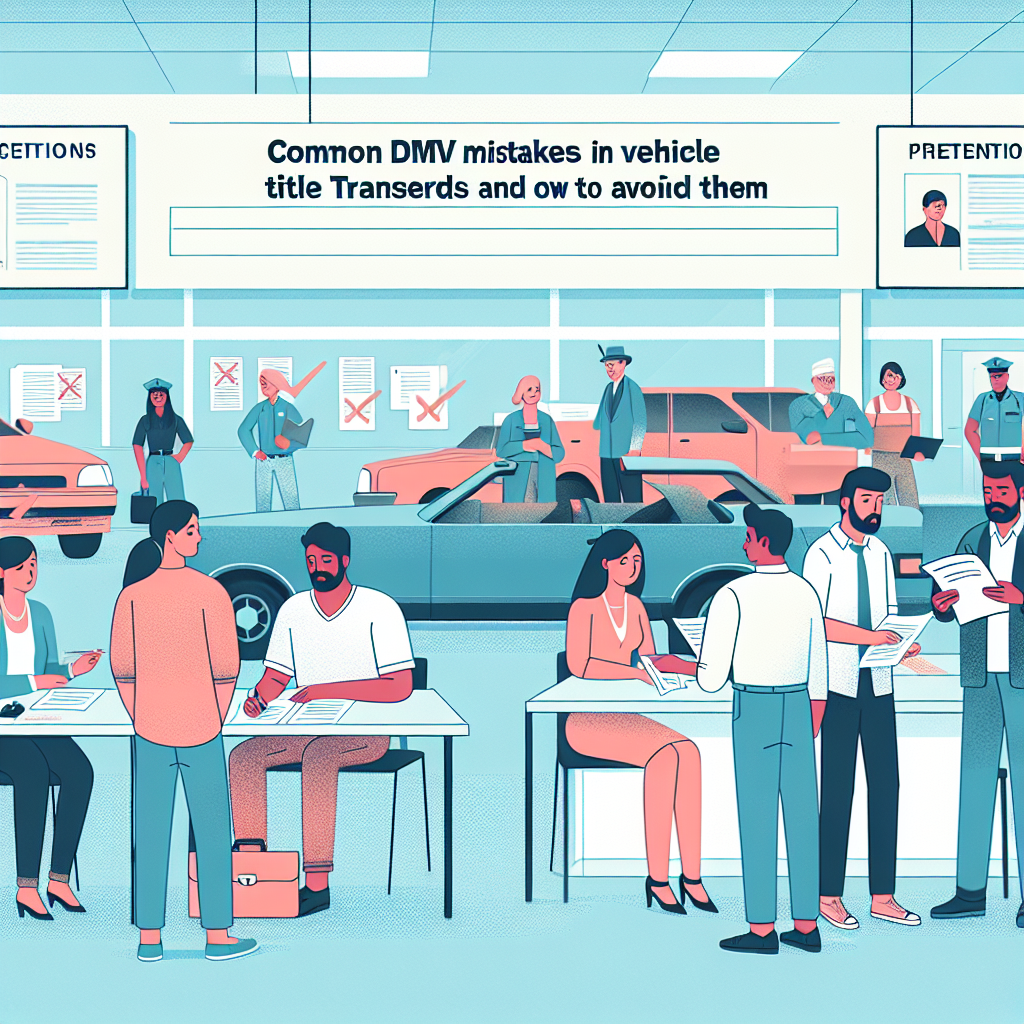
    Common DMV Mistakes in Vehicle Title Transfers and How to Avoid Them


    Common DMV Mistakes in Vehicle Title Transfers and How to Avoid Them

    Common DMV Mistakes in Vehicle Title Transfers and How to Avoid Them

    Introduction

    Have you ever tried to transfer a vehicle title? It’s like trying to untangle a messy ball of yarn! If you make a mistake, it could lead to extra trips to the DMV, which nobody enjoys. Let’s dive into the world of vehicle title transfers and learn what mistakes to avoid so we can keep everything smooth and simple.

    Understanding Vehicle Title Transfers

    What is a Vehicle Title?

    A vehicle title is like having a golden ticket that shows you own the car. Whether you’re buying, selling, or inheriting a vehicle, transferring a title is important to make sure the new owner is cleared.

    When Do You Need to Transfer a Title?

    • Selling a Car: The most common reason for a title transfer.
    • Gifting a Vehicle: This happens a lot, especially in families.
    • Inheritance: More paperwork, but necessary when someone passes away.

    Common DMV Mistakes in Title Transfers

    Mistake 1: Incomplete or Incorrect Information

    Forget about leaving anything blank or making small errors like spelling a name wrong or mixing up the vehicle identification number (VIN). These can cause big problems at the DMV.

    What Can Happen

    • Delays in getting things done
    • Fines and penalties
    • Legal problems, especially if the VIN is wrong

    Mistake 2: Missing Signatures

    Don’t forget signatures! Missing one can make you start over.

    Possible Problems

    • The transfer will be stuck
    • More trips to the DMV

    Mistake 3: Not Clearing Liens

    Liens are financial claims on your vehicle. If there are liens on your car, the transfer can’t happen smoothly.

    What Could Go Wrong

    • The transfer won’t be completed
    • The new owner might end up with unexpected debt

    Mistake 4: Ignoring State-Specific Rules

    Each state has different rules for title transfers. What works in one state might not work in another.

    Examples of Differences

    • California might need emission forms
    • Some states want notarized documents, others don’t

    Mistake 5: Forgetting Fees and Deadlines

    Fees and deadlines are sneaky and can surprise you. Missing them could mean more costs or delays.

    Why It Matters

    • Avoid extra charges
    • Finish the transfer faster

    How to Avoid These Mistakes

    Double-Check Details

    Make sure all the information is correct. Check it twice, maybe even use a magnifying glass!

    Helpful Tools

    • DMV websites
    • Online form helpers
    • Services like Tags Clinic

    Get All Required Signatures

    Make sure everyone who needs to sign does so. Use e-signatures if you can’t meet in person.

    Suggestions

    • Set up a meeting
    • Use registered mail for signatures needed from far away

    Clear Any Liens

    Before handing over the title, make sure it’s lien-free. Talk to the lienholder to get what you need.

    Steps to Follow

    • Pay off any loans
    • Get a lien release from the lender

    Learn Your State’s Specific Rules

    Visit your state’s DMV website for all the specific details you need to know for a title transfer.

    Where to Go

    • State DMV websites
    • Call the DMV if you’re stuck

    Remember Fees and Deadlines

    Keep track of any payments and important dates.

    How to Be Ready

    • Look up fees beforehand
    • Set reminders for deadlines

    Conclusion

    Nobody likes dealing with DMV mistakes, but you can make the process smoother by being informed and proactive. If you’re feeling confused, get help from professionals. Simplify your DMV experience with services like Tags Clinic!

    Additional Resources

    Call to Action

    Have any questions or stories about vehicle title transfers? Leave a comment below! For stress-free DMV services, contact Tags Clinic today and let us help with your vehicle title transfer! Visit us at 3845 University Ave, San Diego, CA or call us 619-777-9046. You can get more information on our services at https://tagsclinic.com.

  • DMV News: What You Need to Know About the Latest Crosswalk Parking Law

    DMV News: What You Need to Know About the Latest Crosswalk Parking Law


    DMV News: What You Need to Know About the Latest Crosswalk Parking Law

    DMV News: What You Need to Know About the Latest Crosswalk Parking Law

    Introduction

    Parking can be tricky, especially when new rules pop up. Recently, a new crosswalk parking law was introduced, and it’s super important for drivers to know what’s new. This law is all about keeping pedestrians safe, making traffic smoother, and avoiding accidents. So every driver should learn about these changes. In this blog, we’ll talk about what you need to know about this new rule, what it means for you, and how you can follow it to avoid getting into trouble.

    Background on Crosswalk Parking Rules

    Before, crosswalk parking rules were pretty simple. They told drivers how close they could park to a crosswalk. These rules are important for keeping people safe when they cross the street, making sure they can see clearly, and keeping them safe from accidents. But sometimes, cars parked too close to crosswalks made it hard for people to see, and that could be dangerous. So that’s why the new law was made.

    Details of the Latest Crosswalk Parking Law

    The new law brings some changes and tells drivers exactly where they can legally park. Now, you need to park at least XX feet away from any crosswalk. This distance might be a little different depending on where you are, like in a busy city or a quieter suburb. Some places might even have signs or lines on the road showing you where it’s okay to park. Knowing these rules is important so you don’t get a surprise fine.

    Implications and Penalties

    With these new rules, there are bigger fines if you don’t follow them. Parking too close to a crosswalk could cost you between $XX and $XX, depending on where you are. Plus, it might make your insurance go up and put points on your driving record. Following these rules helps you avoid fines and keep the roads safer for everyone.

    How to Stay Informed and Compliant

    Keeping up with traffic laws can seem hard, but it doesn’t have to be. Try these tips:

    • Use Technology: There are apps that can help you stay away from parking where you shouldn’t.
    • DMV Resources: Check the DMV website often or get email updates for the latest rules and tips.

    If you stay on top of the parking rules, you’ll save time, money, and won’t have to stress about tickets.

    Impact on Drivers and Local Communities

    This law isn’t just about giving tickets. It’s meant to keep people safe when they’re crossing the street. Keeping crosswalks clear helps reduce accidents and makes driving smoother for everyone. Some places already say that there are fewer accidents and streets are more friendly for people walking. This shows how good this law can be for everyone.

    Frequently Asked Questions

    Q1: How far do I need to park from a crosswalk under the new law?

    A: You need to park at least XX feet away. This might change depending on the area, so always look for local signs.

    Q2: What should I do if I get a ticket for crosswalk parking?

    A: If you think the ticket is wrong, you can contest it. Take pictures and show them to the local traffic authority.

    Q3: Are there signs telling me where not to park near a crosswalk?

    A: Yes, most places have signs or road markings showing no-parking zones near crosswalks.

    Q4: Do these laws apply to all areas equally?

    A: Cities might have stricter rules than suburbs. Always check your local area.

    Q5: Can these violations affect my driving record?

    A: Yes, they could lead to points on your record and might make your insurance premiums go up.

    Conclusion

    In conclusion, the new crosswalk parking law is a big update to help with safety and traffic. Learning these new rules is important to avoid fines and help keep your community safe. Don’t get caught off guard; stay informed and follow the rules. Share this post with other drivers to spread the word and keep everyone in the know.

    Additional Resources

    Call to Comment

    We want to hear from you! Have you noticed changes because of the new crosswalk parking law? Leave a comment below or share your questions and thoughts. Your input can help others understand these changes better. Let’s keep the conversation going!

    Call to Action

    If you need help with crosswalk parking laws, don’t hesitate to visit Tags Clinic at 3845 University Ave, San Diego, CA or call 619-777-9046. Our team of experts is always ready to assist you! Visit our website by clicking here.


  • Auto Registration Made Easy: How Dr. DMV at Tags Clinic Can Help

    Auto Registration Made Easy: How Dr. DMV at Tags Clinic Can Help


    Auto Registration Made Easy: How Dr. DMV at Tags Clinic Can Help

    Auto Registration Made Easy: How Dr. DMV at Tags Clinic Can Help

    Introduction

    Trying to get your car registered can often be a scary job for a lot of drivers. There’s a lot of paperwork to fill out, long waits at the DMV, and confusing steps to follow. But don’t worry! Tags Clinic is here to help and make things easier. At the center of this helpful service is Dr. DMV. Dr. DMV is a service that makes registering your car simple, quick, and easy. Let’s find out how Tags Clinic can change how you register your vehicle.

    Section 1: Understanding Auto Registration

    What is Auto Registration?

    Auto registration is something you have to do to connect your vehicle to you, the owner, and to make sure it can be legally driven on public roads. When you register your vehicle, it gets a registration number that proves you own it and are responsible for it.

    Common Challenges Faced

    Many drivers face some problems when trying to register their cars, like:

    • Paperwork Confusion: Figuring out all the forms and documents can be confusing.
    • Long Wait Times: Waiting in long lines at DMV offices takes up a lot of time.
    • Process Complexity: Different states have different rules, making the process tricky.

    Section 2: Why Choose Tags Clinic?

    Service Overview

    Tags Clinic wants to make DMV services easier and less stressful. They aim to offer help that’s easy to use and quick, solving all your paperwork problems in one place.

    Unique Value Proposition

    What makes Tags Clinic special?

    • Personalized Service: They offer solutions that are just right for what you need.
    • Efficient Operations: Their way of working helps make wait times shorter and makes things go smoother.
    • Convenience: With flexible options, Tags Clinic makes sure you can reach them easily.

    Section 3: How Dr. DMV Simplifies the Process

    Step-by-Step Guidance

    Dr. DMV helps guide you through the whole registration process, step by step:

    • Preparation: Makes sure you have all the right documents completed and ready.
    • Submission: Takes care of sending in the forms so you don’t make mistakes.
    • Completion: Gives you clear instructions for any other steps you might need to take.

    Use of Technology

    Dr. DMV uses technology to make things faster:

    • Online Portals: You can easily get forms and check for updates.
    • Digital Tools: Apps help you book appointments and track services.

    Personalized Assistance

    Every state has its own rules, and Dr. DMV makes sure all steps fit with local laws and regulations.

    Section 4: Services Offered at Tags Clinic

    Registration Renewal

    Renewing your car’s registration can be fast and easy with Tags Clinic:

    • Quick processing times.
    • Reminder notifications to let you know when it’s time to renew.

    New Vehicle Registration

    If you’re registering a vehicle for the first time, you get a lot of help:

    • Help with filling out and sending in all the needed paperwork.

    Title Transfers and More

    Other services include:

    • Title transfers, duplicate registrations, and more—all done carefully and correctly.

    Section 5: Customer Success Stories

    Testimonials

    Many customers have benefited from Tags Clinic. Here are a few of their comments:

    “Dr. DMV made renewing my registration so easy! No more long lines or confusion.”

    “Their helpful service saved me time and a lot of worry.”

    Case Studies

    Check out different registration stories through case studies that show how Tags Clinic took care of different customer needs quickly and well.

    Section 6: The Future of Auto Registration with Tags Clinic

    Innovative Plans

    Tags Clinic is always improving, with new services and technology that will make registration even smoother.

    Community Engagement

    The clinic loves helping local drivers and is working to make DMV services available to everyone in the community.

    Conclusion

    Choosing Tags Clinic and Dr. DMV comes with many perks, like quicker processes, personalized help, and tech-savvy solutions. For a stress-free car registration, Tags Clinic is the perfect partner to make the DMV process something simple.

    Additional Resources

    FAQs

    1. How long does the registration renewal process take at Tags Clinic?
    2. What documents are needed for a new vehicle registration?
    3. Can Tags Clinic handle title transfers for out-of-state vehicles?
    4. Do I need an appointment to visit Tags Clinic?
    5. Are there any additional fees for using Tags Clinic services?

    Contact Information

    To enjoy easy auto registration, contact Tags Clinic today. Visit our website, give us a call, or find us on social media to schedule your consultation with Dr. DMV.

    By following this guide, you can enjoy a smooth and stress-free car registration process, turning what was once a dreaded task into a simple and quick experience with Tags Clinic.

    Call to Action

    Ready to experience a hassle-free auto registration? Visit Tags Clinic at 3845 University Ave, San Diego, CA or call 619-777-9046. Explore their services on their website. Take the first step towards a simplified auto registration process with Tags Clinic.


  • Live Scan vs. Traditional Fingerprinting: What’s the Difference?

    Live Scan vs. Traditional Fingerprinting: What’s the Difference?


    Live Scan vs. Traditional Fingerprinting: What’s the Difference?

    Live Scan vs. Traditional Fingerprinting: What’s the Difference?

    Introduction

    Fingerprinting is really important for finding out who people are and keeping places safe. It’s used in lots of jobs like police work and checking people’s backgrounds for work. Fingerprinting has changed a lot with new technology, like Live Scan, which has made the old way of fingerprinting better.

    Understanding Fingerprinting

    What is Fingerprinting?

    Fingerprinting is a special way to look at the patterns on your fingers. Everyone has different patterns, so it helps tell who people are. It has been used for a long time, especially in police work, to make sure they have the right person.

    Traditional Fingerprinting

    How Traditional Fingerprinting Works

    1. You roll your fingertips on a pad of ink.
    2. Then you roll them onto a special paper card to leave your fingerprint.
    3. These cards are kept and checked when needed.

    Advantages of Traditional Fingerprinting

    • Easy and Cheap: This way is simple and doesn’t need much stuff, so it’s not expensive.
    • Trusted: It has been used a lot in courts, so people trust it.

    Limitations of Traditional Fingerprinting

    • Messy: The ink can get smudged and make unclear prints.
    • Slow: It takes time to handle all the cards and check them.
    • Mistakes: Because people do it by hand, mistakes can happen.

    Live Scan Fingerprinting

    How Live Scan Works

    1. You put your fingers on a glass screen that’s connected to a special scanner.
    2. This scanner takes clear digital pictures of your fingerprints.
    3. These digital prints are sent quickly to the right places.

    Advantages of Live Scan Fingerprinting

    • Fast and Accurate: It’s easier to get clear prints and results quickly.
    • Easy to Handle: Using computers makes it faster to store and send fingerprint details.
    • Good for the Environment: No ink or paper is needed, which helps the environment.

    Limitations of Live Scan Fingerprinting

    • Expensive: Buying the computer equipment costs a lot.
    • Needs Tech: You need good working computers and internet, or it might not work.

    Comparing Live Scan and Traditional Fingerprinting

    Accuracy and Reliability

    Live Scan is better at getting clear and accurate prints because it’s digital and doesn’t get smudged like ink prints can.

    Efficiency and Processing Times

    Live Scan works much quicker, often getting results within hours, while traditional can take longer because of all the handling.

    Costs Associated

    Though Live Scan costs more at first, it saves money over time by cutting down on labor, materials, and processing costs.

    Acceptance and Accessibility

    Live Scan is becoming more popular in many places, but some places might still use the old way because they don’t have the equipment for Live Scan yet.

    Applications and Use Cases

    Both old and new fingerprinting are used for things like:

    • Getting jobs and background checks
    • Getting security clearances
    • Finding people in criminal cases

    Which one to use depends on things like how much it costs, how fast you need it, and what equipment is available.

    The rules about fingerprinting are changing to include digital ways like Live Scan. A lot of places are moving to digital because it’s faster and gives better results.

    Conclusion

    Live Scan is much better than the old way because it’s faster, more accurate, and works more easily. But deciding between them depends on what you need, how much you can spend, and if you have the right computers and other resources.

    Call to Action

    Think about using Live Scan for its cool new benefits. Come to Tags Clinic at 3845 University Ave, San Diego, CA or call 619-777-9046 for a fast and easy fingerprinting experience.

    Additional Resources

    For more help, check out official websites about fingerprinting rules or get in touch with us for assistance. We want to make your fingerprinting experience smooth and easy!


  • 5 Proven Tactics for Out-of-State Dealers to Manage California Registration Challenges

    5 Proven Tactics for Out-of-State Dealers to Manage California Registration Challenges


    5 Easy Tips for Out-of-State Dealers to Handle California Registration Problems

    5 Easy Tips for Out-of-State Dealers to Handle California Registration Problems

    Introduction

    Figuring out how vehicle registration works in California can be really tough, especially if you’re a dealer from another state. But it’s super important to get a handle on this to make buying and selling cars easy and stress-free. In this post, we’ll talk about five easy tips to help dealers from outside California make the registration process quicker and keep customers happy.

    Tip 1: Learn California’s Registration Rules

    The California Department of Motor Vehicles (DMV) has its own special rules for registering cars. Out-of-state dealers need to know these rules.

    • Gather Important Papers: Before you try to register a car, make sure you have all the important papers. This includes the vehicle title, a bill of sale, and a valid smog test certificate. Having the right papers makes things go much smoother without waiting around.
    • Know the Special Rules: California has some of the strictest smog standards around. Knowing these helps you avoid problems, especially if the car comes from a place with different rules.

    Tip 2: Use Technology to Make Things Easy

    Using technology can make the tricky stuff of registering cars in California a lot easier.

    • Online Services: Websites and online DMV services let dealers do a lot of the registration work on the computer. This saves time and helps prevent mistakes you might make with paper forms.
    • Helpful Software: Using special programs can help keep track of all the steps and make sure you’re following California’s rules while saving time.

    Tip 3: Work With Registration Pros

    Teaming up with registration experts can be really helpful for dealers from outside California.

    • Why Get Help?: Experts know all about the paperwork and can make the registration process a whole lot easier.
    • Pick the Right Helper: Choose a service that has good reviews and knows how to handle California registrations. Working with a good service can speed things up a lot.
    • Success Story: One dealership got their registration time down by 40% after teaming up with a local registration service. This let them focus more on selling cars and keeping customers happy.

    Tip 4: Keep Up with Rule Changes

    California’s registration laws change a lot, so staying updated is really important.

    • Where to Look for Updates: Check out blogs, sign up for newsletters, and look at DMV updates to know about new laws that could change how you do registrations.
    • Train Your Staff: Regular training can keep your team on top of the new rules and help avoid fines.

    Tip 5: Make Friends at the Local DMV

    Building a good relationship with California DMV offices can really help.

    • Talk to the DMV Staff: By keeping in touch with DMV people, you can get updates on your registration status and maybe get things done faster.
    • Be Friendly: Just like in any business, making friends with DMV people can make transactions smoother and faster.
    • A Good Example: Dealers who get along well with DMV offices usually face fewer problems, keeping customers happy and coming back.

    Conclusion

    Handling California’s vehicle registration hurdles means knowing the rules, using technology, getting expert help, keeping informed, and making nice with DMV offices. By following these tips, out-of-state dealers can tackle registration problems, work more smoothly, and keep customers happy, which leads to more sales.

    If you need expert help with California registrations, contacting places like Tags Clinic is a great idea. They’ll help you handle the trickiness of the process with no stress. Visit or reach out to Tags Clinic today to make registration trouble-free like never before!

    Call to Action

    We understand that dealing with vehicle registration can be stressful and time-consuming. That’s why we strongly recommend you to visit Tags Clinic at 3845 University Ave, San Diego, CA. Our expert team is always ready to make your registration process absolutely worry-free. For more inquiries, please feel free to call 619-777-9046. We look forward to assisting you!


  • How AB 256 Is Changing the Landscape of Vehicle Registration Enforcement

    How AB 256 Is Changing the Landscape of Vehicle Registration Enforcement


    Blog: AB 256 and Vehicle Registration Rules

    How AB 256 Is Changing Vehicle Registration Rules

    Introduction

    Vehicle registration rules have always been important for keeping roads safe and following state laws. However, these rules are always changing, and Assembly Bill 256 (AB 256) is a big update. In this post, we’ll talk about AB 256, why it’s important, and how it will affect car owners, police, and DMV services. It is important to understand these changes so you can avoid getting fined.

    Background on Vehicle Registration Rules

    Vehicle registration laws make sure vehicles are properly tracked and help fund road repairs. Before, enforcing these laws was tough because of limited resources and people not following the rules. Key people in this are vehicle owners, police, and the DMV. Before AB 256, the methods used were often old-fashioned and difficult for everyone.

    Overview of AB 256

    AB 256 brings a modern way to enforce vehicle registration. The bill wants to make people follow the rules better by using technology and making the process easier. Important parts of the bill include using computers to check if registrations are current and having stricter penalties for breaking the rules. This shows the state wants to use technology to be more efficient.

    Major Changes with AB 256

    One of the biggest changes is using new technology for enforcing rules, such as license plate readers and online registration. AB 256 also introduces higher fines for late registrations. It lets people renew their registration online and get notifications. Both businesses and personal vehicle owners will see these changes, but they will affect each one differently.

    Impact on Vehicle Owners

    For vehicle owners, these changes could make registration easier since online renewals mean fewer trips to the DMV. But if you don’t follow the new rules, you might have to pay more in fines. To avoid trouble, vehicle owners should learn about the new process and use DMV’s online services.

    Impact on Law Enforcement and DMV

    Police officers will use more technology to find and deal with people not following the rules. They will need training and resources to learn these new ways. The DMV will work more efficiently, with fewer backlogs, since digital systems will replace many manual tasks.

    Benefits of AB 256

    AB 256 is expected to make more people follow the rules and lower the number of unregistered vehicles. The new systems should make registration smoother and better for customers. More vehicles registered means more funds for fixing roads and keeping them safe, benefiting everyone over time.

    Criticisms and Challenges

    Even though there are benefits, some people criticize AB 256. Vehicle owners and groups say it might lead to more surveillance and privacy concerns. Challenges might come up with new technologies not working as planned. Policymakers need to balance good enforcement with respecting people’s privacy.

    Looking Ahead

    Like any big change, AB 256 might be updated in the future based on its effects. Future tech changes will also affect how registration rules are enforced. Keeping track of how well the law is working will be important to make sure it doesn’t put too much pressure on vehicle owners.

    Conclusion

    AB 256 is a big change in vehicle registration enforcement, bringing technology together with old methods to make things work better. Vehicle owners should learn about these changes to avoid fines and help keep roads running smoothly. Ongoing conversations among those affected will help improve processes and address any issues.

    Additional Resources

    Call to Action

    Have you been affected by AB 256, or do you have questions about staying compliant? Share your thoughts and subscribe to get updates on vehicle registration laws. For easy registration services, visit Tags Clinic – we’ll help make your DMV experience smooth and easy. You are welcome to visit us at 3845 University Ave, San Diego, CA or call us at 619-777-9046. We are always ready to assist you.


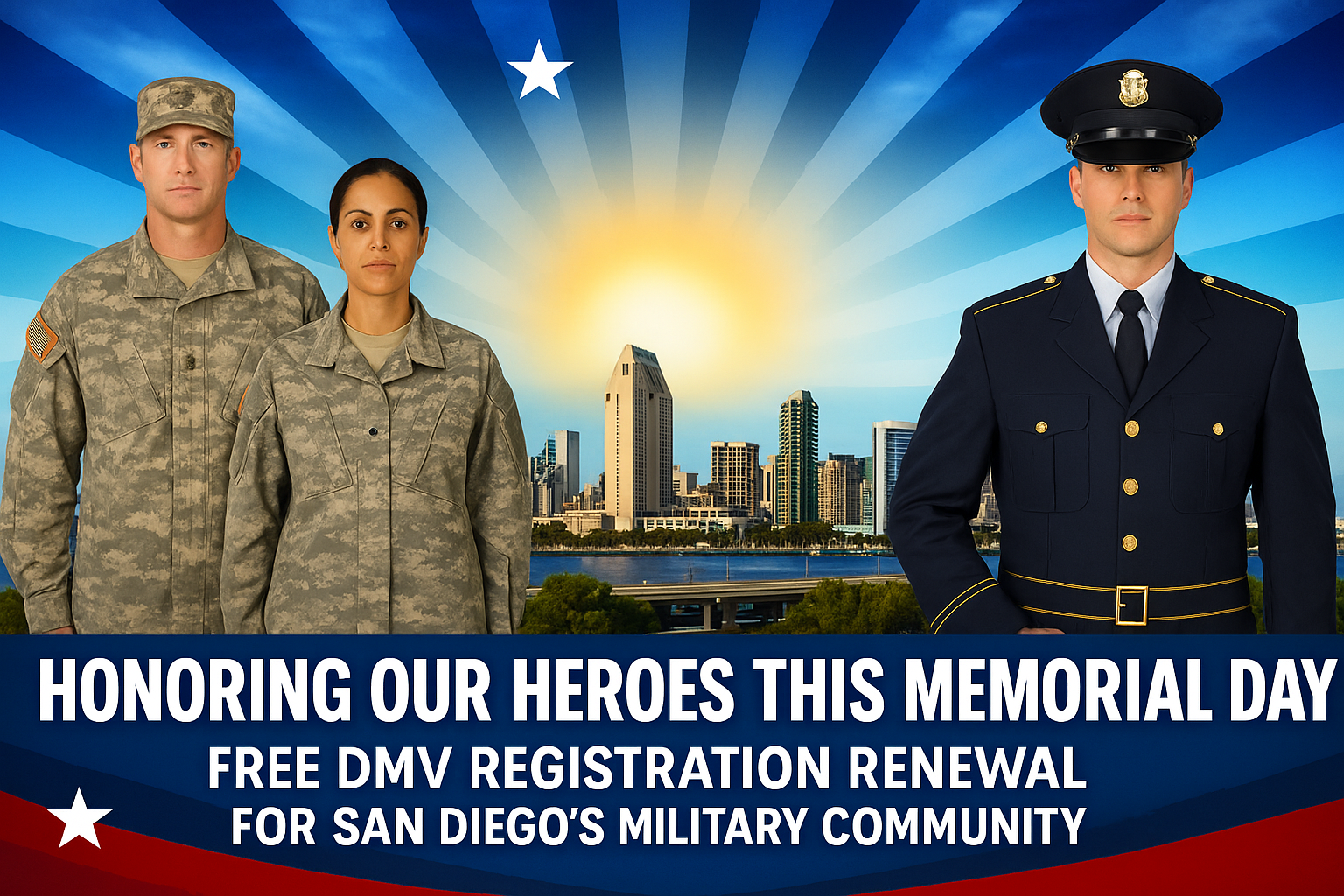
  • Honoring Our Heroes This Memorial Day: Free DMV Services for San Diego Military Community

    Honoring Our Heroes This Memorial Day: Free DMV Services for San Diego Military Community

    Introduction – What Memorial Day Means

    Memorial Day, observed on the last Monday of May, is a solemn national holiday dedicated to the U.S. service members who made the ultimate sacrifice for our freedom. While it often marks the unofficial start of summer, it’s first and foremost a day to pause, reflect, and express gratitude for those who gave everything. In a city with one of the nation’s largest military populations, San Diego comes together each year to honor both our fallen heroes and the living veterans, active-duty personnel, and military families who continue to serve.


    Why We Honor Our Heroes

    • Remembrance: Memorial Day keeps our fallen service members’ legacy alive.

    • Community: Veterans, active-duty personnel, and their families are integral to San Diego’s identity.

    • Support: Offering practical help—like free DMV services—turns appreciation into meaningful action.


    DMV Support for the Military: Know Your Year-Round Benefits

    California already provides several DMV-related advantages for military members and veterans:

    • Exemption from certain registration fees

    • Waivers for late penalties in special circumstances

    • Non-resident military registration privileges

    • “Veteran” designation on driver licenses and ID cards

    • Special plates (Veteran, Purple Heart, Disabled Veteran, etc.)

    Unfortunately, these benefits can be complex to navigate, and long DMV lines don’t fit busy military schedules. That’s where Tags Clinic steps in.


    Memorial Day 2025: Tags Clinic Gives Back

    To honor our military community this Memorial Day, Tags Clinic will waive all service fees for DMV registration renewals—making your visit fast, respectful, and hassle-free.

    Memorial Day Service Details
    What FREE DMV registration renewal service (Tags Clinic fees waived; standard DMV/penalty fees still apply)
    Who Active-duty military, veterans, and their immediate family (with valid military ID)
    When Monday, May 26, 2025 – 9:00 AM – 6:00 PM
    Where Tags Clinic – 3845 University Ave, San Diego, CA 92105
    How No appointment needed. Bring your current registration card & military ID. Drive-thru available.

    Additional Free DMV Services Offered on Memorial Day

    Alongside registration renewals, qualifying military customers can access free help with:

    • License renewals

    • Duplicate stickers or document

    • Insurance Suspension reinstatements

    • Temporary operating permits

    (Tags Clinic service fees are waived; any DMV-imposed fees still apply.)


    How to Take Advantage

    1. Confirm Eligibility – Bring valid military ID or proof of veteran status.

    2. Gather Your Documents – Registration card, proof of residency (if needed), and vehicle details.

    3. Visit Tags Clinic – Walk-in or use our drive-thru lane for extra convenience.

    4. Get Confirmation – We’ll process everything on the spot and provide proof of completion.


    Why This Matters

    For 13 years, Tags Clinic has helped San Diegans skip long DMV lines with quick, accurate service. Waiving our fees on Memorial Day is a small way to thank those who safeguard our freedoms—and to ease financial and logistical burdens for military families.


    Our Everyday DMV Services (Available Year-Round)

    • Vehicle Registration & Renewals

    • Comprehensive Title Transfers

    • VIN Verifications (In-Office & Mobile)

    • Duplicate Titles & Rush Title Services (72-Hour)

    • Smog Check Suspension Reinstatement

    • Trip Permits & Temporary Tags

    • License Plate & Sticker Replacements

    • Notary Public, Passport Photos, and more


    Community Support & Partnerships

    Local businesses and organizations are also honoring service members this Memorial Day—through attraction discounts, educational seminars, and family-friendly events. Together, we create a supportive network that shows real appreciation.


    What You Can Do

    • Spread the Word: Share this initiative with military friends, family, and colleagues.

    • Show Gratitude: Thank a service member or veteran you meet this weekend.

    • Get Involved: Volunteer or partner with local groups hosting Memorial Day events.


    Media & Press Inquiries

    Interested in covering this story?

    Media Contact:
    Abdulkadir Ahmed, President/CEO – Tags Clinic Inc.
    📍 3845 University Ave, San Diego, CA 92105
    📞 (619) 777-9046
    admin@tagsclinic.com

    Media interviews, visuals, and live coverage slots are available throughout Memorial Day. Reach out to coordinate a visit—we’ll work around your schedule.

    Call to Action

    Let’s stand together this Memorial Day to honor our heroes—making life a little easier for those who give so much for us. Want to get involved or learn more? Come by Tags Clinic located at 3845 University Ave, San Diego, CA or give us a call at 619-777-9046. Let’s all work together to make a difference for our military community! Check us out on our website by clicking here for more information.

  • Navigating California DMV: Out‑of‑State Vehicle Registration Explained

    Navigating California DMV: Out‑of‑State Vehicle Registration Explained

    Navigating California DMV: Out-of-State Vehicle Registration Explained

    Introduction

    Moving to a new state can be tough, and one challenge is figuring out how to register your vehicle. In California, the Department of Motor Vehicles (DMV) makes sure that all vehicles are correctly registered. This blog will help newcomers understand how to register an out-of-state vehicle in California, making it easier and less confusing.

    Understanding Vehicle Registration in California

    Vehicle registration is proof that your car is allowed to be on the road. It helps track vehicle ownership and ensures that cars meet safety and emissions standards. California has strict rules that may be different from other states, like mandatory smog checks and meeting specific emissions standards.

    Who Needs to Register an Out-of-State Vehicle?

    If you’re new to California and plan to live here, you need to register your out-of-state vehicle. You have to do this within 20 days of moving here to avoid penalties and comply with California laws.

    Required Documentation

    Having the right documents is really important when registering your out-of-state vehicle in California. You’ll need:

    • Out-of-state title and registration: This shows you own the car.
    • Proof of insurance: Your insurance must meet California’s minimum requirements.
    • California smog certification: Most cars need a smog check to meet emissions standards.

    Tip: Keep all these documents together in a folder so you don’t lose anything when you go to the DMV.

    The Registration Process

    Step 1: Visit a Local DMV Office

    Find a DMV office near you using their online locator tool. It’s a good idea to book an appointment to save time.

    Step 2: Complete Required Forms

    You’ll have to fill out some forms, like Form REG 343 (Application for Title or Registration). You can get these from the DMV website or at the DMV office. Fill them out carefully.

    Step 3: Pay Applicable Fees

    Be ready to pay fees for registration and other charges. The DMV accepts credit cards, checks, and cash.

    Step 4: Vehicle Inspection and Smog Check

    Most cars need a smog check in California. If your car doesn’t pass, you must fix it before registering. Check the DMV’s website for where to get a smog check.

    Common Challenges and How to Overcome Them

    If you don’t have the right documents or run into long wait times, it can be stressful. Here are some tips:

    • Double-check that you’ve completed all forms and have the right documents.
    • Try to visit the DMV during less busy times.
    • Use the DMV’s website for help or talk to DMV experts.

    Tips for a Successful Registration

    • Preparation: Make sure you have all your documents and forms ready before your DMV appointment.
    • Patience: Going to the DMV can take time, so set aside a day when you don’t have other important plans.
    • Utilize Resources: The California DMV website has lots of guides and FAQs to help you.

    Conclusion

    Registering an out-of-state car in California means understanding what’s needed and how to prepare. Having the right documents and following the steps will help you succeed. Following the rules not only avoids penalties but also keeps your car safe on the roads.

    Additional Resources

    Taking these steps will make moving to California smoother. You can then enjoy everything the Golden State offers. For an easier experience, think about visiting Tags Clinic, San Diego’s DMV alternative, for expert help.

    Call to Action

    If you’re relocating to California and need assistance with your vehicle registration, visit us at Tags Clinic for a more convenient experience. We’re located at 3845 University Ave, San Diego, CA and await your visit. You can call us on 619-777-9046 for any queries or visit our website for more information. We’re here to make your vehicle registration a breeze!

    Location

  • The History and Evolution of Smog Checks in California

    The History and Evolution of Smog Checks in California

    The History and Evolution of Smog Checks in California

    Introduction

    If you’ve ever lived in or visited California, you probably know about smog checks. These checks are really important because they make sure cars and trucks are not polluting too much. California has a lot of people and cars, which leads to air pollution. Smog checks help keep the air cleaner. Let’s learn about how these checks started and have changed over time.

    The Start of Smog Rules

    California started worrying about air quality before the 1960s, but it got really serious in that decade. Cities like Los Angeles were covered in smog from cars, which made people worried about their health. The Clean Air Act of 1967 was a big law that started setting rules for air pollution. It helped states, like California, create their own rules for car emissions.

    The Beginning of Smog Checks

    In 1984, California decided to take action by starting the California Smog Check Program. This program was created to find cars that were polluting too much. At first, many people didn’t like the program. They thought it was too much trouble and too expensive. The state also had a hard time managing everything.

    Changes and Improvements

    To fix the problems from the start, California made big changes in the 1990s. They started the Smog Check II Program with better tests and focused on the areas with the worst pollution. New technology helped make the tests more accurate and faster. These improvements made the program work better at reducing pollution.

    What’s Happening Now

    Today, smog checks in California are still changing to be better. The systems are made to help the environment without being too hard for car owners. STAR stations, which offer very accurate checks, have been started. The California DMV and the Bureau of Automotive Repair work together to make sure the smog checks are done properly.

    How Smog Checks Help the Air

    Since smog checks began, the air has gotten a lot cleaner in California. Pollution levels have gone down, which is better for everyone’s health and the environment. There are many success stories showing how these checks really help communities and nature.

    Challenges and Complaints

    Even though smog checks have been successful, there are still some problems. Some cars, especially old ones, have a hard time passing the tests. There are also people who feel the checks are not fair or don’t cover all types of pollution.

    The Future of Smog Checks

    Looking to the future, smog checks in California will keep changing. Newer technology could make tests even better. With more electric cars on the road, there might need to be new rules. How California adapts will be important for keeping the environment clean.

    Conclusion

    The history of smog checks in California shows that the state cares about the environment and health. Smog checks have helped make the air cleaner, and California sets an example for other places with similar problems. Supporting these rules will help keep the air clean.

    What You Can Do

    If you live in California or own a car there, it’s important to know what’s needed for smog checks. Make sure your car is in compliance and help keep California’s air clean. You can visit places like Tags Clinic in San Diego for help.

    Where to Learn More

    Call to Action

    We hope this article has informed and inspired you about the benefits of smog checks. If you’re in the San Diego area and need assistance, don’t hesitate to visit us at Tags Clinic located at 3845 University Ave, San Diego, CA or call us at 619-777-9046. We are happy to serve and help maintain California’s efforts towards a cleaner environment. For more information, please visit our website tagsclinic.com. Let’s all work together to keep our skies clear and air clean!

  • How to Double‑Check Your Documents Before a DMV Visit

    How to Double‑Check Your Documents Before a DMV Visit


    How to Double-Check Your Papers Before Going to the DMV

    How to Double-Check Your Papers Before Going to the DMV

    Introduction

    Going to the DMV can be something people don’t look forward to. There are usually long lines and lots of waiting. But if you get ready in advance, the process can go much better. One of the most important things to do is make sure you have all the papers you need before you go. Checking these papers not only saves time and stress but also means you probably won’t have to come back again. This post will show you how to double-check your papers for an easy trip to the DMV.

    Know What You Need for Your DMV Appointment

    Know Why You’re Going

    First, you need to know why you’re going to the DMV. Here are some common reasons:

    • Renewing your driver’s license
    • Registering a car
    • Getting a Real ID
    • Transferring a title
    • Changing your address on documents

    Find Out What Papers You Need

    Once you know why you’re going, find out exactly what papers you’ll need. Different services need different papers. Be sure to visit the official DMV website or contact your local DMV office to get the latest information. Here are some common papers you might need:

    • For driver’s license renewal: Your current license, proof of who you are, and vision test results.
    • For vehicle registration: Your current registration certificate, proof of insurance, and vehicle title.
    • For Real ID: Proof of who you are, proof of Social Security number, and proof of where you live in California.

    Document Checklist

    Who You Are

    It’s important to have the right identification, like:

    • Passport
    • Birth certificate
    • Permanent resident card

    Where You Live

    Show where you live with:

    • Recent utility bills
    • Lease agreements
    • Mortgage statements

    Your Social Security Number

    Make sure you have proof of your Social Security Number, like:

    • Social Security card
    • W-2 form
    • Paystub with your SSN on it

    Special Forms

    Before you go, you might need to fill out some forms:

    • Application for a driver’s license or ID
    • Vehicle registration forms
    • Title transfer forms

    Organizing Your Papers

    Put everything in a folder or envelope to keep them organized. This helps make sure you don’t lose anything. Think about making digital copies of your papers. This can be very helpful if something gets lost or damaged. Write labels for each paper. This makes it easy to find what you need quickly at the DMV.

    Double-Checking Tips

    Write a checklist just for your DMV visit. This way, you won’t forget any important papers. It’s easy to forget about expiration dates. Make sure none of your IDs or important papers are expired. Make a checklist to check right before you leave for the DMV. This can include:

    • All IDs you need
    • Proof of where you live
    • Forms completed
    • Make sure you know your appointment time

    Helpful Resources

    Visit the official DMV website for California to find what you need and see any updates. If you’re not sure about something, call your local DMV office for help.

    Conclusion

    Double-checking your papers can make your trip to the DMV much faster and easier. By planning ahead and using these steps, your visit will be stress-free. If you have any tips, share them in the comments to help others have an easier DMV visit.

    Call to Action

    If your visit is coming up and you realize you need more time to get ready, don’t hesitate to reschedule your appointment on the DMV website. For updates on DMV procedures, think about subscribing to their notifications. Planning well ensures your DMV visit is quick and easy.

    If you need personalized assistance to prepare your DMV requirements, consider visiting us at Tags Clinic located on 3845 University Ave, San Diego, CA. Call us at 619-777-9046, or visit our website at Tags Clinic. Our experts are always ready to offer guidance and support to make your DMV visit as seamless as possible!